标签: Grenada

格林纳达

  • Chess stars shine in CSEC exams

    Chess stars shine in CSEC exams

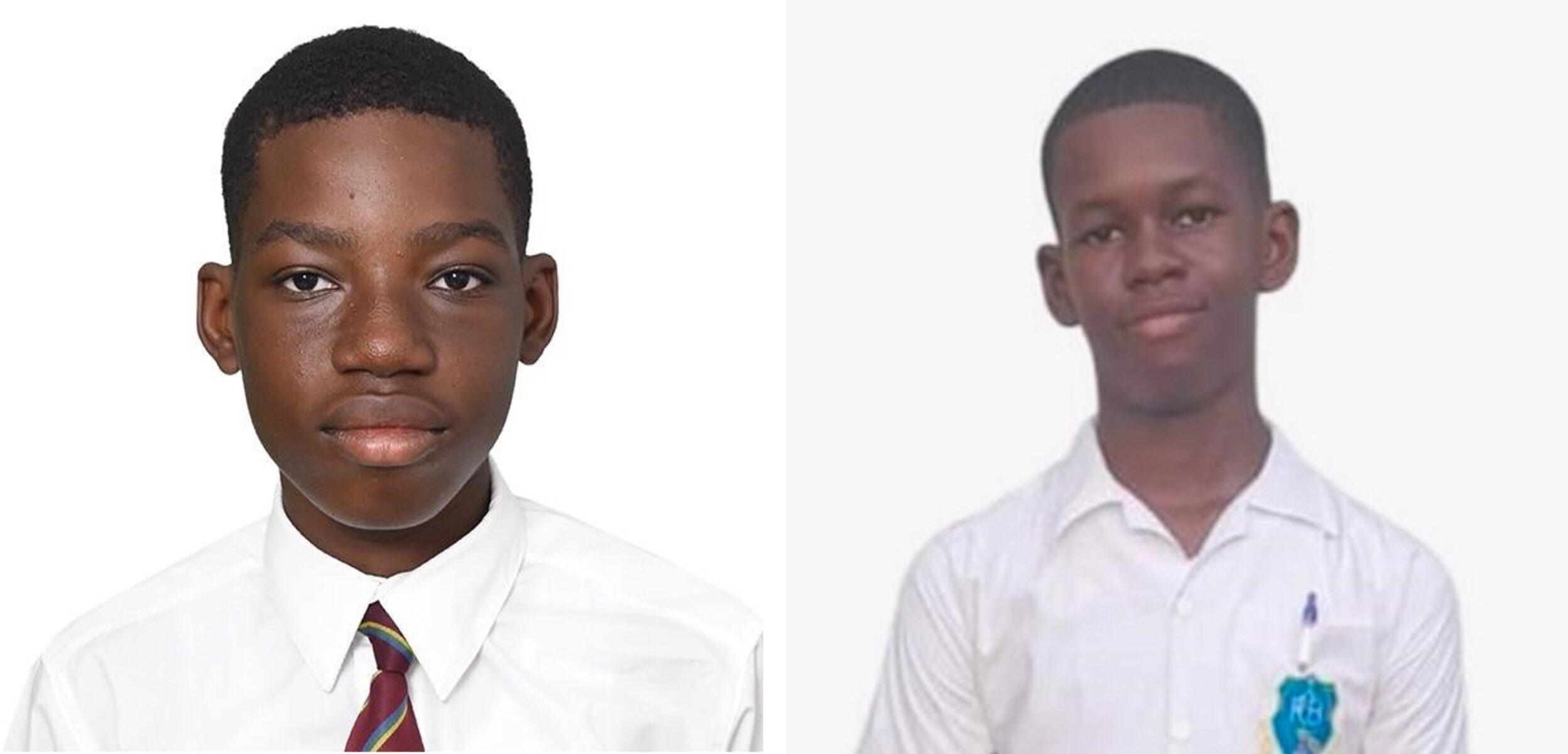
    Two of Grenada’s most promising young chess talents have pulled off a remarkable double achievement, earning perfect scores in their regional secondary education exams just as they prepare to compete on the global chess stage. Current Under-16 National Chess Champion Jaedyn Pierre, a student at Grenada Boys Secondary School, and National Junior Player Aiden Victor, who attends Presentation Brothers College, each passed all 12 of their Caribbean Secondary Education Certificate (CSEC) subjects. Results for the CSEC exams, administered by the Caribbean Examinations Council (CXC), were officially released on Tuesday, 19 August.

    Both young competitors are core members of the 5-person national team selected to represent Grenada at the FIDE World Under-16 Chess Olympiad, scheduled to take place in Colombia from 16 to 23 August 2025. They also previously represented their country at the 3rd Chatoyer Bilateral Chess Championship, held in Kingstown, St. Vincent between 13 and 16 March 2026, and are active leaders of the chess clubs at their respective campuses.

    Pierre, in particular, has already made history for Grenada’s chess community. In August 2025, he became the youngest and first home-grown Grenadian junior player to earn an official FIDE rating, securing a score of 1691. He is also one of five male players selected to compete for Grenada at the 46th FIDE Chess Olympiad, set to be hosted in Samarkand, Uzbekistan from 15 to 28 September 2026.

    Widely celebrated as a mentally stimulating sport, chess is documented to deliver a range of cognitive benefits: it boosts sustained attention and focus, sharpens critical thinking skills, supports long-term cognitive health by slowing age-related memory decline, and fosters strong personal discipline. These transferable skills have clearly served both Pierre and Victor well as they balanced intensive chess training with rigorous academic preparation for their CSEC exams.

    The Grenada Chess Federation (GCF) has issued a warm public statement celebrating the pair’s academic milestone. “We extend our heartiest congratulations to Jaedyn Pierre and Aiden Victor on their recent CSEC successes,” the organization said, “and we wish them every success in the next stage of their academic journey, as well as in their upcoming international chess competitions.”

    This report was sourced from the GCF, with content disclaimer handled by NOW Grenada.

  • GFA takes grassroots football into primary schools

    GFA takes grassroots football into primary schools

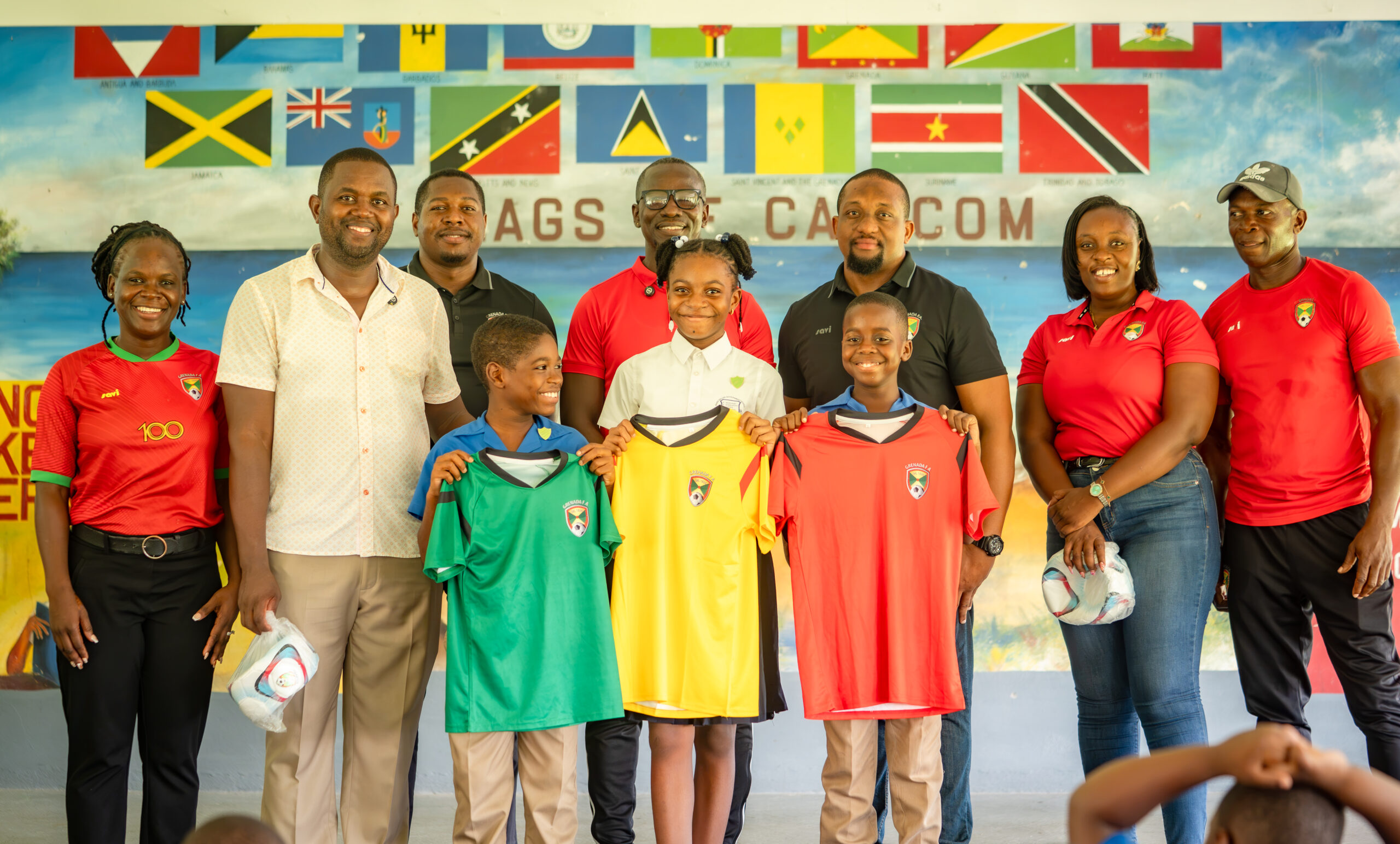
    The Grenada Football Association (GFA) has unveiled an ambitious new nationwide initiative, the Grassroots Primary School Campaign, designed to embed football directly into primary education across the country, hook young students on the sport, and build a connected development pipeline that moves young players from casual introductory play all the way to club and national team ranks.

    Rolled out across September, the campaign sees GFA delegations travel to primary schools spanning both Grenada and the smaller island of Carriacou to hold direct discussions with students, teachers, and entire school communities. The outreach highlights two core programs: the relaunched weekly Grassroots Football Programme, and the existing Primary School Football Programme, spelling out clear opportunities for young people to get involved.

    This on-the-ground campaign marks the latest milestone in the GFA’s broader strategic push to deliver consistent, year-round playing opportunities for children of all genders, shifting away from the association’s previous model of relying almost exclusively on isolated seasonal programs. The new approach links each stage of youth development to create a seamless progression path, starting with first exposure to the sport and moving into structured, regular play.

    A critical foundation for this new connected model was laid by the recently completed Summer of Soccer Programme, which drew roughly 1,000 participating boys and girls across the country. Now, GFA leaders are actively encouraging those summer participants to continue their skill and personal development by joining the relaunched weekly Saturday grassroots sessions.

    For the GFA leadership, the end goal is to build a fully integrated development continuum that connects Summer of Soccer, weekly grassroots activities, school-based football, club competition, and national youth programming. This connected system is designed to expand the overall pool of children entering the sport and strengthen the long-term backbone of Grenadian football at every level.

    “If we want to build a stronger future for Grenadian football, we have to begin by creating opportunities for children to play and by meeting them where they are. Our schools and communities are where that journey starts. This campaign allows us to speak directly to young people, introduce them to the opportunities available through the GFA and encourage them to become part of football from an early age,” said GFA President Marlon Glean in a statement on the campaign launch.

    Glean emphasized that the GFA’s work extends far beyond simply scouting future national team talent. Grassroots football, he noted, plays a key role in helping children build critical life skills including confidence, self-discipline, teamwork, and a lasting sense of community belonging, while also encouraging lifelong healthy habits. A core priority of the initiative is also keeping the sport accessible and affordable for all boys and girls across every region of Grenada.

    The campaign kicked off with an inaugural visit to St George’s Anglican Primary School, and will run through the rest of September with scheduled stops at a dozen schools across multiple parishes, including St Patrick’s RC, St Patrick’s Anglican, Mt Rose Primary, River Salle Government, Corinth Government, St John’s Anglican, Springs Government and Samaritan Primary, plus dedicated outreach across Carriacou. Additional school visits are still being finalized to expand the campaign’s reach.

    During each school visit, GFA representatives introduce students to the range of development opportunities available and encourage them to stay involved in football beyond one-off summer camps or occasional school competitions. The Primary School Football Programme offers a structured in-school pathway for regular play, while the relaunched weekly grassroots program delivers ongoing weekly development sessions every Saturday outside of school hours.

    “Introducing children to football early is only the first step. The real value comes when we create consistent opportunities for them to keep playing, learning and developing. Summer of Soccer provides that initial experience for many children, but the weekly Grassroots Programme, school football and ultimately our clubs allow that development to continue,” explained GFA Technical Director Alister Fleming.

    Fleming added that expanding grassroots participation will have a direct impact on the quality of Grenada’s national player development pipeline. By drawing more children into the sport at the entry level, the GFA can grow the pool of talented players who can progress through club ranks, into national youth programs, and eventually onto the country’s senior national teams for both men and women.

    The school-focused campaign also underscores the GFA’s commitment to breaking down geographic barriers to football development, ensuring opportunities are not limited to a small handful of more privileged communities. By including stops in nearly every parish and across Carriacou in the September schedule, the association is following through on its longstanding goal to expand access and tie more remote schools and communities into the national football development structure.

    The relaunch of the weekly Saturday Grassroots Football Programme will build directly on the momentum generated by this summer’s popular Summer of Soccer, giving young players who enjoyed the introductory program a clear next step to continue their football journey. The weekly sessions focus on building core technical football skills while also delivering the well-documented social and personal development benefits that come with regular team sport participation.

    Across every part of the Grassroots Primary School Campaign, the GFA is reinforcing its core philosophy: sustainable long-term success at the club, youth international, and senior national level can only be built on a strong, accessible, inclusive grassroots foundation. The initiative aims to build that foundation one school, one community, and one young player at a time.

    Parents and guardians who wish to enroll their child in the weekly Grassroots Football Programme, or who want more information on any of the GFA’s grassroots opportunities, can contact the GFA main office at (473) 440-9903 for more details.

    This report is a contributed piece from the Grenada Football Association. NOW Grenada does not take responsibility for the opinions or content shared by contributing organizations. To report any inappropriate content, visit the platform’s official reporting portal.

  • Capacity building is more than training

    Capacity building is more than training

    Capacity building is a ubiquitous phrase across modern professional and development spaces. It appears in government policy frameworks, international development projects, corporate strategic plans, donor funding applications, non-profit program designs, and private sector growth discussions. Yet despite its widespread usage, the concept remains widely misunderstood: most practitioners and leaders still reduce it to nothing more than employee skills training.

    The conventional narrative goes like this: organize a workshop, invite relevant staff, hand out completion certificates, confirm that participants picked up some new skills, and declare capacity building a success. In some cases, this model delivers results — but more often than not, it falls short of creating long-term, meaningful improvement. The core mistake is equating individual training with holistic capacity building. While skills development is a critical component of strengthening capacity, it is not interchangeable with the broader concept.

    At its core, capacity is the ability of an individual, organization, or institution to consistently fulfill its core mandate and deliver effective results over an extended period of time. The key question for leaders is not just what skills individual workers lack, but what systemic barriers are preventing strong, sustained performance. Those barriers can range from gaps in individual know-how to flawed organizational structures, insufficient resource allocation, poor governance, outdated technology, weak leadership, unclear lines of authority, or unfavorable broader operating environments.

    On the individual level, capacity building is an intuitive concept. Workers need access to knowledge, technical proficiency, hands-on experience, and ongoing professional development opportunities. Tools like formal training, one-on-one coaching, mentorship programs, higher education, and employability initiatives all play important roles. The pitfall comes when leaders assume every performance gap can be fixed by upskilling individual employees alone.

    Consider a common scenario: an employee has attended repeated training sessions on effective workflow management, but returns to a workplace where role responsibilities are unwritten and ambiguous, routine decisions take weeks to move through multiple layers of approval, core work equipment is outdated, and understaffing forces one person to cover the workload of three full-time positions. This employee may understand exactly what best practices look like, but systemic constraints make consistent strong performance impossible. The barrier is not a lack of skill — it is a failure of organizational capacity.

    Organizational capacity extends far beyond the combined skills of a company or department’s workforce. It encompasses structural design, leadership quality, governance frameworks, internal processes, digital and physical infrastructure, financial stability, workforce planning, information management systems, institutional knowledge retention, and cross-team coordination capabilities. It is entirely possible for an organization to employ a team of highly qualified, skilled workers and still underperform, because outdated internal systems actively block strong performance.

    Take the example of a government department that consistently struggles with project delivery delays. The default assumption is that staff need better time management training. But the root cause could just as easily be unnecessary layers of approval for routine decisions, overlapping role responsibilities that create confusion, or no clear definition of which stakeholder holds decision-making authority. Each of these problems requires a different intervention, and misdiagnosing the core constraint makes meaningful improvement nearly impossible.

    When we zoom out to institutional capacity, the scope of capacity building grows even broader. Large public institutions such as government ministries, statutory regulatory bodies, and public service agencies do not operate in a vacuum. Their ability to deliver results depends on foundational factors like clear legislative mandates, stable long-term financing, collaborative working relationships with other agencies, enforceable regulatory powers, and public trust. An institution can have a skilled workforce and functional internal systems and still fail to meet its objectives, because the broader operating environment works against it. In these cases, meaningful capacity strengthening requires clearer mandates, cross-agency coordination overhauls, legislative reform, improved governance frameworks, or more sustainable financing — not another generic training workshop.

    This same logic applies to private sector growth and entrepreneurship development. Global development programs and governments often attempt to boost small business growth through standard interventions: business skills training, financial literacy workshops, and basic enterprise support. These resources are valuable, but a skilled entrepreneur can still fail to grow if they cannot access affordable business financing, face burdensome and slow administrative processes, lack access to reliable digital infrastructure, or find that fragmented public business support services are impossible to navigate. The entrepreneur’s individual capacity matters, but so does the capacity of the broader entrepreneurial ecosystem to support new and growing businesses.

    This disconnect explains why training can be deemed a success on paper while overall capacity building efforts still fail. A workshop can leave participants with new knowledge, positive feedback, and actionable ideas, but the organization itself remains unchanged. If workers cannot apply their new skills because internal processes have not been updated, managers refuse to support new working methods, necessary tools and resources are unavailable, or organizational incentives still reward outdated practices, individual learning never translates to improved organizational capability.

    This outcome is not inherently a failure of the training itself. It is a failure to connect individual skills development to the larger system where workers are expected to apply those skills. Training is also a popular default intervention for a simple reason: it is visible, easy to measure, and straightforward to deliver. Organizing a one or two-day workshop is far less politically and operationally difficult than confronting longstanding problems like unclear authority structures, ineffective internal processes, weak management, or broken governance arrangements.

    This reality points to a core principle that most capacity building programs ignore: meaningful diagnosis must always come before intervention. When an organization is underperforming, leaders need to ask not just whether workers have the necessary skills, but a host of other critical questions: Is the team sufficiently staffed? Are roles, responsibilities, and lines of authority clearly defined? Do internal processes and available technology support efficient work? Is institutional knowledge properly retained and shared across the team? Do managers create conditions that enable strong performance? Are governance and accountability frameworks working as intended? In many cases, the biggest obstacles lie entirely outside the organization’s own walls, in the broader institutional or regulatory ecosystem.

    Once the true root constraints are identified, the appropriate solution may indeed be training. But it could just as easily be targeted recruitment, robust succession planning, technology upgrades, clearer role definition, process redesign, stronger management leadership, full organizational restructuring, governance reform, or policy changes to improve the broader operating environment.

    Shifting to a holistic, diagnostic-first approach to capacity building also requires changing how we measure the success of these initiatives. Counting the number of workshops held, participants trained, or certificates issued is simple, but these metrics tell us almost nothing about whether actual capacity has increased. The far more important measures are outcome-focused: Is the organization better able to deliver on its core mandate after the intervention? Are problems solved more efficiently and effectively? Can decisions be made and implemented with greater speed and clarity? Is the institution able to adapt when external circumstances change? Can improvements be sustained after external consultants, donor funding, or temporary support programs end?

    At the end of the day, training builds individual knowledge and skills. True capacity building asks a larger, more important question: can people, organizations, and institutions turn those individual capabilities into consistent, sustained high performance? Understanding the difference between these two concepts leads to wiser decisions about how to deploy scarce resources, and ultimately, to more meaningful progress across organizational development, public sector reform, entrepreneurship growth, and long-term national development.
  • Cuba’s health system under siege: Lives behind the numbers

    Cuba’s health system under siege: Lives behind the numbers

    In a press address to global and domestic media on September 7, 2026, Cuban Foreign Minister Bruno Rodríguez Parrilla unveiled the most recent comprehensive assessment of harms inflicted by the United States economic and energy blockade on Cuba, covering the period from March 2025 to February 2026. He emphasized a critical, often overlooked truth: the decades-old blockade is not a distant geopolitical tool, but an unrelenting, daily attack on the fundamental right to life for ordinary Cuban people.

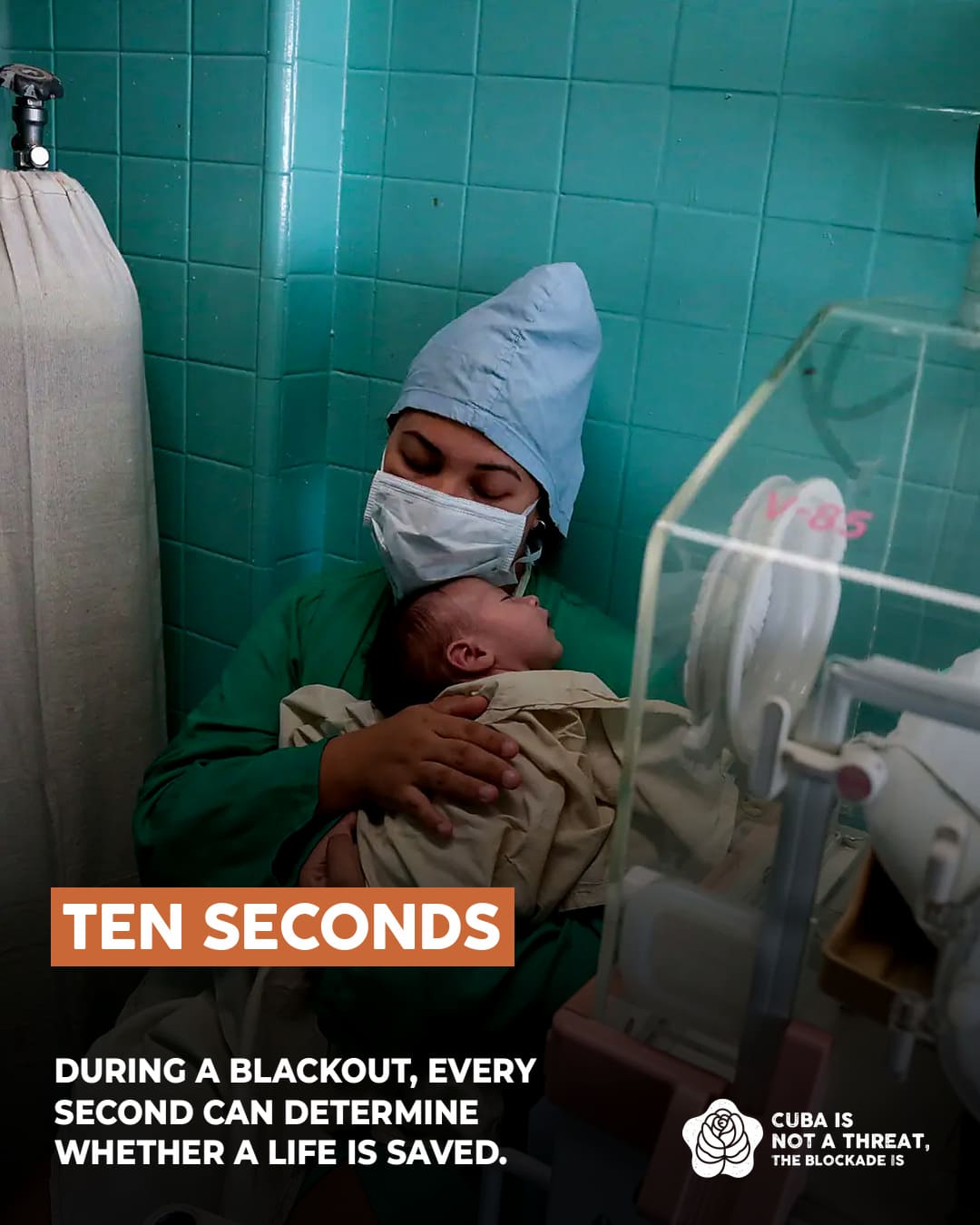
    Nowhere is the blockade’s cruelty more pronounced than in the country’s hospitals and clinics, where widespread energy shortages have turned routine care into a life-or-death struggle. Newborns relying on life-sustaining incubators and mechanical ventilators are left exposed during frequent power outages, and medical staff have been forced to manually pump air to keep infants alive when grid and backup systems fail. Surgeons have completed urgent procedures by the dim light of rechargeable flashlights and even cell phone screens, with no alternative available when electricity cuts out mid-operation.

    Despite widespread investments in solar infrastructure to shield critical healthcare services, ongoing energy restrictions have crippled hospital operations across the island. Ambulance fleets lack sufficient fuel to respond to emergencies, dialysis treatment for patients with kidney failure is regularly interrupted, and more than 7,000 shipping containers holding desperately needed medications remain stuck outside Cuban ports, leaving families to endure agonizing searches for scarce life-saving drugs.

    Leading Cuban clinicians have shared on-the-ground accounts of this ongoing crisis. Dr. Niurka Moreno Obregón, head of neonatology at a leading Havana hospital, explained that most mechanical ventilators lack backup batteries, leaving staff no choice but to step in when generators fail during blackouts. Dr. Yudmila Rodríguez Verdecia, chief anesthesiologist, recalled high-stakes surgeries carried out under cell phone illumination: “The surgery cannot be stopped. We are plunged into complete darkness, and we keep working.”

    The crisis hits children with cancer particularly hard. Each year, between 300 and 400 Cuban children receive a cancer diagnosis, and their survival depends on consistent access to specialized medications and radiation equipment that requires a stable energy supply. For families, this means living in constant fear of treatment interruption. Licet Rodríguez Alonso, the mother of 15-year-old cancer patient Diego, shared her anguish: “Diego is in the middle of radiation, but there’s no fuel for the generators. How will those machines run? If the hospital shuts down, how can I keep my son’s treatment going?”

    The cumulative impact of the blockade’s restrictions has left Cuba with a backlog of more than 100,000 patients waiting for life-improving or life-saving surgery, 12,000 of whom are children. Fuel shortages have disrupted cold chain transport for vaccines, leaving more than 30,000 children waiting for scheduled immunizations. An additional 2,888 patients dependent on regular haemodialysis face unstable, interrupted care, as the treatment requires a steady energy supply that the country’s strained grid can no longer guarantee.

    Global health and international leaders have increasingly voiced urgent alarm over the humanitarian crisis. On May 7, 2026, World Health Organization Director-General Tedros Adhanom Ghebreyesus stressed that “health must be protected at all costs and must never be left at the mercy of geopolitics, energy blockades, or blackouts.” The UN Resident Coordinator in Cuba has warned that 32,000 pregnant people face elevated risk of complications due to care gaps, while a spokesperson for the UN Secretary-General has echoed deep concern for thousands of cancer patients unable to access life-saving radiotherapy or chemotherapy.

    The collected statistics from the report paint a devastating picture of the human toll, with each number representing individual lives and families upended by the blockade. The island’s infant mortality rate has jumped from 4 deaths per 1,000 live births in 2018 to 9 deaths per 1,000 live births in 2025, a 148% increase. Of the 395 essential pharmaceuticals classified as critical for public health, 300 are currently unavailable across the country. Childhood and youth cancer survival rates have plummeted from 85% a decade ago to just 65% in 2025.

    Beyond the public health system disruptions, the US blockade actively blocks Cuba from purchasing a wide range of life-saving advanced medications from major international pharmaceutical manufacturers. These include common first-line cancer treatments such as Pemetrexed produced by Eli Lilly, Palbociclib from Pfizer, Brentuximab vedotin from Seattle Genetics, Pembrolizumab from MSD, and Nivolumab from Bristol Myers Squibb. Vital specialized medical equipment for pediatric cardiology and genetic care, including HeartMate 3 and PediMag cardiac pumps for children with severe congenital heart conditions, also remain inaccessible due to trade restrictions.

    Even basic diagnostic supplies are blocked: Phytohemagglutinin, a reagent critical for routine neonatal genetic testing, cannot be imported, forcing the suspension of testing and care planning for 140 patients in 2025 alone.

    In closing, the report frames the blockade’s disproportionate impact on the most vulnerable segments of Cuban society — newborns, sick children, elderly patients, and low-income families — as having a clear genocidal character. Behind every statistic is a human story: an infant fighting for breath when a ventilator fails, a birthing mother delivering in total darkness, a family watching a loved one suffer without access to affordable treatment, and a clinician working against all odds to save a life with insufficient tools. The blockade is not an abstract policy debate: it is collective punishment inflicted on an entire people, and its cost is measured in human lives.

  • GHTA free PSA screening programme for 100 Men

    GHTA free PSA screening programme for 100 Men

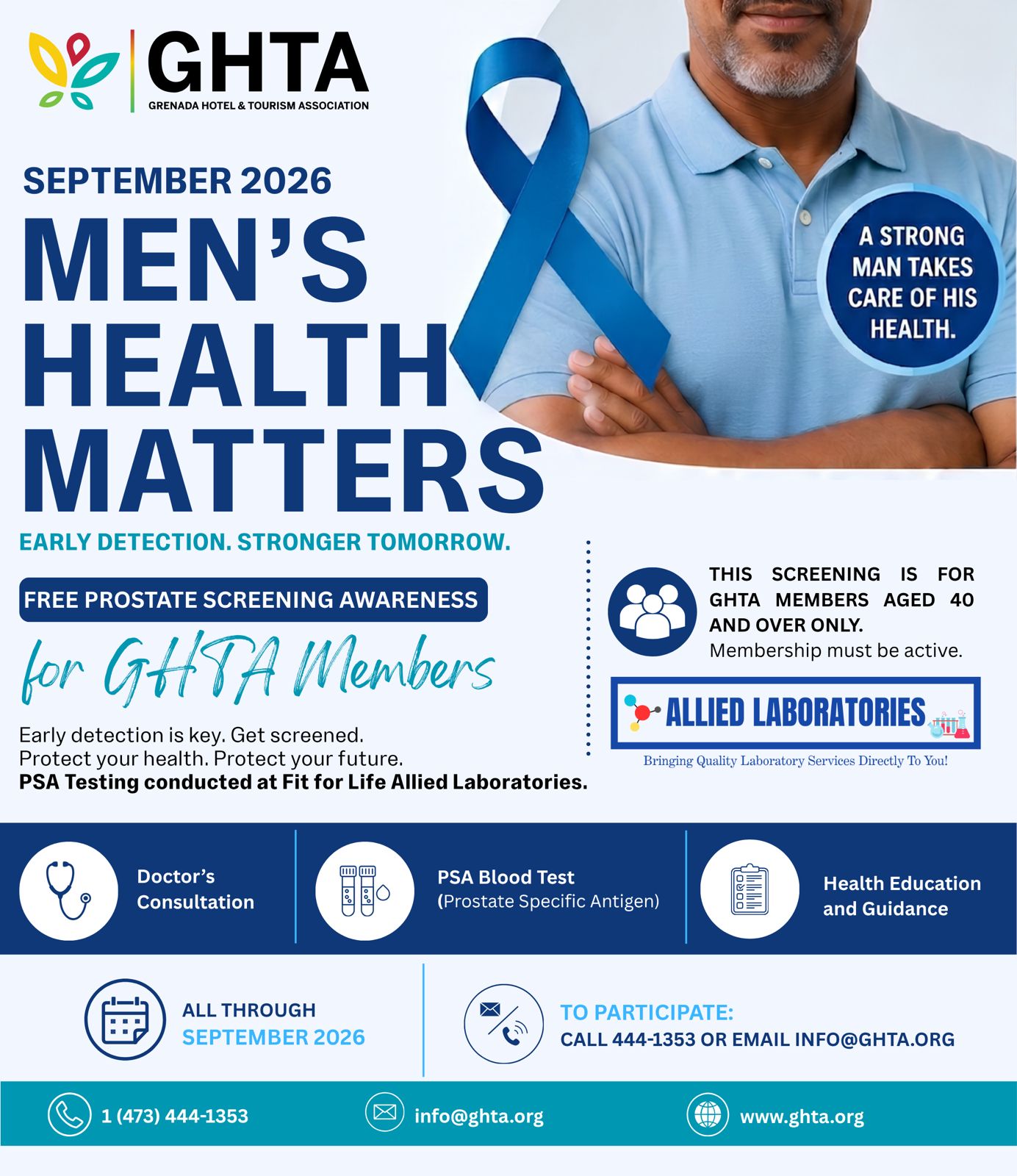
    For men across Grenada, particularly those working in the key tourism and hospitality sector, a valuable free health opportunity is coming next September, as the Grenada Hotel and Tourism Association (GHTA) confirms the return of its popular no-cost Prostate-Specific Antigen (PSA) screening initiative. Aligned with global Prostate Cancer Awareness Month observances, the programme underscores GHTA’s long-standing commitment to prioritizing the physical and mental wellbeing of the community that powers Grenada’s top tourism industry.

    Running from September 1 to 30, 2026, the screening initiative is made possible through funding from GHTA’s Tourism Enhancement Fund (TEF), with on-the-ground delivery in partnership with local Allied Medical Laboratory. The programme will reserve 100 free screening slots for eligible men aged 40 and older, with services available at any Allied Medical Laboratory clinic location across the country.

    Unlike many private health screenings that come with out-of-pocket costs, this initiative removes financial barriers to early prostate cancer detection, a critical step in improving long-term health outcomes for at-risk men. Prostate cancer is one of the most common forms of cancer affecting men globally, and routine PSA screening allows clinicians to catch abnormal changes early, when interventions are most effective. For GHTA, expanding accessible health services to tourism workers – the backbone of Grenada’s economy – is core to the organization’s mission of building a resilient, sustainable tourism sector.

    “The strength of our tourism industry is rooted in the people who work tirelessly to serve our visitors and represent Grenada to the world,” said GHTA Chief Executive Officer Arlene Friday. “Supporting their wellbeing is therefore an important part of building a strong and sustainable tourism sector. Through our Tourism Enhancement Fund, we are pleased to continue providing initiatives that extend beyond the traditional boundaries of tourism work and create meaningful benefits for our members and the wider Grenadian community.”

    Friday emphasized that eligible men, especially those employed across Grenada’s hotels, resorts, restaurants, and tourism support services, should prioritize pre-registering as soon as possible to secure their spot. Slots are limited exclusively to the first 100 eligible applicants, and no walk-in appointments will be accommodated due to the limited allocation of free tests.

    To qualify for the free screening, applicants must be men aged 40 or older, complete pre-registration via the official form linked by GHTA, and attend their appointment at an Allied Medical Laboratory clinic during the September 2026 programme window. All screening costs are covered fully by TEF, with no hidden fees for qualifying participants.

    GHTA closed its announcement by extending formal gratitude to both its community partner Allied Medical Laboratory and the Tourism Enhancement Fund. Without their combined support, the organization noted, this critical public health initiative would not be possible, reinforcing the impact of cross-sector collaboration to support worker wellbeing in Grenada’s most economically vital industry.

  • Grenada marks World EV Day 2026

    Grenada marks World EV Day 2026

    On World EV Day 2026, Grenada joined global efforts to promote electric transportation, aligning its local observance with the international theme “Switching Electric: Driving Down the Cost of Motoring” – a priority that carries unique urgency for the small island nation.

    As a country that relies entirely on imported fossil fuel to meet its energy needs, Grenada faces constant exposure to volatile global oil price swings driven by geopolitical and economic events outside its control. When fuel prices rise, the ripple effects touch every corner of the national economy: transportation fares climb, electricity generation costs increase, and the prices of everyday goods and services surge, putting sustained pressure on households and businesses alike. This persistent vulnerability has made the shift to electric mobility far more than an environmental initiative for Grenada; it is a critical step toward strengthening national energy security and economic stability.

    To advance this transition, the Government of Grenada has already built a comprehensive policy and infrastructure foundation anchored by the National Energy Policy for Transport to 2035, which sets a long-term strategic framework for sustainable transportation adoption across the country. The first phase of electric vehicle integration is already underway, with EVs rolled out to government public institutions to set an example for private adoption. Supported by the Global Environment Facility (GEF) and the UN Environment Programme (UNEP) through the Global Electric Mobility Programme, the nation is steadily expanding its public charging network to address range anxiety and enable wider EV use.

    Alongside infrastructure development, Grenada is updating its regulatory framework to support safe, orderly EV adoption. New national standards for charging equipment have been introduced, and amendments to the Road Traffic Act are advancing to accommodate electric transportation. To avoid creating unmanaged environmental challenges down the line, the government is also developing a national roadmap for end-of-life electric vehicle battery disposal and recycling, ensuring the environmental benefits of EV adoption are not undermined by future waste management risks.

    At the center of this transition is the Grenada Transport Commission, the lead agency tasked with guiding public transport operators through the shift to electric mobility while delivering near-term relief to address current fuel cost pressures. Between 2025 and 2026, the commission channeled more than EC$1.7 million in direct support to the public transport sector. Of that total, approximately EC$1.45 million went to operators through the Fuel Tax Rebate Programme, while an additional EC$250,000 was distributed via the Western Bus Passenger Relief Initiative to ease cost burdens for both drivers and commuters.

    Cabinet has recently approved additional support for operators, including a 50% concession on tyres, vehicle parts, and operational consumables, a policy developed in close consultation with the National Bus Association to address operators’ stated needs. The commission has also conducted independent, route-by-route research to map actual transportation costs across all zones of the country, ensuring any future debates over public transport fares are rooted in evidence-based, objective analysis rather than anecdote.

    As the national technical lead for electric mobility in the transport sector, the commission is currently conducting on-the-ground evaluations of electric bus performance, national charging infrastructure requirements, and the unique practical needs of Grenada’s roughly 1,500 public transport operators. A core priority of this work is ensuring the transition is accessible and affordable for small-scale operators, particularly the thousands of owner-drivers who operate a single vehicle and operate on tight profit margins.

    Speaking ahead of World EV Day 2026, Hon. Kerryne James, Grenada’s Minister for Climate Resilience and the Environment, emphasized that while near-term fuel rebates provide critical relief for operators grappling with high fuel costs, electric mobility offers a permanent, long-term solution by eliminating the sector’s exposure to volatile global fossil fuel prices entirely.

    James reiterated the government’s commitment to a collaborative, operator-centered transition: “Government remains committed to ensuring that operators are not asked to make this transition alone. Charging infrastructure, financing mechanisms, and ownership cost assessments are all being developed with operators at the centre of the discussion.”

    As the nation marked World EV Day 2026, its core message echoed across government and stakeholder groups: switching to electric transportation delivers dual benefits for Grenada. It advances global and local climate action, while also delivering practical, long-term gains by lowering transport operating costs, strengthening energy independence, and building a more economically and environmentally resilient future for all Grenadians.

    This report is issued from the Prime Minister’s Office of Grenada. NOW Grenada does not take responsibility for the views and content shared by contributing stakeholders, and invites users to report any inappropriate content via official platform channels.

  • Grenada strengthens national preparedness for future respiratory pathogen pandemics

    Grenada strengthens national preparedness for future respiratory pathogen pandemics

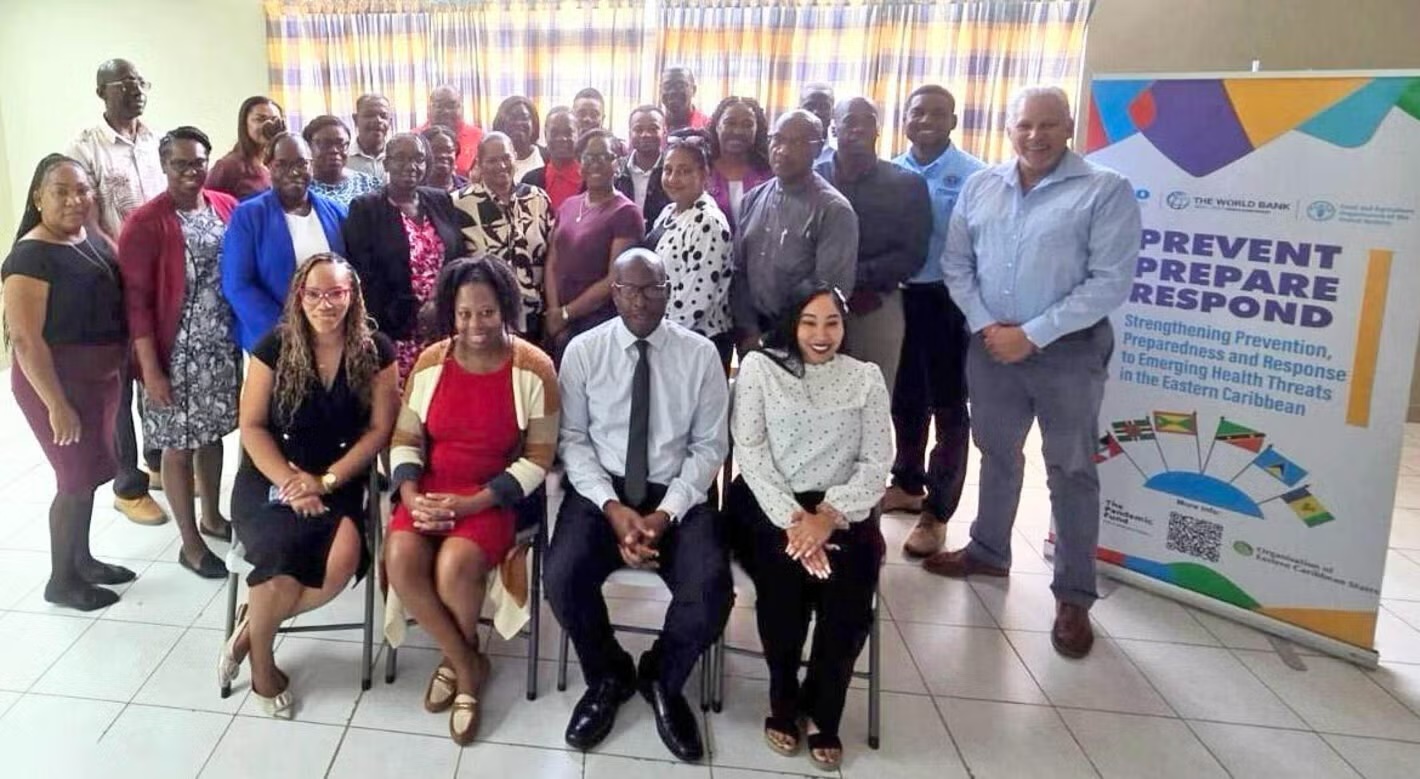
    Against a global backdrop of ongoing lessons from recent global health crises, the Caribbean nation of Grenada has made meaningful progress in shoring up its defenses against future respiratory pathogen pandemics, following a 2.5-day national stakeholder workshop focused on validating and upgrading the country’s official pandemic preparedness and response framework.

    Organized jointly by Grenada’s Ministry of Health, Wellness and Religious Affairs and the Pan American Health Organization/World Health Organization (PAHO/WHO), the interactive workshop delivered a prioritized roadmap of targeted updates to ensure the national plan aligns with modern local legislative structures, current staffing rosters, formal institutional responsibilities, and on-the-ground operational realities. The entire initiative is backed by the Pandemic Fund Project for Eastern Caribbean Countries, a regional effort designed to boost pandemic readiness across smaller island nations.

    Grenada’s National Respiratory Pathogen Pandemic Preparedness and Response Plan outlines a whole-of-society approach to preventing, detecting, and managing outbreaks of contagious respiratory diseases that could rise to pandemic levels. Its scope spans core functional areas: governance and legal authority for emergency responses, phased pandemic alert level systems, disease surveillance frameworks, community protection protocols and public risk communication, standardized clinical management of patients, infection prevention and control protocols, access to and distribution of medical countermeasures, sustained emergency financing, and cross-agency national coordination. Critically, the plan is built to bring Grenada’s national practices in line with the 2005 International Health Regulations and embed a cross-sector One Health approach that integrates human, animal, and environmental health systems.

    The workshop drew 27 cross-sector participants representing a broad range of agencies that would play critical roles in any pandemic response. Attendees included stakeholders from multiple divisions of the Ministry of Health – the Epidemiology Unit, Grenada General Hospital, Central Medical Stores, and national mental health services – alongside representatives from the Ministry of Agriculture and Office of the Chief Veterinary Officer, Ministry of Legal Affairs, Ministry of Social Development, Government Information Service, National Disaster Management Agency, St. George’s University, and the Windward Research and Education Foundation (WINDREF).

    Working in small collaborative working groups, participants ran a tabletop simulation to test core provisions of the existing plan against a hypothetical respiratory pathogen outbreak scenario. Each provision was coded with a color rating: green for policies that are up-to-date and functional, amber for provisions that required targeted amendments, and red for gaps where the capacity or mechanism outlined in the plan does not yet exist in practice.

    The comprehensive review confirmed that the overall structure of Grenada’s existing national plan remains robust and fit for purpose. At the same time, the process identified a clear set of gaps and areas that require updating to reflect the country’s current domestic context, from revised national legislation to shifting staffing arrangements.

    On the final day of the workshop, participants ranked all proposed amendments by urgency and importance, creating a formal prioritized action register that assigns clear responsible parties and target completion timeframes for every required update. This document provides the Ministry of Health with a clear, sequenced, time-bound roadmap to guide the revision and eventual implementation of the updated plan.

    Top priority actions include revisions to the national legal and policy framework governing pandemic responses; clarification of formal activation authority and cross-agency decision-making responsibilities; formal documentation of laboratory and clinical care surge capacity arrangements; strengthening national infection prevention and control protocols; establishing realistic, actionable schedules for early-warning reporting and regular preparedness simulation exercises; and maintaining up-to-date emergency contact information that accounts for regular staffing turnover.

    A flagship One Health priority identified through the review is the creation of a formal written standard operating procedure (SOP) for information sharing between the Office of the Chief Veterinary Officer and the national Epidemiology Unit. While informal collaboration between animal and human health sectors already occurs when needed during ongoing events, no formal written protocol currently exists to govern how potential pandemic signals detected in animal populations are communicated to human health authorities, nor does it outline required response timeframes for these alerts. The new SOP will be co-developed by the Ministry of Agriculture, St. George’s University, and WINDREF to fill this critical gap.

    Grenada’s Chief Medical Officer, Dr. Shawn Charles, emphasized that sustained pandemic preparedness remains a critical public health priority even when no immediate threat is on the horizon. “Pandemic preparedness is not something a country can assemble once a threat has arrived. It has to be built, tested and maintained in the quiet periods,” Dr. Charles explained during the workshop. “What this workshop has done is put every section of our plan in front of the people who would have to act on it and ask them plainly whether it would work. A plan that sits on a shelf protects no one. A plan that our officers have interrogated, corrected and can act on is what protects Grenadians.”

    Moving forward, the prioritized action register will guide the full revision of the National Respiratory Pathogen Pandemic Preparedness and Response Plan, with the Ministry of Health leading coordination and collecting input from all responsible agencies identified during the workshop. The Grenada workshop is one component of the broader Pandemic Fund Project for Eastern Caribbean Countries, which supports participating regional nations in building long-term capacity for pandemic prevention, preparedness, and response, per PAHO/WHO.

    This content is sourced from PAHO/WHO reporting, with NOW Grenada not taking responsibility for contributor-provided content,

  • Joint Sitting of Parliament receives HTWG update

    Joint Sitting of Parliament receives HTWG update

    On 8 September, both the lower and upper houses of Grenada’s Parliament gathered for a rare joint sitting, called to deliver a full public and legislative briefing on the island nation’s ongoing hydrocarbon development initiative, including the government’s controversial recent decision to end a key contract with foreign energy firm Global Petroleum Group (GPG).

    The sitting was organized around three core priorities: upholding governmental accountability, boosting public awareness of a matter critical to the country’s long-term economic future, and ensuring full transparency around the management of Grenada’s offshore natural resources. During the session, lawmakers received a detailed progress report from the Grenada Hydrocarbons Technical Working Group (HTWG), the expert body appointed by the Cabinet of Ministers in October 2023 to oversee the programme.

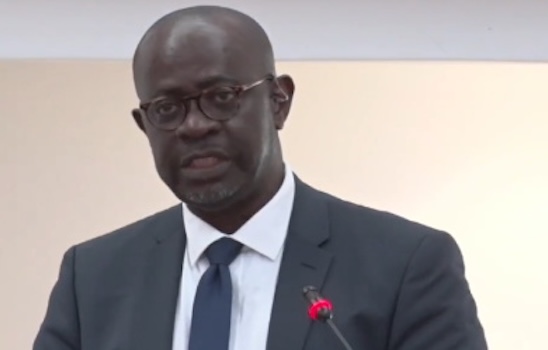
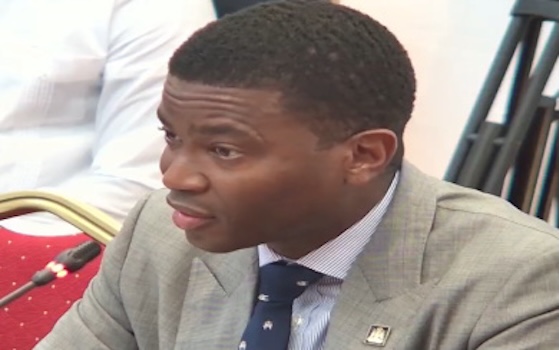
    The HTWG was created with a clear national mandate: to conduct independent assessments of Grenada’s offshore oil and gas potential, and if commercially viable reserves are identified, build a strategic roadmap for exploration, extraction, and revenue generation that prioritizes the well-being of current Grenadian citizens and future generations. Today’s presentation, led by HTWG Chairman V Nazim Burke and Lead Consultant Gilbert Yevi, a veteran senior petroleum engineer, covered advances across every key area of the programme, including technical surveys, economic modeling, commercial negotiations, operational planning, and regulatory policy development. Lawmakers also received an overview of the working group’s upcoming activities, designed to position Grenada to capture maximum economic benefit from any future hydrocarbon development.

    A central focus of the briefing was a step-by-step breakdown of the events that led the government to terminate GPG’s Production Sharing Agreement and revoke the company’s Development Licence. The background of the agreement stretches back to 2008, when GPG was first granted exploration rights to 11 offshore blocks off Grenada’s coast. In 2013, the company was awarded a formal Development Licence and finalized a Production Sharing Agreement with the government covering four of those blocks, establishing a legal framework for resource development and revenue sharing between the firm and the state.

    According to the HTWG’s testimony to Parliament, despite multiple formal attempts by the Grenadian government to secure compliance from the company, GPG never met its required contractual obligations under the terms of the licence and agreement. After a months-long comprehensive review of the case, the government officially published termination notices in the national Gazette on 29 July 2026, formally ending the agreement and revoking the licence.

    The presentation laid out the full range of legal, economic, strategic, and operational factors that guided the HTWG’s recommendation and the government’s final action, with presenters repeatedly emphasizing that the decision was rooted in the non-negotiable goal of protecting Grenada’s national interests and upholding the country’s full sovereign rights over its own natural resources.

    Following the presentation, the joint sitting opened for a live question-and-answer session, giving lawmakers from both houses the opportunity to engage directly with HTWG members and their technical experts. The interactive session allowed for in-depth discussion of all outstanding questions related to the overall hydrocarbon programme, the details of the GPG contract termination, and the planned next steps for the sector.

    Closing the sitting, the government reaffirmed its ongoing commitment to keeping both Parliament and the Grenadian public fully updated as work on the hydrocarbon agenda moves forward. Officials restated that all future progress will be conducted in line with core principles of transparency, responsible resource management, and unwavering alignment with Grenada’s national priorities.

  • Insight into government decision to terminate agreements with GPG

    Insight into government decision to terminate agreements with GPG

    In a landmark address to a joint sitting of Grenada’s Parliament on Tuesday, the chairman of the island nation’s Hydrocarbons Technical Working Group (HTWG) Nazim Burke confirmed that the Dickon Mitchell administration was fully justified in terminating multiple energy exploration agreements with Russian-backed firm Global Petroleum Group (GPG) earlier this year, citing years of unmet contractual obligations and procedural non-compliance. Burke, a former Grenadian prime minister and finance minister, outlined the step-by-step process that led to the July 31 cancellation of GPG’s Development Production Sharing Agreement (PSA), Block Reservation Agreement and development license for four offshore exploration blocks, emphasizing the government went to extraordinary lengths to grant the company due process before taking final action.

    Burke detailed the timeline of the termination process: in early June 2026, the government notified GPG of its intent to end the agreements, prompting the firm to issue a response denying any breach of contract on June 2. The government responded on June 10 by inviting GPG representatives to a June 17 hearing to present their case, and requested all supporting documentation to be submitted to the Attorney General by June 15. While GPG confirmed via email on June 12 that it would submit the required materials by the deadline, Burke told lawmakers no documents were ever received, and the scheduled hearing proceeded without any evidence from the company to back up its claims.

    Following the hearing, Burke said the government conducted a full review of GPG’s position as required under the Grenada Petroleum and Natural Gas Deposits Act, but found the company failed to provide evidence to support most of its core claims. Critically, GPG did not take any steps to remedy the breaches outlined in the initial termination notice, nor did it offer adequate compensation for missed obligations or provide assurances that future contract violations would not occur. On July 27, the government formally issued the termination notice, with the cancellation taking effect on July 31, and the decision was published in the official government gazette three days later to meet statutory requirements.

    Burke stressed that the Mitchell administration treated GPG with transparency and fairness, choosing termination only as a last resort after years of unmet performance targets. “The government considers that termination of the agreement with GPG was a prudent and appropriate course of action,” Burke said, noting that the PSA explicitly allows GPG to pursue international arbitration through the International Chamber of Commerce if it disputes the decision. He confirmed the government is fully prepared to defend its position if arbitration is initiated, and has frozen all activity on the four blocks pending resolution – meaning no new operators will be invited to submit proposals, nor will GPG be allowed to continue any work on the site. Burke added that the government has worked closely with international legal advisors to review the case, and is committed to protecting Grenada’s national energy interests against any potential claims from GPG.

    The presentation of the HTWG report was not without controversy, however. Before Burke delivered his 35-minute address, Democratic People’s Movement leader Peter David raised objections to allowing an external body to address the full legislature, questioning the procedural legitimacy of the arrangement. Speaker of the House Leo Cato defended the decision, noting that parliamentary standing orders do not explicitly ban the practice, and government consultation determined that the highly technical nature of the energy review made presentation by expert officials the most appropriate path.

    The main opposition New National Party (NNP) went a step further, announcing a boycott of the joint sitting ahead of time over the procedural arrangement. Opposition Leader Emmalin Pierre told reporters that while the NNP supports parliamentary updates on oil and gas exploration, the party objected to what it views as a departure from standard parliamentary protocol that undermines the legislature’s authority. “This matter must not be handled through a process that misuses Parliament and departs from proper parliamentary procedures and practises,” Pierre said.

    Beyond the GPG termination, the HTWG – led by internationally recognized petroleum expert Dr. Gibert Yevi, with technical specialists drawn from Trinidad and Tobago, the United States, Scotland, Australia and Spain – presented a broader update on its mandate to assess Grenada’s offshore hydrocarbon potential. If viable commercial reserves are identified, the working group will develop a full strategy to explore, develop and monetize reserves for national economic benefit, alongside a stakeholder engagement plan to involve local communities, civil society and the private sector, and a framework to attract credible international investment.

    Burke noted that the oil and gas sector requires massive upfront capital investment and highly specialized technical expertise, meaning Grenada must only partner with firms that meet strict standards of credibility, financial stability and technical proficiency. The HTWG’s mandate requires it to evaluate all existing and prospective operators against these same standards, including GPG, which has held exploration rights in Grenada since the mid-2000s. Burke traced the history of GPG’s presence in Grenada back to 2008, when the company was granted exploration licenses for 11 offshore blocks, followed by a 2013 development license and production sharing agreement for four of those blocks. Critically, Burke explained, GPG never completed exploratory drilling or made a commercial discovery – a required prerequisite for developing a viable production plan, something that never materialized during the firm’s 13 years holding the development license. “In this particular instance, this did not occur with GPG,” Burke said.

    Burke added that the HTWG’s review of GPG’s contract also looked at historical disputes involving Grenada’s offshore energy sector, dating back to 2003 arbitration proceedings against another operator, RSM Production Corporation’s Jack Reinburg. The working group’s review confirmed that GPG’s longstanding failure to meet contractual milestones left the government with no other viable option than termination, he said.

  • PM disappointed at opposition boycott of joint sitting of Parliament

    PM disappointed at opposition boycott of joint sitting of Parliament

    A major political dispute has unfolded in Grenada this week after opposition lawmakers boycotted a landmark joint parliamentary session called to receive a long-awaited report from the Hydrocarbons Technical Working Group (HTWG), drawing sharp disappointment from Prime Minister Dickon Mitchell.

    Mitchell, who leads the current administration, addressed the sitting Tuesday and voiced deep regret over the opposition’s decision to skip the key briefing focused on the country’s oil and gas exploration efforts. “It is extremely disappointing and sad that members have chosen to boycott such an important session designed to share clear, first-hand information about the work we have completed,” the prime minister told assembled legislators.

    The boycott was announced one day earlier by Opposition Leader Emmalin Pierre, head of the main opposition New National Party (NNP). Pierre told reporters that her caucus had significant procedural concerns about how the special joint sitting was organized, and members would not attend under the existing framework. The NNP leader clarified that the party does not oppose the government updating parliament on the progress of oil and gas exploration, but argued the current process deviates from long-standing parliamentary rules and norms.

    At the core of the opposition’s objection is the government’s decision to have the HTWG present its findings directly to the full joint sitting, rather than first formally laying the report before the House of Representatives per standard procedure. Former foreign affairs minister Peter David, the only opposition lawmaker who attended Tuesday’s session, doubled down on this criticism, noting that the HTWG is neither a joint select committee of parliament nor an officially appointed parliamentary body. “It is therefore irregular to invite such a committee to address the House of Representatives,” David stated.

    However, Speaker of the House Leo Cato defended the procedural arrangement put in place for the session. Cato explained that parliamentary authorities consulted with the government ahead of the meeting, and agreed that the highly technical nature of the HTWG’s report made direct presentation by the expert group the most effective approach. “It is a highly technical report and that it is best presented by the experts,” Cato said.

    Prime Minister Mitchell echoed this reasoning, and extended public appreciation to HTWG members for their work and their accessible presentation to lawmakers. He confirmed that the full report, led by internationally recognized petroleum energy expert Dr. Gibert Yevi, will be formally laid before parliament in the coming days through his office as the responsible cabinet minister.

    Mitchell emphasized that the decision to bring in the HTWG for direct questioning and presentation stemmed from a commitment to transparency and clarity, not procedural misconduct. “The oil and gas industry as a commercial business industry is highly technical, highly commercial in nature and requires people with the expertise to lead it,” Mitchell noted. He added that elected leaders have a responsibility to recognize the limits of their own expertise and leverage specialist knowledge to keep the public and parliament fully informed, arguing that substance should always take priority over procedural formalities when it comes to critical national issues.

    The prime minister also used the session to address long-standing public concerns about the governance of Grenada’s emerging oil and gas sector, noting that for years the industry has been shrouded in secrecy, with little accessible documentation or public accountability. He pointed to the lack of official recorded data for previously drilled wells as evidence of past opacity, arguing that the current administration’s push for a public, expert-led parliamentary briefing is a deliberate break from that non-transparent approach.

    “If I wanted to be partisan, if I wanted to politicise this issue, I would not ask for a joint sitting of the House. I would not ask the experts to come and subject themselves to our questioning and our scrutiny. We would not make the reports available,” Mitchell said. He added that the government has gone to great lengths to organize not just technical briefings for lawmakers, but opportunities to share updates with the general public, to clarify what work has been completed, what steps lie ahead, and the government’s plan for moving the sector forward.