标签: Grenada

格林纳达

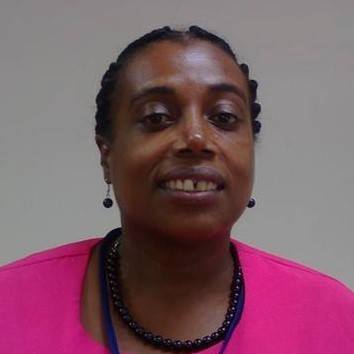
  • MWAG mourns the passing of Linda Straker

    MWAG mourns the passing of Linda Straker

    The Media Workers Association of Grenada (MWAG) has issued an official statement mourning the passing of Linda Straker, one of the Caribbean nation’s most respected veteran journalists, who died on Tuesday, 5 May 2026. Straker’s death has been met with an outpouring of grief from media communities across Grenada, the wider Caribbean region, and the global journalistic landscape, with MWAG leading tributes to her decades of service.

    In the statement, MWAG extended its deepest condolences to Straker’s children, extended family, and close friends, who are navigating profound grief following her passing. For years, Straker carved out a reputation as a uniquely formidable voice in Grenadian journalism: unwavering in her convictions, deeply engaged with national issues, and unshakable in her commitment to the media’s core role in supporting a functional democratic public life. Her entire career was anchored in a core belief: that journalism’s primary duty is to hold power to account, while expanding public understanding of the issues that shape everyday life in Grenada.

    Throughout her decades-long professional career, Straker prioritized ongoing growth and skill development, actively pursuing specialized training opportunities to strengthen her expertise across critical journalistic domains, from in-depth research and hard-hitting investigative reporting to the evolving landscape of digital journalism. Her published work was consistently distinguished by its analytical depth, dogged persistence, and unwavering commitment to unpacking the most pressing issues of national importance.

    A lifelong, vocal advocate for unfettered press freedom, Straker maintained close working partnerships with global press freedom watchdog organizations, including Reporters Without Borders. Through these collaborations, she helped document threats to media independence in Grenada and bring these concerns to a global audience, contributing meaningfully to the broader international movement to monitor and protect the safe operating space that journalists rely on to do their work.

    Straker also played a key leadership role within MWAG itself, serving as a sitting member of the organization’s Executive Committee. In this capacity, she contributed to critical conversations around organizational governance, institutional integrity, and the defense and interpretation of MWAG’s founding constitutional framework, playing an active role in the association’s evolution while working tirelessly to uphold its core guiding principles.

    Just recently, Straker received public recognition for her work in the latest cycle of the MWAG Media Awards, where she was named the recipient of the People’s Choice Award for Best Digital Reporter. The honor reflected the strong, trusting connection Straker built with Grenadian audiences over her career, and the far-reaching impact of her digital-first reporting. She was also selected as a nominee for the inaugural Leslie Pierre Press Freedom Award, a recognition of her decades of advocacy for the sector.

    Straker built her career within a rapidly changing, often challenging media landscape, one that requires consistent professional discipline and careful navigation of competing political and commercial pressures. Even amid these challenges, she never stepped back from engaging with the most contentious issues of the day, consistently contributing thoughtful, incisive analysis to national public discourse through her reporting.

    MWAG closed its statement by reiterating its condolences to Straker’s family, colleagues, and all readers and community members whose lives were touched by her work. The association emphasized that Straker’s passing marks a profound loss for Grenada’s entire media community, but that her life’s work stands as a lasting reminder of why an independent, curious, and public-interest-focused media sector matters.

    This statement was released by MWAG. Editor’s note: NOW Grenada does not take responsibility for opinions or content shared by contributing organizations, and invites users to report any abusive content via the platform’s official reporting channel.
  • Grenadian journalist dies after prolonged illness

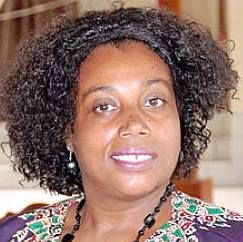
    Grenadian journalist dies after prolonged illness

    The Caribbean journalism community is mourning the loss of one of its most respected voices this week, as veteran Grenadian reporter Linda Straker, the long-serving Grenada correspondent for the Caribbean Media Corporation (CMC), passed away on Tuesday at St. George’s General Hospital. Her death came after a prolonged, public battle with multiple chronic health conditions; she was 55 years old.

    Beyond her core role with CMC, Straker built a decades-long career as a freelance journalist, contributing in-depth reporting and analysis to a wide range of regional and international news outlets. Over a month prior to her passing, she was admitted to the general hospital to treat a series of acute medical complications that would ultimately lead to her death.

    Straker was also deeply committed to advancing the journalism profession across the Caribbean and globally. She served as an elected executive member of the Media Workers Association of Grenada (MWAG), and represented Grenada as the national liaison for Reporters Without Borders, the Paris-based global press freedom advocacy organization.

    In a tribute released following the news of her death, CMC editor Peter Richards remembered Straker as a fearless reporter unafraid to hold power to account. “Linda was known for asking tough questions, even evoking strong reactions from those being interviewed,” Richards said. “She was fearless and above all loved her 3 children, whom she regarded as her pride and joy.” Richards also shared a bittersweet detail about the journalist’s family: her youngest daughter Naomi, who recently graduated at the top of her class as a registered nurse from a Cuban university, began her first day of professional nursing work the very day Straker passed away.

    Two of Straker’s close friends, fellow media professionals Rawle Titus and Nicole Best, released a joint statement honoring her legacy that framed her impact far beyond individual news stories. “Linda was more than a journalist, she was a force of excellence, a voice for truth and a champion for the media profession,” they wrote.

    The pair highlighted that Straker earned her reputation across the region for her unwavering “deep commitment to accurate, ethical and impactful journalism.” Throughout her career, she worked tirelessly to advance press freedom, support the growth of independent media across the Caribbean, and emphasize the critical role that a free, independent press plays in democratic society. Throughout her career, her outstanding work earned multiple industry awards, including the honor of “Best Research Journalist.”

    As tributes continue to pour in from across the global journalism community, colleagues and loved ones note that Straker’s legacy will endure through the groundbreaking stories she reported, the early-career journalists she mentored, and the barriers she broke down for women reporters in the Caribbean. “Linda’s legacy lives on in the stories she told, the journalists she mentored and the doors she opened,” friends said.

  • In loving memory of Linda Straker

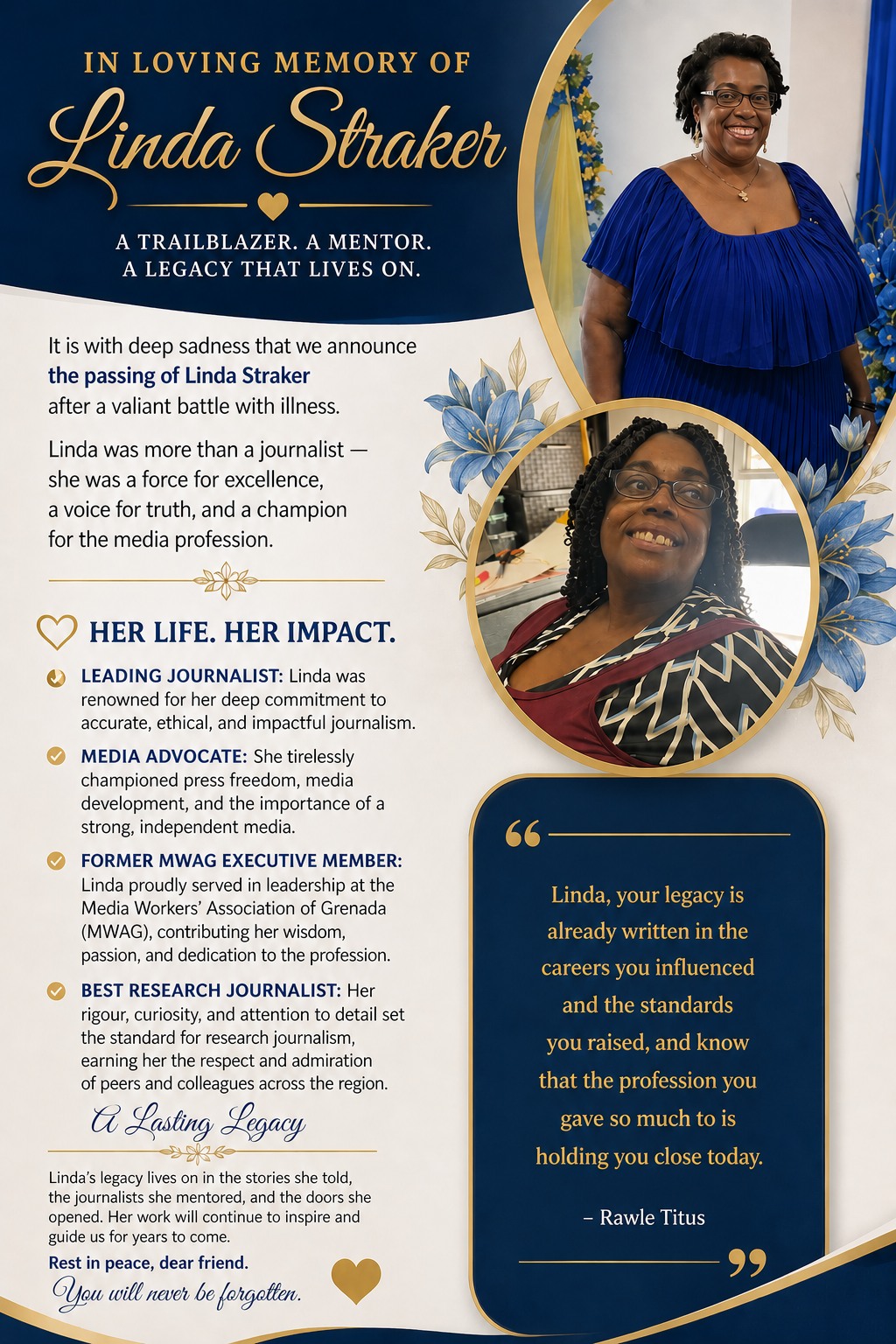
    In loving memory of Linda Straker

    The media community across Grenada is mourning the loss of one of its own, following the announcement that veteran journalist Linda Straker has passed away after a valiant fight against a long-term illness. The news of Straker’s death was confirmed via a statement published by local media outlet NOW Grenada, which also included a standard legal disclaimer noting that the platform does not take responsibility for opinions, statements, or third-party content shared by contributors to the site. The outlet added that users who encounter any abusive content on its pages can use a designated reporting tool to flag content for moderation.

    Straker’s decades-long career in local journalism positioned her as a key figure in Grenada’s media landscape, and she was affiliated with the Media Workers Association of Grenada (MWAG), a professional body that represents the interests of media professionals across the island nation. Prominent local media figure Rawle Titus, whose name is linked to coverage of Straker’s passing, is among those acknowledging her contributions to Grenadian journalism.

    Straker’s death marks the end of a career that shaped local reporting and supported the professional development of fellow media workers in the country, leaving a legacy that will be remembered by colleagues and audiences across Grenada.

  • Data-driven disaster management: Mapping displacement to build a resilient Caribbean

    Data-driven disaster management: Mapping displacement to build a resilient Caribbean

    Climate-fueled disasters including hurricanes, floods, wildfires and volcanic eruptions have displaced millions of people across the Caribbean over the past decade, growing in intensity and frequency to put unprecedented pressure on regional disaster response systems. As crises have mounted, response teams and policymakers have repeatedly highlighted a critical gap: the absence of consistent, reliable data on population displacement that would allow for more effective emergency action, long-term recovery and reduction of future loss of life and property.

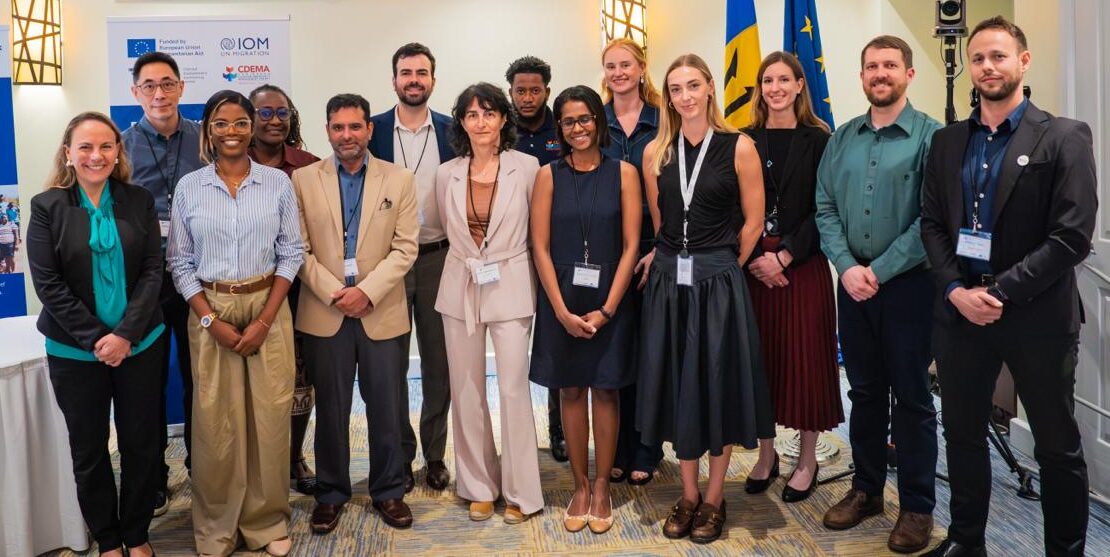
    To address this pressing gap, the International Organisation for Migration (IOM) brought together representatives from National Disaster Offices and cross-regional disaster management partners for a two-and-a-half day regional workshop hosted in Barbados this past April. Held from 23 to 24 April, the gathering focused on strengthening regional capacity to collect, analyze and deploy displacement data to support faster, more equitable disaster response.

    By the close of the workshop, participants had made notable progress toward developing a regionally harmonized Standard Operating Procedure (SOP) for displacement data management, designed to align with the existing Damage Assessment and Needs Analysis (DANA) framework developed by the Caribbean Disaster Emergency Management Agency (CDEMA). Once finalized, the standardized SOP will improve coordinated, timely response across 13 participating Caribbean states, allowing displacement data to inform both immediate emergency relief operations and long-term recovery planning.

    In opening remarks, Barbados’ Minister of Home Affairs and Information Gregory Nicholls emphasized the human-centered core of the initiative, noting, “For Barbados, the guiding principle is simple. Families first.” Nicholls explained that robust, well-organized data allows first responders to locate displaced families faster, match aid to actual on-the-ground needs, and uphold the dignity of displaced people even when emergency systems are stretched beyond capacity. “Displacement data must always serve people and not processes,” he said.

    Over the course of the workshop, participants gained hands-on training with a suite of specialized tools and digital platforms built for displacement data management. These included IOM’s own Displacement Tracking Matrix (DTM) and Shelter Portal, as well as KoboToolbox, a platform designed for rapid field data collection during emergencies. Participants also explored geospatial and satellite-enabled tools including the Copernicus Emergency Management Service and MapAction, which strengthen capacity for mapping displacement, conducting analysis and planning response efforts.

    Discussions drew heavily on lessons learned from recent major disasters across the region, including Hurricanes Beryl and Melissa. Findings from CDEMA’s After Action Reviews following these storms, paired with national-level experiences from across the region, confirmed a widespread set of unmet needs: improving pre-disaster baseline population data, standardizing definitions of displacement and shelter types across borders, and streamlining data flows between shelters, emergency operations centers and national management systems.

    Patrice Quesada, IOM’s Coordination Officer for the Caribbean and Chief of Mission for Barbados, framed the initiative as a critical shift toward proactive rather than reactive disaster management. “Preparedness is about learning from experience,” Quesada said. “It is really about anticipating the next storm, not just responding to the last one. For that, we need to share experience with teams of experts who can trust and support each other when the time comes.”

    Participants across the region highlighted that a unified approach to displacement data will deliver tangible, practical benefits for vulnerable communities. Sashagaye Vassell, a Planning Analyst at Jamaica’s Office of Disaster Preparedness and Emergency Management, noted that Caribbean nations are disproportionately exposed to natural hazards and home to large numbers of at-risk people. “With this SOP, Caribbean states can better coordinate among ourselves to support the vulnerable and find targeted solutions to respond efficiently and effectively,” Vassell explained.

    The workshop also openly addressed persistent challenges that have long hindered support for displaced populations across the region. Livingston Pemberton, National Disaster Coordinator at Saint Kitts and Nevis’ National Emergency Management Agency, pointed to unregistered displaced people as one of the most common barriers to effective aid. “Sometimes displaced persons are not registered, making it very difficult to reach out to them,” Pemberton said. “If you are not able to capture them within the system, it is very difficult to render the assistance that they need.” He added that the new SOP directly solves this gap by clearly defining terminology, establishing a standardized methodology for capturing and analyzing displacement data, and streamlining information sharing between national and regional response mechanisms, allowing teams to support displaced people and restore normalcy much faster after a disaster.

    Participants also placed strong emphasis on the need for ethical, inclusive, people-centered data collection practices that account for the diverse needs of affected communities. Yemi Knight, founder of AnchorBridge Environmental Inc., noted that data collectors must prioritize cultural sensitivity when engaging with disaster survivors. “A person has just gone through a disaster, and you may meet different types of people, so you have to have the cultural sensitivity to interact with them,” Knight said.

    Discussions also expanded to address the broader social impacts of displacement that go far beyond emergency shelter. Simon Alleyne, a participant in the workshop, noted that displacement support requires more than just rebuilding housing. “It is also ensuring that they can be reintegrated into society, including access to employment and their rights as citizens,” Alleyne said.

    The scale of the displacement challenge across the Caribbean underscores the urgency of this work. Official estimates show that between 2012 and 2021 alone, disasters triggered 5.14 million new cases of internal displacement across the region. In just the past five years, 2.6 million people have been affected by floods, storms, wildfires and volcanic activity, highlighting the growing complexity of disaster management across the Caribbean.

    Funded by EU Humanitarian Aid as part of the broader Resilient Caribbean project, the workshop represents a major milestone in building data-driven disaster management systems across the region. In the coming months, follow-up activities will focus on building sustained capacity for National Disaster Offices through targeted training in data collection and analysis, vulnerability assessments, disaster response simulation exercises, and specialized training in Camp Coordination and Camp Management (CCCM) and other core preparedness areas.

    These collective efforts aim to build a more coordinated, prepared and resilient Caribbean, better positioned to protect vulnerable communities and save lives when future disasters strike.

  • CariGenetics and St George’s University launch Prostate Cancer Genetic Study in Grenada

    CariGenetics and St George’s University launch Prostate Cancer Genetic Study in Grenada

    In a formal press conference held Tuesday at the Presidential Suite of SGU’s Chancellery Building in Grenada, regional genomic initiative CariGenetics and St George’s University (SGU) jointly unveiled the Caribbean Prostate Cancer Genetic Study’s Grenada cohort — a landmark initiative that marks the first large-scale genetic research project in the island nation’s history.

    The launch represents a watershed moment for locally led genomic science, precision medicine advancement, and men’s health advocacy across the Caribbean region. As part of CariGenetics’ broader regional mission to correct historical underrepresentation of Caribbean populations in global medical research, the study fills a critical gap that has long left local communities without tailored healthcare insights.

    Prostate cancer stands as one of the most pressing public health threats facing men across the Caribbean, and in Grenada specifically it is the leading cause of cancer death among male residents. The collaborative research team aims to unpack how genetic factors unique to Caribbean populations influence prostate cancer risk, with the ultimate goal of improving screening protocols, prevention strategies, targeted treatment plans, and long-term public health policy for Grenadian and Caribbean men more broadly.

    The Grenada cohort is the third regional group to be added to CariGenetics’ ongoing Caribbean-wide prostate cancer research initiative, following the successful completion of data collection in Bermuda and St. Lucia. The project feeds into the larger Caribbean Genome Program, an ambitious effort that aims to sequence the full genomes of 250,000 Caribbean residents by 2030. By expanding the volume of genetic data from Caribbean populations, the program seeks to close deep, long-standing gaps in global health data and advance more equitable healthcare outcomes for groups that have historically been excluded from major medical research.

    Beyond generating critical genomic data, the partnership between CariGenetics and SGU is designed to build local research infrastructure and workforce capacity. The initiative will establish on-island laboratory sequencing capabilities for human genomic research, and will include specialized training for SGU’s nursing department on best practices for participant recruitment in genetic studies. The training program will be delivered by CariGenetics in collaboration with the UK-based Association of Genetic Nurses and Counsellors (AGNC).

    “For decades, Caribbean people have been left out of the research that shapes modern clinical care and medical progress,” explained Dr. Carika Weldon, Founder and Chief Executive Officer of CariGenetics, during her press conference remarks. “This study changes that narrative. It is not just about including Grenadian and Caribbean men in the future of healthcare — it is about letting them lead that future. When we understand our own DNA, we can build better prevention tools, catch risk earlier, deliver more informed treatment, and make stronger public health decisions that work for our communities.”

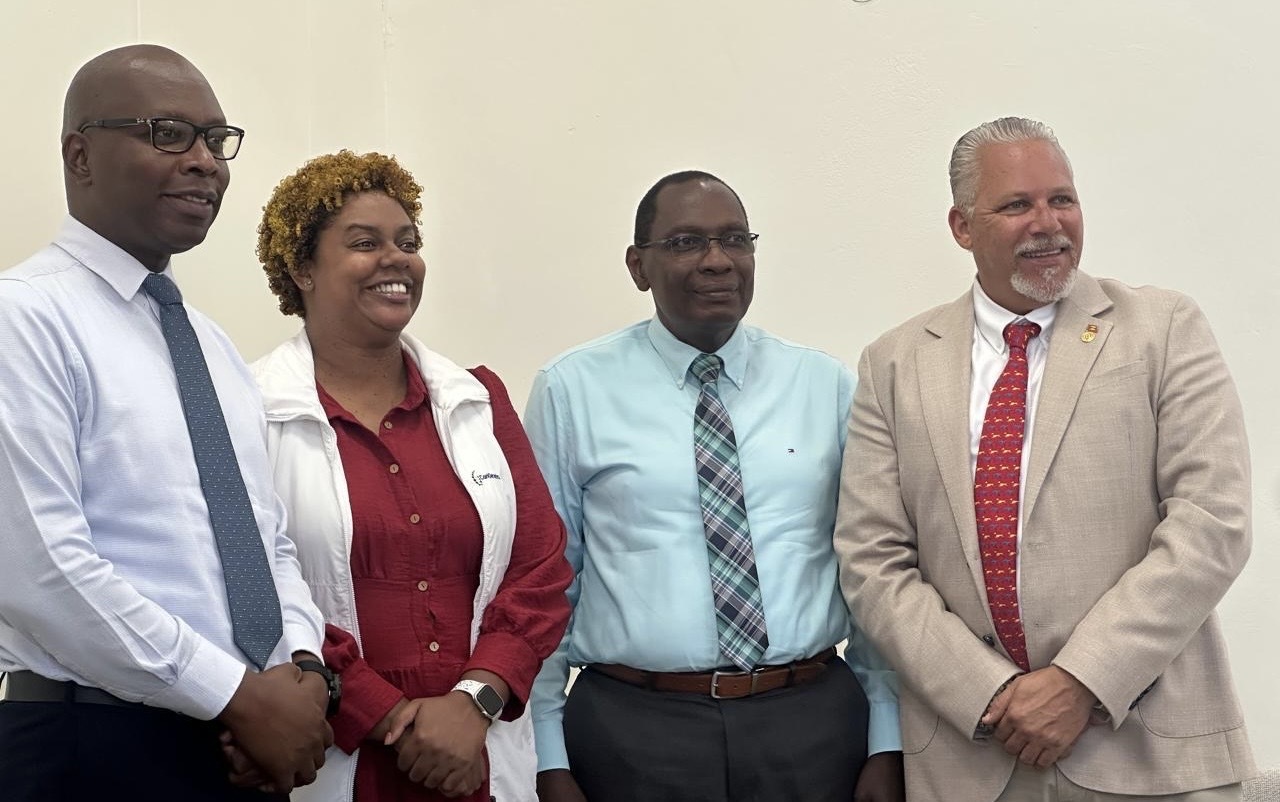
    The press conference convened cross-sector leaders from genomics, public health, and higher education to underscore the urgent need for targeted prostate cancer research in the region, and to outline how widespread community participation can drive the shift toward more personalized, proactive healthcare for Caribbean men. Attending speakers included Grenada’s Chief Medical Officer Dr. Shawn Charles, Dr. Weldon, and SGU researchers Dr. Trevor Noël and Dr. Dolland Noel.

    Grenada’s Ministry of Health has offered full official endorsement of the study, Dr. Shawn Charles confirmed in his address. “As the leading cause of cancer death for men in Grenada, work to advance prostate cancer research could not be more critical. We urge all eligible men to take advantage of this opportunity and take part in this important work.”

    SGU Provost Dr. Mark Clunes echoed that commitment, noting: “St. George’s University is proud to partner with CariGenetics on this transformative initiative. Prostate cancer is a major public health concern for men across the Caribbean, and this work reflects our shared dedication to raising awareness, advancing life-saving research, and improving health outcomes for Caribbean communities. By expanding Caribbean representation in genomic research, this study will help build a future of precision medicine that is more equitable, more relevant, and centered on the needs of the populations it serves.”

    Dr. Weldon also highlighted the contributions of two high-profile Grenadian male community leaders who have joined the effort to boost participation: Sir Dr. Kirani James, president of the Windward Islands Research and Education Foundation (WINDREF) and the most decorated 400-meter track athlete in history, and Mr. Killa, Grenada’s cultural ambassador and one of the world’s leading Soca artists, who is a prominent advocate for holistic wellness. Both leaders are leveraging their public platforms to encourage men across Grenada to learn more about prostate health, prioritize early screening, and participate in the study. Their involvement underscores the value of trusted community voices in breaking down barriers to men’s health engagement and empowering people to take control of their well-being.

  • TAMCC students participate in film casting and lighting workshop

    TAMCC students participate in film casting and lighting workshop

    A groundbreaking cross-border film collaboration between creative teams from Grenada and New York is bringing transformative, on-the-job film industry training to emerging local creatives and students at Grenada’s T.A. Marryshow Community College (TAMCC), marking a major step forward for skills development and cultural exchange in the Caribbean island’s growing creative sector.

    Hosted on the TAMCC campus on April 27, the inaugural combined casting call and production lighting workshop drew roughly 25 participants, spanning TAMCC arts students and early-career film production practitioners based in Grenada. Unlike traditional classroom-based training sessions, this event was structured as a fully functional working production set, merging hands-on technical instruction with live, real-time casting activity to give participants an immersive look at actual industry workflows.

    Throughout the workshop, attendees got direct access to professional-grade camera and lighting equipment, working side-by-side with experienced filmmakers to set up gear for acting auditions. This practical approach allowed participants to build skills that go far beyond textbook learning, giving them tangible experience that many emerging creatives in small creative ecosystems rarely get access to early in their careers. One participant, J. Mitchell, shared enthusiastic feedback after the session, noting, “I would definitely recommend this to my friends, and if there is an opportunity in the future to come back and showcase my skills, I would absolutely return.”

    The workshop was far more than a standalone training event: it served as an integrated introduction to end-to-end filmmaking. Participants got the chance to light auditioning talent, observe on-set direction from industry professionals, and learn how different production roles collaborate to bring a project to life. By the end of the session, attendees walked away with a holistic working overview of the entire filmmaking process, from performance direction to technical execution.

    Leading the workshop was Karl Bigby, a New York-based cinematographer and filmmaker with Faceless Studios, who brought years of international industry experience to guide local participants. The full initiative is organized through a partnership between multiple regional and international groups: MProjekts Creative Group, helmed by Grenadian creative leader Meschida Philip, took point on coordinating the program and building the partnership with TAMCC’s Department of Arts, Humanities, and General Studies, while the Forrester Creative Renaissance Fund provided coordination and community engagement support. All core producing partners share deep personal and cultural ties to Grenada, a choice that anchors the entire project in authenticity and a commitment to long-term growth for the island’s creative community, rather than a one-off extractive production.

    The workshop is just the first phase of a broader co-production collaboration between the Forrester Creative Renaissance Fund, Faceless Studios, MProjekts Creative Group, and the Grenada Film Company. The partnership is currently supporting two original short films, *Cutting Dead Ends* and *Sunday*, which are now in active pre-production. Both projects center Grenadian actors and creatives, with a mixed local and international crew bringing the stories to life.

    The collaboration will run through April to July 2026, spanning pre-production, principal photography, and structured on-set shadowing and paid internship opportunities exclusively for TAMCC students. This extended engagement ensures that local emerging creatives get ongoing learning opportunities across every stage of the production process, building a pipeline of skilled talent for Grenada’s future film sector.

  • Police Investigate Homicide at Mirabeau, St Andrew

    Police Investigate Homicide at Mirabeau, St Andrew

    The Royal Grenada Police Force (RGPF) has launched an active investigation into the unexplained death of 66-year-old Melva Wharwood, whose body was discovered in the St Andrew parish community of Mirabeau earlier this month. According to official details released by the Office of the Commissioner of Police, law enforcement officers received an anonymous tip relating to the incident on Sunday, 3 May 2026. Acting on the provided intelligence, officers were immediately dispatched to the Mirabeau area, where they located Wharwood’s unresponsive body on open ground. Once at the scene, a licensed medical professional conducted an on-site examination of the remains and formally pronounced Wharwood dead at the location. To advance the ongoing probe, law enforcement officials are issuing a public appeal for community assistance. Any member of the public who holds even minor information that could help investigators piece together the circumstances surrounding Wharwood’s death is strongly encouraged to reach out to authorities. Tips can be submitted directly to the Criminal Investigation Department via the dedicated phone line 440-3921, the Grenville Police Station at 442-7224, the national 911 emergency police line, or any closest local police precinct. All reports can be made anonymously, and law enforcement has confirmed that any incoming information will be handled with strict confidentiality as the investigation progresses. In a formal statement following the discovery, the Commissioner of the RGPF and all serving members of the force extended their sincere condolences to Wharwood’s family, friends, and loved ones as they navigate this devastating loss. This update was issued as part of official police communications, with NOW Grenada disclaiming responsibility for third-party contributed content and inviting users to report any abusive or inappropriate content via its designated reporting portal.

  • UN message on World Press Freedom Day: 3 May 2026

    UN message on World Press Freedom Day: 3 May 2026

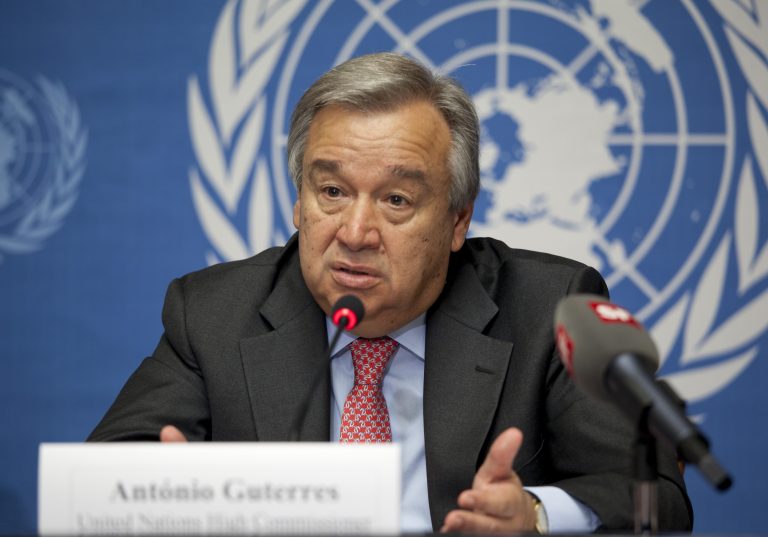
    On the observance of World Press Freedom Day, United Nations Secretary-General António Guterres has issued a stark, urgent warning about the escalating risks facing journalists worldwide and the foundational role of a free press in upholding global peace, human rights, and sustainable development.

    Guterres opened his remarks by expanding on the long-held adage that truth is the first casualty of war. He emphasized that in far too many cases, the journalists who put their lives on the line to bring that truth to the public are the first to lose everything. This danger is not limited to active conflict zones; journalists face retaliation for their work anywhere that powerful actors seek to avoid public scrutiny.

    Across every region of the world, media workers contend with a growing spectrum of threats. Many face state-backed or non-state censorship, invasive surveillance, and meritless legal harassment designed to silence their reporting. In the worst cases, they pay with their lives. Over recent years, the Secretary-General noted, the number of journalists killed in conflict zones has jumped sharply, with the vast majority of these deaths being deliberate targeted attacks.

    One of the most alarming trends Guterres highlighted is the rampant culture of impunity surrounding crimes against media professionals. Data shows that 85 percent of all violent and criminal acts committed against journalists never lead to meaningful investigation, and almost no perpetrators are held legally accountable for their actions. Guterres labeled this level of unpunished violence completely unacceptable.

    Beyond physical violence, press freedom is facing unprecedented strain from a combination of systemic pressures. Shrinking economic models for independent media, the spread of new digital technologies that enable mass surveillance and disinformation, and coordinated manipulation of public narratives by bad actors have all combined to erode the ability of journalists to do their work safely and effectively.

    Guterres went on to outline the cascading harm that comes when press freedom is weakened. When communities lose consistent access to accurate, verified information, public mistrust in institutions and one another takes deep root. When open public debate is twisted or silenced by outside interference, the social cohesion that holds communities and nations together breaks down. And when independent journalism is undermined, the international community loses its early warning system for emerging crises, making these events far harder to prevent or resolve once they escalate.

    “All freedom depends on press freedom,” Guterres stressed. Without an independent, free press, he argued, there can be no meaningful protection of human rights, no pathway to inclusive sustainable development, and no lasting peace for communities or nations.

    To mark World Press Freedom Day, Guterres issued a global call to action: world leaders, civil society groups, and individuals everywhere must unite to protect the fundamental rights of journalists, and work collectively to build a global order where truth, and the people who report it, can operate without fear of harm.

    This statement from the UN Secretary-General was carried by contributing outlets, with a standard disclaimer from NOW Grenada that the outlet is not responsible for the opinions or content shared by contributing authors, and provides a channel for users to report abusive content.

  • RGPF: Advisory regarding fires

    RGPF: Advisory regarding fires

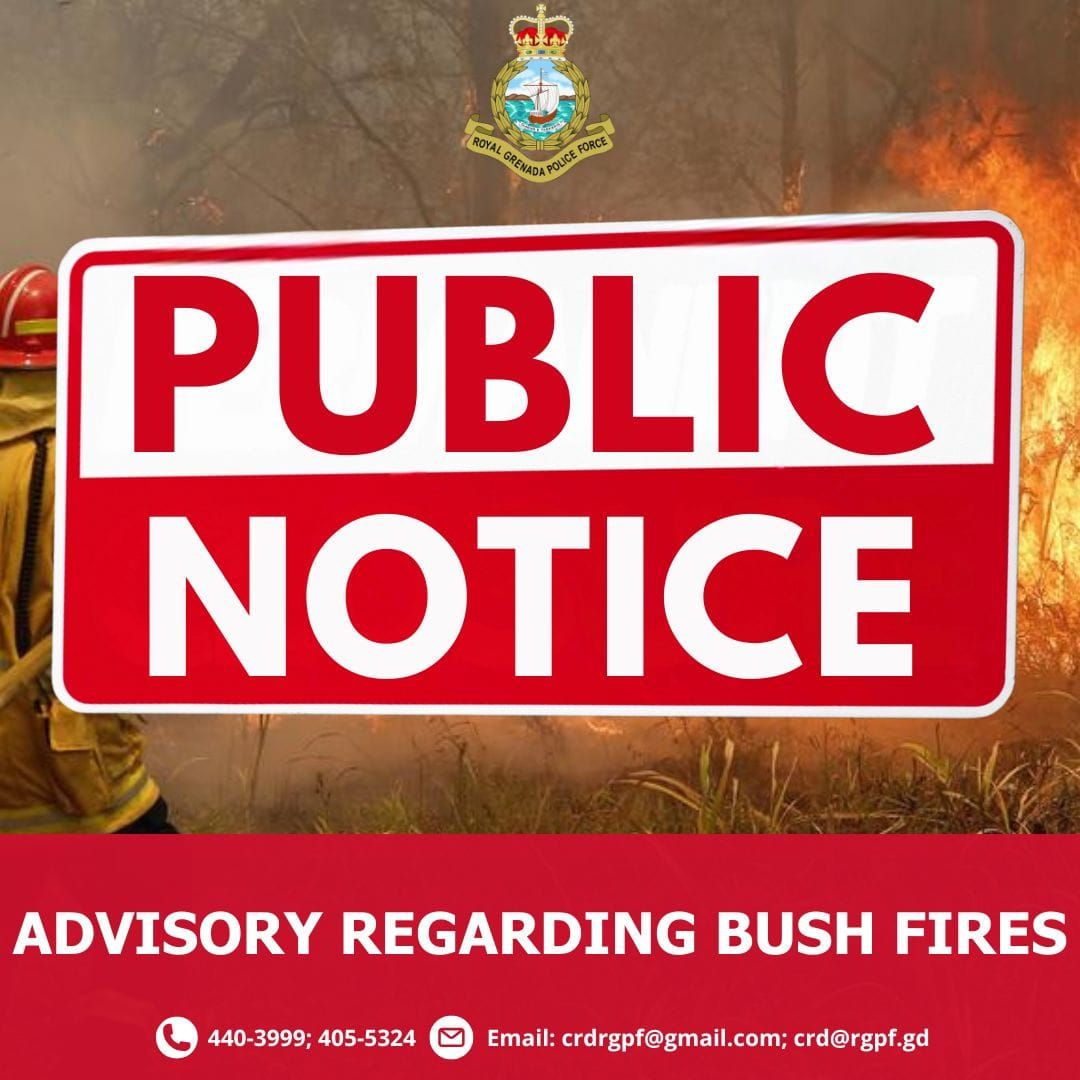
    Over a 72-hour period, the tri-island nation of Grenada has seen five separate fire incidents responded to by the Royal Grenada Police Force (RGPF), prompting public safety officials to issue a series of urgent reminders and warnings to local residents. The five blazes, which broke out across the territory, covered a range of fire types: two structural fires in residential dwellings, one fire in a commercial storage space, one uncontrolled rubbish blaze, and one spreading bush fire.

    To help the public understand the heightened risk of fire outbreaks across the island at this time, RGPF officials have outlined the most common root causes of each category of fire incident. Residential home fires are frequently traced back to preventable issues including outdated or damaged electrical wiring that causes faults, cooking fires left unwatched in kitchens, incorrect candle use when power outages occur, and malfunctioning household appliances. Storage shed fires, meanwhile, often develop from improper storage of flammable materials, unseen fuel leaks, or hot ash from discarded smoking materials that ignite surrounding debris.

    Uncontrolled rubbish fires most often start when members of the public burn waste carelessly without proper safeguards, or when stray sparks, magnified heat from sunlight through discarded glass, or reactive chemicals trigger accidental ignition. For bush fires, the highest risk comes when prolonged dry conditions combine with human activity: common causes include unregulated land clearing through burning, campfires left unattended, and improperly discarded cigarette butts, though lightning strikes can also spark blazes under dry conditions.

    In response to the recent uptick in incidents, the RGPF has reinforced key fire safety guidance that all Grenada residents are required to follow. First, officials have reminded the public that the Ministry of Agriculture suspended the issuance of all new open burn permits starting April 26, 2023, meaning all outdoor burning is currently prohibited across the country.

    Under Section 7 of Grenada’s Agricultural Fires Act, any individual who sets fire to any land, or assists another person in doing so, without a valid licence issued under the Act (outside the exemptions outlined in Section 5 of the legislation) is criminally liable. Convicted offenders face a fine of $500 and up to three months of imprisonment. The RGPF also added that anyone caught conducting unauthorised open burning can face additional penalties under Sections 146 and 147 of the Criminal Code, as laid out in Chapter 72A of Volume 4 of the 2010 Continuous Revised Edition of the Laws of Grenada.

    Beyond the ban on open burning, public safety officials have shared core preventative rules to reduce fire risk: never leave any open flame or cooking fire unattended; always fully extinguish any flames or hot materials before leaving an area; and keep all sheds, storage rooms and outdoor work areas clear of excess accumulations of flammable materials that can fuel a rapid spread of fire.

    Finally, the RGPF has urged residents to remain vigilant and report any sign of smoke or unplanned fire immediately. To contact the Grenada Fire Department for emergency response, residents can call 911, 435 7270, or 405-6881. Officials stressed that early reporting of small blazes allows firefighting teams to deploy rapidly, contain the fire before it spreads, and prevent a small incident from becoming a catastrophic disaster that threatens homes, lives and natural areas.

    This official advisory was issued by the Office of the Commissioner of Police of Grenada.

  • Toward a digital dividend: Making Grenada’s digital VAT work for everyone

    Toward a digital dividend: Making Grenada’s digital VAT work for everyone

    Grenada has marked a landmark shift toward integrating its economy into the global digital age, with the House of Representatives recently passing legislation to extend the country’s existing Value Added Tax (VAT) regime to international digital platforms and services.

    Far from a dry, technical policy adjustment, this change carries tangible implications for everyday Grenadians, touching the monthly household budgets that shape most citizens’ financial lives. Crucially, the reform is not the introduction of an entirely new tax: it is an update to the nation’s longstanding 15% VAT structure, designed to close a long-standing fairness gap in the country’s tax code. For decades, domestic brick-and-mortar and local businesses have operated under Grenada’s VAT rules, while large multinational technology companies providing cross-border digital services operated entirely outside the local tax system. As consumer spending has steadily shifted from physical retail locations to digital platforms accessed via smartphones and laptops, bringing these offshore-provided services into the existing tax framework has become an unavoidable step for leveling the playing field. Contributor Rochelle, however, notes that the policy can only deliver on its promise of fairer taxation if implementation prioritizes household affordability, clear transparency, and continued support for Grenada’s emerging digital sector.

    One of the most pressing vulnerabilities facing policymakers as the law rolls out is the threat of double taxation. Many Grenadians currently pay for popular digital services through foreign-registered accounts or international credit cards, which already levy taxes from the service provider’s home country, such as U.S. sales tax or U.K. VAT. Without careful cross-border coordination, the new 15% local VAT will be applied on top of these existing foreign levies, leaving consumers to pay two separate taxes on a single digital subscription or purchase.

    To mitigate this risk, Rochelle outlines three targeted policy solutions. First, she urges the government to adopt the international destination principle for digital taxation, which requires service providers to waive their home country’s tax for services sold to Grenadian consumers, ensuring only Grenada’s local VAT is applied. Second, she calls for the expansion of Grenada’s network of Double Taxation Agreements (DTAs) to explicitly cover cross-border digital services, preventing residents from being financially penalized for participating in the global digital economy. Third, she proposes collaboration between the government and local financial institutions to implement bank-level filtering, which ensures the 15% VAT is only applied to the pre-tax base price of a service, rather than stacked on top of already applied foreign taxes.

    Beyond addressing double taxation, Rochelle argues that targeted safeguards are needed to ensure the new tax does not become an unnecessary barrier to digital inclusion and economic growth. A 15% cost increase for essential digital tools ranging from educational software used by local students to online advertising platforms relied on by small Grenadian entrepreneurs represents a substantial additional financial burden for these groups.

    To turn this policy reform into a net benefit for all Grenadians, Rochelle proposes that all revenue collected from the new digital VAT be designated as a national “Digital Dividend.” These funds should be explicitly earmarked for reinvestment in national digital infrastructure. For example, revenue could be used to subsidize affordable high-speed internet access for underserved rural communities, or to fund free digital literacy training programs that expand access to digital opportunities across all income groups. This model would ensure that every dollar of VAT paid by households circulates back to the public in the form of improved services and expanded economic opportunity.

    The core goal of the reform, Rochelle emphasizes, is not to discourage use of essential digital services, but to grow government revenue without placing an unfair financial burden on ordinary citizens. She encourages Grenadians to be deliberate about their digital spending, auditing recurring subscriptions and prioritizing core services to manage household costs. At the same time, she calls on the Grenadian government to uphold the same standard of intentionality in managing the new revenue stream.

    If policymakers successfully address the risk of double taxation and commit to full transparency around how digital VAT funds are reinvested, the reform will do more than just update Grenada’s tax code: it will lay the foundation for a more fair, inclusive digital economy that benefits every Grenadian.

    (Disclaimer: NOW Grenada does not take responsibility for the opinions and statements shared by contributors. Readers may report inappropriate content through official channels.)