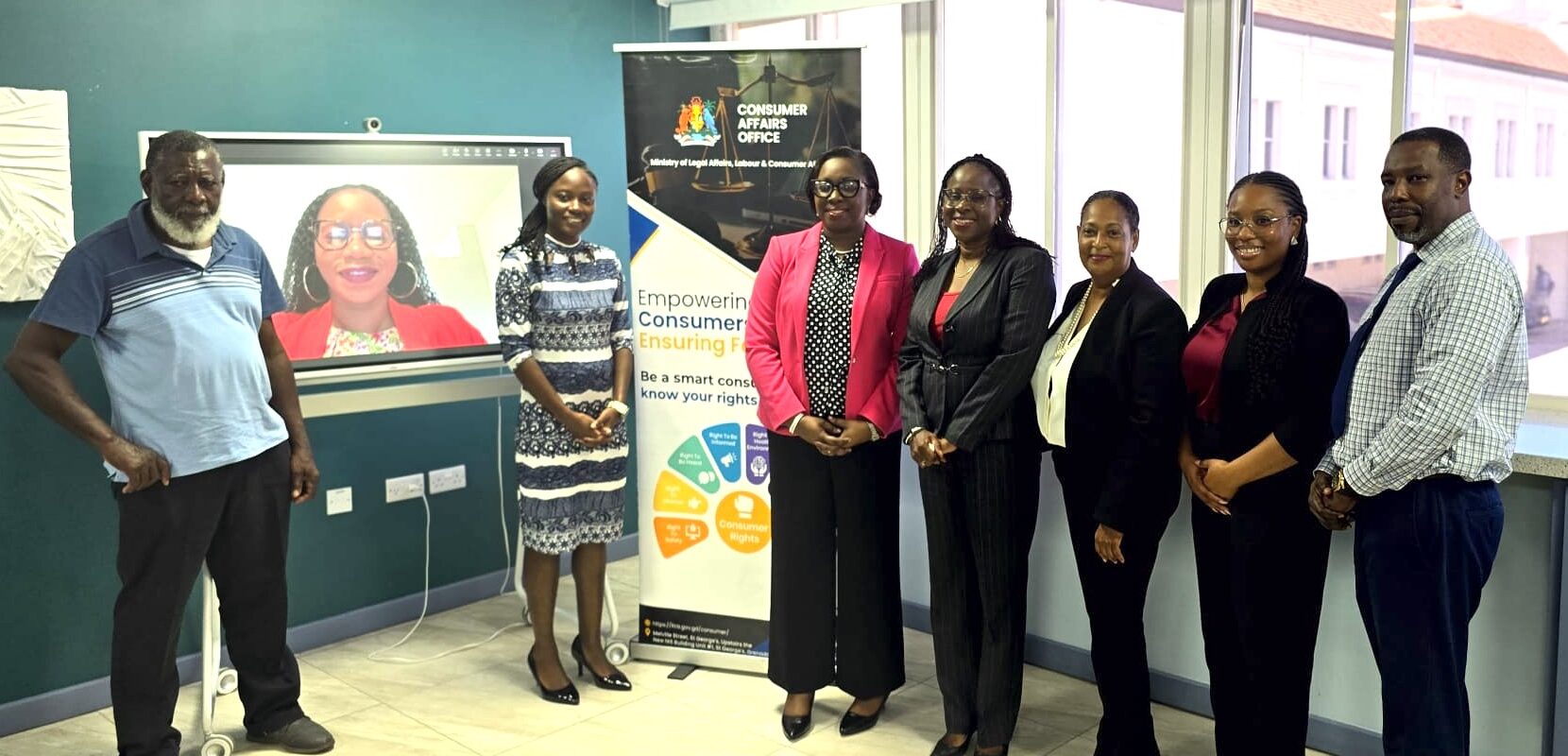
Grenada has marked a critical milestone in the evolution of its national consumer protection infrastructure with the official launch of the long-awaited Consumer Affairs Tribunal, a specialized independent body tasked with adjudicating consumer-related conflicts across the country. The five-person panel, which brings together cross-sector professional expertise to ensure balanced, informed decision-making, officially began its regulatory and adjudicatory functions on Wednesday, September 16, 2026. Leading the tribunal is Magistrate Nevlyn John, who will work alongside fellow panel members Egbert Felix, a retired public servant, Caryn Adams, a practicing attorney-at-law, Randy Cadet, Deputy Comptroller of Grenada’s Inland Revenue Division, and Nicole Forsyth-Garraway, a professional economist. The collective background of the tribunal’s membership spans core fields relevant to consumer advocacy and dispute resolution, including public administration, legal practice, taxation, economics, business strategy, and accounting, creating a foundation for well-rounded, thoughtful consideration of every case brought before the body. Senator Claudette Joseph, Grenada’s Minister responsible for Consumer Affairs, framed the tribunal’s launch as a transformative leap forward for the country’s consumer protection regime. In her remarks marking the occasion, Joseph emphasized that the new body fills a long-standing gap in access to justice for consumers, strengthening systemic accountability and creating a formal, accessible avenue for residents to seek redress when conflicts arise with businesses or service providers. “This step does more than improve our regulatory framework,” Joseph noted. “It builds greater public trust in Grenada’s marketplace, and reaffirms our government’s unwavering commitment to upholding and protecting the fundamental rights of consumers across all sectors.” Merlyn Horsford-Williams, Director of Grenada’s Consumer Affairs Office, echoed Joseph’s optimism, highlighting that the operational tribunal will amplify the office’s core mission to serve public interests. Horsford-Williams explained that the new adjudicatory body complements the existing work of the Consumer Affairs Office, expanding the range of formal resolution options available to consumers and strengthening the institution’s capacity to address public concerns through a transparent, rule-bound process. For tribunal chair Nevlyn John, the opportunity to lead the new body comes with significant responsibility that the panel is prepared to uphold. “It is an honour to be entrusted with this role, and our entire panel recognizes the gravity of the work ahead of us,” John said. “We are committed to approaching every case that comes before us with fairness, impartiality, and uncompromising integrity, and we will carry out our duties professionally to strengthen public confidence in this new dispute resolution system.” With the tribunal now fully operational, the Consumer Affairs Office is urging Grenadian residents to continue reporting consumer-related concerns and take advantage of the expanded formal services now available to them. The launch brings Grenada’s national consumer protection framework one step closer to full functionality, equipping the system to hear and resolve eligible consumer disputes in line with established, transparent legal and regulatory procedures.
标签: Grenada
格林纳达
-

M&C Drugstore St Lucia is hiring: Pharmacist
Goddard Enterprises Limited (GEL), a financially stable and steadily growing multinational conglomerate, has announced a new full-time opening for a licensed pharmacist at its subsidiary M&C Drugstore, located in Soufriere, St. Lucia. The retail pharmacy chain, which operates under the GEL corporate umbrella, has built its reputation around core values of innovation, ongoing operational improvement, and exceptional customer service, with a core mission to deliver value to customers, employees, business partners, and shareholders alike.
M&C Drugstore emphasizes that it cultivates a dynamic, inclusive workplace that prioritizes team member growth, collaborative innovation, and long-term career development across its diverse operations, creating an environment where every employee can reach their full professional potential. For candidates passionate about patient-centered care and looking to contribute to a growing regional business, this role offers the chance to build a meaningful career alongside a dedicated team of industry professionals.
### Core Responsibilities of the Role
The selected candidate will take on a range of critical duties to support pharmacy operations and customer care, including:
– Accurately and efficiently dispensing prescription medications to patients
– Organizing and overseeing the daily workflow of pharmacy technicians to meet operational standards
– Providing expert pharmacological guidance to healthcare providers and counseling patients on safe and effective drug therapy use
– Managing pharmaceutical procurement and storage in compliance with industry safety standards
– Maintaining accurate, up-to-date patient and inventory records
– Supporting periodic company-wide stock-taking initiatives
– Driving retail pharmacy sales and improving patient retention through quality service
– Directly supervising pharmacy technicians and support staff to ensure full compliance with all regulatory and company policies### Eligibility Requirements for Candidates
Interested applicants must meet a set of core qualifications to be considered for the position:
– Hold a Bachelor of Science Degree or Associate Degree in Pharmacy
– Have a minimum of two years of hands-on experience in professional pharmacy practice
– Be eligible to obtain official professional registration with the St. Lucia Pharmacy Council
– Demonstrate a commitment to service excellence and patient-first care approaches
– Possess strong interpersonal skills and clear written and verbal communication abilities
– Have working knowledge of St. Lucia’s Pharmacy Act and associated regulations
– Show proven ability to lead and supervise a team to meet organizational performance goals
– Be capable of analyzing complex clinical and operational information to make sound professional judgments
– Have a general working understanding of the pharmaceutical retail industry
– Be computer literate, with demonstrated proficiency in Microsoft Word and Excel### Compensation and Benefits
M&C Drugstore offers a competitive compensation and benefits package aligned with the successful candidate’s level of professional experience. The package includes access to group life insurance and group medical insurance coverage, alongside ongoing training and professional development opportunities to support career growth. Eligible employees also have the opportunity to participate in GEL’s Employee Share Option Plan (ESOP), which allows team members to become partial owners of the conglomerate and share in the company’s long-term growth.Qualified candidates interested in applying for the position can submit their application through the official portal at: https://tinyurl.com/538rt6tc. This posting is credited to NOW Grenada, which notes that it is not responsible for the content of third-party contributor postings, and provides a channel for reporting abusive content.
-

A judge’s legacy: Justice Gilford leaves Grenada after 13 years
In a ceremonial special sitting of Grenada’s St George’s High Court held on September 14, the Caribbean nation’s legal community gathered to mark a pivotal moment for the local judiciary: honoring the departure of its longest-serving sitting judge, Paula Gilford, while formally welcoming incoming Justice Akilah Anderson to the bench.
Born in Guyana, Gilford departs the Grenadian bench after 13 years of service, a tenure that placed her at the heart of the country’s justice system and saw her preside over thousands of judgments and hundreds of the nation’s most complex criminal and civil trials. As she prepares to take up a new judicial post in St Kitts and Nevis on September 21 – a jurisdiction where she previously served early in her career – legal leaders across Grenada have hailed her lasting impact on the island’s criminal justice system.
Acting Director of Public Prosecutions Howard Pinnock emphasized the public trust Gilford rebuilt through her work on the bench. “Judges have to be mindful of maintaining confidence in the criminal justice system by the sentences they impose,” Pinnock told the assembled court. “And I say, my lady, without fear of no objection, that you have restored confidence in the criminal justice system in Grenada. That is one of your monuments.”
Longtime criminal defence attorney Jerry Edwin echoed that praise, highlighting the dual pillars that defined Gilford’s judicial approach: unwavering adherence to legal principle and consistent fairness. Describing her commitment to upholding the rule of law, Edwin noted “a stern observance to the law” that translated to firm sentencing that deterred repeat offenses. “She has meted out sentences that caused fear in the minds of many offenders,” Edwin said, before adding that the judge’s reputation for even-handed justice remained unchallenged: “She has a reputation for, yes, fairness… She would throw the book at you,” only when the facts of the case demanded it, he clarified.
In her own farewell remarks, Gilford reflected on the profound weight of judicial responsibility, emphasizing that every matter brought before her court touched real lives. “Every case represents real people facing real challenges, anxieties and hope,” she said. She added that the role of a judge carries “a profound responsibility to listen carefully, remain impartial and always strive to ensure that justice is administered fairly and without fear or favour.” Gilford also reaffirmed the critical role of judicial independence in sustaining public trust in Grenada’s democratic institutions.
The same ceremony that celebrated Gilford’s legacy introduced the justice who will succeed her at St George’s No. 1 High Court: Jamaican-born Akilah Anderson, a legal professional with more than 20 years of experience across a diverse range of practice areas, including environmental law, criminal law, constitutional law and administrative law. Anderson takes up her post at a time when Grenada’s judiciary faces a significant backlog of cases: the upcoming September Assizes is set to open with 85 matters listed on its official roll, including multiple long-pending criminal cases that have waited years for resolution.
Veteran criminal defence attorney George Prime noted that Anderson faces substantial challenges as she steps into the role, not least of which is filling the void left by Gilford’s decades of dedicated service. “The new judge has an uphill battle to now step into the shoes of Justice Gilford, who, in my humble view, has done a tremendous job,” Prime said.
As Gilford moves to her next appointment and Anderson settles into her new position, the moment marks both a conclusion of a defining era for Grenada’s justice system and the start of a new chapter, with the local legal community waiting to see how Anderson will navigate the heavy caseload and build on the foundation Gilford leaves behind.
-
85 students receive national scholarships
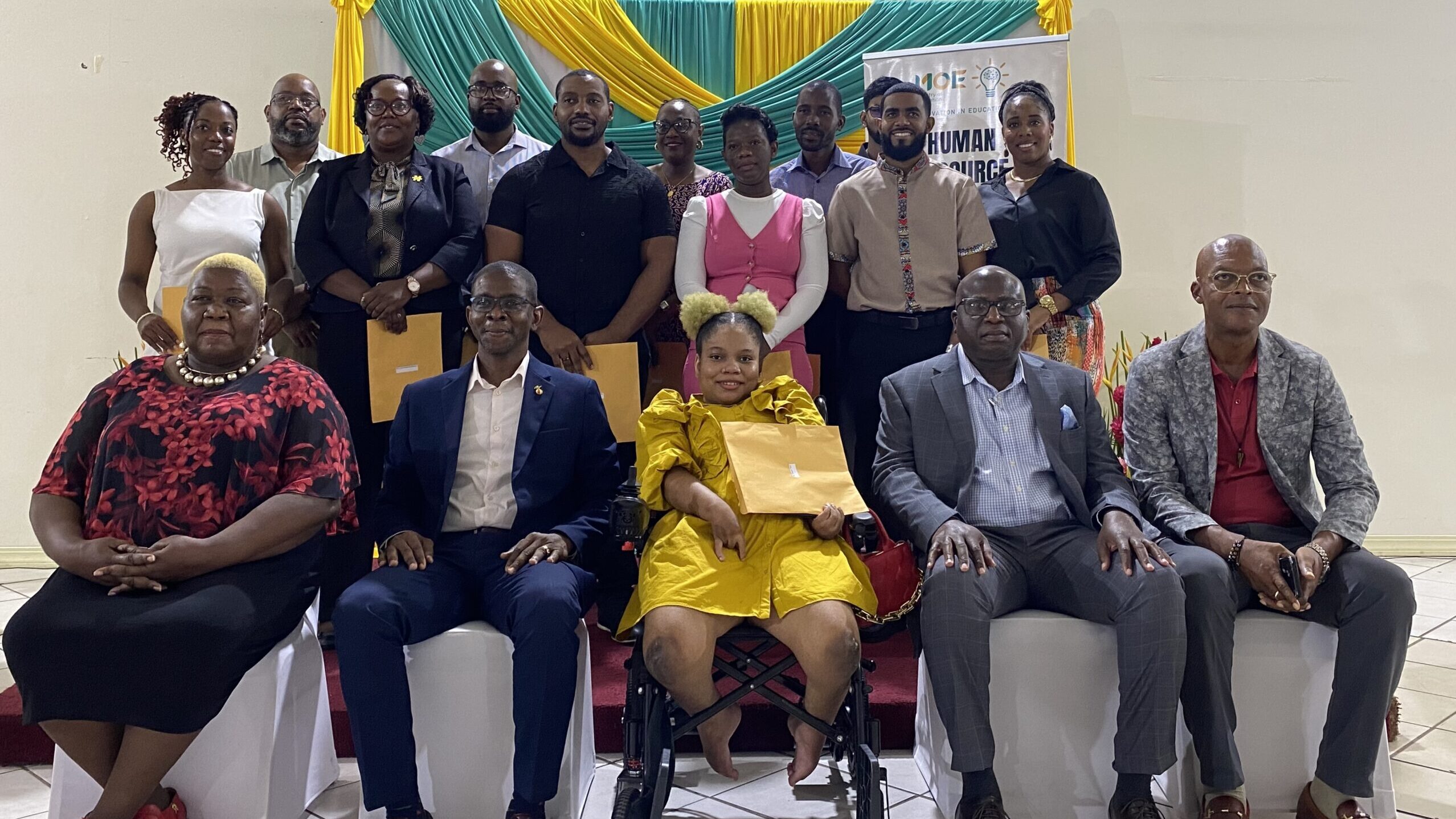
On September 15, Grenada’s Ministry of Education gathered students, institutional partners and diplomatic representatives at the Grenada Trade Centre Annex in Morne Rouge for the annual National Scholarship Awards Ceremony, a landmark event celebrating investment in the island nation’s next generation of tertiary learners. Eighty-five Grenadian students walked away with recognition for awards spanning undergraduate, graduate and specialized professional programs, delivered through a collaborative network that includes the Government of Grenada, St. George’s University (SGU), The University of the West Indies (The UWI), the People’s Republic of China, the Commonwealth, and the Organization of American States.
Addressing attendees, Education Minister Senator the Hon. David Andrew announced the total combined value of all awarded scholarships reaches EC$6,817,668.70, framing the sum as a deliberate, large-scale investment in Grenada’s long-term human capital development. Andrew highlighted a key policy shift implemented by the current administration that expanded eligibility to include law students seeking Economic Cost scholarships, a change directly aligned with the government’s core goal of broadening access to tertiary education for households across all income levels across the island.
SGU, one of the event’s longest-standing institutional partners, supported awardees across a diverse spectrum of fields, ranging from its School of Arts and Sciences to graduate-level master’s programs and public health training. Colin Dowe, Associate Vice President of SGU’s Alumni Affairs and Chairman of the National Training Awards Selection Committee, congratulated students on their hard-earned success, noting that each recipient earned their placement through merit. Dowe urged awardees to center Grenada’s development priorities throughout their academic journeys, encouraging them to connect their new skills and knowledge to local and regional challenges once they complete their studies.
Among the most prominent international partnerships represented at the ceremony was the China-Grenada scholarship program, which selected nine Grenadian students to pursue undergraduate and postgraduate study in Chinese institutions, with the total value of these awards reaching EC$600,434, per Andrew’s announcement. His Excellency Yang Shu, Ambassador of the People’s Republic of China to Grenada, emphasized that educational exchange has long been a cornerstone of bilateral cooperation between the two nations. Since the resumption of diplomatic relations, Ambassador Yang noted, China has provided more than 3,700 study and training opportunities for Grenadians, including over 700 participants in China-funded short-term professional training programs. For the nine students preparing to travel to China, he added, the experience extends far beyond earning an academic degree: it offers a chance to immerse in a different culture, expand global perspectives, and deepen people-to-people ties that strengthen the relationship between Grenada and China for years to come.
The ceremony also highlighted other prestigious international awards, including the Commonwealth UK Scholarship awarded to Akeyshur Bartholomew, who will begin a master’s program in medical ultrasound with a specialization in echocardiography at Imperial College London.
Elvis Morain, Permanent Secretary for Human Resources and Educational Development, reminded students that securing a scholarship is only the first step of their academic journey. Morain noted that the selection process is highly competitive, evaluating candidates on both academic performance and interview results, and urged recipients to familiarize themselves with all terms and conditions of their awards, including the requirement to maintain a minimum grade point average throughout their program. He also stressed the importance of fulfilling the post-graduation scholarship bond requirement, and encouraged students to proactively communicate with the Ministry of Education if unforeseen circumstances require adjustments to their program of study. “This is an investment and you have to take it seriously,” Morain told attending students.
Minister Andrew echoed this framing, noting that the scholarships represent a national investment that comes with mutual obligations beyond the completion of a degree. He told recipients that Grenada relies on their skills and leadership to address the nation’s most pressing development challenges, and disclosed that the Grenadian Cabinet has recently approved a revised national scholarship strategy and bonding framework. The updated policy will maintain a “repay or serve” requirement for awardees, a measure designed to make the national scholarship program financially sustainable, enabling the government to continue supporting future generations of Grenadian students. Dowe echoed this call for reciprocal contribution, describing the full portfolio of awards as an investment in Grenada’s future, and noting that recipients carry a clear onus to return and serve as leaders in their respective sectors once they complete their education.
-

FCL: Join our creative and professional team!
Facilities Consulting Limited, commonly known as FCL, is currently accepting applications from qualified candidates for multiple skilled trade positions. Available roles include HVAC technician, labourer, landscaper, OSH (Occupational Safety and Health) specialist, and plumber. Job seekers interested in joining FCL’s team can find full information about the roles, requirements, and application procedures by visiting the company’s official career page at www.fcl.gd/career. To formally apply, candidates must submit their curriculum vitae along with a professional portfolio to the email address [email protected].
This job announcement is featured on the NOW Grenada platform. NOW Grenada clarifies that it is not liable for the opinions, statements, or any media content shared by contributing organizations or individuals. If users encounter content that violates platform guidelines or constitutes abuse, they can initiate a report by clicking the designated reporting link provided on the page. This post is tagged with relevant keywords including facilities consulting limited, FCL, HVAC, labourer, landscaper, OSH, and plumber to help interested candidates easily locate the listing.
-
Grenada hosts first-ever capacity-building session
Grenada has etched its name into the history of regional climate action, becoming the first member of the Organisation of Eastern Caribbean States (OECS) to host a specialized capacity-building initiative under the bloc’s landmark Climate Finance Action Platform (CFAP). The event marks a watershed moment for collective regional efforts to expand access to climate, nature and sustainable finance, turning national and regional climate commitments into investment-ready projects that boost community resilience, advance low-carbon development and deliver tangible economic and social benefits across all OECS member states.
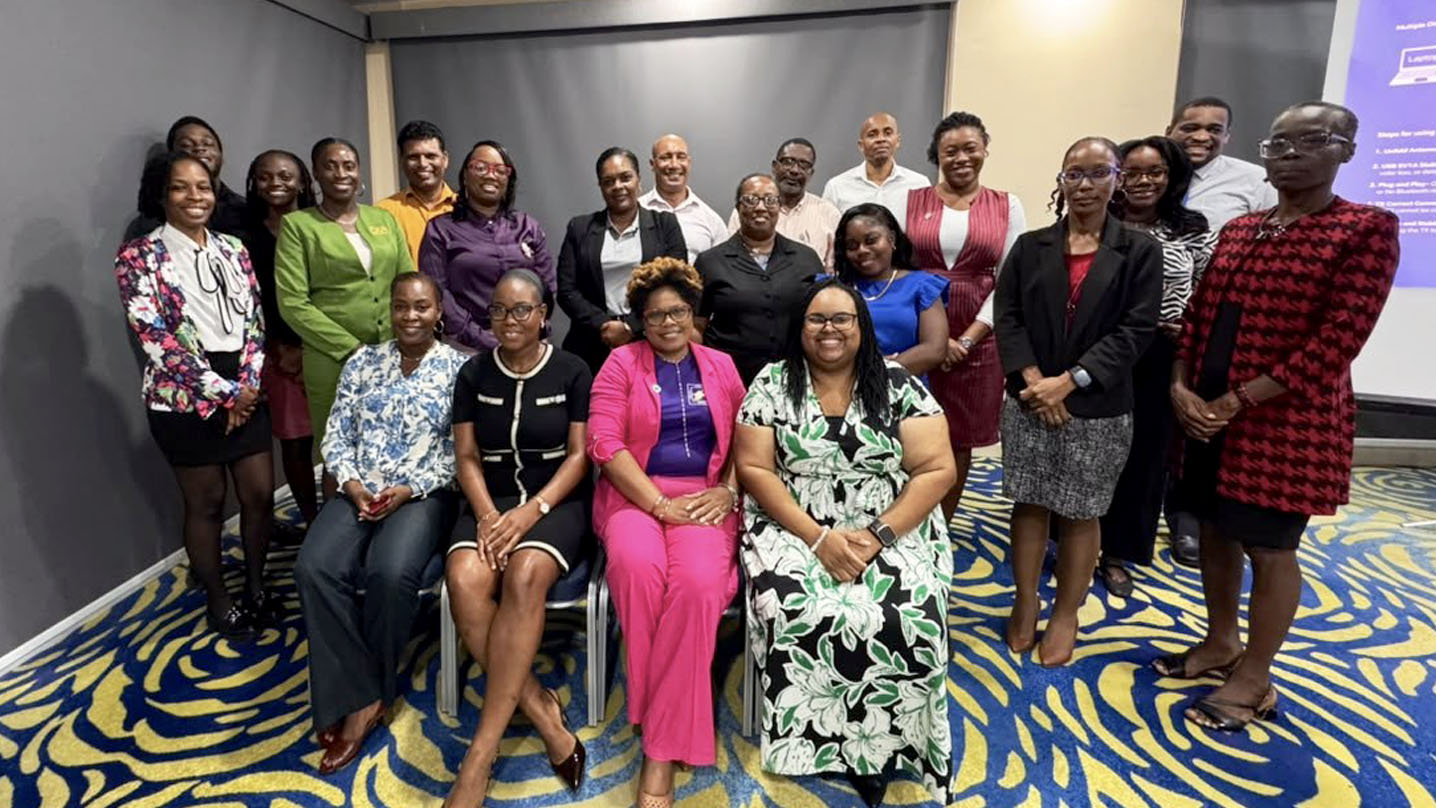
Titled *Strengthening Grenada’s Capacity to Access, Mobilise and Deploy Climate Finance*, the full-day session was held on September 10, 2026 at the Radisson Grenada Beach Resort. It drew cross-sectoral participation from senior representatives of key government ministries and agencies, including members of Grenada’s national Climate Change Sectoral Focal Point Network, as well as specialists focused on climate action, public finance, economic planning, public investment and project delivery.
This tailored training forms a core component of a broader CFAP country mission to Grenada, delivered by the OECS Commission with generous financial backing from the European Union through the EUROCLIMA Programme and its Technical Assistance Facility. The EU’s funding has enabled the OECS Commission to launch and operationalize the CFAP, which provides targeted technical support and skills-building to member states looking to strengthen climate finance coordination, improve project preparation, boost investment readiness and scale up resource mobilization.
Speaking at the opening of the session, Titus Antoine, Director of Climate Resilience at Grenada’s Ministry of Climate Resilience, the Environment and Renewable Energy, underscored the urgent need for sustained investment in national capacity to unlock much-needed climate funding. “Strengthening our climate finance capacity is non-negotiable if Grenada is to turn our climate and development priorities into tangible action,” Antoine explained. “This session has deepened our collective understanding of how the global climate finance landscape is evolving, the full range of financing opportunities and instruments now available, and what it takes to develop robust, investment-ready projects. Building this expertise and capacity across government will put Grenada in a far stronger position to mobilize the funding we need to deliver on our climate goals and build a more resilient, sustainable future for all Grenadians.”
The training curriculum was designed to give participants hands-on insight into the changing global climate finance ecosystem, existing funding sources and instruments, and the unique opportunities available to small island developing states (SIDS) like Grenada. A central focus of the session was strengthening the country’s ability to turn broad climate priorities into thoroughly prepared, investment-ready projects that can be matched to the most appropriate funding sources. Participants also engaged in reflective discussions about Grenada’s past experience accessing climate finance, key lessons learned from previous projects, and opportunities to strengthen implementation, impact tracking and future investment pipeline development.
Dr. Sherry Constantine, a senior climate finance expert leading the technical assistance through EUROCLIMA, emphasized the critical importance of strengthening every stage of the process from priority-setting to funding access. “Accessing climate finance is far more than just identifying a fund and submitting an application,” Dr. Constantine noted. “We have to start with our core climate and development priorities, translate those priorities into well-designed investment projects, prepare those projects to meet the rigorous standards that financiers require, and then match them to the funding sources and instruments that fit best. The CFAP exists specifically to help OECS member states strengthen this entire end-to-end pathway from priority to investment.”
The session also introduced participants to the full suite of support services that CFAP will offer to all OECS member states, including a dedicated Project Preparation Facility, a regional Knowledge Hub, ongoing targeted capacity-building initiatives, comprehensive financing-source mapping, climate finance matchmaking between project developers and funders, and investment mobilization support. These services have been intentionally designed to address longstanding barriers that have held back climate action across OECS member states, including fragmented institutional coordination, low overall climate finance readiness, underdeveloped project pipelines, prohibitive project preparation costs, limited private sector engagement, and persistent challenges matching viable investment opportunities with appropriate funding sources.
Shanna Emmanuel, a representative of the OECS Commission leading the CFAP initiative, highlighted the platform’s member-driven governance model. “The CFAP is being developed as a platform owned and led by OECS member states themselves,” Emmanuel explained. “These in-country engagements are absolutely essential to making sure the support we deliver is practical, targeted and responsive to national priorities. Grenada’s trailblazing experience here, and the rich discussions that emerged from this first capacity-building session, will help shape how the platform supports all member states moving forward.”
The Grenada mission is part of a broader rollout of CFAP engagement across all OECS member states, designed to ensure the platform addresses the unique national climate finance priorities and capacity needs of each country. Key takeaways and insights from the Grenada session will be used to develop a customized CFAP Country Support Package for Grenada, covering ongoing capacity building, targeted project preparation support and investment mobilization assistance. As the first country-level capacity-building session held under the CFAP initiative, the Grenada engagement marks a critical milestone in helping OECS member states turn ambitious climate priorities into fully financed, investment-ready projects that deliver on the ground.
-
CariPHLN Workshop strengthens Caribbean laboratories networking and capacities
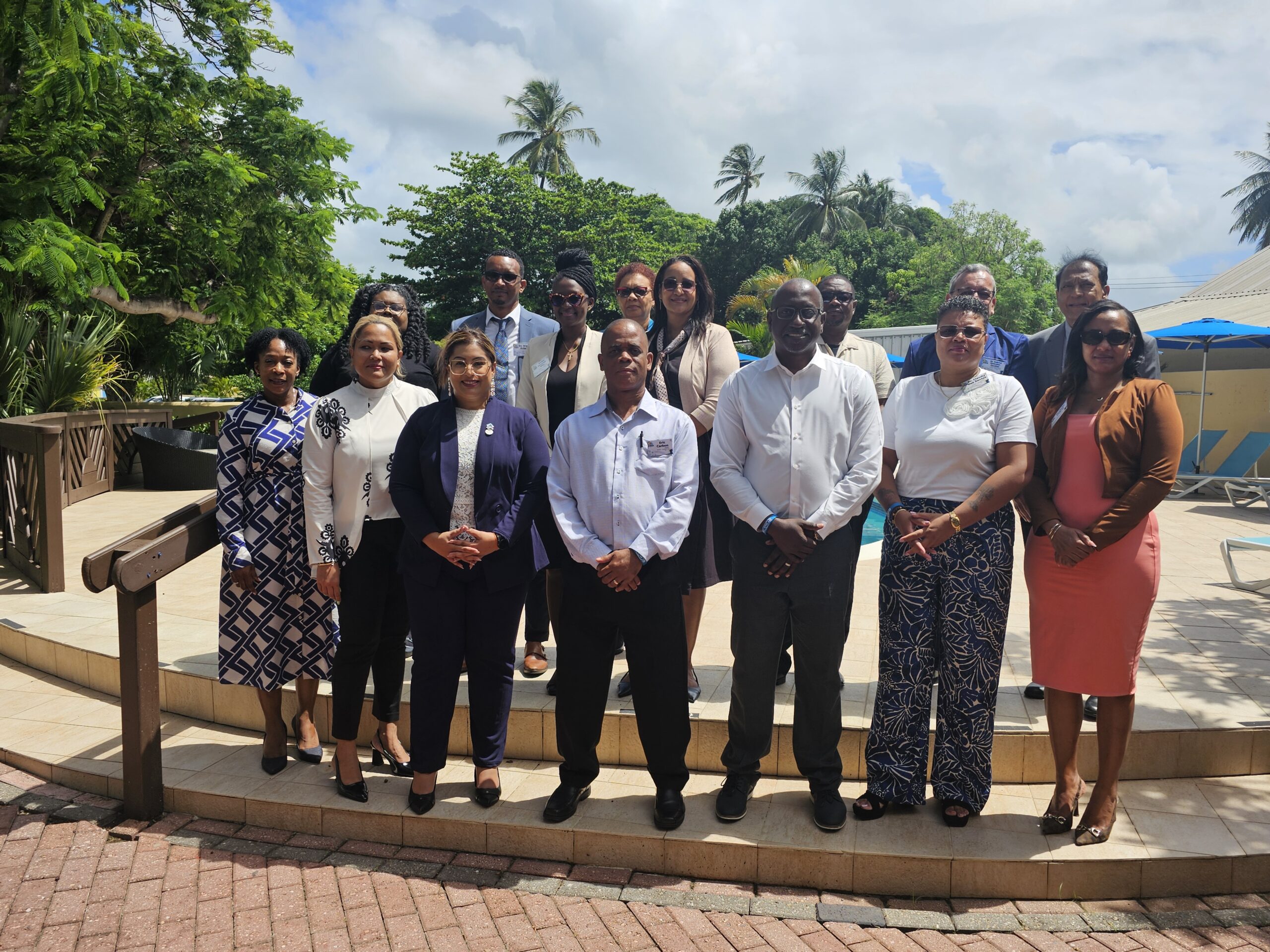
Between September 8 and 10, 2026, the Caribbean Public Health Agency (CARPHA) successfully concluded its 11th Annual Caribbean Public Health Laboratory Network (CariPHLN) Workshop in Bridgetown, Barbados. The three-day hybrid event, made possible by funding from CARPHA’s Pandemic Fund grant, united 26 laboratory directors alongside public health laboratory specialists, CARPHA personnel, and regional stakeholders to advance core public health priorities across the Caribbean.
CariPHLN functions as CARPHA’s flagship regional coordination mechanism, designed to connect national laboratory leaders, expand institutional capacity, improve access to specialized testing and specimen referral services, enforce standardized quality protocols, and enable coordinated cross-border action across CARPHA’s Member States. For the 2026 workshop, 11 laboratory directors traveled to Bridgetown to attend in person, representing Aruba, The Bahamas, Barbados, Belize, Curaçao, Dominica, Guyana, Jamaica, St Lucia, St Vincent and the Grenadines, and the Turks and Caicos Islands. An additional 15 directors joined virtually from a roster of territories and nations including Anguilla, Antigua and Barbuda, Bermuda, the British Virgin Islands, Bonaire, the Cayman Islands, Grenada, Haiti, Montserrat, the Netherlands, St Kitts and Nevis, Sint Maarten, Suriname, and Trinidad and Tobago. Personnel from the CARPHA Medical Microbiology Laboratory (CMML), based across CARPHA’s three regional campuses, also contributed to workshop discussions and activities.
In her opening remarks to attendees, CARPHA Executive Director Dr. Lisa Indar emphasized the non-negotiable role of robust laboratory systems in safeguarding regional population health. “Public health laboratories remain one of the most critical foundations of regional health security,” Dr. Indar stated. “The ability to rapidly detect a pathogen, confirm an outbreak, identify antimicrobial resistance, share reliable data, and refer specimens safely can determine how effectively we protect our populations.”
Dr. Gabriel M Gonzalez Escobar, Assistant Director of Surveillance, Disease Prevention and Control (SDPC) and Head of the CMML, echoed this sentiment, highlighting that sustained regional collaboration is the only way to address evolving transboundary health threats. “The CariPHLN meeting provides a critical opportunity for laboratories and public health professionals from across the Caribbean to come together, share experiences, and strengthen the regional systems that protect our populations,” Dr. Gonzalez Escobar explained. “As health threats continue to evolve, collaboration, timely data sharing, and laboratory excellence remain essential to safeguarding the health security of our Member States.”
A central focus of this year’s workshop was closing the gap between laboratory-generated data and timely, evidence-based public health intervention. Attendees explored actionable strategies to improve tracking of regional laboratory capacity, streamline specimen submission and transportation protocols, and strengthen cross-border data-sharing infrastructure. The workshop also served to expand awareness of two key CARPHA tools: the Regional Integrated Early Warning Surveillance and Response System (RIEWSS), which consolidates multiple surveillance data streams to enable earlier outbreak detection and coordinated response, and SENAITE, a cloud-based Laboratory Information Management System (LIMS) designed to optimize laboratory workflows, centralize data management, and facilitate secure information exchange.
Beyond data infrastructure, discussions centered on top regional health security priorities, including antimicrobial resistance (AMR) monitoring, tuberculosis surveillance and diagnostic access, preparedness for measles and other vaccine-preventable diseases, biorisk management protocols, improvements to cross-border specimen referral, and the integration of laboratory data into public health decision-making processes. Participants also exchanged on-the-ground national experiences in outbreak response and capacity building, collaboratively identifying concrete next steps to advance network goals across the region.
The 2026 workshop built on measurable progress delivered since the 2025 gathering, including strengthened CariPHLN governance through regular executive committee meetings, renewed activity across all Technical Advisory Groups, the launch of a dedicated AMR Technical Advisory Group, expanded regional diagnostic capacity, improved overall pandemic preparedness, targeted workforce and institutional capacity building, harmonized technical standards across member states, upgraded cross-border specimen referral systems, and enhanced data sharing and communication between national authorities.
Looking ahead, CARPHA will continue leveraging the CariPHLN network to support Member States in building resilient, sustainable laboratory systems, strengthening regional connectivity, and ensuring high-quality laboratory data drives earlier outbreak detection, faster response, and more robust overall health security across the Caribbean.
### Background: The CARPHA Pandemic Fund Project
CARPHA serves as the Executing Agency for the Pandemic Fund (PF) Project, with the Inter-American Development Bank (IDB) acting as Implementing Entity. Running from 2024 to 2026, the project’s core mission is to reduce the public health impact of pandemics across the Caribbean through expanded prevention, preparedness, and response (PPR) capacity. Its key objectives include building out regional and national pandemic PPR infrastructure, including surveillance and early warning systems, upgraded laboratory networks, and strengthened workforce capacity. By advancing these goals, the project aims to slow the transboundary spread of infectious diseases and improve both regional and global health security. CARPHA is the primary beneficiary of the PF grant, with all CARPHA Member States participating in project activities. More information is available via CARPHA’s official Pandemic Fund webpage. -
UNESCO WINGS Caribbean: Call for fellowship applications
Against a backdrop of persistent gender gaps in scientific leadership and growing regional demand for context-specific solutions to urgent development challenges, UNESCO has launched a groundbreaking new fellowship initiative tailored for women researchers across the Caribbean. Named WINGS Caribbean, the program targets mid-career and advanced women innovators whose work directly addresses the Caribbean’s most pressing development priorities, with the dual goal of advancing impactful local solutions and closing the gender gap in STEM and social science research leadership.
The Caribbean region currently faces a cascade of interconnected challenges, from building climate resilience and reducing disaster risk to advancing inclusive, sustainable socioeconomic growth. Local researchers and innovators are uniquely positioned to develop solutions that are rooted in regional culture, aligned with national needs, and capable of delivering long-term tangible benefits to Caribbean communities. Yet despite their substantial contributions to scientific and social progress, women remain drastically underrepresented in senior and leadership roles across research and innovation sectors across the region.
To address this gap, the UNESCO Regional Office for the Caribbean developed WINGS Caribbean in technical partnership with The University of the West Indies, Mona, Faculty of Science and Technology and the Caribbean Academy of Sciences (CAS). The initiative will award two $10,000 USD fellowships, with a 12-month implementation timeline for selected projects. The program is structured around two distinct fellowship streams, designed to cover the full spectrum of development-focused work in the region.
The first stream, the WINGS STEM Fellowship, supports projects focused on advancing scientific knowledge, technical innovation, and evidence-based solutions in priority areas including core STEM fields, climate and environmental resilience, disaster risk reduction, digital innovation, and emerging technologies, and applied scientific research. The second track, the WINGS Social Impact Fellowship, funds work focused on driving social transformation, inclusive development, and broad societal wellbeing, with eligible areas including social sciences, social entrepreneurship and innovation, governance and public policy, social development, and community-embedded research.
Beyond direct financial support, selected fellows also gain access to technical and scientific mentorship from partner institutions, as well as expanded regional and global visibility through UNESCO’s global communications and outreach channels. Fellows also join a growing regional network of women leaders committed to advancing scientific excellence, innovation, and sustainable development across the Caribbean.
To be eligible for the fellowship, applicants must identify as women, hold nationality of a UNESCO Member or Associate Member in the English- or Dutch-speaking Caribbean, hold an affiliation with a recognized academic institution, research center, public body, or accredited innovation or social enterprise, be currently working in a mid- or advanced-career role with demonstrated relevant experience, and propose an original, nationally relevant project that can be completed within 12 months with a clear path to measurable societal benefit. Each applicant may only submit one application, which must be filed under the stream that most closely aligns with the proposed project.
Selected fellows are required to deliver a set of tangible outputs by the end of the 12-month term, including a research, policy, or innovation product with practical application and potential societal benefit, two dissemination activities targeted at relevant stakeholders, beneficiaries, or decision-makers, a concise policy brief, technical guidance note, or applied knowledge product designed for wide regional uptake, and both interim and final narrative and financial reports aligned with UNESCO’s standard reporting requirements.
Applications are evaluated based on a weighted selection framework, with 20 percent of the score allocated to scientific or technical quality and rigor, 20 percent to innovation and originality, 20 percent to relevance to Caribbean development priorities, 10 percent to feasibility of completion within the 12-month timeline, 20 percent to practical societal benefit and impact (including scalability and replication potential), and 10 percent to the project’s contribution to advancing gender equality and women’s empowerment. Eligible submissions will undergo a technical review coordinated by UNESCO alongside its partner institutions, with UNESCO making the final final award decisions based on assessment results and the program’s core objectives.
All application materials must be submitted in English through the official online portal no later than midnight Jamaica time (UTC−5) on September 30, 2026. Submissions sent via email will not be accepted, and late or incomplete applications will be deemed ineligible. Selected fellows will enter into a formal agreement with UNESCO and are required to comply with all applicable ethical, regulatory, reporting, visibility, and financial requirements. UNESCO retains the right to decline awarding the fellowship if no submissions meet the program’s required quality standards.
This initiative marks a key step forward in UNESCO’s ongoing commitment to advancing gender equality in science and supporting locally led development solutions across the Caribbean, with the long-term goal of inspiring the next generation of Caribbean women and girls to pursue careers in science, research, and innovation.
-
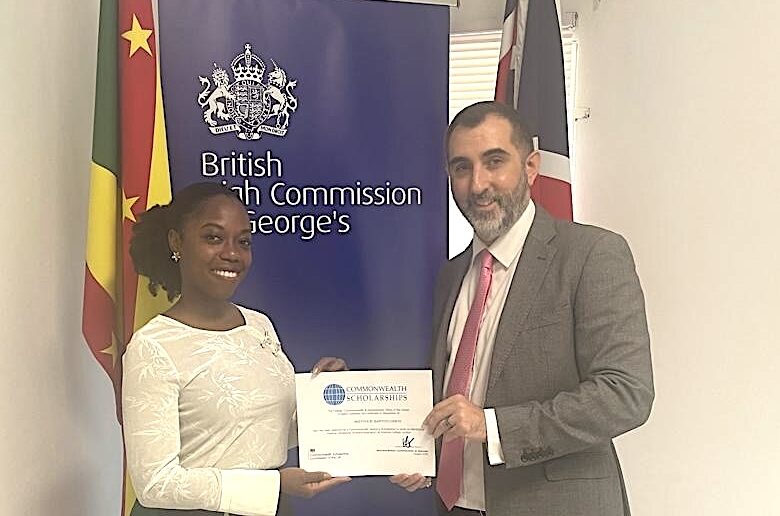
2 Grenadians awarded prestigious UK Government scholarships
The United Kingdom’s Foreign, Commonwealth and Development Office (FCDO) has long upheld a core mission of investing in global talent development through its two flagship scholarship programs: the Chevening Scholarship and the Commonwealth Scholarship. As part of this ongoing commitment, two exceptional students from Grenada have been selected to receive full funding for postgraduate study at top-tier UK universities for the 2026 academic intake, joining hundreds of emerging leaders from across the Caribbean and the world in this opportunity.
The official announcement of 2026 Chevening Scholars for Barbados and the Eastern Caribbean region was finalized in late August, alongside the recent naming of recipients for the 2026 Commonwealth Scholarship Programme. From Grenada, Ravon Charles earned the Chevening Scholarship, which will enable him to pursue a Master of Science degree in Sport Rehabilitation at Loughborough University — a UK institution consistently ranked as a global leader in sports-related academic research and training. Separately, Akeyshur Bartholomew was selected for the competitive Commonwealth Scholarship, and will enroll in an MSc program in Medical Ultrasound with a specialization in Echocardiography at Imperial College London, one of the world’s top medical research universities.
Victor Clark, the Resident British Commissioner to Grenada, expressed his enthusiasm for the new cohort of Grenadian scholars in an official statement following the announcement. “I am delighted that the UK continues to support outstanding Grenadians through the Chevening and Commonwealth Scholarship programmes,” Clark said. “These scholarships invest in individuals who have demonstrated exceptional potential and are pursuing studies in areas that are important to Grenada’s future development and shared global challenges. I am proud and inspired by their dedication, ambition and commitment to making a positive impact on their return to Grenada.”
Beyond recognizing the 2026 cohort, the FCDO has also opened applications for the 2027–2028 academic year Chevening Scholarships. Prospective candidates from eligible regions can submit their applications through the official Chevening website at www.chevening.org/apply, with a final application deadline set for 6 October 2026. For students seeking more details about the Commonwealth Scholarship programme, additional information is available on the official UK Commonwealth Scholarship Commission website at https://cscuk.fcdo.gov.uk/, or applicants can reach out directly to the Human Resource Development Division of Grenada’s Ministry of Education via email at [email protected].
Since their launch, the Chevening and Commonwealth Scholarship programmes have supported thousands of emerging leaders from low- and middle-income countries to access world-class higher education, with a core focus on equipping scholars with skills that they can use to drive social and economic progress in their home countries after graduation.
-
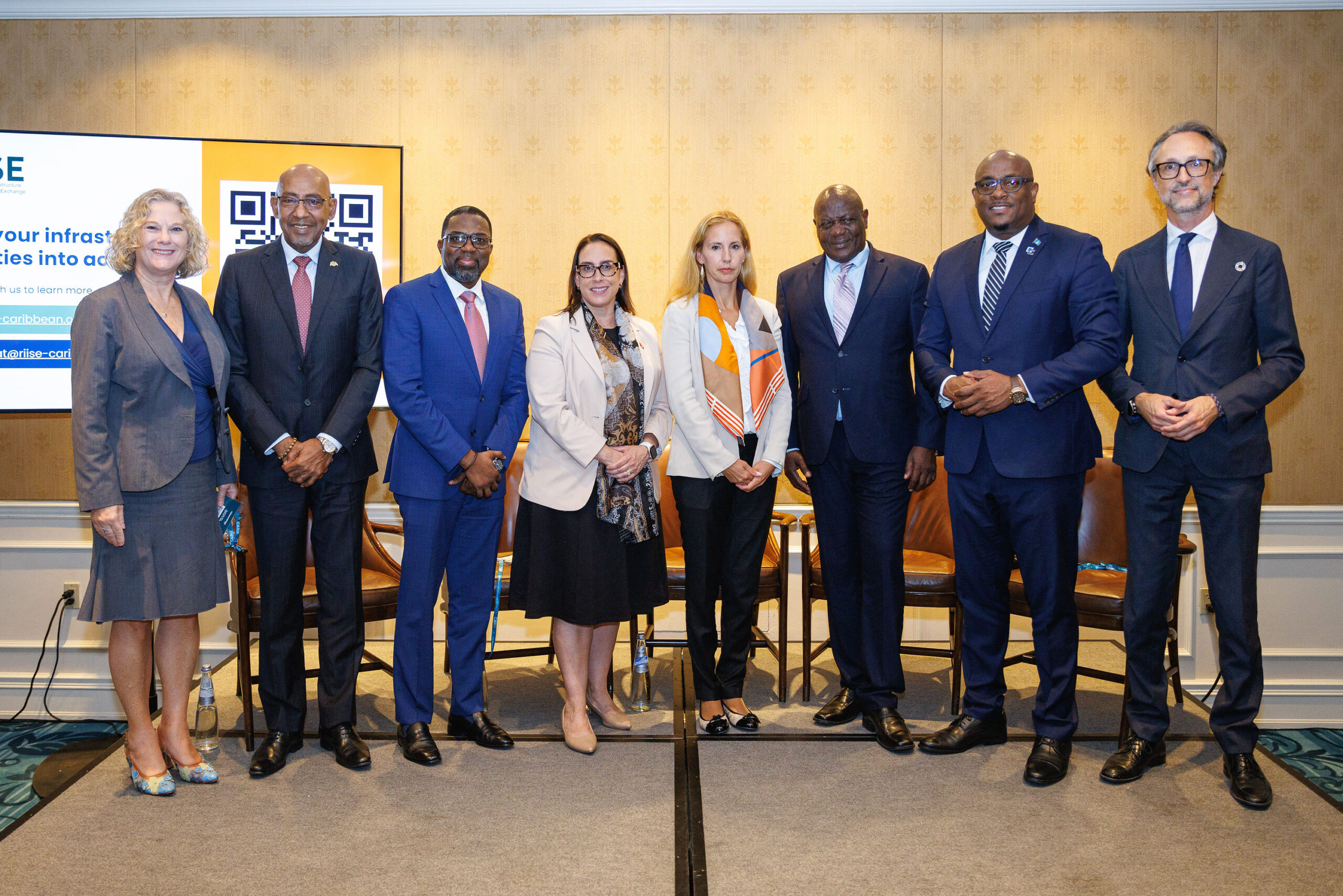
RIISE begins operations to accelerate resilient infrastructure delivery in Eastern Caribbean
Against a backdrop of escalating climate risks that disproportionately threaten low-lying island nations, a new regional support initiative has officially opened its doors to help Eastern Caribbean governments turn climate adaptation commitments into tangible infrastructure progress. The Caribbean Resilient Infrastructure Implementation and Skills Exchange (RIISE) Facility is now available to governments of Dominica, Grenada, St Lucia, and St Vincent and the Grenadines, providing targeted technical support to cut through implementation bottlenecks and speed up the delivery of climate-resilient public infrastructure projects.
Funded by the Government of Canada and hosted by the United Nations Office for Project Services (UNOPS), RIISE operates from a regional secretariat based in Barbados. The initiative is governed by its participating Caribbean countries, with independent technical guidance provided by a panel of regional and international experts.
Her Excellency Brenda Wills, Canada’s High Commissioner to Barbados and the Eastern Caribbean, emphasized the critical role that resilient infrastructure plays in fostering long-term development across the region. “Resilient infrastructure is essential to economic development, climate adaptation, and the well-being of Caribbean communities,” Wills stated. “Canada is pleased to support RIISE as a regionally led facility that will help governments access the expertise and support needed to deliver priority infrastructure investments. By helping address implementation challenges and strengthening countries’ ability to move projects forward, RIISE has the potential to accelerate resilient infrastructure delivery and generate lasting benefits for Caribbean communities.”
RIISE fills a critical gap for Small Island Developing States (SIDS) in the Eastern Caribbean, where complex climate infrastructure projects often outpace the in-house technical capacity available to local government teams. Unlike existing funding and pre-construction preparation mechanisms, RIISE focuses specifically on providing on-demand, hands-on support during the implementation phase, helping bridge gaps to move projects from planning to completion.
The facility supports a broad portfolio of climate-resilient infrastructure categories, including water and sanitation systems, transportation networks, renewable energy infrastructure, coastal protection barriers, public buildings, post-disaster recovery projects, healthcare facilities, educational institutions, and affordable housing. Participating governments can access support through two tailored modalities: short-term technical advisory consultations to resolve specific project challenges, and temporary deployment of specialist personnel to reinforce local project teams. Support is delivered through a flexible mix of remote and in-country engagement, customized to the unique needs of each assignment.
Across these two service types, RIISE connects government teams with expertise across a wide range of critical infrastructure disciplines, including project management, public procurement, contract administration, engineering technical reviews, and financial management. The facility also prioritizes inclusive and sustainable delivery, offering specialized support for environmental and social safeguards, climate resilience planning, gender equality, social inclusion, stakeholder engagement, communications, project monitoring and reporting, and risk management.
For government entities seeking RIISE support, the application process is streamlined through national focal points in each of the four participating countries. Ministries and public institutions submit requests through their designated focal point, who completes an online request form detailing the project, specific implementation challenge, and desired outcomes. The RIISE secretariat then reviews eligibility for support and collaborates with the requesting institution to define the scope of assistance and match the required expertise. More information and guidance on the application process is available on the official RIISE website at riise-caribbean.org, or via email at info@riise-caribbean.org.
Giuseppe Mancinelli, UNOPS Caribbean Director, framed the launch of RIISE as a milestone for regional climate action. “Today marks an important moment for the Caribbean,” Mancinelli said. “UNOPS is proud to provide the operational backbone for this Caribbean-led initiative. Governments across the region have set a bold vision for more resilient infrastructure; our role is to help turn that ambition into results by providing national institutions with the additional capacity, expertise and implementation support they need to deliver for their people.”
Beyond its immediate goal of speeding up existing infrastructure projects, RIISE has a longer-term mandate to build and retain technical expertise within the Caribbean. As the facility matures, it will create opportunities for visiting international specialists to mentor local public sector teams, and facilitate cross-national knowledge sharing between participating governments. This capacity building component is designed to empower local teams to lead future infrastructure initiatives independently.
RIISE was officially launched on 14 September during a side event at the Caribbean Infrastructure Forum (CARIF) held in Miami. Attendees at the launch included senior government representatives from each of the four participating nations: Honourable Shawn Edward, Minister of Infrastructure, Ports Services, and Energy of St Lucia; Honourable Andrew John, Minister of Housing, Land Management, Urban Development, and Informal Settlement Upgrading of St Vincent and the Grenadines; Honourable Dr Irving McIntyre, Minister of Finance, Economic Development, Climate Resilience and Social Security of Dominica; and Alva Browne, Permanent Secretary in Grenada’s Ministry of Infrastructure. Also in attendance were High Commissioner Brenda Wills and representatives from international financial institutions, multilateral organizations, and global infrastructure development partners.
While RIISE’s initial focus is on the four Eastern Caribbean countries, the initiative is structured to allow for gradual expansion across the region in the future, contingent on expressed government needs and the mobilization of additional partnerships and funding.