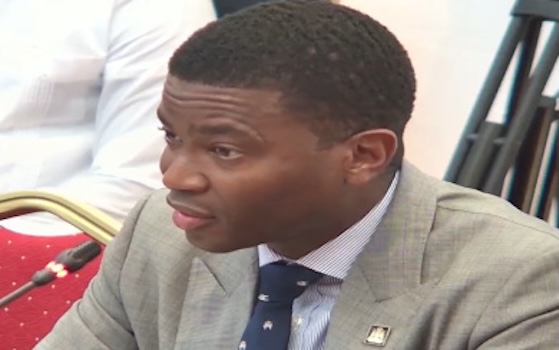
A major political dispute has unfolded in Grenada this week after opposition lawmakers boycotted a landmark joint parliamentary session called to receive a long-awaited report from the Hydrocarbons Technical Working Group (HTWG), drawing sharp disappointment from Prime Minister Dickon Mitchell.
Mitchell, who leads the current administration, addressed the sitting Tuesday and voiced deep regret over the opposition’s decision to skip the key briefing focused on the country’s oil and gas exploration efforts. “It is extremely disappointing and sad that members have chosen to boycott such an important session designed to share clear, first-hand information about the work we have completed,” the prime minister told assembled legislators.
The boycott was announced one day earlier by Opposition Leader Emmalin Pierre, head of the main opposition New National Party (NNP). Pierre told reporters that her caucus had significant procedural concerns about how the special joint sitting was organized, and members would not attend under the existing framework. The NNP leader clarified that the party does not oppose the government updating parliament on the progress of oil and gas exploration, but argued the current process deviates from long-standing parliamentary rules and norms.
At the core of the opposition’s objection is the government’s decision to have the HTWG present its findings directly to the full joint sitting, rather than first formally laying the report before the House of Representatives per standard procedure. Former foreign affairs minister Peter David, the only opposition lawmaker who attended Tuesday’s session, doubled down on this criticism, noting that the HTWG is neither a joint select committee of parliament nor an officially appointed parliamentary body. “It is therefore irregular to invite such a committee to address the House of Representatives,” David stated.
However, Speaker of the House Leo Cato defended the procedural arrangement put in place for the session. Cato explained that parliamentary authorities consulted with the government ahead of the meeting, and agreed that the highly technical nature of the HTWG’s report made direct presentation by the expert group the most effective approach. “It is a highly technical report and that it is best presented by the experts,” Cato said.
Prime Minister Mitchell echoed this reasoning, and extended public appreciation to HTWG members for their work and their accessible presentation to lawmakers. He confirmed that the full report, led by internationally recognized petroleum energy expert Dr. Gibert Yevi, will be formally laid before parliament in the coming days through his office as the responsible cabinet minister.
Mitchell emphasized that the decision to bring in the HTWG for direct questioning and presentation stemmed from a commitment to transparency and clarity, not procedural misconduct. “The oil and gas industry as a commercial business industry is highly technical, highly commercial in nature and requires people with the expertise to lead it,” Mitchell noted. He added that elected leaders have a responsibility to recognize the limits of their own expertise and leverage specialist knowledge to keep the public and parliament fully informed, arguing that substance should always take priority over procedural formalities when it comes to critical national issues.
The prime minister also used the session to address long-standing public concerns about the governance of Grenada’s emerging oil and gas sector, noting that for years the industry has been shrouded in secrecy, with little accessible documentation or public accountability. He pointed to the lack of official recorded data for previously drilled wells as evidence of past opacity, arguing that the current administration’s push for a public, expert-led parliamentary briefing is a deliberate break from that non-transparent approach.
“If I wanted to be partisan, if I wanted to politicise this issue, I would not ask for a joint sitting of the House. I would not ask the experts to come and subject themselves to our questioning and our scrutiny. We would not make the reports available,” Mitchell said. He added that the government has gone to great lengths to organize not just technical briefings for lawmakers, but opportunities to share updates with the general public, to clarify what work has been completed, what steps lie ahead, and the government’s plan for moving the sector forward.