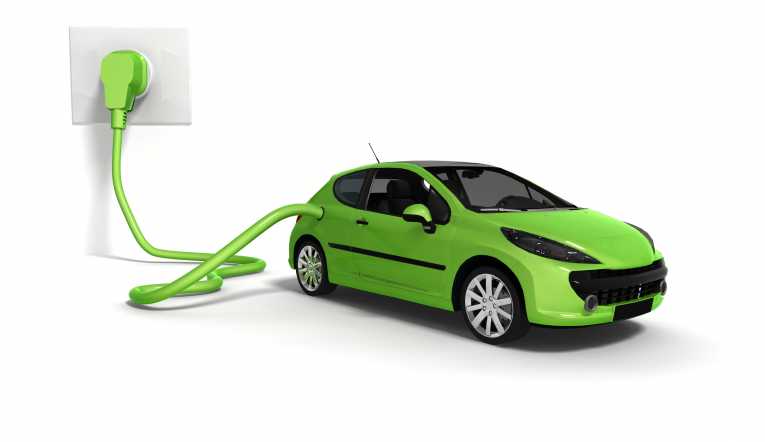
On World EV Day 2026, Grenada joined global efforts to promote electric transportation, aligning its local observance with the international theme “Switching Electric: Driving Down the Cost of Motoring” – a priority that carries unique urgency for the small island nation.
As a country that relies entirely on imported fossil fuel to meet its energy needs, Grenada faces constant exposure to volatile global oil price swings driven by geopolitical and economic events outside its control. When fuel prices rise, the ripple effects touch every corner of the national economy: transportation fares climb, electricity generation costs increase, and the prices of everyday goods and services surge, putting sustained pressure on households and businesses alike. This persistent vulnerability has made the shift to electric mobility far more than an environmental initiative for Grenada; it is a critical step toward strengthening national energy security and economic stability.
To advance this transition, the Government of Grenada has already built a comprehensive policy and infrastructure foundation anchored by the National Energy Policy for Transport to 2035, which sets a long-term strategic framework for sustainable transportation adoption across the country. The first phase of electric vehicle integration is already underway, with EVs rolled out to government public institutions to set an example for private adoption. Supported by the Global Environment Facility (GEF) and the UN Environment Programme (UNEP) through the Global Electric Mobility Programme, the nation is steadily expanding its public charging network to address range anxiety and enable wider EV use.
Alongside infrastructure development, Grenada is updating its regulatory framework to support safe, orderly EV adoption. New national standards for charging equipment have been introduced, and amendments to the Road Traffic Act are advancing to accommodate electric transportation. To avoid creating unmanaged environmental challenges down the line, the government is also developing a national roadmap for end-of-life electric vehicle battery disposal and recycling, ensuring the environmental benefits of EV adoption are not undermined by future waste management risks.
At the center of this transition is the Grenada Transport Commission, the lead agency tasked with guiding public transport operators through the shift to electric mobility while delivering near-term relief to address current fuel cost pressures. Between 2025 and 2026, the commission channeled more than EC$1.7 million in direct support to the public transport sector. Of that total, approximately EC$1.45 million went to operators through the Fuel Tax Rebate Programme, while an additional EC$250,000 was distributed via the Western Bus Passenger Relief Initiative to ease cost burdens for both drivers and commuters.
Cabinet has recently approved additional support for operators, including a 50% concession on tyres, vehicle parts, and operational consumables, a policy developed in close consultation with the National Bus Association to address operators’ stated needs. The commission has also conducted independent, route-by-route research to map actual transportation costs across all zones of the country, ensuring any future debates over public transport fares are rooted in evidence-based, objective analysis rather than anecdote.
As the national technical lead for electric mobility in the transport sector, the commission is currently conducting on-the-ground evaluations of electric bus performance, national charging infrastructure requirements, and the unique practical needs of Grenada’s roughly 1,500 public transport operators. A core priority of this work is ensuring the transition is accessible and affordable for small-scale operators, particularly the thousands of owner-drivers who operate a single vehicle and operate on tight profit margins.
Speaking ahead of World EV Day 2026, Hon. Kerryne James, Grenada’s Minister for Climate Resilience and the Environment, emphasized that while near-term fuel rebates provide critical relief for operators grappling with high fuel costs, electric mobility offers a permanent, long-term solution by eliminating the sector’s exposure to volatile global fossil fuel prices entirely.
James reiterated the government’s commitment to a collaborative, operator-centered transition: “Government remains committed to ensuring that operators are not asked to make this transition alone. Charging infrastructure, financing mechanisms, and ownership cost assessments are all being developed with operators at the centre of the discussion.”
As the nation marked World EV Day 2026, its core message echoed across government and stakeholder groups: switching to electric transportation delivers dual benefits for Grenada. It advances global and local climate action, while also delivering practical, long-term gains by lowering transport operating costs, strengthening energy independence, and building a more economically and environmentally resilient future for all Grenadians.
This report is issued from the Prime Minister’s Office of Grenada. NOW Grenada does not take responsibility for the views and content shared by contributing stakeholders, and invites users to report any inappropriate content via official platform channels.