标签: Grenada

格林纳达

  • The Caribbean must save itself

    The Caribbean must save itself

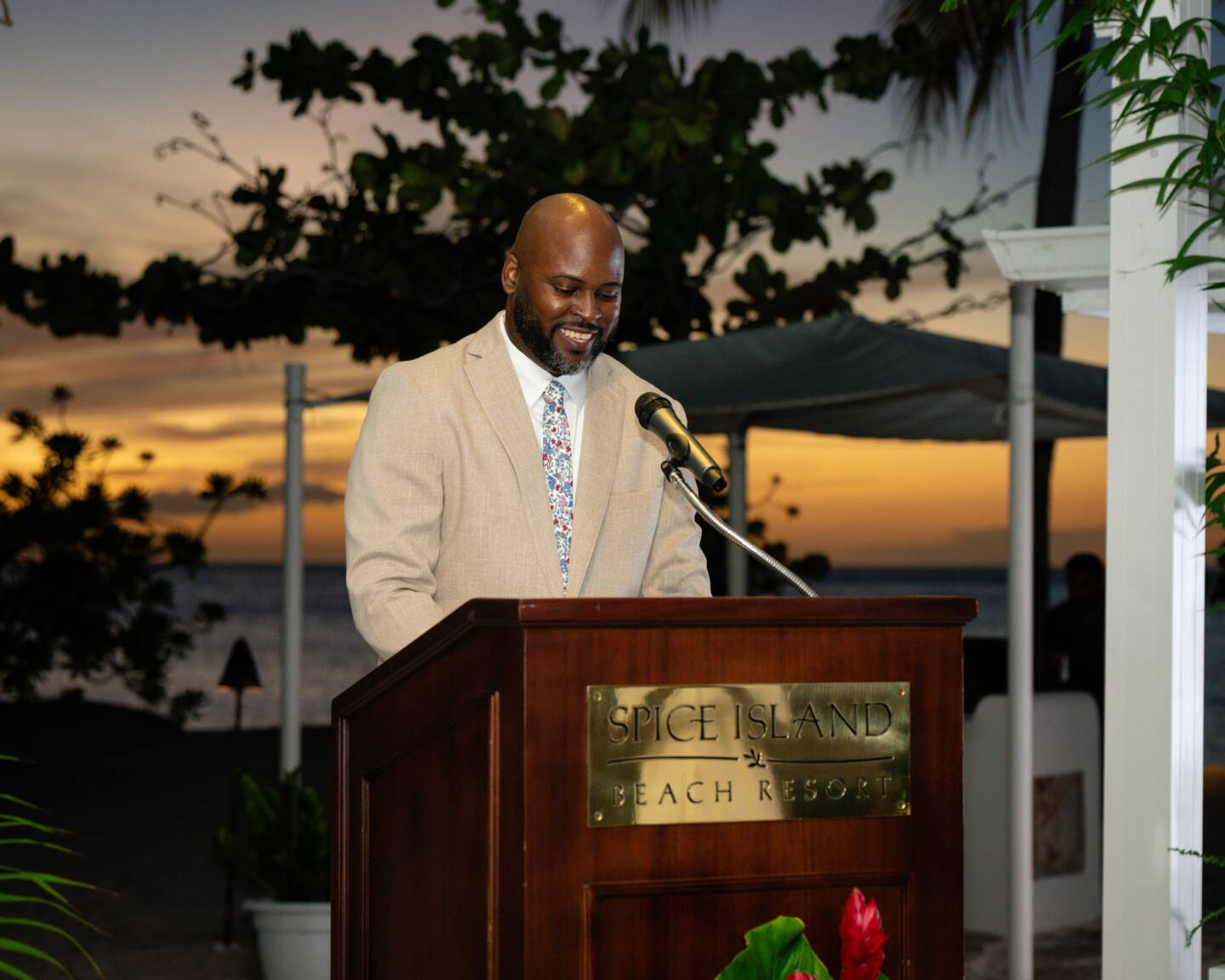
    In a landmark address at the inaugural congress of Grenada’s Democratic People’s Movement, Nevis Premier Mark Brantley delivered a compelling vision for Caribbean sovereignty in an evolving global landscape. Speaking with personal conviction as someone married to a Grenadian for 32 years, Brantley established his deep connection to the nation before delving into substantial geopolitical analysis.

    The Premier painted a concerning picture of international instability, citing recent events including US naval movements in the Southern Caribbean, the abduction of Venezuela’s president, and escalating Middle East tensions that have effectively closed the critical Strait of Hormuz. These developments, he warned, would severely impact Caribbean economies through increased costs of fuel, shipping, insurance, and overall living expenses.

    Brantley referenced sobering assessments from Canadian Prime Minister Mark Carney and German Chancellor Friedrich Merz, both of whom have declared the demise of the rules-based international order. This breakdown, the Premier argued, threatens the Caribbean’s ability to influence global norms, particularly on vital issues like climate change where the region has historically punched above its weight.

    With great powers engaging in renewed competition and middle powers seeking new alliances, Brantley posed a crucial question: What becomes of small nations that might be considered ‘the presumed powerless’? His answer was a call to action—the Caribbean must transform itself into ‘the power of the collective’ through enhanced regional integration and self-reliance.

    The address highlighted how anti-immigrant policies emerging in Global North nations should serve as a catalyst for Caribbean transformation. Rather than lamenting tightened visa restrictions and increased border controls, Brantley urged the region to incentivize its diaspora to return home with their wealth, skills, and entrepreneurial spirit.

    Particular attention was given to the over-reliance on Citizenship by Investment programs, which account for 30-35% of government revenues in Grenada and up to 60-70% in some OECS nations. With the European Union increasingly hostile to these programs, Brantley presented a comprehensive diversification strategy including renewable energy development, food security initiatives, cruise industry revenue optimization, creative economy investment, and special economic zones.

    The Premier emphasized that nostalgia and hope are not strategies—concrete plans are needed. He challenged Grenada and the broader Caribbean to accelerate regional integration, deepen alliances with Latin America, Africa, and other Global South nations, and fundamentally reorient their economic models toward self-sufficiency.

    In closing, Brantley charged the new political movement with courage and conviction, reminding them that no external savior would rescue the Caribbean—the region must save itself through determined action and people-centered governance.

  • Housing reconstruction sweeps across Carriacou

    Housing reconstruction sweeps across Carriacou

    A comprehensive reconstruction effort is sweeping across Grenada as the government intensifies its Build Back Better housing initiative in response to Hurricane Beryl’s devastation. From northern Windward to eastern Mt Pleasant and southern L’Esterre, local contractors have been officially engaged to drive the rebuilding program forward.

    The Ministry of Carriacou and Petite Martinique Affairs and Local Government has implemented a strategic approach to accelerate recovery efforts. By securing bulk purchases of construction materials and dispatching dedicated shipments to affected areas like Petite Martinique, the ministry is streamlining the reconstruction process while stimulating local economic activity.

    This dual-faceted recovery program combines large-scale construction projects with individual assistance measures. While the Build Back Better initiative focuses on major construction, the complementary Materials Assistance Programme enables residents to repair their own properties. Homeowners seeking building supplies must complete application forms subject to ministry assessment and approval.

    The reconstruction surge has generated substantial employment opportunities, particularly benefiting young and middle-aged residents. Multiple active construction sites currently employ teams exceeding ten workers each, creating a positive economic ripple effect throughout communities devastated by the hurricane.

    The government’s approach emphasizes resilient home construction designed to withstand future climate challenges, representing a significant shift from mere recovery to sustainable development in hurricane-prone regions.

  • From Grenada to Rwanda

    From Grenada to Rwanda

    Grenada’s senior men’s national football team is poised to make history as they prepare for their inaugural appearance in the FIFA Series 2026 in Rwanda, marking a transformative moment for Caribbean football development. The upcoming tournament represents Grenada’s first competitive engagement on African soil, with their opening match scheduled against host nation Rwanda on March 27.

    Head Coach Anthony Modeste has assembled a strategically balanced roster that merges seasoned international professionals with promising domestic talent. The squad features notable recalls including English-based forward Lucas Akins and UK-developed defender Greg Sandiford, whose experience brings vital leadership to the defensive line. They are joined by US professional defender Jabari De Coteau, recently drafted by Major League Soccer’s Colorado Rapids, enhancing the team’s international pedigree.

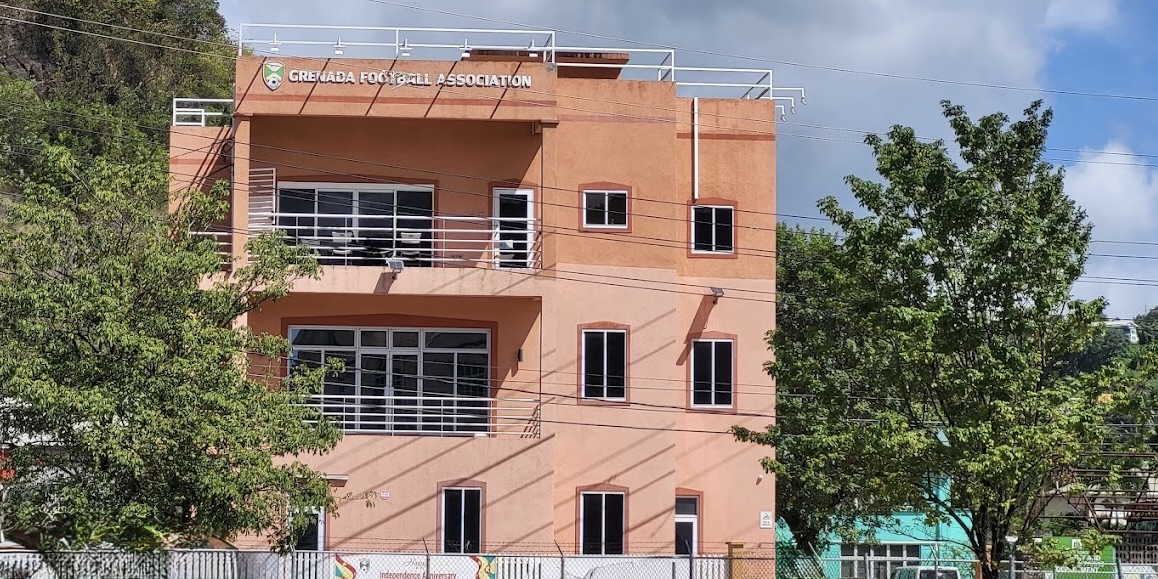
    The selection demonstrates the Grenada Football Association’s dual commitment to competitive readiness and youth development. Seventeen-year-old sensation Raheem Raeburn headlines the emerging talent, having gained national recognition after scoring 51 goals in a youth tournament and earning most outstanding player honors in the Secondary School Football Competition. He is accompanied by 20-year-old Vijay Valcin, who is preparing for US college football, and Narshon Sylvester, a standout from the recent Concacaf U20 competition.

    A significant portion of the squad originates from local clubs across Grenada, Carriacou, and Petite Martinique, including Paradise FC, FC Camerhogne, and Hurricane SC. This domestic representation underscores the GFA’s strategic vision to provide international exposure for players who typically compete within regional confines.

    GFA President Marlon Glean emphasized the tournament’s broader significance: “This moment represents more than participation—it signifies progress. We’ve intentionally created opportunities for our players to compete beyond our region, showcasing that with proper structure and exposure, Grenadian football can grow and compete at higher levels.”

    The FIFA Series offers Grenada substantial developmental benefits including international exposure, competitive match experience, technical advancement, and scouting opportunities. The team features a complete professional infrastructure with comprehensive coaching, medical, and administrative support.

    Following the Rwanda tournament, Grenada will face the Republic of Ireland (FIFA ranking 59) in an international friendly on May 16, 2026, in Murcia, Spain, providing another platform for global recognition.

  • The UWI FIC and TAMCC strengthen regional educational ties

    The UWI FIC and TAMCC strengthen regional educational ties

    In a significant move to enhance higher education accessibility, the University of the West Indies Five Islands Campus (UWI FIC) and T.A. Marryshow Community College (TAMCC) have initiated formal discussions to establish streamlined academic pathways for students in Grenada, Carriacou, and Petite Martinique. The high-level meetings held on March 11-12 brought together educational leaders to formulate strategic collaboration frameworks.

    The UWI FIC delegation, led by Campus Principal Professor Justin Robinson, included key administrative and academic personnel: Assistant Registrar of Admissions and Graduate Studies Jenifer Hughes, BSc Criminology and Criminal Justice programme coordinator Dr. Kamecia Blake, School of Health and Behavioural Sciences coordinator Samantha Marshall, and Marketing Manager Shavar Maloney. The TAMCC representation was headed by Principal Andrew Abraham, accompanied by Dr. Philomena Cato and Access/Professional Studies Coordinator Moricia Japal-Ledlow.

    Central to the discussions was the development of structured articulation agreements that would enable TAMCC students to seamlessly transition into UWI FIC degree programmes. The proposed 2+2 pathway model would allow students to complete associate degrees at TAMCC before advancing to bachelor’s programmes at UWI FIC, with appropriate credit exemptions. Both institutions committed to negotiating a formal Memorandum of Understanding to institutionalize the partnership.

    Professor Robinson emphasized the regional significance of the collaboration: ‘This partnership demonstrates our commitment to creating educational pathways for OECS students. By building institutional bridges, we’re removing barriers to advanced degrees while strengthening human capital development across the sub-region.’

    Principal Abraham highlighted the local impact: ‘This initiative will equip TAMCC students with qualifications and skills necessary to drive Grenada’s development and compete effectively in the global environment. We’re ensuring our youth can access programmes that position them as contributors to national progress.’

    The collaboration aligns with UWI FIC’s strategic mission to expand quality tertiary education access throughout the Eastern Caribbean while supporting the development objectives of OECS member states.

  • Grenada’s CARIFTA Swim Team heads to Martinique with high hopes

    Grenada’s CARIFTA Swim Team heads to Martinique with high hopes

    A contingent of five elite Grenadian swimmers is preparing to demonstrate their aquatic prowess at the 39th CARIFTA Aquatic Championships, scheduled from April 3-11, 2026, in Martinique. The national delegation will commence its journey on March 31, 2026, returning upon the competition’s conclusion on April 11.

    The team features distinguished athletes spanning three competitive age divisions. The 11-12 age bracket will be represented by Angliner Jackson-Bain and Ethan Gunpot, while Ethan Chu Fook will compete in the 13-14 category. The senior 15-17 division will showcase Kristin Gresham and Jacob Collymore. Demonstrating exceptional versatility, Chu Fook is slated to participate in both pool events and the Open Water competition.

    The championships will officially commence with an opening ceremony on April 3, celebrating regional athleticism, camaraderie, and sporting excellence. Team leadership comprises Head Coach Justin Steele, supported by Team Manager Nataly Regis and Chaperone Ruth Collymore. This management triad will coordinate all aspects of athlete preparation, welfare, and operational logistics throughout the tournament.

    Competitors arrive with ambitious objectives of achieving personal bests and securing podium placements in their respective disciplines. This prestigious regional event serves as a critical platform for athletic development, international exposure, and the progressive evolution of aquatic sports within Grenada.

    The Grenadian delegation embodies the nation’s sporting values of professionalism, discipline, and competitive excellence. The team carries the aspirations of a nation eager to witness exceptional performances on the regional stage.

    This participation is organized under the auspices of the Grenada Amateur Swimming Association (GASA).

  • FAO strengthens protections to support Grenada’s soursop-valued economy

    FAO strengthens protections to support Grenada’s soursop-valued economy

    Grenada maintains a globally unique position as the sole nation authorized to export fresh non-irradiated soursop to the United States, creating both exceptional economic opportunity and substantial biosecurity responsibility. This privileged market access establishes soursop as a strategic high-value commodity, generating approximately US$2.6 million annually while supporting nearly 2,600 predominantly smallholder farmers whose livelihoods depend on the crop’s continued viability.

    Recognizing the critical importance of protecting this agricultural sector, a tripartite collaboration between the United Nations Food and Agriculture Organization (FAO), Grenada’s Ministry of Agriculture, Lands and Forestry, and the Standards and Trade Development Facility (STDF) has launched a comprehensive initiative to enhance sanitary and phytosanitary (SPS) capabilities throughout the soursop value chain.

    As a cornerstone of this effort, FAO jointly convened a three-day intensive workshop titled ‘Risks and Anticipatory Frameworks for the Soursop Industry’ from February 9-11, 2026, at Grenada’s National Stadium. The capacity-building event brought together 31 participants (18 female, 13 male) from multiple agricultural agencies including the Ministry’s technical units for extension services, pest management, and forestry, alongside representatives from the Caribbean Agricultural Research and Development Institute (CARDI) and the Caribbean Agricultural Health and Food Safety Agency (CAHFSA).

    The curriculum focused on developing advanced competencies in plant health risk anticipation through improved surveillance methodologies, early warning systems for pest detection, sample reporting protocols, scenario planning, and coordinated response mechanisms. This cross-sectoral approach enabled meaningful dialogue on strengthening protective measures for Grenada’s vulnerable soursop industry.

    Complementary project components include developing a holistic surveillance program with emergency response protocols, enhancing institutional capacities for pest detection and certification, piloting traceability systems for export compliance, and building farmer capabilities in Good Agricultural Practices (GAP) and Integrated Pest Management (IPM).

    FAO Production and Plant Protection Specialist Anne Desrochers emphasized the strategic importance of these efforts: ‘Grenada’s exclusive access to the United States market for fresh soursop presents a significant and timely opportunity to strengthen the livelihoods of farmers and uplift rural communities.’ Participant feedback confirmed the training’s value, particularly appreciating the balance between theoretical foundations and practical exercises that facilitated collaborative learning.

    The workshop concluded with participants identifying key implementation actions, potential barriers, and collaboration mechanisms to strengthen anticipatory responses within the soursop value chain, ensuring the continued viability of Grenada’s unique agricultural export.

  • Fisher exchange with Grenada prepares Turks and Caicos Islands

    Fisher exchange with Grenada prepares Turks and Caicos Islands

    In a landmark demonstration of South-South cooperation, fisheries experts from the Turks and Caicos Islands have completed an intensive knowledge transfer program in Grenada focused on advanced Fish Aggregating Device (FAD) technology. The four-day exchange (March 16-19) enabled six TCI fishers and two fisheries officers to acquire hands-on experience in constructing and deploying these innovative marine systems that significantly enhance open-water fishing efficiency.

    This capacity-building initiative represents a strategic advancement in regional fisheries collaboration under the Caribbean Regional Fisheries Mechanism (CRFM). Grenada’s sophisticated FAD infrastructure has been modernized through the World Bank-funded ‘Unleashing the Blue Economy of the Caribbean’ (UBEC) project, building upon earlier technological foundations established through Japanese-funded CARIFICO initiatives between 2012-2017.

    The exchange provided TCI delegates with unprecedented access to Grenada’s operational FAD systems, where they observed the harvesting of substantial pelagic species including yellowfin tuna exceeding 100 pounds. Participants gained practical technical expertise in FAD construction methods that will directly inform TCI’s upcoming pilot program scheduled for implementation in coming months.

    Grenada’s Minister of Blue Economy and Marine Affairs, Hon. Lennox Andrews, characterized the exchange as “one very good example where, as a people, we can come together and work together to share our knowledge, share experiences, and create the competence and the human resources that we all need to develop our region.”

    TCI fishers reported transformative experiences during the knowledge transfer. Veteran fisherman David Clare exclaimed, “It’s the greatest fishing [technology] I’ve ever seen in my life, and it works perfectly!” while Kevin Harvey noted the dramatic efficiency improvements compared to traditional trolling methods.

    The TCI Department of Fisheries and Marine Resources Management Director Alwyn Ponteen emphasized the program’s alignment with UN Sustainable Development Goals regarding zero hunger, decent work, economic growth, and marine conservation. “This programme represents a strategic and sustainable investment in the youths, men, and women who form the backbone of our fisheries sector,” Ponteen stated.

    Both nations have committed to ongoing collaboration, with Grenada’s Chief Fisheries Officer Nigel Gibbs anticipating “a lasting Caribbean relationship that will grow stronger in the future.” The TCI government confirms its resolution to develop sustainable FAD fisheries as part of its broader Sustainable Livelihoods Strategy, including comprehensive stakeholder consultations, management planning, and legislative reforms.

  • Healthcare revolution: New lab services and facility upgrades

    Healthcare revolution: New lab services and facility upgrades

    The Caribbean sister islands of Carriacou and Petite Martinique are poised to enter a transformative phase in medical service delivery following significant infrastructure advancements announced by Health Minister Phillip Telesford. Accompanied by Chief Medical Officer Dr. Shawn Charles and a high-level delegation, Minister Telesford confirmed the Petite Martinique Health Centre is approaching its final construction phase, with contractors projecting June completion for the modernized, resilient facility.

    The ministerial assessment tour revealed substantial progress across multiple healthcare projects throughout the islands. The Mt Pleasant Medical Station, identified as the final major component in Carriacou’s healthcare network, is nearing operational readiness. A particularly notable development emerged in Bellevue South, where a containerized clinic donated by the US Southern Command will soon introduce laboratory services—a strategic enhancement expected to elevate healthcare accessibility and quality.

    Dr. Charles highlighted the clinical significance of these upgrades, emphasizing that community-based diagnostic capabilities will dramatically reduce wait times while enabling more precise and rapid treatment interventions. Minister Telesford reiterated the government’s unwavering commitment to establishing a first-class health system, ensuring all residents of the sister islands receive the high-quality medical care they deserve through these substantial infrastructure investments.

  • RGPF responds to structural fire at L’anse aux Épines

    RGPF responds to structural fire at L’anse aux Épines

    Emergency crews from the Royal Grenada Police Force Fire Department are engaged in intensive firefighting operations at a storage facility belonging to Quality Services Limited. The incident has prompted urgent public safety warnings for multiple communities across St. George due to hazardous conditions.

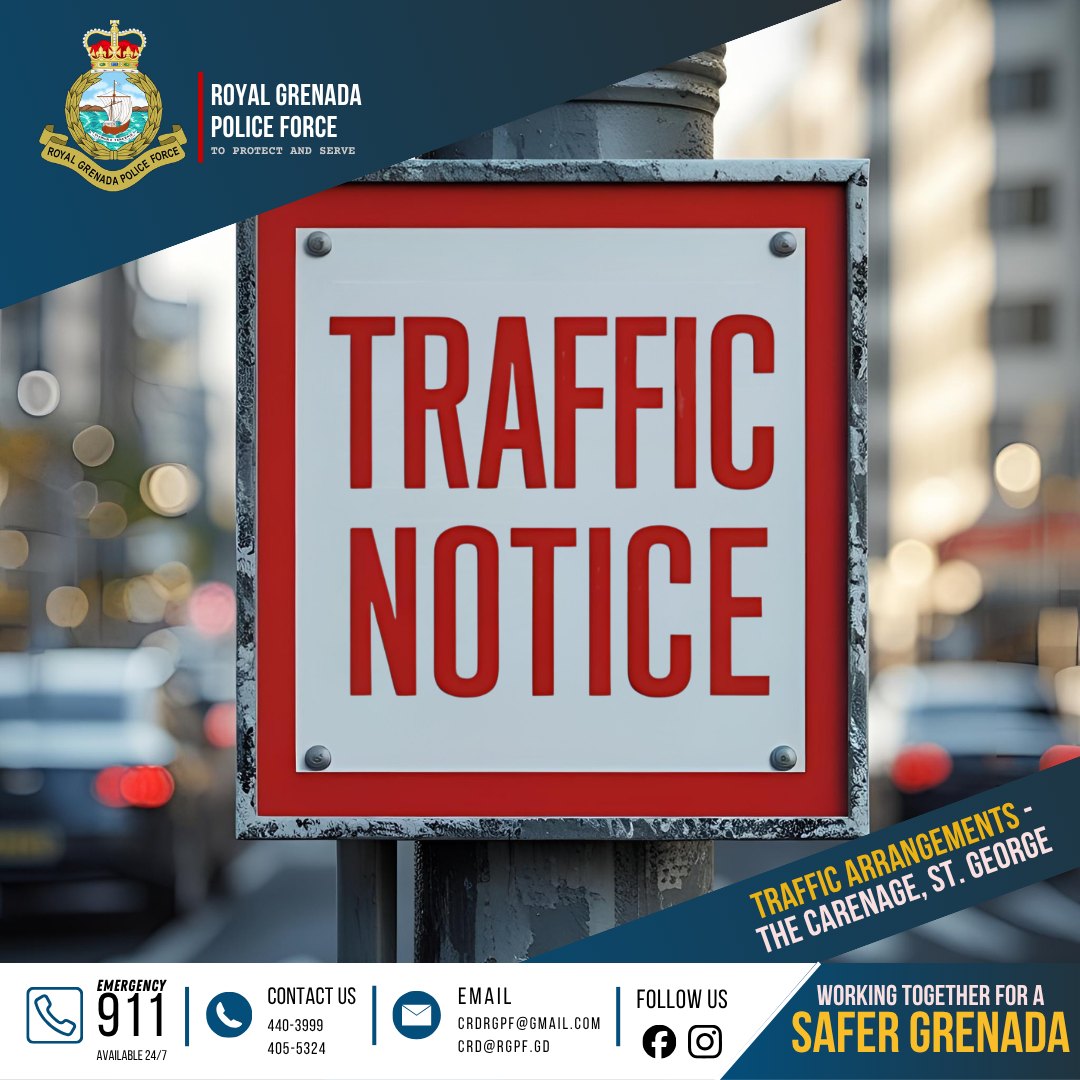
    Authorities have issued critical advisories for motorists and pedestrians navigating the L’Anse aux Épines area, emphasizing extreme caution requirements stemming from intense thermal radiation and potentially toxic smoke emissions from the burning facility. Emergency services have explicitly discouraged public congregation near the incident site.

    The smoke plume has raised significant health concerns for residents in adjacent communities including Mt. Hartman, Grand Anse Valley, and Woburn. Medical officials particularly warn vulnerable populations with pre-existing respiratory conditions such as asthma or chronic breathing difficulties. Health authorities strongly recommend utilizing protective face masks or respirators where available to mitigate exposure to harmful airborne particulates.

    As containment efforts continue, residents in affected zones are advised to implement protective measures including minimizing outdoor activities and maintaining closed windows and doors to reduce indoor air contamination. The RGPF Fire Department maintains continuous on-site monitoring and emergency response coordination as the situation evolves.

  • Wayne McSween retains the reins

    Wayne McSween retains the reins

    Grenada’s athletic program has demonstrated remarkable consistency in its coaching leadership with the Grenada Athletic Association (GAA) announcing the reappointment of Wayne McSween as national team Head Coach for the 2026 CARIFTA Games. This marks the fourth consecutive year that McSween, the strategic architect behind the successful Ace Track Club, will guide the country’s junior athletic contingent.

    McSween commands widespread respect throughout the Caribbean athletic community for steering what many consider a contemporary ‘Golden Era’ in Grenadian junior track and field. His technical team features an impressive roster of coaching talent including Danisha Brathwaite, Carol Evans, Naide Simon, Gary James, Ronald Charles, Benjamin Hood, Lyndon Cato, Olympian Kurt Felix, and Paul Phillip—the renowned coach of two-time World Champion and Olympic bronze medalist Anderson Peters.

    The statistical evidence supporting McSween’s continued leadership reveals a pattern of sustained competitive excellence. Under his guidance since 2023, Grenada has accumulated an impressive total of 36 CARIFTA medals across three consecutive appearances. The nation’s medal tally has shown consistent strength with 10 medals in the 2023 Bahamas games, followed by 13 medals each in both the 2024 home games in Grenada and the 2025 Trinidad & Tobago competition.

    With Grenada preparing to host the prestigious regional youth championship once again, McSween expressed confident optimism about his team’s prospects. ‘Our observations during National Championships and InterCol Games revealed exceptional competitive spirit, strong camaraderie, and intense rivalry among our athletes,’ McSween noted. ‘We fully expect them to channel that same energy into their CARIFTA performances.’

    The veteran coach anticipates outstanding achievements across gender divisions, particularly highlighting the emergence of promising female talent. ‘We’re looking forward to beautiful, exceptional performances that will captivate both local and international audiences,’ McSween added, emphasizing the potential for home advantage to elevate Grenada’s competitive display.

    This combination of experienced leadership, proven medal-winning systems, and the motivational boost of competing before home supporters establishes favorable conditions for another distinguished CARIFTA showing from Team Grenada in 2026.