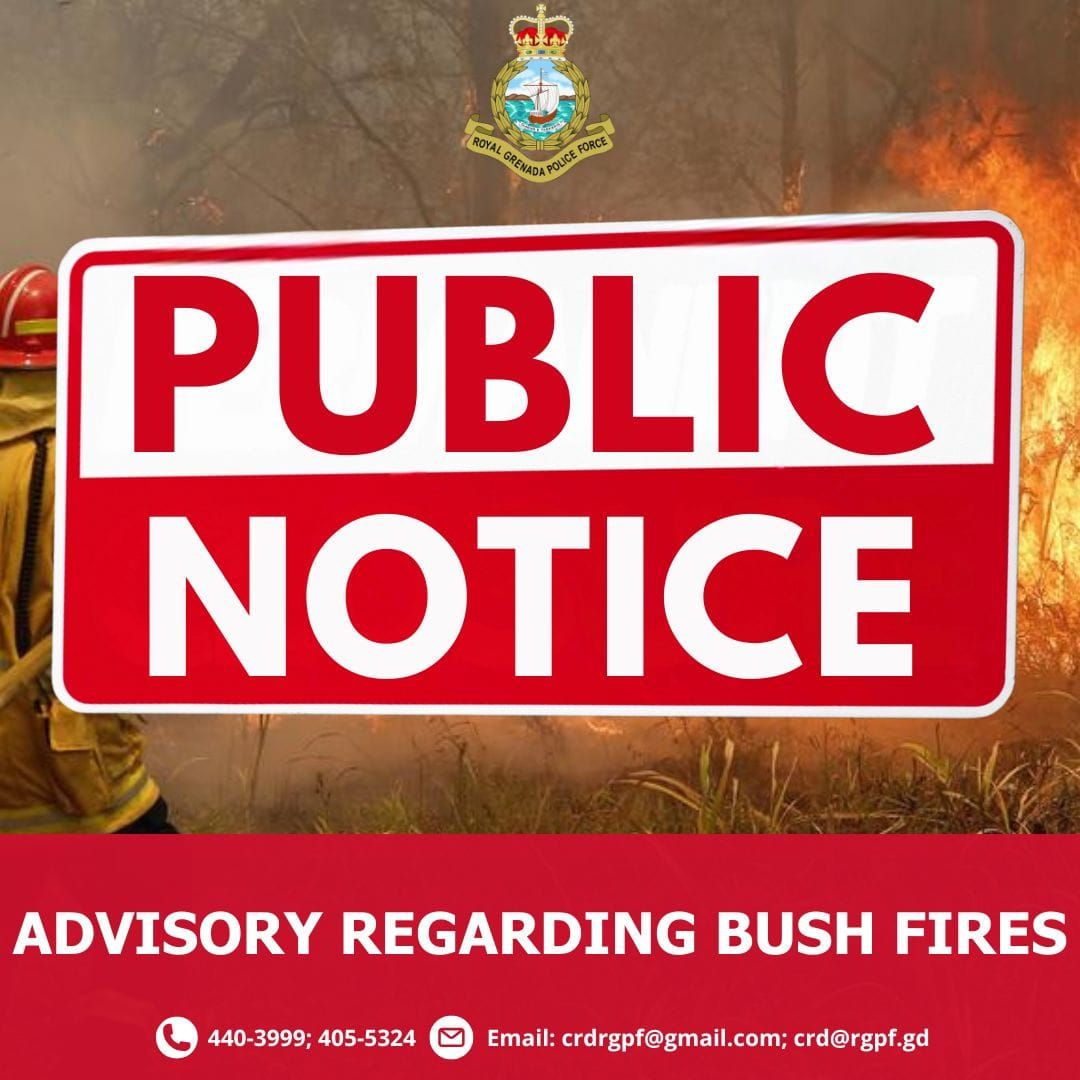
Over a 72-hour period, the tri-island nation of Grenada has seen five separate fire incidents responded to by the Royal Grenada Police Force (RGPF), prompting public safety officials to issue a series of urgent reminders and warnings to local residents. The five blazes, which broke out across the territory, covered a range of fire types: two structural fires in residential dwellings, one fire in a commercial storage space, one uncontrolled rubbish blaze, and one spreading bush fire.
To help the public understand the heightened risk of fire outbreaks across the island at this time, RGPF officials have outlined the most common root causes of each category of fire incident. Residential home fires are frequently traced back to preventable issues including outdated or damaged electrical wiring that causes faults, cooking fires left unwatched in kitchens, incorrect candle use when power outages occur, and malfunctioning household appliances. Storage shed fires, meanwhile, often develop from improper storage of flammable materials, unseen fuel leaks, or hot ash from discarded smoking materials that ignite surrounding debris.
Uncontrolled rubbish fires most often start when members of the public burn waste carelessly without proper safeguards, or when stray sparks, magnified heat from sunlight through discarded glass, or reactive chemicals trigger accidental ignition. For bush fires, the highest risk comes when prolonged dry conditions combine with human activity: common causes include unregulated land clearing through burning, campfires left unattended, and improperly discarded cigarette butts, though lightning strikes can also spark blazes under dry conditions.
In response to the recent uptick in incidents, the RGPF has reinforced key fire safety guidance that all Grenada residents are required to follow. First, officials have reminded the public that the Ministry of Agriculture suspended the issuance of all new open burn permits starting April 26, 2023, meaning all outdoor burning is currently prohibited across the country.
Under Section 7 of Grenada’s Agricultural Fires Act, any individual who sets fire to any land, or assists another person in doing so, without a valid licence issued under the Act (outside the exemptions outlined in Section 5 of the legislation) is criminally liable. Convicted offenders face a fine of $500 and up to three months of imprisonment. The RGPF also added that anyone caught conducting unauthorised open burning can face additional penalties under Sections 146 and 147 of the Criminal Code, as laid out in Chapter 72A of Volume 4 of the 2010 Continuous Revised Edition of the Laws of Grenada.
Beyond the ban on open burning, public safety officials have shared core preventative rules to reduce fire risk: never leave any open flame or cooking fire unattended; always fully extinguish any flames or hot materials before leaving an area; and keep all sheds, storage rooms and outdoor work areas clear of excess accumulations of flammable materials that can fuel a rapid spread of fire.
Finally, the RGPF has urged residents to remain vigilant and report any sign of smoke or unplanned fire immediately. To contact the Grenada Fire Department for emergency response, residents can call 911, 435 7270, or 405-6881. Officials stressed that early reporting of small blazes allows firefighting teams to deploy rapidly, contain the fire before it spreads, and prevent a small incident from becoming a catastrophic disaster that threatens homes, lives and natural areas.
This official advisory was issued by the Office of the Commissioner of Police of Grenada.