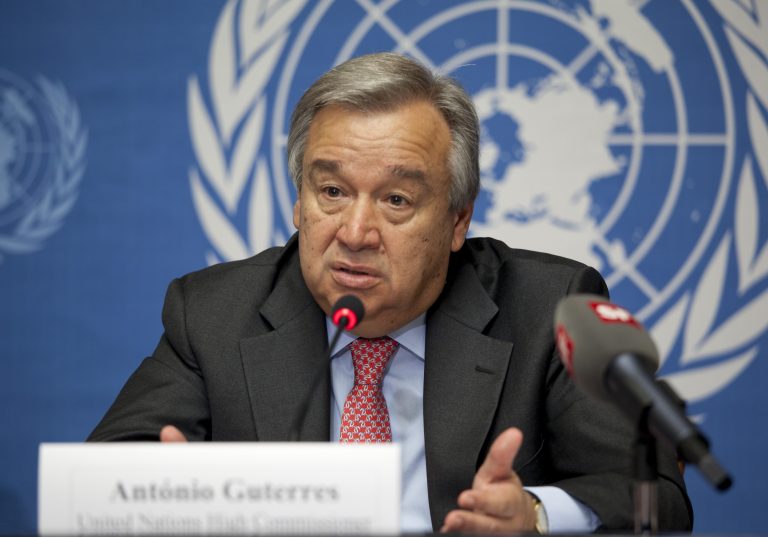
On the observance of World Press Freedom Day, United Nations Secretary-General António Guterres has issued a stark, urgent warning about the escalating risks facing journalists worldwide and the foundational role of a free press in upholding global peace, human rights, and sustainable development.
Guterres opened his remarks by expanding on the long-held adage that truth is the first casualty of war. He emphasized that in far too many cases, the journalists who put their lives on the line to bring that truth to the public are the first to lose everything. This danger is not limited to active conflict zones; journalists face retaliation for their work anywhere that powerful actors seek to avoid public scrutiny.
Across every region of the world, media workers contend with a growing spectrum of threats. Many face state-backed or non-state censorship, invasive surveillance, and meritless legal harassment designed to silence their reporting. In the worst cases, they pay with their lives. Over recent years, the Secretary-General noted, the number of journalists killed in conflict zones has jumped sharply, with the vast majority of these deaths being deliberate targeted attacks.
One of the most alarming trends Guterres highlighted is the rampant culture of impunity surrounding crimes against media professionals. Data shows that 85 percent of all violent and criminal acts committed against journalists never lead to meaningful investigation, and almost no perpetrators are held legally accountable for their actions. Guterres labeled this level of unpunished violence completely unacceptable.
Beyond physical violence, press freedom is facing unprecedented strain from a combination of systemic pressures. Shrinking economic models for independent media, the spread of new digital technologies that enable mass surveillance and disinformation, and coordinated manipulation of public narratives by bad actors have all combined to erode the ability of journalists to do their work safely and effectively.
Guterres went on to outline the cascading harm that comes when press freedom is weakened. When communities lose consistent access to accurate, verified information, public mistrust in institutions and one another takes deep root. When open public debate is twisted or silenced by outside interference, the social cohesion that holds communities and nations together breaks down. And when independent journalism is undermined, the international community loses its early warning system for emerging crises, making these events far harder to prevent or resolve once they escalate.
“All freedom depends on press freedom,” Guterres stressed. Without an independent, free press, he argued, there can be no meaningful protection of human rights, no pathway to inclusive sustainable development, and no lasting peace for communities or nations.
To mark World Press Freedom Day, Guterres issued a global call to action: world leaders, civil society groups, and individuals everywhere must unite to protect the fundamental rights of journalists, and work collectively to build a global order where truth, and the people who report it, can operate without fear of harm.
This statement from the UN Secretary-General was carried by contributing outlets, with a standard disclaimer from NOW Grenada that the outlet is not responsible for the opinions or content shared by contributing authors, and provides a channel for users to report abusive content.