标签: Dominican Republic

多米尼加共和国

  • Agriculture Minister assures food supply is guaranteed in the Dominican Republic

    Agriculture Minister assures food supply is guaranteed in the Dominican Republic

    On a recent public occasion marking the launch of the 2026 rice harvesting cycle in the Dominican Republic, President Luis Abinader led the opening ceremony, where senior agricultural officials delivered a reassuring update on the nation’s food supply and agricultural progress.

    Speaking at the event, Agriculture Minister Francisco Oliverio Espaillat confirmed that the country already holds over 5 million quintals of stored rice, a reserve that does not even include rice from the newly launched harvest that is currently in production. This substantial existing stockpile is more than enough to guarantee a consistent, stable food supply for the Dominican people in the coming months, he noted.

    Beyond the immediate reserve update, Espaillat shared a landmark milestone for the Dominican agricultural sector: the country has now overtaken the combined rice output of all other nations in the Caribbean and Central America, earning it the title of the region’s largest rice producer.

    The minister went on to outline the outsize strategic role rice plays in both the Dominican economy and everyday national life. Per capita annual rice consumption in the country reaches roughly 128 pounds, making it a staple food for the vast majority of the population. Currently, domestic rice production meets more than 90% of total national demand, drastically reducing reliance on costly imports and strengthening the country’s food sovereignty.

    Espaillat attributed the sector’s robust growth and performance to two key factors: targeted, supportive public policies implemented by the current administration, and the relentless hard work of the nation’s rice producers. He added that ongoing investment in technological advancement and a commitment to sustained, scalable production will continue to underpin stable domestic markets, solidify national food security, and boost the Dominican Republic’s overall economic resilience moving forward.

  • Haiti and the Dominican Republic to reopen airspace on May 1

    Haiti and the Dominican Republic to reopen airspace on May 1

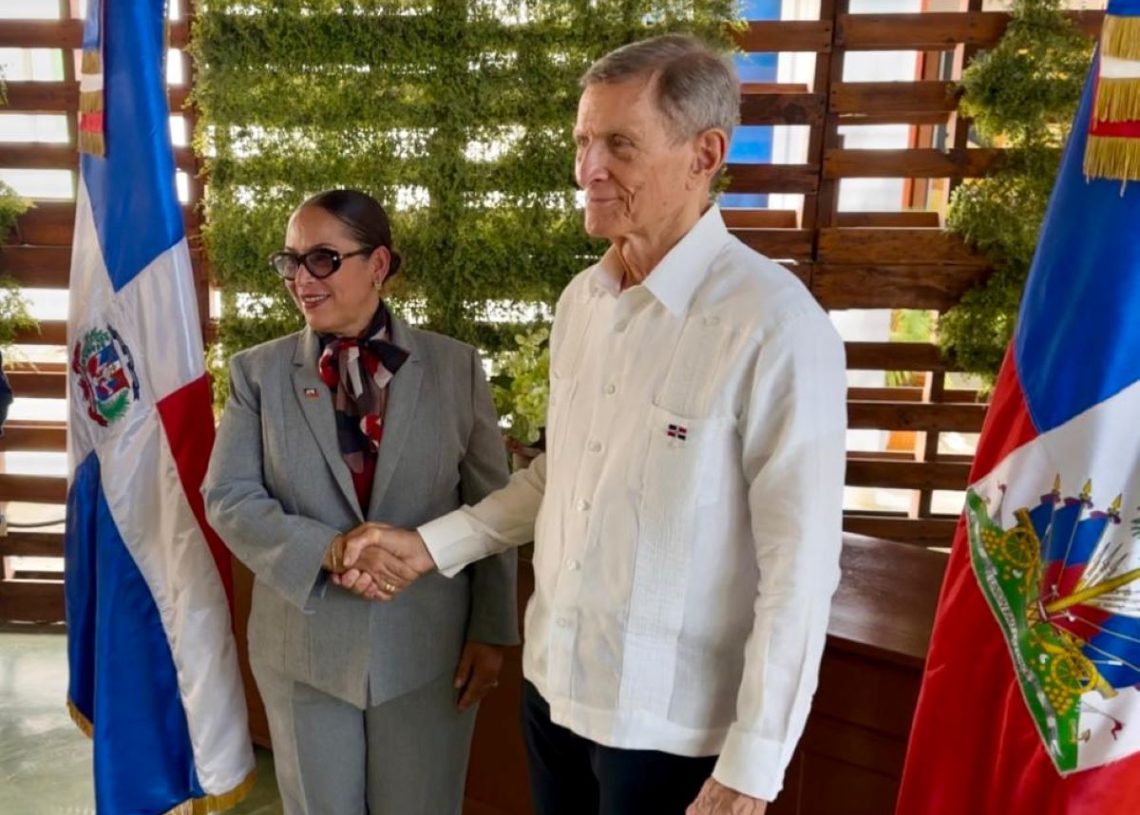
    On April 17, 2026, senior diplomatic delegations from neighboring Haiti and the Dominican Republic gathered for high-stakes talks at the Codevi Industrial Park, a facility located directly along their shared border, to move forward critical negotiations on longstanding bilateral priorities.

    Leading the respective delegations were Haitian Foreign Minister Raina Forbin and Dominican Republic Foreign Minister Roberto Álvarez. The meeting was rooted in the framework established by the 2021 joint declaration signed by former Haitian President Jovenel Moïse and current Dominican President Luis Abinader, a foundational document that has shaped diplomatic engagement between the two Caribbean nations over the past five years.

    The most tangible breakthrough to emerge from the day’s discussions is a formal agreement to fully reopen shared airspace beginning May 1, 2026. Under the deal, commercial passenger flights will resume between Haiti’s Cap-Haïtien International Airport and multiple airports across the Dominican Republic. Officials from both sides project that the resumption of air connectivity will streamline cross-border travel for families, business people, and tourists, lay the groundwork for expanded economic collaboration, and strengthen people-to-people ties that have been strained by years of restricted access.

    Beyond the airspace agreement, delegations dedicated substantial time to addressing three core ongoing challenges: coordinated border security management, irregular migration flows, and expanded bilateral trade. Both sides emphasized that sustained, coordinated cooperation is the only path to improving regulatory control and bolstering long-term stability across the entire border region.

    In addition to their internal negotiations, the two delegations jointly expressed gratitude for ongoing international backing for efforts to stabilize Haiti, singling out support from the United Nations as critical to ongoing work to restore peace and functional institutional governance in the crisis-battered country.

    By the close of the meeting, both nations issued a joint reaffirmation of their commitment to keeping diplomatic channels open, framing consistent, constructive dialogue as the primary mechanism to address shared challenges. The statement closed with a reaffirmation of mutual respect for each nation’s sovereignty and a renewed commitment to upholding positive, good-neighborly relations moving forward.

  • Dominican Republic becomes top rice producer in Caribbean and Central America

    Dominican Republic becomes top rice producer in Caribbean and Central America

    SANTO DOMINGO – In a landmark announcement at the official launch of the national rice harvest, Dominican Republic’s Agriculture Minister Francisco Oliverio Espaillat Bencosme has confirmed that the nation has become the top rice producer across the Caribbean and Central America – outpacing the combined output of every other country in the entire region.

    Beyond breaking new production records, Minister Espaillat Bencosme emphasized that the country has achieved full food security for its population. Currently, the Dominican Republic holds more than 5 million quintals of rice in strategic storage, a reserve that does not even include grain from harvests currently underway. The minister reaffirmed that rice has retained its status as a core component of traditional Dominican diets, serving as a foundational pillar that supports both national food security and broader social stability.

    Recent production data underscores the agricultural sector’s extraordinary momentum. By the end of March, local farmers had planted roughly 1.4 million tareas of rice, with early harvesting operations already delivering yields of more than 5.44 quintals of white rice per tarea. For the 2025 production cycle, total output hit 14.78 million quintals of rice – a volume equal to more than one million metric tons of paddy rice. Industry leaders credit this strong performance to widespread adoption of agricultural mechanization, widespread adoption of innovative growing techniques, and continuous improvements to sustainable farming practices across the supply chain.

    Government officials note that this production milestone did not happen by accident. Widespread growth across the rice sector is traced back to targeted, effective agricultural policy frameworks rolled out by the national government, paired with unwavering commitment and investment from local smallholder and large-scale producers alike. The achievement not only solidifies the Dominican Republic’s undisputed leadership in regional rice production, but also strengthens the country’s long-term food security strategy, creating a more resilient foundation for future growth.

  • Required Real Estate Agent Licensing in the Dominican Republic: Proposed Law Still in Discussion

    Required Real Estate Agent Licensing in the Dominican Republic: Proposed Law Still in Discussion

    The Dominican Republic’s real estate sector stands as one of the most robust and dynamic economic forces in the Caribbean, drawing billions of dollars in combined local and foreign investment annually. Yet for all its economic weight, this high-growth industry has operated for years without a unified, comprehensive regulatory framework governing professional real estate practice—a gap that has opened the door to widespread misconduct that endangers investors and undermines market integrity.

    Unqualified, unlicensed practitioners have flooded the unregulated market, bringing with them a rash of deceptive and fraudulent activities. Common bad-faith practices include marketing properties with no valid legal title, launching development projects with false or misleading advertising about amenities, timelines or pricing, and engaging unethical financial arrangements that put both domestic and cross-border investors at severe risk of financial harm. Without formal regulation, buyers and investors have no guaranteed legal recourse when they fall victim to these scams, leaving many to absorb devastating, irreversible financial losses.

    To close this regulatory gap and root out systemic misconduct, lawmakers and industry leaders have advanced a landmark real estate regulation bill that would place all licensed practitioners under the direct oversight of the Ministry of Housing, Habitat and Buildings (MIVHED) through its dedicated Department of Registration, Control, and Real Estate Intermediation.

    According to Alberto Bogaert, president of the Dominican Association of Real Estate Companies and Agents (AEI), the bill has been under active review in both the Senate and Chamber of Deputies since 2023, but has yet to receive a final approval vote. Bogaert notes that three core barriers have stalled the legislation: limited legislative prioritization among other national policy goals, low awareness among lawmakers of the real estate sector’s outsized contribution to the national economy, and insufficient coordinated institutional pressure to advance the bill through the full legislative process. Over the past three years, AEI has held repeated meetings with key legislative committees to emphasize the urgent need for the reform, but it remains classified as a non-priority within the country’s broader national investment regulatory framework, despite open support from government officials for the initiative.

    If ultimately enacted, the bill would enact sweeping changes to market operation, starting with a mandatory national licensing requirement for all real estate agents, promoters and developers. No professional would be allowed to facilitate property transactions or market real estate assets without first securing official authorization from the regulatory body.

    A core focus of the legislation is increasing market transparency, with a formal definition of misleading advertising that covers misleading claims across both digital and traditional media related to a property’s features, availability, pricing, project delivery timelines, and sales terms. Additional provisions prohibit agents from engaging in transactions for properties they do not hold legal rights to, as well as the misuse of client deposit funds—all designed to strengthen consumer protection and rebuild public trust in the sector.

    To enforce compliance, the bill outlines strict penalties for violations, including fines of up to 50 times the national minimum wage and temporary suspension of operating licenses for repeat or severe misconduct. The legislation also explicitly bans a range of unethical practices: unauthorized purchase of properties that an agent has been contracted to sell, artificial manipulation or simulation of offers to inflate or manipulate property prices, and charging hidden fees or unwritten commissions that were not pre-disclosed and agreed to by clients.

    Agents will also face legal liability if they recommend a transaction they know carries significant legal or financial risk without advising their client to retain independent legal counsel, a standard designed to reinforce that professional due diligence is a core requirement of ethical practice. All agents will be required to disclose all relevant terms to clients before initiating any transaction, embedding transparency into every step of the property process. Finally, the law will formalize legal recognition for all documented contracts covering property transfer, lease, and usufruct, including payment, contribution and exchange arrangements, bringing long-overdue legal clarity to real estate transactions across the country.
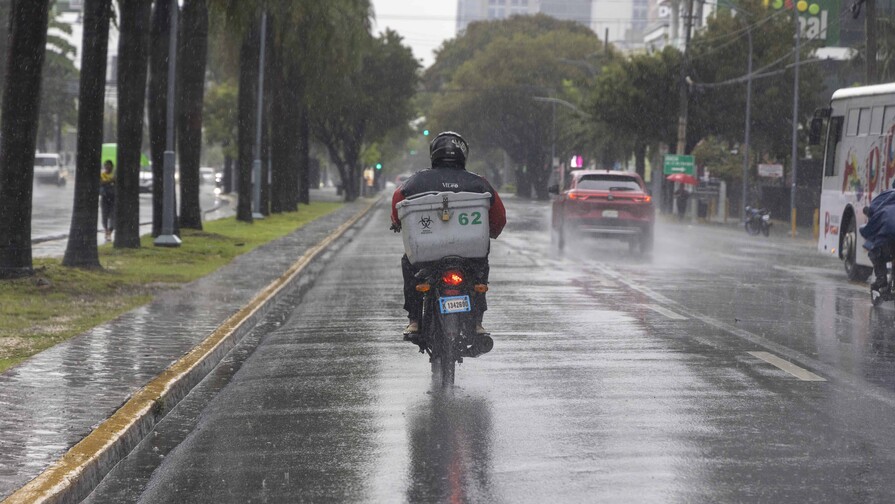
  • More rain is coming: a trough will intensify downpours starting Thursday

    More rain is coming: a trough will intensify downpours starting Thursday

    Residents of the Dominican Republic are bracing for several days of disrupted weather conditions, as a combination of a low-pressure trough and an incoming humid air mass set the stage for heightened rainfall beginning Thursday, according to national meteorological officials.

    Speaking from the Dominican Institute of Meteorology (Indomet), lead meteorologist Cristopher Florian explained that the combined system, paired with the south and southeastward shift of the trough, will drive a sharp rise in atmospheric moisture across the island nation. This uptick in humidity will not be limited to Thursday alone, Florian noted: rainfall will remain a prominent feature through Friday, with intense downpours, thunderstorm activity, and even a measurable risk of small hail in the country’s higher-elevation mountainous regions.

    The unstable pattern will extend across the entire remainder of the week, far beyond just the Thursday-Friday window, forecasters confirmed. Even on Wednesday, conditions already mirror the unsettled trend, as the existing trough maintains its position over the region and is joined by a second trough system, triggering scattered rain events across multiple districts of the country.

    While meteorologists do not project extreme, record-breaking cumulative rainfall totals over the coming days, a key hazard remains: saturated soil from recent precipitation events has left many areas vulnerable to flash flooding and landslides, meaning existing national alert levels will stay in effect for the foreseeable future.

    Forecasters have mapped out a timeline for rain progression on the current day: precipitation will first emerge across the country’s interior regions by early afternoon, with light to moderate showers expected to arrive around 1:00 p.m. in populous provinces including Puerto Plata, Santiago, Espaillat, and Hermanas Mirabal.

    By late afternoon, around 5:00 p.m., rainfall activity is projected to intensify across western, central, and southern provinces including Santiago Rodríguez, San Cristóbal, San José de Ocoa, La Vega, and La Romana. For the capital city of Santo Domingo, cloud cover will begin building by 6:00 p.m., creating conditions that can quickly spawn intense localized downpours across the metro area.

  • The director of Indomet reiterates that the rains will persist for the rest of the week

    The director of Indomet reiterates that the rains will persist for the rest of the week

    Top Dominican Republic meteorological officials have stood by their earlier forecast for a rain-dominated week, confirming that after a 48-hour lull in precipitation, intense downpours will return to much of the country through the weekend.

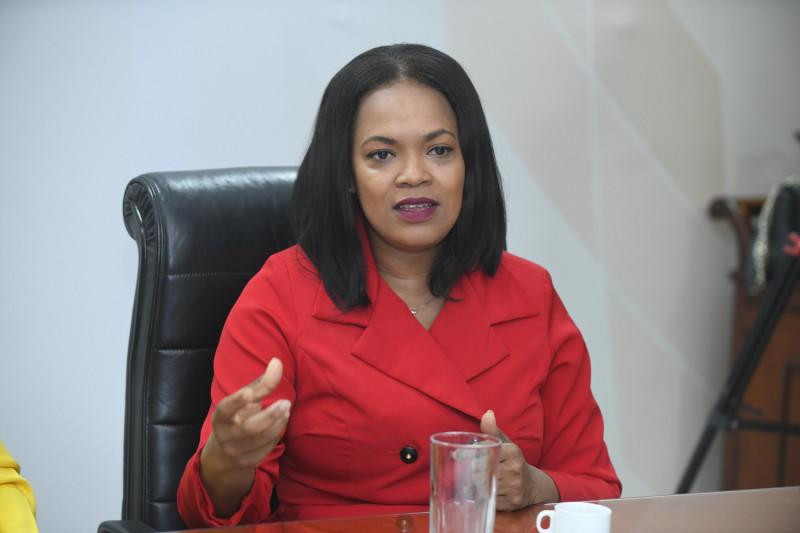
    Gloria Ceballos, director of the Dominican Institute of Meteorology (Indomet), made the announcement Thursday, noting that the brief reduction in rainfall between Tuesday and Wednesday was only a temporary shift within the broader established weather pattern. She explained that the ongoing combination of elevated atmospheric humidity and warm southeast winds continues to pull moisture-heavy cloud formations inland from surrounding seas, setting the stage for renewed heavy rain starting this Thursday afternoon and continuing into the evening.

    Ceballos specified that this wet weather system will hold steady across the country through Friday, before tapering to lower intensity rain showers that will still persist across the weekend of Saturday and Sunday.

    The heaviest precipitation will be concentrated in the country’s eastern, central and northern regions, as well as along the border zone shared with neighboring Haiti. In response to the forecast, authorities have issued two tiers of weather alerts for affected provinces. A yellow alert, indicating elevated risk of weather-related hazards, is in effect for 14 jurisdictions: Santo Domingo, the National District, San José de Ocoa, Santiago Rodríguez, San Pedro de Macorís, Santiago, Puerto Plata, Monseñor Nouel, La Altagracia, San Cristóbal, La Romana, El Seibo, Hato Mayor and La Vega. A lower-level green alert, calling for continued precaution, has been activated for 12 additional areas: María Trinidad Sánchez, Monte Plata, Duarte (with a particular focus on the Lower Yuna region), Hermanas Mirabal, Samaná, Espaillat, Sánchez Ramírez, Valverde, Montecristi, San Juan, Independencia, and Elías Piña.

    Emergency management officials are urging the public to remain vigilant as the wet conditions extend into the weekend. Juan Manuel Méndez, director of the country’s Emergency Operations Center (COE), reiterated that residents should not drop their guard against potential flood and landslide risks tied to the prolonged rainfall. He specifically warned people living in high-risk zones to avoid attempting to cross swollen rivers, streams and ravines, and emphasized the importance of staying updated on changing conditions through official government bulletins and the national emergency hotlines 911 and 809-472-0909.

  • Manamoto: first training initiative for motorcyclists

    Manamoto: first training initiative for motorcyclists

    SANTO DOMINGO – In a targeted effort to cut down on preventable traffic collisions and build a culture of responsible two-wheeled travel, the National Action Table with Motorcyclists (Manamoto) has launched its first-ever specialized road safety training program for motorcyclists, gathering riders and local stakeholders at the Boca Chica mayor’s chapter room earlier this month.

    Against a backdrop of persistently high traffic accident rates across the Dominican Republic, where motorcyclists rank as one of the most at-risk groups on public roads, the training session centered on core public safety priorities: improving rider education, embedding respect for traffic regulations, and curbing high-risk riding behaviors. The initiative is backed by the Dominican Road Mobility Foundation (Movido), an organization leading the push for collaborative, community-centered road safety reform across the nation.

    Miguel Jiménez, president of Movido, opened the event by emphasizing shared accountability for improving road outcomes, pushing back against the idea that road safety is solely the responsibility of government regulators. “Rather than placing the blame on the authorities, who in some ways have their share of responsibility, there is a large share of responsibility that we as citizens have, and that is why, by working together, we will find solutions,” Jiménez said. He added that the work is rooted in social impact, not political gain: “I don’t have a political discourse, I have a social discourse, through which we will all say: I am committed.”

    Three specialist speakers led targeted educational sessions covering distinct critical safety topics for attendees. Dr. Frank Reyes led a discussion on the underrecognized dangers of driving under the influence of medication, highlighting the heightened risks of unregulated self-medication and the lethal combination of prescription or over-the-counter drugs with alcohol. Popular motorcycle safety advocate Claudio en Moto focused on foundational practical riding habits, stressing the non-negotiable need for correctly fitted protective gear, proper riding posture, and consistent defensive driving techniques that help riders anticipate and avoid hazards. Juan José Mella Mota, Mobility Coordinator at Seguros SURA, rounded out the sessions by walking attendees through step-by-step protocols for responding safely and appropriately immediately after a traffic collision, a skill that can reduce secondary injuries and speed up emergency response.

    Throughout the program, Manamoto’s core mission has remained consistent: to drive widespread awareness of three non-negotiable road safety rules – correct use of all required protective gear, full adherence to traffic signage and regulations, and consistently prudent, attentive riding. Multiple local and national government officials joined the event to signal institutional support for the initiative, including Boca Chica mayor Ramón Candelaria, Joel Gneco Gross, director of Transit and Road Safety at the National Institute of Traffic (Intrant), Santo Enriquez García, regional East director for the General Directorate of Road Safety and Traffic (Digesett), and Franklin Glass, president of the Dominican Chamber of Insurers and Reinsurers (Cadoar).

    In an interview with Miguel Franjul, director of local media outlet Listín Diario, event organizers outlined their long-term expansion plans: the program will roll out to additional provinces across the Dominican Republic in coming months, with the ultimate goal of reaching thousands of motorcyclists and embedding a sustained culture of road safety nationwide. Local officials including Boca Chica mayor Víctor Ramírez have also publicly voiced their support for the community-focused initiative, framing it as a critical intervention to reduce preventable deaths and injuries on Dominican roads.

  • 70% of minor crimes in the National District are linked to drug use

    70% of minor crimes in the National District are linked to drug use

    SANTO DOMINGO — A newly released feasibility study has uncovered a critical connection linking problematic substance abuse to the majority of low-level criminal cases processed in the Dominican Republic’s National District, opening the door to sweeping reforms of the nation’s justice system through a new restorative therapeutic justice pilot program. The findings were shared by Magistrate Kenya Romero, coordinator of the jurisdiction’s Courts of Instruction, during a progress presentation at the 2026 Judicial Power Conference, where legal innovators from across the globe gathered to discuss modernization of criminal justice frameworks.

    Romero spoke on the conference panel titled “Treatment Under Possible Judicial Supervision,” outlining how the new pilot model seeks to upend centuries of traditional adversarial justice practices that have long defined criminal case processing. Rather than forcing prosecutors and defendants into an oppositional standoff that centers punishment over root-cause resolution, the new framework adopts a collaborative approach that integrates court-supervised monitoring of defendants’ substance use recovery into the legal process.

    Under the program’s guidelines, only defendants meeting rigorous legal and health screening criteria — those facing minor charges and confirmed to have narcotic dependence — are selected to participate in the alternative track. Romero explained that this targeted approach clears a massive backlog of thousands of stalled minor infraction cases by prioritizing public health intervention over traditional prosecution, creating a more efficient system that addresses the underlying drivers of repeated low-level crime.

    “The goal is to bring a more human-centered perspective to legal conflict resolution,” Romero emphasized. “A judge still upholds the rule of law, but we recognize that many defendants face systemic risk factors and live with a chronic, treatable health condition. This model strengthens the judicial role by integrating medical and public health tools, rather than asking courts to punish people for conditions that can be treated.”

    The conference drew insights from international peers already implementing similar models, including Carmen Otero, administrative judge of Bayamón, Puerto Rico, who explained that therapeutic justice has been enshrined as a constitutional state policy on the island. Otero shared economic data that makes a compelling case for the shift: Puerto Rico spends roughly $343 million annually on prison confinement for non-violent drug offenders, while prevention and court-supervised treatment programs deliver far better rehabilitation outcomes at a fraction of the cost.

    “Unlike the traditional adversarial process that pits all parties against one another, the therapeutic approach aligns everyone on the same team, working toward the shared goal of the defendant’s long-term recovery,” Otero noted.

    Attending judges across the regional delegation reached a broad consensus: the future of effective criminal justice requires addressing the root causes of crime, rather than only responding to and punishing its harmful outcomes.

    The discussions on therapeutic justice are a core component of the Dominican Republic’s national Criminal Process Optimization Plan, the central policy focus of this year’s Judicial Power Conference. The three-day event has drawn more than 6,000 total participants, 68 international exhibitors, and legal representatives from 25 countries, cementing the Dominican Republic’s position as a regional benchmark for forward-thinking legal innovation in the Americas.

  • Paliza returns to Montellano with aid; they deliver supplies, food, and emergency vouchers to those affected.

    Paliza returns to Montellano with aid; they deliver supplies, food, and emergency vouchers to those affected.

    In the wake of destructive recent rainfall that triggered widespread flooding across parts of the Dominican Republic’s Puerto Plata province, top government officials have launched a coordinated large-scale relief operation to support displaced and affected families in Villa Montellano. Leading the assistance mission this Friday was José Ignacio Paliza, the country’s Minister of the Presidency, who personally supervised the distribution of critical aid supplies and emergency support to residents impacted by the disaster.

    The relief drive, centered at the Montellano Recreational Club, was organized under the direction of Puerto Plata’s governor and the General Directorate of Strategic and Special Projects (PROPEEP), with on-the-ground support from uniformed military and police personnel. The operation extends far beyond basic food distribution, integrating multi-agency support to address the full scope of damage caused by the heavy rains. A fully functional mobile medical unit was set up to provide free urgent and primary care to local residents, while two major government ministries have commenced infrastructure recovery work: the Ministry of Housing and Construction (MIVED) has started repairs and reconstruction on damaged residential properties, and the Ministry of Public Works is actively rehabilitating rain-damaged roads and public infrastructure across the municipality.

    Per official data released by the Ministry of the Presidency, the total value of food and household goods being distributed to affected families exceeds 80 million Dominican pesos. The relief package includes a wide range of essential household items such as mattresses, cooking stoves, gas tanks, blenders, dining sets, tables and chairs, alongside both raw cooking ingredients and prepared ready-to-eat meals. In addition to physical supplies, 2,190 eligible households in Villa Montellano are receiving direct financial support via the government’s Emergency Bonus, distributed through the national Supérate Social Development Directorate. Paliza oversaw the bonus distribution during a visit to the local Isaura Tucker school as part of Friday’s mission.

    Addressing gathered community members, Paliza emphasized that the government’s relief effort is being carried out free of political discrimination, focused entirely on supporting recovery for all residents in need. “A comprehensive effort has been made to support the recovery of Montellano, above all, without political bias and without elements that distort a moment that requires the nobility of all,” Paliza said. He also delivered a message of calm and reassurance to the affected population, noting that the government would maintain a persistent on-the-ground presence until the community returns to normal operations. “Spread the word of calm, because the government is here and we will continue to help everyone,” he added.

    This latest intervention reinforces the Dominican government’s ongoing commitment to direct support for disaster victims in Villa Montellano, where severe flooding has left hundreds of families facing uncertainty and displacement. Officials have confirmed that additional updates on government and community-led recovery efforts will be released in coming days as work continues to restore normalcy to the affected region.

  • Residential construction is growing unstoppably in Punta Cana

    Residential construction is growing unstoppably in Punta Cana

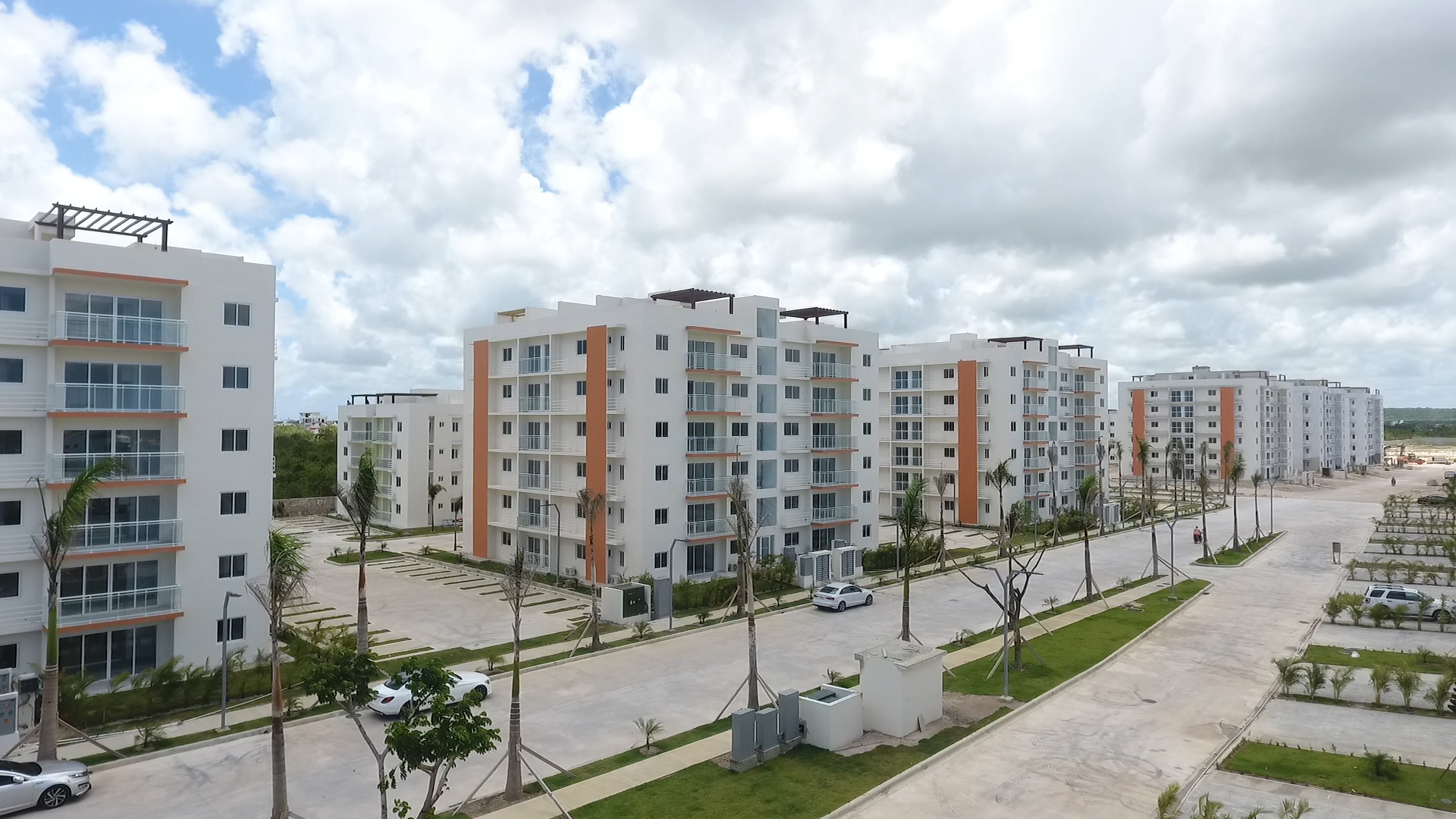
    Against all industry warnings and existing market conditions, large-scale real estate development is not slowing down — it is accelerating — in Punta Cana/Bávaro, the Dominican Republic’s already oversaturated top tourist hub. The region’s residential tourism sector, which caters to second-home buyers and long-term vacationers, has maintained steady moderate demand in recent years, sparking a wave of new construction that shows no immediate signs of stopping. Today, new announcements of high-unit residential developments are a frequent occurrence, with many projects being sited in previously undeveloped third-tier locations that once would have been overlooked by major investors.

    The most recent high-profile project to be unveiled comes from a Spanish development firm, which is set to construct roughly 900 apartments and a 100-room hospitality property behind Almacenes Unidos. In fact, the majority of new development groups entering the Punta Cana/Bávaro market in recent months hail from Spain, and their leadership remains confident that their offerings stand out from the thousands of existing units already available.

    This construction boom is moving forward despite consistent advice from real estate experts that developers should hit pause on new residential projects. Industry analysts have long flagged widespread oversupply across Punta Cana/Bávaro and the broader eastern Dominican coast, a warning that developers have chosen to ignore. According to industry sources familiar with regional development pipelines, roughly 30,000 new residential units — including both apartments and standalone villas — are planned for completion in the short term, with some market insiders suggesting the actual total could be even higher.

    The most ambitious of all these planned projects comes from development firm Larimar, which has announced plans to build 10,000 new homes in a remote inland area far from the region’s popular beaches and central tourist corridors. Access to the project site is already limited, requiring travelers to pass through the town of Verón along narrow, already congested routes. While the region has experienced rapid population and tourism growth in recent years, the breakneck pace of new housing construction has not been matched by parallel expansion of critical public infrastructure. Road networks, water systems, and other basic utilities needed to support tens of thousands of new residents have not kept pace, creating a growing gap between development and infrastructure capacity. Adding to market concerns, overall demand for residential units in the region has begun to stagnate, raising questions about the long-term sustainability of the current construction boom.