标签: Dominican Republic

多米尼加共和国

  • Thousands affected by electrical failure disrupting Santo Domingo Metro service

    Thousands affected by electrical failure disrupting Santo Domingo Metro service

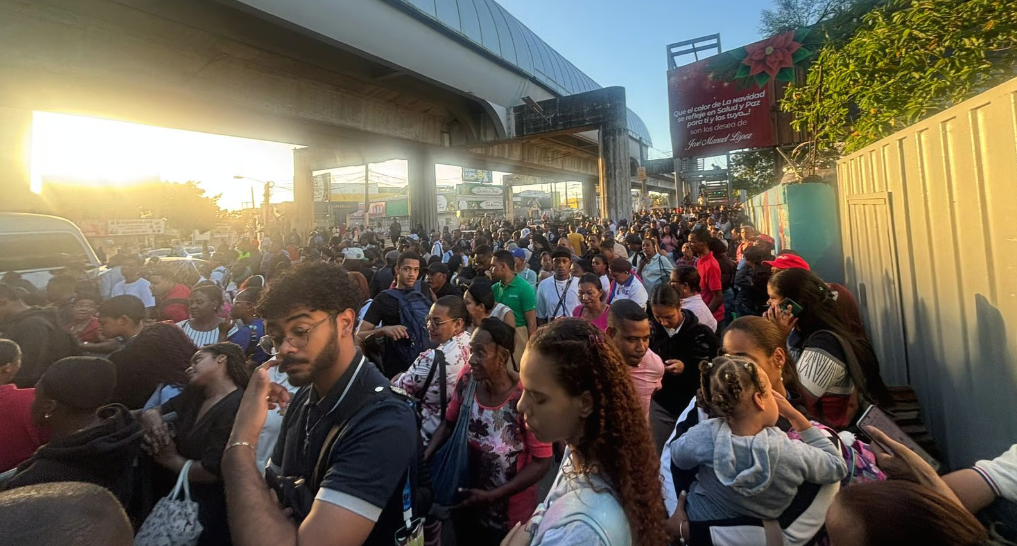
    On a Monday morning peak travel window, an unexpected electrical failure threw service on two key lines of the Santo Domingo Metro into chaos, bringing temporary delays and full stoppages to operations and leaving major city stations packed with stranded commuters.

    Thousands of daily travelers, many heading to early work shifts and school drop-offs, found their routines upended when trains ground to an unplanned halt for multiple minutes. The sudden shutdown sparked widespread confusion among passengers, who were left waiting for updates on when service would resume.

    The General Directorate of Traffic Safety and Land Transportation (DIGESETT) quickly issued confirmation that the outage had taken both Line 1 and Line 2 offline temporarily. The agency urged affected commuters to seek out alternate travel routes while technical crews worked to diagnose and fix the problem. To address expected secondary road congestion from diverted metro users, DIGESETT dispatched traffic agents to busy intersections across the capital to manage vehicle flow and ease bottlenecks.

    In an official statement, Interior and Police Minister Faride Raful announced that a full investigation is currently ongoing to pinpoint the root cause of the blackout, with officials weighing both accidental technical malfunction and other potential contributing factors. Raful emphasized that if any negligence or irregular activity is uncovered during the probe, appropriate disciplinary or corrective action will be taken against responsible parties.

    By later in the day, technical teams had fully resolved the electrical issue, and full service on both metro lines was restored to regular operation. Even with the quick restoration, the outage left a lasting mark on the morning commute: the disruption hit directly during the highest-traffic travel window, impacting tens of thousands of residents across the Greater Santo Domingo area who depend on the metro as their primary daily transportation option.

  • Work begins on Colonial City parking facility with RD$950M investment

    Work begins on Colonial City parking facility with RD$950M investment

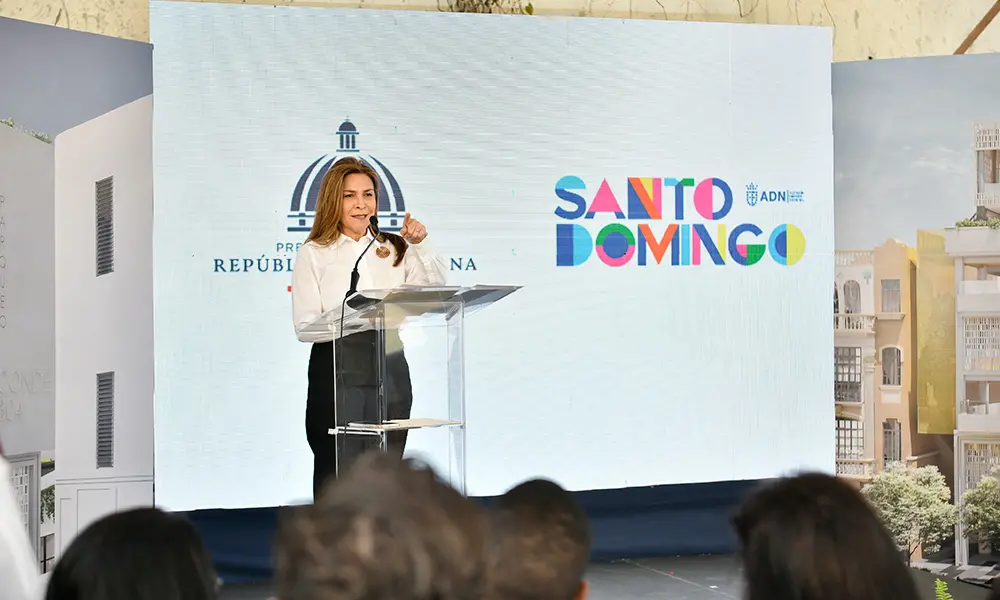
    SANTO DOMINGO — A major infrastructure initiative to address longstanding parking challenges in one of the Dominican Republic’s most culturally significant districts has officially broken ground. National District Mayor Carolina Mejía joined representatives from the national presidency to mark the launch of the new José Reyes parking garage project, a 950 million peso development crafted to relieve chronic parking scarcity and upgrade urban mobility across the Colonial City historic zone.

    Replacing an outdated, smaller parking structure that currently occupies the intersection of José Reyes and El Conde streets, the new facility is engineered to deliver a far better experience for three core groups: local residents who live and work in the area, small business owners who rely on accessible visitor access, and the millions of domestic and international tourists who travel to the Colonial City each year to experience its UNESCO-listed historic architecture and cultural heritage. The entire design centers on three pillars: improved organization, greater accessibility for all users, and long-term environmental sustainability.

    Across its planned seven levels, the garage will hold space for approximately 242 vehicles, with a range of specialized spots to meet diverse community needs. This includes dedicated accessible parking spaces for people with disabilities, separate secure zones for motorcycle parking, and built-in electric vehicle charging stations to support the growing number of EV owners in the country.

    Beyond core parking functionality, the development will add new community and commercial value to the neighborhood. It will include ground-floor commercial space for local businesses, and a flexible rooftop area that will be available for lease for events or commercial use. The project also incorporates a range of cutting-edge modern systems, such as automated vehicle access control, 24/7 digital surveillance, full elevator access for all levels, energy-saving sensor-activated lighting that reduces power waste, and a rainwater harvesting system to cut down on potable water use for facility maintenance. Per the project timeline, construction is scheduled to conclude within 22 months, bringing the upgraded facility online for public use by late 2026.

  • 96% of Dominican budget linked to Sustainable Development Goals

    96% of Dominican budget linked to Sustainable Development Goals

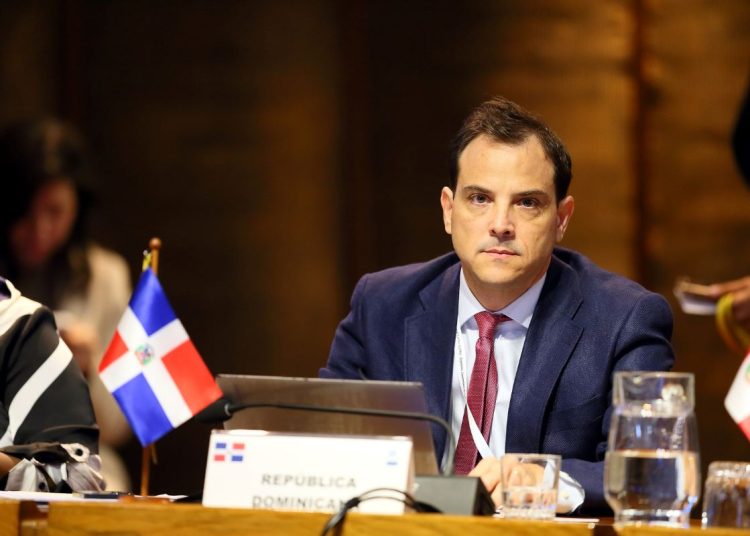
    Against the backdrop of a regional sustainable development gathering hosted at the headquarters of the Economic Commission for Latin America and the Caribbean (ECLAC) in Chile, the Dominican Republic has announced a landmark milestone in aligning national policy with global sustainability targets: 96% of its entire national budget is now tied directly to the United Nations’ Sustainable Development Goals (SDGs). This figure was shared by Deputy Minister Martín Francos, who addressed delegates on the topics of cross-sector partnerships and modern public sector management during the four-day event, held between April 13 and 16.

    In his remarks, Francos laid out the foundation of the Caribbean nation’s recent progress, pointing to robust economic fundamentals that have created space for strategic sustainable investment. He confirmed that foreign direct investment (FDI) flowing into the country hit $5.03 billion in the most recent reporting period, while remittances— a critical pillar of the Dominican economy—now contribute more than 9% of the nation’s total annual gross domestic product. These steady revenue streams have allowed policymakers to embed sustainability into core budget planning rather than treating it as a separate, underfunded priority.

    A core part of the nation’s progress has come from sweeping institutional reforms designed to modernize governance and cut red tape, Francos explained. Key policy overhauls include the rollout of Customs Law 168-21, the ambitious government-wide “Zero Bureaucracy” initiative, and Digital Agenda 2030, a long-term framework to digitize public sector operations. All of these changes share three core objectives: updating outdated regulatory frameworks, boosting government transparency for citizens, and speeding up access to public services across the country.

    To strengthen trust in public institutions, the Dominican Republic has also put in place new accountability measures, including updated public procurement rules, expanded open data policies that make government information accessible to the public, and new territorial planning strategies. These planning policies are specifically targeted at closing persistent economic gaps between different regions of the country and integrating innovative technological practices into routine government work.

    Looking forward, the nation is building out advanced digital tools to keep its sustainable development efforts on track, including an artificial intelligence-powered system that monitors budget spending to ensure it stays aligned with SDG targets. It has also developed a catalog of 23 alternative financing mechanisms to fund high-priority development projects, creating additional flexibility beyond traditional tax and budget revenue.

    Francos stressed that even with domestic progress, cross-regional collaboration remains indispensable to tackling long-standing structural challenges holding back Latin America and the Caribbean, including persistent income inequality and stagnant productivity growth. He highlighted the nation’s planning reforms, long-term foresight strategies, and overarching National Development Strategy as the key pillars that will guide the country’s progress toward the 2030 Agenda for Sustainable Development.

    The ECLAC-hosted forum brought together heads of government agencies, civil society stakeholders, and private sector leaders from across the region to review progress on SDG implementation, share successful policy models, and build new cooperative partnerships to advance the global 2030 Agenda, bringing together shared experience to tackle shared sustainability challenges.

  • Dominican Republic aviation sector generates US$400 million annually

    Dominican Republic aviation sector generates US$400 million annually

    The Caribbean nation of the Dominican Republic is experiencing a robust, sustained expansion in its general aviation sector, with official data showing that the industry now contributes roughly $400 million in annual economic output. This rapid growth is overwhelmingly fueled by rising demand for private jet and executive travel, a trend deeply tied to the country’s thriving international tourism industry. Newly released statistics from the Dominican Airport Department confirm strong operational activity across the nation’s major air facilities, cementing the country’s growing reputation as a leading private aviation hub in the Caribbean region.

    Looking at early 2026 operational data, the sector’s momentum remains clearly visible across the country’s busiest general aviation airports. In January 2026, La Romana International Airport claimed the top spot for private, non-commercial flight operations, recording 482 total takeoffs and landings. It was followed closely by La Isabela International Airport—better known locally as El Higüero—with 410 operations, and Punta Cana International Airport, one of the nation’s top tourism gateways, with 380. By February 2026, the rankings shifted slightly, with El Higüero moving into first place with 478 operations. La Romana dropped to second with 402, while Punta Cana held third position with 318. Several other airports across the country also contribute to the growing sector, including Cabo Rojo Airport, Osvaldo Virgil Domestic Airport, Samaná El Catey International Airport, and Gregorio Luperón International Airport.

    Year-over-year data leaves no doubt that the upward trajectory is accelerating, rather than slowing. Total general aviation operations across the country jumped from 13,951 in 2024 to 18,909 in 2025, a 35% increase that marks one of the fastest growth rates for general aviation in the Caribbean. El Higüero, Punta Cana, and La Romana have consistently remained the three busiest hubs for this activity throughout the expansion. Through the first two months of 2026, the nation has already logged thousands of private operations, including a steady stream of inbound private jet flights originating from Miami. These flights are part of targeted tourism initiatives such as the “Flying Caribbean Adventure,” a program designed to attract high-net-worth international travelers to less-visited Dominican destinations including Montecristi. Beyond expanding the aviation sector itself, these initiatives deliver tangible economic benefits to local communities, driving increased spending on hospitality, local attractions, and services that support livelihoods across the country.

  • Dominican Republic showcases aviation potential at SUN ’n FUN Expo 2026

    Dominican Republic showcases aviation potential at SUN ’n FUN Expo 2026

    LAKELAND, Florida — The Dominican Republic’s national Airport Department has wrapped up a high-profile, productive run of participation at SUN ‘n FUN Aerospace Expo 2026, one of the most prominent global gatherings for the general aviation industry, which took place this year in central Florida’s Lakeland.

    Over the course of the event, the Dominican delegation hosted a dedicated exhibition booth designed to showcase the Caribbean nation’s growing aviation infrastructure, investment opportunities, and unique advantages for general aviation operators. The space drew steady interest from a broad cross-section of attendees, from licensed private pilots and commercial aviation business owners to hobbyist aviation enthusiasts, all curious about what the Dominican Republic has to offer for the sector.

    Central to the delegation’s outreach was the core branding message: “Dominican Republic is friendly for pilots.” Team members used the platform to highlight key assets that set the country apart, including its extensive air connectivity across the Caribbean and the Americas, regulatory and infrastructure conditions favorable to general aviation operations, and ongoing public and private investments to expand and upgrade the country’s aeronautical ecosystem.

    Backed by full support from the Dominican Republic Ministry of Tourism, the country’s involvement in the 2026 expo extended far beyond simple exhibition work. Delegates also held a series of technical knowledge-sharing sessions and strategic partnership meetings with international industry leaders, with the stated goal of aligning the country’s aeronautical development with global best practices and cutting-edge innovation in the sector.

    Senior Dominican officials noted in closing remarks that consistent participation in major international aviation events does more than raise the country’s profile: it cements the Dominican Republic’s standing as a top competitive destination for aeronautical tourism in the Caribbean, while also demonstrating the government and industry’s shared commitment to driving long-term, sustainable growth for the entire national aeronautical sector.

  • 7 charged in fatal attack on garbage truck driver in Santiago

    7 charged in fatal attack on garbage truck driver in Santiago

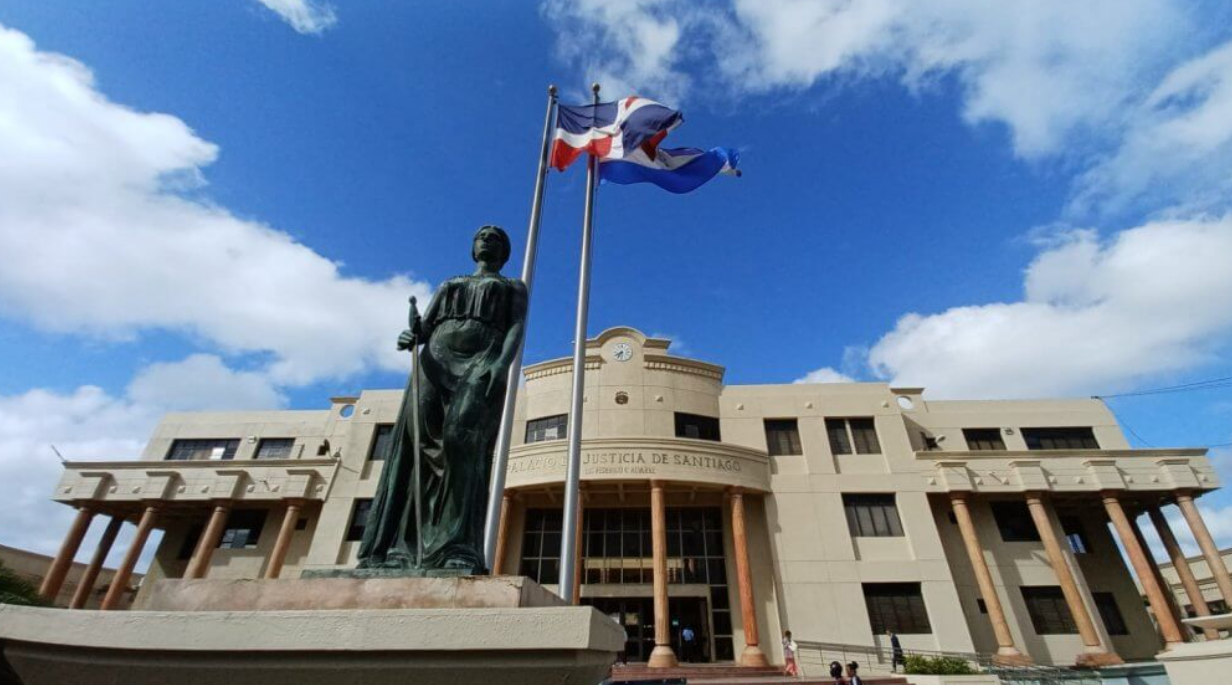
    In the Dominican Republic’s second-largest city of Santiago, a brutal coordinated fatal attack has left one man dead and seven motorcycle taxi drivers facing serious murder charges, with state prosecutors now pushing to hold the accused behind bars ahead of their trial. The victim, identified as Deivy Carlos Abreu Quezada, worked as a garbage truck driver when he was ambushed by the group following a multi-kilometer chase that ended in the immediate grounds of the city’s Palace of Justice.

    Prosecutors have formally named the seven defendants as Adony Antonio Ureña Ventura, Andrés Monclú González, Carlos Andrés Roa Morán, Miguel García Balbuena, Joanfry Joel Núñez, Juan Carlos Soto Ortiz, and Kevin Francisco Metz Cruz. Court documents allege the men acted in concert to pursue, block, and carry out the deadly assault on Abreu Quezada. After the attack, the injured driver was rushed to Santiago’s Presidente Estrella Ureña Hospital, where medical teams were unable to save his life.

    Top law enforcement officials have moved swiftly to formalize charges in the high-profile case. Dominican Attorney General Yeni Berenice Reynoso directly ordered local prosecutors to file preliminary murder charges against all seven suspects. Quirsa Abreu Peña, chief prosecutor for the Santiago region, has characterized the killing as a pre-planned, coordinated attack rather than a spontaneous outbreak of violence stemming from a road dispute.

    Early investigative findings outline how the deadly confrontation unfolded. The conflict erupted from a minor traffic accident between Abreu Quezada’s garbage truck and the motorcyclists, investigators confirmed. What began as a small roadway dispute quickly escalated, with the group of mototaxi drivers launching a pursuit that stretched for several kilometers as they repeatedly tried to force the garbage truck to stop. Desperate to escape the pursuing group, Abreu Quezada drove to the Palace of Justice seeking safety — but the mob followed him to the courthouse steps, where they carried out the fatal stabbing attack, according to official allegations.

  • Doing Business in the Dominican Republic: What Every U.S. Investor Needs to Know About Dominican Corporate Law

    Doing Business in the Dominican Republic: What Every U.S. Investor Needs to Know About Dominican Corporate Law

    For foreign investors, the Dominican Republic has emerged as one of the most compelling high-growth markets in the Caribbean, drawing billions in annual foreign direct investment (FDI) thanks to its strategic location, pro-investment policies, and access to global trade agreements. Yet, even as the market matures beyond its outdated reputation as an untested frontier, success or failure for U.S. investors often hinges on a single critical factor: whether they have properly navigated the country’s distinct civil law legal framework before committing capital. Guillermo Estrella Ramia, Managing Partner of Dominican full-service corporate law firm Estrella & Tupete, Abogados, has spent more than 20 years guiding cross-border investors through this complex landscape, emphasizing that legal structure is not an afterthought—it is a core component of any viable investment strategy.

    The Dominican Republic’s investment story has transformed dramatically over the past decade. Consistently ranking as one of the top FDI recipients in the Caribbean, the country drew more than US$4.5 billion in inbound investment in 2025 alone, spread across key sectors including tourism, real estate, manufacturing in free trade zones, and financial services. According to the 2025 U.S. State Department Investment Climate Statement, the Dominican government actively courts foreign capital through generous tax incentives, a strategic geographic location close to North American markets, and its longstanding membership in the Dominican Republic-Central America Free Trade Agreement (CAFTA-DR). Even with these advantages, the report highlights that successful investment depends heavily on addressing core legal considerations: transparent regulatory enforcement, clear land tenure documentation, and consistent application of rules across sectors.

    A maturing investment market does not equate to a simpler one. Today, higher stakes and more complex cross-border transactions demand a deep understanding of the Dominican Republic’s civil law system, which is rooted in French legal tradition and differs fundamentally from the common law framework that U.S. investors are accustomed to. Rules governing corporate governance, contract enforcement, due diligence standards, and asset protection operate on fundamentally different principles, meaning preparation is not optional—it is a prerequisite for mitigating risk.

    The first and most consequential decision any foreign investor must make is selecting the right corporate structure, a step that is often underestimated in early-stage planning. The Dominican legal system offers several entity options, each with distinct implications for liability, tax obligations, governance flexibility, and capital movement.

    For most foreign investors bringing significant capital to the market, the Sociedad por Acciones Simplificada (S.A.S.) has become the go-to corporate vehicle. Introduced under the amended Companies Law 479-08, the S.A.S. offers unmatched governance flexibility: it requires only a single shareholder, allows capital to be denominated in any currency, and enables customized corporate charters tailored to nearly any operational model. Unlike the traditional Sociedad Anónima (S.A.), which mandates a minimum of seven shareholders and imposes rigid governance rules, the S.A.S. is designed for speed, adaptability, and compatibility with multi-jurisdictional investment structures.

    For investors that prefer to enter the market through an existing parent company, alternative structures are available. A branch office enables foreign firms to operate locally without establishing a separate legal entity, though it leaves the parent company fully liable for all local operations. For larger strategic investments such as joint ventures and mergers and acquisitions (M&A), far more robust legal engineering is required: shareholders’ agreements, tag-along and drag-along provisions, change-of-control clauses, and sector-specific regulatory approval processes that vary widely across industries. Each entry path carries a unique risk profile, tax treatment, and exit strategy, making the structural choice a core business decision rather than a routine administrative task.

    The Dominican Republic’s regulatory framework is layered, starting with a constitutional guarantee of equal treatment for foreign and domestic investors. On top of that foundational protection, sector-specific regulatory bodies oversee everything from real estate and tourism to telecommunications and financial services. Navigating this system successfully requires not just knowledge of the law, but institutional fluency: understanding which agency holds authority over a given project, what timelines are realistic for approvals, and where discretionary authority exists within the rules. This integrated approach sits at the core of Estrella Ramia’s practice, which structures investments by weaving together regulatory, contractual, tax, and institutional considerations into a single coherent legal strategy. “The practice is not defined by isolated legal areas,” Estrella Ramia explains, “but by the capacity to integrate legal disciplines in service of concrete economic objectives.”

    CAFTA-DR provides meaningful treaty-level protections for U.S. investors, including national treatment, most-favored-nation status, and access to international arbitration for investment disputes. These protections are enforceable, but they are a last resort, not a first line of defense. Operating at the intergovernmental treaty level, they cannot replace properly drafted contracts, well-structured corporate entities, and thorough transaction-level due diligence. The strongest protection any investor can have is the legal structure put in place before closing a deal.

    Due diligence in the Dominican Republic follows civil law methodology, which differs in key respects from U.S. common law practice. For real estate transactions, title verification requires formal searches through the national Registro de Títulos (Title Registry) and analysis of cadastral records, a system with its own procedural logic and occasional gaps. Corporate due diligence requires review of all mercantile registry filings, shareholder agreements, tax clearance documentation, and a full history of regulatory compliance. For M&A deals, due diligence must also cover outstanding labor obligations, environmental permits, and the transferability of sector-specific operating licenses.

    Dominican contract law is codified rather than precedent-based, a difference that has major implications for U.S. investors. In common law systems, judges can fill gaps in incomplete contracts by referencing prior judicial decisions. In the Dominican civil law system, contracts must be fully comprehensive, as judges have far less latitude to resolve ambiguities or incomplete clauses through judicial interpretation. Every undefined term, ambiguous provision, or unaddressed contingency creates the potential for costly future disputes.

    Key clauses that require specialized local legal expertise include governing law and dispute resolution mechanisms (whether local courts, local arbitration, or international arbitration through bodies like the ICC or AAA), currency and foreign exchange provisions that clarify liability for exchange rate fluctuations between U.S. dollars and Dominican pesos, regulatory condition precedents that outline outcomes if required approvals are delayed or denied, and exit and liquidation provisions that outline how capital will be recovered if the venture underperforms or a partner exits. These are not trivial formalities—they form the contractual architecture that defines an investor’s actual rights if a dispute arises, which is an almost inevitable possibility in any long-term investment.

    Most Dominican law firms specialize in a single narrow practice area, such as real estate, corporate law, immigration, or litigation. Estrella & Tupete, Abogados operates under a different model, with a transversal, integrated practice that combines corporate structuring, regulatory navigation, contract drafting, tax planning, and M&A advisory into a single end-to-end service for cross-border investors. This model addresses a core practical need for U.S. investors: cross-border transactions rarely fit into neat legal silos. For example, a single hotel acquisition simultaneously involves real estate law, tourism regulation, labor compliance, environmental rules, and corporate governance.

    The firm’s three-office footprint across the country is a deliberate strategic advantage, not a marketing choice. Its Santiago office serves the Cibao region, home to the country’s northern industrial and agricultural sectors. Its Santo Domingo office sits at the center of the country’s corporate and financial activity, handling regulatory filings and government relations. The Punta Cana office anchors the firm’s work in the eastern tourism and real estate corridor, which attracts the majority of U.S. investment in the country. This geographic coverage allows the firm to serve investors with projects spanning multiple regions, delivering on-the-ground support that translates to tangible operational advantages.

    “The legal structure of an investment is not an administrative task that follows the business decision. It is part of the business decision. When it is designed well, it enables the project. When it is designed poorly, it becomes the project’s biggest liability,” Estrella Ramia says.

    At its core, the Dominican Republic offers U.S. investors a genuine, high-potential opportunity: a fast-growing economy, a legally grounded FDI framework, treaty-level investment protections, and an increasingly sophisticated private sector eager to partner with international capital. But as with any emerging market, opportunity and risk are inseparable. Consistent success for investors follows a clear pattern: retaining experienced local legal counsel before a term sheet is signed, not after; finalizing the corporate structure before capital is transferred; negotiating contract terms before business relationships become complicated; and selecting attorneys who understand both the letter of the law and the business objectives that the legal structure is meant to serve.

    This standard has been the foundation of Estrella Ramia’s practice for more than two decades in the Dominican legal market. It is no longer a niche differentiator—at a time when the country draws billions in annual FDI, it is the minimum requirement for responsible, successful investment.

    ### Frequently Asked Questions
    **Can a U.S. citizen own 100% of a company in the Dominican Republic?**
    Yes. The Dominican Constitution and Foreign Investment Law guarantee equal treatment for foreign and domestic investors, with no broad sector-wide ownership restrictions for most industries. U.S. investors can hold 100% ownership in sectors including tourism, real estate, retail, and financial services, among others.

    **What is the most common corporate structure for foreign investors in the Dominican Republic?**
    The Sociedad por Acciones Simplificada (S.A.S.) is the preferred structure for most foreign investors, as it allows a single shareholder, offers maximum governance flexibility, and can be incorporated relatively quickly. The traditional Sociedad Anónima (S.A.) is more commonly used for larger ventures with multiple partners.

    **Does CAFTA-DR provide meaningful legal protection for U.S. investors in the Dominican Republic?**
    Yes, though with important caveats. CAFTA-DR provides national treatment, most-favored-nation status, and access to international arbitration for investment disputes. However, these treaty-level protections complement, rather than replace, solid transaction-level legal structuring, comprehensive contracts, and thorough due diligence.

    **How does due diligence work differently in the Dominican Republic compared to the U.S.?**
    The Dominican Republic operates under a civil law system, so due diligence follows different procedures than U.S. common law practice. Real estate due diligence requires formal searches through the Registro de Títulos and cadastral record analysis, while corporate due diligence centers on mercantile registry filings, shareholder agreements, and regulatory compliance history. Unlike common law, Dominican contracts must be fully comprehensive because judges cannot fill gaps in incomplete contracts using judicial precedent.

    **What should a U.S. investor do first when considering an investment in the Dominican Republic?**
    The single most effective step to protect an investment is to retain experienced local corporate counsel before beginning to structure the transaction. Entity selection, contract terms, regulatory pathways, and due diligence scope all require analysis specific to Dominican law and the relevant investment sector. Engaging counsel at the outset, rather than after a deal is substantially agreed upon, eliminates avoidable risk.

    *Disclaimer: This content is for informational and institutional purposes only. It does not constitute legal advice. Investors seeking specific guidance on Dominican Republic investment structuring should consult a licensed local attorney.*
  • IDAC unveils flight simulator at Cibao 2026 Book and Culture Fair

    IDAC unveils flight simulator at Cibao 2026 Book and Culture Fair

    SANTIAGO – The Dominican Republic’s Cibao 2026 Regional Book and Culture Fair, the annual cultural gathering running from April 19 to 26 at the Gran Teatro del Cibao, is blending literary celebration with hands-on STEM outreach this year, thanks to a new exhibit hosted by the Dominican Institute of Civil Aviation (IDAC). At the heart of IDAC’s display is a fully functional flight simulator, a piece of equipment rarely accessible to the general public, brought to the fair by the institute’s specialized training arm, the Higher Academy of Aeronautical Sciences (ASCA).

    Unlike the simulators reserved exclusively for aspiring commercial pilots in formal training programs, this setup is designed to welcome curious attendees of all ages and backgrounds. Visitors get the rare chance to step into a virtual cockpit, test out fundamental flight controls, and experience firsthand the day-to-day responsibilities that come with being a commercial or private pilot. Normally, the simulator supports core ASCA training objectives, from walking new students through basic flight procedures to helping seasoned learners get comfortable with aircraft instrument panels and emergency protocols. Now, it serves an entirely new purpose: demystifying aviation for people who have never had a connection to the industry.

    Beyond the interactive simulation experience, the ASCA team on-site is also sharing detailed information with guests about the academy’s full range of technical degree programs and professional continuing education courses. Organizers behind the initiative say their core goal is twofold: to make aeronautical knowledge more accessible to the general public during the week-long cultural event, and to ignite long-term interest in aviation careers, particularly among younger attendees and local students.

    For the fair, which traditionally centers literature, art, and cultural exchange, the addition of the aviation exhibit marks a unique expansion of its programming, bringing a technical, career-focused educational opportunity into a space that draws thousands of regional visitors annually.

  • Raquel Peña launches Cibao Regional Book Fair 2026 in Santiago

    Raquel Peña launches Cibao Regional Book Fair 2026 in Santiago

    SANTIAGO DE LOS CABALLEROS, DOMINICAN REPUBLIC – The Cibao 2026 Regional Book and Culture Fair, a landmark cultural initiative uniting 14 regional provinces under a celebration of literature, artistic expression, and local identity, officially opened its doors this week in an inauguration ceremony led by Vice President Raquel Peña.

    The opening event took place at the city’s iconic Gran Teatro del Cibao, drawing a roster of prominent cultural stakeholders including Dominican Republic Minister of Culture Roberto Ángel Salcedo and dozens of leading regional cultural leaders. Running through April 20 to 26, the 7-day celebration packs over 250 distinct public activities into its programming, ranging from new book launches and hands-on creative workshops to expert panel discussions and multi-disciplinary artistic performances.

    To maximize public access and showcase the cultural diversity of the region, event organizers have spread programming across multiple accessible, high-profile venues throughout Santiago de los Caballeros. These include the beloved Centro León cultural institution, the historic Ateneo Amantes de la Luz, and the landmark Monument to the Heroes of the Restoration, each providing a unique backdrop for different segments of the fair.

    A key structural feature of the 2026 fair is its 11 curated themed pavilions, alongside a daily spotlight schedule that dedicates each full day of the event to highlighting the unique cultural heritage of one of the 14 participating Cibao region provinces. This intentional design is intended to foster greater regional pride, strengthen cross-province connections, and advance cultural integration across the area.

    Organizing committees project that the fair will draw roughly 120,000 total attendees over its seven-day run, with the event expected to cement Santiago de los Caballeros’ reputation as one of the nation’s key dynamic cultural hubs for the duration of the celebration. The fair also marks a major step forward in expanding public access to literary and cultural programming across the Dominican Republic’s northern region.

  • ACDNY swearing-in ceremony marks new leadership phase in New York

    ACDNY swearing-in ceremony marks new leadership phase in New York

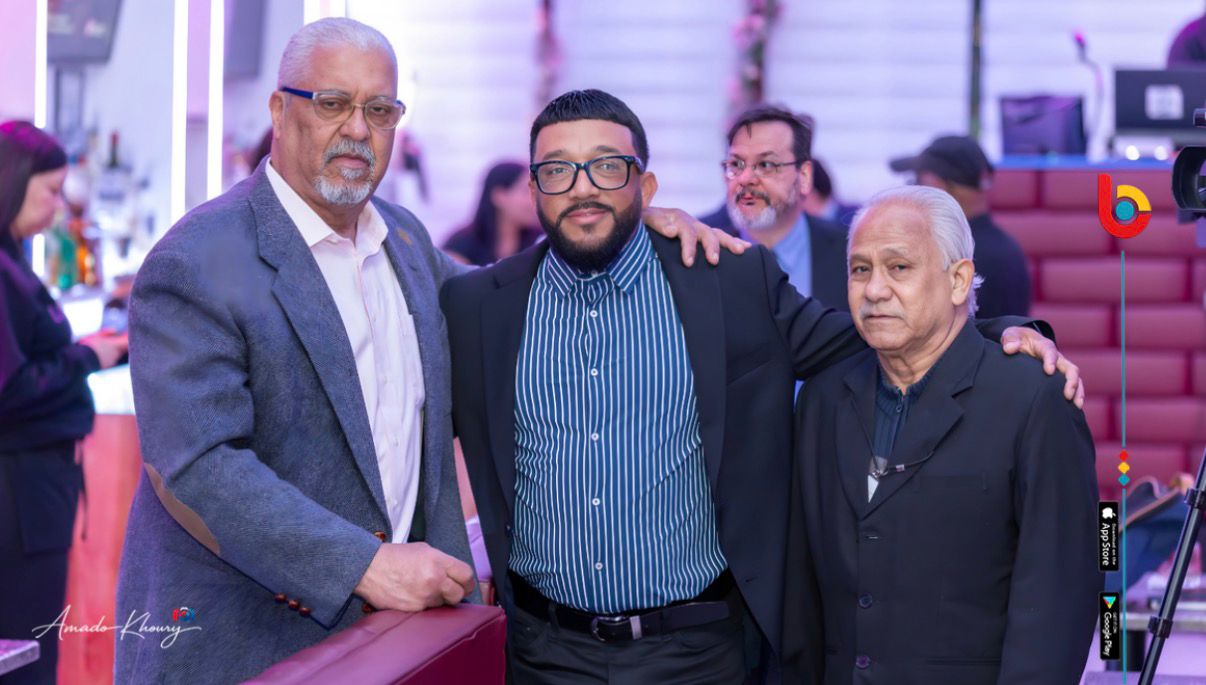
    On April 18, 2026, the Asociación de Cronistas Deportivos de Nueva York (ACDNY) ushered in a transformative new chapter for its work with a formal swearing-in ceremony held in Upper Manhattan, New York. The gathering, hosted at the neighborhood’s Liquid Bar & Restaurant, drew dozens of members of the Dominican-American sports media community for an evening centered on institutional renewal, peer recognition, and reaffirmation of professional dedication.

    Leading the official ceremony was Gabriel Barcácel, the association’s newly sworn-in president. In his remarks, Barcácel outlined the core mission of ACDNY’s incoming leadership: to elevate and strengthen professional standards for sports journalism, while fostering deeper unity among Dominican reporters working across New York and the wider Dominican diaspora in the United States.

    A key highlight of the event was the formal induction of Junior Benjamín Carmona Soto as the association’s newest member. The induction underscored the organization’s steady growth and its intentional focus on nurturing and supporting the next generation of Dominican sports media professionals building their careers in the U.S.

    Beyond welcoming new leadership and talent, the ceremony paid tribute to the trailblazers who built Dominican sports journalism over decades. Veteran sports reporters César Rivera and Rafael Herrera were honored with formal awards recognizing their decades-long contributions to the field. The event also included a moving posthumous tribute to Armando Talavera, a revered veteran of sports broadcasting, with Talavera’s family in attendance to honor his enduring legacy in the industry.

    Organizers used the occasion to reaffirm ACDNY’s deep historical roots and connection to the global community of Dominican sports journalists. The association maintains longstanding ties to the Asociación de Cronistas Deportivos de Santo Domingo, the pioneering Dominican organization founded in 1929. Both groups share a core commitment to upholding ethical journalism practices and advancing the professional development of their members. The original historic emblem carrying the Latin motto “Mens Sana in Corpore Sano” (a healthy mind in a healthy body) was prominently displayed throughout the ceremony, serving as a symbol of the continuity of shared values and unwavering commitment to excellence in sports reporting.

    Today, ACDNY has solidified its position as a leading, influential voice for Dominican sports media across the United States. The organization remains dedicated to advancing the careers of its members, upholding rigorous ethical standards, and supporting responsible, high-quality journalism within New York’s large and vibrant Dominican community.