标签: Dominican Republic

多米尼加共和国

  • Abinader to visit U.S., Chile and France in March

    Abinader to visit U.S., Chile and France in March

    SANTO DOMINGO – The Dominican Presidency unveiled on Thursday an extensive international itinerary for President Luis Abinader, marking a significant month of diplomatic engagements across the Americas and Europe throughout March. This strategic tour underscores the nation’s proactive approach to strengthening bilateral relations and engaging with global economic governance.

    The President’s first diplomatic stop will be in the United States, where he is scheduled to participate in a high-profile regional summit convened by U.S. President Donald Trump in Miami on March 7th. The assembly, as detailed in an official government communiqué, is designed to foster dialogue on pressing matters of mutual regional and international concern.

    Following his North American engagement, President Abinader will journey to Santiago, Chile, for a three-day visit from March 10th to 12th. The central purpose of this leg is his official attendance at the presidential inauguration of Chile’s President-elect, José Antonio Kast. The agenda also includes a dedicated bilateral meeting between the two leaders to discuss avenues for enhanced cooperation between their nations.

    Concluding this diplomatic tour, President Abinader will travel to Paris, France, on March 24th and 25th. The European visit features a pivotal meeting with French President Emmanuel Macron. Furthermore, the Dominican leader will actively participate in high-level assemblies of the Organisation for Economic Co-operation and Development (OECD), highlighting the country’s commitment to engaging with critical international economic policy forums.

  • Casa del Cordón screens “Galeones de Azogue,” exploring the origins of underwater archaeology in Dominican Republic

    Casa del Cordón screens “Galeones de Azogue,” exploring the origins of underwater archaeology in Dominican Republic

    Santo Domingo’s Taíno Cultural Center Casa del Cordón, an institution supported by Banco Popular Dominicano, recently presented a special screening of the documentary ‘Galeones de Azogue.’ The film chronicles the pioneering underwater archaeological investigations in the Dominican Republic that began with the discovery of the Azogue Fleet galleons, which met their fate off the coast of Miches during the 18th century.

    The event, organized in partnership with Spain’s Royal Shipyards Museum, featured a distinguished panel including the museum’s director Íñigo Apestegui and screenwriters Carlos León and Cruz Apestegui. They provided exclusive insights into the documentary’s extensive research methodology, historical documentation, and groundbreaking findings that shaped this significant archaeological investigation.

    Produced through a collaboration between Duho Cinema, Retama Studio, and Guasabara Cine, the documentary was spearheaded by general producers Fernando Santos and Gabriel Valencia. The technical team included editor Mikel D. Etxebarría and sound designer Laura Gantes. The film incorporates expert commentary from renowned specialists Pedro Borrel, Frank Moya Pons, Bernardo Vega, Federico Schad, Jaime Vega, and Tracy Bowden.

    The documentary traces the accidental discovery in 1976 by local Miches fishermen of two submerged galleons in Samaná Bay. This chance finding catalyzed the nation’s first official underwater archaeological expedition, unearthing artifacts connected to a maritime catastrophe that occurred over three centuries earlier.

    Historical records indicate that on August 24, 1724, the galleons Nuestra Señora de Guadalupe and Tolosa—part of the Mercury Fleet voyaging from the Iberian Peninsula to the Viceroyalty of New Spain (modern-day Mexico)—encountered a devastating storm. The vessels were transporting more than 360 tons of mercury from Spain’s Almadén mines, a crucial component in colonial silver processing. While the Guadalupe sustained severe damage, the Tolosa sank entirely off the Dominican coastline.

    The tragedy claimed more than 600 lives, with survivors enduring extreme hardships—some clinging to ship masts for weeks, others navigating treacherous jungles and beaches in search of rescue—leaving behind a profound narrative of human endurance.

    Archaeological work recommenced in 1994 through a cooperative Dominican-Spanish initiative, representing a watershed moment for the nation’s maritime heritage preservation. The Quicksilver Galleons Project successfully recovered over 45,000 artifacts, including cannons, navigational equipment, coins, personal belongings, and an exceptional assemblage of European glassware. These discoveries have significantly enriched understanding of colonial trade networks and 18th-century maritime practices while establishing the foundation for Dominican underwater archaeology, enabling the nation to reclaim and safeguard its submerged historical legacy as an integral component of its cultural identity.

  • President Abinader inaugurates La Gaviota Amphitheater in Ciudad Juan Bosch

    President Abinader inaugurates La Gaviota Amphitheater in Ciudad Juan Bosch

    Santo Domingo witnessed a significant advancement in urban development as President Luis Abinader officially opened the La Gaviota amphitheater in Ciudad Juan Bosch on Thursday. This cultural infrastructure represents a pivotal achievement within the nation’s premier model city initiative, showcasing a holistic approach to community building.

    The newly inaugurated venue forms part of an extensive portfolio of completed and ongoing developments spearheaded by the VBC-RD Trust in collaboration with Movexco Constructora. This comprehensive strategy integrates housing solutions with cultural amenities, sports facilities, public services, and communal spaces to create a fully integrated urban environment.

    José Ignacio Paliza, Minister of the Presidency, emphasized the project’s profound social impact, noting its transformation of the area into a thriving community. “We are now creating more developed citizens,” Paliza stated, underscoring the initiative’s broader societal benefits.

    Camel Curi Lora, executive director of the VBC-RD Trust, revealed the project’s remarkable turnaround from previous stagnation, characterized by limited appeal and a 105 million peso debt. The development has seen extraordinary growth, expanding from 4,777 households in 2020 to approximately 15,500 currently, with projections indicating 25,000 homes upon final completion.

    Beyond the amphitheater, Ciudad Juan Bosch boasts substantial infrastructure including two wastewater treatment plants, a comprehensive sports complex, funeral services facility, ecological park, vitrified regulating tank, and expanded parking infrastructure serving the cultural venue and adjacent areas.

    The amphitheater’s inauguration will be celebrated from February 12 to 15 through a diverse cultural program coordinated with the Ministry of Culture. The festivities will feature symphonic concerts by the Santo Domingo Philharmonic Orchestra, contemporary dance performances by the National Contemporary Dance Company, choral presentations by Koribe Chamber Choir, folkloric exhibitions by the Dominican National Folkloric Ballet, and innovative musical experiences from Escuela Libre de Herrera and DJ Clara Egelmann Tolentino.

  • Foreign Minister denies Dominican government ties to DEA office shutdown

    Foreign Minister denies Dominican government ties to DEA office shutdown

    SANTO DOMINGO – Dominican Foreign Minister Roberto Álvarez has officially confirmed that the recent shutdown of the U.S. Drug Enforcement Administration (DEA) office in the country stems entirely from an internal investigation within the U.S. embassy, with no involvement or connection to the Dominican government or its officials. The clarification came following a direct conversation between Álvarez and U.S. Ambassador to the Dominican Republic, Leah Campos.

    Ambassador Campos provided explicit assurances that the decision to close the DEA’s operational office was motivated solely by findings from an internal probe conducted by the embassy itself. Minister Álvarez publicly relayed the diplomat’s statements, emphasizing that the measure was categorically unrelated to any actions or policies of Dominican authorities.

    The development follows the recent arrest of Melitón Cordero, the DEA’s former supervisor in the Dominican Republic, who was taken into custody as part of an investigation into alleged visa fraud. While the timing of the office closure and the arrest is notable, the Dominican government’s statements aim to dispel any speculation of local misconduct or bilateral diplomatic friction, framing the event as an internal administrative action by the United States.

  • U.S. Ambassador orders indefinite closure of DEA office in Dominican Republic

    U.S. Ambassador orders indefinite closure of DEA office in Dominican Republic

    In a dramatic development that signals a major recalibration of bilateral security relations, United States Ambassador to the Dominican Republic Leah Francis Campos declared this Thursday the immediate and indefinite suspension of all Drug Enforcement Administration operations in Santo Domingo. The extraordinary measure, which took effect without prior warning, represents one of the most significant disruptions to U.S.-Caribbean counter-narcotics cooperation in recent history.

    Ambassador Campos framed the decisive action as an uncompromising stance against ethical violations within American diplomatic ranks. ‘This suspension will remain in force until further notice as we address serious concerns about professional conduct,’ the ambassador stated, emphasizing her zero-tolerance approach to corruption or even the appearance of misconduct among U.S. personnel.

    The abrupt closure creates immediate operational uncertainties for anti-drug initiatives in a region critically important to transnational narcotics trafficking. While U.S. officials have maintained discretion regarding specific incidents prompting the shutdown, Ambassador Campos underscored that the move addressed both confirmed irregularities and potential perceptions of impropriety.

    ‘Maintaining the integrity of our diplomatic mission supersedes all other considerations,’ Campos asserted in her official declaration. ‘I will not permit any circumstance that could undermine public trust in our institutions.’

    The State Department now faces complex logistical challenges regarding the continuation of intelligence-sharing and joint operations with Dominican authorities. No timeline has been established for the possible reinstatement of DEA activities, nor have details emerged about the reassignment of affected agents and support staff. The development occurs amid ongoing regional efforts to combat drug trafficking through the Caribbean corridor, raising questions about interim security coordination protocols between the two nations.

  • DEA Supervisor in the Dominican Republic, Melitón Cordero, arrested in visa fraud investigation

    DEA Supervisor in the Dominican Republic, Melitón Cordero, arrested in visa fraud investigation

    In a significant development highlighting internal misconduct within U.S. federal agencies, Melitón Cordero, the supervisor of the Drug Enforcement Administration (DEA) office in the Dominican Republic, has been arrested. This action is part of an extensive federal investigation into the alleged exploitation of a specialized visa program intended for confidential informants. The probe, spearheaded by the U.S. Department of Homeland Security, has triggered the immediate and indefinite closure of the DEA’s operational headquarters in Santo Domingo.

    The arrest follows a public announcement from the U.S. Embassy, which condemned the incident as a ‘disgusting and shameful breach of public trust.’ According to sources familiar with the ongoing investigation—including one current and one former U.S. official who requested anonymity—Cordero’s alleged abuses are at the center of the scandal. In his former role, Cordero was responsible for overseeing criminal investigations, facilitating intelligence sharing, and managing collaborative initiatives with Dominican law enforcement bodies. His duties also included coordination with other U.S. agencies like the Federal Bureau of Investigation (FBI), particularly in programs involving the recruitment of foreign informants under special immigration provisions.

    U.S. Ambassador to the Dominican Republic, Leah Francis Campos, confirmed the office’s closure, vowing a zero-tolerance stance toward corruption and emphasizing that operations would remain suspended until a thorough review is completed. The case raises serious questions about the oversight mechanisms within international visa programs designed for national security purposes.

  • Dgcine and ACU partner to strengthen Dominican documentary cinema

    Dgcine and ACU partner to strengthen Dominican documentary cinema

    SANTO DOMINGO – In a significant move to bolster the nation’s cinematic landscape, the General Directorate of Cinema (Dgcine) has entered into a formal partnership with the Dominican Association of Documentary Filmmakers (ACU). This collaborative agreement is strategically designed to enhance the visibility and distribution of indigenous non-fiction films while cultivating a more profound engagement with domestic audiences.

    The pact, formally executed at the Dgcine headquarters, represents a pivotal institutional effort to champion the expansion of the documentary genre. It focuses on creating robust platforms for exhibition and broadening the reach of Dominican narratives.

    A cornerstone of this initiative is the establishment of a dedicated monthly documentary forum at the Dominican Cinematheque. Each curated event will feature a film screening succeeded by an interactive dialogue session with attendees, fostering a dynamic environment for critical discourse. ACU and the Cinematheque will co-manage the programming to ensure a high-caliber and coherent lineup.

    Further provisions within the agreement facilitate ACU’s inclusion in a wider array of film cycles, exhibitions, and festivals orchestrated by Dgcine. The directorate will also extend technical and logistical resources for screenings. Moreover, the alliance paves the way for future cooperative ventures with international embassies and cultural bodies to stimulate cross-border professional dialogue and cultural interchange.

    Marianna Vargas Gurilieva, General Director of Dgcine, articulated that forging enduring audience relationships remains a primary hurdle for documentary filmmaking. She stressed that this initiative is a direct response, aiming for sustained audience development through consistent public events.

    Echoing this sentiment, ACU President Ingrid Cruz Espinal endorsed the creation of a permanent exhibition venue as a crucial step. She emphasized that such a space will not only solidify the bond between filmmakers and their viewers but also ensure the continued evolution and maturation of the documentary form within the country.

    Collectively, this endeavor seeks to democratize access to documentary content and encourage synergistic interactions among creators, institutional frameworks, and the public. This is envisioned to underpin the cultural sustainability of the Dominican documentary tradition and cement its integral role within the national cinema ecosystem.

  • Tourism Ministry reports progress on Santo Domingo Convention Center Project

    Tourism Ministry reports progress on Santo Domingo Convention Center Project

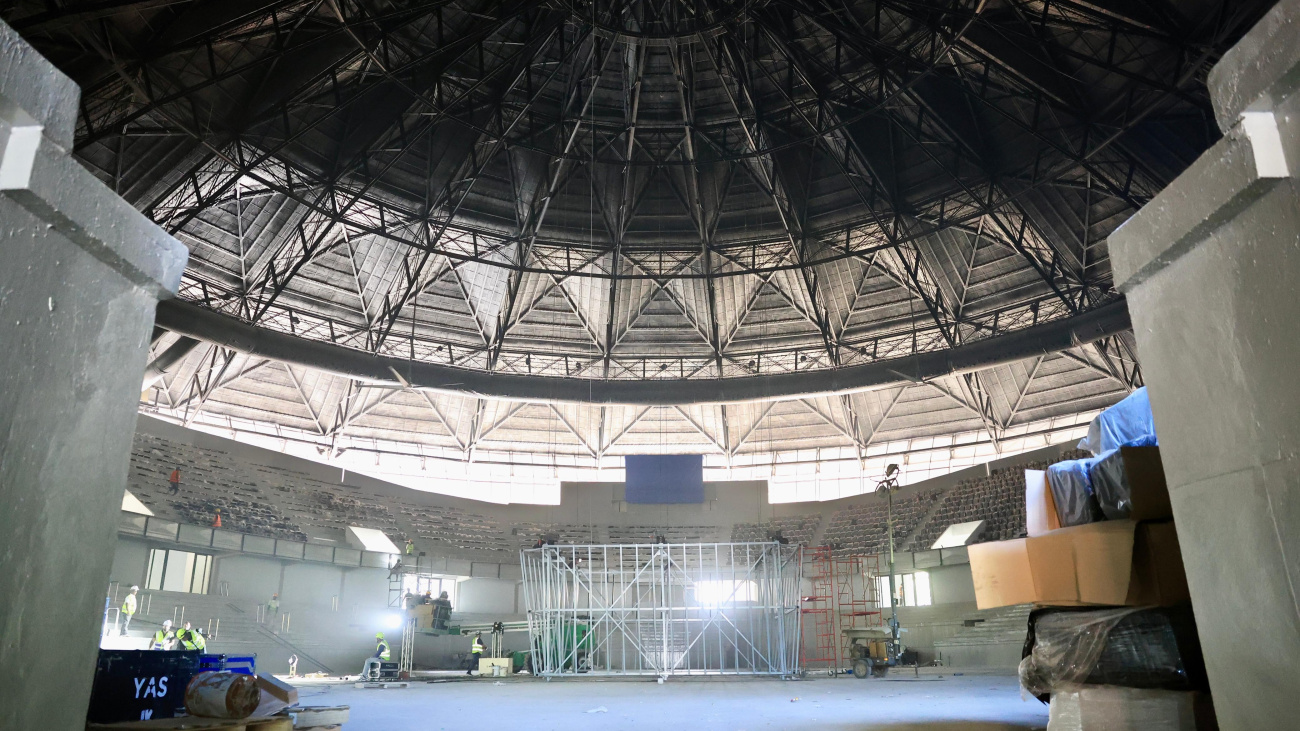
    The Dominican government has initiated significant progress on its ambitious Santo Domingo Convention Center project, marking a strategic move to position the capital as a premier destination for meetings and conventions tourism. This development follows the 2025 acquisition of prime real estate spanning approximately 34,000 square meters from the former Hotel Santo Domingo site, which ceased operations in 2013.

    Tourism Minister David Collado has confirmed substantial advancements in the technical and administrative processes required for the project’s development. The government has secured a crucial advisory agreement with Banco de Reservas, complemented by technical expertise from IFEMA Madrid, an internationally recognized leader in exhibition and convention management renowned for organizing the prestigious FITUR tourism fair.

    The architectural team, already approved by the financial institution, is currently finalizing structural designs and engineering specifications. This collaboration brings together international best practices and local expertise to create a world-class facility that will substantially enhance the city’s infrastructure for hosting major international events, conferences, and exhibitions.

    Authorities anticipate the convention center will dramatically strengthen the country’s MICE (Meetings, Incentives, Conferences, and Exhibitions) tourism sector, generating significant economic benefits through increased visitor spending, job creation, and enhanced international visibility. The strategic location adjacent to the former Hotel Santo Domingo property provides optimal accessibility while contributing to urban revitalization efforts in the capital city.

  • Authorities return 12 Caribbean flamingos to natural habitat in Baní

    Authorities return 12 Caribbean flamingos to natural habitat in Baní

    In a significant wildlife conservation achievement, Dominican environmental authorities have successfully returned twelve Caribbean flamingos (Phoenicopterus ruber) to their natural habitat in the protected Baní Salt Flats ecosystem. The birds, all victims of illegal captivity, underwent comprehensive rehabilitation before their carefully monitored release on February 10.

    The collaborative effort brought together the National Zoological Park (Zoodom), the Ministry of Environment and Natural Resources, ecological action group Grupo Acción Ecológica, and conservationist photographer Eladio Fernández. The Zoological Park’s veterinary clinic provided critical medical care and rehabilitation services to ensure the flamingos’ successful recovery and preparedness for wild reintegration.

    Prior to release, conservation teams conducted extensive monitoring of the birds’ adaptation capabilities and behavioral patterns within the salt flat environment, which already sustains an established flamingo population and offers optimal conditions with abundant food resources.

    Environmental officials simultaneously intensified their appeal to tourism establishments and hotels to voluntarily surrender any illegally kept flamingos, emphasizing that captivity violations contravene Law 64-00 on environmental protection. The ministry highlighted how private possession of these birds fuels poaching activities and disrupts fragile ecosystems.

    The public has been urged to report sightings of flamingos outside their natural range through the Ministry’s Green Emergency Line, reinforcing that species conservation represents a shared societal responsibility.

  • Large fire destroys plastic manufacturing plant in Haina

    Large fire destroys plastic manufacturing plant in Haina

    A significant industrial fire engulfed the facilities of Katae Group, a prominent plastic container and product manufacturer, during the early hours of Thursday in Haina, San Cristóbal province. The blaze, which ignited between 1:00 and 5:00 a.m., produced intense flames and a massive plume of black smoke that dominated the skyline of the industrial zone, with dramatic footage circulating across social media platforms showcasing the fire’s rapid advancement through the industrial park.

    Initial assessments indicate the conflagration spread with exceptional speed due to the substantial quantities of highly combustible materials present on-site, including various plastics and synthetic resins. These materials significantly hampered initial fire suppression attempts. Fortunately, despite employees being present during the onset of the incident, all personnel were successfully evacuated without report of injuries or casualties.

    Emergency response teams mounted a substantial operation, deploying nine specialized fire units alongside the 9-1-1 drone team that conducted critical aerial surveillance and damage assessment. Firefighting brigades from Haina were reinforced by additional units from Nigua, San Cristóbal, and surrounding municipalities, coordinating efforts to contain the flames and prevent dangerous spread to adjacent industrial facilities.

    Authorities have established a comprehensive security perimeter as operations transition between active firefighting, structural cooling, and preliminary damage evaluation. The precise origin and cause of the fire remain undetermined, with official investigations currently underway to establish the factors that led to this substantial industrial incident.