In the wake of the recent rainy season, health experts are warning of a potential surge in infectious diseases across the country. Dr. Clemente Terrero, an infectious disease specialist at Robert Reid Cabral Hospital, highlights the role of rain in facilitating the spread of harmful microbes that contaminate water, food, and the environment. These contaminants, including viruses, bacteria, and parasites, can lead to severe illnesses such as diarrhea, gastroenteritis, and sepsis—a life-threatening condition. Additionally, increased humidity fosters the growth of fungi, causing skin diseases like athlete’s foot. Atmospheric changes during rainy periods also promote the emergence of new respiratory pathogen strains, further escalating health risks. One of the most concerning diseases linked to stagnant water is leptospirosis, caused by bacteria transmitted through rat urine. This infection is highly lethal and poses a significant threat to public health. Mosquito-borne diseases are another major concern, as rainfall creates ideal breeding grounds for Aedes aegypti mosquitoes, which transmit chikungunya, Zika, and dengue fever—the latter being endemic in the region. Malaria, spread by Anopheles mosquitoes, also sees a rise during rainy seasons. In response, health authorities have issued alerts for over 20 provinces, categorizing them into green, red, and yellow zones based on the severity of the situation.
标签: Dominican Republic
多米尼加共和国
-

Presenting the perception and alleged evidence of corruption in the country
Recent reports from Transparency International and other civil society organizations highlight a nuanced picture of the Dominican Republic’s efforts to combat corruption. While the country has made moderate progress over the past four years, scoring 36 out of 100 on the Corruption Perceptions Index, it remains below the global average of 42%. This indicates that significant challenges persist in achieving transparency and accountability in public affairs.
-

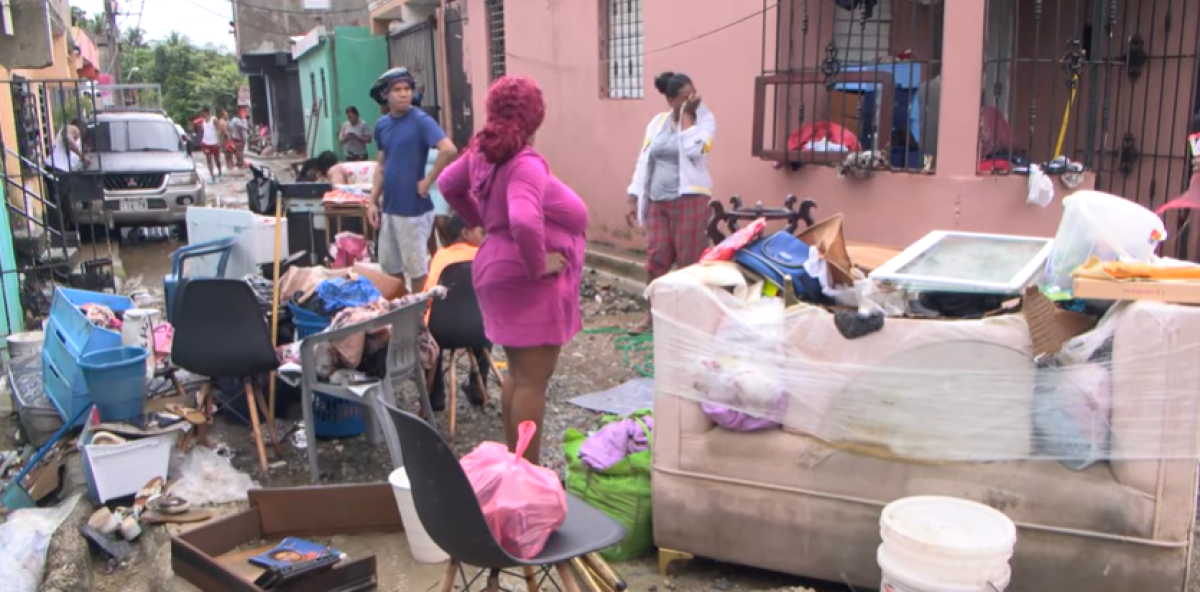
Heavy rains leave 602,666 users without drinking water.
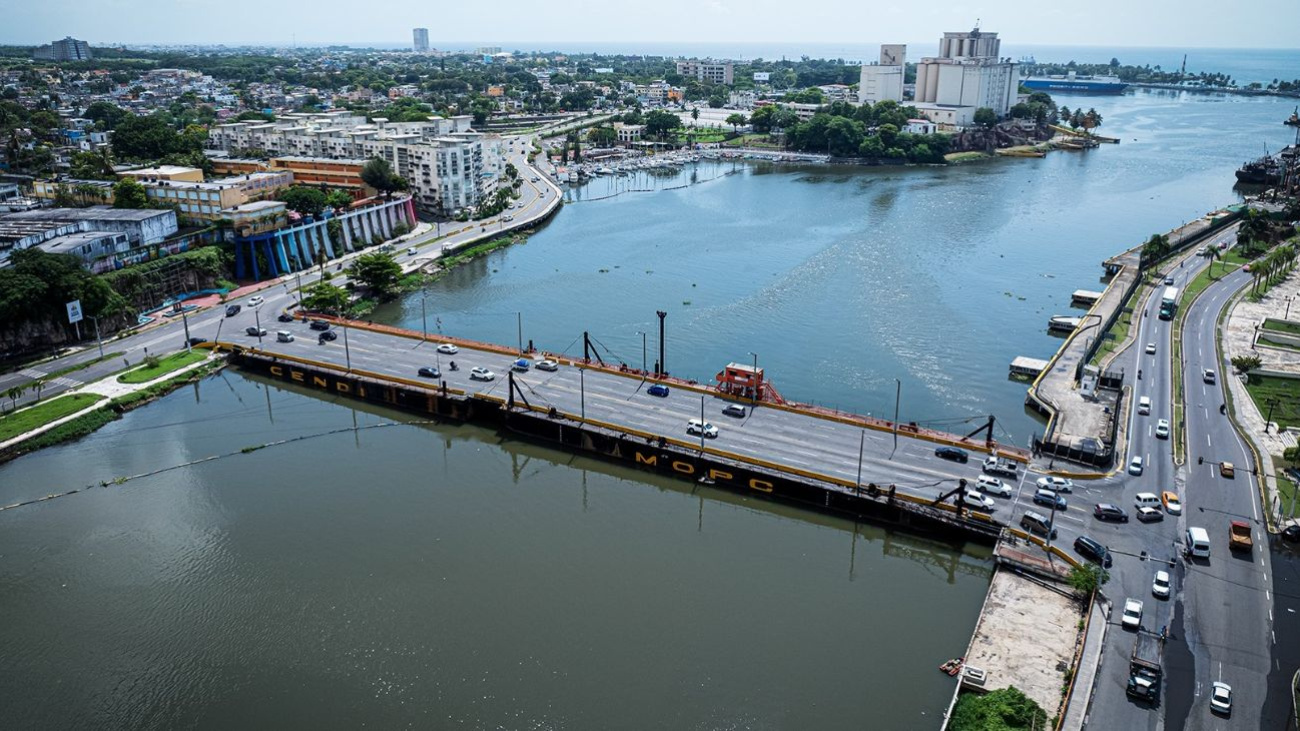
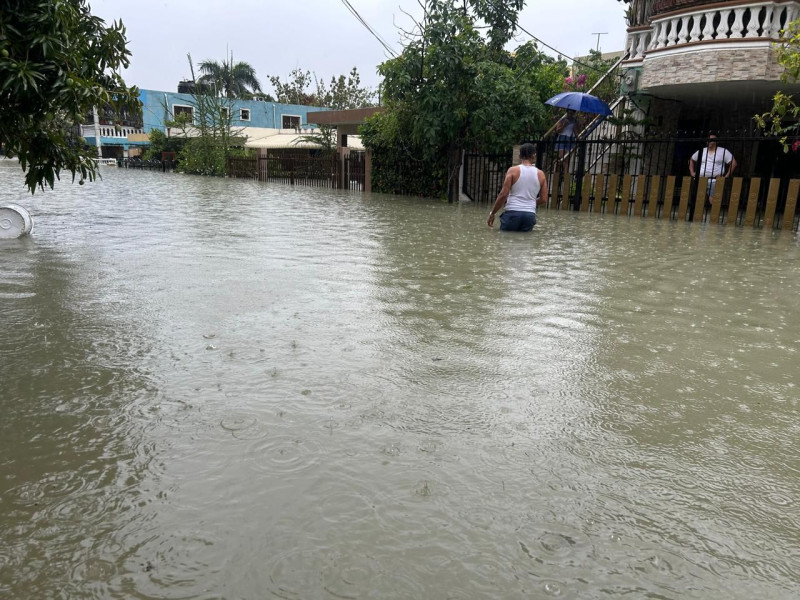
Torrential downpours swept across much of the national territory yesterday, leaving a trail of destruction in their wake. According to the latest report from the Emergency Operations Center (COE), 511 homes were damaged, 2,555 people were displaced, and 26 individuals sought shelter. The severe weather also isolated 11 communities, damaged three roads, and caused equal harm to bridges. Additionally, 32 aqueducts were impacted, with 31 completely out of service, affecting approximately 602,666 users. The Dominican Institute of Meteorology (Indomet) predicts that the rains will persist throughout the weekend, particularly in the southeast, northeast, southwest, and northwest regions, driven by an active tropical wave. These conditions will be accompanied by thunderstorms and gusty winds, especially along the Caribbean coast. Temperatures are expected to remain slightly warm, ranging from 21°C to 28°C. The COE has issued alerts for 30 provinces, warning of potential flooding in rivers, streams, and urban areas. Red alerts are in place for Azua, San José de Ocoa, San Cristóbal, Santo Domingo, and the National District, while yellow alerts cover several other regions. Green alerts have been issued for Independencia, Elías Piña, Montecristi, and others. Meanwhile, Hurricane Humberto, located 690 km northeast of the Leeward Islands, has intensified but poses no threat to the Dominican Republic. The Ministry of Public Works and Communications (MOPC) reported significant damage to road infrastructure due to overflowing rivers and urban flooding. In La Altagracia, streets were inundated, and 26 homes were flooded in Verón-Punta Cana. A fallen tree on the Higüey-Anamuyita highway disrupted traffic, though it was later cleared. In San Pedro de Macorís, urban flooding affected several neighborhoods, and the Soco River’s overflow isolated multiple communities. Tragically, a bridge collapse in Monte Plata resulted in one fatality. Landslides and road blockages were reported in Los Cacaos de San Cristóbal, while 160 homes were flooded in Azua, displacing 774 people. In San José de Ocoa, trucks carrying vegetables were stranded due to a landslide, and flooding in Pedernales, Jimaní, and La Descubierta damaged crops. Santiago also experienced widespread flooding in various neighborhoods.
-

How long will the rains continue and what measures will be taken to avoid unfortunate situations?
The Dominican Republic is currently experiencing intense rainfall, driven by an active tropical wave and a low-lying trough, with forecasts predicting the downpour to persist until Saturday. Gloria Ceballos, director of the Dominican Institute of Meteorology (Indomet), provided updates on the situation, noting that preliminary reports indicate rainfall exceeding 200 millimeters (mm) in the southwest region within a 24-hour period. Additionally, provinces such as Enriquillo, Barahona, and Azua have recorded 146 mm of precipitation. Ceballos emphasized that data collection on rainfall accumulation from inland areas is ongoing. In response to the adverse weather conditions, the Emergency Operations Center (COE) has issued a series of safety guidelines for the public. These include seeking shelter in secure locations, properly disposing of trash to prevent blockages, securing loose items on balconies and windows, avoiding flooded streets, refraining from touching electrical poles or cables, driving cautiously with lights on, and steering clear of rivers and streams with high water volumes. The COE urges residents to adhere to these measures to mitigate risks during the rainy season.
-

The damage caused by the rains in the Dominican Republic
The Dominican Republic is facing significant challenges as heavy rains, driven by an active tropical wave and a trough, have caused widespread flooding and displacement across several regions. According to the Emergency Operations Center (COE), 1,781 people have been forced to evacuate their homes. The municipal district of El Rosario in Azua province is among the hardest-hit areas, with the Tábara River overflowing and flooding approximately 160 houses, displacing 774 residents. The Civil Defense has established a shelter at the Liceo Gregorio Luperón, currently housing 26 individuals from nine families. La Altagracia has also reported 26 flooded residences, with urban flooding severely affecting areas like Veron, Bavaro, Cortesito, and Sabana de Los Martinez. In San Pedro de Macorís, malfunctioning drainage systems have led to flooding in multiple sectors, including Placer Bonito and Barrio Mexico. Additionally, the Soco River’s overflow has partially isolated several communities. Santiago has seen flooding in numerous sectors, with 150 houses partially submerged. The National Institute of Drinking Water and Sewerage (Inapa) reported that 10 aqueducts are out of service, leaving 179,256 users without water. The Ministry of Public Works and Communications (MOPC) has also noted damage to road infrastructures due to overflowing rivers and urban flooding. The COE has issued safety guidelines for residents, advising against crossing flooded areas, disposing of garbage properly, and driving cautiously during the ongoing crisis.
-

What measures are hospitals taking to deal with the effects of the tropical wave?
The National Health Service (NHS) announced on Friday that public hospitals across the country have been fortified as a proactive response to the ongoing tropical wave, which has been causing persistent rainfall nationwide. This initiative aims to ensure uninterrupted and high-quality healthcare for the population during this period of heightened weather activity. Yocasta Lara, Director of SNS Hospital Centers, detailed that Emergency and Disaster Committees have been activated in hospitals under the Regional Health Services of Ozama, Valdesia, and El Valle, in alignment with the latest weather advisories. Health centers are intensifying their prevention and preparedness measures, which include thorough cleaning and maintenance of infrastructure, as well as the provision of essential medications, supplies, water, and cleaning materials. Additionally, security has been enhanced in emergency zones, with comprehensive inspections of power plants, water and fuel reservoirs, and the protection of critical medical equipment, computers, and documents. Hospital directors in the affected regions have been directed to commence medical shifts at 2:00 p.m. today. These concerted efforts underscore the NHS’s unwavering commitment to safeguarding public health, particularly during adverse atmospheric conditions that could pose significant health risks.
-

Paracetamol does not cause autism, says expert
Santo Domingo – The World Health Organization (WHO) has officially stated that there is no scientific evidence connecting the use of paracetamol during pregnancy to autism in children. This declaration comes in response to recent assertions made by former U.S. President Donald Trump, who advocated for limiting the use of Tylenol (a brand of paracetamol) among pregnant women and newborns. The WHO’s stance aims to dispel misinformation and reassure the public about the safety of this widely used medication. Dr. Rafael Montero, a public health specialist, strongly criticized Trump’s comments during an interview on Esto No Tiene Nombre, labeling them as baseless and unsupported by scientific research. Montero explained that paracetamol, whose active ingredient is acetaminophen, has been safely utilized for decades with no evidence linking it to autism spectrum disorder. He attributed the increase in autism diagnoses to enhanced detection methods and greater public awareness rather than medication use. Montero also pointed out that Trump had misinterpreted a Johns Hopkins meta-analysis, presenting it as conclusive evidence when it was not. Additionally, he questioned Trump’s focus on the Tylenol brand instead of the active compound, deeming it inappropriate. Montero emphasized the importance of patients consulting their healthcare providers for medical advice, a position echoed by the Dominican Society of Gynecologists, which reaffirmed the safety of acetaminophen when prescribed.
-

Dominican Founders Abroad: We don’t just pitch, we export power
Dominican startups have long been active participants in regional pitch events across Latin America, from Bogotá to Antigua. While these platforms have provided visibility, they have also perpetuated a narrative of Dominican entrepreneurs as guests rather than leaders in the innovation economy. However, a new wave of Dominican ventures is redefining this dynamic, focusing on leverage, infrastructure, and long-term exportability rather than mere visibility.
Take Extinguisher360, a Dominican startup co-founded by Jonathan Bournigal-Read, which recently earned a spot at Guatemala’s Volcano Summit’s Startup Avenue. While such achievements are commendable, the emerging class of Dominican entrepreneurs is charting a different course. These founders are not just seeking applause; they are architecting systems designed to attract capital, shape policy, and influence markets.
The traditional pitch circuit, while valuable, has become a treadmill—a system that often filters rather than funds, extracts novelty rather than elevates innovation, and trains startups to seek approval abroad rather than build local ecosystems. This approach, akin to outsourcing, does little to foster sovereign economies.
The future of Dominican tech lies in ventures that prioritize cross-border monetization, interface with regulation, and collaborate with ministries rather than just mentors. These startups are not just pitching; they are hosting summits, attracting capital, and commanding global attention.
Three key indicators distinguish these power-building ventures: they raise capital before seeking visibility, shape market behavior rather than merely participate in panels, and create products that fundamentally alter how people spend, earn, or move. When competitors begin to study their models, it’s a sign that these startups have stopped playing the game and started writing the rules.
As Dominican innovation matures, some startups will continue to tour Latin America’s pitch festivals, while others will focus on building exportable infrastructure that invites the world in rather than begs to be let out. By 2026, the world will fly in to witness what Dominican entrepreneurs have built, marking the transition from guest to host in the global innovation economy.
-

Dominican Republic takes part in Climate Week 2025 in New York
New York – The Dominican Republic is making its presence felt at Climate Week 2025, with Max Puig, Executive Vice President of the National Council for Climate Change and Carbon Market (CNCCMC), leading the charge. Accompanied by Sara González, CNCCMC’s Technical Director and COP Vice President, the delegation is actively engaging in discussions on global climate challenges during this high-profile event, which coincides with the UN General Assembly. The forum brings together leaders from governments, businesses, academia, and civil society to address pressing environmental issues.
Beyond the forum, Puig is set to participate in high-level UN meetings alongside President Luis Abinader, focusing on sustainable development. In his remarks, Puig highlighted the Dominican Republic’s commitment to adaptation strategies, a just energy transition, and the development of national carbon markets aimed at integration with international systems. “Climate change is not a future challenge; it is a present reality,” Puig asserted, emphasizing the urgency of immediate action.
The delegation’s involvement also aligns with preparations for COP30, scheduled to take place later this year in Belém do Pará, Brazil. Puig reiterated the nation’s dedication to advancing a low-carbon, climate-resilient development model, reaffirming its active role in global climate negotiations. This participation underscores the Dominican Republic’s determination to contribute meaningfully to international efforts in combating climate change.
-

Dominican beaches overwhelmed by sargassum, citizens demand action
The Dominican Republic is grappling with a severe sargassum crisis, as vast quantities of the invasive seaweed have inundated its beaches, prompting widespread concern among citizens and environmental groups. Over the weekend, social media was flooded with images of popular coastal areas like Boca Chica, where once-clear waters have turned murky brown under layers of algae. This environmental disaster threatens not only the nation’s tourism industry but also local fishing communities and marine biodiversity.