标签: Dominican Republic

多米尼加共和国

  • Dominican music shines at gala in Panama City

    Dominican music shines at gala in Panama City

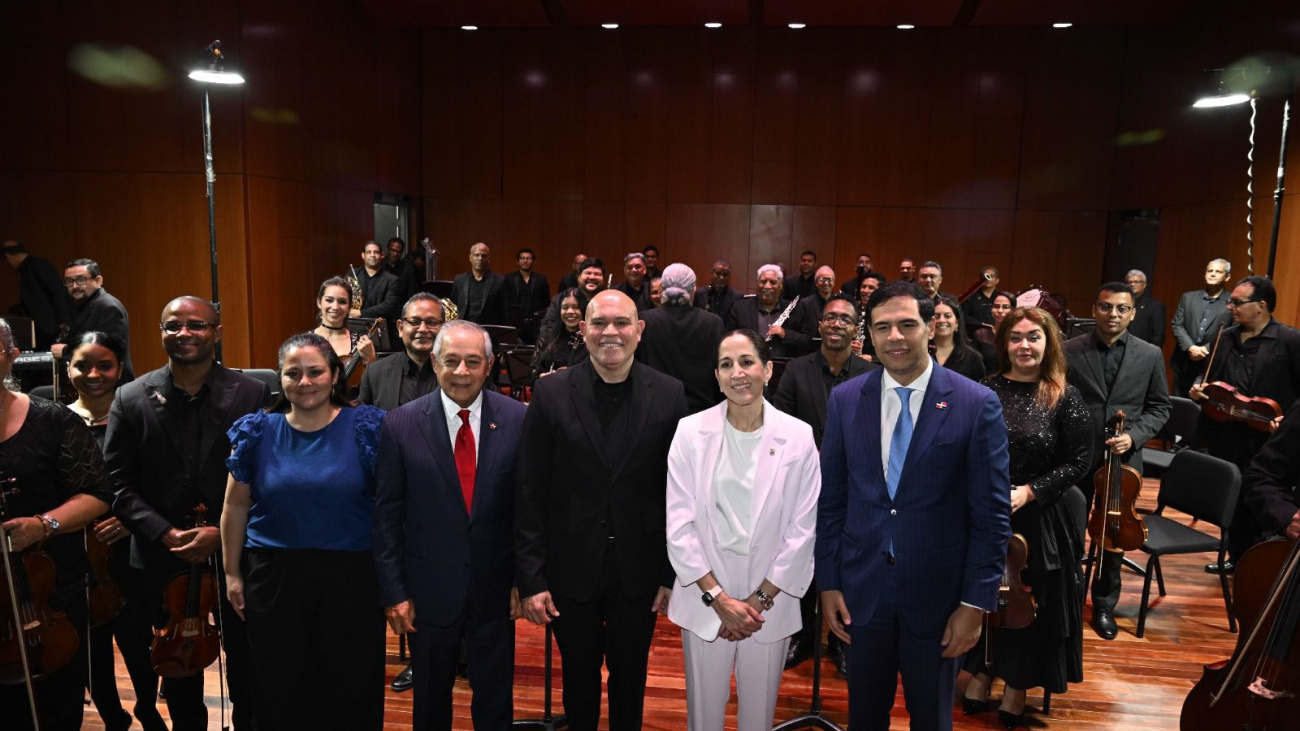
    Panama City, Panama – The beating rhythms of Dominican culture echoed through the Herbert De Castro auditorium this week, as a star-studded musical gala launched the highly anticipated Dominican Week in Panama 2026. The sold-out event turned the iconic venue into a dynamic crossroads of Caribbean and Central American culture, bringing two neighboring nations with deep shared historical ties closer together through the universal language of music.

    Headlining the evening was a one-of-a-kind collaborative performance by the National Symphony Orchestra of Panama, under the regular direction of renowned local conductor Ricardo Risco Cortez. Adding an authentic Dominican creative vision to the production, celebrated Dominican maestro Amaury Sánchez stepped in as guest conductor, infusing every piece with the distinctive emotional warmth and rhythmic nuance that defines Dominican musical heritage. Audiences and critics alike praised Sánchez’s interpretation, noting his ability to highlight the cultural specificity of each work while connecting it to broader musical traditions that resonate across borders.

    The carefully curated concert program took attendees on a chronological and thematic journey through more than a century of Dominican composition. It wove together time-honored folkloric melodies rooted in the country’s mixed African, European, and Indigenous heritage with beloved 20th and 21st century popular classics that have shaped modern Dominican identity. Featured works included compositions from legendary Dominican figures Julio Alberto Hernández, Juan Lockward, Ñico Lora, and Luis Alberti, before building to a rousing closing performance of Juan Luis Guerra’s globally iconic hit Bilirrubina. By the final note, the entire audience was on its feet, cheering for multiple encores and celebrating the energy of the performance.

    Diplomatic representatives from both the Dominican Republic and Panama were in attendance, including Dominican ambassador to Panama Roberto Salcedo. In opening remarks ahead of the performance, Salcedo emphasized that cultural exchanges like Dominican Week are far more than artistic celebrations—they serve as critical people-to-people bridges that reinforce political and economic ties between the two countries. Organizers echoed this sentiment, noting that the 2026 iteration of the annual event aims to expand awareness of Dominican cultural heritage across Central America, while creating new opportunities for artistic collaboration between creators from both nations in the years ahead.
  • EMPRO businesswomen drive economic growth and job creation in Dominican Republic

    EMPRO businesswomen drive economic growth and job creation in Dominican Republic

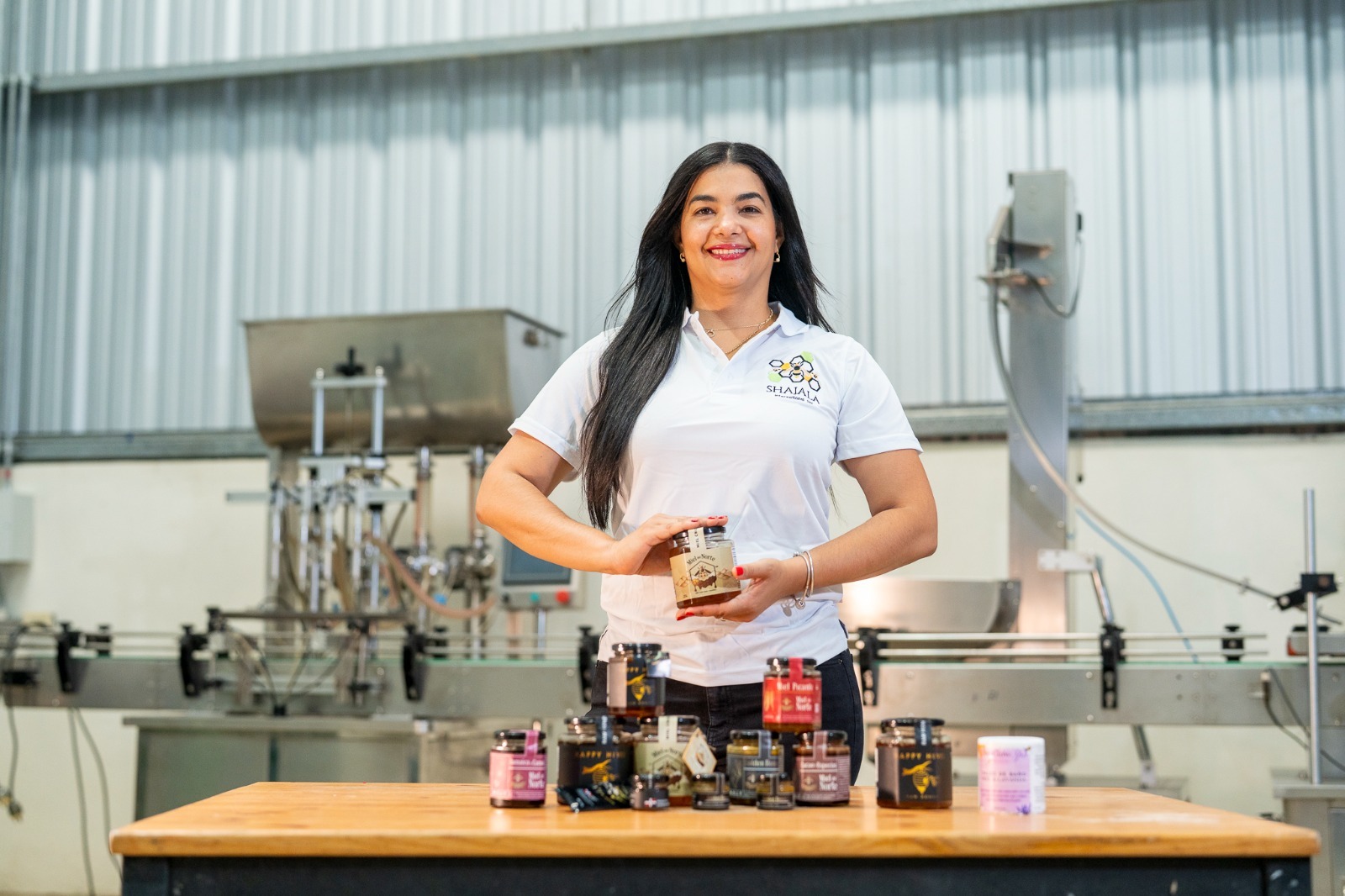
    Six months after its completion, an independent assessment has confirmed that the Empresarias Progresando (EMPRO) initiative, a women-focused business development program run by INCAE Business School in the Dominican Republic, has driven remarkable, measurable growth for female-led small and medium enterprises across the country.

    The highly competitive program selected just 49 participants out of more than 500 total applicants. Its structured curriculum combines multi-phase targeted business training with a full week of immersive in-person instruction hosted at INCAE’s campus in Costa Rica, equipping participating entrepreneurs with the skills, networks, and strategies needed to scale their operations. Early impact data collected after six months shows these investments have translated to extraordinary improvements across four core pillars of business success: revenue growth, job creation, digital transformation, and expanded access to capital.

    Economic outcomes for participants far outpace baseline expectations for typical small business development programs. Average monthly sales for participating women-owned businesses nearly tripled compared to pre-program levels, while total employment across the cohort jumped by 80 percent. In total, the program has supported the creation of approximately 450 new full and part-time jobs across the Dominican Republic, expanding local livelihoods beyond the 49 participating entrepreneurs themselves. Beyond revenue and headcount gains, 82 percent of program graduates launched new business opportunities, most through the development of original products and services that opened untapped customer markets.

    A key focus of the EMPRO initiative is closing gaps in digital and financial inclusion for women entrepreneurs, and results in these areas are equally compelling. At the start of the program, 22 percent of participants did not integrate any digital tools into their daily business operations; by the program’s conclusion, every entrepreneur had adopted digital tools for tasks ranging from sales tracking to customer outreach, positioning their businesses for long-term competitiveness in an increasingly digital economy. On the financing side, 69 percent of participants secured new capital to scale their operations, with nearly half of those loans coming through traditional banking channels, most from program partner Banco BHD. A large majority of participants also overhauled their internal financial management practices, a shift that program organizers say signals stronger operational capacity and sustainable long-term growth potential for the cohort.

    The EMPRO program is a collaborative public-private initiative, backed by funding and strategic support from three partner organizations: the Mastercard Center for Inclusive Growth, the PriceSmart Foundation, and Banco BHD. Program leaders say the strong results of the six-month evaluation make a clear case for scaling targeted investments in female entrepreneurship as a core driver of national economic competitiveness and inclusive, sustainable development across emerging markets.

  • Abinader inaugurates Renacer Plant, Caribbean’s first food-grade recycled PET facility

    Abinader inaugurates Renacer Plant, Caribbean’s first food-grade recycled PET facility

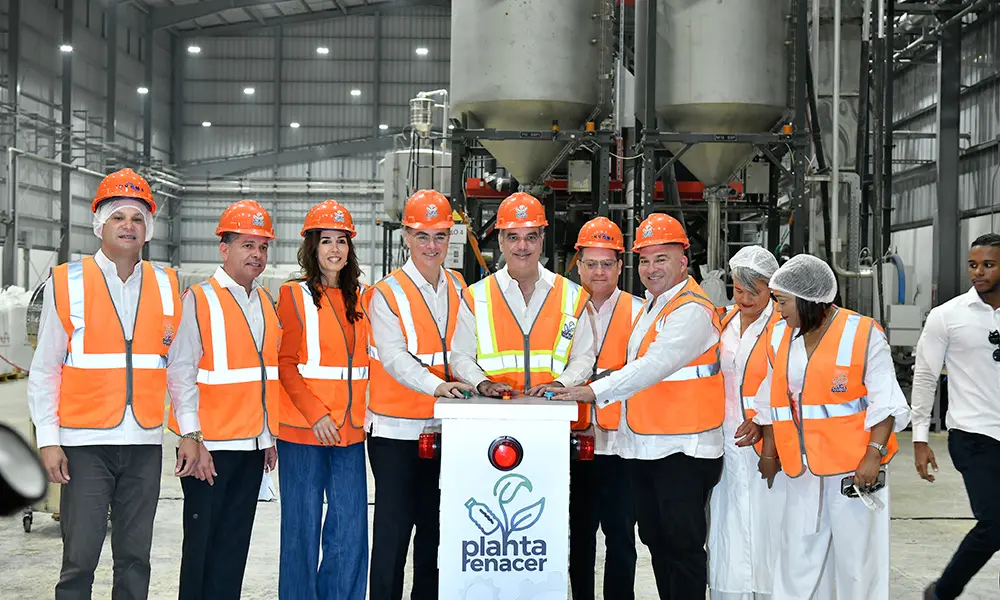
    SAN PEDRO DE MACORÍS — Dominican Republic President Luis Abinader has formally opened the Renacer Plant, a ground-breaking industrial facility that claims the title of the first food-grade recycled PET resin production plant in the entire Caribbean region.

    Nested within the Quisqueya Free Zone in San Pedro de Macorís, the landmark project is the product of a strategic partnership between two local firms, Diesco and Invema. Designed to convert millions of post-consumer plastic bottles into food-safe reusable raw material, the launch marks a transformative leap forward for the Dominican Republic’s transition to a circular economy.

    Backed by a total investment of more than 3 billion Dominican pesos, the facility boasts an annual processing capacity of over 124 million plastic bottles. Beyond its industrial output, the plant is projected to create more than 500 direct job positions and support up to 5,000 indirect employment opportunities across the country’s recycling and supply chains.

    Government officials have outlined multiple economic and environmental benefits tied to the initiative. By strengthening the entire domestic recycling value chain, the plant cuts the Dominican Republic’s reliance on imported virgin PET resin, while unlocking new export opportunities for the high-quality recycled output it produces. Environmental gains are equally significant: the facility will prevent thousands of tons of carbon dioxide emissions annually by keeping plastic waste out of landfills and ecosystems, and reducing the carbon footprint associated with producing new plastic.

    Both public officials and private sector leaders point to the Renacer Plant as a powerful testament to rising investor confidence in the Dominican Republic’s economic and regulatory landscape. The project also stands as a model of successful public-private collaboration, blending government support for sustainable industrial development with private sector innovation and investment.

    In addition to its core industrial and economic impacts, the facility is designed to drive long-term community development in the San Pedro de Macorís region. It will host vocational training programs for local workers, operate an on-site medical dispensary for community use, and open an educational recycling museum to raise public awareness about circular economy practices. These complementary initiatives are expected to cement San Pedro de Macorís’ position as a regional hub for sustainable industrial innovation across the Caribbean.

  • Abinader announces fuel prices will remain unchanged this week

    Abinader announces fuel prices will remain unchanged this week

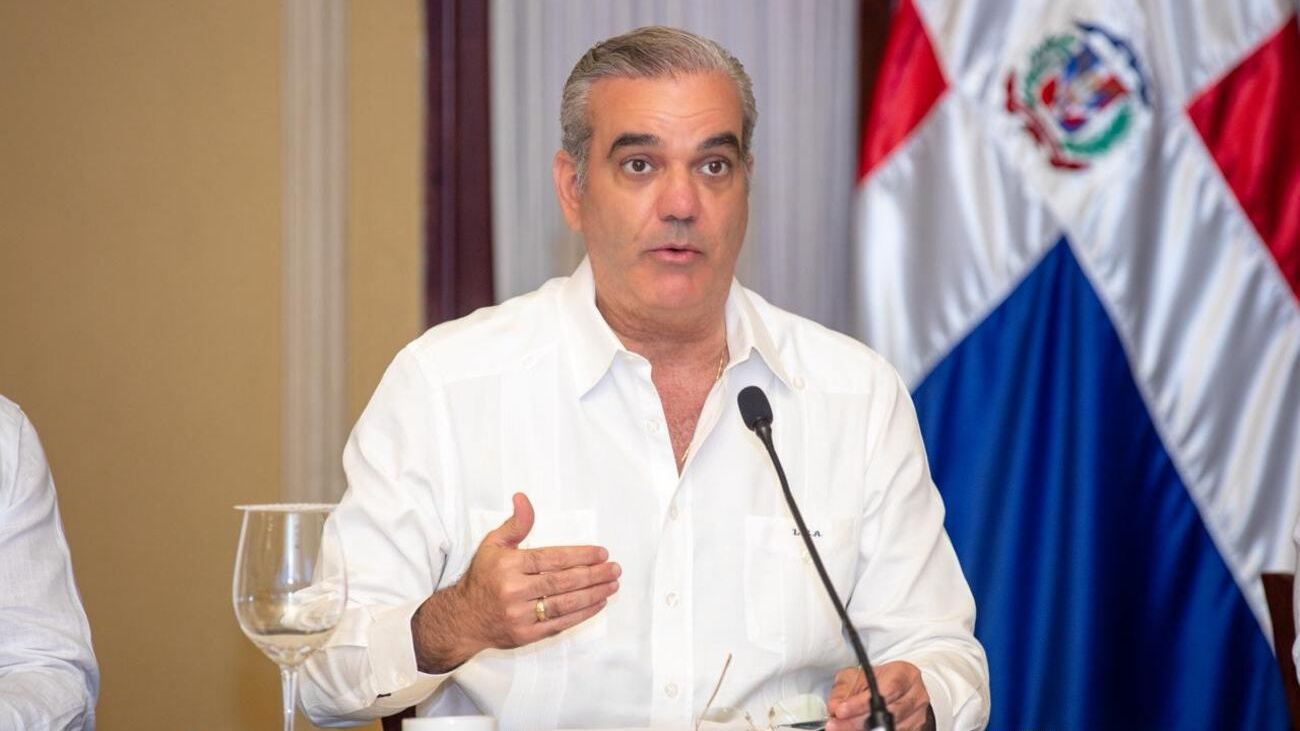
    In the Dominican Republic’s capital of Santo Domingo, President Luis Abinader has unveiled a series of coordinated government measures designed to shield consumers from the ripple effects of global economic turbulence, with a particular focus on stabilizing costs for hydrocarbon-linked essential goods.

    As an immediate, tangible step to ease household financial strain, Abinader confirmed that retail fuel prices will hold steady at their current levels for the coming week. To build long-term, collaborative solutions, the administration has already convened initial roundtable discussions with leaders from the country’s core productive sectors, and plans to continue these negotiations on a regular basis going forward. The next scheduled negotiating session is set to take place in approximately two weeks.

    The overarching objective of these multi-stakeholder talks is to avoid passing the full weight of spiking international commodity costs onto end consumers, with a deliberate policy priority on protecting low-income and vulnerable communities that are most sensitive to price swings. Beyond the general working groups, Dominican officials are also preparing targeted one-on-one consultations with individual sectors that have already recorded unplanned price increases, with the aim of co-developing customized price control mechanisms that work for both businesses and consumers.

    The opening round of talks brought together leadership from all of the country’s most influential private sector and business organizations, including the National Council of Private Enterprise (CONEP), the Association of Industries of the Dominican Republic (AIRD), the National Organization of Commercial Entrepreneurs (ONEC), the National Union of Economic Supermarkets (UNASE), and the Agricultural Business Board (JAD). The ongoing collaboration between government and private enterprise comes amid persistent upward pressure on global oil markets, which has created cascading challenges for maintaining stable prices across food, consumer goods, and essential services in small open economies like the Dominican Republic.

  • Authorities seize 151 cocaine packages off Baní coast

    Authorities seize 151 cocaine packages off Baní coast

    In a coordinated multi-agency anti-narcotics operation off the Caribbean coast of the Dominican Republic, authorities have confiscated 151 packages of cocaine and taken two suspects into custody, marking a significant blow to regional drug trafficking networks operating in the area.

    The interdiction effort was centered in waters south of Baní, the main city in Peravia province, and led by the Dominican National Drug Control Directorate (DNCD). The operation kicked off after intelligence analysts received credible tip-offs about an unregistered suspicious vessel that had entered the country’s exclusive maritime territory. To maximize the operation’s chance of success, DNCD brought in cross-service support from the Dominican Navy, Air Force, national intelligence units, and the Public Ministry, deploying coordinated assets across air, sea and land domains.

    Several nautical miles off the Baní coast, interception units tracked and stopped a high-speed “go-fast” boat, a vessel type commonly used by drug traffickers for rapid smuggling runs. On board, teams found two Dominican national crew members, who were taken into immediate custody. Alongside the 151 bales of cocaine, investigators also seized the 32-foot smuggling vessel itself, along with bulk fuel containers, encrypted communication gear, multiple mobile phones, and GPS navigation devices specifically configured for covert maritime smuggling routes.

    In the aftermath of the interception, senior law enforcement officials noted that there is evidence to suggest the crew may have jettisoned additional drug packages into the open ocean before being intercepted. Search and recovery teams are currently conducting extended sweep operations along the nearby Peravia coastline to locate any discarded contraband. Formal investigations are still ongoing to map out the full smuggling network behind the shipment, which intelligence officials believe is connected to larger trafficking groups that move cocaine produced in South America through Caribbean transit routes toward North American and European markets.

    The seized cocaine has already been transferred to national forensic institutions to undergo purity and weight testing to confirm the total seizure volume. The two arrested suspects remain in official judicial custody as investigators continue to build their case against the broader criminal organization.

  • Disney Cruise Line adds Dominican Republic to Caribbean itineraries

    Disney Cruise Line adds Dominican Republic to Caribbean itineraries

    At the annual Seatrade Cruise Global industry conference held in Miami, a landmark announcement that promises to reshape Caribbean cruise tourism has emerged: Disney Cruise Line will officially add the Dominican Republic to its regular Caribbean voyage routes starting this November. This move marks a significant win for the Dominican Republic’s fast-growing travel and hospitality sector, with Disney vessels set to make regular port calls at Taíno Bay, the modern cruise terminal located in Puerto Plata – one of the northern Dominican Republic’s most rapidly expanding leisure and tourism hubs.

    Dominican Republic’s Minister of Tourism David Collado emphasized that the entry of a globally renowned brand like Disney Cruise Line represents a transformative milestone for the country’s cruise industry. Unlike mass market cruise operators that cater to lower-budget travelers, Disney typically attracts higher-spending international visitors, a demographic that will deliver greater revenue gains for local businesses from hospitality to artisanal retail. Beyond direct economic benefits, Collado noted that the partnership also cements the Dominican Republic’s standing as one of the Caribbean’s premier cruise destinations, setting it apart from competing regional markets.

    Industry analysts and tourism officials project that Disney’s decision will trigger a ripple effect of positive growth across the country’s tourism ecosystem. It is expected to drive a measurable uptick in overall visitor arrivals, create new local jobs tied to cruise tourism, and advance the government’s ongoing push for sustainable, long-term tourism development.

    This addition is not an isolated win: it builds on the Dominican Republic’s growing roster of partnerships with major global cruise lines, and reinforces the country’s position as a central strategic hub for Caribbean cruise routes. While at Seatrade Cruise Global, the Dominican Republic’s tourism delegation also held a series of high-level closed-door meetings with other top industry leaders, used the event to showcase the country’s diverse tourism offerings – from tropical beaches to historic cultural sites – and laid the groundwork to attract additional cruise operator partnerships in the coming years, with the ultimate goal of expanding the country’s global visibility in the competitive international cruise market.

  • Government unveils renovated Gymnastics Pavilion for 2026 Games

    Government unveils renovated Gymnastics Pavilion for 2026 Games

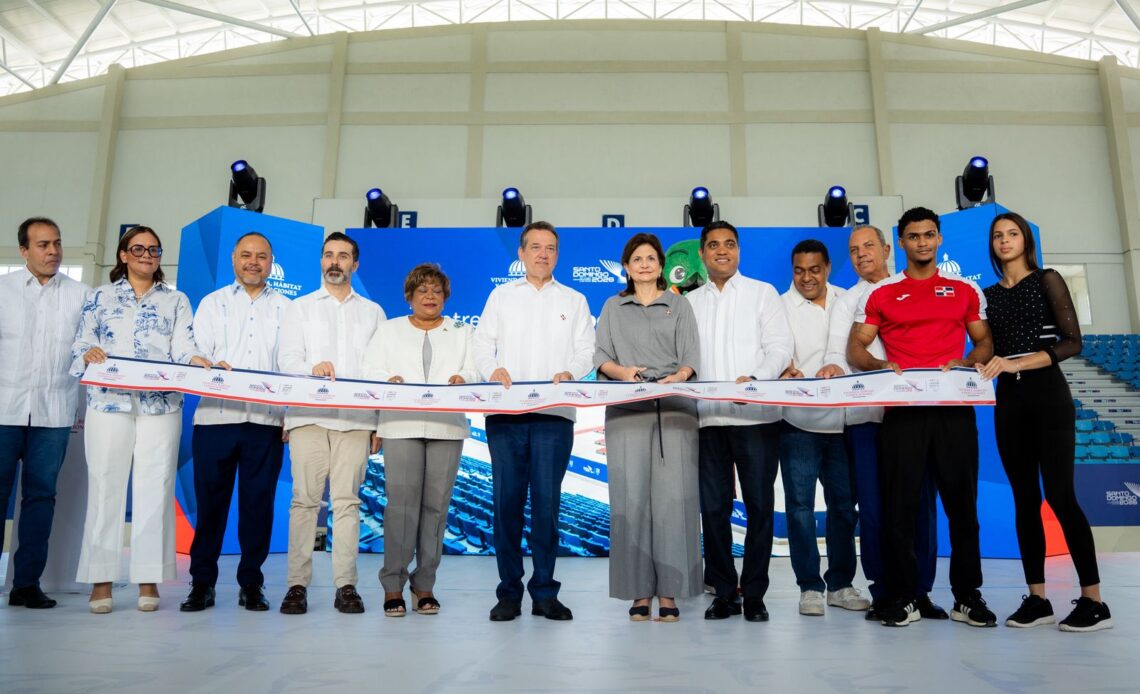
    Less than 100 days out from the 2026 Central American and Caribbean Games, the Dominican Republic has marked a major milestone in its preparation push with the official opening of the fully upgraded Gymnastics Pavilion at Santo Domingo’s Parque del Este. The inauguration ceremony was led by the country’s Vice President Raquel Peña and Housing Minister Víctor “Ito” Bisonó, capping off a comprehensive renovation project that transforms the venue into a modern, elite-level sporting space.

    Speaking at the event, government and sports leaders emphasized that the renovation wrapped up on schedule, and the facility now meets every international technical standard required to host elite regional competition. Sports Minister Kelvin Cruz confirmed that all preparation work for the 2026 games remains on track, with the newly finished pavilion checking every box on the organizing committee’s requirements. José P. Monegro, president of the games’ Organizing Committee, called the upgraded pavilion one of the most cutting-edge gymnastics venues across the entire Central American and Caribbean region.

    The renovation project received an investment of more than 260 million Dominican pesos, which went toward a series of critical upgrades. The expanded layout now includes larger dedicated competition zones and separate warm-up areas, upgraded spectator seating that can accommodate more than 3,600 attendees, modern visitor amenities, and state-of-the-art technology systems to support events and athlete training.

    Beyond the 2026 games, government officials stressed that the renovated pavilion is designed to leave a lasting positive impact on the Dominican Republic. Long after the closing ceremony of the regional event, the venue will serve as a permanent hub for domestic sports development and youth athlete training across the country.

  • AILA to launch sunflower program for hidden disabilities

    AILA to launch sunflower program for hidden disabilities

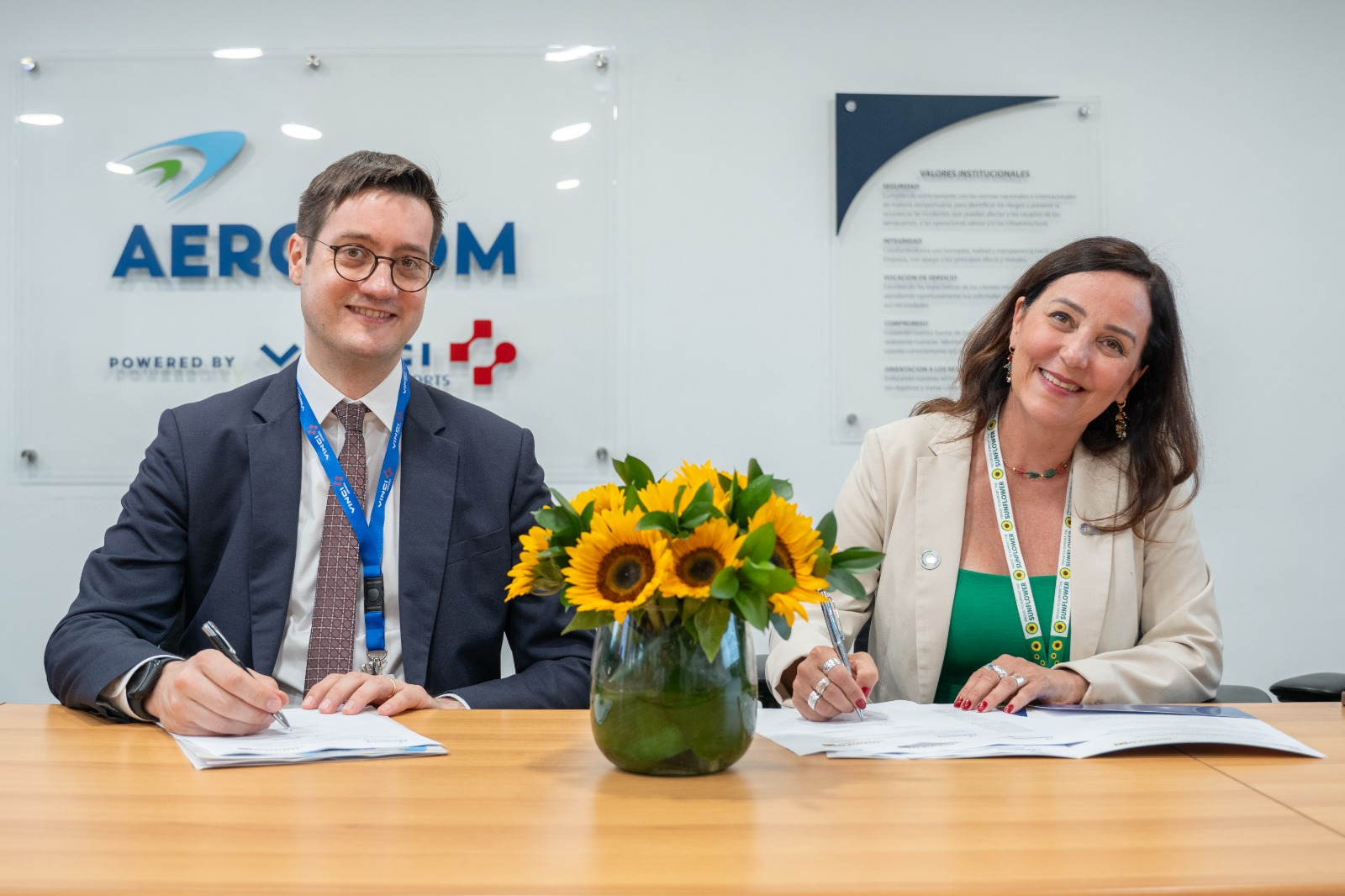
    Passengers traveling through the Dominican Republic’s busiest air hub will soon gain a new, discreet tool to access personalized support, as local airport operator Aerodom partners with the Hidden Disabilities Sunflower organization to roll out the sunflower lanyard initiative in the coming weeks.

    A subsidiary of global airport infrastructure leader VINCI Airports, Aerodom is bringing a proven, widely adopted accessibility program to Las Américas International Airport (AILA) in Santo Domingo. The scheme, already active at more than 240 airports across the globe, fills a critical gap for millions of travelers living with non-visible disabilities. Conditions including autism spectrum disorder, epilepsy, chronic anxiety, and other mental health conditions often do not present obvious outward signs, leaving many travelers hesitant to ask for help or explain their specific needs. The sunflower lanyard acts as a quiet, universal signal that a passenger may require extra assistance, eliminating the need for them to disclose personal medical details to access support.

    Under the terms of the new partnership, the lanyards will be available completely free of charge at AILA’s dedicated passenger assistance desk. Critically, no medical documentation or formal diagnosis will be required to obtain a lanyard, removing unnecessary barriers for travelers who need the program’s support. In addition to distributing the lanyards, Aerodom has committed to rolling out comprehensive training for all frontline airport staff, third-party service partners, and on-site operators. The training will focus on equipping personnel to recognize the lanyard and provide appropriate, respectful support that aligns with each traveler’s needs.

    The sunflower lanyard initiative is not an isolated accessibility effort, but rather a core addition to Aerodom’s ongoing, company-wide accessibility strategy that aligns with parent company VINCI Airports’ global inclusion standards. This new program also complements the major expansion project currently underway at AILA, the Dominican Republic’s busiest and most important international entry point. The expansion, centered on the construction of an all-new terminal, is designed to boost the airport’s overall passenger capacity and upgrade passenger services across the board for all travelers in the years ahead.

  • Government delivers RD$178 million for athletes ahead of XXV Central American and Caribbean Games

    Government delivers RD$178 million for athletes ahead of XXV Central American and Caribbean Games

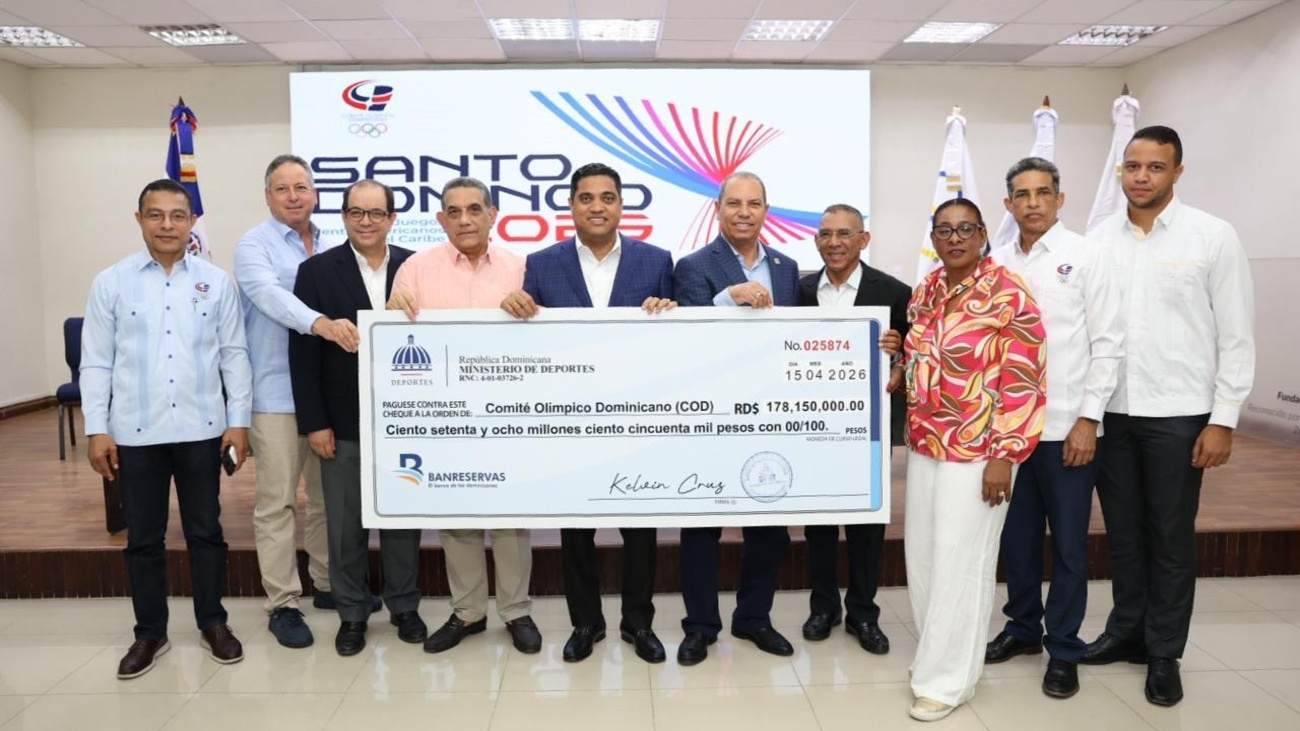
    SANTO DOMINGO — In a critical step forward for pre-event preparations, Dominican Republic’s Minister of Sports Kelvin Cruz has formally issued a fourth round of government funding to the Dominican Olympic Committee (COD) to support Dominican athletes training for the 2026 Central American and Caribbean Games, which will be hosted on local soil in Santo Domingo.

    The official handover ceremony, held at COD headquarters, saw Cruz transfer RD$178.1 million to Garibaldy Bautista, the president of the organization. With this latest allocation, the total government investment in the country’s preparations for the 2026 regional games has risen to RD$743.8 million, after three earlier disbursements that combined to more than RD$565 million.

    Speaking at the event, Cruz laid out how the new injection of capital will benefit the country’s athletic pipeline: the funds will be directed toward expanding and strengthening existing athlete training programs, as well as enabling the recruitment of high-caliber, specialized coaching staff from around the region. Cruz stressed that intentional, well-resourced preparation is the non-negotiable foundation for both successfully hosting the multi-sport event and delivering strong competitive results on behalf of the nation.

    He also drew attention to the unwavering commitment of Dominican President Luis Abinader to the project, noting that the administration has prioritized securing the resources needed to put on a well-organized, world-class competition and position Dominican athletes for success.

    Leadership at the COD has voiced strong approval of the timely government support, emphasizing that consistent, predictable funding is essential to keeping training on track and maintaining elite-level readiness among the country’s top athletes ahead of the 2026 games. COD representatives added that this sustained investment gives the organization the stability it needs to plan long-term and maximize Dominican chances of earning top finishes at the regional competition.

  • Government announces first auction of assets seized from criminal networks

    Government announces first auction of assets seized from criminal networks

    In a groundbreaking step toward combating organized crime and redirecting illicit gains toward public welfare, the Dominican Republic is preparing to host its nation’s first-ever public auction of assets confiscated from transnational and domestic criminal networks. This unprecedented initiative, spearheaded by the National Institute for the Custody and Administration of Seized and Confiscated Assets (INCABIDE), is rooted in the country’s current legal framework, with a clear mission to turn illegally obtained property into sustainable funding for community-focused social programs.

    Slated to take place on May 13 at the Autonomous University of Santo Domingo, the upcoming auction features a diverse catalog of seized properties ranging from private aircraft and luxury yachts to residential and commercial real estate, high-end vehicles, and premium jewelry. All items up for bid have been definitively linked to serious criminal activities, including large-scale drug trafficking, cross-border money laundering, and public sector corruption, authorities confirmed.

    For individuals and entities interested in participating, the Dominican government has outlined clear registration requirements. All bidders must complete their registration in person by May 1 at INCABIDE’s headquarters located in Arroyo Hondo Viejo, and submit a non-refundable registration fee of 5,000 Dominican pesos (RD$). For high-value assets with a minimum valuation exceeding RD$5 million, participants are additionally required to put down a 10% deposit of the asset’s base value to secure their bidding eligibility.

    Officials leading the initiative have stressed that every asset included in the auction has completed the full legal adjudication process outlined under the country’s Law 60-23, guaranteeing that successful buyers will receive full, clear and unencumbered ownership of their purchases. Once the auction concludes, all net proceeds will be allocated exclusively to crime prevention initiatives and social compensation programs designed to support communities harmed by criminal activity.

    This landmark event is widely viewed as a pivotal milestone for the Dominican Republic’s anti-crime and governance reform efforts, demonstrating the government’s commitment to increasing institutional transparency and turning criminal assets into resources that deliver tangible benefits to the general public, rather than allowing illicit gains to remain in the hands of criminal networks.