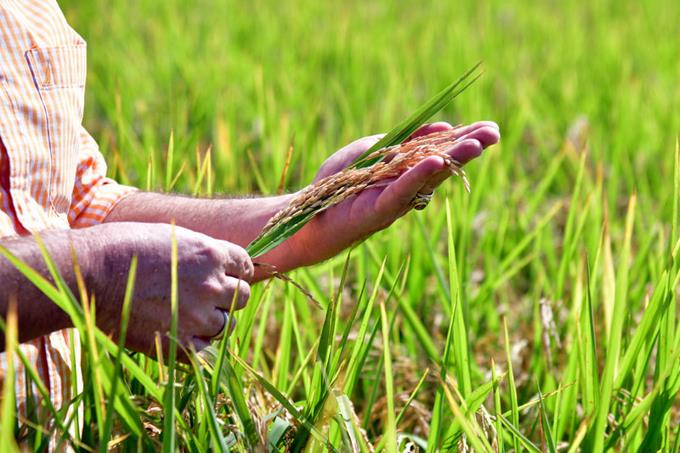
SANTO DOMINGO – In a landmark announcement at the official launch of the national rice harvest, Dominican Republic’s Agriculture Minister Francisco Oliverio Espaillat Bencosme has confirmed that the nation has become the top rice producer across the Caribbean and Central America – outpacing the combined output of every other country in the entire region.
Beyond breaking new production records, Minister Espaillat Bencosme emphasized that the country has achieved full food security for its population. Currently, the Dominican Republic holds more than 5 million quintals of rice in strategic storage, a reserve that does not even include grain from harvests currently underway. The minister reaffirmed that rice has retained its status as a core component of traditional Dominican diets, serving as a foundational pillar that supports both national food security and broader social stability.
Recent production data underscores the agricultural sector’s extraordinary momentum. By the end of March, local farmers had planted roughly 1.4 million tareas of rice, with early harvesting operations already delivering yields of more than 5.44 quintals of white rice per tarea. For the 2025 production cycle, total output hit 14.78 million quintals of rice – a volume equal to more than one million metric tons of paddy rice. Industry leaders credit this strong performance to widespread adoption of agricultural mechanization, widespread adoption of innovative growing techniques, and continuous improvements to sustainable farming practices across the supply chain.
Government officials note that this production milestone did not happen by accident. Widespread growth across the rice sector is traced back to targeted, effective agricultural policy frameworks rolled out by the national government, paired with unwavering commitment and investment from local smallholder and large-scale producers alike. The achievement not only solidifies the Dominican Republic’s undisputed leadership in regional rice production, but also strengthens the country’s long-term food security strategy, creating a more resilient foundation for future growth.