标签: Dominica

多米尼克

  • Musical Mélé returns after 6 year hiatus

    Musical Mélé returns after 6 year hiatus

    Dominica’s beloved curated music showcase Musical Mélé is set to return to the stage on August 9, 2026, bringing its signature blend of mid-century pop and jazz back to live audiences after a six-year break from public productions.

    Founded two decades ago, Musical Mélé has built a strong reputation across the island as a platform that elevates both established and emerging local Dominican artists. Centered on celebrating timeless pop and jazz ballads from the 1960s and 1970s, the showcase has earned consistent public acclaim for the high quality, thematic cohesion, and diverse programming of its past events. For years, the annual production has drawn loyal crowds of music lovers who come to experience refined live entertainment rooted in classic musical traditions.

    The six-year hiatus that paused Musical Mélé’s run stemmed from a persistent lack of suitable performance space on the island. The showcase’s intimate, curated format requires a formal theatre-style setting, and for most of the group’s history, productions were hosted at Dominica’s Arawak House of Culture. However, long delays to the venue’s scheduled refurbishment project left the space unavailable, forcing organizers to put the event on hold indefinitely.

    In response to overwhelming demand from loyal audience members and long-time partners who have supported the showcase for decades, organizers finally began searching for a viable alternative venue. That search led them to St. Gerard’s Hall, the new home for this long-awaited comeback production.

    Organizers have extended a warm invitation to all lovers of fine live music and classic jazz and pop to join the renaissance of Musical Mélé on August 9. The event will kick off at 6:00 PM, marking a joyful return of curated, refined entertainment to Dominica’s cultural calendar and reconnecting the showcase with the community that has supported it for 20 years.

  • Dominica opens historic FIBA AmeriCup Pre-Qualifiers campaign against Turks and Caicos

    Dominica opens historic FIBA AmeriCup Pre-Qualifiers campaign against Turks and Caicos

    For the small Caribbean nation of Dominica, July 9, 2026 marks a groundbreaking moment for its domestic basketball scene. The country’s senior men’s national team, affectionately nicknamed the Bouyon Ballers, is set to step onto the international court for the first time in this qualifying cycle, tipping off their campaign at the FIBA AmeriCup 2029 Caribbean Pre-Qualifiers against the Turks and Caicos Islands.

    The opening tip-off is scheduled for 5:30 PM local time, kicking off what basketball stakeholders across Dominica hope will be a successful run through the regional competition. In an official press statement shared by the Dominica Basketball Association (DBA), the association emphasized that this tournament is far more than just a series of games for the country’s athletic community—it represents a long-awaited milestone that will shape the future of Dominican basketball.

    “This opportunity gives our top domestic talents a chance to test their skills against high-caliber regional opponents on a globally recognized stage,” the statement noted. “Regardless of how our opening match unfolds, the experience and international exposure our program gains from this competition will drive sustained growth for basketball at all levels across Dominica.”

    As the team makes final preparations to represent their nation, they carry with them the overwhelming support of basketball fans across the country and the large Dominican diaspora spread across the globe. To ensure no supporter misses the historic debut, organizers have arranged for a free live stream of the opening matchup to be broadcast on YouTube. This access allows fans both unable to attend in-person and those living overseas to follow every play as the Bouyon Ballers begin their journey toward a spot in the 2029 FIBA AmeriCup tournament.

  • OP-ED: Building a stronger agricultural future through innovation, labour mobility and youth engagements

    OP-ED: Building a stronger agricultural future through innovation, labour mobility and youth engagements

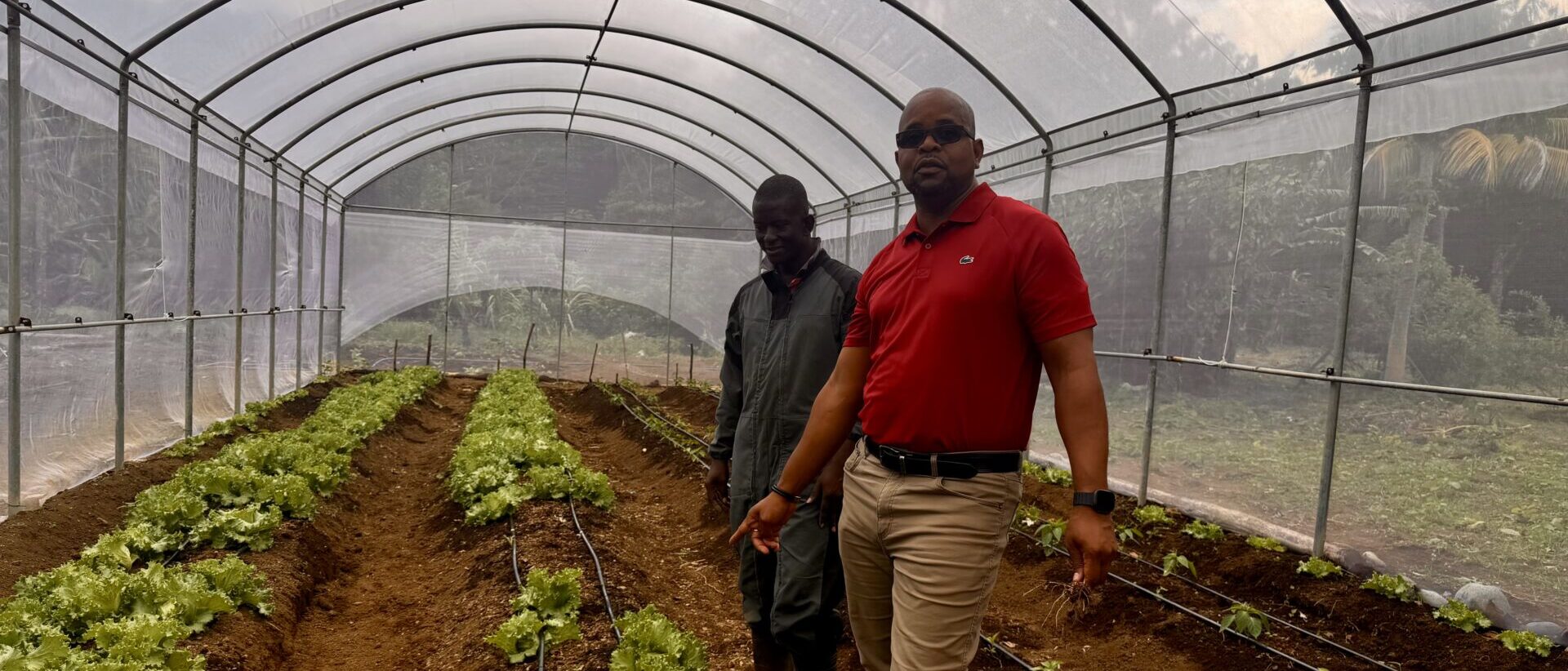
    Perched on a sunlit hillside in Cochrane, neat rows of lush lettuce, vibrant bell peppers, plump tomatoes, golden corn and starchy plantains spread across rolling terrain, framed by bright green commercial greenhouses. This working farm is more than just a production site—it is the proving ground for Dominica’s approach to agricultural transformation, where the island nation’s Minister of Agriculture, Fisheries, Blue and Green Economy, Honourable Roland Royer, embodies the “leadership by example” philosophy that anchors the country’s national agricultural agenda.

    “I practice what I preach,” Royer states plainly as he navigates between crop rows on the farm he still actively manages while holding public office. “If you’re going to stand before farmers and advocate for new policies, you need to live the challenges they face every day. You can’t craft effective solutions from behind a desk.”

    This on-the-ground perspective has shaped a wave of targeted policy interventions designed to tackle three of Dominica’s most pressing agricultural priorities: strengthening national food sovereignty, lifting overall sector productivity, and solving the crippling, long-standing crisis of agricultural labour shortages.

    At the forefront of these efforts is the Farm Labour Programme, a structured initiative developed in partnership with the International Organization for Migration (IOM) that creates a regulated, legal pathway for migrant workers to fill critical gaps in Dominica’s agricultural workforce. For Royer, the programme grew directly from observations he made while visiting farms across the island—including his own.

    “Labour scarcity was the single largest barrier to growth we identified,” he explains. “If we are serious about hitting our 2030 target of growing agriculture’s contribution to national GDP to EC$700 million, we need a workforce that can support that expansion. There was no way around solving this problem first.”

    Since launching in mid-2025, the programme has already streamlined legal entry for more than 200 migrant agricultural workers, supporting the operations of more than 60 small and medium-scale farmers across the country. The application process is designed to ensure transparency and legitimacy: farmers submit formal workforce requests to the Ministry of Agriculture, which conducts on-site assessments to confirm the operational need for additional labour. Approved applications are then reviewed by a cross-government Migrant Farm Labour Committee, with representatives from the ministries of Agriculture, Labour, National Security, and Foreign Affairs, before work visas are issued.

    This structured framework was built to meet a dual core goal: strengthening national governance of labour migration while opening sustainable pathways that drive inclusive economic growth and long-term sector resilience. Early results have already exceeded initial expectations, Royer says.

    “Farmers are already reaching out to share success stories—photos of expanded harvests, accounts of consistent production that they couldn’t maintain before, and clear proof of how these workers have lifted their productivity,” he reports.

    One of the clearest success stories plays out every day on Royer’s own Cochrane farm, where Jean Louis Maxi, a Haitian national with 24 years of residency in Dominica, manages crops and oversees daily production alongside his wife. For Maxi, farming is not just employment—it is a lifelong passion rooted in his upbringing.

    “My father was a farmer back in Haiti,” he says. “I grew up working the land. It’s part of who I am. If I couldn’t come to the farm every day, I would feel unwell—this is what I love.” Maxi has worked with Royer for two years, and says the opportunity through the programme has allowed him to continue doing the work that has defined his life. His wife works alongside him every day, sharing his commitment to farming.

    “She’s my right hand,” Maxi says with pride. “She loves this work just as much as I do.”

    The Maxis’ contribution underscores a critical reality: as local farmers across Dominica struggle to find consistent, committed domestic labour, migrant workers have become foundational to sustaining steady agricultural production. Royer is open about the challenges of recruiting local workers for farm work.

    “Finding local people who are willing to commit to consistent, full-time farm work is very difficult,” he acknowledges. “That’s one of the core reasons we moved forward with this programme.”

    The Farm Labour Programme is just one piece of a far broader national strategy to position Dominica’s agricultural sector for robust, long-term growth. As the country advances major infrastructure projects—including a new international airport, luxury marina developments, and expanded tourism facilities—demand for locally grown food is projected to rise sharply. In response, the Dominican government has invested more than EC$160 million in the agricultural sector since 2019, funding a wide range of projects including post-hurricane farm rehabilitation following Hurricane Maria, input subsidies for thousands of smallholder farmers, improved farm access roads, modern plant propagation facilities, upgraded livestock infrastructure, and expanded digital and physical market access systems.

    The strategy’s dual end goals are strengthening national food security while positioning local agriculture to capitalize on growing domestic and international export opportunities. “We know that every investment in tourism creates new opportunities for agriculture,” Royer explains. “The more visitors we welcome to Dominica, the more local food we need to produce to meet that demand.”

    Alongside addressing labour shortages and expanding production, the Ministry of Agriculture is also tackling another long-term systemic challenge: an aging national farming population. To draw young Dominicans into the sector, the government has rolled out a suite of targeted initiatives, including a revitalized National Association of Youth in Agriculture, expanded access to modern greenhouse technology, formal agribusiness skills training, and a new land lease programme that offers agricultural land to new young farmers for just EC$1 per acre. Already, nearly 1,000 young people have submitted applications for the low-cost land programme.

    For Royer, building long-term food security depends on a balance of three core elements: innovative policy, targeted public investment, and centering people to meet current and future needs. “When older farmers retire, if we don’t have a new generation ready to take over their land and their operations, we will face a major crisis,” he says. That gap is exactly where partnerships like the IOM-supported “Development of the Agricultural Sector in Dominica by Strengthening Migration” project deliver outsized value. By building evidence-based labour migration policies and creating formal legal pathways for migrant workers to contribute to a critical economic sector, the initiative addresses immediate workforce needs while building long-term resilience for the entire country.

    Back on his Cochrane farm, Royer pauses to survey the healthy crops stretching out around him. As a minister, a policymaker, and an active working farmer, he experiences firsthand the daily challenges that Dominican agricultural producers face—a perspective that adds unique credibility to the policies he champions.

    In Dominica’s ongoing push to expand food security and drive inclusive agricultural growth, the Farm Labour Programme is far more than a quick fix for labour shortages. It is a model for how practical, experience-informed policy, strengthened by cross-sector and international partnerships, can deliver tangible, shared benefits for local farmers, migrant workers, and the country’s broader sustainable development goals.


  • Roberts highlights cooperatives’ role in promoting peace and social cohesion

    Roberts highlights cooperatives’ role in promoting peace and social cohesion

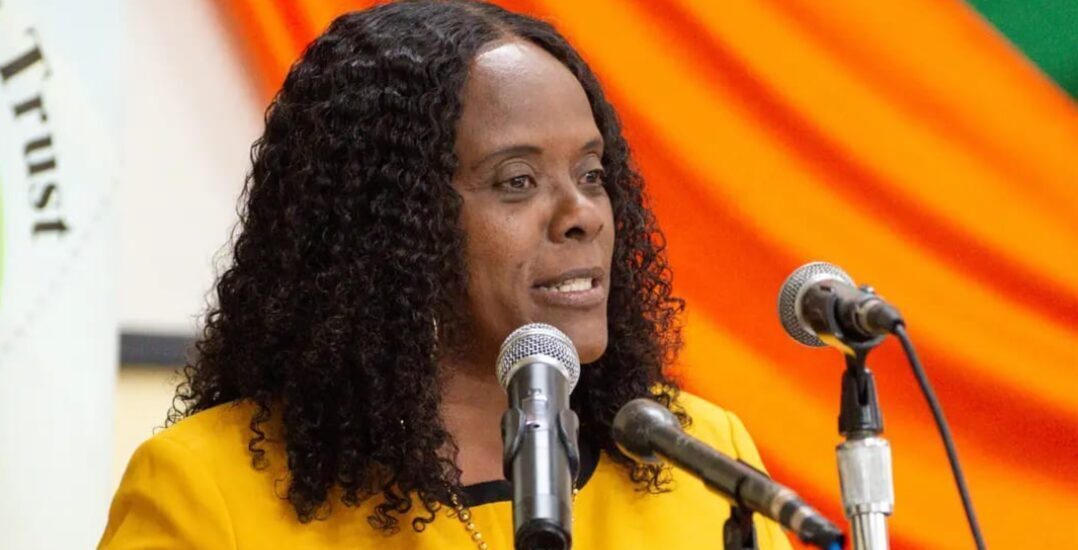
    On the annual observance of the International Day of Cooperatives, held this year on the first Saturday of July, Gretta Roberts—Minister for Community Development with a specific portfolio focused on cooperative development—has issued a call to action for cross-sector stakeholders, ranging from government bodies and civil society organizations to private enterprises and young people, to acknowledge and bolster the critical contribution cooperative models make to advancing long-term, sustainable peace globally. Roberts emphasized that the core foundational principles that govern cooperative enterprises—including voluntary open membership, democratic decision-making control by members, and a core commitment to community well-being—create a unique social ecosystem where mutual trust is cultivated, and disputes are resolved through constructive dialogue rather than adversarial division.

    Unlike traditional business structures that prioritize cutthroat competition over collective progress, cooperatives are inherently designed to center collaboration. Roberts explained that this core orientation teaches communities to prioritize social harmony, negotiate differences through amicable compromise, and work collectively toward shared inclusive growth. “Let us continue to support and strengthen the cooperative movement using its time-tested principles to bridge divides, empower individuals, and shape a more peaceful and just world,” she urged in her address marking the occasion.

    This year’s United Nations International Day of Cooperatives carries the official theme “Cooperatives for a peaceful world”, a framing that intentionally highlights the often-overlooked role cooperative enterprises play in advancing social justice, cross-group inclusion, and collective solidarity. As outlined in official analysis published on the United Nations’ website, the global observance positions cooperatives as people-centered institutional models that are uniquely equipped to build social trust, strengthen cohesion within fractured communities, and unite diverse groups around shared needs and common aspirations.

    Against a contemporary global landscape defined by rising intergroup conflict, widening economic inequality, deepening social fragmentation, and plummeting public trust in institutions across many regions, this year’s theme reinforces a key perspective: peace is far more than just the absence of open violent conflict. For peace to be sustainable, it must also be rooted in inclusive social structures, fair access to resources, open channels for dialogue, and broad economic security for all community members—outcomes that cooperative models are inherently structured to deliver.

  • NCCU supports Morne Jaune–Rivière Cyrique reunion with community outreach initiatives

    NCCU supports Morne Jaune–Rivière Cyrique reunion with community outreach initiatives

    A long-standing financial cooperative in Dominica has cemented its ties to rural communities in the country’s southeast region through a new partnership focused on cultural celebration and grassroots development. The National Cooperative Credit Union (NCCU) has joined forces with the Morne Jaune–Rivière Cyrique Reunion organization to roll out a slate of community-centered projects that honor the cultural heritage of the two connected villages while advancing local progress.

    As outlined in an official press statement from NCCU, the first wave of collaborative work launched on Monday, July 7, when a team of NCCU staff joined local residents to complete a road improvement scheme in the Morne Frayal area. Beyond infrastructure investment, the credit union also delivered critical donations to the Rivière Cyrique Health Centre, bolstering the facility’s ability to deliver essential healthcare services to local families.

    The day of activities wrapped up with a community networking gathering hosted at Morne Jaune Primary School. During the event, NCCU representatives connected with cooperative members, emphasizing the value of their ongoing partnership amid ongoing shifts across the global financial industry. Representatives encouraged members to keep deepening their engagement with the cooperative movement as the sector evolves.

    For NCCU, the partnership is far more than a one-off community gesture: it is a reflection of the institution’s 15-year commitment to serving southeast Dominica, where it operates three regional sub-offices in St. David’s, Grand Fond and La Plaine. The credit union notes that its support for the Morne Jaune–Rivière Cyrique Reunion aligns with its core organizational mission: investing in locally led projects that generate long-term public good, and nurturing the close, trusting bonds that have long defined its relationship with members and communities across the island.

    Officials added that the collaborative activities created valuable space for the credit union to strengthen connections with local residents, build deeper reciprocal relationships, and contribute to initiatives that will leave a lasting positive imprint on quality of life in the twin villages.

  • Lineup for 26th World Creole Music Festival to be revealed at official launch on July 11

    Lineup for 26th World Creole Music Festival to be revealed at official launch on July 11

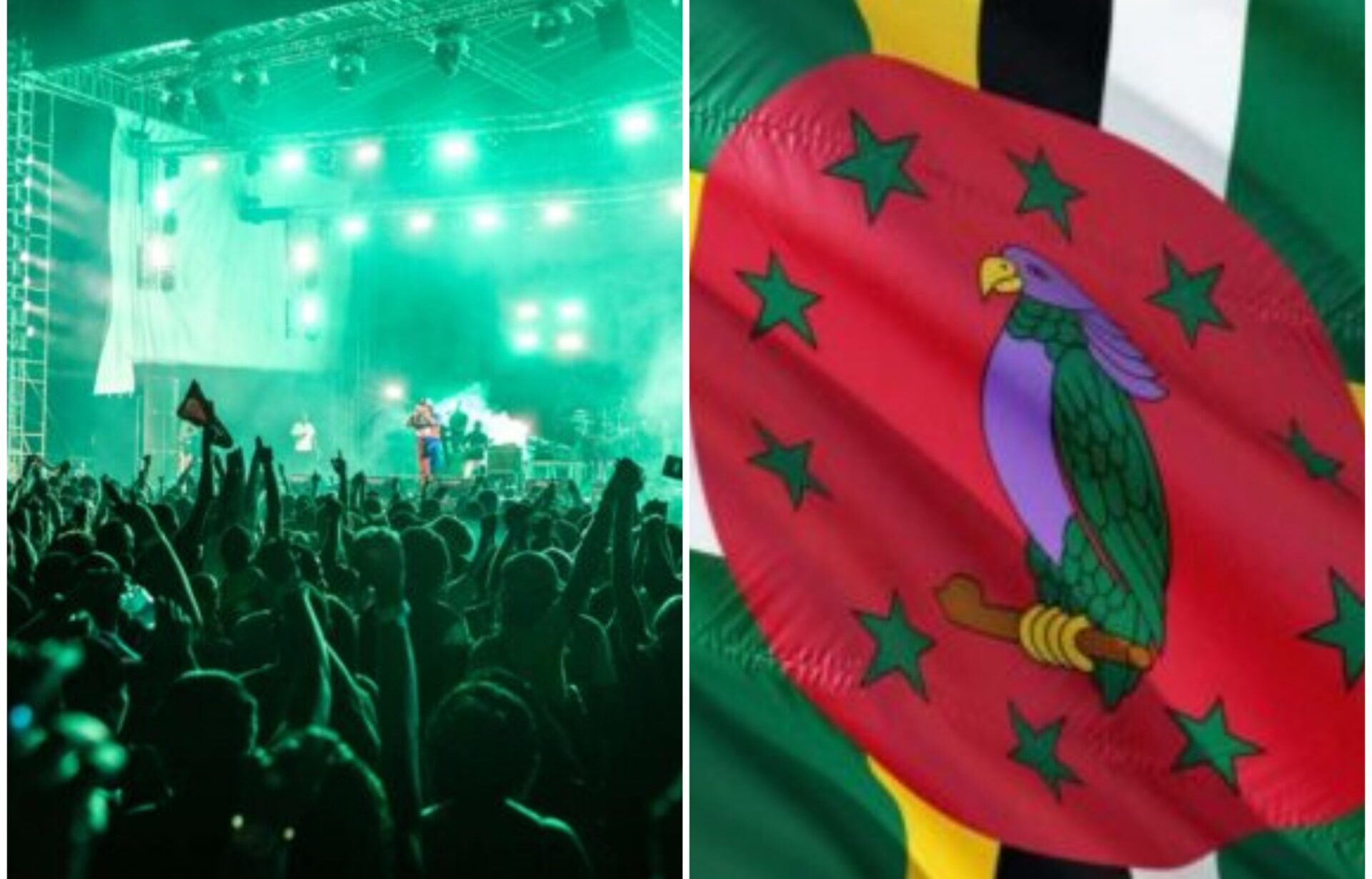
    The countdown to one of the Caribbean’s most anticipated cultural music events, the 26th World Creole Music Festival, is set to officially kick off this weekend in Dominica. The island nation’s government, working through the Ministry of Tourism and the Discover Dominica Authority (DDA), will host the official launch event on Saturday, July 11, where the full 2026 artist roster and key event details will be revealed to the public.

    According to official announcements shared in a DDA press release, the launch celebration will get underway at 7:00 PM local time at the Ocean Oasis Hotel. For attendees unable to join the event in person, the entire launch will be broadcast live via the Dominica Festivals official Facebook page, as well as through partnering regional and local media outlets. This launch event will mark the first public reveal of core details for the 2026 festival, including the full lineup of performing artists, ticketing pricing and release information, and any new programming updates for the three-day event. The festival itself is scheduled to run from October 23 to 25, 2026, hosted at Dominica’s Windsor Park Sports Stadium.

    This year’s launch comes on the heels of a historic 25th anniversary edition of the festival, which event organizers call the most successful iteration in the event’s multi-decade history. DDA data shows that last year’s three-day festival drew more than 42,000 total attendees. In the nine days leading up to the 2025 event, Dominica welcomed 10,540 international and regional visitors – a new record for pre-festival arrivals to the island.

    Beyond drawing crowds, the 2025 festival delivered substantial economic benefits to Dominica’s tourism sector. The DDA estimates that the event generated roughly 15 million Eastern Caribbean dollars in direct visitor spending, with revenue flowing through to a wide range of local businesses. Hotels, small guesthouses, restaurants, bars, taxi operators, local tour guides, street vendors, event service providers and other tourism-connected enterprises all saw significant gains from the event.

    Saturday’s launch will formally open the global promotional campaign for the 2026 festival, kicking off months of engagement with local, regional and international audiences ahead of the October event dates. Tourism Minister Denise Charles Pemberton noted that last year’s outstanding results highlighted the long-term value of investing in major cultural events that power Dominica’s core tourism industry.

    “The success of last year’s World Creole Music Festival reaffirmed the value of investing in events that strengthen Dominica’s tourism industry,” Minister Pemberton said in prepared remarks. “The festival continues to create opportunities for Dominican businesses, increase visitor spending and showcase our destination to regional and international audiences. Government remains committed to supporting initiatives that expand our tourism product, drive economic activity and create lasting benefits for our people. I invite everyone to join us online on Saturday as we officially launch the 26th edition of the World Creole Music Festival.”

    Marva Williams, Chief Executive Officer and Director of Tourism at the Discover Dominica Authority, added that the launch event marks the first chance to connect with both local and global audiences around the 2026 festival. “The launch sets the stage for this year’s World Creole Music Festival and begins our engagement with patrons, partners and visitors in our key markets,” Williams said. “It is an opportunity to reveal the artist lineup, share important festival information and encourage early planning for October. We look forward to welcoming audiences to another memorable edition of the festival.”

    Organizers have reminded fans that the entire launch event will be accessible for free via the Dominica Festivals Facebook page and partnered local media starting at 7:00 PM on July 11, allowing music fans around the world to get an early look at what the 26th World Creole Music Festival has to offer.

  • OECS marks 45th anniversary with special reception at WTO headquarters in Geneva

    OECS marks 45th anniversary with special reception at WTO headquarters in Geneva

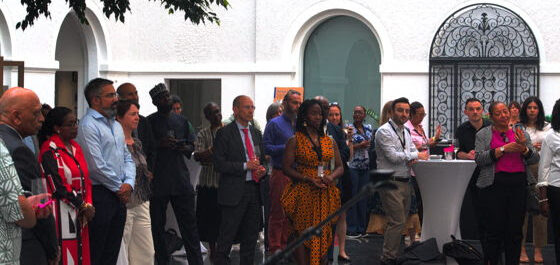
    GENEVA — The Organisation of Eastern Caribbean States (OECS) has marked a major milestone in its four-and-a-half decade history of regional cooperation, holding a celebratory anniversary reception at the World Trade Organization (WTO) headquarters in Geneva this June.

    Hosted by the OECS Permanent Delegation to Geneva, the festive gathering took place on June 19 inside the WTO’s Atrium, just 24 hours after the bloc’s official annual OECS Day observance. The event drew a diverse cross-section of attendees, including foreign diplomats, representatives from the OECS’ long-standing global partner institutions, and members of the local Caribbean diaspora community, all gathered to honor 45 years of sustained regional integration and collective action across the Eastern Caribbean.

    Beyond official remarks and networking, the celebration shone a spotlight on the Eastern Caribbean’s rich cultural heritage, featuring a special musical performance by two talented Antiguan and Barbudan artists. Acclaimed pannist Khan Cordice, who previously headlined the OECS’ 44th anniversary recital in 2024, returned to lead a steelpan performance, accompanied by fellow musician Khadijah Simon on keyboard. The performance gave attendees a vivid showcase of the region’s distinctive cultural identity.

    In an official press release announcing the event, the OECS noted that the reception was far more than a celebratory gathering: it served as a deliberate moment for reflection on the bloc’s progress over 45 years, and a tribute to the shared unity and collective identity that bind its 11 member states together.

    The event also underscored the critical work of the OECS Permanent Delegation in Geneva, which was first established in 2005 to strengthen the bloc’s voice and representation within the WTO. Since its founding, the permanent mission has carried out core functions that directly serve OECS member states: it monitors ongoing negotiations and policy developments across WTO bodies, analyzes emerging issues that impact the Eastern Caribbean, prepares official reports for bloc leadership, and drafts and submits policy proposals to WTO committees and governing councils on priority matters affecting member states.

    The Geneva reception forms one part of a broader series of 45th anniversary observances organized by the OECS, which seek to highlight the organization’s ongoing work to deepen regional cooperation and advance the collective interests of Eastern Caribbean nations in global multilateral forums.

  • Dominica Council on Ageing calls for justice following death of elderly man

    Dominica Council on Ageing calls for justice following death of elderly man

    A shocking violent death of an elderly Dominica citizen has sparked urgent calls for accountability and greater public vigilance around protecting vulnerable older people across the island nation. On June 27, the remains of 83-year-old Kenneth Charles, a resident of Canefield, were uncovered in a public manhole running alongside the Canefield highway, prompting swift condemnation and mourning from the Dominica Council on Ageing (DCOA).

    In an official public statement, the advocacy group for senior citizens described Charles’ killing as a brutal, senseless act, and extended its deepest condolences to the families, friends and loved ones of Charles and a second recently deceased individual. The body of that second person, who had been reported missing for an extended period, was recently found in the Castle Bruce area, marking the second tragic death of a member of the community in a short time frame.

    The DCOA’s core demand following the incident is clear: every person responsible for Charles’ death must face full legal accountability. Beyond calls for justice, the organization has urged the Dominican public to adopt a more vigilant, community-focused approach to protecting older adults and other marginalized, vulnerable groups across the country.

    “ We further call on all of us to be caring, vigilant and concerned about such incidences and look out for those who are vulnerable,” the statement read.

    As the investigation moves forward, legal proceedings have already resulted in an arrest in Charles’ case. Thirty-two-year-old Aljai Liverpool was formally charged with Charles’ murder on July 2, and is currently being held on remand at the Dominica State Prison as the case progresses through the judicial system.

    Beyond the immediate incident, the DCOA used the moment to reaffirm the critical, irreplaceable role that senior citizens have played in building modern Dominica. The organization emphasized that older generations laid the social and economic foundation for the country’s current development, and as such, they deserve consistent, proactive support to age with dignity and safety. “Our seniors have paved the way for us as far as possible, we are to assist and empower them to live life to the fullest. They are our treasure and gems. Let us protect them at all times. May they rest in peace,” the statement added.

    In closing, the DCOA stressed that this tragic incident should serve as a national reminder that protecting the safety, well-being and rights of older Dominicans is a collective responsibility shared by every member of society.

  • LIVE on DNO from 7PM: Alwin Bully Foundation panel discussion on – Building Sustainable Arts & Culture Industries in Dominica

    LIVE on DNO from 7PM: Alwin Bully Foundation panel discussion on – Building Sustainable Arts & Culture Industries in Dominica

    When attempting to process and rewrite the submitted news content, no actual news text was included alongside the image link and social sharing buttons. This leaves no core journalistic information, event details, contextual background, or stakeholder quotes to analyze, reconstruct, and rewrite into a structured news article. Without the full written content of the original news report, it is impossible to carry out the required in-depth analysis of core points, narrative restructuring, or accuracy verification that the task demands. Anyone seeking a complete processed result will need to provide the full text of the original news story alongside any accompanying links or media references.

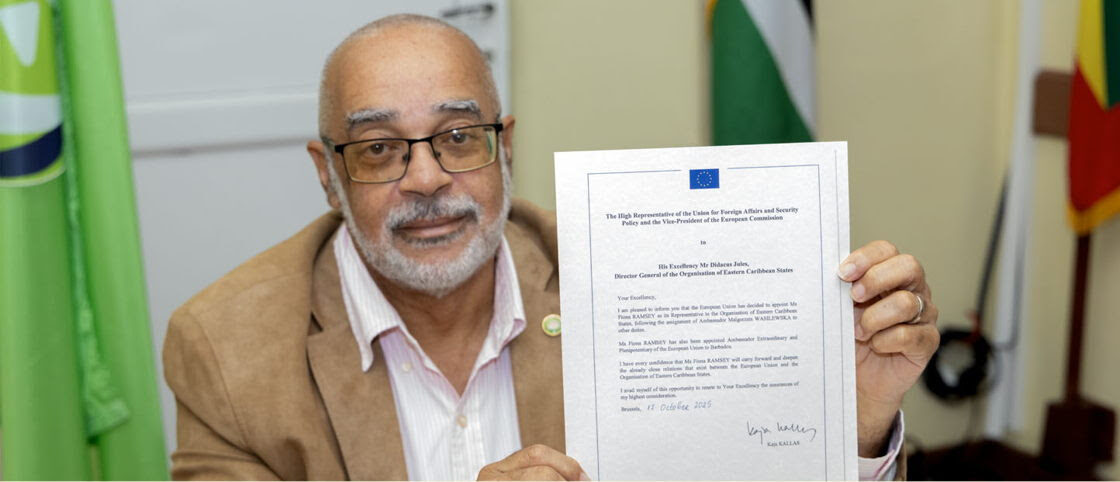
  • EU ambassador presents credentials to OECS Director General, reaffirms commitment to regional partnership

    EU ambassador presents credentials to OECS Director General, reaffirms commitment to regional partnership

    In a formal virtual diplomatic ceremony held on July 2, 2026, Her Excellency Fiona Ramsey, the newly appointed European Union Ambassador to Barbados and the Eastern Caribbean, officially presented her credentials to Dr. Didacus Jules, Director General of the Organisation of Eastern Caribbean States (OECS), marking a new chapter in the long-standing collaboration between the two blocs. The event, detailed in an official OECS press release, not only signaled the formal launch of Ramsey’s tenure working with the regional integration body but also reinforced the European Union’s unwavering commitment to advancing shared priorities across the Eastern Caribbean.

    Welcoming Ramsey to her new post, Dr. Jules extended his congratulations and reflected on the decades-long collaborative bond between the OECS and the EU. He emphasized that the European Union stands as one of the OECS’ most steadfast development partners, with a relationship rooted in mutual respect, shared democratic values, and a joint dedication to advancing sustainable development, multilateralism, and improved quality of life for the people of the Eastern Caribbean.

    In her remarks, Ambassador Ramsey celebrated the OECS’ 40-plus year track record of driving regional integration and cooperation across its 11 member states. She also offered a unique perspective on the geographic and strategic closeness of the EU and the Caribbean region, noting that Europe is not merely a distant transatlantic partner. Through French overseas territories of Martinique and Guadeloupe, as well as other EU-affiliated overseas countries and territories in the region, Europe is an immediate neighbor sharing the same maritime space, facing many of the same transboundary challenges, from climate impacts to maritime management. This proximity, Ramsey argued, makes deep, coordinated cooperation between the EU and OECS both a natural alignment and a strategic necessity.

    The ambassador brought official greetings from two of the European Union’s top leaders: European Council President António Luís Santos da Costa and European Commission President Ursula von der Leyen. She used the occasion to reaffirm the EU’s commitment to expanding its partnership with the Caribbean bloc through the bloc’s flagship Global Gateway Investment Agenda, a strategic infrastructure and development investment initiative rolled out across the globe.

    Ramsey outlined the broad scope of existing collaboration between the two sides, spanning a wide range of priority areas critical to the Eastern Caribbean’s long-term stability and growth: renewable energy development, climate disaster resilience, water security, biodiversity conservation, sustainable tourism growth, food sovereignty, expanded digital connectivity, sargassum seaweed management, and accessible climate finance. She also highlighted new educational mobility and learning opportunities for Caribbean students opened through the EU’s Erasmus+ programme, a long-running initiative that supports cross-border education and training across the globe.

    In a key institutional announcement during the ceremony, Ramsey confirmed that starting in September 2026, the existing EU Delegation to Barbados will be upgraded to an enhanced regional delegation. This expanded mandate will task the delegation with leading and coordinating implementation of the EU’s Global Gateway Strategy across the entire Caribbean region, streamlining delivery of development projects and investment initiatives.

    Following the formal credential presentation, Ambassador Ramsey and Director General Jules held closed working discussions focused on expanding the scope and impact of EU-OECS cooperation. The talks centered on priority areas including climate resilience, renewable energy scale-up, sustainable ocean governance, digital transformation, expanded educational access, technological innovation, deepened regional integration, and cross-border infrastructure development.

    Both leaders underlined the need for a more strategic, coordinated approach to development cooperation that aligns the OECS’ own long-term Development Strategy with the EU’s Global Gateway Investment Agenda. They closed the meeting by reaffirming their shared commitment to unlocking new economic and social opportunities for the people of the Eastern Caribbean through strengthened collaboration, targeted innovation, and responsible, sustainable investment.