标签: Belize

伯利兹

  • Flu on the Rise in Belize

    Flu on the Rise in Belize

    Belize’s public health authorities have reported a significant increase in influenza cases during January 2026, with officials identifying H2N3 as the predominant viral strain. Dr. Melissa Diaz-Musa, Director of Public Health and Wellness, confirmed the outbreak mirrors similar patterns observed in parts of the United States and Canada.

    According to the latest epidemiological data, the initial surge has since stabilized following targeted public health interventions. Health facilities nationwide continue to offer influenza vaccines, which officials strongly recommend as the primary preventive measure against the circulating strain.

    The briefing also addressed concerning trends in routine vaccination coverage that declined substantially in the post-pandemic period. Dr. Diaz-Musa highlighted the particular case of HPV vaccination, which initially plummeted to approximately 38% coverage following the COVID-19 crisis. This vaccine plays a critical role in preventing human papillomavirus, responsible for over 90% of cervical cancer cases globally.

    In a positive development, vaccination rates have rebounded significantly. Current reports indicate HPV coverage reached 76% in 2025, marking substantial progress toward Belize’s national goal of cervical cancer elimination. Health authorities emphasize that maintaining high vaccination coverage remains essential for long-term disease prevention and public health security.


  • Over 2 Billion People Struggle to See Clearly

    Over 2 Billion People Struggle to See Clearly

    A staggering 2.2 billion individuals worldwide are grappling with vision impairment, with approximately one billion lacking access to basic diagnostic testing or corrective eyewear. This alarming statistic was revealed by Dr. Melissa Diaz-Musa, Director of Public Health and Wellness, during Belize’s inauguration of the World Health Organization’s Specs 2030 global initiative on February 18, 2026.

    The groundbreaking program represents a collaborative effort between the Belize Council for the Visually Impaired (BCVI), the Ministry of Health and Wellness, and optical nonprofit OneSight. Its primary objective is to dramatically improve accessibility to comprehensive eye screenings and affordable vision correction services throughout Belize.

    Educational institutions have been identified as crucial intervention points within the initiative’s framework. Dr. Diaz-Musa emphasized the critical need for early detection, stating, “Numerous students remain undiagnosed, having never undergone professional evaluation by ophthalmologists or optometrists to determine their requirements for visual aids in academic settings.”

    The program’s scope extends beyond educational environments to address refractive errors across broader demographics. By implementing systematic screening protocols and facilitating access to appropriate care, the initiative aims to transform vision healthcare delivery nationwide.

    The launch ceremony convened multidisciplinary stakeholders including healthcare practitioners, primary care providers, and representatives from the Ministry of Education. This coalition signifies a coordinated approach to combating preventable vision disorders through early intervention strategies.

    Dr. Diaz-Musa characterized the event as merely the foundational step in a comprehensive long-term strategy, affirming that the partnership will prioritize early identification of visual impairments to significantly reduce refractive error prevalence across Belize’s population.

  • Rescued Pets Feel the Love at Valentine’s Clinic in Belize City

    Rescued Pets Feel the Love at Valentine’s Clinic in Belize City

    BELIZE CITY – In a heartwarming Valentine’s Day initiative, 40 rescued dogs and cats received essential medical care through a special clinic organized by animal welfare advocates. The Society for the Promotion of Animal Rescue and Kindness (SPARK) hosted its first large-scale spay and neuter operation in over a decade, marking a significant milestone in Belize’s animal welfare efforts.

    Held at the Animal Medical Center in Belama, the clinic provided critical surgeries for 31 dogs and nine cats, all currently in rescue or foster care situations. The event was strategically timed during February’s animal advocacy month and Valentine’s weekend to emphasize themes of compassion and kindness toward animals.

    SPARK President Michelle Rudon emphasized the long-overdue nature of the event, noting that such large-scale clinics hadn’t been available in Belize City for approximately ten years. “February is actually the month for animal advocacy for spay and neuter campaigns,” Rudon explained. “With Valentine’s weekend, when we’re supposed to be advocating for love, kindness, and compassion – that’s exactly what we wanted to show.”

    The medical procedures were conducted by a collaborative team featuring visiting US veterinarian Dr. Guy Nation and local veterinary expert Dr. Orlando Baptist. SPARK volunteers provided comprehensive support including patient check-ins, postoperative monitoring, and follow-up care to ensure successful recoveries.

    Following the event, SPARK has continued its outreach efforts, checking on all treated animals to monitor their recovery progress, eating habits, hydration levels, and surgical sites. The organization is actively seeking additional community support through foster homes and financial contributions, with plans to launch a micro-donation campaign inviting Belizeans to contribute just $1 toward future animal welfare initiatives.

  • US $40M Climate Financing Expected for Indigenous Communities

    US $40M Climate Financing Expected for Indigenous Communities

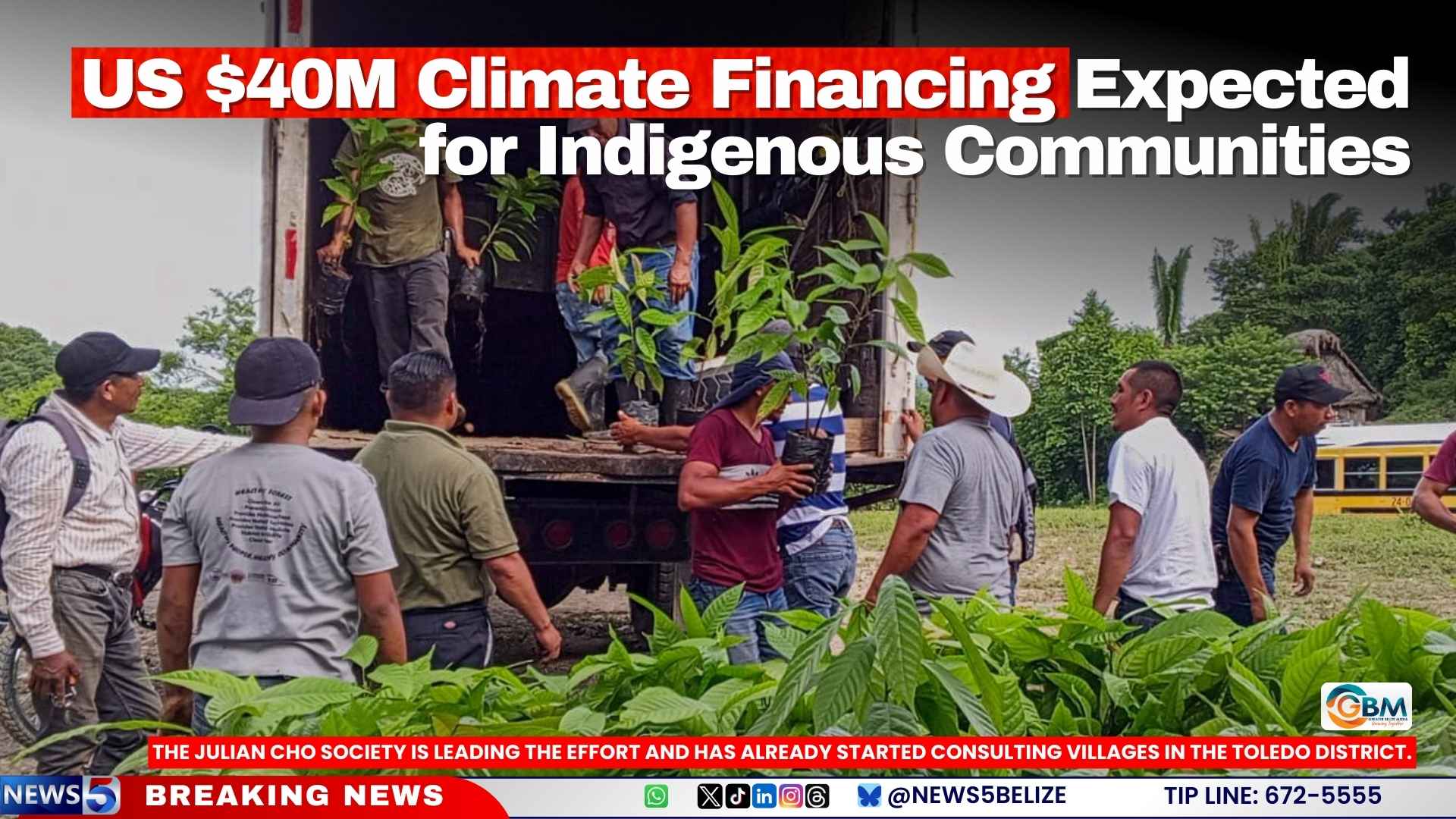
    In a landmark initiative for climate justice, indigenous communities in southern Belize are set to receive approximately $40 million in financing through the Green Climate Fund. The funding aims to bolster climate resilience efforts among Maya populations facing escalating environmental challenges.

    The Julian Cho Society, spearheading the project titled “Maya LED Pathways for Climate Resilience and Sustainable Economies,” has initiated consultations with villages throughout the Toledo District. This comprehensive program is designed to assist local farmers in adapting to unpredictable weather patterns while simultaneously strengthening agricultural practices and supporting community-based enterprises.

    Pablo Mes, Executive Director of the initiative, emphasized the critical role of indigenous stewardship in global climate mitigation. “Indigenous peoples manage twenty-five percent of the world’s landmass, with substantial portions remaining forested—making their territories vital for carbon sequestration and biodiversity conservation,” Mes stated.

    The funding recognition comes at a crucial juncture, as Mes highlighted systemic barriers that often prevent climate financing from reaching frontline communities. After extensive consultations with over sixty educators and community leaders, organizers identified mismatches between funding requirements and local needs. This program specifically addresses those disparities by crafting context-appropriate solutions aligned with Maya traditions and knowledge systems.

    While the Belizean government has formally endorsed the initiative, final approval from the Green Climate Fund remains pending. Once secured, the project will enter full proposal development with anticipated implementation beginning in 2027. This represents one of the most significant direct investments in indigenous-led climate adaptation strategies in Central America to date.

  • Government Promises US $40M, But Will Maya Farmers See Any of It?

    Government Promises US $40M, But Will Maya Farmers See Any of It?

    Belize has secured a pivotal endorsement for a $40 million climate resilience initiative aimed at supporting indigenous Maya communities in the southern Toledo District. The project, titled “Maya LED Pathways for Climate Resilience and Sustainable Economies,” is being developed through the international Green Climate Fund and spearheaded by the Julian Cho Society.

    Executive Director Pablo Mes emphasized the critical role of indigenous land stewardship in global climate mitigation efforts, noting that 25% of the world’s forested land is managed by indigenous peoples. The program specifically targets practical adaptation strategies for local farmers facing climate disruptions while strengthening sustainable economic development.

    Despite government backing, the funding remains pending final approval from the Green Climate Fund. Mes highlighted a significant structural challenge in climate financing: existing funding mechanisms often fail to align with the direct needs of indigenous communities who possess valuable traditional ecological knowledge.

    Extensive consultations have already been conducted across numerous villages, with organizers anticipating a potential 2027 launch if the proposal receives full authorization. The initiative represents a growing recognition that effective climate action requires direct investment in indigenous communities who maintain vital forest ecosystems.

  • Putting Profits Over Paddlers?

    Putting Profits Over Paddlers?

    A significant controversy is emerging around Belize’s premier canoe racing event, the La Ruta Maya Belize River Challenge, as organizers contemplate altering its traditional route. The potential changes have sparked debate about whether financial interests are overshadowing the needs of athletes and the event’s sporting heritage.

    Elvin Penner, Vice President of the Belize Canoe Association, has publicly distanced his organization from the planning process, revealing that the association plays no role in determining the race’s logistics. “We are simply spectators,” Penner stated, emphasizing that his group’s priority has always been the paddlers and should therefore be included in decision-making.

    Penner expressed concern that the event has shifted from its athlete-centered origins toward commercial motivations. “It has become very much a personal business, a money-type of thing,” he commented, questioning whether organizers are prioritizing profits over participants.

    The proposed relocation of the finish line has drawn particular scrutiny. Penner remains skeptical about the justification for this change, noting, “I have yet to hear the real reasons why they wanted to move that finishing line.” He anticipates that the alteration could impose substantial entry fees on spectators, potentially diminishing public engagement with the event.

    The potential route modification threatens to eliminate the race’s iconic final stretch through the Belize City channel, a technically demanding section that has often determined outcomes since the event’s inception in 1998. Penner described this segment as where “you separate the men from the boys” due to its challenging water conditions.

    Event organizers cite security concerns at the current Civic Center finish location as motivation for considering changes. Roberto Harrison, Vice Chair of the organizing committee, explained to News Five: “The Civic Center is too open, and we need to have better control of what happens.”

    Penner advocates for refocusing on the athletes who endure the physical demands of the four-day, 180-mile river journey and the sponsors whose financial support enables participation. Without sponsorship, teams could not afford the $10,000-$15,000 required to compete in the challenging event.

    The organizing committee has not yet reached a final decision regarding the proposed route changes, leaving the future configuration of Belize’s most significant paddling competition uncertain.

  • Mexico Reports 213% Jump in Missing Persons Over 10 Years

    Mexico Reports 213% Jump in Missing Persons Over 10 Years

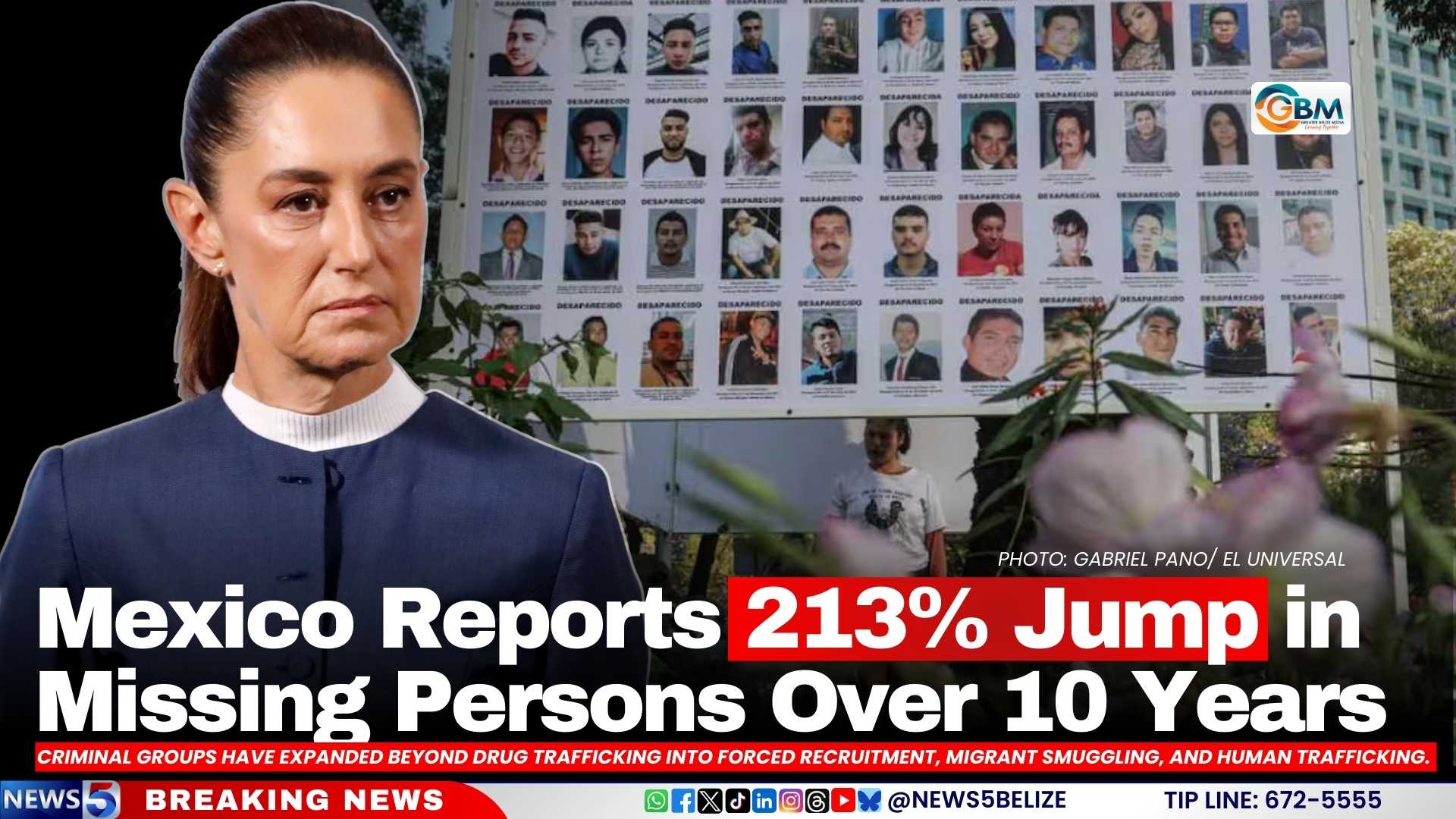
    Mexico is confronting a severe human rights catastrophe as official data reveals a staggering 213% surge in missing persons over the past decade, with current records indicating more than 130,000 individuals now classified as disappeared. This alarming trend, documented in the comprehensive study ‘Violencia en México 2015–2025′ by policy research organization México Evalúa, demonstrates a dramatic escalation from 4,114 disappearances in 2015 to 12,872 cases in 2025.

    The research reveals that disappearances and homicides frequently coexist within regions dominated by criminal organizations, suggesting that the concealment of victims’ remains through unmarked graves or body destruction has become a systematic method for distorting official murder statistics. ‘The parallel occurrence of elevated homicide and disappearance rates indicates that disappearance functions not as an isolated phenomenon but as an operational mechanism to obscure murders and manipulate official records of lethal violence,’ the report emphasizes.

    This crisis has its origins in the government’s intensified campaign against drug cartels initiated in the early 2000s. Criminal syndicates have subsequently diversified their operations beyond narcotics trafficking into forced recruitment, migrant smuggling, and human trafficking. Geographical analysis identifies Sinaloa, Sonora, and Baja California Sur as the states with the highest disappearance rates in 2025, with Baja California Sur experiencing a devastating 666% increase since 2015.

    Under Mexican legal definitions, a disappeared person is any individual whose whereabouts remain unknown, regardless of whether criminal involvement has been established. President Claudia Sheinbaum addressed the crisis during her February 10th press conference, acknowledging significant deficiencies in the National Registry platform while promising to release a comprehensive report this month containing ‘the real numbers’ of missing persons. The administration has committed to enhancing disappearance alert systems and strengthening support mechanisms for affected families.

  • BTL Retirees See Breakthrough as Talks Advance on Long‑Overdue Severance

    BTL Retirees See Breakthrough as Talks Advance on Long‑Overdue Severance

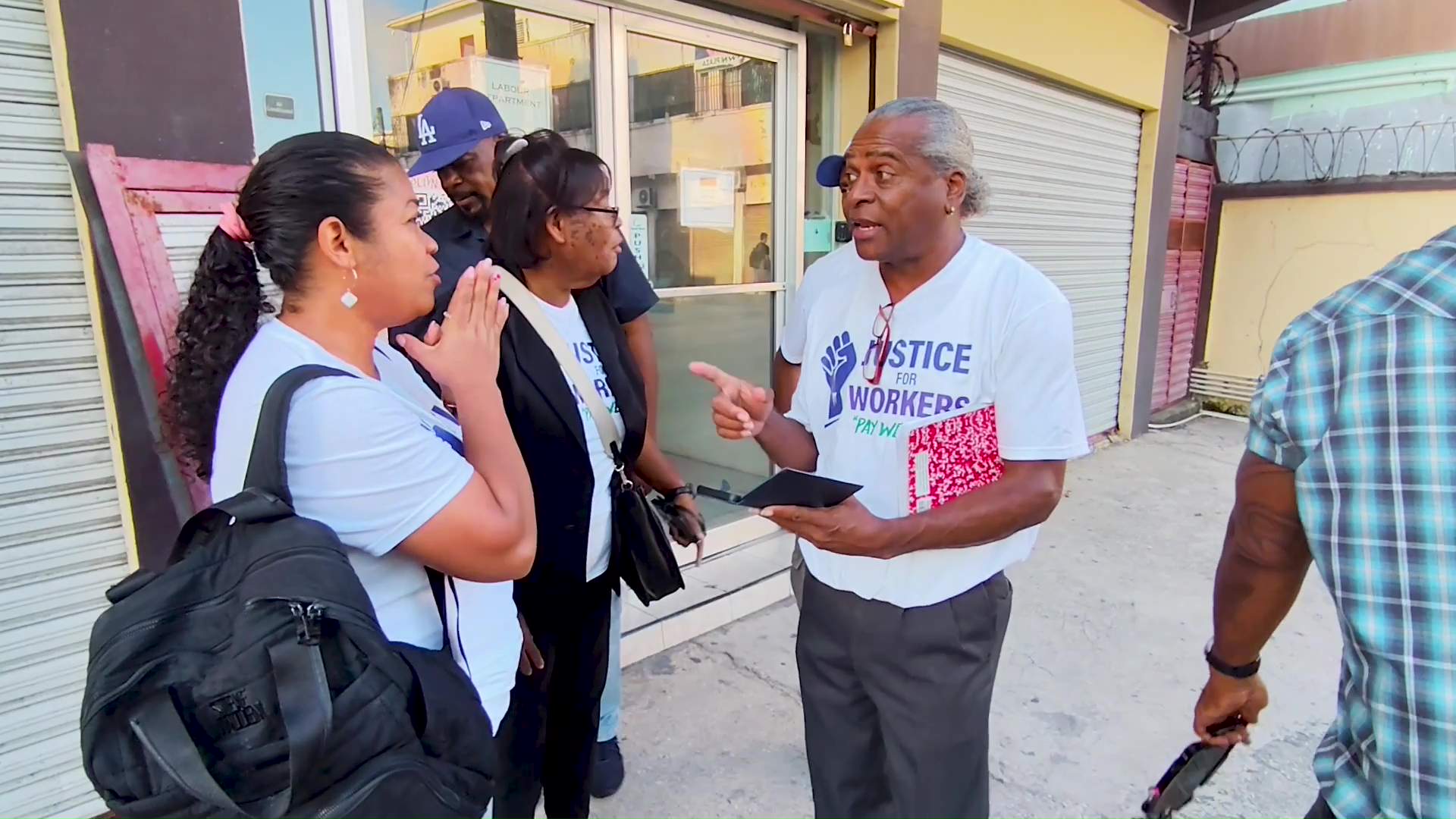
    BELIZE CITY – A protracted struggle for justice by former Belize Telemedia Limited (BTL) employees reached a pivotal turning point this week following a decisive court ruling and sustained public demonstrations. The Belize Communication Workers for Justice (BCWJ), representing hundreds of retirees, has successfully compelled the telecommunications giant and government labor officials to commit to long-overdue severance payments.

    The breakthrough emerged from a critical two-hour negotiation session mediated by the Labour Department. Organizer Emily Turner characterized the talks as “very good [and] fruitful,” highlighting a significant concession from BTL: the company has formally agreed to disburse severance packages to 564 identified former employees. This commitment follows a landmark ruling from the Caribbean Court of Justice (CCJ) which affirmed the retirees’ legal entitlement to these benefits.

    While major progress was achieved, several procedural and financial details remain unresolved. Both parties are now scrutinizing historical employment data from 2005 to 2025 to finalize exact payment calculations, including contentious interest payments. A tight timeline has been established, with BTL expected to present a formal proposal by Thursday. The BCWJ intends to consult its membership over the weekend ahead of a conclusive meeting scheduled for next week.

    Despite this victory on severance, the BCWJ’s advocacy campaign is far from concluded. The group has identified new concerns regarding potential income tax deductions from the promised payments and is mounting opposition to the proposed corporate consolidation of BTL and Speednet. Turner emphasized demands for “total transparency” and “proper due diligence” in the merger process.

    In a poignant revelation, Turner expressed profound disappointment with the Communications Workers Union (CWU), the very institution historically built by BTL employees, for its conspicuous absence throughout the fight. This perceived abandonment has galvanized the BCWJ to evolve into a broader movement. The group announced plans to form a general workers union aimed at advocating for labor rights across multiple sectors in Belize, signaling a permanent expansion of their activist mandate.

  • Belize Modernizes Transport with Unified Bus System

    Belize Modernizes Transport with Unified Bus System

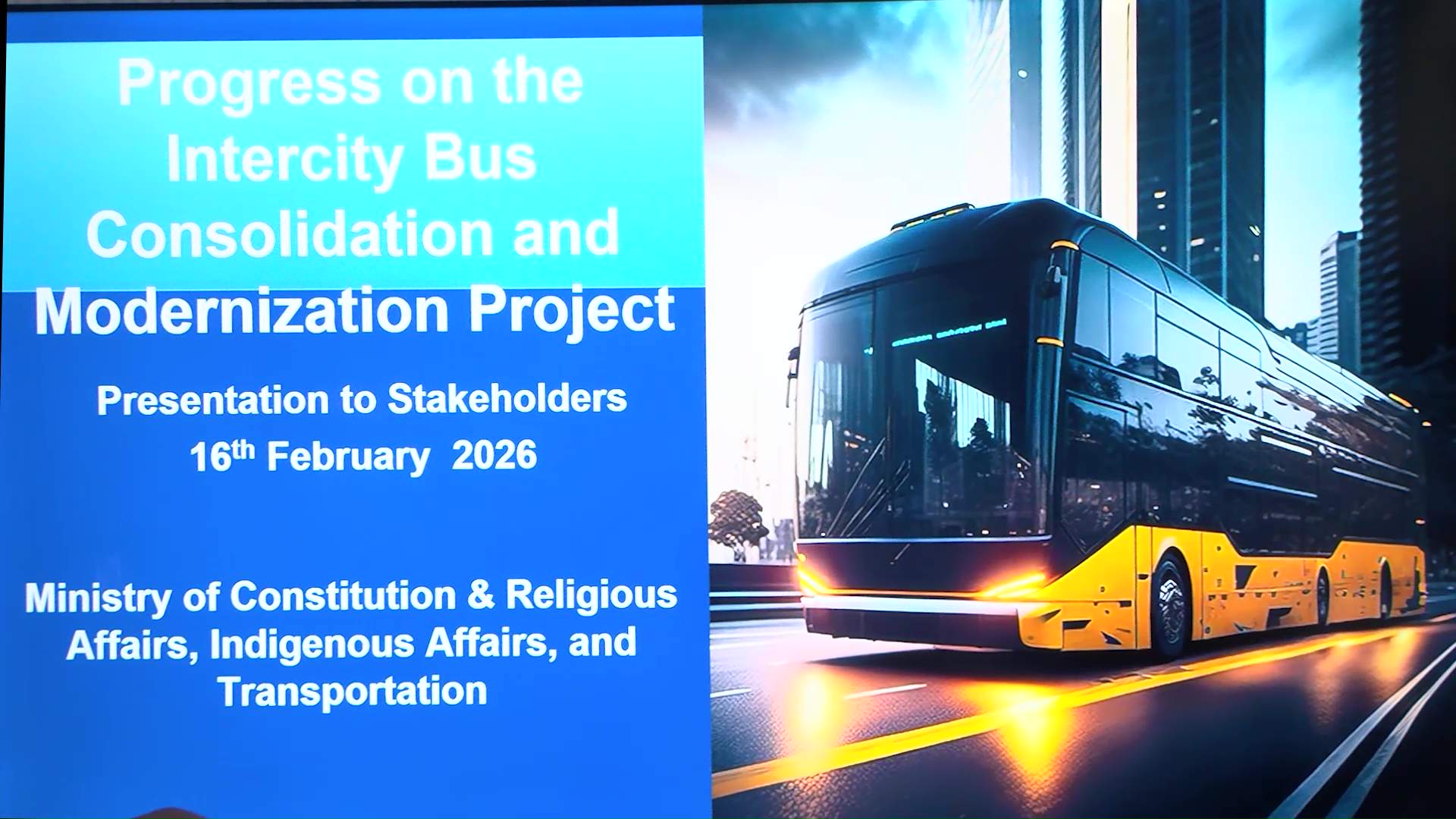
    In a landmark move to transform its outdated public transit network, Belize has officially launched the National Bus Company—a comprehensive $49.7 million modernization initiative that unifies private operators, government agencies, and international partners under a single, consolidated system.

    The ambitious project, announced Monday by the Ministry of Transport, represents the most significant overhaul of Belize’s transportation infrastructure in decades. For years, commuters have endured overcrowded buses, aging fleets, and safety concerns stemming from fragmented operations among 31 independent bus companies that dominated routes since the 1980s.

    Transport Minister Dr. Louis Zabaneh spearheaded the consolidation effort, presenting a vision to stakeholders that addresses perennial issues including mechanical failures, dilapidated vehicles, and dangerous highway racing between competing operators. ‘The relief mentioned this morning is that we won’t have to race again like we did before,’ Zabaneh noted, highlighting how the new system will rationalize routes and eliminate competitive pressures that compromised safety.

    The equity structure positions the Government of Belize with 45.76% ownership ($22.7 million in terminal assets), while 17 participating operators contribute 39.15% ($19.4 million) in shares. The remaining equity involves international partnerships.

    A cornerstone of the modernization includes transitioning to electric buses starting September, with each unit costing between $325,000-$400,000. The initiative also features newly designed terminals in Belize City and Orange Walk Town that promise enhanced passenger comfort and operational efficiency.

    Dr. Gilroy Middleton of the implementation committee emphasized the human impact: ‘People are tired of riding preschool buses where your feet don’t fit. We’re looking at reliability, comfort, and raising standards.’

    The transformation follows extensive consultations beginning May 2025, overcoming initial skepticism through what CEO Chester Williams described as ‘building trust’ with operators who had expressed dissatisfaction with previous administration attempts.

  • Belize’s Transit Overhaul Gains Momentum with Tighter Legal Framework

    Belize’s Transit Overhaul Gains Momentum with Tighter Legal Framework

    Belize’s ambitious public transportation modernization initiative reaches a critical milestone as the government establishes comprehensive legal protections for the newly formed National Bus Company. This strategic move aims to transform decades of fragmented and inefficient service into a unified, reliable network through a carefully structured public-private partnership.

    The Ministry of Transport has engaged prominent legal firm Courtenay Coye LLP to draft the foundational documents, including articles of incorporation and memorandum of association, with the company officially incorporated last week. The legal framework extends beyond formation documents to include a detailed PPP Agreement between the company and Belizean government, plus forthcoming National Bus Company Act legislation that will provide statutory protection against future political interference.

    Transport CEO Chester Williams emphasized the preventive nature of these measures: “To ensure there is not a repeat of what happened [in previous failed consolidations], we have engaged Courtenay and Coye Law Firm to develop the legal framework for us. All operators who agreed to be part of this venture signed agreements not to compete with the National Bus Company.”

    Transport Minister Dr. Louis Zabaneh highlighted lessons learned from past experiences: “What the Novelo company did not have is legislation to protect them. We’re implementing provisions that clearly outline how road service permits under the National Bus Company are to be preserved and how future permits will be issued.” The ministry anticipates that potential legal costs and widespread public support from extensive consultations will create additional barriers against future attempts to dismantle the system, ensuring long-term stability regardless of political changes.