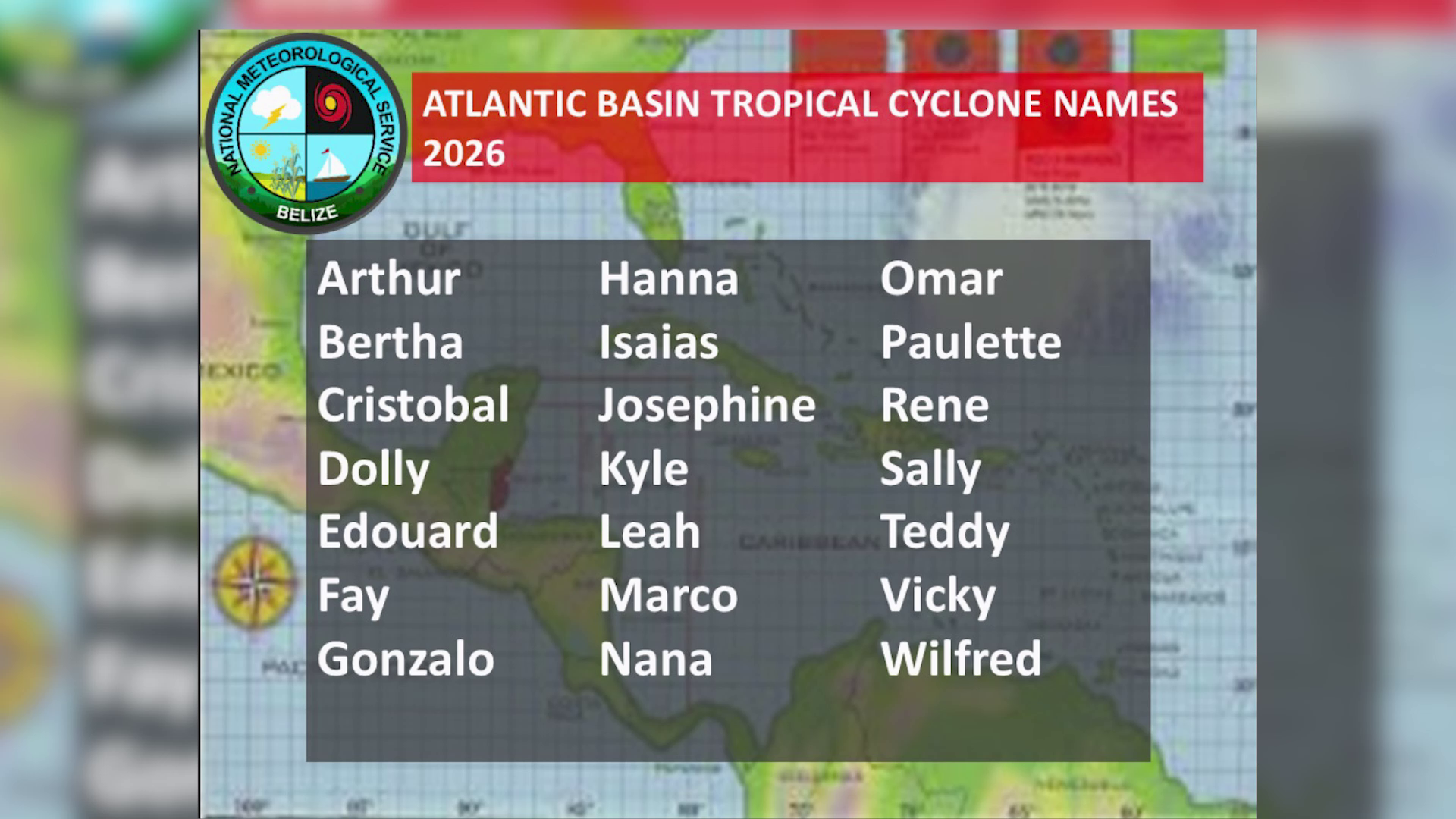
As the 2026 Atlantic hurricane season approaches Belize, which formally kicks off on June 1, weather experts are urging residents to avoid complacency despite a projected milder-than-usual storm cycle. Forecasters have called the current pre-season lull “deceptively calm,” noting that even a below-average season still carries significant risk for communities across the low-lying Central American nation.
Current projections indicate that up to 14 named tropical systems could develop across the Atlantic basin over the coming months. Of these, meteorologists expect several to intensify into full hurricanes, with a subset reaching the status of major hurricanes that pack devastating, life-threatening wind speeds and storm surge.
Climate patterns are driving the milder forecast: the ongoing El Niño event, which alters atmospheric conditions across the Atlantic to suppress tropical cyclone formation, is expected to keep the total number of storms lower than the historical average. However, experts warn that above-average ocean temperatures in the Atlantic basin create a wild card that can rapidly shift conditions. Warmer sea water provides extra energy that can turn a weak tropical disturbance into a powerful hurricane in just hours, meaning even a smaller number of total storms can produce destructive outcomes.
Belizean officials have emphasized a core message that residents should keep top of mind this season: it only takes one catastrophic storm to upend lives, destroy property, and cause long-lasting disruption to coastal communities. The National Met Service of Belize announced it is maintaining round-the-clock monitoring of developing systems, and has already established full coordination with the National Emergency Management Organization (NEMO) to coordinate response efforts if a storm threatens the country.
Right now, the priority for public officials is shifting preparedness to individual households. In a public call to action this week, officials urged all Belizeans to review and update their emergency evacuation plans, stock up on essential supplies, stay tuned to official weather alerts, and remain ready to act no matter how the season unfolds.