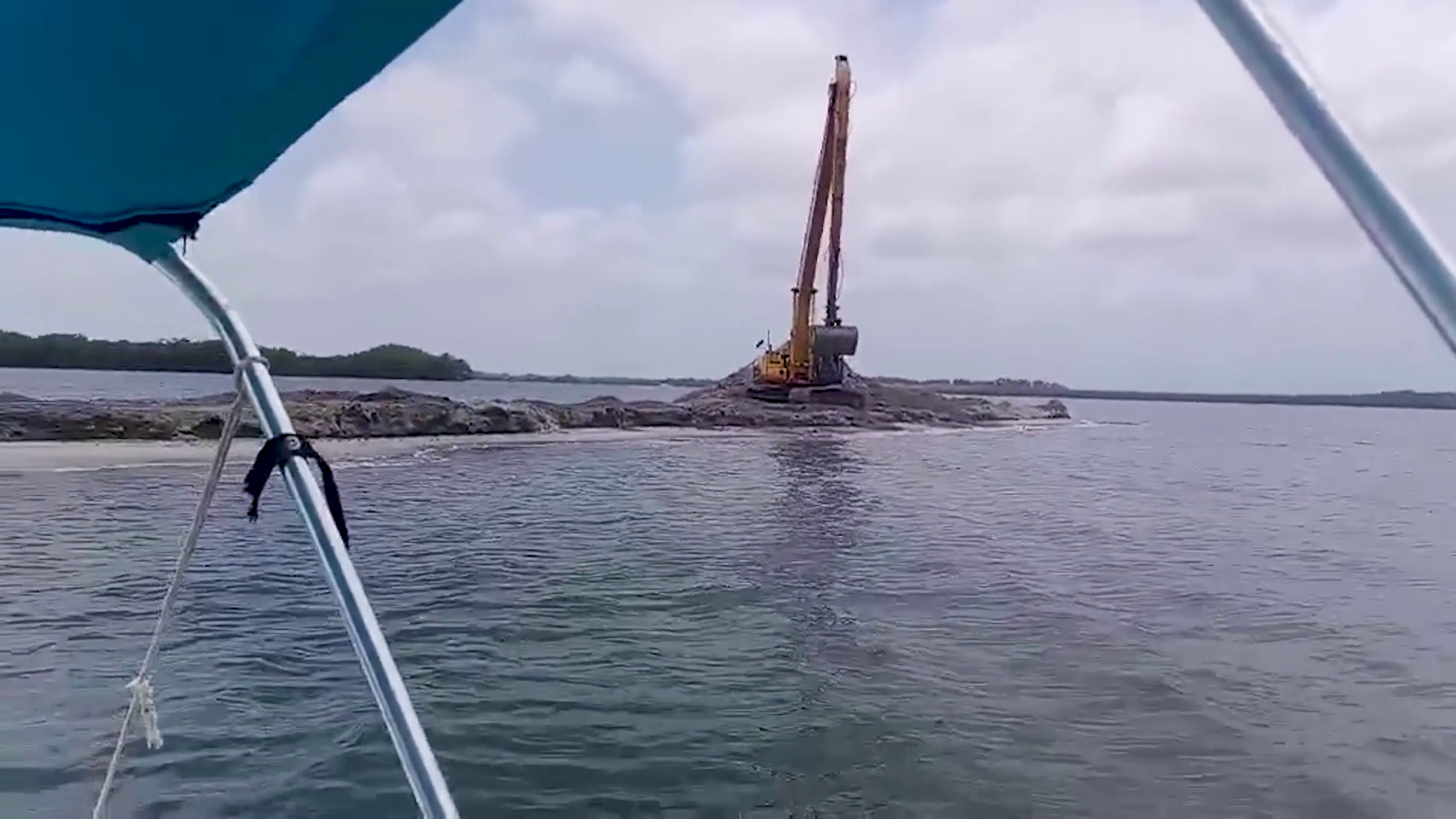
BELIZE CITY – May 28, 2026 – Facing sustained public outcry and growing pressure from environmental advocacy groups over unregulated coastal development, Belize’s national Cabinet has approved an immediate temporary moratorium on all commercial dredging and private beach reclamation work across the country’s vulnerable shorelines. The pause will remain in effect while inter-agency officials craft a comprehensive, science-backed regulatory framework to oversee future coastal activities.\n\nThe decision comes after months of mounting pushback from coastal residents and community organizations, with the Ambergris North Alliance the most recent group to formally demand an end to unapproved dredging that they argue threatens both local ecosystems and the livelihoods of coastal communities. Blue Economy Minister Andre Perez, who confirmed the policy shift in a recent televised interview, noted that the government had heard widespread public concern and acted to address gaps in existing oversight.\n\nPerez explained that the temporary halt is not intended to permanently end legitimate coastal development, but rather to create space for all relevant government bodies to collaborate on a clear, consistent plan that balances economic activity with environmental protection. In the coming weeks, officials from the Department of the Environment (DOE), mining authorities, fisheries management, public health agencies, cultural heritage departments, and local town councils will convene to map out permitted activity zones across high-priority coastal areas, including San Pedro, Caye Caulker, Placencia, Hopkins, and St. Seine Bight.\n\nA key issue driving the moratorium is the proliferation of unapproved, haphazard development in popular coastal areas such as Secret Beach. Perez highlighted that many private developers have built illegal water-based platforms and structures without permits, even blocking public access to community docks in some cases. While the government aims to work with legitimate local businesses to address unmet infrastructure needs such as access to water and electricity, Perez emphasized that gaps in public services do not justify unlawful construction that harms coastal ecosystems.\n\nWhen asked about potential regulatory reforms to prevent future unapproved activity, Perez expressed full support for increasing fines for environmental violations. He argued that stiffer penalties are necessary to deter unauthorized dredging and construction, noting that most violating projects currently operate without any required government approvals. The temporary moratorium, Perez added, is designed to strengthen regulatory accountability, improve inter-agency coordination, and safeguard Belize’s ecologically critical coastline that supports both tourism and domestic fishing industries.\n\nThis report is adapted from a transcript of a May 28, 2026 evening television broadcast.