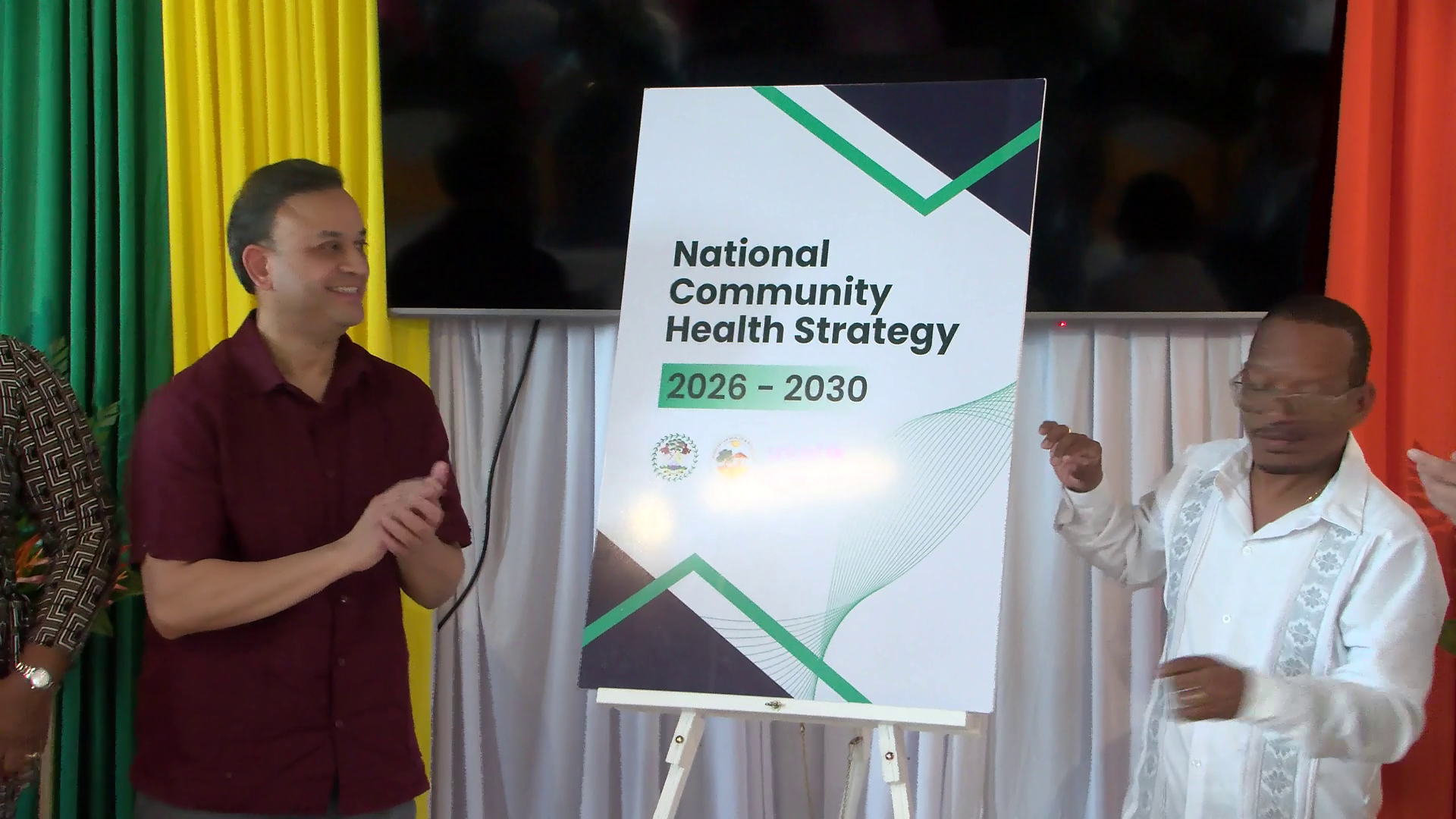
Deep in Belize’s most isolated rural villages, frontline community health workers have long served as the unsung backbone of the country’s healthcare system. Filling critical gaps in access to care that larger clinics and hospitals cannot reach, these workers juggle a relentless, wide-ranging set of responsibilities: from conducting routine at-home checks for blood pressure, blood glucose, and childhood growth metrics, to responding to emergency after-hours calls for sick children, to translating medical guidance for Indigenous and non-English-speaking patients during mobile clinic visits. On May 28, 2026, Belize’s Ministry of Health and Wellness took a major step to support these essential workers with the official launch of its National Community Health Strategy, a multi-pronged initiative designed to boost workforce capacity through targeted training, updated skill development, and integration of digital health tools.
The launch put a spotlight on the on-the-ground realities of the role, shared by veteran community health worker Vanecia Cho. Cho outlined the packed daily schedule that defines the job: workers map out daily home visit routes to complete preventive checks, follow up on priority cases provided by nursing staff, and meet monthly monitoring targets for childhood stunting, a key public health priority in rural regions. When emergency calls come in — such as a parent reporting an infant with a fever — workers drop their planned schedules to respond, she explained. They also play an unacknowledged critical role as cultural and linguistic mediators, joining nurses and nutritionists during mobile clinic visits to translate complex medical guidance for patients who do not speak fluent English, ensuring families understand how to care for their children’s health.
Health Minister Kevin Bernard emphasized that the new strategy is rooted in recognition of the outsized impact community health workers have on Belize’s public health outcomes. “They play a very significant role in improving health outcomes within local communities,” Bernard said. The initiative is designed to give frontline workers the institutional support, tools, and training they need to carry out their work more effectively. Alongside ongoing capacity building and skills training, the strategy will integrate digital health transformation projects to modernize how workers track patient data, coordinate care with clinic teams, and access up-to-date medical guidance.
For workers like Cho, the launch of the strategy sends a clear message that their work is finally being prioritized by national health leaders. “It is another way for community health workers to be able to say, ‘Okay they’re looking after us. They’re prioritizing community health workers,’” Cho noted.
This investment in community health comes on the heels of a major pay adjustment for workers implemented in 2024, when the government increased the monthly stipend for nearly 300 community health workers from $100 Belizean dollars to $500, a move that already recognized the critical role these workers play in delivering primary care to underserved remote populations. Health officials say the new national strategy builds on that pay adjustment to create long-term, sustainable support for the frontline workforce that keeps Belize’s most vulnerable communities healthy.