标签: Belize

伯利兹

  • Helmet Crackdown Begins as Motorcycle Deaths Surge

    Helmet Crackdown Begins as Motorcycle Deaths Surge

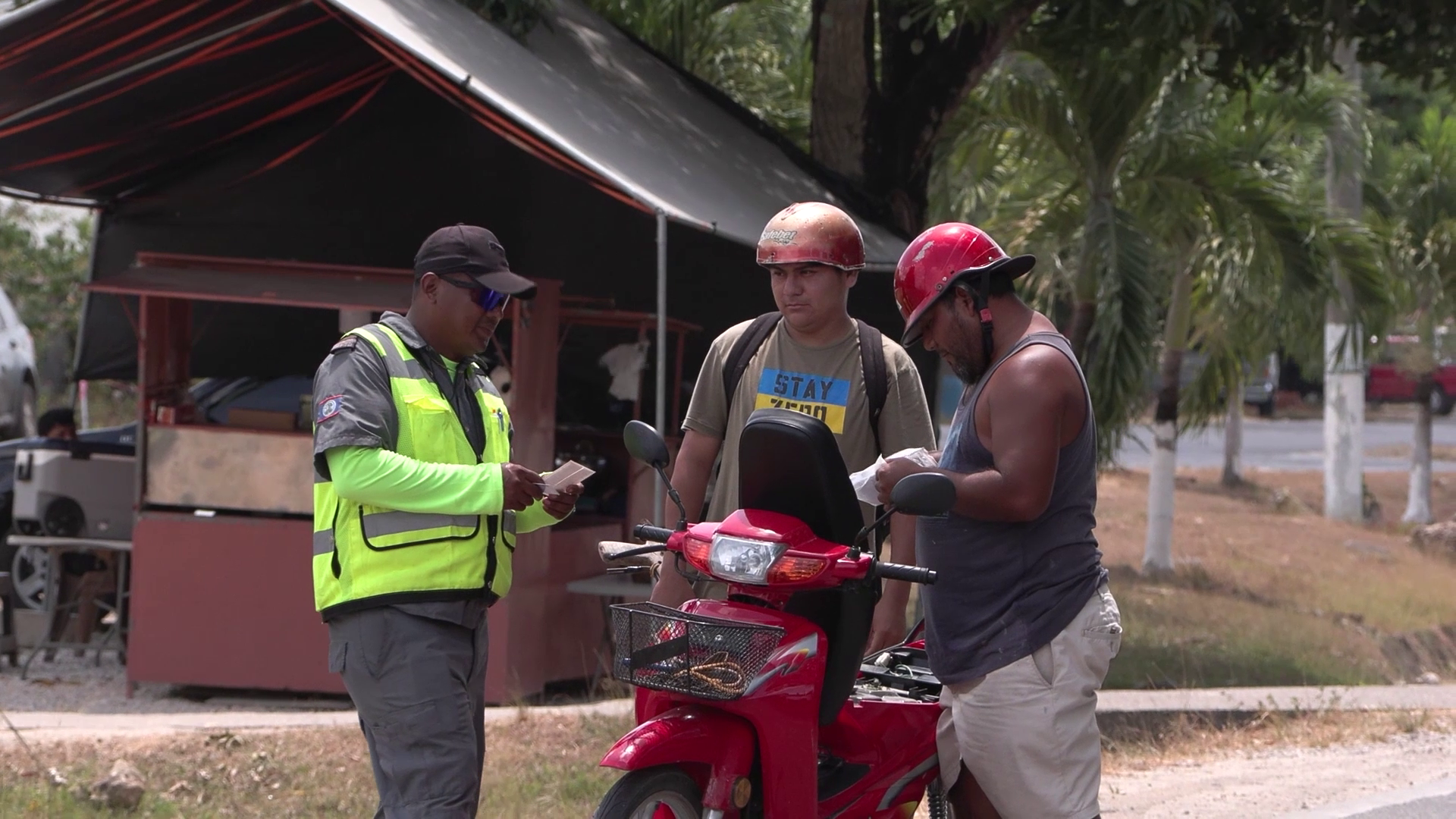
    As motorcycle-related road deaths continue to climb at an alarming rate, Belize has launched a targeted national intervention to reverse the growing public safety crisis, kicking off the National Helmet Standards and Regulation Training Program in its capital city of Belmopan on May 20, 2026. This multi-stakeholder initiative, led by Belize’s Department of Transport in partnership with the UK-based FIA Foundation and the Belize Automobile Touring Association, brings together transport regulators and law enforcement officers for hands-on training to close critical gaps in existing helmet law enforcement and safety standards.

    For years, Belizean law has required all motorcycle riders to wear helmets, but the legislation has long lacked clear specifications for what constitutes a safe, effective protective helmet. This loophole has left riders relying on inadequate gear: from flimsy half-helmets to helmets designed for bicycle use, which offer little to no protection against fatal head injuries in a crash. Local data underscores the urgency of the crackdown: motorcycles account for nearly 40% of all fatal road crashes in the country, with head injuries consistently cited as the leading cause of death for riders involved in collisions.

    Chief Transport Officer Leon Gentle explained that the program was fast-tracked by transport officials in a race to curb rising fatalities, noting that the planning process began back in August 2025 when the Department of Transport first convened stakeholders with the Bureau of Standards to draft a formal national safety standard for motorcycle helmets, now referred to as Belize Standard 31: 2026. “We pushed our entire team to the limits to accelerate this process,” Gentle stated, emphasizing that the gap in existing safety regulations had created a preventable public hazard for the country’s growing motorcycle community.

    Belmopan Mayor Pablo Cawich echoed this urgency, pointing out that the number of motorcycles on Belize’s roads has grown steadily in recent years, making targeted safety interventions more critical than ever. “Motorcycle riders are amongst the most vulnerable road users,” Cawich noted at the training launch. “A single accident can change or end a life within seconds. Proper helmet standards, public awareness, and effective enforcement are therefore not simply regulatory matters – they are life-saving measures.” Over the course of the two-day opening training session in Belmopan, participating officials will work through the full details of developing and rolling out the new Belize Standard 31: 2026, with future training sessions planned for regions across the country.

    Beyond building enforcement capacity, the broader program also includes public outreach efforts to educate riders on three core priorities: why certified helmets are critical to survival, how to wear helmets correctly to maximize protection, and where to access affordable, certified safety gear that meets the new national standard.

    Agnieszka Krasnolucka, program manager at the FIA Foundation, framed the initiative as part of a broader global push to address motorcycle road safety. Global data from the World Health Organization confirms that motorcycle fatalities represent a growing public health crisis: 30% of all global road deaths are motorcycle riders, a number that has increased by one third since 2013. While Southeast Asia bears the heaviest burden – with motorcycle fatalities accounting for 46% of all road deaths in the region – the Americas are not far behind, with a 25% fatality rate, and some countries in the region reporting even starker numbers. “Motorcycles are the riskiest mode of road travel today,” Krasnolucka noted. “Critical to note, motorcycle riders are most likely to die of head injuries, and this is frankly unacceptable because there are solutions to prevent that.”

    Belizean officials say establishing and enforcing the new internationally aligned national helmet standard will not only reduce preventable fatalities but also strengthen the country’s overall road safety framework, moving the nation closer to its goal of cutting road deaths across all vehicle types.

  • Narcotics Haul Exposes Corozal as Major Drug Trafficking Route

    Narcotics Haul Exposes Corozal as Major Drug Trafficking Route

    A large-scale narcotics seizure in northern Belize has reignited scrutiny of the Corozal District’s growing role as a critical transit route for cross-border drug trafficking, law enforcement officials confirmed this week. The breakthrough came on the evening of May 19, 2026, when a specialized team from the Belize Police Department’s Mobile Interdiction Unit carried out a targeted search rooted in developed intelligence, leading to the discovery of contraband in the Ramonal Landing area of Patchakan Village.

    During the operation, which kicked off around 8:40 p.m., officers uncovered eight heavy black sacks filled entirely with suspected cannabis. After official weighing, the total seizure amounted to 382 pounds of the illegal drug, making it one of the largest single cannabis hauls in the region in recent months.

    “Police have seized three hundred and eighty-two pounds of cannabis following an intelligence-led operation that was conducted by officers attached to the Mobile Interdiction Unit,” explained Assistant Superintendent of Police Stacy Smith, a staff officer with the department. Smith detailed that the search, centered in a high-traffic smuggling corridor along the Corozal coast, directly led to the find, adding that “the drugs have since been deposited as found property” pending further investigation into the smuggling network responsible.

    Local law enforcement officials emphasize that this seizure is just one part of sustained, coordinated efforts to cut off the steady flow of illegal narcotics moving across the Belize-Mexico border. Corozal’s geographic location, shared with southern Mexico and positioned close to major drug distribution routes leading toward North America, has made it a persistent hotspot for traffickers for years. Repeat large hauls in the district have cemented its reputation as a key transit point for cannabis and other illegal drugs moving north, prompting authorities to ramp up intelligence-led operations and interdiction patrols in the area.

    This report is adapted from a televised evening newscast, with original quotes preserved for accuracy.

  • PM Briceno Rejects Corruption Claims in Immigration Funds Probe

    PM Briceno Rejects Corruption Claims in Immigration Funds Probe

    Scheduled for publication on May 20, 2026, this report unpacks a developing public controversy over missing public funds in Belize’s Immigration Department, where top government officials have pushed back against opposition allegations of systemic corruption. Not long after Immigration Minister Kareem Musa presented an initial briefing on the missing funds to Prime Minister John Briceño and the national Cabinet, Briceño offered a clear public rebuke of claims that high-level corruption underpins the financial irregularities, framing the incident as an isolated case of employee malfeasance instead.

    In comments following the closed-door Cabinet briefing, Briceño emphasized that the irregularities stemmed from alleged criminal conduct by a single staff member, rather than institutional corruption. “I don’t think that is a case of corruption. That is a case of theft,” the prime minister stated, noting that he could not disclose full details of the ongoing investigation. He outlined the alleged scheme, explaining that the employee is accused of exploiting gaps in the department’s administrative systems: the worker reportedly issued receipts for fees paid by immigration applicants, then canceled the transactions in the official system and pocketed the funds.

    The controversy escalated after opposition figures pushed back against the government’s framing, with opposition leader Paul Lopez repeating a common critique that institutional graft starts at the top – a claim Briceño declined to engage with directly, saying only that he would refrain from public confrontation with the opposition leader.

    As the investigation progresses, the Ministry of Immigration has already ordered a comprehensive independent audit to trace the missing funds and identify any weaknesses in the department’s financial oversight protocols that allowed the alleged scheme to proceed. No further updates on the total value of missing funds or potential charges against the accused employee have been released to the public, as officials prioritize completing the investigative process before making additional announcements.

    This report is adapted from a transcribed transcript of an evening television news broadcast.

  • Government Moves Toward Establishing Public Sex Offender Database

    Government Moves Toward Establishing Public Sex Offender Database

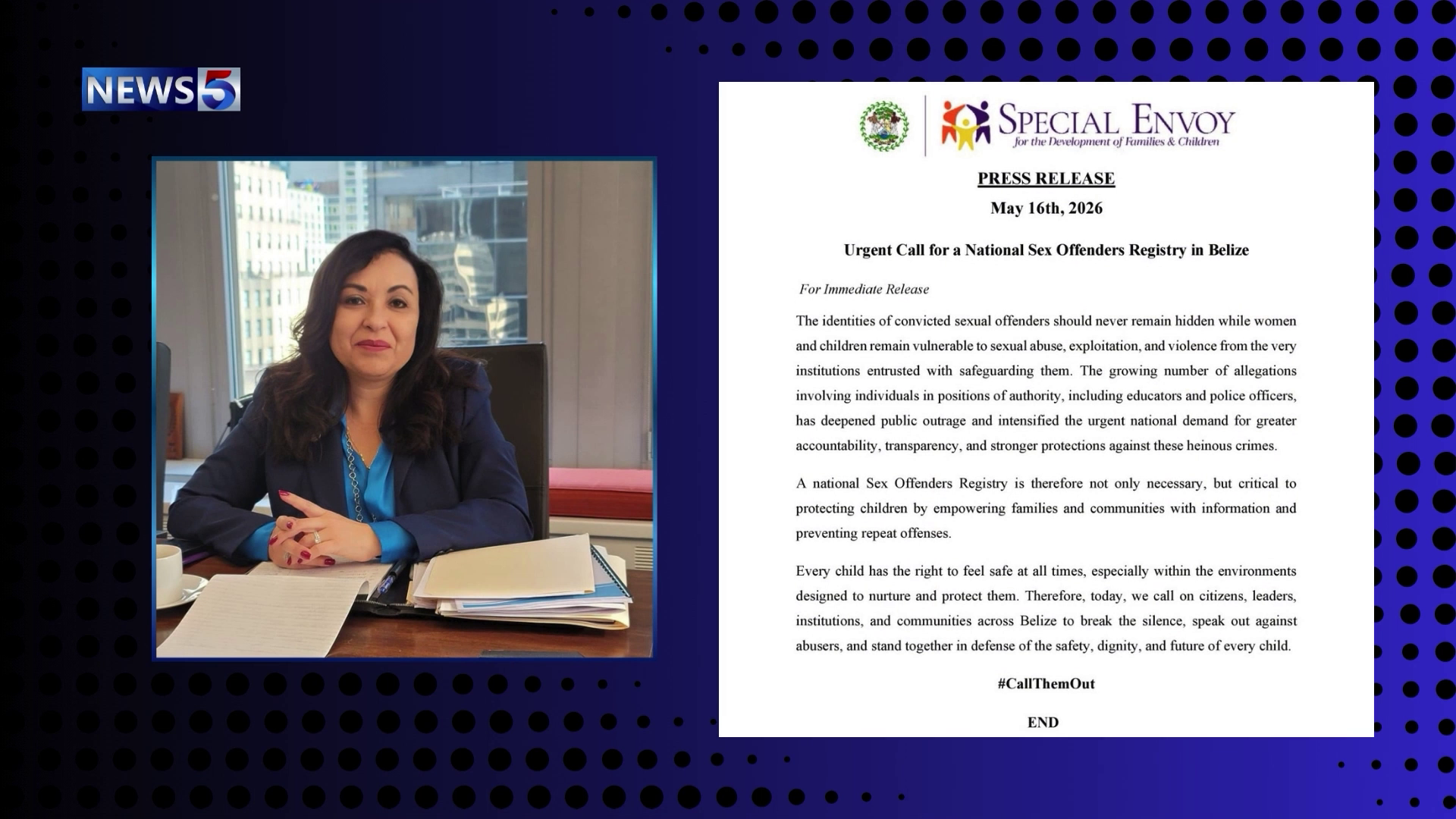
    In a significant policy shift aimed at boosting community child protection, Belize’s top government body has thrown its full weight behind a proposal to turn the country’s existing private sex offender registry into a publicly accessible database. The initiative, led by Special Envoy for Families and Children Rossana Briceño, has cleared a key approval hurdle after winning unanimous support from Cabinet this week. Prime Minister John Briceño confirmed that the proposal is no longer in the preliminary planning stage: the Office of the Attorney General has already begun work to put the public registry into effect.

    Speaking to reporters following Tuesday’s Cabinet session, the Prime Minister framed the move as a long-overdue measure that aligns with growing public demand for greater transparency around community safety. “I think it is something that the time has come,” he said, noting that while a registry has existed for years, it has remained entirely restricted to law enforcement and internal government use. When the proposal was brought to the full Cabinet for discussion, every member voiced immediate backing for the Special Envoy’s push. “On a serious note, it is something that is necessary,” the Prime Minister added, confirming that technical work on reporting frameworks for the new public system is already underway.

    Currently, the registry is maintained jointly by the Ministry of Home Affairs and the Belize Police Department, but its records are not available to ordinary residents. Prime Minister Briceño explained that public access will add a critical extra layer of protection for children across the country. If residents are able to check whether a known sex offender lives in their neighborhood, they will be able to take extra precautions when they encounter that individual in public spaces such as local corner stores. This proactive transparency, he argued, will not only better protect vulnerable children and families but also strengthen accountability for convicted offenders.

    This development marks a major milestone in ongoing efforts to strengthen child protection policies in Belize, responding to longstanding calls from child advocacy groups and community members for greater public access to information that impacts local safety.

  • Government Pushes Ahead with HPV Vaccine Despite Church’s Opposition

    Government Pushes Ahead with HPV Vaccine Despite Church’s Opposition

    A heated public health debate is unfolding in Belize, where the national Cabinet has maintained its unwavering commitment to expanding a free nationwide school-based HPV vaccination program, despite growing opposition from the country’s Catholic Diocesan Schools network. The controversial policy emerged as a top priority during this week’s Cabinet meeting, where senior officials reaffirmed the initiative’s life-saving public health purpose.

    HPV, or human papillomavirus, infection is the leading cause of cervical cancer, a persistent and pressing public health challenge in Belize that continues to claim lives across the country. Government health officials frame the vaccination program as a proactive, evidence-based intervention to cut rates of HPV-related cancers and diseases for generations to come.

    In comments to reporters following the closed-door meeting, Prime Minister John Briceño publicly backed the program, pushing past concerns raised by religious opponents. Opening with a lighthearted quip to defuse tension, Briceño quickly turned to the serious core of the issue, stating: “On a serious note, again we brought it up in Cabinet and we are seriously concerned. But, we are supporting our young women, our young girls and women to have access to this vaccine. It is protecting them against cervical cancer, so we support that.”

    Currently implemented under the oversight of Belize’s Ministry of Health and Wellness, the program provides free HPV doses to eligible children at public schools and community health centers across the country. The initiative specifically targets young people between the ages of 10 and 14, an age range public health experts identify as optimal for the vaccine, as it provides protection before individuals become sexually active and exposed to HPV.

    The pushback from Catholic Diocesan Schools has injected new urgency into the national conversation, turning what was a routine public health rollout into a high-profile national debate. Even as religious institutions raise objections, government leaders have emphasized that protecting the long-term health of Belize’s youth remains their top priority, with no plans to pause or reverse the program’s expansion.

  • Political Race Accelerates Ahead of 2027 Municipal Vote

    Political Race Accelerates Ahead of 2027 Municipal Vote

    As the 2027 Belizean municipal elections scheduled for March draw nearer, the contest between the country’s two leading political parties has entered a more urgent phase, with one side moving early to lock in endorsements and the other preparing a deliberate, strategic launch of its candidate slates.

    The center-left People’s United Party (PUP), led by incumbent Prime Minister John Briceño, has already begun formalizing its electoral lineup. Briceño confirmed Monday following a national executive committee meeting that the party will fully endorse the sitting Orange Walk Town Council, which has earned high marks for its performance in office. No internal convention will be held there, as the party sees no need to challenge the successful incumbent team.

    The most closely watched contest unfolding ahead of the vote is in Belize City, the country’s former capital, where an open PUP mayoral nomination has drawn three interested candidates. Current Deputy Mayor Eluide Miller has already secured the public backing of sitting Mayor Bernard Wagner, while two other prominent local figures – former Deputy Mayor Allan Pollard and City Administrator Candice Pitts – have also publicly signaled their interest in seeking the party’s nomination. A PUP internal convention will be held in the city to select the final candidate.

    Briceño downplayed suggestions of intraparty tension around the Belize City contest, noting that all potential candidates are qualified local leaders. “Whichever one was to emerge as the next mayoral candidate, I think Belize City is going to be in good hands,” he told reporters.

    Meanwhile, the center-right United Democratic Party (UDP) is taking a more gradual approach, declining to announce its full candidate slates for the 2027 vote for the time being. UDP Chairlady Sheena Pitts framed the party’s slow pace as a deliberate strategic choice, noting that the party plans to “strike when the iron is hot” once all candidate vetting and preparations are complete.

    “In this press conference did you not realize that there is a foreshadowing. But my response is that the UDP is gearing up and we are ready and the names are being floated around. However we are a party that strikes when the iron is hot. So as much as I want you to poke me and get me to act when you are ready. We will do so after we have all our ducks in a row and we are able to do so strategically, in each municipality,” Pitts stated in her response to PUP’s early announcement.

    In a reveal of the UDP’s electoral priorities, the party also confirmed that boosting youth representation across all municipal candidate slates will be a core focus as it finalizes its lineup in the coming months.

    This report is adapted from a transcribed evening television broadcast from Belize, originally published online in May 2026, ten months ahead of the scheduled municipal voting.

  • Voter Fraud Claims Rock San Ignacio, Santa Elena Ahead of Elections

    Voter Fraud Claims Rock San Ignacio, Santa Elena Ahead of Elections

    As the 2026 Belize municipal election approaches, explosive allegations of widespread voter registration fraud have thrown the twin municipalities of San Ignacio and Santa Elena into political turmoil, with sitting Mayor Earl Trapp leading calls for urgent oversight from national election authorities. The long-serving incumbent, who is currently campaigning for his fifth consecutive term in office, has formally raised alarms over suspicious voting rolls in the region, bringing the dispute before the Magistrate’s Court even as campaigning enters its final stretch.

    Trapp, who won all three of the Twin Towns’ polling districts — numbered 72, 73 and 76 — during the 2024 municipal election, highlighted a deeply anomalous jump in registered voters just 12 months later, during the 2025 national general election. According to his analysis, most neighboring polling areas saw steady, predictable growth in voter numbers: District 72 recorded a 15% increase, which independent political analysts and election observers have confirmed falls within normal demographic and registration trends, while District 76 saw a more modest 9% uptick. By sharp contrast, District 73 saw an unprecedented 65% expansion of its voter rolls, adding more than 1,056 new registered voters in just 12 months — a jump that Trapp calls statistically impossible under normal circumstances.

    To illustrate the scale of the alleged fraud, Trapp shared a striking example of fraudulent registration: a single two-bedroom residential home on Orion Street had 18 new voters added to its roll ahead of the January 2024 registration deadline, with all 18 individuals carrying 15 different surnames, most of whom were listed as teenagers and young adults with no established connection to the address. During the official voter transfer window the following July and August, an additional 16 voters were transferred to that same single residential address, further deepening suspicions of organized, fraudulent voter stacking.

    With only months remaining until voters head to the polls, Mayor Trapp has publicly called on the national Elections and Boundaries Department to ramp up vigilance, conduct full audits of suspicious voter registrations, and crack down on any illegal activity that could undermine the integrity of the upcoming vote. Trapp’s allegations have already triggered formal legal action, with the dispute now pending before the Magistrate’s Court, marking one of the most high-stakes election integrity controversies in Belize ahead of the 2026 municipal contests.

  • Fonseca Recovering Well After Heart Surgery, PM Reassures Nation

    Fonseca Recovering Well After Heart Surgery, PM Reassures Nation

    Two weeks following a successful triple bypass heart procedure, Belize’s Foreign Affairs Minister Francis Fonseca is experiencing steady, encouraging recovery, according to Prime Minister John Briceño, who shared the latest public health update on the senior cabinet member Thursday evening. The operation was carried out at Belize’s leading Karl Heusner Memorial Hospital, where Fonseca has remained since the procedure to monitor his progress.

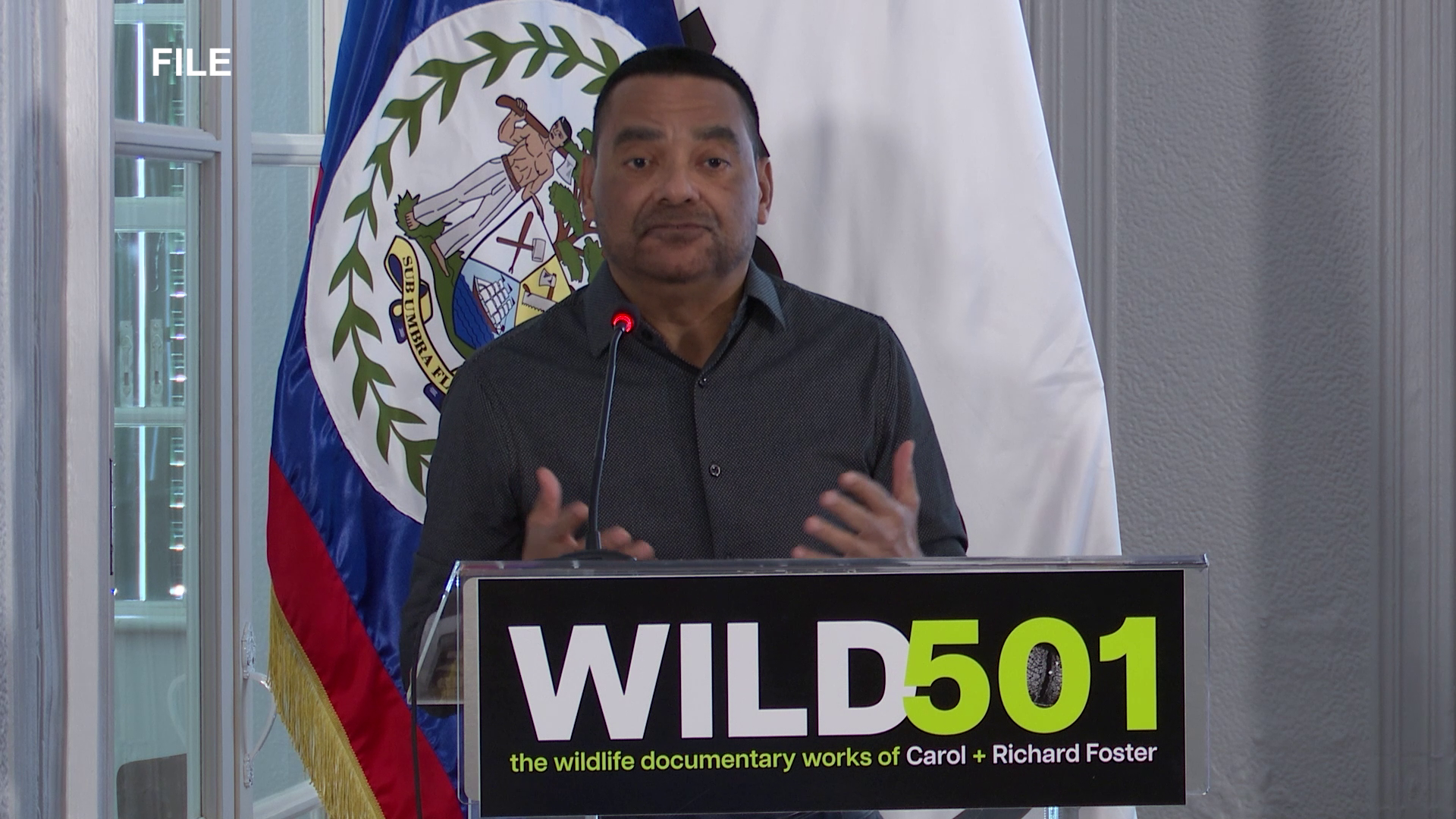
    Prime Minister Briceño, who has maintained consistent communication with Fonseca throughout his post-operative care, told reporters that the minister’s recovery is unfolding exactly as medical teams projected. In a lighthearted anecdote shared during the press briefing, Briceño noted that he visited Fonseca just days after the surgery earlier that week, and found the minister calm and relaxed. “I went to see him Friday after the surgery and he looks quite relaxed. I was kind of joking with him that some of us they should be able to put us to sleep for three days and we could relax a little bit,” Briceño said.

    When pressed by reporters for a timeline on when the foreign minister would resume his official government duties, Briceño emphasized that Fonseca’s full recovery takes priority over any immediate work demands. “Well, we don’t know yet. What I am telling him, his health comes first. Once he feels he is well enough to come back to work, because we certainly need help,” the prime minister added, noting he plans to check in on Fonseca with another visit in the coming days.

    This public update comes as part of standard transparency for senior government officials, addressing public curiosity about the health of one of Belize’s top cabinet leaders. This article is adapted from a televised evening newscast transcript.

  • Abi Mai Facing Double Health Battle, Knee and Back Issues

    Abi Mai Facing Double Health Battle, Knee and Back Issues

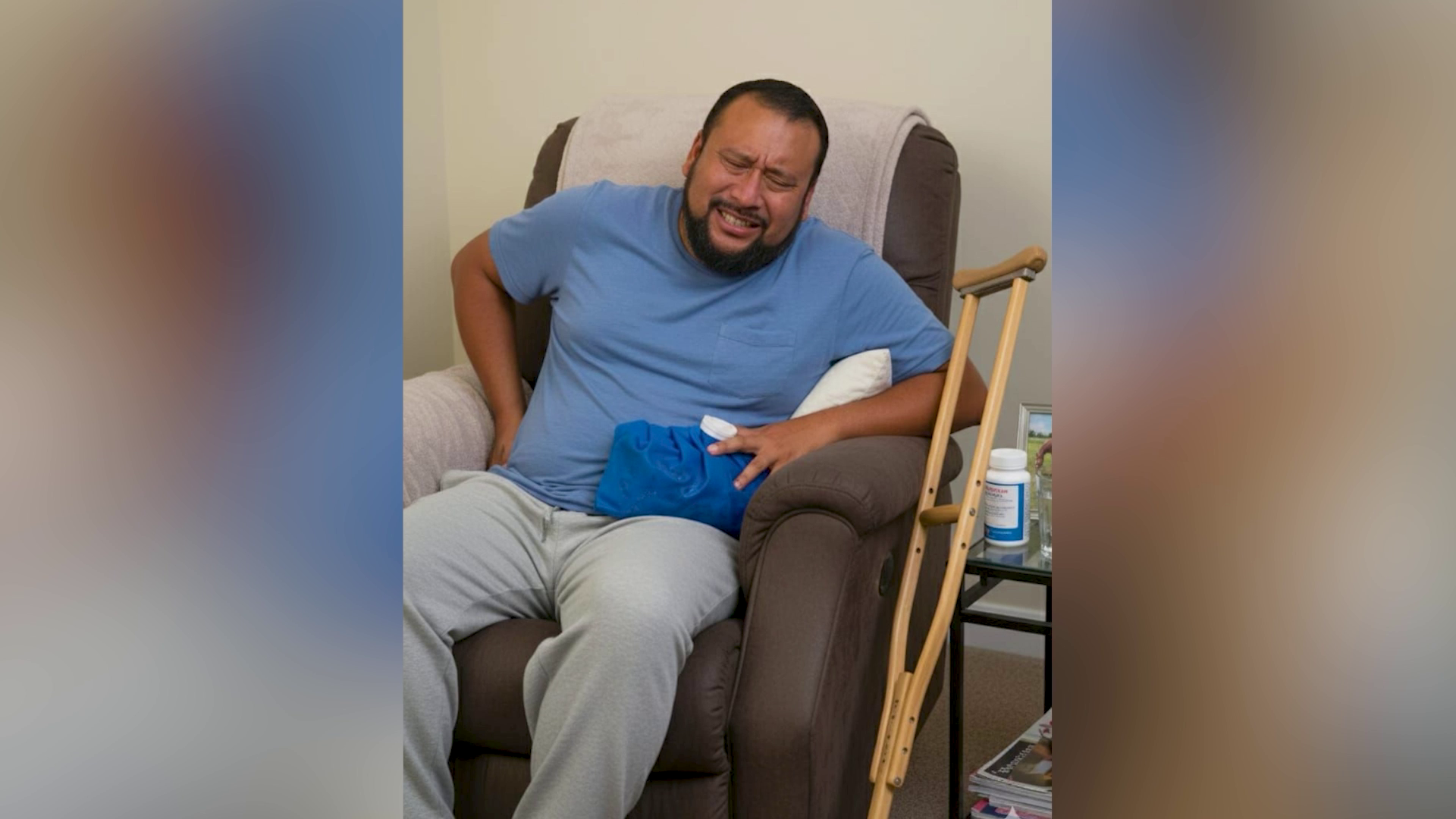
    Six months after stepping down from his cabinet post as Belize’s Minister of Agriculture, Jose Abi Mai remains sidelined by concurrent chronic knee and back issues, with no clear timeline for his return to government, Prime Minister John Briceño confirmed in a recent public update.

    Briceño shared details of Mai’s care plan, explaining that medical providers opted to prioritize knee surgery first to address his mobility impairment. For weeks before the procedure, Mai had been forced to walk with a distorted sideways gait due to unmanaged knee pain. Doctors determined that correcting the spinal issue first would have little benefit as long as Mai’s walking pattern remained compromised, Briceño noted.

    “Unless you are a trained medical professional, it is hard to second-guess the clinical judgment,” Briceño told reporters, adding that spinal surgery carries well-documented risks that have made both clinicians and Mai cautious about moving forward with the back procedure immediately after knee recovery.

    When pressed by reporters on when the former minister might rejoin the national cabinet, Briceño said any decision on a potential return will be made at a later date, dependent entirely on Mai’s recovery progress. This update comes half a year after Mai formally resigned his ministerial position to focus on addressing his long-standing health concerns.

    This report is adapted from a transcript of a televised evening news broadcast from the source outlet.

  • Life-Saving Domestic Violence Law Still Not in Action

    Life-Saving Domestic Violence Law Still Not in Action

    It has now been six months since Belizean lawmakers passed what was billed as urgent, life-saving reform to fill critical gaps in domestic violence protection, but the policy has yet to be implemented, leaving survivors still exposed to harm during after-hours periods when risk is highest. The stalled reform emerged directly from a national tragedy that shook the Central American nation in late 2025, when a brutal act of domestic violence claimed three innocent lives.

    In October 2025, 35-year-old Angelita Magana, her 6-year-old son Tishan Godoy, and 17-year-old daughter Shadia Magana were killed when Magana’s former partner Francisco Godoy set their home ablaze. The attack came just days after Godoy was released on bail facing charges of rape and repeated domestic abuse against Magana. Magana, who had repeatedly expressed fear for her life, had attempted to secure an emergency restraining order to keep Godoy away, but the courts were closed for the weekend, leaving her with no immediate legal protection. All three victims died in the fire, along with Godoy.

    In a moving tribute shared shortly after the tragedy, Magana’s cousin Britney Soliz remembered the family as loving and respectful. “She was always a good mom to her children; she gave them love and took care of them. Her children grew up with a lot of love. Her daughter Shadia was a girl who, likewise, received love from her mom, and she was very respectful. The boy was also very kind and respectful,” Soliz said in a 2025 interview. Soliz also recalled that Magana had repeatedly sought help to escape her abuser, but was turned away time and again when official services were closed outside regular court hours. “She tried everything to keep the man from approaching her, but well, they didn’t pay attention,” Soliz added.

    The tragedy sparked immediate public outcry, and by November 2025, Belizean lawmakers fast-tracked two amendment bills — the Justices of the Peace (Amendment) Bill and the Domestic Violence (Amendment) Bill — designed to close this dangerous gap in protection. Under the new framework, trained senior Justices of the Peace (JPs) would be authorized to issue emergency 72-hour protection orders outside of court operating hours, granting survivors immediate legal safety when courts are closed for weekends, holidays, or after regular business hours. The legislation was widely hailed as a critical, practical reform that would prevent similar future tragedies.

    But six months later, as of May 2026, the new system has yet to be activated. The rollout is stalled at the recruitment and training stage for eligible JPs, according to Adrian “Danny” Madrid, president of Belize’s Association of Justices of the Peace. Madrid explained that the strict eligibility requirements written into the new law have created an unexpected shortage of qualified candidates.

    Currently, Belize has more than 3,000 active JPs nationwide, but only a small fraction qualify for the new emergency protection role. To be eligible, candidates must hold senior JP status — which itself requires 10 years of service as a regular JP — plus an additional five years of experience as a senior JP, bringing the total required experience to 15 years. Candidates must also hold a clean criminal record, requirements that officials say were put in place to reflect the sensitive nature of the work.

    Madrid noted that the narrow eligibility pool has slowed recruitment dramatically. “We have over three thousand JPs in the country. We don’t have that much senior JPs, because you have to be a JP for ten years before you can be appointed a senior JP. And now this act is asking that you have to have five years’ experience as a senior justice of the peace. So it makes it even harder,” he said.

    Once accepted, eligible candidates will complete specialized training led by the Ministry of Human Development and the Attorney General’s Ministry before they can begin issuing orders. Madrid has appealed to all qualified senior JPs to step forward to fill the gaps, emphasizing that the role is critical to saving lives, most often on weekends when magistrate courts are closed and risk of harm spikes. “We will be able to sign that document and arraign the person immediately. We don’t have to wait for the magistrate. We don’t have to wait until Monday,” Madrid said. “We’re trying our best to deal with it, to have it work. So we’re appealing to our senior JPs who have more than five years experience. Do not be afraid, because you have the protection from the police and from the law.”

    Under the current rolling plan, officials aim to train 10 senior JPs for Belize district, and five additional JPs for each of the country’s remaining districts. If recruitment continues to fall short of the needed numbers, government officials are considering a policy adjustment to lower the required years of senior JP experience to expand the pool of eligible candidates. For now, however, survivors of domestic abuse across Belize remain without the promised after-hours emergency protection, leaving a life-saving reform unfulfilled six months after the tragedy that prompted its creation. Investigative reporter Britney Gordon contributed this report for News Five.