A controversial proposed acquisition of Belize’s telecommunications provider SMART by incumbent operator BTL remains in limbo, as Belizean cabinet ministers have confirmed they are not yet prepared to cast a final vote on the deal. The delay comes even after senior officials have already received three formal briefing presentations from key stakeholders involved in the transaction: the Social Security Board (SSB), which holds a significant investment stake in BTL, the utility itself, and the Public Utilities Commission (PUC), the government body tasked with regulating the sector. Despite these inputs, multiple cabinet members have acknowledged that critical outstanding questions about the acquisition have not been resolved, leaving ministers in need of more time and data to build an informed position.
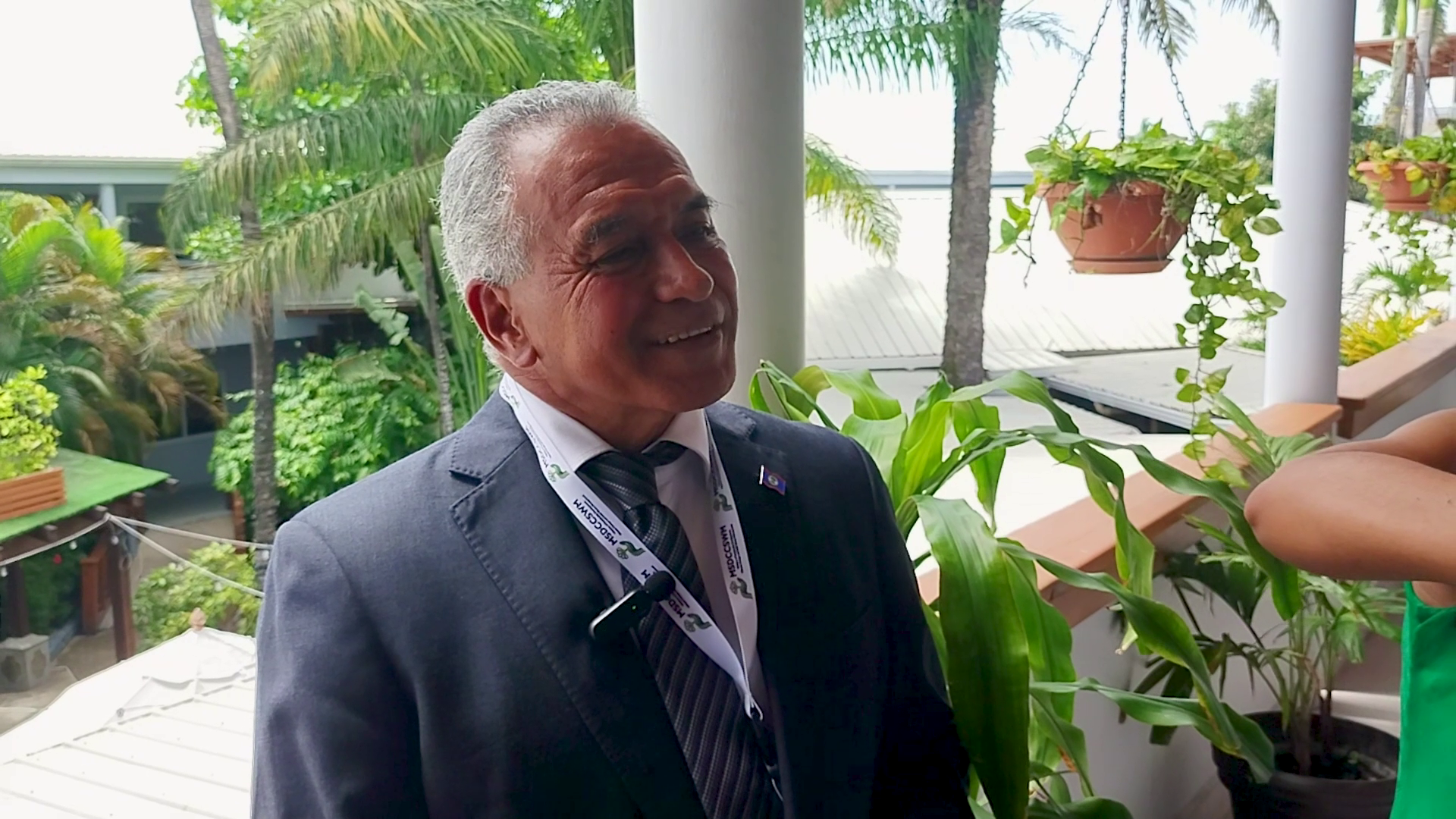
In an on-the-record interview with reporters on August 13, 2026, Cabinet Minister Orlando Habet confirmed that the final vote on the transaction is scheduled to take place during cabinet’s upcoming Tuesday sitting, when ministers will collectively arrive at a final decision. When pressed on whether growing public pushback against the acquisition would influence his vote and the cabinet’s overall position, Habet acknowledged that public opposition has been voiced, but pushed back on claims that widespread opposition to the deal exists among the general Belizean public.
Pointing to the dual role of the public as both citizens and stakeholders via the Social Security Board’s investment in BTL, Habet noted that the cabinet must weigh competing interests from all sides of the debate. When reporters referenced widespread criticism of the deal across social media platforms and planned protest action by national trade unions, which represent thousands of workers across Belize who oppose the acquisition, Habet declined to comment further on his personal position, reiterating only that the full cabinet would make a formal, collective decision on Tuesday.
Habet’s stance is not anomalous within the current administration. Earlier this week, fellow Cabinet Minister Michel Chebat similarly stated that he would not commit to a position until he receives additional detailed information about the terms and projected impacts of the proposed acquisition. As the Tuesday vote approaches, the transaction remains one of the most debated public policy issues in Belize, with civil society groups, trade unions, and social media users increasingly making their opposition to the deal known, while proponents argue the acquisition would strengthen the country’s telecommunications sector and protect public investments held via the Social Security Board.