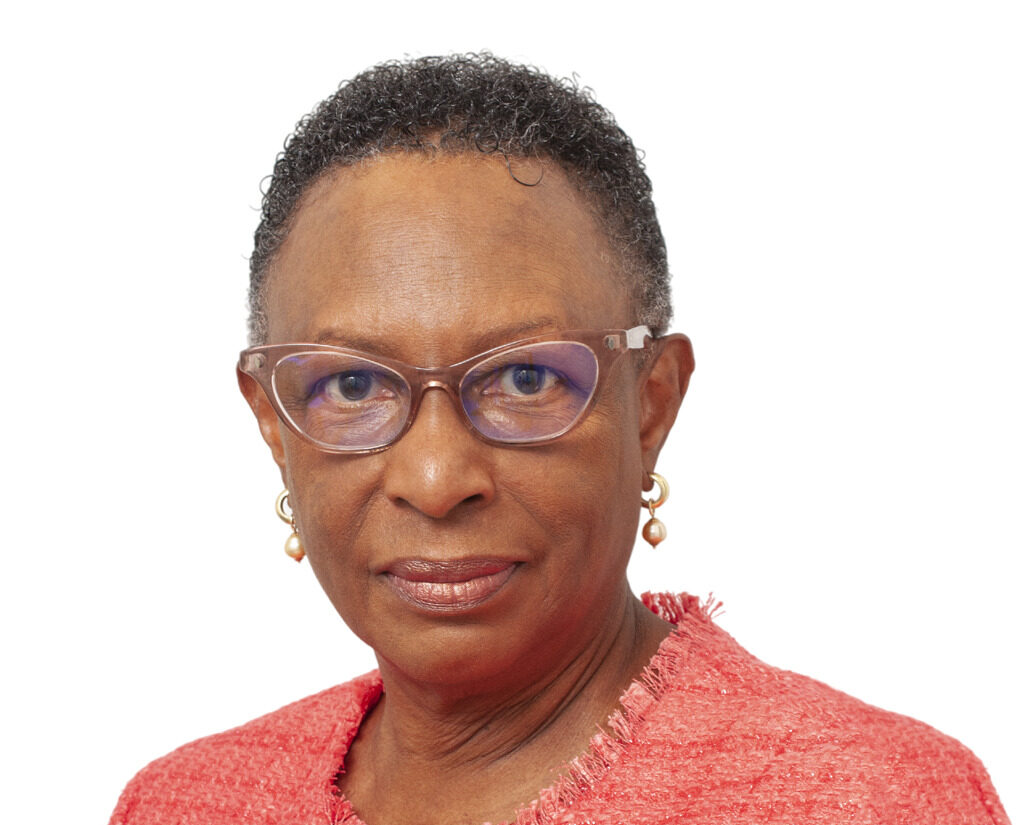
The Barbados Olympic Association Inc. (BOA) has announced it will distribute a total of $110,000 in performance-based monetary rewards to Barbadian athletes and teams that secured medals at the 2024 Commonwealth Games and Central American and Caribbean (CAC) Games. This payout marks another cycle of the incentive scheme the BOA first rolled out in 2019, designed to ease the heavy financial burden that comes with elite-level training and international competition, complementing the organization’s existing Athlete Funding Programme. BOA President Sandra Osborne shared that the association takes immense pride in rewarding these athletes, whose standout performances have made the entire nation proud and showcased Barbados’ untapped potential for even greater athletic achievement on global and regional stages. In a historic logistical feat for the small Caribbean nation, Team Barbados split its contingent to compete at two major events running simultaneously on separate continents this year, uniting behind the slogan “One Island. Two Stages. We are Team Barbados”. The Commonwealth Games took place in Glasgow, Scotland between July 23 and August 2, while the 25th edition of the CAC Games unfolded in Santo Domingo, Dominican Republic from July 24 to August 8. Across both competitions, Barbadian athletes delivered a impressive combined haul of 10 medals. Sprinter Sada Williams claimed the country’s only medal at the Commonwealth Games, taking home silver in the women’s 400-meter event. The bulk of the team’s medal success came at the CAC Games, where athletes secured nine total podium finishes: two gold medals, five silver medals, and two bronze medals across individual and team disciplines. In squash, Margot Prow secured top honors in the women’s singles competition, then paired with Meagan Best and Amanda Haywood to win a second gold in the women’s team event. Best added a silver medal to her personal tally in the women’s singles squash draw. Other silver medalists included Chelsea Tuach in women’s shortboard surfing, Matthew Wright in the men’s individual triathlon, Kaipo Marshall and Stephen Slocombe in men’s tennis doubles, and Wright alongside Fynn Armstrong in the men’s triathlon team event. Bronze medals went to Jabali Breedy in men’s boxing, and Darien Benn, Khamal Cumberbatch, and Shawn Simpson in the men’s squash team event. The BOA structures its incentive payments on a sliding tier system, with payout amounts adjusted based on three key factors: the competitive tier of the event, the color of the medal won, and whether the achievement came in an individual or team competition. As of the latest update, disbursement of these well-earned bonuses to the 13 honored athletes is already in progress.
标签: Barbados
巴巴多斯
-
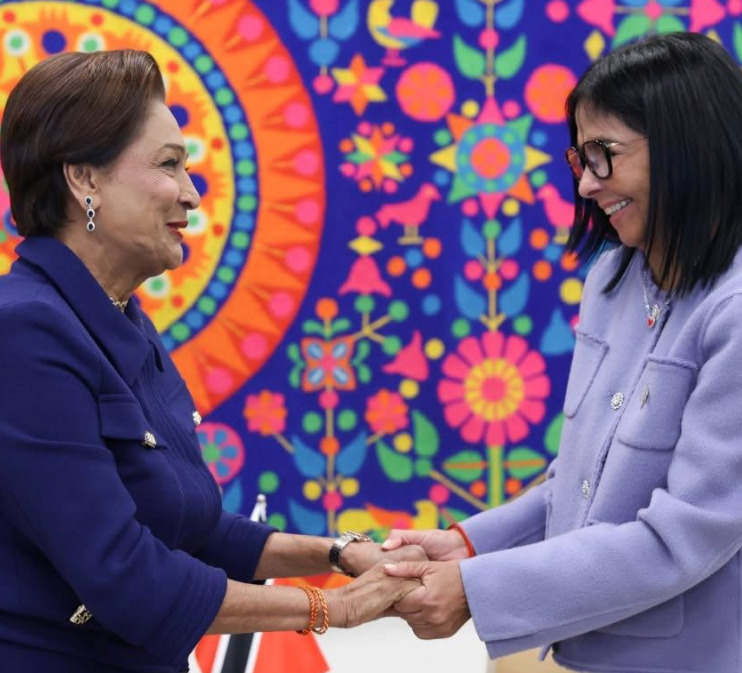
Venezuela declares Persad-Bissessar persona grata as leaders agree to deepen ties
A landmark diplomatic shift has reopened positive engagement between Venezuela and Trinidad and Tobago, after Venezuela reversed its classification of Trinidadian Prime Minister Kamla Persad-Bissessar, formally declaring her a welcome persona grata on the heels of a high-level meeting with acting Venezuelan President Delcy Rodríguez this week in New York.
The talks unfolded at Venezuela’s Permanent Mission to the United Nations, held on the margins of the 81st session of the UN General Assembly, marking the most significant step forward in warming frosty bilateral ties in recent years. In a joint communique released immediately after the discussion, the two leaders framed the encounter as the opening chapter of a completely renewed relationship between their nations.
Both sides moved quickly to build on this breakthrough, reaffirming the deep, centuries-long shared historical bonds that link the Caribbean and South American neighbors. They also signed off on an ambitious agenda to expand collaborative work across a wide range of mutually beneficial sectors, including cross-border trade, energy development, national security coordination, disaster risk reduction, climate and environmental protection, agricultural development, tourism promotion, expanded air travel links, and cultural exchange.
In a gesture of gratitude, Rodríguez extended formal thanks to the government and people of Trinidad and Tobago for the rapid solidarity they extended to Venezuela following the devastating 24 June earthquake series that struck the country earlier this year. To ensure ongoing high-level dialogue keeps the reconciliation process on track, the two leaders have committed to reciprocal official visits in the coming months, with Persad-Bissessar set to travel to Caracas and Rodríguez to Port-of-Spain.
The official joint statement explicitly confirmed that Venezuela has formally reversed its prior status designation, making clear that Persad-Bissessar is fully welcome within Venezuelan territory. Regional political analysts have broadly welcomed the development as a major step forward for bilateral cooperation. Dr. Winford James, a leading Caribbean political analyst, characterized the joint communique as a constructive, goodwill-driven document that signals clear enthusiasm from both governments to reset their previously strained relationship.
Fellow analyst Shane Mohammed echoed that assessment, noting that the high-profile New York meeting builds on steady momentum toward full diplomatic repair. He emphasized that the sit-down highlights Persad-Bissessar’s deliberate focus on advancing policy priorities that deliver shared benefits to both nations. Mohammed added that the formal reclassification of Persad-Bissessar as persona grata is far more than a symbolic gesture: it underscores the substantive breakthrough achieved in the meeting, and has lifted expectations for concrete, tangible progress on cooperative initiatives in the months ahead.
-
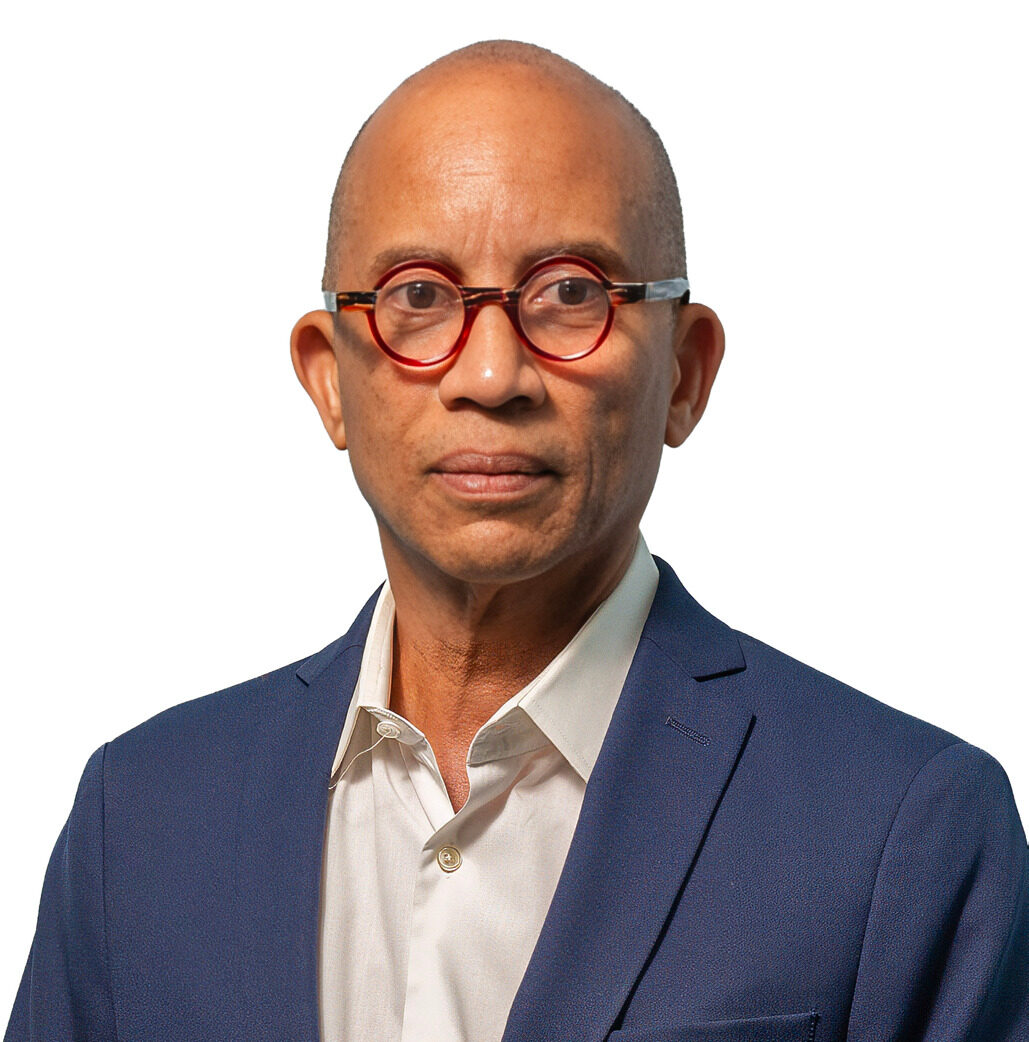
BNECL appoints new chief executive officer
Barbados National Energy Company Limited (BNECL), a key player in Barbados’ energy sector, has announced the appointment of Michael Sargeant, a highly accomplished industry veteran with nearly 40 years of global experience, as its new chief executive officer. Sargeant’s tenure will officially commence on September 15, marking a new chapter for the state-linked energy firm as it navigates a shifting global energy landscape and advances Barbados’ clean energy transition goals.
Sargeant’s decades-long career is a rare blend of deep experience across both traditional fossil fuel and fast-growing renewable energy sectors, spanning a diverse range of international markets including the Caribbean, the United Kingdom, the United States, Canada, and across Asia. He cut his senior leadership teeth at global energy giant Shell, where he held a series of high-impact senior roles, including Vice President for the Americas, Global Operations Manager, and Global Manager for Technology Commercialization. Most recently, Sargeant served as Vice President for Renewables for the Americas at Finnish energy firm Neste, where he oversaw senior executive responsibilities for sales, marketing, commodity trading, and energy storage and distribution across the region.
His core areas of expertise span a wide spectrum of critical energy needs: from energy market analysis and commercial strategy development to clean energy and renewable fuel innovation, strategic cross-sector partnership building, energy market infrastructure expansion, regulatory navigation and stakeholder engagement, and large-scale organizational transformation. These skills position him uniquely to lead BNECL through its current phase of growth and adaptation.
The appointment of Sargeant comes at a pivotal juncture for BNECL, as the company works to streamline its existing operations and expand its footprint in Barbados’ rapidly evolving energy ecosystem. BNECL Chairman Donald Austin expressed strong enthusiasm for the new hire, noting that Sargeant brings an unparalleled combination of global energy expertise, sharp commercial acumen, and proven transformational leadership to the organization.
“His cross-sector experience across both traditional and renewable energy will be invaluable as we strengthen our operations, pursue new market opportunities, and advance our core strategic priorities,” Austin said in a statement. “We are thrilled to welcome him home, and we are confident that under his leadership, BNECL will help build a secure, affordable, and sustainable energy future for Barbados.”
For his part, Sargeant said he is honored to take on the CEO role at BNECL and is eager to collaborate with the company’s employees, board of directors, and key stakeholders to drive progress. “We operate in an exciting, increasingly complex energy environment,” Sargeant commented. “I look forward to building on the BNECL Group’s already impressive track record of accomplishments, and further solidifying its position as Barbados’ leading energy provider.
“By operating with maximum efficiency and embracing diverse, forward-thinking energy solutions, we can improve quality of life for all Barbadians, support national economic growth, and help deliver a more secure, reliable, and affordable energy future for the country.”
BNECL’s board of directors, senior management team, and all staff have extended a warm welcome to Sargeant as he assumes leadership and guides the company into this next phase of development.
-

Jury to hear murder case next week
Nearly five years after Kevin Atherley was found dead with multiple stab wounds in rural Barbados, his accused killer Joel Philemon Maynard will have his case laid out before a 12-member jury when testimony begins next Monday at the country’s Supreme Court.
Maynard, a 38-year-old resident of Padmore Village, has repeatedly maintained his innocence in the September 26, 2019 killing, entering a formal not guilty plea to the charge of first-degree murder. Atherley’s remains were discovered shortly after his death in Harrow Land, a district in the parish of St Philip, and coroners confirmed he had sustained several penetrating wounds before his death.
Court officials completed empanelling the jury earlier this week, which is made up of seven women and five men. The high-profile case will be overseen by Justice Laurie-Ann Smith-Bovell at the Supreme Court’s No. 4 courtroom.
Opening the prosecution’s case on Wednesday, Acting Director of Public Prosecutions Alliston Seale SC, who is working alongside acting Senior State Counsel Paul Prescod and State Counsel Tomeisha Sobers, told the court that the victim and the accused had a long-running friendship that deteriorated into conflict in the days leading up to Atherley’s death.
According to the prosecution’s narrative, on the day of the killing the two men encountered each other on an isolated path, where a heated confrontation turned violent. The clash left Atherley with multiple fatal wounds across his body, Seale said.
Law enforcement launched an extensive investigation immediately after the body was discovered. The probe wrapped up nearly 12 months after the incident, when authorities took Maynard into custody for questioning. He was formally charged with murder following the interview, Seale confirmed. Maynard’s legal defense is being led by attorney-at-law Sian Lange, who will challenge the prosecution’s evidence over the course of the trial.
-
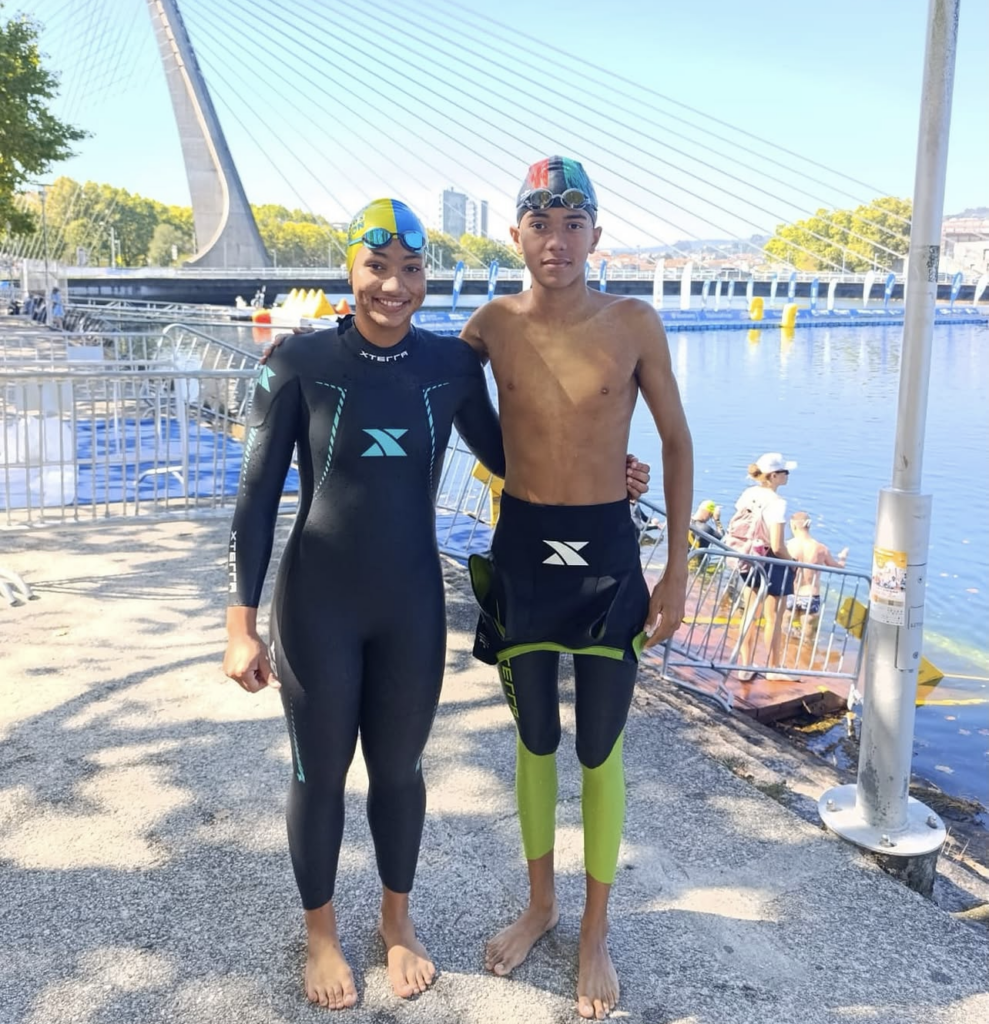
Tough day for Barbadian pair at Junior World Triathlon Championships
The 2024 Junior World Triathlon Championships held in Pontevedra, Spain, delivered mixed outcomes for two young Barbadian triathletes on Thursday, as both walked away with critical high-level competition experience despite underwhelming on-track results.
Sixteen-year-old Alexis Lashley put up a gritty fight across all three stages of the race, even as her final ranking landed far outside the upper echelon of competitors. Lashley turned in a strong performance in the opening swim leg, kept pace with her lead pack through the cycling segment, and closed out the event with a consistent run. She ultimately crossed the finish line in 61st place, a result that fell short of her own personal goals. But with two more years of eligibility remaining in her current age group, the tournament marked a pivotal introduction to the intensity of elite global competition, particularly against traditionally dominant European triathlon contenders.
For 17-year-old Luke McIntyre, the race ended far earlier than expected, after a chaotic racing incident in the transition zone immediately following the swim leg left him injured. A mass pile-up of young competitors left McIntyre trampled, with a kick to the head that triggered immediate adverse symptoms. The young athlete pushed through the pain to start the cycling leg, attempting to complete one full lap of the course before worsening headaches and debilitating dizziness forced him to withdraw from the event. Following prompt evaluation and treatment from on-site medical teams, McIntyre was cleared to return to training and is already on the mend with no serious long-term injuries reported.
In an exclusive interview with Barbados TODAY from the championships venue, Dr. Garth McIntyre, president of the Barbados Federation of Island Triathletes, framed the results as a critical learning opportunity for both the athletes and the national governing body. He noted that even with the disappointing outcomes, the pair gained invaluable exposure to top-tier international competition that will serve them well in future events.
“Both athletes performed admirably against the best young triathletes in the world,” Dr. McIntyre said. “This isn’t a setback—it’s a foundational experience. Alexis held her own against much more seasoned competitors, and even though Luke couldn’t finish, he got a firsthand look at the intensity of this level of racing.”
Dr. McIntyre added that both young competitors are already looking ahead to the 2025 racing season and have outlined clear goals to improve on this year’s results. Their participation in the Spanish world championships has ruled them out of Barbados’ upcoming National Championships scheduled for this Sunday, but Dr. McIntyre confirmed both are expected to return to competitive action quickly.
The next major milestone for the pair is the CARIFTA Triathlon, set to take place in just four weeks on October 23 and 24 in Bermuda. Following a short rest period to recover from the world championships, both athletes will resume targeted training for the regional event. Two weeks after the CARIFTA games, Lashley is also scheduled to represent Barbados at the Youth Olympic Games in Dakar, Senegal.
-
The Chapman Challenge to officially launch on October 9
Barbados’ President’s Trust has formally announced the launch of The Chapman Challenge, a groundbreaking national youth empowerment initiative operating under the patronage of the island nation’s President Jeffrey Bostic. As the first flagship programme launched by the trust since Bostic took office, the effort marks a key milestone in the administration’s pledge to deliver tangible, life-changing impact for ordinary Barbadians.
President Bostic shared the origins of the programme in comments announcing the launch, noting that empowering younger generations has been a core priority since his election. “From the moment I took office as President of Barbados, my goal has been to advance initiatives that move the needle for our people,” Bostic explained. “The Chapman Challenge is the first of these efforts, and it stands as the flagship undertaking of the President’s Trust.”
At its core, the programme is built on a simple but powerful vision: to open doors for every child and young adult in Barbados by providing the foundational support they need to turn their personal and professional goals into reality. “We built this initiative on the belief that every young Barbadian deserves the scaffolding to reach their own definition of success,” Bostic said. “We will deliver every tool necessary to help them map their unique path, stay on track through challenges, and cross the finish line to achieve their dreams.”
Designed as a transformative developmental framework, The Chapman Challenge combines mentorship and structured support to nurture key traits among participants: a drive for excellence, strong leadership skills, personal growth, resilience in the face of adversity, and deep national pride. The three-tiered programme targets young people between the ages of 10 and 24, with a mission to help each participant unlock their full potential in whatever field or passion they choose to pursue. Beyond individual growth, the initiative also aims to cultivate a culture of community service, collaborative teamwork, and responsible, active citizenship across the island’s youth population.
The programme aligns directly with the President’s Trust’s core mission: investing in Barbados’ people to create sustainable opportunities that drive long-term social and economic progress for the entire nation.
The official public launch ceremony is scheduled for 11 a.m. on Friday, October 9, at the Garfield Sobers Gymnasium. As patron of the initiative, President Bostic will deliver the keynote address at the event. Prime Minister Mia Mottley will also join the ceremony to share remarks and signal the government’s support for the landmark national project.
The launch is expected to bring together a cross-section of stakeholders, including senior government officials, local community leaders, programme partners and sponsors, registered participants, and grassroots supporters. Attendees will gather to mark the start of what many observers expect to become a transformative platform for youth development and community growth across Barbados.
-
$220m water treatment project to begin in October
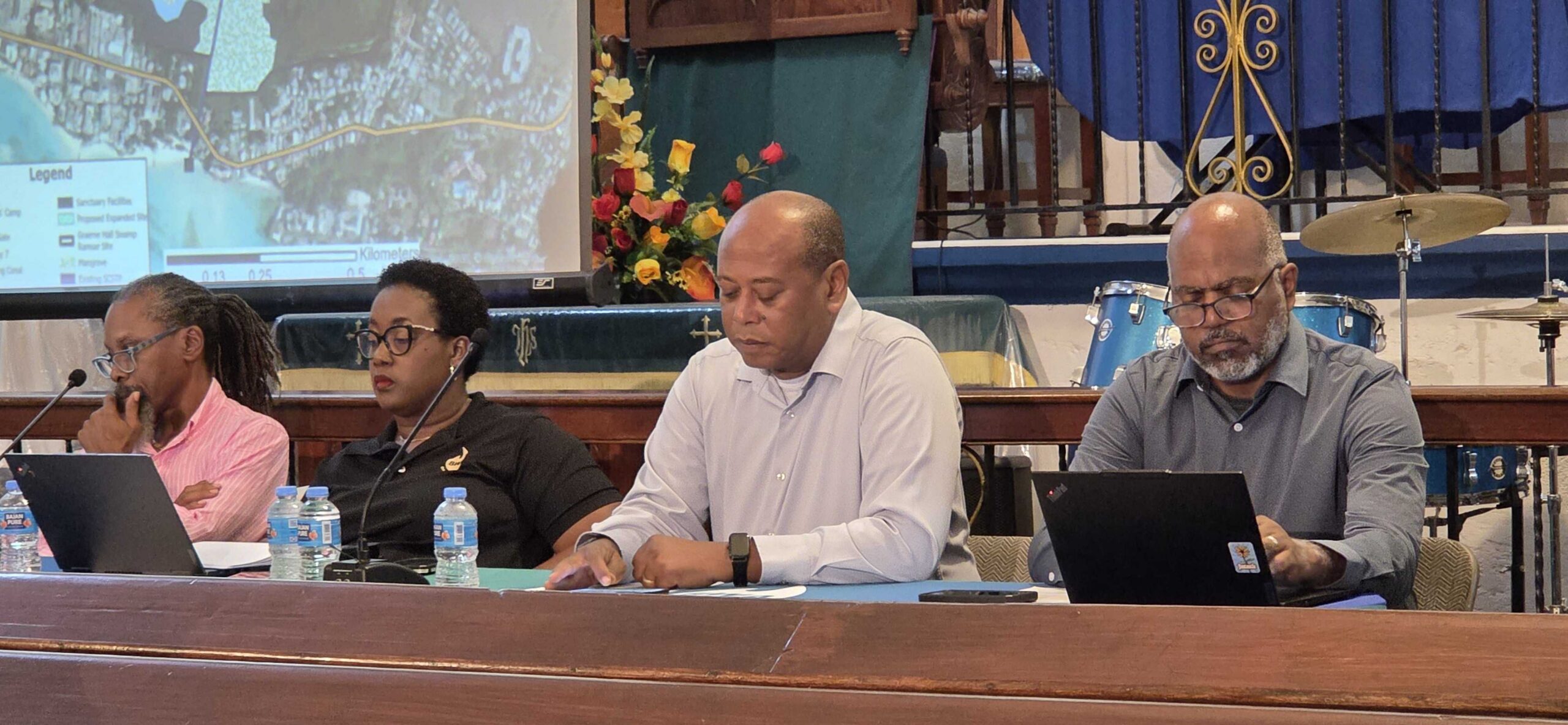
Barbados is set to break ground next month on a landmark $220 million wastewater reclamation initiative designed to expand irrigation access for local farmers while advancing national environmental protection goals, the Barbados Water Authority (BWA) announced Wednesday. Project leaders detailed the full scope and timeline of the South Coast Water Reclamation Project during a public consultation town hall hosted at Hawthorne Methodist Church in Worthing, outlining how the innovative scheme integrates advanced tertiary wastewater treatment, renewable energy infrastructure, and ecosystem conservation to repurpose treated wastewater for agricultural irrigation.
Major construction works are scheduled to run for 30 months, with completion targeted for May 2029. The primary contractor will remain on site to oversee the initial operational phase through May 2032, a arrangement designed to support hands-on technology transfer and comprehensive training for local BWA staff.
The project’s multi-source international financing package brings together contributions from leading global climate and development institutions: an $80 million loan from the Inter-American Development Bank (IDB), a $60 million loan and $80 million grant from the Green Climate Fund, with additional backing via a debt conversion agreement with the European Investment Bank (EIB) that is supported by a $300 million guarantee.
Shelley Parris, project manager with the BWA’s Project Execution Unit, explained that the core mission of the initiative is twofold: strengthen the resilience and reliability of Barbados’ water supply by expanding access to reclaimed water, while building capacity across national water management institutions. “The Government of Barbados is the ultimate project owner and sovereign counterpart governing the entire initiative, while the BWA has been appointed as the official executing agency,” Parris noted. She added that even with the project’s expected gains, which will boost per capita water availability from 98 cubic meters to 238 cubic meters by 2050, the island will still fall within global parameters for water scarcity, meaning long-term strategic resource management will remain a critical priority for the nation.
The initiative is structured around four interconnected core components all aimed at upgrading Barbados’ national water management framework. First, infrastructure upgrades include the construction of a new South Coast Water Reclamation and Reuse Facility adjacent to the existing Harmony Hall treatment plant, which will upgrade current treatment capabilities from basic primary processing to advanced secondary and tertiary levels. Second, a 25-kilometer distribution pipeline will carry reclaimed water from the main Graeme Hall facility through Christ Church and portions of St George, all the way to River Plantation in St Philip. Third, a 7-megawatt solar photovoltaic system paired with battery storage will power the facility, offsetting its full energy demand with renewable energy. Fourth, institutional development will focus on capacity building, enhanced water quality monitoring, and specialized training for staff across the ministries of health, agriculture, and environment.
Once operational, the pipeline network will supply consistent irrigation water to between 160 and 1,320 hectares of farmland, directly benefiting 210 small-scale farmers in communities including River Plantation, Silver Hill, and Gibbons Bog, plus an additional 260 producers located along the pipeline route. During the wet season, the system will also support managed aquifer recharge through purpose-built injection wells, helping to preserve the island’s precious reserves of clean drinking water.
The treatment complex sits adjacent to Graeme Hall Swamp, a globally recognized Ramsar-listed wetland site. Upgrading to full tertiary treatment will cut down on harmful chemical runoff from urban and agricultural areas, protect coastal and marine ecosystems, and eliminate persistent local odour issues that have long impacted residents living near the existing facility.
China Railway Shanghai Engineering has been awarded the contract for engineering, procurement, and construction, with global firm AECOM serving as local contract administrator and SAEDI Consulting Barbados overseeing environmental compliance for the scheme.
Ian Constantine, project coordinator for the South Coast Water Reclamation Project, confirmed that preliminary site preparation works have already gotten underway near Harmony Hall. “The contractor has already commenced mobilisation on site. Currently, some of the temporary access roads have already been constructed,” Constantine shared during his technical presentation at the town hall. “Over 20 containers have already been delivered on site, alongside cranes and heavy construction vehicles. The master schedule for this project has been approved, and full construction is going to begin within October.” The first major structural work will focus on pouring the foundation for the plant’s main bioreactor tank, a process expected to take six to eight weeks, Constantine added.
The project follows a design-build model, meaning all technical specifications must receive formal approval from the Barbadian government before any equipment is installed. To support local economic participation, the main contractor has contracted Barbadian small businesses for surveying, geotechnical engineering, heavy equipment rental, and site preparation works. Addressing early community concerns about construction impacts, project managers confirmed that initial dust complaints have already been resolved through the implementation of regular site watering and ground covering measures.
Wednesday’s town hall formed a required part of the statutory public consultation process for the project’s Environmental and Social Impact Assessment (ESIA) and Environmental and Social Management Plan (ESMP). To ensure long-term operational reliability and sustainability, the finished facility will host an on-site water quality testing laboratory, and multiple independent regulatory agencies will conduct regular monitoring of both incoming influent and outgoing effluent water quality throughout the facility’s operational lifespan. Community outreach, dedicated liaison programs, and regular public progress briefings will continue throughout the 30-month construction period as works progress along the south coast corridor.
-
Stunt-driving videos prompt concern at firm
Viral social media clips capturing reckless stunt driving by groups of motorists on private commercial property in Barbados have reignited widespread public anxiety over unregulated unsafe driving and trespassing, prompting the affected business to ramp up security measures following persistent late-night disruption and property damage.
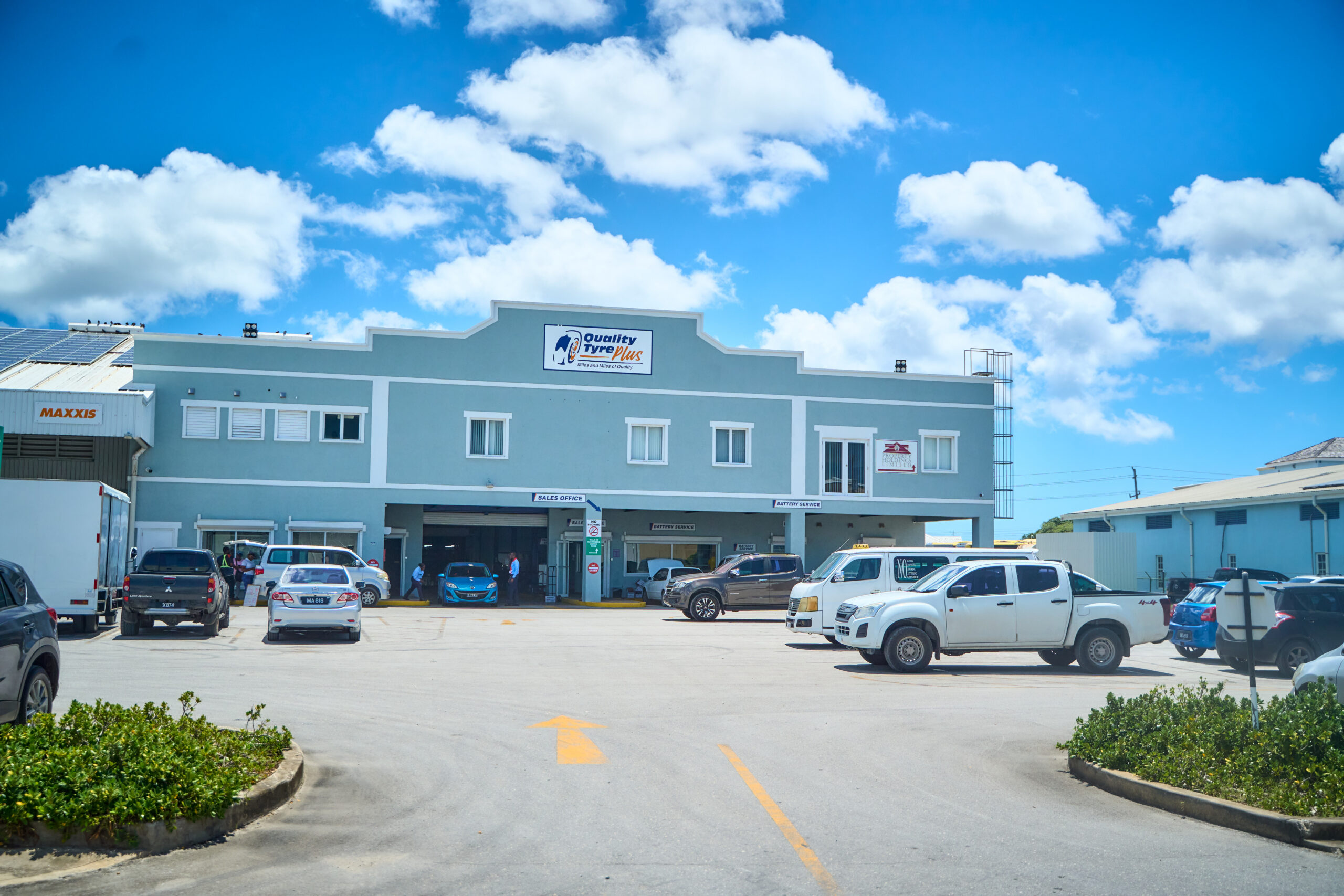
Quality Tyre Plus, an automotive service provider based in Lower Estate, St Michael, has confirmed that its open car park has morphed into an unauthorized weekend gathering spot for stunt drivers and their spectators over the past year. The disruptive activity, characterized by roaring engines, high-speed maneuvers and reckless drifting, often drags on until just before sunrise, plaguing nearby residents and business operations alike.
In an exclusive interview with Barbados TODAY, a spokesperson for the company outlined the growing untenability of the situation, noting that for more than 12 months the firm has fielded constant complaints from local residents about the noise and chaos. “It’s been over a year now that we’ve been struggling with this. We have poured significant resources into additional surveillance technology to identify perpetrators and pursue legal prosecution,” the spokesperson explained. Complaints have poured in around the clock, from midnight through the early pre-dawn hours, with the reckless driving echoing through neighboring St George as well.
Following guidance from local law enforcement, the business has already erected clear trespassing warnings for after-hours visitors and upgraded its camera network. Yet these interventions have done little to deter the groups, who continue to treat the car park as a informal hangout spot. The spokesperson noted that even with the new surveillance, alerts of groups gathering on the property still arrive at all hours of the night, with dozens of cars flocking to the site on a regular basis.
The problem is not a new one, and Quality Tyre Plus has already paid a tangible price for the illegal activity. Roughly two years ago, a driver performing a high-risk maneuver lost control and crashed directly into the company’s building, shattering the showroom’s front glass and causing major damage to an entry shutter. “It’s come to a point now where we’re not standing for it anymore. Any identifying information we collect will be turned over to police immediately. Enough is enough, we can’t keep tolerating this,” the spokesperson emphasized.
Complicating the company’s response is the fact that it cannot simply block off access to the car park entirely, due to long-standing access arrangements with emergency services and towing providers. The facility regularly accepts damaged vehicles dropped off after hours for repair the next business day – a common practice for motorists who run over potholes and rupture tires or crack rims after operating hours. Blocking entry with permanent gates would cut off this critical service for legitimate customers, a trade-off the company is unwilling to make. “If we close it off, we block access for the customers who rely on us to accept their vehicles after a breakdown. That’s not a service we want to end, so we’re looking for alternative solutions,” the spokesperson added.
Currently, the firm is working to develop targeted measures that will ban stunt drivers and spectators after dark without restricting access for authorized after-hours drop-offs. The activity follows a predictable pattern, the spokesperson noted: groups begin arriving as early as 7 p.m. on some nights, with gatherings often lasting until 3 or 4 a.m. Participation spikes after rainfall, when drivers are eager to perform drifting stunts on wet pavement. Word of the informal gatherings spreads quickly through social media, drawing growing crowds of participants and onlookers each weekend. “It’s a terrible situation for our business and our neighbors, but we simply cannot allow it to continue,” the spokesperson said.
Roland Lowe, president of the Barbados Road Safety Association (BRSA), confirmed that the trend of illegal car stunting on private property marks a shift from years past, when unregulated stunt activity was largely limited to motorcyclists. In recent months, BRSA has recorded a sharp rise in reports of four-wheeled vehicles performing stunts and drifting in empty commercial car parks and other unused private spaces across the island.
Lowe stressed that the unsanctioned activity carries severe, avoidable safety risks, as stunts are performed without any of the protective infrastructure or emergency response protocols that exist in licensed motorsport venues. “When you do this in an uncontrolled environment, you open yourself and everyone around you up to devastating collisions and serious accidents. There are no safety personnel on site to respond when something goes wrong,” Lowe explained. He added that reckless stunt driving should only be conducted in regulated, designated venues with trained emergency staff on standby to handle injuries or crashes. Closing with a stark warning to participants, Lowe said: “Doing this anywhere else is nothing less than putting your own life and the lives of innocent bystanders at unnecessary risk.”
-
Matthews leads Windies’ charge in Harare
The West Indies Women’s cricket team launched their tour of Zimbabwe in devastating fashion on Wednesday, securing a dominant 99-run victory over the host nation in the first of three One Day Internationals held at Harare Sports Club. Toss-winning captain Hayley Matthews elected to bat first, a decision that paid off beyond expectations as the visitors piled on one of the highest totals in their women’s ODI history.
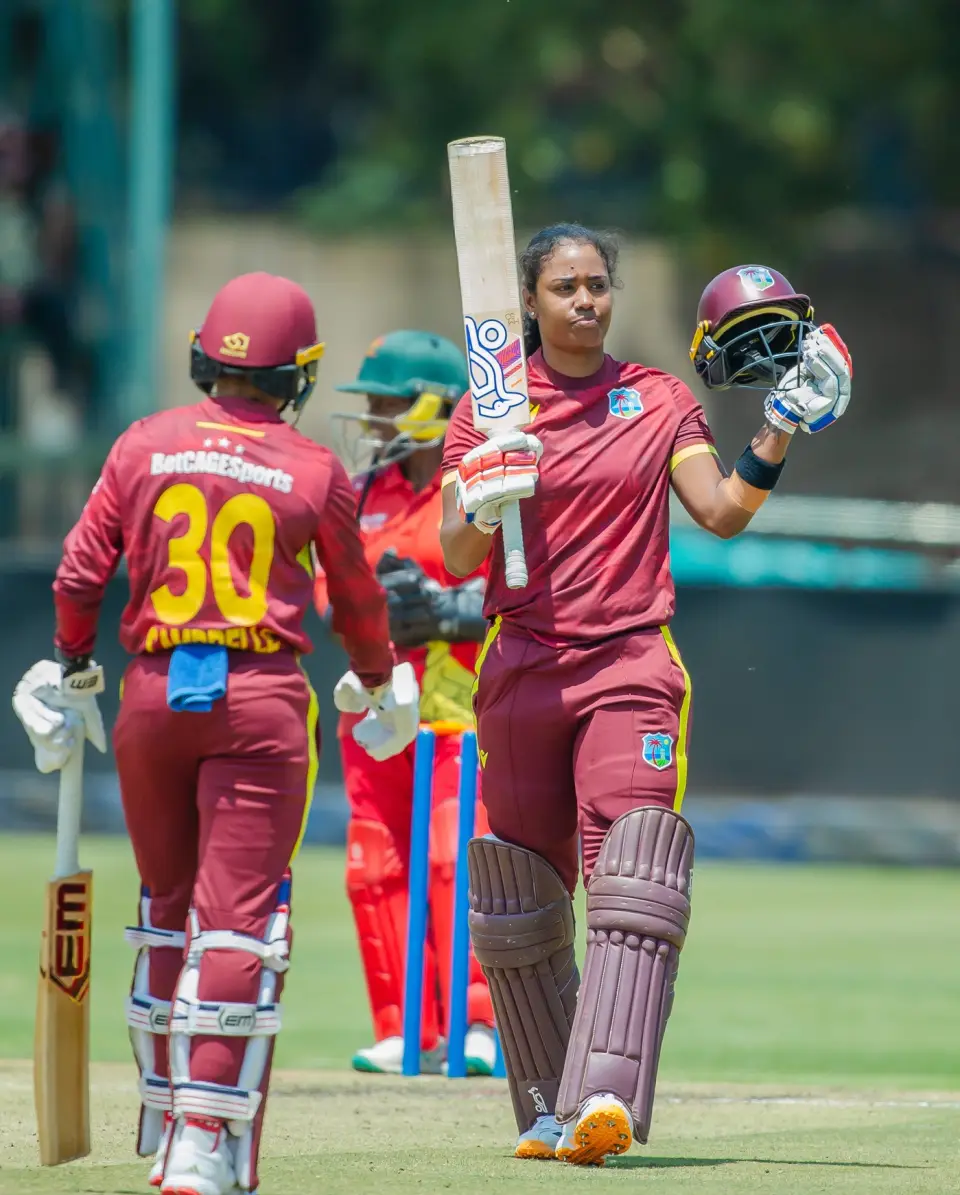
Matthews, opening the batting for her side, produced an innings for the record books. The veteran all-rounder was finally dismissed with just five deliveries left in the 50-over allocation, having smashed an unbeaten 182 runs off only 156 deliveries. Her knock included 26 boundaries and two towering sixes, breaking Stafanie Taylor’s 10-year-old record of 171 against Sri Lanka for the highest individual score by a West Indies women’s batter in ODI cricket. The innings also ranks as the sixth-highest individual score in the history of women’s 50-over cricket worldwide.
Matthews shared a 128-run opening stand with young partner Realeanna Grimmond, who contributed a solid 53 runs – her third ODI half-century – featuring seven fours and one six. After the opening pair departed, however, the rest of the West Indies batting order struggled to build on their momentum. The next highest score came from Chinelle Henry, who managed 19 runs on her return to the national side following a spell on the sidelines with injury. West Indies closed their innings at 299 for six, the second-highest team total in the region’s women’s ODI history, falling just short of the 368 they scored against Sri Lanka back in 2013.
For Zimbabwe, seamer Francisca Chipare was the pick of the bowlers, finishing with figures of two wickets for 57 runs. Beloved Biza, Nyasha Gwanzura and Tendai Makusha each chipped in with one wicket apiece to keep the hosts in the hunt. Chasing a steep target of 300 runs for victory, Zimbabwe faced an uphill battle from the first over. Opener Modester Mupachikwa produced a valiant rearguard innings, anchoring the host’s total with an 86-run knock off 106 balls that included seven fours and one six. By the 22nd over, Zimbabwe looked well placed at 100 for two, but a disciplined collective bowling performance from West Indies triggered a dramatic collapse.
Even without Matthews in the bowling attack – she sat out bowling duties after suffering cramping – the West Indies bowlers shared wickets evenly to dismiss Zimbabwe for just 200 runs in the 44th over. Aaliyah Alleyne led the attack with three wickets for 34 runs, while Jannillea Glasgow, Ashmini Munisar and Afy Fletcher each claimed two wickets apiece. Glasgow and Munisar both finished with tidy figures of two wickets for 27 runs each.
The result marks West Indies’ fifth consecutive ODI victory, putting them 1-0 up in the three-match series, with the second ODI scheduled to take place this Sunday at the same Harare venue. Speaking to reporters after the match, an elated Matthews said she was thrilled with her personal milestone and the team’s strong start to the tour.
“It’s pretty nice to be able to spend some time and to get some runs and yeah a new PB for myself,” Matthews said. “I definitely set some high goals coming into this series so yeah just pretty happy I’ve been able to start well. As much as I can, I try to set an example out on the park with the bat and well not the ball today but just in general with performances. It was really good to see so many people in the wickets today, with everyone really playing a role and it shows that we certainly have a lot of options.”
-
Barbados pursues new tax, investment treaties
As the Caribbean nation works to draw fresh foreign capital and strengthen cross-border economic ties, Barbados is actively advancing negotiations for new double taxation agreements (DTAs) and bilateral investment treaties (BITs) with a range of non-conventional trading partners, including an unnamed European country that has already held informal talks with Barbadian authorities, a top government official confirmed this Wednesday.
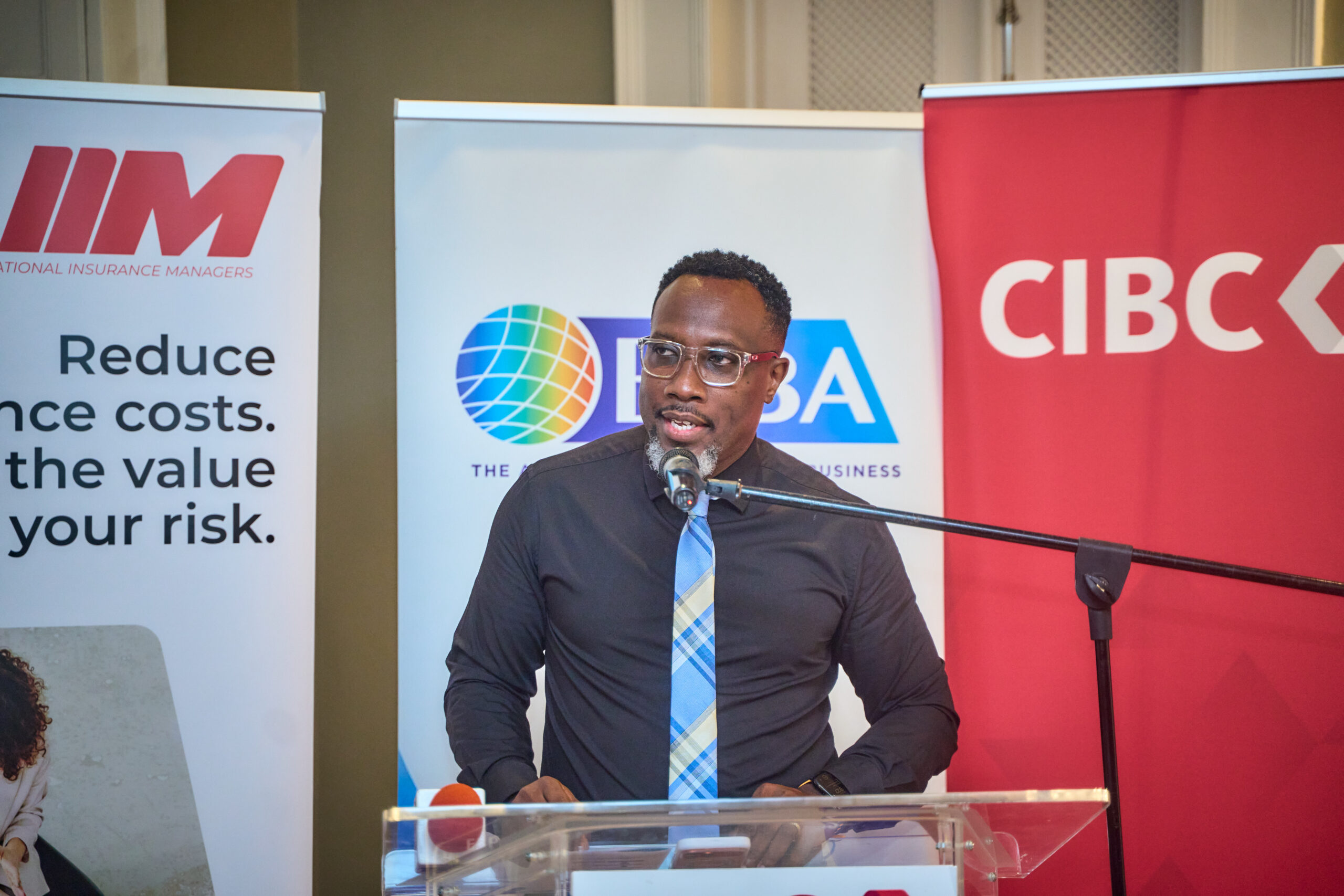
Speaking to journalists at the official media launch of Global Business Week, hosted at CIBC Great House in Warrens, Kevin Hunte, Permanent Secretary of Barbados’ Ministry of Business, outlined that ongoing discussions are focused on securing both a DTA and BIT with the undisclosed European partner. Hunte emphasized that the government’s push to expand the country’s existing network of international tax and investment treaties has not slowed amid shifting global economic conditions, noting that Barbados has worked for years to open formal negotiations with this particular European nation.
A cross-government working group, comprising the Ministry of Business, Ministry of Foreign Affairs, the Prime Minister’s Office and the Cabinet, currently conducts reviews to prioritize target jurisdictions for new agreements. Hunte added that in the current global tax landscape, bilateral investment treaties have gained greater urgency than traditional double taxation agreements, driven by widespread international restructuring of global tax frameworks.
Sangene Watkins-Diagne, Director of the International Business Unit within the Ministry of Business, echoed Hunte’s comments, confirming that the government’s strategy centers on expanding the treaty network beyond Barbados’ long-standing core trading partners. The initiative is being developed in close collaboration with Pascal Saint-Amans, a senior tax policy expert serving as consultant to the Prime Minister.
“Barbados already has comprehensive treaties in place with all of its major trading partners, so at this stage our focus is on branching out into less traditional jurisdictions,” Watkins-Diagne explained. She also provided an update on a recent diplomatic and economic win, noting that Barbados had successfully secured its removal from Spain’s controversial tax blacklist. Watkins-Diagne called the island’s previous inclusion on the list “very unfortunate,” crediting coordinated work between the Ministry of Business, Spain’s Honorary Consul in Barbados, and the Barbados Revenue Authority for engaging Spanish regulators and reversing the designation.
While the government has already compiled a formal list of priority countries for new treaty negotiations, Watkins-Diagne noted that progress depends entirely on the willingness of partner nations to enter into formal talks with Barbados. “We do have a list of priority countries, but we need to hold preliminary discussions to confirm whether a country is willing to negotiate a double taxation agreement with us, so those conversations are still ongoing across multiple jurisdictions,” she said.
She confirmed that the European country referenced by Hunte has only been part of unofficial exploratory talks to date, with no formal negotiations launched yet, so the nation’s name will remain undisclosed for the time being. Watkins-Diagne argued that securing a DTA and BIT with this European partner would likely open the door for similar agreements with other non-traditional jurisdictions, creating a domino effect for future expansion.
In an open appeal to the international business community, Watkins-Diagne called on investors and cross-border service providers to share feedback on which new treaties would deliver the greatest benefit to their operations and clients. “We continue to work actively in expanding our treaty network. If any investors or service providers have ideas, or have heard their clients say that their work would be transformed if Barbados had a treaty with a specific country, we want to hear that input,” she stated.
The announcement came during the media launch for the 2026 Global Business Week Conference, which is scheduled to take place October 22–23 at the Wyndham Grand Barbados Sam Lord’s Castle Resort. This year’s conference will center on the theme “Resilience: Adapting, Transforming, Thriving,” bringing together global business leaders to discuss economic adaptation and growth in an evolving global tax and investment landscape.