标签: Barbados

巴巴多斯

  • Ifill nets five to power St Bernard’s Primary to big win

    Ifill nets five to power St Bernard’s Primary to big win

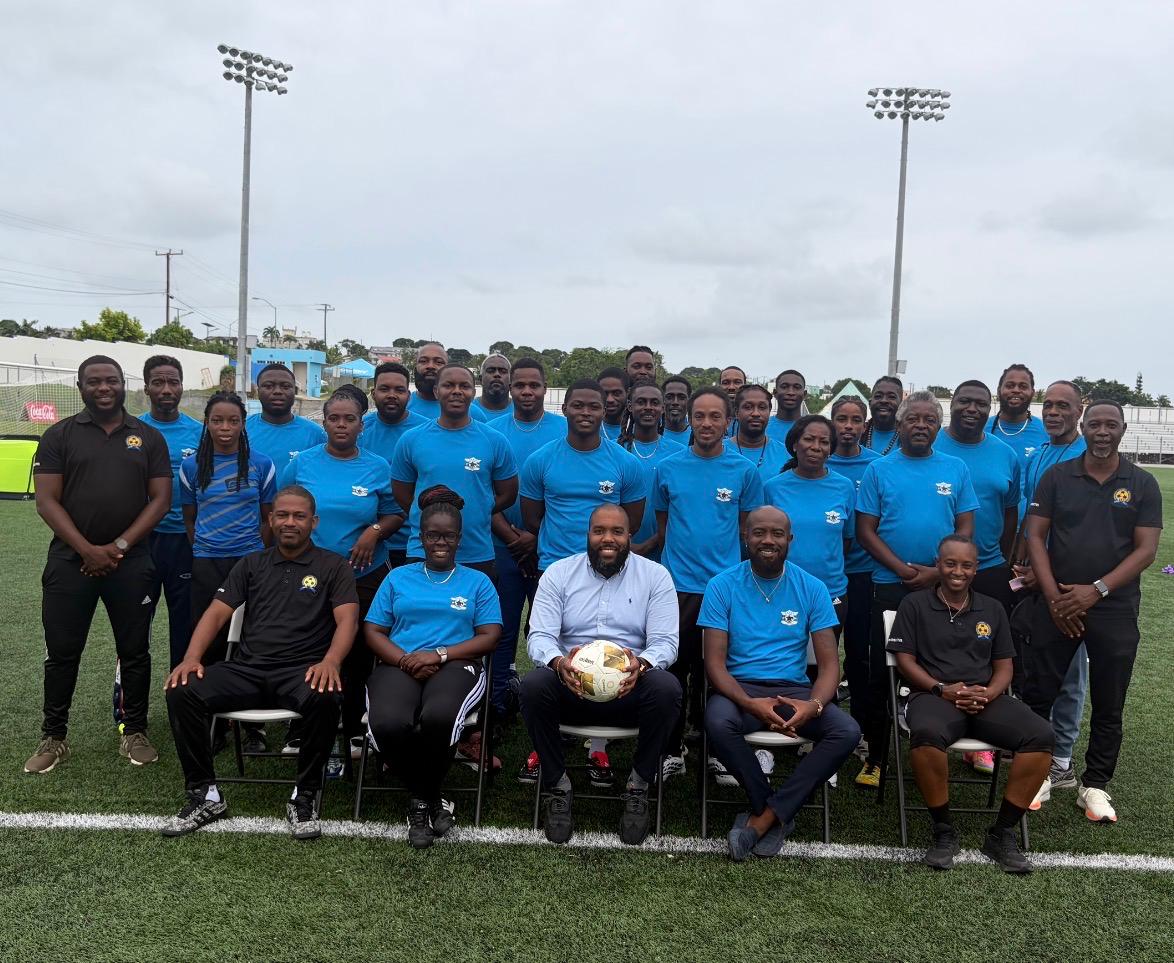
    The opening matchday of the National Sports Council Bico Primary Schools Football competition delivered a string of lopsided results and standout individual performances, headlined by a record-breaking five-goal display from Trazahri Ifill of St Bernard’s Primary. Ifill’s sensational attacking masterclass propelled his side to a dominant 7-0 shutout victory over St Margaret’s Primary at the Conrad Hunte Playing Field, host of the tournament’s Dennis Leacock Zone. Ifill was not the only goalscorer for the dominant St Bernard’s side, with Shemari Gittens and Aakash Jones each adding one goal late in the contest to cement the lopsided final score.

    The Dennis Leacock Zone saw blowout outcomes across all opening fixtures. Grantley Prescod Primary delivered an equally impressive 7-1 thrashing of St Joseph Primary, while Providence Primary secured a comfortable 4-1 win against Hillaby Turner’s Hall Primary to kick off their tournament campaign on a high note.

    Across the competition’s other three zones, results ranged from tense narrow wins to scoreless stalemates and default victories. In the Edward Smith/Frank Holder Zone, Elliot Belgrave Primary and St Lucy Primary played out a defensive battle that ended in a goalless draw, with neither side able to find the back of the net despite sustained attacking pressure in the second half. Gordon Greenidge Primary claimed a tight 1-0 win over Selah Primary, and Roland Edwards Primary picked up a 3-0 default victory after Half Moon Fort Primary was unable to field a full squad for their opening fixture.

    In the Kenville Cab Layne Zone, two sides shared points after a 1-1 draw between Eagles Academy and St Judes Primary. St George Primary notched a 4-0 clean sheet win against Mount Tabor Primary, while Hits 106.7 Bay Primary defeated Cuthbert Moore Primary 3-0 to start their tournament with three points. St Luke’s Brighton Primary also claimed a 3-0 default win, as Workmans Primary forfeited their opening matchup.

    Finally, in the Ricardo Mickey Gibson Zone, Milton Lynch Primary cruised to a 4-0 shutout victory over Wills Primary, Arthur Smith Primary earned a 3-0 win against St Bartholomew Primary, and St Gabriels Primary held off a late comeback push to edge People’s Cathedral Primary by a narrow 3-2 final score, wrapping up an action-packed first matchday across all four zones of the annual youth football competition.

  • Hilda Skeene records back-to-back wins

    Hilda Skeene records back-to-back wins

    Day two of the Pedialyte Sport National Sports Council Primary School Netball competition delivered a string of tense matches across two host venues in Barbados on Tuesday, with Hilda Skeene Primary School emerging as an early standout after clinching back-to-back wins in their zone. Competing in the Marva Sealy/Angela Gibbs Zone at King George V Memorial Park in St Philip, Hilda Skeene got off to a solid start with a narrow 2-1 win over Reynold Weekes Primary, before following up that victory with a dominant 3-0 shutout against Mount Tabor Primary.

    After her team’s second win of the day, Hilda Skeene captain Dakiyah Dottin-Clarke shared her team’s perspective in an interview with Barbados TODAY, expressing relief at securing the two crucial results. “It was a good tournament run today, but I faced tough resistance from Mount Tabor’s defence,” she noted. “We are really happy with how we performed today, and our goal is to keep this momentum going all the way to the final.”

    Other results from the Marva Sealy/Angela Gibbs Zone kept the competition standings tight. St Bartholomew Primary notched two wins of their own: they edged out Reynold Weekes Primary by a single goal at 4-3, before holding St Mark’s Primary scoreless to take a 3-0 win. In the final zone match of the day, St Mark’s and Mount Tabor played to a hard-fought 1-1 draw.

    Over at the Speightstown competition courts, a full slate of matches also saw multiple teams pick up valuable points to advance their tournament campaigns. All Saints Primary extended their unbeaten streak with a convincing 6-0 shutout victory against Selah Primary. Gordon Greenidge Primary claimed a clear 4-0 win over St Albans Primary, while St Lucy Primary pulled off a narrow 3-2 win against Elliot Belgrave Primary.

    In additional matches at the Speightstown venue, St Albans and Elliot Belgrave tied 2-2, Elliot Belgrave dominated Selah with a 6-0 blank win, and St Lucy Primary picked up their second win of the day with a 3-1 result over St Silas Primary. Photo credit for action shots from the Hilda Skeene versus Reynold Weekes match goes to Kurtis Hinds of Barbados TODAY.

  • Cameron open to working with CWI

    Cameron open to working with CWI

    More than four years after leaving the top leadership post of Cricket West Indies (CWI), former president Dave Cameron has made clear that his dedication to lifting Caribbean cricket has not faded, and he stands ready to support the sport’s regional development in any role needed.

    The 55-year-old Jamaican led the regional cricket governing body from 2013 through 2019, when he lost his re-election bid to challenger Ricky Skerritt. In a recent sit-down with the *Jamaica Observer*, Cameron declined to confirm or deny whether he planned to launch another campaign for the CWI presidency, but left no ambiguity about his desire to contribute moving forward.

    “My passion for West Indies cricket remains strong,” Cameron told the outlet. He laid out three core priorities he says are critical to the regional cricket’s long-term success: targeted investment in youth development to uncover and grow the next generation of Caribbean cricket talent, establishing long-term financial stability that allows West Indies teams to compete at the highest global level while serving all member territories, and building cross-national unity to preserve the region’s shared cricketing legacy.

    West Indies cricket holds a unique place in both Caribbean culture and global sport, producing some of the most legendary teams and players in the history of the game. “West Indies cricket has given much to our region and the world,” Cameron said. “I remain committed to supporting its advancement in whatever capacity I can contribute, and I hope all stakeholders will continue working collaboratively to restore our cricket to its rightful place.”

    Cameron also opened up about his time in office, acknowledging missteps during his tenure and framing those missteps as valuable learning experiences. He admitted that his leadership approach and some decisions created friction with fellow stakeholders, including prominent Caribbean leader Dr. Ralph Gonsalves, who shares Cameron’s deep concern for the future of West Indies cricket.

    “With the benefit of reflection, I understand how my actions shaped perspectives then, and I have learned valuable lessons about leadership and collaboration that continue to guide me today,” Cameron added.

  • UN urges deeper regional partnerships to build resilience

    UN urges deeper regional partnerships to build resilience

    The Eastern Caribbean faces an escalating trifect of climate-driven disasters, persistent economic volatility, and growing social strain – and only deep, coordinated collaboration between local governments, regional bodies, and global institutions will allow the small island region to withstand these mounting threats, the United Nations has warned in its new 2025 annual assessment.

    Released publicly Tuesday at UN House in Hastings, Barbados, the UN Barbados and Eastern Caribbean office’s latest annual results report lays bare the deep structural vulnerabilities the region grapples with, outlining how overlapping climate and economic pressures have created widespread uncertainty for communities and policymakers alike. The report emphasizes that development challenges across climate action, public health, food security, access to justice, and social safety nets are deeply interconnected, reaffirming that cross-stakeholder partnership is the single most critical foundation for long-term progress across the subregion.

    “When strong national leadership is paired with meaningful, effective multilateral cooperation, tangible progress is achievable even in the most difficult global contexts,” said Simon Springett, UN Resident Coordinator for Barbados and the Eastern Caribbean, speaking at the report’s launch.

    Springett stressed that collaborative frameworks remain central to delivering sustainable development outcomes, regardless of the challenge at hand. “Partnerships matter in every context: when we respond to destructive hurricanes, when we mobilize much-needed climate finance, when we support national reform agendas, or when we invest in digital transformation to open new economic opportunities,” he explained. “All progress across the region has been driven by coordinated action at the community, national, regional, and international levels.”

    Springett noted that collaboration across a diverse ecosystem of actors has been the key to scaling successful interventions. “Partnerships with national governments, CARICOM, OECS institutions, civil society groups, youth networks, the private sector, and global development partners have allowed us to deliver impact at scale, drive innovative solutions, and build long-term sustainability,” he said, adding that the new report serves as a powerful endorsement of multilateral action.

    “Multilateral cooperation amplifies the voices of Caribbean nations on the global stage, unlocks critical financing that would otherwise remain out of reach, strengthens regional institutional systems, and helps turn long-standing vulnerability into lasting resilience,” Springett said. He noted that all UN programming in the region is guided by locally defined priorities and integrated, cross-cutting approaches to risk. “Across the four strategic pillars of our cooperation framework with Eastern Caribbean governments, the United Nations has delivered meaningful results, and we will continue to do so moving forward,” he said, adding that UN support is intentionally designed to tackle overlapping, interconnected risks aligned with national needs.

    Dr. Terrance Drew, Chair of CARICOM and Prime Minister of St. Kitts and Nevis, emphasized in a virtual address at the launch that effective multilateral cooperation must be rooted in the unique realities of the Caribbean region. “CARICOM has long recognized that multilateral cooperation delivers the greatest impact when it is grounded in local realities and aligned explicitly with regional priorities,” Drew said. “Across Barbados and the Eastern Caribbean, UN agencies have supported national efforts to strengthen climate resilience, expand inclusive social protection systems, drive sustainable, inclusive economic growth, and boost institutional capacity.”

    Drew warned that progress on development cannot be decoupled from urgent action to address the climate crisis. “The UN’s integrated approach under the multi-country Sustainable Development Cooperation Framework makes clear that combining climate action, disaster risk reduction, targeted financing, and social protection delivers practical, tangible resilience gains,” he said, also highlighting the importance of people-centered development and regional collaboration focused on priority areas including public health, youth engagement, women’s empowerment, governance, and investment.

    Brian Bogart, Country Director for the World Food Programme (WFP) in the region, emphasized that sustainable resilience must be built through practical, community-level solutions. “We are strengthening resilience where it matters most: in local communities, in schools, and in small businesses that power local economies,” Bogart explained. “This work extends far beyond high-level policy; it focuses on strengthening the core systems that people rely on every single day.”

    Bogart pointed to a range of ongoing, impactful initiatives across the subregion to illustrate this approach. “In St. Lucia, national leadership on building climate-resilient schools is already improving student safety, expanding early warning systems, and strengthening regional coordination around disaster preparedness,” he said. “In Barbados, we are supporting small businesses – the backbone of the national economy – by helping 30 local companies develop tailored business continuity plans to weather economic and climate shocks.”

    He also highlighted regional efforts to boost environmental resilience that support local livelihoods. “We are protecting coastal communities and their incomes by helping five countries improve how they manage massive Sargassum seaweed influxes, with new specialized equipment already deployed across these nations,” he said. WFP is also supporting climate-smart agricultural practices, improved land management, and flood protection for key farming communities, investments that Bogart said are critical to long-term sustainability. “Community-led initiatives, from restoring nature trails in St. Vincent and the Grenadines to advancing a new biosphere reserve in St. Lucia, are directly linking environmental protection to expanded livelihood opportunities for local people,” he added. Young people, he noted, are central to all of these efforts: “More than 170 young people are already contributing to regional climate forums and helping shape locally led solutions for the future.”

    Amalia Del Riego, Representative for the Pan American Health Organization (PAHO) in the region, highlighted significant progress delivered through the cross-sector One Health approach, a flagship initiative supported by PAHO, the Food and Agriculture Organization (FAO), and the World Bank. “This initiative is strengthening integrated disease surveillance systems, boosting laboratory capacity, and upskilling the health workforce across human, animal, and environmental health sectors,” Del Riego explained. “By fostering active collaboration across different government ministries and academic disciplines, countries are far better equipped to detect, prevent, and respond to emerging health threats, strengthening regional health security and protecting both lives and livelihoods.”

    Del Riego also outlined progress across education, social inclusion, and social protection. “More than 5,000 children with disabilities and developmental challenges have received support through the expansion of a more inclusive education system, while over 1,000 caregivers have been trained to strengthen early childhood development across the region,” she said. “Systems to prevent and respond to gender-based violence have been strengthened, national policies have been updated, and support services have been expanded to deliver more survivor-centered care. Women’s economic empowerment programs have also opened new opportunities and boosted resilience for thousands of women.” She added that inclusion remains a core guiding principle of all UN work in the region, focused on expanding support for persons with disabilities, strengthening child-focused social protection, and advancing inclusive policies across all sectors.

    Stephanie Ziebell, Representative for the United Nations Development Programme (UNDP) in the region, stressed that strong, inclusive institutions and safe communities are foundational to all other development progress. “A core focus of our collective work across the Eastern Caribbean is building stronger institutions and safer communities, grounded in rigorous data analysis, cross-stakeholder partnership, and a commitment to conflict-sensitive, gender-responsive approaches,” Ziebell explained. “Justice and safety must be accessible to every person, especially women and girls, persons with disabilities, and people living on the margins of society – that is the only way to ensure no one is left behind.”

    Ziebell highlighted the Canada-funded PACE justice program, which supports justice sector reform across multiple Caribbean nations. To date, the program has delivered critical court equipment, assisted with the rollout of digital case management systems, provided specialized training for crime scene investigators, hosted targeted case management workshops for justice officials, distributed tools to support restorative justice practices, improved coordination between attorneys general across the region, harmonized standard operating procedures for justice agencies, advanced preparedness to integrate artificial intelligence into court operations, and facilitated cross-national dialogue on reducing criminal case backlogs that delay access to justice for thousands.

  • Chief nursing officer – Nursing is more than a profession, it is a calling

    Chief nursing officer – Nursing is more than a profession, it is a calling

    As the global health community marks another International Nurses Day, this year’s observance centers on a powerful, action-oriented global theme: *Our Nurses. Our Future: Empowered Nurses Save Lives*. Far more than just a line of work, nursing is a profound calling that places its practitioners on the front lines of protecting human life and fostering resilient, healthier communities around the world.

    When nurses are empowered to practice at their full potential, they act as the foundational gatekeepers of public health, laying the groundwork for every individual, family and community to thrive. In upholding this responsibility, they do not only save individual lives—they safeguard the collective wealth and prosperity of entire nations. After all, the health of a population has long been recognized as the most accurate measure of a country’s strength and stability.

    The impact of nurses extends far beyond their clinical skills and technical expertise. The profession is defined by timeless, irreplaceable core qualities: deep empathy for patients, unwavering professional integrity, and relentless dedication to serving those in need. These traits form the bedrock of nursing practice, and they forges the unbreakable bond of trust between nurses and the communities they care for. By living these values every day, nurses ensure that their profession remains one of the most trusted pillars of global health systems, and a driving force in building healthier societies for generations to come.

    This year’s focus on nurse empowerment is far more than a symbolic slogan—it is a proven, evidence-based reality. True empowerment means providing nurses with the full range of resources, supportive workplace policies, and institutional backing they need to deliver high-quality care, strengthen community health outcomes and protect lives. Conversely, when nurses are left under-supported, overburdened or disempowered to make critical care decisions, patient outcomes suffer measurably. This sharp contrast underscores the urgent collective responsibility that health systems and governments around the world hold: to ensure nurses feel valued, supported, and enabled to fulfill their vital role as the primary guardians of global public health.

    In the 21st century, the scope of nursing has expanded dramatically beyond bedside care. Modern nurses lead systemic improvements to health infrastructure, advocate fiercely for health equity for marginalized populations, and make substantial contributions to health policy development and groundbreaking clinical research. The International Council of Nurses affirms that nurses are skilled, ethical professionals rooted in scientific practice, who work both autonomously and in cross-disciplinary collaboration to promote population health, prevent illness, protect patient safety and strengthen health systems at every level. This expanded modern vision of nursing confirms that empowered nurses save lives in multiple ways: through direct clinical practice, through systemic advocacy, and through their growing influence on health policy.

    Barbados has emerged as a regional leader in embracing this modern vision of nursing, successfully sustaining what can only be called universal skilled nursing coverage across its national health system. This achievement means that nearly every patient accessing Barbadian health care has guaranteed access to high-quality care from trained, qualified nurses at every stage of life, and across every care setting. This milestone stands as a powerful testament to the dedication of Barbados’s nursing workforce, and highlights the critical role nurses play in shaping the future of health care both across the island and throughout the broader Caribbean region.

    For 202X’s International Nurses Day, the occasion is both a celebration of nursing excellence and a global call to action. It is a moment to honor every nurse whose unwavering commitment keeps national health systems running, and to reaffirm the collective promise to support nurses’ ongoing professional growth and full empowerment. Let us continue to strengthen the nursing profession, inspire the next generation of young people to answer the calling of nursing, and ensure that nursing remains at the very heart of building a healthier, more resilient Barbados.

    The service of Barbados’s nurses represents a lasting legacy of care, courage and leadership that secures the nation’s future. Barbados stands proud because of its nurses, and stands with them as a regional model of nursing excellence. Happy International Nurses Day.

    Statement by Chief Nursing Officer Anastacia Jordan

  • Health minister announces expansion in nurse training, specialisations

    Health minister announces expansion in nurse training, specialisations

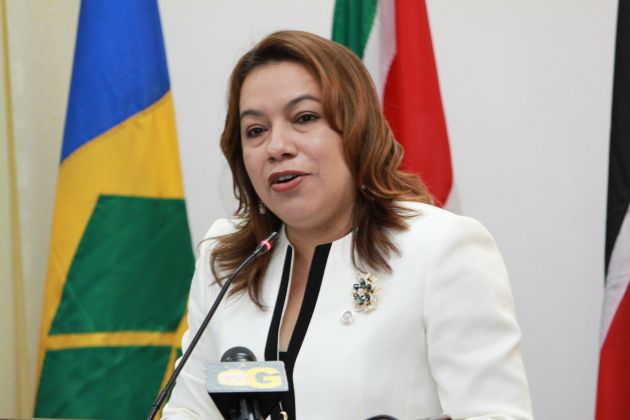
    On the annual observation of International Nurses Day, the Government of Barbados has delivered a heartfelt public tribute to the nation’s nursing workforce, framing them as the very “heartbeat” of the country’s public health system while making a formal reaffirmation of its long-term commitment to growing and supporting the profession for future generations.

    This year’s global observance carries the theme *Our Nurses. Our Future: Empowered Nurses Save Lives*, a framing that Barbados’ Minister of Health, Senator Lisa Cummins, centered in her official message celebrating the work of nurses across the country. In her remarks, Cummins highlighted four core traits that define the nation’s nurses: extraordinary compassion, remarkable resilience, unwavering professionalism, and consistent dedication to serving communities at their most vulnerable moments.

    Beyond recognizing the clinical skill that nurses bring to patient care, Cummins emphasized the often-overlooked human impact of nursing work, noting that providers bring critical hope and connection to both patients and their families during some of life’s hardest moments. “Your service is not simply a profession; it is a calling rooted in care, sacrifice and deep compassion for others,” she said in her address.

    In the full statement released to the public, Cummins opened by urging all Barbadians to pause and reflect on the outsized impact of the country’s nursing community. “On International Nurses Day, we pause with immense pride and gratitude to honour the extraordinary nurses of Barbados, whose compassion, resilience, and unwavering dedication continue to strengthen our healthcare system and uplift the lives of countless individuals and families across our nation,” the statement reads.

    Aligning with the global theme, the minister stressed that celebration extends far beyond clinical skill, to the comfort and humanity nurses deliver to patients every day. “Nurses are often present during life’s most vulnerable moments, offering healing hands, reassuring words, and steadfast support when it is needed most,” she added.

    Cummins also used the address to extend special recognition to a cohort of nurses who have traveled from Ghana to support Barbados’ healthcare sector at a time of significant strain. She noted that their willingness to collaborate and serve alongside local nursing staff is a powerful example of international solidarity and the shared commitment that unites the global nursing community. “We honour you for your service and your commitment to improving the health and wellbeing of our people,” she said of the Ghanaian nursing team.

    As Barbados confronts a growing array of complex public health challenges—including rising rates of non-communicable diseases, growing demand for mental health services, the re-emergence of treatable communicable diseases, and shifting care needs driven by an aging national population—nurses remain the core of the country’s public health response, Cummins confirmed. The government, she added, has fully acknowledged the irreplaceable role nurses play, and has committed to investing in and supporting the profession at every career stage.

    To deliver on that commitment, the government will continue rolling out a comprehensive workforce development policy designed to expand the number of trained nursing professionals across the country, with a specific focus on growing the ranks of nurse practitioners, a fast-expanding specialty that fills critical gaps in care access. “We firmly believe that empowering nurses through advanced education, specialist training, and leadership opportunities is essential to building a stronger, more responsive healthcare system,” the statement explains.

    This year marks a notable milestone for nursing training in Barbados, with the launch of all-new specialized nursing education tracks focused on two high-need areas: forensic mental health and developmental disorders. These new programs, Cummins noted, are a tangible demonstration of the government’s commitment to adapting national healthcare to meet the evolving and diverse needs of Barbadian communities, while also creating new pathways for upward professional growth for current and aspiring nurses.

    Additionally, the government is actively building new international partnerships to expand and strengthen nursing education programming at the Barbados Community College. Through these partnerships, experienced nursing educators from around the world will be brought in to support and enhance local training programs.

    These coordinated efforts do more than address immediate local healthcare needs, Cummins argued: they position Barbados to become a regional center of excellence for nursing education and professional training across the Caribbean. Beyond improving regional healthcare capacity, the expanded programs will create new, meaningful career pathways for young Barbadians, with internationally recognized qualifications that open doors for professional mobility and advancement across the entire region.

    Nurses and midwives, the minister emphasized, remain at the center of the government’s vision for universal health coverage that guarantees equitable access to high-quality care for all Barbadians. True nurse empowerment, she argued, cannot be limited to a single day of annual observance. Instead, it must be embedded in every level of government action, investment, and policy. That means ensuring nurses receive the respect, fair compensation, workplace protections, and advancement opportunities they need to thrive both personally and professionally.

    “The Government of Barbados stands firmly beside our nurses and remains committed to strengthening nursing as a pillar of care, dignity, resilience, and national development,” the statement concludes. “Barbados takes immense pride in its nurses, whose service exemplifies courage, professionalism, leadership, and an enduring legacy of care. On this International Nurses Day, we celebrate you, we honour you, and we reaffirm our commitment to walking this journey with you as partners in building a healthier and more compassionate future for all Barbadians. Happy International Nurses Day.”

  • Paper or digital? Students on CXC exam shift

    Paper or digital? Students on CXC exam shift

    The 2024 May-June examination season has kicked off across the Caribbean, marking a key milestone in the Caribbean Examinations Council (CXC)’s gradual shift from traditional paper-and-pen assessments to fully digital testing. But as regional secondary schools rolled out the first wave of digital exams for this term, student opinion remains sharply divided on the transition, with conflicting views on convenience, reliability, and long-term implications for testing integrity and learning culture.

    For some learners, the shift to digital formats brings clear practical benefits that address longstanding flaws of traditional paper-based testing. Tai Gill, a Lower Sixth student at Barbados’ elite Harrison College, noted that digital assessments are far more streamlined for objective, multiple-choice question sections. Unlike paper answer sheets that can be blown away by open classroom drafts or smudged during bubbling, digital interfaces let students select and adjust answers with a single click, eliminating unnecessary disruptions.

    Gill also highlighted major improvements for audio-dependent subjects like Communication Studies. In traditional paper-based listening exams, students seated far from the classroom speaker or teacher’s audio setup often struggle to hear playback clearly, creating unfair disparities between students based on their seating position. With digital testing, every student gets their own personal headphones connected to a dedicated testing device, ensuring consistent audio quality for all participants. “It removes the unfairness of trying to listen to a teacher from afar,” Gill explained.

    Even with these benefits, Gill and many other students still favor paper for extended written response sections and science-based exams. They argue that traditional answer sheets remain far more reliable for longer form work, especially when examinees need extra space for working through equations, drafting essay outlines, or organizing multiple reference materials such as data booklets during testing. “Instead of having limited desk space when you have a laptop, your answer sheet, your data booklet all at once, paper gives you more room to work,” Gill said. He added that many students also find writing on paper more comfortable, resulting in neater handwriting and a more natural testing experience that reduces unnecessary stress.

    Other students are fully committed to retaining traditional paper exams, citing a mix of cultural, practical, and ethical concerns. Na’Zyia Clarke, a student at Christ Church Foundation School, argued that preserving paper assessments is a way to maintain longstanding educational traditions amid a wave of rapid digital transformation. “Everything is going digital and online. I think we need to keep it old time-ish. We should stick to paper,” Clarke said.

    Her biggest worries around digital testing center on testing integrity and the growing role of artificial intelligence in academic work. Clarke pointed out that connected digital devices open new opportunities for students to cheat, while the broader shift to AI-integrated digital testing risks eroding core human skills that traditional assessments are designed to measure. “And just like you losing humanity in general and AI taking over,” she noted.

    For other students like Sarah Francis of Springer Memorial Secondary School, the main concern is technical reliability. Francis said she leans toward paper exams primarily because of widespread reports of technical glitches during earlier digital testing trials, noting that an unexpected computer crash or internet outage could derail a student’s months of preparation. Even so, she added that she could adapt to either format if required.

    The debate comes as the CXC moves forward with plans to transition all secondary school assessments to fully digital formats within the next three to five years. The regional examination body launched its first large-scale trial of digital and hybrid assessments in January 2024, with more than 10,000 students across the Caribbean participating in the pilot. While the CXC later described the pilot rollout as broadly successful, parents and education advocacy groups across the region have already raised a host of ongoing concerns, including inconsistent internet connectivity at testing centers, delayed exam starts, and insufficient access to dedicated devices for students at under-resourced schools.

  • Bajan scientist discovers new microbes to transform waste into medicine, industry

    Bajan scientist discovers new microbes to transform waste into medicine, industry

    For years, massive accumulations of decomposing sargassum have been treated as a stubborn blight on Barbados’ coastlines, smothering beaches, deterring tourists and creating costly cleanup headaches for local authorities. But a decade-long, self-funded research project by a University of the West Indies Cave Hill scientist has upended that narrative, uncovering a hidden biological treasure that could launch a homegrown Caribbean biotechnology industry.

    Dr. Bidyut Mohapatra, the lead researcher behind the work, has officially identified and validated three previously unknown species of microorganisms living within decomposing sargassum collected off Barbadian shores. In a generous gesture that prioritizes national recognition over personal acclaim, Mohapatra chose to name the new species after Barbados, marking the first time any microorganism has carried the island nation’s name. “I could have taken my name, but I prefer to give credit to the country first. That is the important one… we have to give credit to the country,” he explained in an interview.

    The groundbreaking findings have already received formal validation from leading global scientific institutions, including the United States’ National Centre for Biotechnology Information (NCBI) and specialized culture collections based in Belgium and Germany, confirming the discovery’s scientific legitimacy. This marks a historic milestone for Barbados’ scientific community, being the first discovery of its kind for the island nation.

    Among the three new species, Streptomyces sargassi stands out as the most promising, with far-reaching applications spanning medicine, environmental remediation and sustainable energy. Mohapatra describes the microbe as a natural “cell factory” capable of producing more than 20 entirely new antibiotic compounds, a development that could offer a critical new line of defense against growing global antibiotic resistance. Unlike many specialized microbes, it simultaneously produces both therapeutic antibiotics and valuable industrial enzymes, doubling its practical utility.

    Beyond healthcare, the newly discovered bacterium offers solutions to two of the modern era’s most pressing environmental challenges: plastic pollution and renewable energy production. The microbe naturally consumes plastic waste, opening new avenues for low-cost, eco-friendly plastic degradation. It also enables fully sustainable breakdown of excess sargassum, converting the invasive algal mass into usable biofuel and agricultural inputs, turning a costly environmental problem into a valuable resource.

    Addressing widespread public concern about the safety of working with newly discovered microbes, Mohapatra emphasized that all three species are naturally occurring, non-pathogenic members of Barbados’ existing soil and coastal ecosystem. “It is not a pathogen. It doesn’t produce toxins or anything like that,” he said. “It is a part of the soil ecosystem. Since the bacteria were isolated from sargassum already on Barbadian shores, they are already a safe, integrated part of the environment.”

    The global scientific community has quickly recognized the significance of the discovery. The American Society for Microbiology has selected Mohapatra as one of only six international fellows invited to present his findings at an upcoming conference in Washington D.C. next month, a rare honor that underscores the research’s global impact. The work also answers a direct call to action from 2022 Nobel Prize-winning chemist Professor Morten Meldal, who recently urged Caribbean scientists to pursue sargassum-focused scientific innovation to turn regional ecological challenges into economic opportunities.

    Despite receiving widespread outreach from international industrial entities looking to acquire the rights to the discovery, Mohapatra, who funded the entire 10-year research project using his own personal “pocket money,” remains firmly committed to advancing Barbados’ national development. “Many industries are approaching me to go but my main goal is to do something for Barbados. Not to give it to some other countries and they can go ahead and do that,” he said. Working alongside a team of young local scientists including Rachel Sobers and close colleagues, his core goal is to keep the economic benefits of the breakthrough within the Caribbean region.

    While Barbados currently faces infrastructure barriers, with “very limited facilities” for large-scale biotech manufacturing, Mohapatra has set an ambitious commercialization timeline, aiming to launch the first commercial applications as early as this August. His long-term vision is to transform Barbados into a leading global research hub for microbial genomics and sargassum-based biotechnological innovation.

  • Greaves eyes improvement after strong showing at Cycling Championships

    Greaves eyes improvement after strong showing at Cycling Championships

    Fresh off a standout showing at the Junior Pan American Track Cycling Championships in Mexico, 18-year-old Barbadian cyclist Arielle Greaves returned home this week with new personal bests, renewed motivation, and a clear roadmap for her next chapter in elite junior competition.

    Greaves landed at Grantley Adams International Airport on Monday to cheers from her elated family, just days after notching two new updates to her own Barbadian national records and securing a fifth-place finish in the event’s hotly contested keirin final. During the early rounds of the continental meet, she shattered her previous benchmarks in both the 1km time trial and the flying 200m sprint, improvements she attributes to small but critical adjustments to her race setup.

    In an interview with reporters shortly after clearing arrivals, the rising cycling star framed the Mexico competition as both a familiar and transformative experience. Having competed at the senior Pan American Games last year, Greaves said the junior championship still delivered unexpected lessons about her racing style and equipment. “For my kilo race, I learned that a lighter gear works best for me — that adjustment alone made it possible to beat the record I set last year,” she explained. Between the results and the new insights, both Greaves and her coach Elisha Greene are thrilled with the outcome. “He’s very proud of the progress I’ve made: cutting my flying 200m time from 11.8 to 11.3 seconds is a huge jump, and breaking the kilo record too means a lot,” she said.

    Now, the teen rider is already ramping up training for her next slate of international events, with the Central American and Caribbean (CAC) Games, the UCI Junior Track Cycling World Championships, and a handful of America Cup meets on the horizon. But Greaves’ path to success has not come without hurdles: Barbados currently lacks a dedicated velodrome, forcing her to base her full-time training in Trinidad, hundreds of kilometers from her home support network. “It’s definitely challenging being away from my family and core team, but I know I have to put in the work there to get better,” she said. “It just means I have to dig deeper every day.”

    Greaves also added that the dominant performance by Colombian cyclists at the Pan American championship gave her new inspiration to refine her technique. “The Colombian team swept so many events, they’re really the standard I look up to,” she said. “I’ve been studying their racing strategies to see what adjustments I can make to my own style to improve.”

    Team manager Deidre Hinkson, who accompanied Greaves on the Mexico trip, shared that the entire program is celebrating the teen’s results while working to shore up long-term support for her career. “Everyone is on such a high after how she performed, but now we need to map out the next steps for her,” Hinkson explained, echoing the challenge of Greaves’ training arrangement in Trinidad. “Our goal is to keep her race-fit and competing at the highest level so she can keep improving on these results.”

    Hinkson also revealed that right now, all of Greaves’ overseas training costs are covered out of pocket by her parents. To help the young rider reach her full potential, the team is now launching a search for additional funding sources to ease that financial burden and keep Greaves on track toward her competitive goals.

  • Work at height rules to be fast-tracked amid safety concerns

    Work at height rules to be fast-tracked amid safety concerns

    Barbados is advancing sweeping new worker protection reforms that will strengthen height safety regulations and modernize wage payment rules, Labour Minister Colin Jordan announced in a press briefing on Monday. Citing a disturbing uptick in fatal and severe fall injuries across the island nation’s construction and maintenance sectors, Jordan confirmed the updated Work at Height regulations will take effect by September this year, closing critical gaps in existing broad occupational safety frameworks.

    Current occupational health rules are outlined in the overarching Safety and Health at Work (SHAW) Act, but the legislation lacks specific, enforceable standards for high-risk work at elevation. The new regulations will codify clear, mandatory requirements, including compulsory use of safety harnesses, fall restraints, and permanent guard rails for elevated work sites. These granular rules will establish clear accountability for both employers and workers operating in high-risk environments, Jordan explained.

    The minister emphasized that even a single workplace fatality is unacceptable, noting that multiple preventable fall deaths and serious injuries have already occurred in recent years. “I’ve passed construction and maintenance sites across the island and seen workers operating in reckless, dangerous conditions at height,” Jordan said. “Our approach to worker safety is twofold: we address existing hazards, but we also act proactively to stop preventable tragedies before they happen.”

    With Barbados currently in the middle of a major construction boom, driven by infrastructure and tourism development projects, Jordan stressed that the timing of the new rules could not be more urgent. He rejected calls to delay implementation following a period without major fatal incidents, saying the government cannot afford to ease up on safety enforcement. In a stark, emotional appeal, Jordan highlighted the human cost of cutting corners on workplace safety: “When a worker leaves home in the morning, they and their family have every right to expect they will return safely at the end of the day. No family should be forced to cover funeral costs out of pocket, or fight for years to secure disability benefits after a preventable tragedy.”

    While the new Work at Height regulations will include stiff financial and legal penalties for non-compliance, Jordan stressed that the government’s ultimate goal is a fundamental shift in workplace culture across all sectors. “We don’t just want employers to follow the rules to avoid fines or jail time,” he said. “We want a culture where worker safety is a core value, rooted in respect for every worker and the families that depend on them.”

    Alongside the new height safety rules, Jordan announced the government is finalizing a long-awaited Protection of Wages Bill, designed to modernize wage compensation frameworks and crack down on unethical practices by bad-faith employers. The push for reform accelerated after a high-profile incident that brought public attention to the need for stronger rules: a petrol station worker who was forced to accept her entire final severance payment exclusively in loose coins, a deliberate and demeaning choice by management.

    “That incident slowed our drafting process a little because it underscored just how urgent this reform is,” Jordan said. “There are too many cases of unscrupulous middle managers making cruel, unethical decisions that hurt vulnerable workers. We need more business owners and senior leaders to engage with the Barbados Employers Confederation (BEC) to root out this harmful behavior across industries.”

    Jordan confirmed that neither reform will be rushed into law without full stakeholder consultation. Draft versions of both the Work at Height regulations and the Protection of Wages Bill will be shared with the BEC and national labor organizations for input and feedback before finalization. “This government is built on a foundation of social dialogue,” he said. “We are committed to crafting rules that work for both responsible employers and working people across Barbados.”

    Final drafts of the Protection of Wages Bill, which represents a comprehensive overhaul of the legal framework governing both the physical and financial security of Barbados’s workforce, will be shared with the island’s Social Partnership in the coming weeks, Jordan added.