标签: Barbados

巴巴多斯

  • Formula E driver set to compete in Rally Barbados for the first time in three years

    Formula E driver set to compete in Rally Barbados for the first time in three years

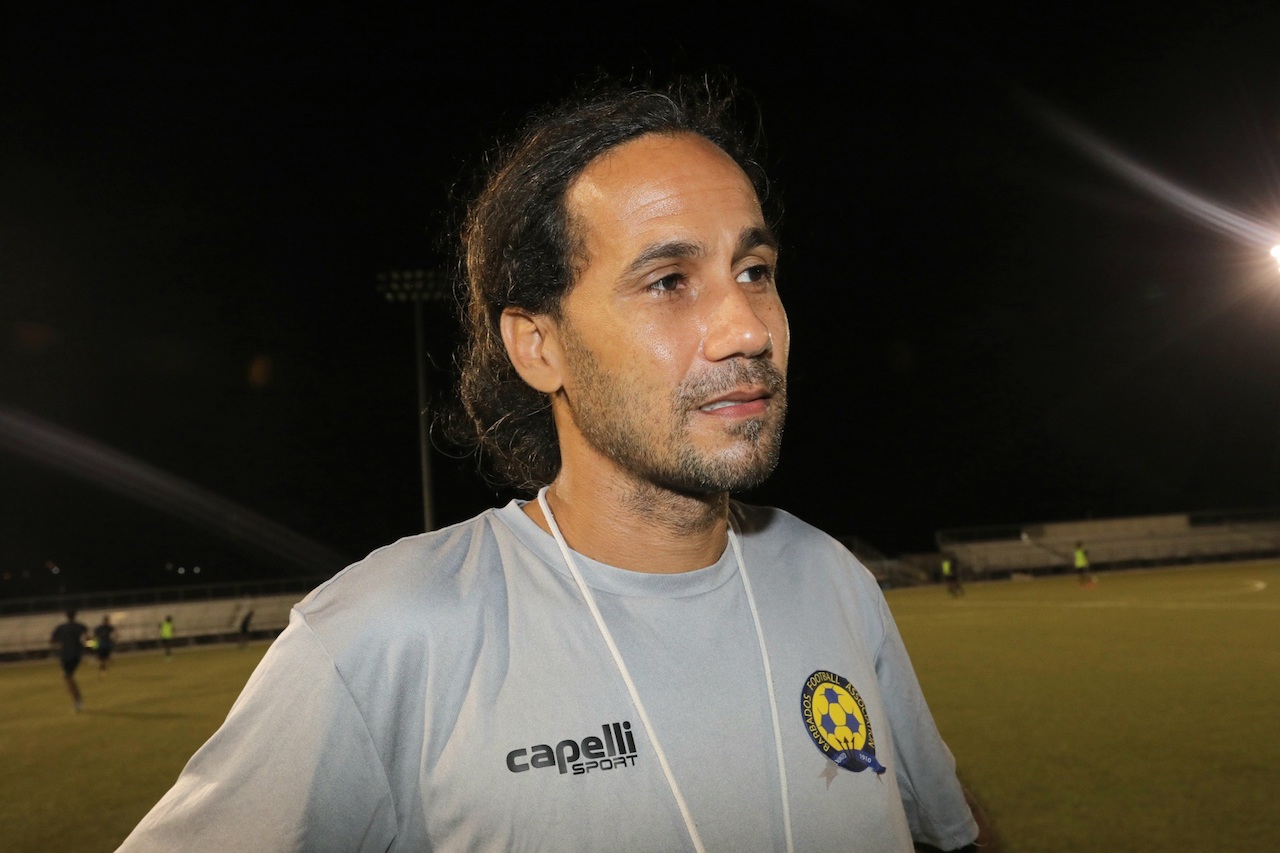
    Barbados’ homegrown motorsport prodigy Zane Maloney is set for a highly anticipated homecoming, with organizers officially confirming the 22-year-old Formula E competitor will line up for the 2025 edition of BCIC Rally Barbados, one of the Caribbean’s most prestigious annual motor racing events. This year’s tournament will run from May 29 to 31, spread across 19 challenging special stages, and features a stacked provisional entry list of 123 competing crews that already matches or is on track to surpass last year’s record participation.

    Rally Director Neil Barnard made the announcement of Maloney’s return during a press briefing hosted at Bushy Park Circuit, noting that the young driver — currently competing full-time in the FIA Formula E World Championship for ABT Yamaha Lola — will pilot a Porsche 992 Rally GT for his home rally, alongside co-driver Luke Staffner. Maloney’s return marks a full-circle moment for the local racing star, who claimed his place in Barbadian rally history in 2022 when he became the youngest ever winner of the First Citizens King of the Hill, the tournament’s official seeding event, at just 18 years old behind the wheel of a Skoda Fabia Rally 2.

    Maloney’s last appearance at Rally Barbados came in 2023, where he notched an early win by taking top honors at the opening Friday night Sol Super Special held at Bushy Park, but was forced to retire from the main race after a crash on the event’s second day. This year, Maloney will compete in both the King of the Hill seeding event — scheduled for May 24 at Stewart’s Hill in St. Philip — and the full three-day main rally, with backing from sponsors Rock Hard Cement, Bushy Park Barbados, MJT FBO, Stone Atelier, Flo and Maloney Racing.

    The young Barbadian star will enter the race as one of the top contenders to dethrone the 2024 defending champions: Jamaican driver Kyle Gregg and Barbadian co-driver Kreigg Yearwood, who will return to defend their title in a Ford Fiesta Rally2.

    Barnard highlighted that the 2025 iteration of Rally Barbados is shaping up to be one of the largest in the event’s decades-long history. Of the 123 registered crews, 29 are first-time competitors and 74 are based locally, putting the 2025 entry count on track to equal or even surpass 2024’s record of 126 entered teams. For spectators, Barnard promised a packed, action-packed schedule of racing, kicking off with the fan-favorite floodlit Ridara Super Special on opening Friday night, which will see two drivers compete side-by-side in reverse seeding order on a 2.5-kilometer purpose-built racing course.

    Beyond the on-track action, event stakeholders emphasized the major economic and tourism impact of BCIC Rally Barbados for the island nation. Kamal Springer, Sports Manager at the Barbados Tourism Management Inc (BTMI), noted that the tournament has become a cornerstone of the country’s sports tourism strategy, helping to boost visitor numbers during the normally slower off-peak travel season that begins in late May.

    “Last year, the event drew more than 600 international visitors to the island, and we’re on track to break that record this year,” Springer explained. “To see consistent, year-over-year growth for any event is remarkable, and we couldn’t ask for a better way to kick off the off-peak tourism season than this iconic local race.”

    Alexandra Leacock, Branch Manager of title sponsor BCIC Barbados, echoed that sentiment, noting that the company’s backing of the event goes far beyond a standard corporate sponsorship. “For us, this is a long-term partnership with one of the Caribbean’s most legendary sporting events. Rally Barbados is deeply woven into Barbadian cultural identity: it brings entire communities together, generates excitement across the whole island, and showcases the energy, passion and national pride that Barbados is known for around the world,” Leacock said. “That connection means everything to us, and we are proud to continue supporting an event that means so much to so many Barbadians.”

    Rodney Mayers, Area Manager at First Citizens Bank, sponsor of the King of the Hill seeding event, added that the race has evolved into a premier showcase of driving talent in the region. “King of the Hill has grown into a premier test of driver skill, discipline and resilience, which is exactly why our partnership with the event has endured for so long. We are proud to align ourselves with excellence, and to support an event that performs at the highest level year after year,” Mayers said.

  • Kid illustrators, storytellers emerge at showcase

    Kid illustrators, storytellers emerge at showcase

    A rising wave of young creative interest in illustration and storytelling took center stage Friday as Barbados hosted its first-ever Children’s Book Illustrator and Author Showcase at Olympus Theatres, a landmark event designed to celebrate and cultivate emerging local youth talent in literary creation.

    Organized by Bookscape Studio and generously sponsored by The Sandy Lane Charitable Trust, the free, day-long event welcomed primary school students from across the island for an immersive, hands-on introduction to the full process of children’s book development. Through interactive live presentations, dynamic storytelling sessions, and step-by-step illustration demonstrations, participants got an up-close look at what it means to work as a professional children’s author or illustrator.

    Headlining the showcase were three experienced creators: Barbadian authors and illustrators Cherise Harris and Ruth Amanda, alongside visiting Canadian writer Yolanda T. Marshall. Each creator used their platform to encourage young attendees to lean into writing and visual art as powerful, accessible outlets for personal self-expression.

    In an interview with Barbados TODAY, Amanda explained that the event grew out of a desire to open young people’s eyes to the diverse career and creative opportunities available in the fields of literacy and illustration. “I was so grateful to be invited by Cherise and Yolanda to be part of this wonderful showcase,” she said. “It’s a chance to show what creators right here in Barbados can build: literacy projects for a global audience, and books filled with familiar, relatable imagery that local children can truly connect with.”

    A core goal of the interactive exercises and discussions hosted at the event was to dismantle the misconception that illustration is bound by strict rules or single acceptable styles. “We want children to leave knowing there’s no one ‘right’ way to illustrate a story,” Amanda emphasized. “What matters most is that your unique story comes through. Our big hope is to inspire an entirely new generation of literary creators, whether that means they become authors, illustrators, or both. For these young creatives, the sky really is the limit.”

    Amanda also shared her observations of shifting artistic trends among young creatives in Barbados, noting a clear evolution in interest over the past several years. Older children, she explained, are increasingly drawn to illustration styles shaped by anime and graphic novel aesthetics, a growing movement that has gained significant traction across the island’s youth creative community. For younger children, meanwhile, trends are moving in a different direction: many are developing a new appreciation for softer, more traditional artistic approaches, such as watercolor illustration, though digital illustration with bold, bright colors also remains widely popular. “The diversity of styles available today is incredible,” Amanda added, “there truly is something for every young creator to explore.”

    For young people eager to build their illustration and storytelling skills, Amanda offered simple, actionable advice that prioritizes passion and practice over formal training. “Consistent practice is key. Draw inspiration from the world around you: take photos of what catches your eye, break subjects down into basic shapes, add details little by little, and keep showing up for your craft,” she said. “You don’t need formal art training to become an illustrator. Anyone can do this. Just keep exploring the world around you, and draw what inspires you.”

  • Portable benefits plan needs national education push – AG

    Portable benefits plan needs national education push – AG

    As debate over the transformative National Portable Benefits Framework continued in Barbados’ House of Assembly Friday, top law enforcement official Attorney General Wilfred Abrahams has pushed for an immediate, nationwide public outreach campaign to ensure all Barbadian workers understand the new system’s rules and advantages. He warned that gaps in public knowledge could leave working people locked out of critical protections and new opportunities that the proposed policy is designed to deliver.

  • UWI AI institute launches with $5m regional investment

    UWI AI institute launches with $5m regional investment

    The University of the West Indies (UWI) has launched a groundbreaking artificial intelligence institute, backed by a $5 million investment from regional financial leader Sagicor Financial Corporation, marking a historic step toward Caribbean technological self-reliance in the fast-growing global AI sector.

    Named the Institute for Intelligent Systems Governance and Human-Centered Technology (I-INSIGHT), the new institution aims to move the Caribbean beyond its long-standing role as a passive consumer of imported AI tools, which often fail to accommodate the unique social, economic and environmental nuances of regional communities. Professor Justin Robinson, principal of UWI’s Five Islands Campus and the lead designer of the initiative, announced that the institute’s first operational division—the Sagicor UWI AI and Financial Services Hub—will launch across all UWI campuses this August.

    In his remarks at the launch, Robinson emphasized that AI stands poised to reshape nearly every dimension of modern life, ranking among the most transformative technological developments in human history. As the Caribbean’s preeminent academic institution, UWI has made it a priority to position the region to capitalize on AI’s opportunities while mitigating its inherent risks, he said.

    Robinson framed the institute as a deliberate rejection of a future of permanent digital dependency for the Caribbean. For decades, the region has relied on foreign-built digital tools misaligned with local needs: tourism platforms that fail to understand Caribbean hospitality ecosystems, agricultural advisory tools trained on data from temperate climates that do not exist in the region, healthcare algorithms calibrated for entirely different population demographics, and regulatory compliance systems designed for legal systems unrelated to Caribbean jurisdictions. This status quo forces the region to spend valuable foreign currency on technology that misinterprets local realities, then holds regional communities responsible for the resulting gaps, Robinson noted.

    While the initiative’s first focus is on integrating AI into the Caribbean’s critical financial services sector, I-INSIGHT already has plans to launch additional specialized hubs in key regional industries: tourism, agriculture, healthcare, climate resilience, and public administration. Beyond technical innovation, the partnership between UWI and Sagicor serves as a replicable model for collaboration between the Caribbean’s private sector and academic institutions to build a sustainable, homegrown AI talent pipeline.

    Robinson highlighted that Sagicor—one of the Caribbean’s most influential homegrown financial institutions—has sent a powerful message to the region by anchoring the investment: Caribbean stakeholders can build their own AI ecosystem, in partnership with the region’s leading university, for the benefit of Caribbean people. In 2026, regional self-reliance is not just a rhetorical slogan, he argued—it is a tangible commitment, reflected in concrete investment, a defined research agenda, and a clear plan to develop local talent.

    The institute also prioritizes addressing the ethical and regulatory challenges that come with widespread AI adoption. Robinson confirmed that I-INSIGHT will support Caribbean national governments in developing fit-for-purpose regulatory frameworks to govern AI safely and responsibly, tailored to regional priorities.

    With the launch, Robinson said, Sagicor and UWI have already proven that Caribbean institutions can lead the region’s AI transition. The open question now is which other public and private stakeholders will step forward to join the effort, and how quickly they will act. AI development and global competition do not pause, Robinson said, and no external power will deliver technological self-determination to the Caribbean. The region must build its own future—and with the launch of I-INSIGHT, that work has already begun.

  • Public service minister backs portable benefits framework

    Public service minister backs portable benefits framework

    Against a backdrop of rapidly evolving global labour markets where gig work, freelancing, self-employment, and short-term contract roles are growing rapidly, Barbados has tabled a groundbreaking policy proposal to extend critical social protection to millions of workers left excluded from traditional welfare systems. Public Service and Talent Development Minister Kay McConney, who also serves as the Member of Parliament for St Philip West, formally backed the National Portable Benefits Framework resolution during a Friday sitting of the House of Assembly, framing the policy as a long-overdue correction to gaps in the country’s existing social security infrastructure.

    McConney emphasized that the framework is designed to serve a broad cross-section of underprotected workers across Barbados, from small-scale farmers in Ebenezer to independent masons in Chapel, and countless other non-traditional workers who have gone without safety nets for decades. She stressed that the proposal goes far beyond creating a new bureaucratic structure; it centers on making benefit access accessible, understandable, and inclusive for all workers regardless of their employment arrangement. A core priority of the policy will be widespread public outreach, ensuring workers from all sectors understand how the system works, see themselves reflected in its coverage, and recognize the tangible value it brings to their daily financial and personal security.

    In her address to the chamber, McConney framed the framework as more than a routine policy adjustment: it is a transformative pathway to social security access and long overdue peace of mind for workers locked out of traditional systems. She noted that Barbados’ labour market has shifted dramatically away from the mid-20th century “cradle-to-grave” full-time employment model that existing social security laws were built to serve. By 2026, she pointed out, the majority of the current workforce is navigating a far more fluid economy, where workers pursue multiple income streams, switch roles regularly, and actively choose self-employment or gig work over long-term positions with a single employer.

    “As the nature of work changes, our social safety nets must evolve alongside it,” McConney argued, linking the proposal to the government’s ongoing policy push to boost skills development and entrepreneurship across the country. “We are actively encouraging Barbadians to build new skills, launch their own businesses, and pursue self-employment. If we are serious about supporting that shift, we cannot leave these workers without the same protection that traditional employees have enjoyed for generations. We need to build a system that meets them where they are.”

    Beyond protecting workers, McConney highlighted that the portable benefits framework will also strengthen Barbados’ competitive position in the global race for skilled talent. In today’s borderless labour market, countries around the world are competing to attract high-quality independent workers and skilled professionals, and comprehensive portable benefits will create a more welcoming environment for talent that drives economic growth, she explained.

    The minister also outlined the key structural difference between the new framework and the existing system. Currently, social security benefits are tied to individual employers, meaning workers who switch jobs, pursue side hustles, launch home-based businesses, or work in informal sectors face gaps or complete loss of coverage. Under the new proposal, benefits will be registered in the worker’s own name, rather than an employer’s, and travel with the worker through every career transition. This eliminates the disruptive stops and starts in coverage that currently plague workers who move between roles, creating continuous protection no matter how someone chooses to work.

    Universal access is another central pillar of the framework: McConney confirmed that the policy will expand social security eligibility to all workers, regardless of how their employment is categorized. One key problem this will solve is the widespread issue of “job lock,” where workers are trapped in unsatisfying full-time roles solely because they cannot afford to lose their employer-tied benefits. The new framework removes this barrier, giving workers the freedom to pursue entrepreneurship, switch careers, or take on flexible work without sacrificing access to critical social protection.

    Finally, McConney framed the proposal as a core component of broader labour market modernization efforts across Barbados. “We cannot claim to have a current, effective labour policy if our laws are stuck in a bygone era that no longer matches how people actually work today,” she said. “This framework brings our social security system in line with the reality of 21st century work, and delivers long-overdue protection to the workers who are increasingly the backbone of our evolving economy.”

  • Food entrepreneur opens Kira’s Cuisine in St James

    Food entrepreneur opens Kira’s Cuisine in St James

    After nearly a decade honing her skills across Barbados’ top culinary venues, veteran chef Shakira Drakes has opened her first independent food business, Kira’s Cuisine, at St. James’ Husbands Heights Park. The milestone launch of her entrepreneurial dream carried extra personal significance: it fell exactly on her daughter’s 21st birthday, a date Drakes intentionally chose to mark her own resilience and professional journey.

  • UWI moves to end royal charter, redefine regional role

    UWI moves to end royal charter, redefine regional role

    After 77 years operating under a British royal charter, one of the Caribbean’s most prestigious academic institutions is taking a historic step to sever its last remaining constitutional ties to the British monarchy, redefining itself as a fully sovereign regional university anchored in Caribbean governance. Vice-Chancellor Professor Sir Hilary Beckles announced that the University of the West Indies (UWI) will terminate its 1948 Royal Charter and transition to legal status embedded within the Treaty of Chaguaramas, the founding constitution of the Caribbean Community (CARICOM). Regional CARICOM leaders have already formally approved the request to end the charter, clearing the way for the structural transition.

  • UWI expands in China as graduate outcomes surge

    UWI expands in China as graduate outcomes surge

    Against a backdrop of growing academic and economic exchange between the Caribbean and Asian tech-powered economies, a pioneering collaborative program launched by the University of the West Indies (UWI) in China is turning heads: it has achieved nearly 100% employment or further study outcomes for its graduates while keeping the vast majority of highly skilled talent rooted in the Caribbean region, according to senior UWI officials.

    Based at the Suzhou Global Institute, a short 30-minute commute from Shanghai – one of the world’s leading economic and tech hubs – the UWI-China Institute of Information Technology (CIIT) marks the first South-to-South academic cooperation initiative of its kind to enter the Chinese higher education market. For Justin Seale, assistant registrar at CIIT, the program’s success carries deep personal meaning. Having first moved to China to build his career in Wuhan back in 2008, Seale navigated what he describes as a “roller coaster” of unexpected challenges adapting to life and study in a new country. That experience drives his core mission today: to carve out a far smoother, more supportive path for the new generation of Caribbean students joining the program.

    “That is what motivates me—to make sure our students don’t have to walk the rough road that I had to walk,” Seale explained in an interview at the Suzhou campus. “Our excellence is embedded in our operations here in Suzhou, and our students are the greatest source of my reward.”

    Empirical data collected from the program backs up its track record of impact. Out of a tracked sample of 58 CIIT graduates, every single alumnus had secured full-time employment or enrolled in advanced graduate degree programs within 12 months of crossing the graduation stage. Even more remarkable than the near-perfect placement rate is the speed at which many graduates have advanced up the career and economic ladder, a trend Seale compares to the transformative post-independence era of Caribbean development.

    “I think of one student who graduated in 2021 and was able to purchase his own home within five years,” Seale shared. “It excites me because it harkens back to the era of post-independence in the Caribbean, where a university degree translated directly into upward social mobility. We haven’t seen growth or outcomes like that in decades.”

    The program’s global relevance is further underscored by the standout achievements of its alumni, who have gone on to excel at top global institutions and industries. For example, Joshua Johnson, who started his journey at UWI’s Five Islands campus in Antigua, parlayed his CIIT experience into admission to Tsinghua University – widely regarded as China’s top elite higher education institution – to complete a doctoral degree. Another graduate, Khadijah Clark, who transferred from UWI’s Mona campus in Jamaica, went on to pursue advanced study at Duke University in the United States and now holds a prominent role in the country’s competitive fintech sector.

    Despite the international opportunities that the program opens up for graduates, it has bucked the trend of widespread brain drain that affects many small developing regions. Official data from CIIT shows that only 17% of program graduates have chosen to relocate permanently abroad, leaving 83% of these tech-trained, highly qualified professionals to join and strengthen Caribbean local workforces. Most of these returning graduates have been hired by the region’s fast-growing financial services and telecommunications sectors, filling critical skills gaps that have long held back regional development.

    “A UWI degree has not lost its value,” Seale emphasized. “Our credentials are as relevant as ever for their transformational power. […] we only had 17 per cent brain drain.”

    As China reorients its national development strategy around innovation and technology leadership, UWI occupies a one-of-a-kind niche in the country’s international higher education landscape. Unlike most foreign universities operating in China, which are backed by Western government and institutional funding, UWI brings a distinct Global South perspective that aligns with shared development priorities across emerging economies. Seale argues that this unique positioning gives UWI a major advantage in leading South-to-South academic collaboration.

    “We in the Caribbean have a unique perspective to offer the people of China,” Seale noted. Looking ahead, UWI sees massive untapped potential in expanding enrollment of Asian students across its entire global system. Demand from prospective international students in Asia far outpaces the university’s current capacity, and growing Asian enrollment would not only boost institutional revenue to fund further program development but also enrich the cultural diversity of UWI’s student body.

    Drawing on UWI’s official motto, which frames the institution as “the light shining from the West”, the Suzhou institute aims to leverage shared cultural connections – such as the widespread love of cricket across Commonwealth nations, which unites Caribbean and many Asian communities – to build UWI’s brand recognition across the Asian continent. For Seale and the CIIT team, the end goal is clear: to establish UWI as the leading academic and development gateway connecting the Global South to China’s dynamic, innovation-driven economy.

    “We are uniquely placed and capable of leading the global south,” Seale said, “as the academic and social development gateway to China.”

  • Caddle advocates for a worker-focused benefits system

    Caddle advocates for a worker-focused benefits system

    A landmark proposal aimed at rethinking social security for Barbados’ evolving workforce is currently advancing through parliamentary debate, promising to close critical protection gaps for gig workers, freelancers and people holding multiple jobs. The National Portable Benefits Framework, tabled by St George North Member of Parliament Toni Moore as a Private Members Resolution, is designed to delink worker benefits from individual employers, ensuring coverage stays with people across every stage of their working lives.

    Minister of Economic Affairs and Planning Marsha Caddle has emerged as a key proponent of the plan, explaining that the proposed system would allow multiple employers to contribute to a single worker’s benefits account at the same time, creating an uninterrupted stream of coverage that moves with the employee from role to role. The framework covers core social security supports, including retirement pensions, maternity benefits, disability assistance and other forms of worker protection, upending the traditional model that ties eligibility to permanent employment with a single organization.

    Caddle framed the proposal as a necessary evolution of policy that balances two critical national goals: labor protection and national productivity. The minister noted that the government is already moving to establish a new Competitiveness and Productivity Commission, acknowledging that Barbados currently faces systemic challenges in boosting productivity across all sectors, not just among individual workers. She argued that productivity and worker security are not opposing goals – instead, workers perform far better when they can count on predictable, consistent access to benefits, a stability the current system fails to deliver for non-traditional workers.

    Drawing on her own professional experience working as an independent consultant, Caddle called out outdated biases in key institutions that exclude flexible workers. She explained that financial institutions still routinely assess creditworthiness based on a borrower’s employer rather than their actual income or reliability, a system that reduces non-traditional workers’ worth to their association with a single entity. She described this outdated mindset as a leftover “plantation mentality” that has no place in a modern economy where work patterns are rapidly shifting.

    The framework, Caddle emphasized, is more than a policy change – it is a societal shift that challenges government bodies, financial institutions and communities to adapt to new ways of working. It requires more nuanced, flexible systems that can accommodate diverse work arrangements, a complexity that she says is necessary to build an inclusive economy that serves all workers.

    To implement the portable benefits model, Caddle confirmed that revisions to the current Employment Rights Act will likely be required, as existing legal definitions of “employer” and “employee” are too rigid to fit flexible work arrangements. The proposed system also shifts a degree of responsibility for benefits management to workers themselves, ensuring that coverage is no longer controlled entirely by a single employer that can cut off access when a worker changes roles. Instead, workers will take a more active role in managing their own benefits, coordinating contributions from multiple clients or employers to maintain continuous coverage.

    Finally, Caddle highlighted that successful rollout of the policy will depend on robust public outreach and education led by the National Insurance and Social Security Service (NISSS), to ensure all workers understand how the new system operates and how they can access their benefits. The House of Assembly resumed debate on the resolution Friday, moving the transformative proposal one step closer to potential implementation.

  • Preparation on track for Roger Boyce Elite

    Preparation on track for Roger Boyce Elite

    Preparations for the highly anticipated 2025 Roger Boyce Elite Pro Show, the English-speaking Caribbean’s premier elite bodybuilding competition, are moving forward smoothly ahead of next week’s tournament, according to Dr. Alfred Sparman, President of the Body Building and Fitness Federation (BBFF).

    Scheduled to take place on May 16 at Barbados’ iconic Garfield Sobers Gymnasium, the annual competition has grown far beyond a simple athletic contest, emerging as a cornerstone event for the regional fitness community. In an exclusive interview with Barbados TODAY, Sparman shared that the federation remains proud to bring this elite gathering back to Barbados for another year, emphasizing the core values that the event embodies.

    “This event presents far more than competition. It reflects discipline, hard work, healthy living, sacrifice and the relentless pursuit of excellence,” Sparman said. “We are honored to host this elite event and elite athletes coming from all over the region and internationally, while also showcasing the warmth and hospitality of Barbados.”

    Beyond celebrating top-tier athletic achievement, the Roger Boyce Elite Pro Show plays a critical role in raising the bar for bodybuilding and fitness standards across the entire Caribbean. It also serves as a launching pad for emerging talent, giving seasoned and new athletes alike a platform to model dedication, resilience, and good sportsmanship for the next generation of fitness competitors.

    “To all competitors I want to commend the commitment and the preparation they’ve brought to the stage,” Sparman added. “They have already embodied the spirit of champions. We also extend sincere thanks to our sponsors, organizers, judges, volunteers, and supporters whose contribution makes this event possible.”

    Organizers are projecting a landmark turnout for 2025, with between 150 and 200 competitors expected to participate – a figure that continues an annual trend of growing participation. Sparman noted that the event has seen a consistent 25% year-over-year increase in athlete entries since its launch, and this year’s edition will draw competitors from as far afield as Spain and France, alongside top talent from across the Caribbean.

    Sparman outlined several key factors that have driven the event’s rapidly growing popularity across the global bodybuilding community. Unlike any other large-scale bodybuilding competition previously hosted in the region, the Roger Boyce Elite Pro Show has drawn elite industry leadership, including the president and vice president of the International Federation of Bodybuilding and Fitness, who attend the event annually.

    He credited the late Roger Boyce, the event’s visionary founder, with creating a world-class competition that has filled a long-held gap in the regional fitness calendar. “All of these islands now feel we don’t have to go to the States for a big show. We don’t have to go all the way over to Europe, we can come right here in Barbados,” Sparman explained. “At the same time, when they come here, we’ll showcase what we have here, this warmth and beautiful island that we live on.”

    For this year’s athletes, the stakes are high: coveted pro cards will be awarded to winners across all competitive categories. Following last year’s tournament, which issued between 16 and 20 pro cards to qualifying athletes, the 2025 edition will offer the same opportunity for up-and-coming competitors looking to turn professional and advance their careers in elite bodybuilding.

    In closing, Sparman extended an open invitation to local and regional sports fans to attend the event, saying, “We look forward to an exciting and memorable competition, and we invite the public to come out and support these outstanding athletes.”