标签: Barbados

巴巴多斯

  • WI Women win toss, batting vs Ireland Women – 3rd T20

    WI Women win toss, batting vs Ireland Women – 3rd T20

    The third fixture of the Evara Tri-Nation T20I women’s series kicked off on Monday at Dublin’s Castle Avenue, with pre-match action delivering an early strategic decision: West Indies Women won the coin toss and opted to take the batting crease first against host side Ireland Women.

    Hosted on Irish soil, this round-robin clash brings together two competitive international sides, with full starting lineups confirmed ahead of the first ball. Under the leadership of captain Hayley Matthews, the West Indies named their full playing eleven, which features star all-rounder Deandra Dottin, veteran Stafanie Taylor, and wicket-keeper Shemaine Campbelle. The full West Indies squad is: Hayley Matthews (captain), Deandra Dottin, Qiana Joseph, Stafanie Taylor, Jahzara Claxton, Shemaine Campbelle (wicket-keeper), Jannillea Glasgow, Aaliyah Alleyne, Zaida James, Shawnisha Hector, Karishma Ramharack.

    Leading out the home side, Ireland Women will field under captain Orla Prendergast, with their starting eleven including the experienced pairing of Arlene Kelly and Leah Paul, alongside wicket-keeper Coulter Reilly. Ireland’s full lineup reads: Arlene Kelly, Alana Dalzell, Rebecca Stokell, Orla Prendergast (captain), Leah Paul, Alice Tector, Louise Little, Coulter Reilly (wicket-keeper), Ava Canning, Lara McBride, Cara Murray.

    The on-field officiating team for the fixture has also been formally confirmed. Azam Baig and Gareth Morrison will serve as the two on-field umpires, while Graham McCrea has been appointed as match referee for the contest, per source reporting from Caribbean Media Corporation (CMC).

  • Hetmyer named in Windies ODI squad for Sri Lanka showdown

    Hetmyer named in Windies ODI squad for Sri Lanka showdown

    In a surprising selection announcement that has turned heads in Caribbean cricket circles, power-hitting left-hander Shimron Hetmyer is poised to make his first One Day International appearance in more than 12 months, after being named to Cricket West Indies’ 15-player squad for the upcoming three-match ODI tour against Sri Lanka, which kicks off this Wednesday.

    The 29-year-old Guyanese batsman has not featured in 50-over international cricket since a June 2023 clash against England, and he missed the West Indies’ 10-day elite high-performance training camp held in Antigua last month due to his commitments to the Indian Premier League (IPL). Hetmyer’s IPL campaign with Rajasthan Royals ended in disappointment, as he posted underwhelming numbers across seven innings, managing only 78 total runs for a low average of 13, before he was dropped from the franchise’s starting lineup ahead of its second Qualifier elimination.

    Despite that underwhelming domestic T20 form, Cricket West Ineis (CWI) confirmed in an official statement released Sunday that Hetmyer’s selection was directly driven by his standout performances at the 2024 ICC Men’s T20 World Cup earlier this year, where he finished as the regional side’s top run-scorer. The governing body also framed his recall as a core part of its long-term strategic planning for the 2025 50-over ICC World Cup, which will be held across October and November next year.

    In a curious scheduling twist, Hetmyer will not join the full squad for the opening two matches of the series, and is only set to link up with the team ahead of the third and final ODI, scheduled for June 8.

    The West Indies’ bowling unit has received a significant boost for the series, with the long-awaited returns of fast bowler Alzarri Joseph and left-arm spinner Gudakesh Motie, both of whom were sidelined for the Caribbean side’s most recent ODI series against New Zealand in late 2023. Hard-hitting all-rounder Sherfane Rutherford, who also recently completed an IPL stint with the Mumbai Indians, also earned a spot in the 15-man group.

    Notably missing from the squad is all-rounder Romario Shepherd, who was part of the Royal Challengers Bengaluru side that lifted the IPL trophy on Sunday. Shepherd’s omission comes as a minor surprise following his contribution to the franchise’s title win.

    West Indies head coach Daren Sammy noted that his side’s strong recent run of home results has lifted the entire group’s confidence heading into the Sri Lanka series. “Sri Lanka are a disciplined and skillful ODI unit, especially in conditions that demand patience and smart cricket,” Sammy said. “For us, this series is about setting the standard: intensity in the field, clarity with the bat, and consistency with the ball.”

    Sammy added that the team is focused on building a consistent, cohesive identity for Caribbean cricket ahead of the 2025 World Cup. “We want to play fearless but intelligent cricket and continue building the identity we believe West Indies cricket should represent,” he explained. “In our desire to make home a fortress in ODI cricket, I want the team to win moments consistently rather than relying on individual brilliance which we have stressed for the last 18 months.”

    The full 15-member West Indies ODI squad is: Shai Hope (captain), Ackeem Auguste, John Campbell, Keacy Carty, Roston Chase, Matthew Forde, Justin Greaves, Shimron Hetmyer, Amir Jangoo, Alzarri Joseph, Shamar Joseph, Gudakesh Motie, Sherfane Rutherford, Jayden Seales, Shamar Springer.

  • Health ministry: No school closure needed after illness investigation at St Thomas school

    Health ministry: No school closure needed after illness investigation at St Thomas school

    Public health authorities in Barbados have released the findings of an investigation into unexplained illness reports at Hillaby/Turners Hall School in the parish of St Thomas, confirming one active case of scarlet fever and three prior dengue infections among students, while ruling out the need for campus closure. Concerns were raised earlier after multiple children at the school developed two common contagious illness symptoms: widespread rash and persistent fever. To pinpoint the cause of the symptoms, the Ministry of Health and Wellness ordered full laboratory testing for all reporting students, with results now finalized and published in an official public statement.

    According to the ministry’s final analysis, laboratory results confirmed that one student meets the full diagnostic criteria for scarlet fever, a contagious condition caused by Group A Streptococcus bacteria that is characterized by a distinct red rash alongside fever. Three additional students returned positive markers showing they had recovered from a past dengue infection, a mosquito-borne viral disease common in tropical regions. All other students who reported symptoms tested negative for both conditions.

    Health officials explained that Group A Streptococcus, the bacteria behind scarlet fever, spreads easily between people through close personal contact and respiratory droplets expelled when an infected person coughs or sneezes. A key point of reassurance provided by the ministry is that after just 24 hours of appropriate antibiotic treatment, infected children are no longer contagious and can safely return to in-person learning once medically cleared.

    After reviewing all case data and transmission patterns, investigators concluded there is no evidence of an unusual or uncontrolled outbreak spreading through the school campus. The ministry emphasized that educational settings are integrated into the broader community, so occasional introduction of common childhood illnesses is to be expected, and the current situation does not deviate from standard public health expectations.

    To limit further spread of illness, the ministry has reaffirmed that standard evidence-based public health precautionary measures are sufficient to keep the campus safe. These measures include consistent hand hygiene, covering coughs and sneezes to follow respiratory etiquette, regular disinfection of high-touch classroom surfaces, and continued community-wide efforts to control mosquito populations to prevent new dengue infections. The Ministry of Education Transformation has already fully implemented all recommended precautionary measures at the school.

    Health authorities have also issued guidance for parents, reminding caregivers that any child showing signs of illness should stay home from school, and should only return to campus after receiving a medical assessment and clearance from a healthcare provider.

    At this time, public health officials have stressed there is no justification for closing the school, and the facility will remain open for regular operations. The Ministry of Health and Wellness extended gratitude to the Ministry of Education Transformation, along with school administrators, teachers, and parent groups, for their cooperation and trust throughout the investigation process. Public health teams will remain in close contact with school leadership to continue monitoring the situation, and will provide additional guidance or support if any new cases develop.

  • Sir Paul Altman, Celia Toppin among six honoured with heritage award

    Sir Paul Altman, Celia Toppin among six honoured with heritage award

    Barbados’ annual celebration of national history and culture kicked off this year with a distinguished award ceremony honoring five trailblazers who have dedicated their careers to protecting and promoting the island’s unique legacy. To mark the opening of 2026 Heritage Month, the Office for Pan-African Affairs and Heritage joined forces with the Barbados Tourism Marketing Inc. (BTMI) and the Barbados National Trust to present the coveted Fielding Babb Heritage Recognition Awards, an honor that recognizes extraordinary contributions to documenting and preserving Barbados’ cultural and built heritage.

    This year’s Heritage Month is centered on the unifying theme “Safeguarding and Celebrating Our Heritage”, a framing that highlights both the ongoing work of protection and the joy of sharing cultural legacy with new generations. Among the 2026 award recipients is Sir Paul Altman, a veteran preservationist with over 40 years of experience in heritage conservation and urban renewal. As a former president of the Barbados National Trust, Altman is widely celebrated for leading the restoration of the 17th-century Synagogue Historic District, a landmark project that balanced modern real estate development with sensitive historical preservation, setting a benchmark for similar projects across the region.

    Cultural policy pioneer Celia Toppin also received the award in recognition of her foundational work shaping Barbados’ cultural ecosystem. Toppin drafted the island’s first national cultural policy, and later went on to serve as a Cultural Heritage Project Manager with the Organisation of American States, where she developed the first national registers of historic sites across multiple Caribbean nations. Veteran visual historian and photographer Ronnie Carrington rounded out the three most high-profile honorees, recognized for his decades of work documenting everyday Bajan life. Famous for his beloved Bajan Folkways documentary series and popular Footprints of our Heritage guided tours, Carrington is currently putting the final touches on a new photobook titled *Shelters in the Shadows*, which traces the social and architectural history of the iconic Barbadian chattel house. The remaining awards went to former diplomat Michael King and cultural heritage conservationist Steve Devonish, who was named 2026 Heritage Steward of the Year.

    In acceptance remarks, Toppin expressed gratitude for the recognition while issuing a call to action for greater investment in cultural heritage and youth engagement. “I would really like to see more done in the area of culture and cultural heritage,” she said, stressing that young people must be at the center of future heritage work. “I would like to see a greater integration of culture and heritage into our economy, especially for the young people.”

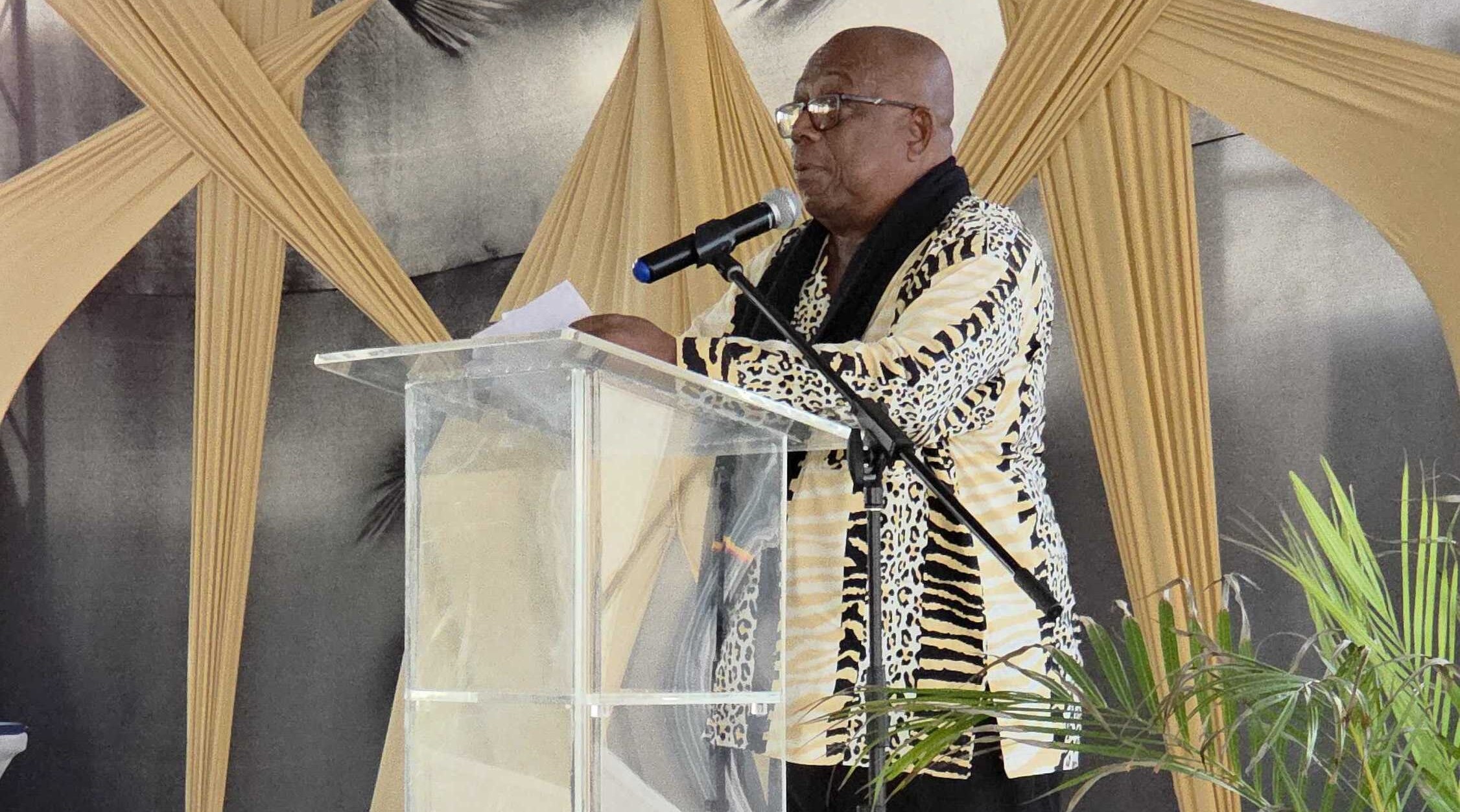
    Sir Paul echoed her gratitude, sharing that he never expected formal recognition for work he pursued out of passion. “You are always honoured when you get an award for some of the things you do without expecting a reward,” he said. “I am proud to have received this, and I will cherish it and continue to do what I do.”

    Throughout the month of June, the celebration will extend far beyond the opening award ceremony with a packed public calendar of events designed to deepen national pride and expand public access to Barbados’ heritage. The Barbados National Trust will offer free entry to multiple historic sites across the month, including Arlington House Museum on June 6 and Gun Hill Signal Station on June 20. Cultural tourism will take center stage on June 20, when the BTMI will host Dinner with Florence Daysh, an immersive evening of live music and theatrical storytelling that explores the roots of modern Barbadian identity.

    Other highlighted events include a June 18 lecture on the evolution of Barbados’ rum and molasses industry in the post-Independence era at St Mary’s Church, the fourth annual Bridgetown Antiques Market and Literary Bus Tours on Father’s Day (June 21), and a youth-led digital webinar on the intersection of heritage preservation and modern technology on June 25. The full schedule also includes Standpipe Stories: Bay Street Edition and the St Mary’s Heritage Tea Party on June 27, Modern Day Griots: Voices of Today at the Daphne Joseph Hackett Theatre on June 28, and a showcase of the new Atlantic Stories digital archive at the Barbados Archives Department, scheduled to close out the month on June 30.

    Organizers of the 2026 Heritage Month observance emphasize that the wide-ranging program serves a dual purpose: while it honors the island’s layered, rich history, it also positions heritage as a core driver of Barbados’ future, encouraging all members of the public to engage with and carry forward national legacy for coming generations.

  • Sobers, Walcott homes set for heritage recognition

    Sobers, Walcott homes set for heritage recognition

    Barbados is set to cement the legacies of two of its most iconic sporting figures through an ambitious new heritage initiative that will preserve the childhood family homes of cricket greats Sir Gary Sobers and the late Sir Frank Walcott. The plan was officially announced by Trevor Prescod, Minister of Pan-African Affairs and Heritage, during the opening ceremony of Heritage Month, held Saturday evening at the island nation’s Cricket Legends Museum.

    Unlike conventional commemorative efforts that rely solely on plaques or public statuary, Prescod emphasized that this project marks a deliberate shift toward active, tangible preservation of the nation’s most precious cultural and historical assets. The initiative will kick off at Sobers’ childhood residence in Bay Land, St. Michael, a location that holds deep symbolic meaning for the country as the early home of one of Barbados’ most celebrated living National Heroes.

    In remarks at the event, Prescod argued that the state carries a unique responsibility to honor national icons while they are still with us, rather than waiting to recognize their contributions posthumously. “We cannot have a national hero of Gary Sobers’ stature still alive today, and for the state to fail to step forward to honor the home where he grew up – a space that stands as a living symbol of his extraordinary journey and greatness,” Prescod stated. “That is a mistake we are determined to correct, and I can promise we will see this project through to completion.”

    Beyond honoring the living legend, the preservation project will also extend to the former home of Sir Frank Walcott, located on the eastern edge of the Empire Cricket Club ground. Walcott, who wore dual hats as a pioneering trade union leader and one of the most respected cricketers in Barbadian history, joins Sobers as a focal point of the ministry’s effort to protect spaces that tell the story of the nation’s sporting and social progress.

    To deliver the project, Prescod confirmed that the Ministry of Pan-African Affairs and Heritage will collaborate closely with the Barbados National Trust, the island’s leading independent heritage conservation organization. The partnership aims to ensure that the preservation work adheres to the highest professional conservation standards, going far beyond the basic commemorative marker that has become the standard for honoring public figures.

    The announcement has been welcomed by cultural and sporting groups across Barbados, who frame the initiative as a critical step in preserving the island’s connection to its most influential athletes and community leaders. For cricket fans and Barbadians more broadly, the preserved homes are expected to become lasting heritage sites that will educate future generations about the impact of these two legendary figures.

  • Bridgetown Port pulls back the curtain for open day

    Bridgetown Port pulls back the curtain for open day

    For most Barbadians, the Barbados Port has long been a closed, mysterious space—ringed by security barriers, off-limits to everyday people who only ever see it from a distance, even as it powers the island nation’s entire economy. That veil of secrecy was lifted this past Saturday, when port management hosted the highly anticipated Port Open Day, offering hundreds of local attendees a once-in-a-lifetime chance to step inside the facility and explore the daily operations that keep the island connected to the rest of the world.

    Unlike routine public visits that only allow access to peripheral public areas, this open event granted visitors unprecedented entry to restricted work zones, massive specialized industrial equipment, and active working vessels that rarely welcome members of the general public. Divisional Manager of Business Development and Strategy Jane Broome, who helped organize the initiative, explained that the core goal of the event was to build a stronger connection between the critical infrastructure facility and the local community it serves.

    “For most people who never have reason to pass through the main security gates, the port’s day-to-day work is always a bit of a puzzle,” Broome noted. “Port Open Day is our chance to invite the community in, and let them see the port in action for themselves.”

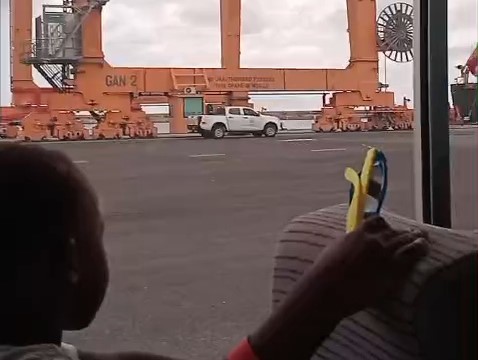
    The full-day event featured a packed schedule of live operational demonstrations and interactive guided tours led by multiple agencies that work out of the port complex. One of the most popular attractions was the exclusive tours of active naval patrol craft, hosted by the Barbados Coast Guard, which gave attendees a first-hand look at the island’s maritime defense and border protection operations. Different port operational departments set up outdoor exhibitions to showcase the massive, custom-built cargo-handling machinery and container lifters that move millions of tons of goods through the port every year, letting visitors get up close to equipment they had only ever seen from afar. To cap off the immersive experience, captains of the port’s tugboat fleet led guided tours of these workhorse vessels, explaining their critical role in guiding large cargo and cruise ships through the island’s harbor.

    Broome emphasized that the smooth execution of the large community event would not have been possible without widespread cross-sector collaboration across all teams and agencies based at the port. She highlighted the seamless cooperation between port security teams, marine operations departments, emergency response units, and partner government agencies in pulling off the day. “This really is a collective partnership with all the agencies that work within the port,” Broome said. “We have the Barbados Coast Guard opening up their vessels for tours, the Bridgetown Port Fire Station welcoming visitors to explore their facility, and we’re highlighting all the different teams that keep this port running every single day.”

    For the hundreds of local residents and families who turned out for the event, the day delivered far more than just a casual outing: it offered a completely new perspective on the port that acts as the beating heart of Barbados’ economy. What is normally a strictly controlled high-security zone was transformed into an interactive educational space, where curious children, maritime enthusiasts, and everyday locals could learn first-hand about the work that keeps the island’s supply chains moving and its economy growing.

  • Youth Affairs hits the road with new mobile vommunity outreach

    Youth Affairs hits the road with new mobile vommunity outreach

    In a transformative shift to better serve young people across the country, Barbados’ Division of Youth Affairs has rolled out an ambitious mobile community outreach program that moves critical support services out of government offices and into the heart of local neighborhoods.

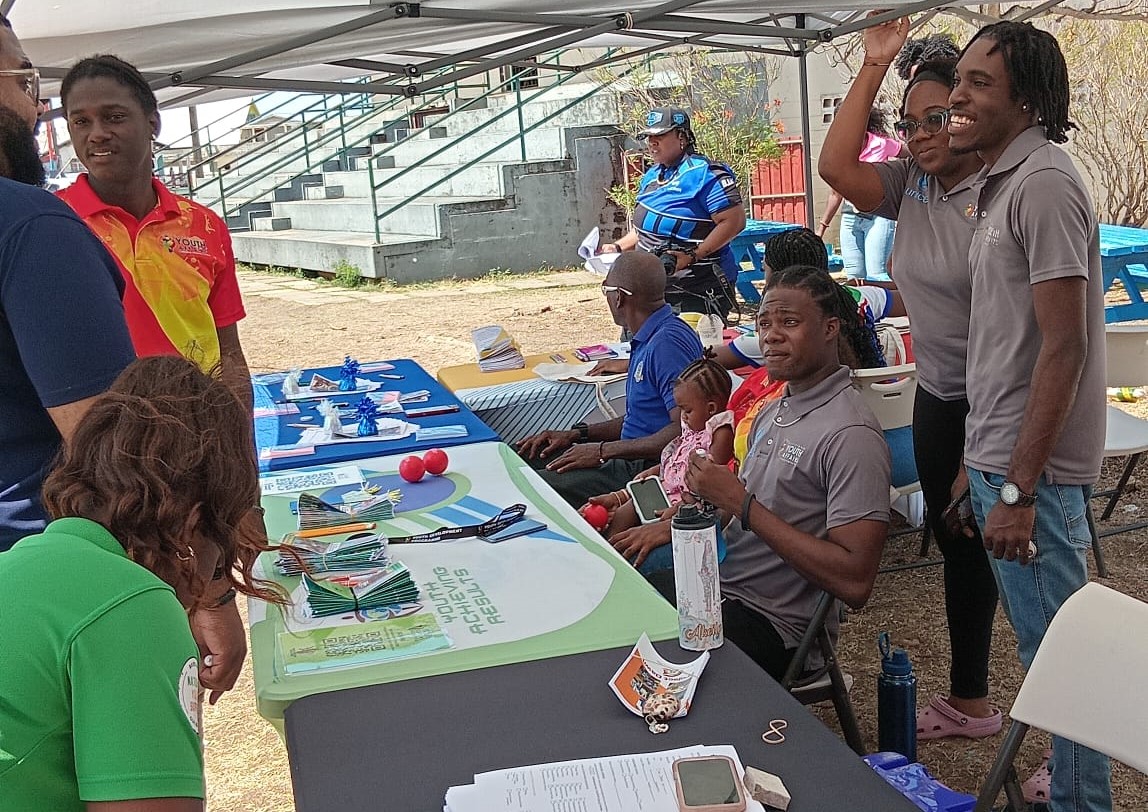
    The campaign made its official debut this past Saturday, with the first two engagement stops held in the Passage Road and Deacons St. Michael communities. Designed to connect young people between the ages of 9 and 35 with life-changing developmental opportunities, the initiative brings multiple key government agencies together into a single mobile unit to streamline access to support.

    Partner agencies participating in the outreach include the Youth Entrepreneurship Scheme (YES), the national Pathways youth development programme, and the Block Transformation Unit. According to Wanda Reid-Beckles, Public Relations Liaison Officer for the Division of Youth Affairs, the core goal of the program is to dismantle common barriers that prevent many young people from accessing existing resources.

    “Instead of asking young people and their families to come to our office to find out about the support we offer, we’ve come out of the office into the community,” Reid-Beckles explained. “This is our commitment to bringing all of our programs directly to local young people, helping them turn their goals into reality and addressing the specific needs that young people across the country have shared with us.”

    Unlike traditional static service fairs, the mobile outreach offers on-site, instant registration for a wide range of programs tailored to diverse youth needs. These include family-focused parenting education, structured sports training programs, and employability skill-building workshops that equip participants with the tools needed to secure and succeed in the workforce. For young people interested in starting their own businesses, the initiative also offers face-to-face one-on-one mentorship with dedicated YES officers, who provide personalized guidance on launching and growing a new venture.

    Program officials have emphasized that this weekend’s launch is just the opening phase of a far broader long-term campaign. Over the coming months, the mobile outreach unit will travel to communities across all regions of Barbados, with a deliberate commitment to reaching underserved and rural areas to ensure no young person is excluded from access to critical development opportunities.

  • Youth vaping is growing faster than Caribbean policy

    Youth vaping is growing faster than Caribbean policy

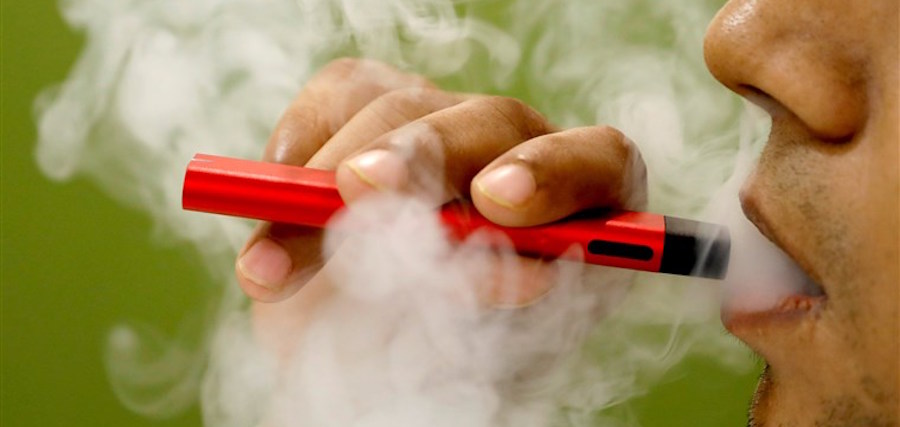
    Across Caribbean nations, underage access to vaping products has become alarmingly simple: students can leave their campus in uniform, walk into a neighborhood convenience store, or slide into an Instagram DM with an online seller, and walk away with a vape with almost no barriers. Young buyers are lured by a menu of candy-inspired flavors – cherry, bubble gum, cotton candy, and dozens more – while social media campaigns frame vapes as sleek, trendy, stress-relieving tools that pose no real health risk.

    What most of these young users do not understand is that not all vapes are created equal, and even so-called “nicotine-free” devices carry hidden risks. Many disposable and pod-based vapes contain high levels of addictive nicotine, while products marketed as zero-nicotine still feature child-friendly flavors that normalize vaping as a harmless hobby. This hidden harm could not be more relevant to this year’s World No Tobacco Day, which centers on the theme “Unmasking the appeal – countering nicotine and tobacco addiction.”

    For decades, regional discussions about tobacco harm in the Caribbean have centered almost exclusively on traditional cigarettes and their long-term impact on adult health. But a new public health emergency is unfolding in plain sight, as vaping products flood youth spaces and regional policy fails to keep up with the rapidly growing crisis. The urgency of this conversation is amplified this year, as World No Tobacco Day falls during Mental Health Awareness Month: nicotine is widely marketed to young people as a quick fix for stress, anxiety, and poor focus, promising an immediate dopamine boost to cope with daily pressures. But for adolescent brains that are still developing, nicotine actually worsens anxiety, increases the risk of substance dependence, fuels mood instability, and perpetuates harmful cycles of stress. Already navigating academic pressure, systemic economic uncertainty, community violence, and unaddressed mental health struggles, many young Caribbean people turn to vaping seeking comfort, unaware the products are intentionally designed to hook them into lifelong addiction.

    This crisis cannot be brushed aside just because current usage rates remain lower than those of more established recreational drugs. Data from the World Health Organization’s 2018 Global Youth Tobacco Survey underscores the scale of the issue: among 13- to 15-year-olds, youth vaping rates ranged from 4% in Antigua and Barbuda to 17.2% in Trinidad and Tobago, one of the highest rates in the entire region. In several Caribbean countries, e-cigarette use among young people already outpaces traditional cigarette consumption. In Jamaica, the 2018 survey put current adolescent e-cigarette use at 11.7%; by 2022, Jamaica’s National Council on Drug Abuse reported that figure had risen to 15% for 13- to 15-year-olds, with 80% of all young tobacco users reporting their first exposure before the age of 14. These numbers are not just statistics: they represent thousands of young people encountering addictive nicotine during the most critical stage of brain development.

    This steady rise in youth vaping is no accident. Leading regional public health bodies including the Caribbean Public Health Agency (CARPHA), the Pan American Health Organization (PAHO), and the Healthy Caribbean Coalition (HCC) have repeatedly warned that tobacco and vape companies intentionally design their products, marketing, and distribution strategies to attract underage users. Vapes are sold in bright, eye-catching packaging, stocked next to candy and snacks in local stores, promoted heavily by social media influencers, and framed as a cleaner, safer alternative to traditional cigarettes. Despite existing age restrictions, many vendors sell vapes to minors near school campuses with little to no accountability for breaking the law.

    Adolescents are uniquely vulnerable to the harm of nicotine, as the human brain does not finish developing until roughly age 25. Nicotine permanently alters brain chemistry, interfering with the development of regions responsible for attention, memory, learning, and emotional regulation. For students, this can translate to poorer focus in class, shortened attention spans, increased anxiety, and persistent mood challenges that harm academic performance, personal relationships, and overall long-term wellbeing. Early nicotine exposure also normalizes substance use from a young age, drastically increasing the risk of lifelong patterns of addiction. Beyond mental and developmental harm, vaping also poses severe physical health risks: e-cigarette aerosols contain confirmed carcinogens, toxic heavy metals, and fine particulate matter that trigger inflammation and chronic respiratory illness. Young users often develop persistent cough, wheezing, asthma flare-ups, and chronic lung irritation, while emerging research links long-term vaping to higher risk of cardiovascular disease and other life-altering non-communicable diseases.

    Despite these well-documented risks, major gaps in legislation and regulation persist across nearly every Caribbean nation. Most Caricom countries have formally ratified the WHO Framework Convention on Tobacco Control (WHO FCTC), the global gold standard for tobacco control policy, but consistent implementation across the region remains elusive. The HCC has identified critical weaknesses: lax restrictions on vape advertising and promotion, insufficient taxation policies, incomplete smoke-free public space protections, and glacial progress on regulating electronic nicotine delivery systems such as vapes.

    For example, Jamaica’s 2013 Public Health Tobacco Control Regulations only address portions of three FCTC articles, covering smoke exposure, product disclosure, and packaging. Major gaps remain in core areas including full advertising bans (required under FCTC Article 13) and protections for public health policy from tobacco industry interference (required under Article 5.3). While public health advocates have pushed for years for comprehensive new legislation to regulate e-cigarettes, progress has been painfully slow even as youth vaping rates continue to climb.

    Public awareness campaigns alone are no longer enough: the time for meaningful policy action is now. If Caribbean governments are genuinely committed to protecting young people, nicotine products cannot continue to slip through regulatory gaps, packaged and marketed in ways that explicitly target children and adolescents. Regional efforts to restrict marketing of unhealthy processed foods and drinks to children took more than a decade to earn serious policy traction – and the Caribbean cannot afford to wait another decade to address vaping, when harm is already impacting thousands of young lives.

    Comprehensive reform requires immediate action on multiple fronts: stricter enforcement of underage sales penalties, tighter rules for social media and influencer advertising, bans on child-friendly flavors and bright, playful packaging, expanded public education campaigns that clearly outline both the mental and physical harms of vaping, and targeted support for schools to implement prevention and early intervention programs. Most critically, public health advocates must actively dismantle the pervasive myth that vaping is harmless simply because it looks different from traditional cigarettes. Addiction does not become less dangerous because it comes in a pastel package or a mango flavor.

    Solving this growing crisis requires collective effort from every sector: governments, policymakers, school administrators, parents, youth advocates, civil society groups, and public health agencies all have a role to play in limiting underage access, strengthening child protection policies, and providing young people with accurate, transparent information about vaping risks. The tobacco industry is evolving rapidly to capture new, young markets – and Caribbean policy and public education must evolve faster to keep up.

    This World No Tobacco Day, protecting Caribbean youth means looking beyond the decades-long focus on traditional cigarettes and confronting the new, fast-growing crisis of accessible, normalized youth nicotine addiction. If regional leaders fail to act now, an entire generation of young Caribbean people will pay the price for policy that moved too slowly, while an unregulated industry moved fast. This commentary was written by Natalia Burton, an advocate with the Jamaica Youth Advocacy Network (JYAN), Healthy Caribbean Coalition/Youth (HCC/HCY), and UNICEF, focused on youth public health and wellbeing.

  • Surinamese nationals charged with drug offences

    Surinamese nationals charged with drug offences

    A targeted anti-narcotics operation carried out by the Barbados Police Service has led to serious drug-related charges against three citizens of Suriname, law enforcement officials have confirmed.

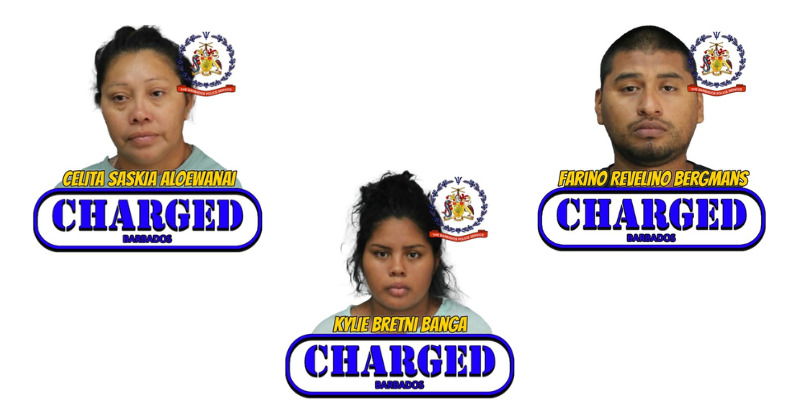
    The three accused — 33-year-old Farino Revelino Bergmans, 41-year-old Celita Saskia Aloewanai, and 21-year-old Kylie Bretni Banga — each face four separate cocaine-linked charges: possession of the controlled substance, possession with intent to supply, drug trafficking, and illegal importation of cocaine. All offences are alleged to have occurred on May 23, 2026, according to official charging documents filed by the Barbados Police Narcotics Unit.

    During the operation, officers seized approximately 1.2 kilogrammes of suspected cocaine from Bergmans, a haul with an estimated street value of $60,000 Barbadian dollars. He made his first initial court appearance Saturday before Magistrate Alison Burke at the District ‘A’ Traffic Court, where he was not permitted to enter a plea at this stage of proceedings. The judge ordered Bergmans remanded into the custody of the Barbados Prison Service at Dodds, with his next court listing scheduled for June 4.

    Authorities allege Aloewanai was in possession of roughly 1.1 kilogrammes of cocaine, valued at an estimated $55,000, while Banga is accused of holding 1 kilogramme of the drug worth approximately $50,000.

    Both Aloewanai and Banga are set to make their first court appearances at the District ‘B’ Magistrates’ Court on June 1, as the legal process around this large-scale drug seizure moves forward.

  • SIDS urged to strengthen institutions to withstand global shocks

    SIDS urged to strengthen institutions to withstand global shocks

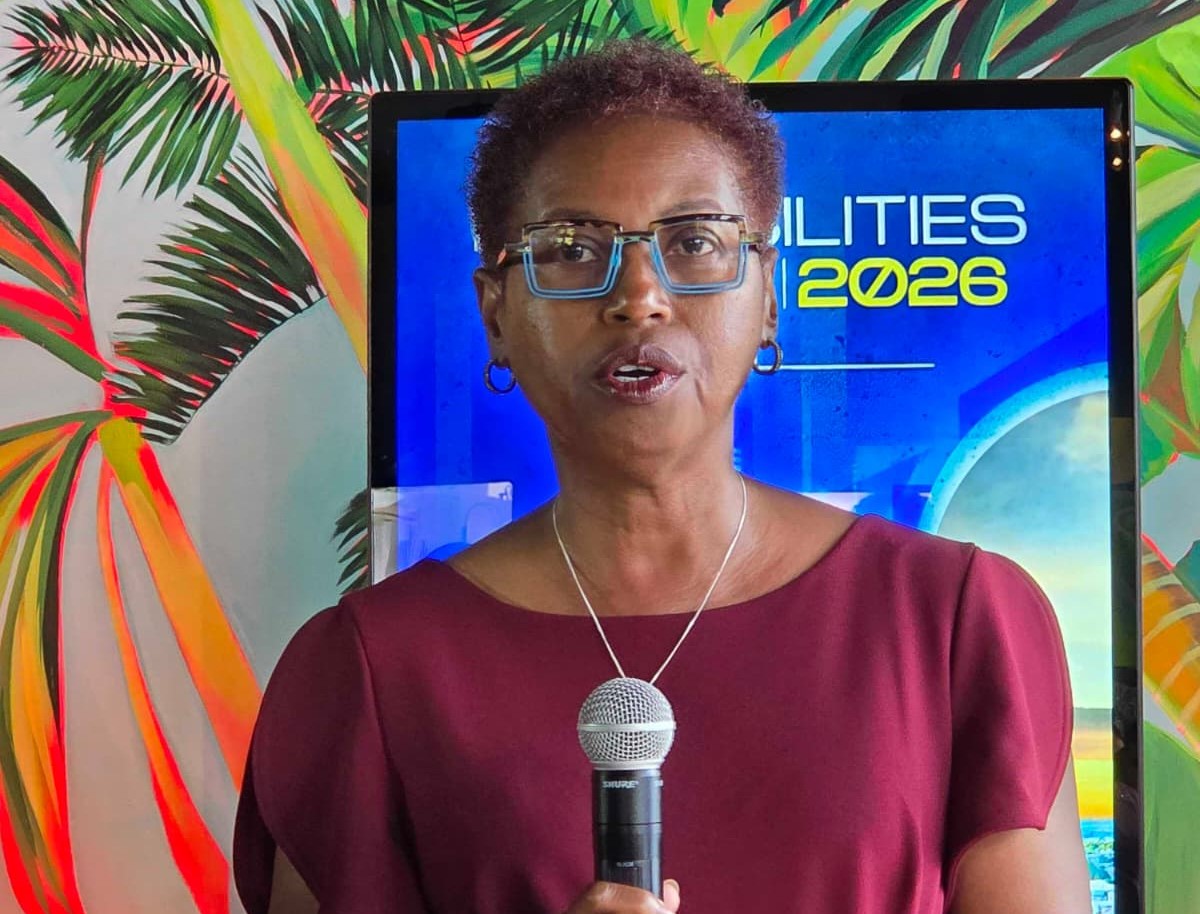
    Against a backdrop of cascading global disruptions ranging from rapid technological change to intensifying climate risk, a top Barbadian government official has outlined a bold new vision for Small Island Developing States (SIDS): abandon siloed, outdated development models and invest in proactive institutional capacity to withstand systemic shocks. The call to action came from Claudette Hope-Greenidge, Permanent Secretary of Barbados’ Ministry of Innovation, Industry, Science and Technology (MIST), during her opening welcome address at the first-ever Possibility Summit, a landmark multidisciplinary forum convened to align scientific advancement with national resilience goals. The high-profile opening assembly drew a roster of key stakeholders, including Barbadian Prime Minister Mia Mottley, sitting Cabinet ministers, and representatives from global diplomatic and scientific networks, underscoring the international relevance of the summit’s mission. Hope-Greenidge opened her remarks by stressing that fragmented, discipline-isolated approaches to governance and progress have become obsolete in the 21st century. “Today’s defining global challenges and untapped opportunities simply cannot be addressed through the lens of single academic disciplines or rigid, traditional institutional boundaries,” she told attendees. “Across every continent, nations and communities are navigating unprecedented, interconnected shifts: exponential leaps in digital technology, growing climate-related pressures, rapidly shifting geopolitical alignments, and a sweeping restructuring of the global economic order.” For small island nations like Barbados, Hope-Greenidge emphasized that adapting to these interconnected shifts is not a long-term policy option—it is an urgent immediate priority. She pushed back against the common narrative that small island states are inherently constrained by their geographic size and limited natural resource endowments, noting that Barbados’ historical progress has always stemmed not from physical assets, but from the strength of its foundational national systems. “Our national advancement has always depended on four core pillars: the quality of our public institutions, the depth of our human capital investment, a clear shared national vision, and the ability to plan ahead with strategic foresight,” she explained. That very commitment to proactive, forward-thinking development is what drove the creation of the Possibility Summit, she added. The forum was intentionally structured to close the persistent gap between ambitious national policy goals and on-the-ground implementation in the fields of scientific advancement and national preparedness for global shocks. A core priority of MIST, Hope-Greenidge said, is to reposition research and development (R&D) as a central pillar of Barbados’ national economic planning, rather than sidelining it as a peripheral, non-essential activity. “Our ministry firmly holds that R&D is not a marginal academic exercise—it is a critical building block of national economic strategy, modern governance, and most importantly, the national resilience that will keep us competitive amid global change,” she stated. With leading international experts in attendance—including Professor John Schellnhuber, Director General of the International Institute for Applied Systems Analysis—Hope-Greenidge called for long-term, cross-sector collaboration spanning public agencies, academic institutions, and civil society organizations to lock in Barbados’ long-term competitive edge as a small island leader in adaptive development. The inaugural summit marks a formal step forward for Barbados’ strategy to position SIDS as proactive actors in global transformation, rather than passive victims of systemic change, by centering interdisciplinary cooperation and institutional investment as the foundation for sustained prosperity.