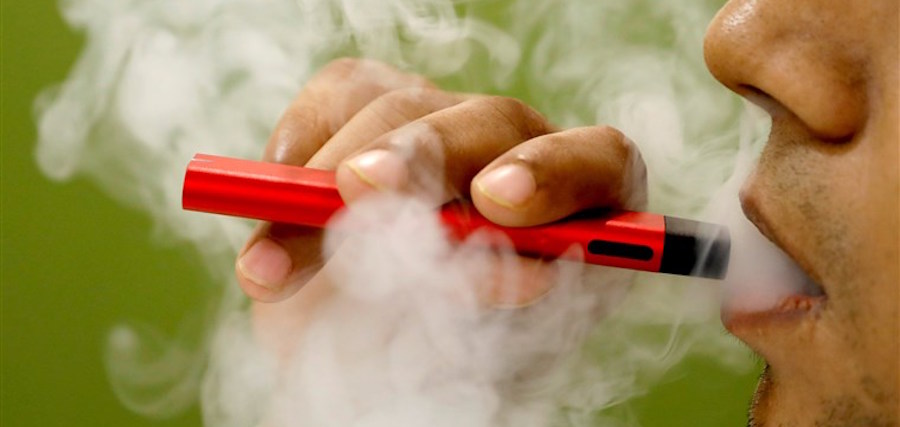
Across Caribbean nations, underage access to vaping products has become alarmingly simple: students can leave their campus in uniform, walk into a neighborhood convenience store, or slide into an Instagram DM with an online seller, and walk away with a vape with almost no barriers. Young buyers are lured by a menu of candy-inspired flavors – cherry, bubble gum, cotton candy, and dozens more – while social media campaigns frame vapes as sleek, trendy, stress-relieving tools that pose no real health risk.
What most of these young users do not understand is that not all vapes are created equal, and even so-called “nicotine-free” devices carry hidden risks. Many disposable and pod-based vapes contain high levels of addictive nicotine, while products marketed as zero-nicotine still feature child-friendly flavors that normalize vaping as a harmless hobby. This hidden harm could not be more relevant to this year’s World No Tobacco Day, which centers on the theme “Unmasking the appeal – countering nicotine and tobacco addiction.”
For decades, regional discussions about tobacco harm in the Caribbean have centered almost exclusively on traditional cigarettes and their long-term impact on adult health. But a new public health emergency is unfolding in plain sight, as vaping products flood youth spaces and regional policy fails to keep up with the rapidly growing crisis. The urgency of this conversation is amplified this year, as World No Tobacco Day falls during Mental Health Awareness Month: nicotine is widely marketed to young people as a quick fix for stress, anxiety, and poor focus, promising an immediate dopamine boost to cope with daily pressures. But for adolescent brains that are still developing, nicotine actually worsens anxiety, increases the risk of substance dependence, fuels mood instability, and perpetuates harmful cycles of stress. Already navigating academic pressure, systemic economic uncertainty, community violence, and unaddressed mental health struggles, many young Caribbean people turn to vaping seeking comfort, unaware the products are intentionally designed to hook them into lifelong addiction.
This crisis cannot be brushed aside just because current usage rates remain lower than those of more established recreational drugs. Data from the World Health Organization’s 2018 Global Youth Tobacco Survey underscores the scale of the issue: among 13- to 15-year-olds, youth vaping rates ranged from 4% in Antigua and Barbuda to 17.2% in Trinidad and Tobago, one of the highest rates in the entire region. In several Caribbean countries, e-cigarette use among young people already outpaces traditional cigarette consumption. In Jamaica, the 2018 survey put current adolescent e-cigarette use at 11.7%; by 2022, Jamaica’s National Council on Drug Abuse reported that figure had risen to 15% for 13- to 15-year-olds, with 80% of all young tobacco users reporting their first exposure before the age of 14. These numbers are not just statistics: they represent thousands of young people encountering addictive nicotine during the most critical stage of brain development.
This steady rise in youth vaping is no accident. Leading regional public health bodies including the Caribbean Public Health Agency (CARPHA), the Pan American Health Organization (PAHO), and the Healthy Caribbean Coalition (HCC) have repeatedly warned that tobacco and vape companies intentionally design their products, marketing, and distribution strategies to attract underage users. Vapes are sold in bright, eye-catching packaging, stocked next to candy and snacks in local stores, promoted heavily by social media influencers, and framed as a cleaner, safer alternative to traditional cigarettes. Despite existing age restrictions, many vendors sell vapes to minors near school campuses with little to no accountability for breaking the law.
Adolescents are uniquely vulnerable to the harm of nicotine, as the human brain does not finish developing until roughly age 25. Nicotine permanently alters brain chemistry, interfering with the development of regions responsible for attention, memory, learning, and emotional regulation. For students, this can translate to poorer focus in class, shortened attention spans, increased anxiety, and persistent mood challenges that harm academic performance, personal relationships, and overall long-term wellbeing. Early nicotine exposure also normalizes substance use from a young age, drastically increasing the risk of lifelong patterns of addiction. Beyond mental and developmental harm, vaping also poses severe physical health risks: e-cigarette aerosols contain confirmed carcinogens, toxic heavy metals, and fine particulate matter that trigger inflammation and chronic respiratory illness. Young users often develop persistent cough, wheezing, asthma flare-ups, and chronic lung irritation, while emerging research links long-term vaping to higher risk of cardiovascular disease and other life-altering non-communicable diseases.
Despite these well-documented risks, major gaps in legislation and regulation persist across nearly every Caribbean nation. Most Caricom countries have formally ratified the WHO Framework Convention on Tobacco Control (WHO FCTC), the global gold standard for tobacco control policy, but consistent implementation across the region remains elusive. The HCC has identified critical weaknesses: lax restrictions on vape advertising and promotion, insufficient taxation policies, incomplete smoke-free public space protections, and glacial progress on regulating electronic nicotine delivery systems such as vapes.
For example, Jamaica’s 2013 Public Health Tobacco Control Regulations only address portions of three FCTC articles, covering smoke exposure, product disclosure, and packaging. Major gaps remain in core areas including full advertising bans (required under FCTC Article 13) and protections for public health policy from tobacco industry interference (required under Article 5.3). While public health advocates have pushed for years for comprehensive new legislation to regulate e-cigarettes, progress has been painfully slow even as youth vaping rates continue to climb.
Public awareness campaigns alone are no longer enough: the time for meaningful policy action is now. If Caribbean governments are genuinely committed to protecting young people, nicotine products cannot continue to slip through regulatory gaps, packaged and marketed in ways that explicitly target children and adolescents. Regional efforts to restrict marketing of unhealthy processed foods and drinks to children took more than a decade to earn serious policy traction – and the Caribbean cannot afford to wait another decade to address vaping, when harm is already impacting thousands of young lives.
Comprehensive reform requires immediate action on multiple fronts: stricter enforcement of underage sales penalties, tighter rules for social media and influencer advertising, bans on child-friendly flavors and bright, playful packaging, expanded public education campaigns that clearly outline both the mental and physical harms of vaping, and targeted support for schools to implement prevention and early intervention programs. Most critically, public health advocates must actively dismantle the pervasive myth that vaping is harmless simply because it looks different from traditional cigarettes. Addiction does not become less dangerous because it comes in a pastel package or a mango flavor.
Solving this growing crisis requires collective effort from every sector: governments, policymakers, school administrators, parents, youth advocates, civil society groups, and public health agencies all have a role to play in limiting underage access, strengthening child protection policies, and providing young people with accurate, transparent information about vaping risks. The tobacco industry is evolving rapidly to capture new, young markets – and Caribbean policy and public education must evolve faster to keep up.
This World No Tobacco Day, protecting Caribbean youth means looking beyond the decades-long focus on traditional cigarettes and confronting the new, fast-growing crisis of accessible, normalized youth nicotine addiction. If regional leaders fail to act now, an entire generation of young Caribbean people will pay the price for policy that moved too slowly, while an unregulated industry moved fast. This commentary was written by Natalia Burton, an advocate with the Jamaica Youth Advocacy Network (JYAN), Healthy Caribbean Coalition/Youth (HCC/HCY), and UNICEF, focused on youth public health and wellbeing.