标签: Barbados

巴巴多斯

  • Wales crowned Premier League champs for fifth straight year

    Wales crowned Premier League champs for fifth straight year

    The Wildey Technical Centre played host to a dramatic final matchday of the 2026 Barbados Football Association Premier League on Wednesday night, as Weymouth Wales cemented their status as domestic football’s undisputed powerhouse with a last-minute 2-1 comeback win over Eyre’s Meat Shop Pride of Gall Hill to lock in their fifth straight league title.

    With the championship already guaranteed heading into the final fixture, Weymouth Wales head coach Asquith Howell opted to rotate his squad heavily, making sweeping changes to his starting eleven. That tactical choice opened the door for Gall Hill to take control of the match from the opening whistle, and it took just 17 minutes for the underdogs to capitalize, with Tyrico Bellamy breaking the deadlock to put his side ahead.

    Gall Hill held onto their one-goal advantage through the remainder of the first half, but their lead was erased just two minutes into the second period. Armando Lashley netted for the second consecutive match to draw Weymouth Wales level, shifting the momentum of the contest firmly in the defending champions’ direction.

    A string of second-half substitutions allowed Weymouth Wales to seize control of possession, putting relentless pressure on the Gall Hill defensive line. Gall Hill held firm against the wave of attacks, however, organizing a solid rearguard and looking to hit the leaders on dangerous counterattacks as the clock ticked toward full time. Weymouth Wales had already built a reputation for late-match victories this season, with five wins from their six previous encounters coming in the final 10 minutes of play – and that trend held on Wednesday night.

    In the dying seconds, with the final kick of the game, Rashad Smith found space in the penalty area and slid a clinical finish past the Gall Hill goalkeeper from a tight acute angle, snatching all three points for the champions. The stunning late winner capped off a remarkable turnaround to a season that Howell described as one of the most challenging in the club’s five-year title run.

    Speaking after the final whistle to Barbados TODAY, Howell reflected on a slow start to the campaign that forced his side to mount a historic comeback. “After a miserable first round, I told the lads we had to win all nine of our remaining matches to take the championship,” he said. “This has definitely been one of the toughest title fights we’ve had. Every single team we faced, from the first match to the 18th, even the two sides that got relegated, pushed us to our absolute limit. But we held strong – that’s what champions do.”

    The late win saw Weymouth Wales finish the season with a comfortable seven-point cushion at the top of the table, ending on 43 points after 18 matches. The battle for second place went down to the wire in a simultaneous fixture between Kickstart Rush and Paradise, with both sides knowing a win would secure a second-place finish in the final standings.

    The two sides went into halftime deadlocked at 0-0, before Kemar Johnson broke the tie for Kickstart Rush in the 53rd minute. Paradise responded just eight minutes later through Shamar Harewood, setting up a tense final half-hour. With both teams pushing for a winning goal rather than settling for a share of the points, Tekyle Alleyne-Callender netted the decisive goal for Kickstart Rush in the 77th minute, sparking wild celebrations on the club’s bench.

    The result was a fairy-tale ending for departing Kickstart Rush head coach Renaldo Gilkes, who had announced before the match that he would step down from his coaching role to focus on the club’s administrative operations. “I’m still trying to process everything,” Gilkes said after the win. “Sitting on the bench before kickoff, realizing this would be my final game in charge of this men’s team, I got overwhelmed with emotion. A lot of these players I’ve coached since they were youth level, and I’ve been through some of my toughest moments in football with these guys. I just want to thank the players, the fans, and everyone who supported me during my time here.”

    Gilkes added that the second-place finish bodes well for the young squad’s future in the top flight. “This is still a very young team, and they showed so much tenacity and fight throughout the season. I couldn’t have asked for more effort from every single one of them. They’re a fantastic group, and this is just the start of their journey in the Premier League.”

    The final league standings saw Kickstart Rush claim second place with 36 points, while last season’s runners-up Brittons Hill United rounded out the top three with 35 points. For Weymouth Wales, the league title is just the start of a busy domestic and regional schedule: Howell already has his sights set on three more trophies this year, starting with the knockout competition kicking off Sunday, followed by the CFU Club Shield, a potential spot in the CFU Caribbean Cup, and finally a defense of the Prime Minister’s Cup back on home soil.

  • Farley, Clarke lead Kevin Denny chess tournament

    Farley, Clarke lead Kevin Denny chess tournament

    The 2026 Kevin Denny Open chess tournament has delivered a stunning early storyline, as two teenage and child prodigies have seized the sole top spot in both of the event’s competitive divisions after four grueling rounds of play.

    In the tournament’s FIDE-rated section, 12-year-old Jeremiah Farley has turned heads with a perfect undefeated run, claiming four full points from four matches to hold an unshared lead. Fresh off competing at the PanAmerican Scholastics Under-13 Championships in El Salvador, Farley has already notched one of the tournament’s biggest upsets: a victory over second-seeded Justin Parsons that marked him as a serious contender for the overall title.

    His most recent win against Allan Herbert was a test of endurance and mental toughness. The pair battled through a lengthy endgame with opposite-colored bishops, a position widely viewed as almost certain to end in a draw. But a critical late mistake from Herbert opened the door for Farley, who capitalized to secure the full point and extend his lead.

    Five players are tied for second place just one point behind the young leader, creating a tight competitive race heading into the next round. The group includes Herbert himself, FIDE Master Dr. Philip Corbin, Justin Kirton, Women’s FIDE Master Hannah Wilson, and top-seeded Mark-John Alleyne, who is making his return to competitive over-the-board chess after an extended hiatus from organized play. Results from the fourth round saw Corbin draw with Parsons, Kirton claim victory over Charis Stuart, Wilson beat Rebekah Lashley, and Alleyne secure a full point against Ronaldo Rochester.

    With the 20-player field still packed with capable contenders, every competitor in the chasing pack retains a realistic shot at overtaking Farley and claiming the tournament title. The highly anticipated marquee matchup of the fifth round will pit Dr. Corbin, playing with the white pieces, against the young section leader Farley. Other critical matches that will shape the standings include Wilson facing off against Alleyne and Herbert going head-to-head with Kirton.

    In the tournament’s Novice division, the fairytale early run continues for another young competitor: 7-year-old Raef Clarke, who also holds a perfect four-point score from four matches to lead the 20-player section. Clarke claimed his fourth-round victory by default against former co-leader Ernest King, which pushed him into sole possession of the top spot. Mirroring the FIDE-rated section, five players are tied for second place with three points apiece: King, Kevin St Hill, Junior Corbin, Liam Martin, and Jerome Stuart.

    Key fifth-round matchups in the Novice section will see section leader Clarke go up against Junior Corbin, King face off against St Hill, and Jerome Stuart take on Liam Martin, as competitors fight to close the gap and claim the division lead.

  • Dairy industry urged to adapt as drought conditions worsen

    Dairy industry urged to adapt as drought conditions worsen

    As extreme heat and prolonged drought intensify across Barbados, dairy producers and agricultural specialists are sounding the alarm that current climate conditions have already suppressed milk output, and the entire sector could face long-term collapse if aggressive climate adaptation measures are not rolled out immediately. With the Caribbean island just days away from shifting from its annual dry season into the active hurricane period, local dairy farmers are actively seeking targeted guidance to protect their cattle herds and preserve stable milk production against rising temperatures and worsening water scarcity.

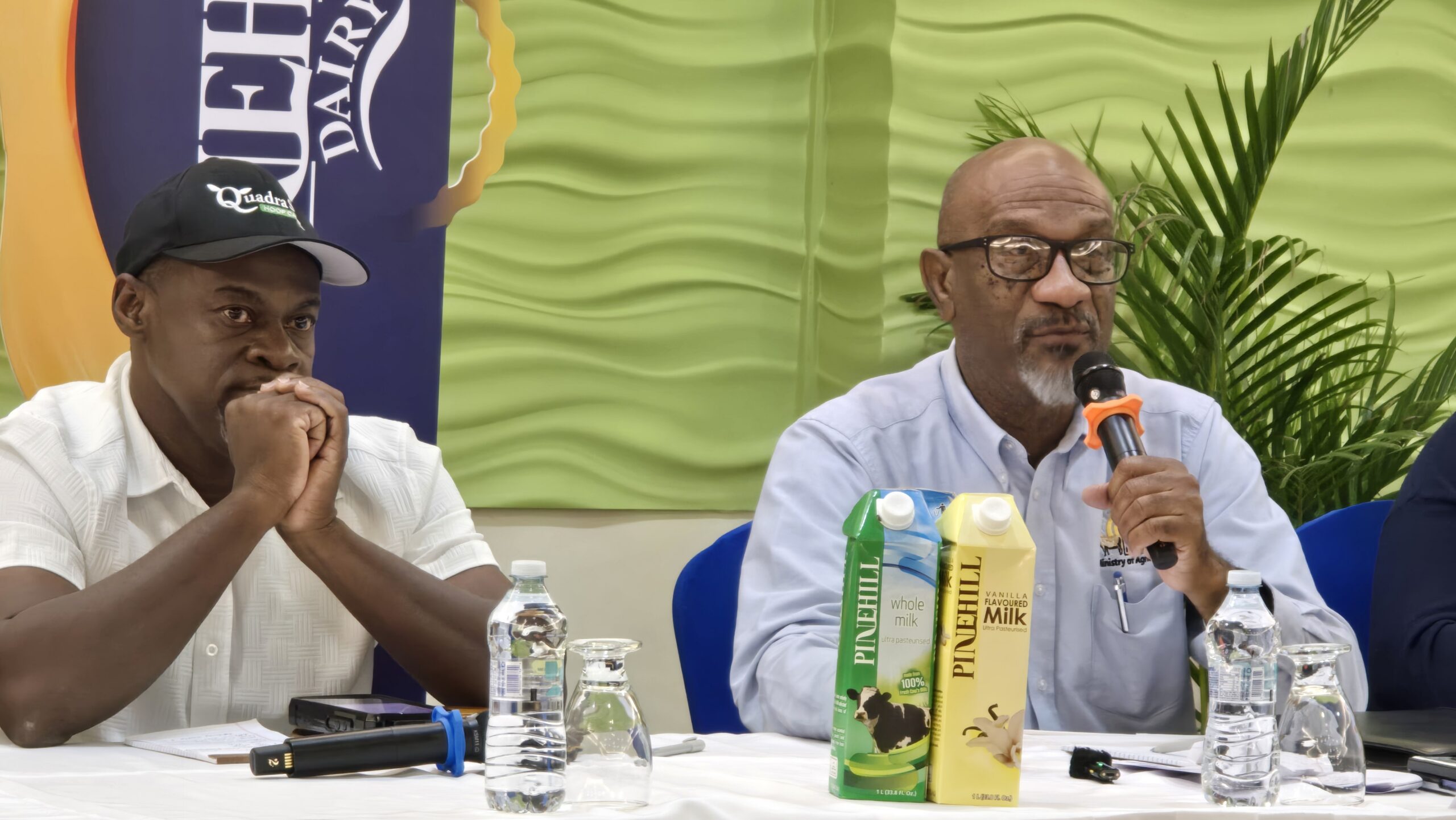
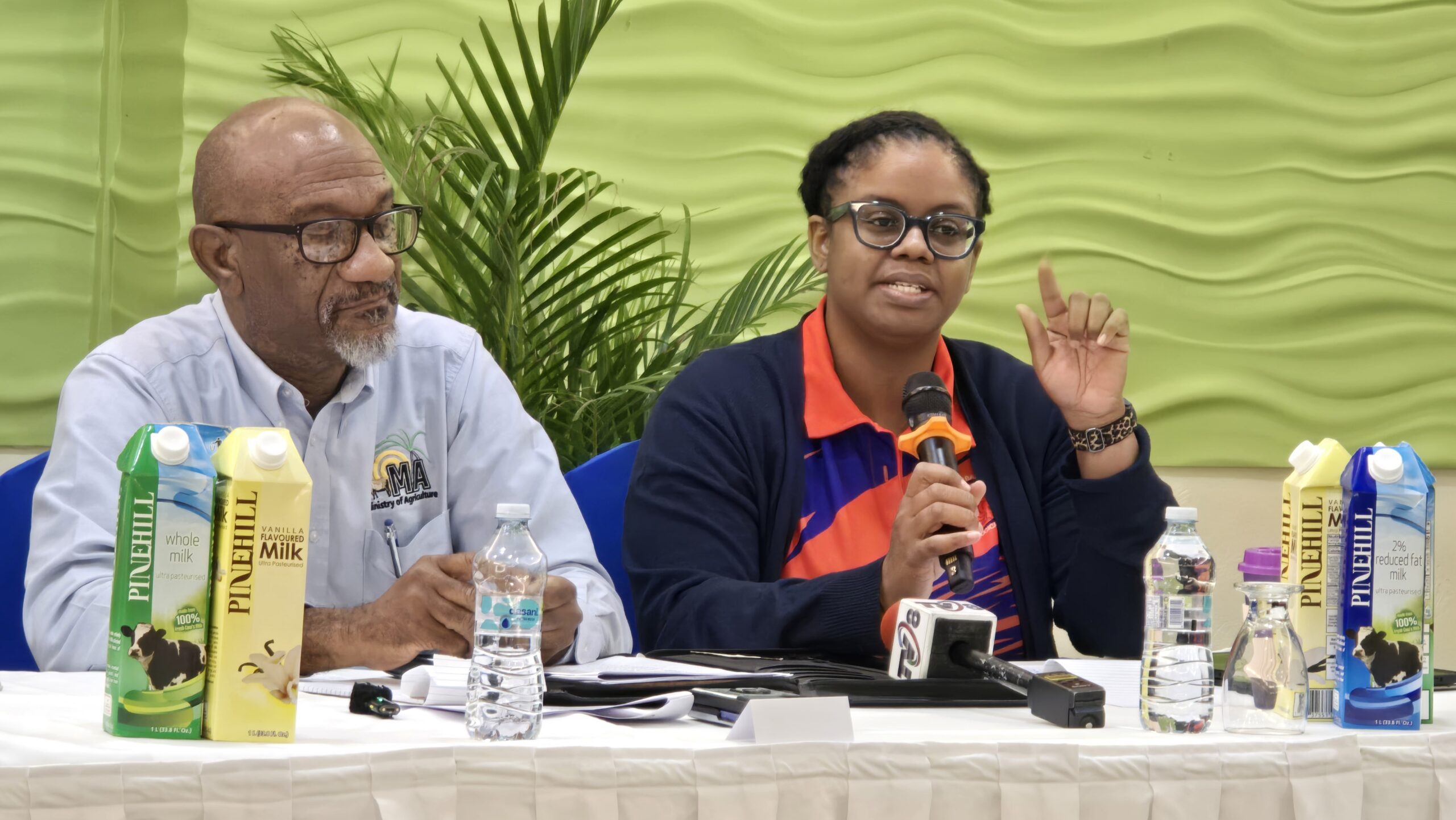
    These pressing concerns took center stage at Thursday’s Dairy Farmers Engagement Forum, hosted by leading local producer Pine Hill Dairy at the Radisson Aquatica resort. The gathering brought together practicing dairy farmers, senior climate officials, and veteran agricultural experts to map the sector’s most pressing challenges and collaborate on actionable, scalable solutions.

    Julia Holder, Pine Hill Dairy’s Dairy Farm Development Manager, outlined the day-to-day struggles already facing producers across the island. “Farmers are currently battling three interconnected crises: severe heat stress for cattle, widespread water shortages, and steady declines in milk output,” Holder explained. “We are looking at fundamental changes that need to happen on farms, from adding dedicated shade structures and shaded grazing areas to installing active cooling systems that mitigate heat stress for cows. The issue is that most small-scale producers simply cannot afford to implement these systems on their own. Right now, we are dependent on natural breeze for cooling, and with temperatures rising, even the wind is already hot—there are so many overlapping pressures working against us.”

    Arlie Connolly, Senior Agricultural Assistant at Barbados’ Ministry of Agriculture, Food and Nutritional Security, announced that financial support is already available for farmers looking to upgrade their environmental control infrastructure. Connolly confirmed that the government currently offers rebates of up to 25,000 Barbados dollars for climate-friendly cooling systems for both poultry and livestock, a benefit that dairy producers can leverage to cool cattle pens. In addition to existing incentives, Connolly said the ministry is open to expanding support for a wide range of climate-smart farming initiatives across the dairy sector. “We already offer rebates for milking parlour upgrades and dairy housing infrastructure, and I fully support expanding these programs to prioritize climate-smart design,” Connolly stated.

    Connolly also urged local hay producers and livestock farmers to proactively prepare for forecasted dry conditions well in advance. “If this pattern of hot, dry weather continues, producers with pastures suitable for hay production need to take steps now to maximize output,” he noted. “Fertilize grass early to get the highest possible yield, so that you can stockpile enough hay to get through extended dry periods. If you don’t have enough feed stored for your cattle, you are going to face major losses down the line.”

    Danielle Nurse, a Climate Officer with the Barbados Meteorological Services (BMS), emphasized that leveraging existing climate data and long-term forecasts is critical for helping farmers adapt to shifting weather patterns. Nurse explained that the BMS’ quarterly Barbados Climate Outlook newsletter remains the primary platform for sharing actionable climate information with the public and agricultural stakeholders. “We publish projections for three to six months out, including expected rainfall ranges, whether totals will be above or below the seasonal average, and the probability of above-normal temperatures—including overnight temperatures,” Nurse explained. “Heat stress doesn’t just affect animals during the day; even humans struggle to recover if overnight temperatures don’t cool down enough, so the impact on cattle is even more severe. We also publish drought outlooks and break down upcoming climatic factors that could impact conditions for producers.”

    Nurse warned that the choices Barbados makes around climate adaptation over the next 10 years will directly determine whether the domestic dairy industry remains viable long-term. “Successful adaptation depends on the partnerships we build today,” she said. “We can publish all the rainfall, drought, and temperature outlooks in the world, but we need feedback from farmers to make these resources useful. Tell us what information is working, what isn’t, and what you need from us, and we can work together to develop tools that fit the sector’s needs.”

    She added that cross-sector collaboration between government agencies, farming groups, and technical experts could unlock new targeted rebate programs for climate-smart infrastructure. “If we want to design an effective rebate program for climate-smart farm buildings, we need input from all stakeholders,” Nurse explained. “We need data on local wind patterns and humidity to design buildings that work for our climate. Then we can partner with architects, farmers, the Ministry of Agriculture, all of us sitting down together to map the best design, figure out what support is feasible, and move forward to roll out a rebate program that actually meets producers’ needs.”

    Nurse also contextualized current conditions within broader regional climate trends, noting that El Niño-driven warmer-than-average sea surface temperatures are already impacting the entire Eastern Caribbean. “El Niño alters tropical circulation patterns, and for the Eastern Caribbean, that translates to more extreme heat and lower than average rainfall,” she said. “So far this year, total rainfall is already just below the long-term average, and we have had extended dry periods—before last weekend, we went almost six weeks with very little precipitation. Right now, we are already in an agricultural drought. Our most recent newsletter included an official agricultural drought warning and a hydrological drought watch for the island.”

    Even with the official wet season approaching, Nurse cautioned that producers should prepare for continued prolonged dry spells and high temperatures. If the upcoming wet season brings below-average rainfall, she added, conditions could become even more difficult for the dairy sector heading into next year. “Next year’s dry season could be even tougher than this year’s, depending on how much rain we get in the coming wet season,” Nurse said. “Proactive preparation and collaborative adaptation are the only ways to protect this critical industry from the growing impacts of climate change.”

  • Man shot dead in The Pine

    Man shot dead in The Pine

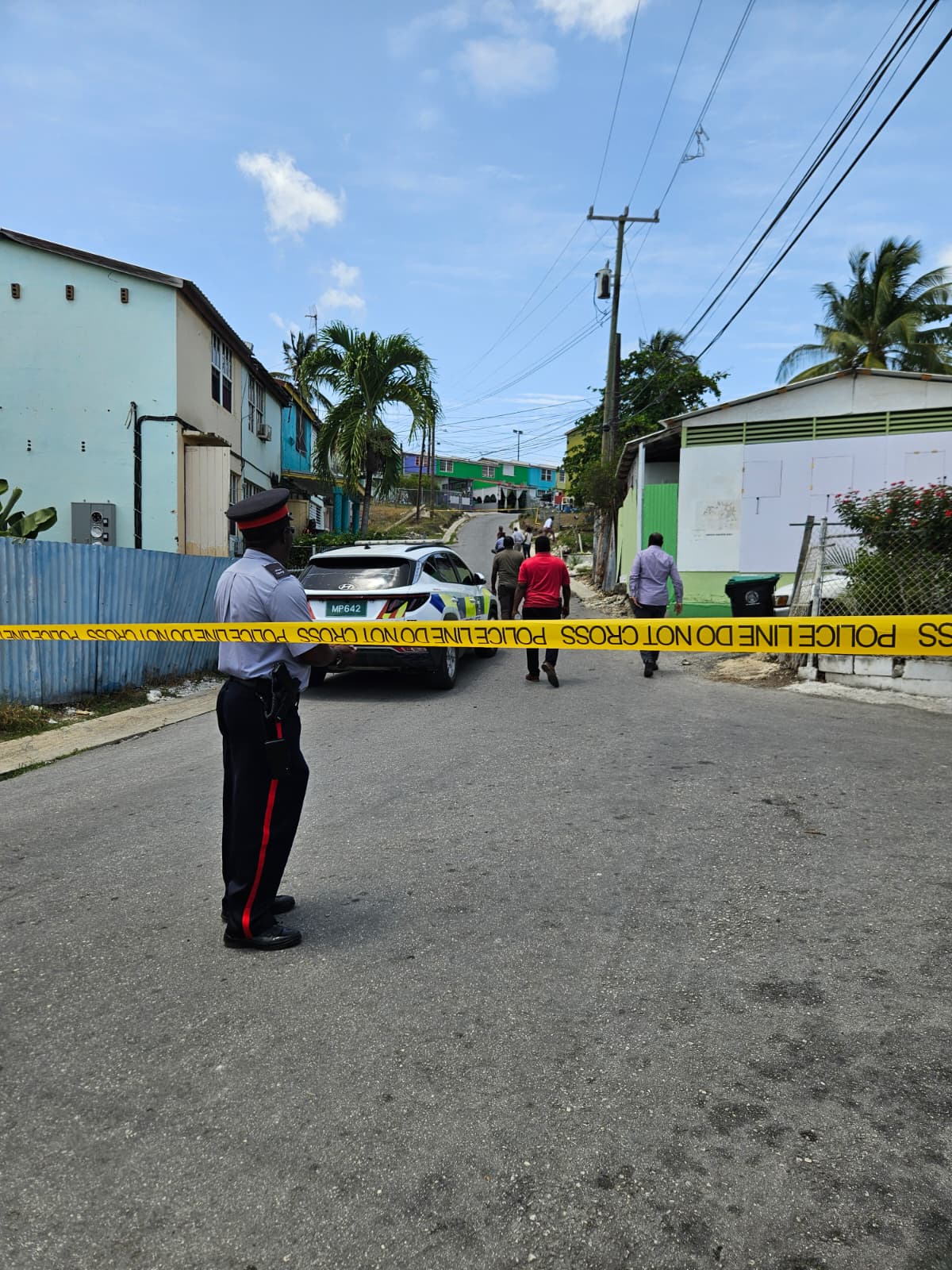
    A fatal shooting has rocked the quiet community of Pinelands, St Michael, after a man was gunned down on Martins Road early Friday, launching a intensive criminal investigation by local law enforcement.

    According to official statements from Inspector Ryan Brathwaite, the Police Public Affairs and Communications Officer, the incident came to light just before 10 a.m. when a female caller contacted the national police Operations Control Room to report that a man had been shot at the Martins Road location.

    Within minutes of receiving the alert, uniformed police officers and emergency medical response teams were mobilized and rushed to the scene to provide assistance and secure the area.

    “Teams from the Barbados Ambulance Service, made up of one attending physician and two emergency medical technicians, arrived promptly to assess the victim, but they were unable to detect any vital signs,” Brathwaite confirmed in a press briefing Friday.

    Following the initial emergency assessment, a police medical examiner traveled to the shooting site and formally declared the man deceased, Brathwaite added.

    As of Friday afternoon, the investigation remains in a critical early phase that law enforcement officials describe as “delicate”. Forensic specialists have been deployed to process the crime scene, which has been cordoned off to preserve evidence and prevent unauthorized access to the area.

    In an appeal to the public for assistance, police are urging anyone who was present in the Martins Road area around the time of the shooting, or anyone who holds any information that could help advance the investigation, to come forward with their details. Tipsters can share information anonymously through Crime Stoppers at 1-800-8477, contact the 24-hour Police Emergency line at 211, or reach out directly to investigators at District ‘A’ Police Station via 430-7242.

    At this stage of the investigation, authorities have not yet released the name of the deceased, pending notification of next of kin. Police say additional details about the shooting and investigation progress will be released to the public as they become available.

  • June start for $5m faith-based fund

    June start for $5m faith-based fund

    A new $5 million government grant initiative tailored for faith-based organizations is set to open its first application round in early June, Third Sector Minister Colin Jordan has confirmed, following formal approval from the Barbadian Cabinet. First pledged as part of the Barbados Labour Party’s election manifesto, the program centers on empowering faith-based groups to launch youth-focused projects that drive inclusive social development and deeper community engagement across the island.

    Jordan laid out the program’s broad priorities during a post-Cabinet media briefing, noting that supported projects will span a range of critical areas affecting young Barbadians. These include public health and wellness outreach, youth crime prevention, targeted youth engagement activities, life skills training, and expanded access to employment, poverty reduction support, educational opportunities, anti-discrimination initiatives, disability integration, food security, and environmental action. All funded projects are designed to boost young people’s active participation in national social and economic life, with faith-based groups recognized as key long-standing partners in youth development across Barbados.

    To ensure transparency and accountability for public funds, the program has clear eligibility requirements outlined by Jordan. Only registered faith-based organizations and their affiliated institutions – including churches, mosques, synagogues, temples, and faith-linked charities – are eligible to apply. Organizations must be registered as charities, not-for-profit companies, or third-sector entities with the Ministry of Labour, Social Security and the Third Sector, maintain a permanent physical presence in Barbados, and have a minimum three years of formal registration history to demonstrate operational longevity. Jordan added that the framework is intentionally flexible, however: a dedicated oversight committee will have the authority to grant exceptions to the three-year rule for promising emerging groups.

    All funded activities must be based in Barbados and serve the island’s youth, in line with the program’s public funding mandate. For joint applications submitted by multiple collaborating organizations, a formal memorandum of understanding is required to clearly outline each group’s roles and responsibilities, a measure put in place to uphold strict accountability standards.

    Eligible project types include structured training sessions, skills workshops, academic seminars, stakeholder conferences, and broader institutional capacity-building initiatives. Individual scholarships, private sponsorships, and standalone one-off public events do not qualify for funding. A key requirement for all approved projects is non-discrimination: programs must be open to all young participants regardless of religious identity, though targeted programming for specific demographic groups (such as initiatives focused exclusively on young men or young women) is permitted when justified by project goals.

    The government plans to roll out four open funding calls annually, with the first call for proposals scheduled to launch at the start of June. Jordan emphasized that the rapid rollout of the program reflects its priority status for the new administration, which took office in February. Administrative structures are already in place, and the government will soon launch public advertising to invite applications, with dedicated support available to help less experienced organizations draft strong formal proposals, as many small community groups lack prior experience with competitive grant applications.

    A seven-member evaluation and monitoring committee will oversee the entire application, assessment, and post-funding monitoring process. Chaired by the Permanent Secretary for Religious Affairs, the committee includes representatives from community development, social work, youth advocacy, and the faith-based sector itself. Applications will be evaluated based on six core criteria: the applicant’s operational capacity, project relevance to national youth needs, expected effectiveness, long-term sustainability, potential for scaling impact, and budget realism. Following approval, funded organizations will be required to submit both mid-term and final progress reports, with the committee overseeing all reporting and payment scheduling.

    Jordan concluded that beyond supporting direct youth development, the program is designed to strengthen the institutional capacity of faith-based organizations, helping these trusted community groups expand the impactful local work they have carried out for decades.

  • AUB students begin QEH rotations after 13-year wait

    AUB students begin QEH rotations after 13-year wait

    After 13 years of operating in Barbados, the American University of Barbados (AUB) has reached a historic milestone in its medical education program: for the first time, its students are completing required clinical rotations at local medical institutions, led by the island nation’s flagship Queen Elizabeth Hospital (QEH).

    Clinical training is a core, non-negotiable component of modern medical education. Unlike the foundational classroom learning that introduces students to anatomy, pharmacology and disease pathology, clinical rotations place trainees directly in hospital and clinic departments, where they work alongside licensed physicians to engage with real patients, practice diagnostic skills and develop hands-on care experience over dedicated rotation blocks. Prior to this new partnership, AUB students were forced to travel abroad to countries including the United States and Guyana to complete this mandatory training requirement.

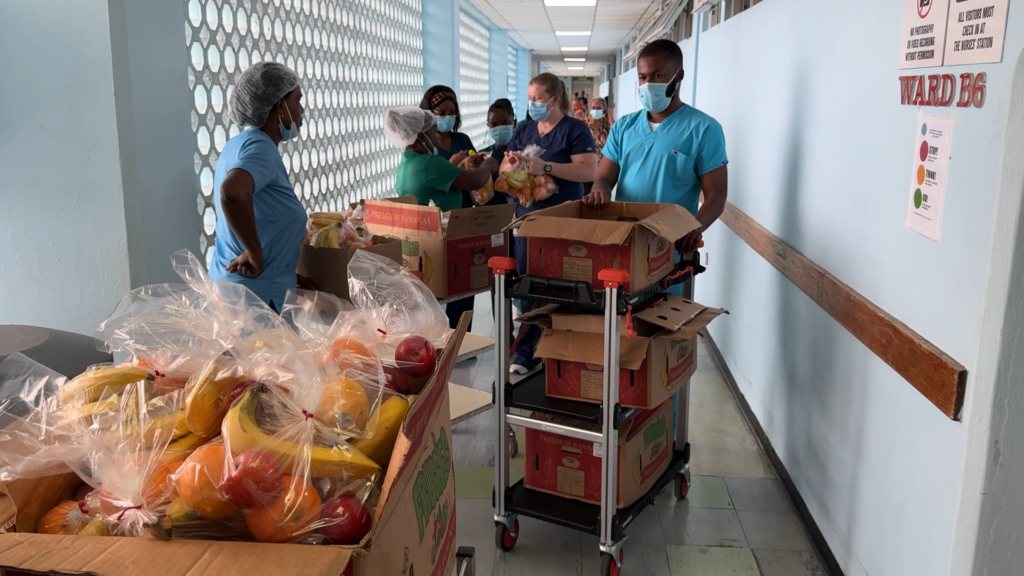
    The first cohort of trainees began their local rotations on a historic Friday earlier this year: 10 students started placements at QEH, while an additional three began their training at the island’s Psychiatric Hospital. To mark the occasion and embed core values of service from the start of clinical training, AUB organized its annual community outreach initiative, distributing 500 pre-packed fruit bags to patients across all departments at QEH.

    Dr. Carlos Chase, Director of Medical Services at QEH, confirmed that the hospital has already integrated AUB trainees into its systems, with interns from the university arriving for placements approximately two months before the first rotation cohort of medical students. He framed the new partnership as a confirmation of the hospital’s growing regional role as a leading medical training hub for undergraduate and postgraduate trainees from institutions across the hemisphere.

    “We have upgraded and expanded our training capacity to accommodate students from multiple universities, which will only strengthen our position as a regional center of excellence for medical education,” Chase explained. “There is often negative discourse around this hospital, but we have many outstanding, unrecognized achievements. Our long-standing training program in partnership with the University of the West Indies has long been one of this institution’s greatest beacons of success, and this new partnership expands that legacy.”

    For AUB’s leadership, the launch of local rotations is the realization of a goal the institution has held since it first opened its doors in Barbados 13 years ago. “This was our dream from the day we founded this school,” shared Anita Bhat, Chief Executive Officer of AUB, in an address to media on the launch day. “This is a truly historic moment for all of us, and we could not be more excited.”

    Bhat emphasized that the partnership extends far beyond benefits for AUB and its student body, delivering tangible advantages to the entire Barbadian community. “This is a win for the school, for our students, and for the wider Barbadian public,” she noted. “Our institution brings economic activity to the island, and we already carry out extensive volunteer work across the country through our long-standing partnerships.” She pointed to AUB’s existing free community clinic, and ongoing collaborations with churches, schools, and leading local health organizations including the Heart and Stroke Foundation of Barbados, the Barbados Cancer Society, and the Barbados Diabetes Foundation.

    Meesam Ali Khan, president and director of AUB, joined the announcement remotely from India, where the university’s parent institution is headquartered. Khan explained that AUB’s core mission is to expand accessible, high-quality medical training opportunities for students across global regions, and the QEH partnership directly advances that goal.

    Khan praised QEH as an ideal training environment for medical students, highlighting three key strengths: its high volume of patients, the wide diversity of clinical cases it treats, and the depth of experience among its attending medical faculty. “The quality of clinical training depends on three core things: the number of patients you interact with, the range of conditions you see, and the expertise of the physicians guiding you,” Khan said. “QEH has trained University of the West Indies students for decades, so it is already a well-established, proven teaching hospital, which makes it the perfect fit for our program.”

    Beyond the clinical training itself, Khan explained that the fruit distribution outreach was designed to prioritize a core, often overlooked value of medical practice: empathy. “We do not just teach our students medicine and cutting-edge medical technology. We teach them to care for patients as people, and empathy is the foundation of that,” he said. Bhat echoed this commitment, adding: “This celebration of our new clinical rotations also serves a deeper purpose: to instill a permanent spirit of community service in our students, and nurture the empathy they need to care for vulnerable people experiencing illness.”

    Looking ahead, AUB is planning far-reaching additional collaboration to advance Barbados’ healthcare digital transformation. Khan announced that the institution is preparing to donate 100 digital stethoscopes that can transmit real-time heart and lung sounds remotely via a custom mobile application. The university is also exploring partnerships to expand support through clinical software systems, broader digital health innovation, expanded free clinic services, and larger community outreach initiatives. For all parties, Khan said, the new clinical rotation partnership is a clear win-win: “This arrangement creates shared value for AUB, for Queen Elizabeth Hospital, for our students, and for the entire Barbadian community.”

  • Rebate system needs overhaul, dairy farmers say

    Rebate system needs overhaul, dairy farmers say

    As the Barbados dairy sector marks a major milestone, industry stakeholders are uniting in calls to modernize the country’s agricultural rebate scheme, amid growing worries over declining cattle genetics and fragmented collaboration between producers and industry groups. This week, producers, government regulators, and dairy sector leaders gathered at the Pine Hill Dairy Farmers Engagement Forum, held Thursday at the Radisson Aquatica Resort. Titled “The Next 60 – Shaping the Milk Production Industry in Barbados,” the event coincided with the 60th anniversary of the former state-owned dairy operation, bringing key industry challenges and untapped opportunities into focus.

    Arlie Connolly, Senior Agricultural Assistant at Barbados’ Ministry of Agriculture, laid out the details of the government’s current suite of incentives and rebates for dairy producers, noting that officials are moving forward with plans to boost outreach to ensure farmers know what support is available. “We have a really intensive, well-developed incentive package that most farmers do take advantage of… Earlier this year, Mr. James and I held a full planning meeting to roll out a public awareness campaign to promote these incentives more widely, and that’s still on our agenda. When it’s done, farmers will have a far clearer understanding of how the programme works,” Connolly explained.

    Among the most generous current incentives is a 40% rebate for dairy housing construction and upgrade costs, launched in 2024 as a two-year programme with a maximum rebate cap of $60,000. Despite the significant support on offer, Connolly admitted uptake has been extremely low, with the programme set to expire later this year. The broader scheme includes rebates for a range of critical farm investments, from cattle embryos and imported breeding livestock to milk parlour upgrades alongside the dairy housing support, but many older, underutilized incentives remain largely unclaimed by producers.

    Julia Holder, Dairy Farm Development Manager at Pine Hill Dairy, raised one of the most common pain points for producers: slow rebate disbursement, asking whether officials could introduce faster processing and staged reimbursements to get capital into farmers’ hands more quickly. Connolly explained that while the Ministry of Agriculture handles application reviews, all payments rely on fund releases from the Ministry of Finance, creating unavoidable delays even when applications are approved within a week of submission. Even so, he noted that the approval process has been streamlined in recent months, with a new tiered authorization system cutting down red tape that once required all applications to gain sign-off from the Permanent Secretary, slowing approvals dramatically.

    Local dairy farmer Paul Davis brought forward two key concerns: a lack of transparency and traceability in the current rebate system, leaving producers unable to match deposits in their bank accounts to specific incentive claims. “From where farmers stand, the entire system needs modernization. What we should get is an immediate acknowledgement of our application and a unique case number to track its progress – that’s just not available right now,” Davis said. He also highlighted gaps in the new heifer raising rebate, a programme designed to encourage producers to keep female calves for breeding instead of selling them early. “Several of us submitted applications months ago, and we’ve had no confirmation they were even received, no update on the status, and no timeline for when we might receive payment,” Davis explained, adding that poor communication between the different agencies managing the programme has left widespread confusion among producers.

    Patrick Butcher, Farm Manager at Victoria Farms, noted that the vast majority of dairy operations in the country still rely on manual record-keeping, creating a critical gap in reliable, verifiable farm data that holds the sector back. “With the exception of maybe one or two producers, almost all of our farm records are handwritten. A few of us, like Paul Davis who has used digital software successfully for years, have moved online, but the ministry and vet services have struggled to roll out digital systems across the sector. Right now, most information is passed verbally, and it’s impossible to verify accurately,” Butcher said.

    In a revealing note, Connolly shared that a 50% rebate for digital record-keeping tools and farm computer technology has actually been available to producers for more than two decades, having launched in 2001. The programme covers multi-user software licenses for farmers, requiring just six months of recorded data on farm computers to claim, but to date only Davis has ever taken advantage of the incentive.

    Another producer, McDonald Stevenson, pushed back on the mandatory electronic cattle identification chip requirement, arguing the process is unnecessarily complex and time-consuming, and that traditional physical tagging is still sufficient to identify individual animals. “I can tag my cows myself, any official can come any day and count my 20 heifers and match them to their tag numbers. The old system works just fine,” Stevenson said. Connolly defended the chip mandate, noting that digital identification enables full traceability in cases of theft or slaughter, a benefit traditional tags cannot provide. He did acknowledge that the requirements can be adjusted as the programme evolves, adding that officials have already opened discussions with Ministry of Finance teams to address the most pressing pain points in the wider rebate system.

    The forum comes as Barbados’ dairy sector looks to secure its long-term sustainability over the next 60 years, with widespread agreement that updating the rebate system to meet producer needs is a critical first step to boosting growth and addressing longstanding challenges like declining cattle genetics.

  • Man granted bail after denying assault, threat charges

    Man granted bail after denying assault, threat charges

    A 29-year-old man from St. George has been released on $3,000 bail following a court appearance this week, where he pleaded not guilty to a series of serious charges connected to an incident with law enforcement in Barbados earlier this year. Darren Ian Johnson, who resides in the Middleton neighborhood of the parish, entered not guilty pleas to all four counts brought against him by the prosecution. The charges stem from a May 27 altercation at the Constitution River Terminal, a busy public location in the capital Bridgetown.

    The first two counts relate to Johnson’s interaction with Sergeant Jerison of the Barbados Police Service: he is accused of resisting the officer while the sergeant was carrying out his official law enforcement duties, and intentionally assaulting the officer in a manner that caused actual bodily harm. Third, Johnson is charged with using threatening language toward the sergeant, specifically telling the officer that he would kill him if the sergeant placed hands on him. Prosecutors allege this statement was made with the explicit intent of making the officer believe immediate unlawful violence would be used against him. The final count accuses Johnson of illegally carrying an offensive weapon in a public space: prosecutors say he was in possession of a flick knife without lawful permission or any reasonable justification.

    During Wednesday’s court hearing, no objections to bail were raised by the prosecution, leading the judge to grant Johnson bail set at $3,000. The defendant is represented by local defense attorney Neville Reid. The case has been adjourned to allow for further procedural preparation, with the next court date scheduled for September 2.

  • NISSS clarifies no transaction fees for self-employed payments

    NISSS clarifies no transaction fees for self-employed payments

    Growing public confusion surrounding transaction fees for national insurance contributions has prompted the National Insurance and Social Security Service (NISSS) to issue a formal clarification addressing widespread misconceptions that emerged after the rollout of its updated digital payment options for self-employed workers.

    In an official statement released to media outlets, the agency emphasized that no contribution transaction fees of any kind are charged to self-employed contributors, regardless of whether they submit payments in person at physical offices, through the digital Surepay platform, or via the EZpay+ service. To resolve the most common point of misunderstanding, NISSS explained that the $0.30 per-transaction convenience fee charged by Surepay only applies to over-the-counter cash and cheque transactions, and this small charge never applies to self-employed national insurance contribution payments processed through the platform.

    The statement also drew a clear distinction between third-party convenience fees and legislated retroactive contribution surcharges, a second point that sparked public discussion. Under the terms of the National Insurance and Social Security (Amendment) (No. 2) Act, a 5% annual statutory surcharge is mandatory for all retroactive contributions covering previous income years. This surcharge applies equally to all payment methods, both in-person and digital, and is not a fee imposed by NISSS itself, but a legal requirement laid out in legislation.

    To illustrate how the surcharge works, NISSS provided concrete examples for contributors: for the 2025 income year, the 5% surcharge will only apply to contributions submitted after January 15, 2026. For 2024 income year contributions, a 10% cumulative surcharge (two years of 5% annual increases) will apply to any payments made after the same January 15, 2026 deadline.

    For the upcoming 2026 income year, the agency confirmed that the regular payment window runs from January 1, 2026 to January 15, 2027, and no retroactive surcharge will apply to any contributions submitted within this period.

    In additional news related to payment infrastructure, NISSS announced that it is on track to join the second phase of the BIMpay digital payment platform next month. The agency has been working closely with the Central Bank of Barbados to meet all technical and regulatory requirements needed to process contribution payments and disburse benefit payments through the new system. Further details about the onboarding process and available features will be released to the public once preparations are finalized.

  • Port expands capacity with new berth

    Port expands capacity with new berth

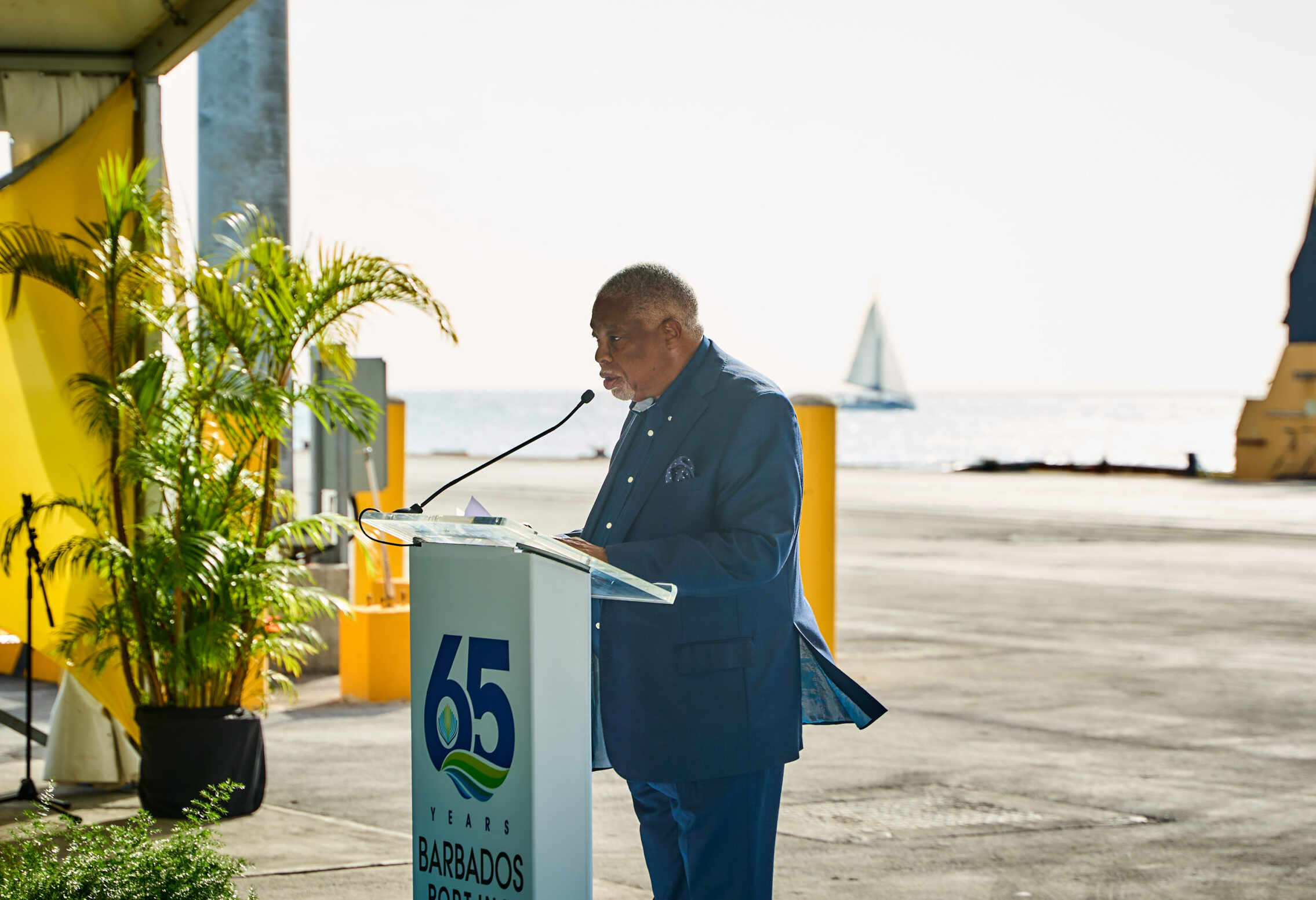
    Barbados’ Port of Bridgetown has launched a transformative $213.5 million infrastructure expansion with the official commissioning of its new Berth 6, a development that port leaders say will dramatically lift the island nation’s cargo handling capacity, sharpen operational efficiency, and position it to meet rising regional and global shipping needs. Peter Odle, chairman of state-owned Barbados Port Inc., framed the new berth as a landmark investment that strengthens the port’s standing across trade, logistics, and the growing cruise tourism sector. Speaking at the launch ceremony Thursday, Odle connected the modern expansion to the port’s decades-long history of adaptation, tracing its evolution back to the 1961 completion of the deepwater harbour—once hailed as the most impactful public development and engineering project in Barbados’ history up to that point, built at a cost of $28 million. Over the 60-plus years since that milestone, the global maritime industry has undergone sweeping changes, but Odle emphasized that continuous infrastructure upgrades and strategic diversification have allowed Barbados to retain its competitive edge as a leading regional multi-purpose port. “The world has changed immensely since 1961, and it is only the fact that we have succeeded in keeping pace with this extraordinary transition that we remain an outstanding multi-purpose port,” Odle noted, adding that ongoing infrastructure improvements and forward-thinking diversification strategies have laid a solid foundation for long-term economic growth while enabling the port to adapt to larger vessel sizes and shifting global industry demands. The full Berth 6 project, priced at $213.5 million including on-site infrastructure, heavy cranes, and supporting operational equipment, stands as concrete proof of Barbados Port Inc.’s commitment to a bold, ambitious vision for the future of Barbados’ international trade, logistics, and cruise tourism sectors, Odle explained. Stretching 315 meters north from the existing Berth 5 and featuring a 13-meter depth, the new berth is purpose-built primarily to accommodate cargo vessels. This dedicated cargo space frees up existing adjacent berths to handle increased cruise ship traffic during Barbados’ peak winter tourist season, which runs from November through April each year. “This allows for increased operational efficiency, optimises use of existing space and allows us to meet increasing future berthing requirements and container throughput demands,” Odle said. Beyond the berth itself, the expansion adds 9.4 acres of new container yard space, outfitted with full supporting infrastructure including electrical reefer plugs for temperature-sensitive cargo, site lighting, potable water access, and upgraded grid connections. According to Odle, the development has already boosted the port’s static container yard capacity by 40%, expanding available container slots from 230,000 to 345,000 when using the port’s existing straddle carrier system. The new berth is engineered to support two Panamax gantry cranes, enabling the port to service two cargo vessels at the same time, a capability that cuts waiting times and improves turnaround for shipping lines. The facility was also designed with future expansion in mind: it is already prepared to accommodate the upcoming introduction of rubber-tyred gantries (RTGs), a upgrade that will further increase stacking capacity and push total container slots to roughly 460,000 when paired with the existing straddle carrier network in a hybrid operational model. “Our growth and infrastructure expansion continue, buoyed by a stream of new industry demands and the ever-growing numbers and size of ships,” Odle confirmed, signaling that additional upgrades to the port may be on the horizon to keep up with evolving maritime needs.