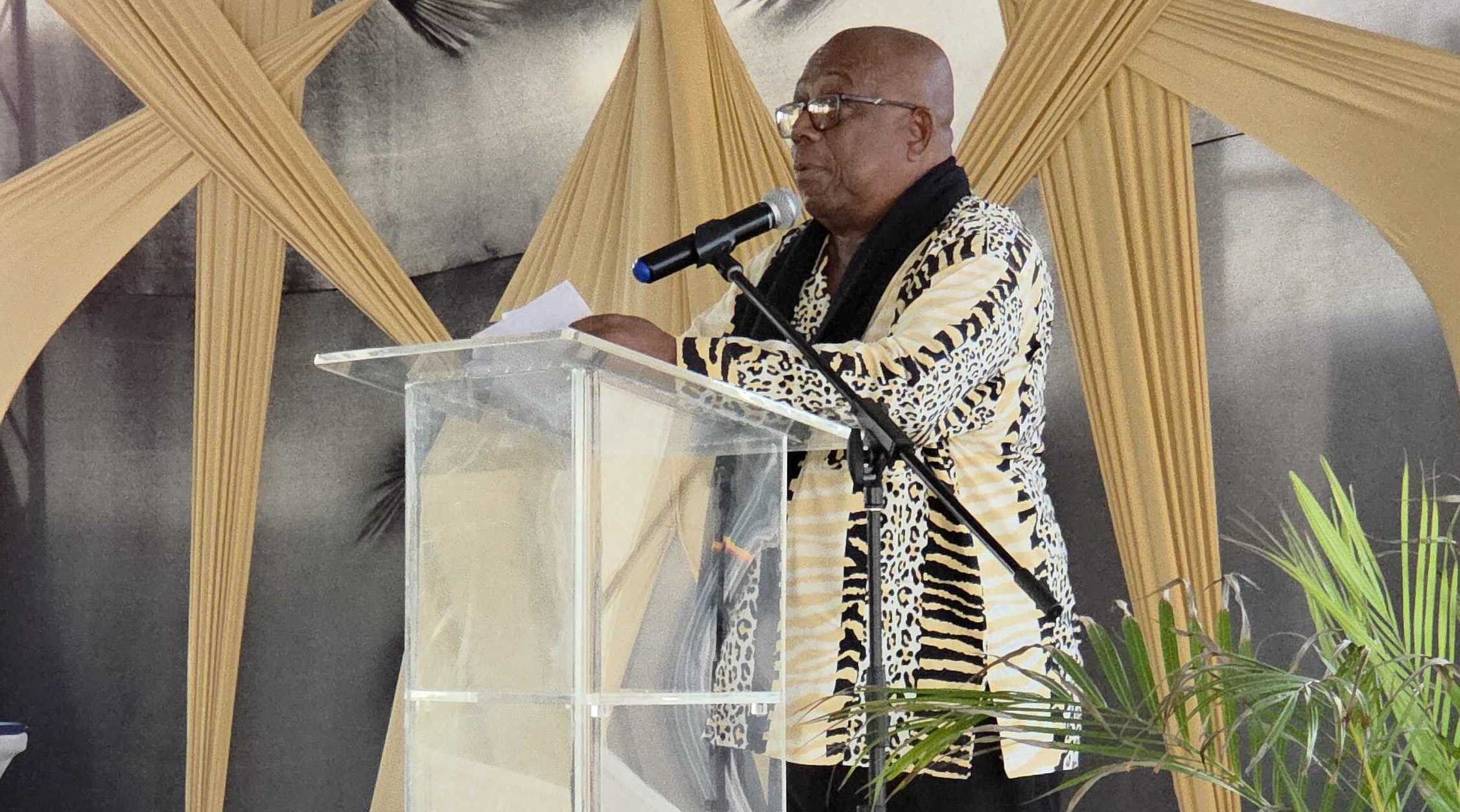
Barbados is set to cement the legacies of two of its most iconic sporting figures through an ambitious new heritage initiative that will preserve the childhood family homes of cricket greats Sir Gary Sobers and the late Sir Frank Walcott. The plan was officially announced by Trevor Prescod, Minister of Pan-African Affairs and Heritage, during the opening ceremony of Heritage Month, held Saturday evening at the island nation’s Cricket Legends Museum.
Unlike conventional commemorative efforts that rely solely on plaques or public statuary, Prescod emphasized that this project marks a deliberate shift toward active, tangible preservation of the nation’s most precious cultural and historical assets. The initiative will kick off at Sobers’ childhood residence in Bay Land, St. Michael, a location that holds deep symbolic meaning for the country as the early home of one of Barbados’ most celebrated living National Heroes.
In remarks at the event, Prescod argued that the state carries a unique responsibility to honor national icons while they are still with us, rather than waiting to recognize their contributions posthumously. “We cannot have a national hero of Gary Sobers’ stature still alive today, and for the state to fail to step forward to honor the home where he grew up – a space that stands as a living symbol of his extraordinary journey and greatness,” Prescod stated. “That is a mistake we are determined to correct, and I can promise we will see this project through to completion.”
Beyond honoring the living legend, the preservation project will also extend to the former home of Sir Frank Walcott, located on the eastern edge of the Empire Cricket Club ground. Walcott, who wore dual hats as a pioneering trade union leader and one of the most respected cricketers in Barbadian history, joins Sobers as a focal point of the ministry’s effort to protect spaces that tell the story of the nation’s sporting and social progress.
To deliver the project, Prescod confirmed that the Ministry of Pan-African Affairs and Heritage will collaborate closely with the Barbados National Trust, the island’s leading independent heritage conservation organization. The partnership aims to ensure that the preservation work adheres to the highest professional conservation standards, going far beyond the basic commemorative marker that has become the standard for honoring public figures.
The announcement has been welcomed by cultural and sporting groups across Barbados, who frame the initiative as a critical step in preserving the island’s connection to its most influential athletes and community leaders. For cricket fans and Barbadians more broadly, the preserved homes are expected to become lasting heritage sites that will educate future generations about the impact of these two legendary figures.