标签: Barbados

巴巴多斯

  • Maloney, Yearwood claim BCIC Rally Barbados 2026 title

    Maloney, Yearwood claim BCIC Rally Barbados 2026 title

    After three days of grueling, edge-of-your-seat competition on Barbados’ challenging rally stages, Stuart Maloney and co-driver Kristian Yearwood have clinched the top spot at BCIC Rally Barbados 2026, securing a hard-won ten-second victory over defending champions Kyle Gregg and Kreigg Yearwood this Sunday.

    The win marks one of the most compelling comeback stories in the event’s recent history. Just 12 months prior, Maloney walked away from a devastating high-speed crash that cut his 2025 rally short and left both him and Yearwood sidelined as they recovered physically and mentally. Even Gregg, the title holder, overcame his own setback ahead of the 2026 race: a collision at the First Citizens King of the Hill event on May 24 that forced his team to rush repairs to get his car race-ready.

    Driving a finely tuned Skoda Fabia RS Rally2, Maloney and Yearwood held off a relentless late charge from the defending champions to cross the finish line first. In a post-race interview with motorsport journalist Hollie McRae, an emotional Maloney shared what the title meant to him after his 2025 crash. “I can’t put this feeling into words,” he said. “It’s so special, especially coming off what happened last year. Finding the confidence to get back behind the wheel and lead the field for most of the race was incredible. Kristian trusted me to get back in the car after I let him down last year, and that support made all the difference. This is a phenomenal result for both of us, and I couldn’t be happier.”

    Yearwood echoed his driver’s elation, pointing to the team’s resilience as the key to their victory. “Twelve months ago, we couldn’t even move after that crash,” he recalled. “To be standing here on the top step of the podium is a true testament to how hard every single person on this team worked to get us back here. I’m so grateful to everyone who supported us through our recovery.”

    Despite falling just short of a repeat title, Gregg remained gracious in defeat, proud of his team’s effort to bounce back from his pre-race crash. “It’s been one hell of a week, and finishing first would have been the perfect story,” he acknowledged. “But Stuart drove flawlessly today. We clawed our way back to within five seconds at one point, so we gave it everything we had. I pushed as hard as I could yesterday to make up time after a slow first special stage, and the car held up perfectly. Full credit to Maloney and Yearwood.”

    Kreigg Yearwood, Gregg’s co-driver, also framed the second-place finish as a personal win after the team’s early setback. “Hats off to Kyle for pulling off such an amazing drive this weekend, especially getting back in the right headspace after that crash to finish second,” he said. “We had a small stall on Friday night that cost us a little time, but even without that, it was a steady drive, and we’re thrilled to be back on the podium.”

    Rounding out the top three was father-son duo Mark and Justin Maloney, who turned a lighthearted pre-event moment into inspiration for their podium finish. “I remember when reporters were interviewing all the top drivers at King of the Hill a few weeks back, we were hanging back in the team tent, and I joked that you’d only talk to us when we were up front,” Mark Maloney recalled after the race. “That joke stuck with me, and here we are. It’s been an awesome rally. I have to thank my son and co-driver Justin; we’ve been doing this together for years, and everything clicked perfectly this weekend, even with the blistering pace out on the stages.”

    In the two-wheel drive category, Barry Mayers and co-driver Moishe Steinbok claimed the class win with an 11th-place overall finish. “It was a long, tough weekend, and I’m just shocked the car made it through in one piece,” Mayers said. “I had a great fight this morning with Declan from Ireland – that guy is seriously quick – so I’m just happy we came out of it in one piece and with the class win.”
  • Queen Elizabeth Hospital advances digital overhaul and major capital works

    Queen Elizabeth Hospital advances digital overhaul and major capital works

    Barbados’ flagship public healthcare facility, the Queen Elizabeth Hospital (QEH), is in the midst of an ambitious, multi-faceted modernization initiative aimed at upgrading aging infrastructure, expanding care capacity, and fixing longstanding service delivery gaps, according to top hospital leadership. Speaking on the hospital’s own QEH Pulse radio program following a recent public town hall, Chief Executive Officer Neil Clark detailed progress on the institution’s 2025-2028 strategic plan, laying out year-one wins and priorities for the new fiscal year that kicked off in April.

    Clark stressed that the three-year strategy was never meant to be an unused document gathering dust on a shelf, noting that hospital leadership committed a full year to rolling out the first phase of reforms and prioritized transparency by sharing updates directly with the public. “Nobody wants to write a strategy that sits on the shelf, and that was never our intention,” Clark said. “We spent a good year working on year-one of that strategy, and it was right that we went back to the public and said, here’s the progress that we’re making.”

    One of the most impactful early successes of the plan is the newly commissioned linear accelerator, a cutting-edge piece of oncology equipment that has already transformed cancer care access for Barbadians. To date, the machine has delivered 1,500 radiation treatments to local patients, with more than 100 people completing their full treatment regimens without needing to travel abroad. The new technology has drastically cut waiting times for initial cancer consultations, allowing patients to start life-saving care much faster than before.

    “It helps patients begin their treatment sooner, have that treatment closer to home, surrounded by their loved ones,” Clark explained. “And at the same time, saving money for the taxpayers of Barbados, by not having to send the patients abroad for treatment.”

    Alongside clinical equipment upgrades, the hospital is undertaking a sweeping digital transformation through the implementation of a new Health Information System (HIS). Project teams have already scanned and digitized more than four million pages of physical medical records, converting 75,000 active patient files to fully digital formats. Up next is the digitization of manual human resources records for the hospital’s nearly 3,000 employees, as well as overhauls of procurement and financial administrative workflows.

    Clark emphasized that the digital push is not just about adopting new technology for technology’s sake: “Digital transformation isn’t about digital, it’s about how we improve the healthcare system as a whole. The goal is immediate, real-time clinical data access at the point of care.”

    The entire modernization effort is backed by a $130 million capital expenditure fund earmarked for replacing outdated medical equipment. Clark reported that close to 2,000 new equipment items are currently in the procurement pipeline, with $50 million already spent to systematically upgrade the hospital’s aging fleet of clinical tools. The hospital has also expanded its workforce, filling the vast majority of 295 newly approved staff positions to support upgraded services.

    The transformation extends far beyond the existing QEH campus. Construction is already underway on the $400 million Enmore development, located directly across the street from the main hospital. The project includes a new state-of-the-art Queen Elizabeth Rehabilitation Centre and an environmentally sustainable green waste management incinerator system to handle clinical waste.

    However, executing multiple large-scale capital projects at the same time has created growing pains, forcing multiple departments to relocate temporarily and creating logistical disruptions for both staff and patients. For example, the phlebotomy department has been moved from the Enmore site to the hospital annex at the intersection of 6th Avenue Belleville and Pine Road, a shift that has caused confusion for many visitors.

    Hospital leadership acknowledged that proactive public communication about these changes remains an ongoing challenge. During the radio broadcast, callers shared multiple complaints, including unannounced outpatient clinic cancellations that left patients traveling to the hospital unnecessarily and incurring unplanned travel costs.

    Addressing one specific complaint from a wheelchair-dependent caller who paid for a taxi only to find her appointment had been cancelled without warning, Clark issued a direct apology and pledged that the new digital HIS will resolve these gaps with automated mobile appointment reminders and electronic rescheduling tools. “That’s a great example of somebody who the service didn’t work for. She came in for no reason, spent the money on the taxi for no reason,” Clark acknowledged. “These are things with the help of the health information system and the availability of information, we should be able to address.”

    Reducing long wait times in the Accident and Emergency (A&E) Department is the top priority for the second year of the strategic plan. Clark admitted that he was frustrated waiting times had not fallen as quickly as projected in year one, even as he acknowledged that rising patient volumes and more complex cases have put additional strain on the department. Still, he noted that the foundational structural changes needed to speed up patient flow are now in place.

    “A waiting time challenge is bigger than the A&E department, and it’s bigger than the QEH. It’s about the whole health system working together,” Clark said. He identified expanded preventive care, stronger primary care support, faster diagnostics, and improved post-acute community care as key pieces needed to eliminate bottlenecks across the care continuum.

    “I remain confident that the plans we’re putting in place and the dedication of the teams at QEH to improve those waiting times and improve the patient’s experience will happen and come to fruition,” he said. “This year, we will drive again harder at those A&E waiting times and bring those down.”

    Clark advised members of the public seeking up-to-date information on clinic relocations, service changes, and operational adjustments to check the hospital’s official public portal at qehconnect.com for real-time updates.

  • Water prohibitions not under consideration, says minister

    Water prohibitions not under consideration, says minister

    Against a backdrop of months of disrupted water access, falling reservoir levels and official forecasts pointing to continued below-average precipitation, Barbados’ government has confirmed that mandatory water restrictions are not currently on the table, according to Home Affairs and Information Minister Gregory Nicholls. Speaking publicly on Monday, Nicholls framed the island’s growing water challenges as a direct consequence of a shifting global climate, noting that reduced rainfall has made periodic supply shortages an unavoidable reality for the small island nation. Though authorities have not yet moved to implement bans or limits on water use, he emphasized that teams at the Barbados Water Authority are continuously tracking hydrological data and monitoring network conditions to respond to changing circumstances. The minister’s update comes amid growing public frustration across multiple Barbadian communities, where recurring service outages and subpar water quality have become persistent daily disruptions. For weeks, residents in St David’s, Christ Church have reported a complete lack of consistent, reliable water access. Communities in St Joseph have stepped up calls for urgent intervention, even as the government has signaled major long-term investment in water infrastructure. In St Lucy, locals have for years raised alarms about discolored water and ongoing supply interruptions that disrupt routine household activities. Acknowledging the seriousness of the current situation, Nicholls confirmed that officials share deep concern over the ongoing precipitation deficit. Meteorological Service projections for continued below-average rainfall have put extra pressure on the island’s water management system, he noted, a challenge amplified by Barbados’ unique water infrastructure context. Unlike nations with multiple water sources, the entire public water supply on the island relies on rainfall to recharge natural underground aquifers, meaning precipitation patterns directly impact available reserves. Beyond just the total volume of rain, Nicholls explained, the intensity and timing of storms also shape how much water actually enters usable reserves. Heavy, fast downpours tend to create large amounts of runoff that flows directly into the Atlantic Ocean rather than seeping into the ground to replenish aquifers. Prolonged, gentle rainfall is required for effective groundwater recharge – conditions that have been increasingly rare amid current climate patterns, creating a structural challenge for water managers. To address both immediate disruptions and long-term water security, the Barbadian government has already launched a multi-pronged upgrade strategy. Earlier this year in April, Prime Minister Mia Mottley finalized a $160 million financing agreement with the Inter-American Development Bank to fund full modernization of the island’s aging water network. The project targets major reductions in systemic water loss – a common issue in old infrastructure that wastes precious available supply – and aims to improve service reliability across every region of the country. Beyond the network modernization, the government has also outlined plans to expand desalination capacity and replace aging water mains, moves designed to build long-term resilience against the increasingly unpredictable rainfall patterns driven by climate change. As monitoring of groundwater levels and precipitation continues, Nicholls reaffirmed that the government’s top priority is preventing extended water access crises for residents, and that mandatory restrictions remain off the immediate policy agenda.

  • Faster storm intensification heightens danger even in slower season

    Faster storm intensification heightens danger even in slower season

    As the Caribbean country kicks off its official 2026 Atlantic hurricane season monitoring and response efforts, Barbadian emergency and weather officials are pressing residents to maintain full preparedness, even as leading international forecasters predict an unusually quiet year for storm activity across the basin.

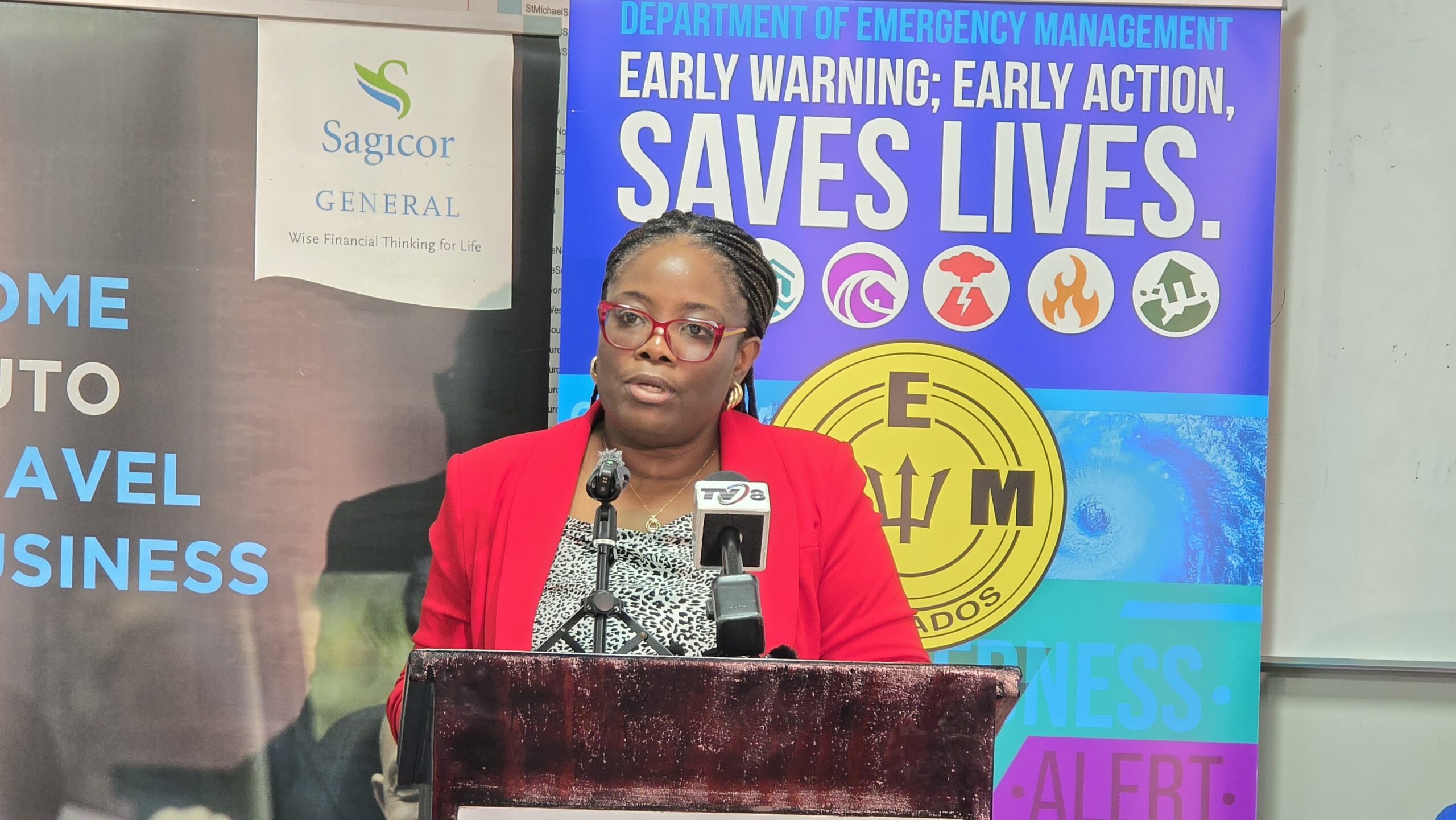
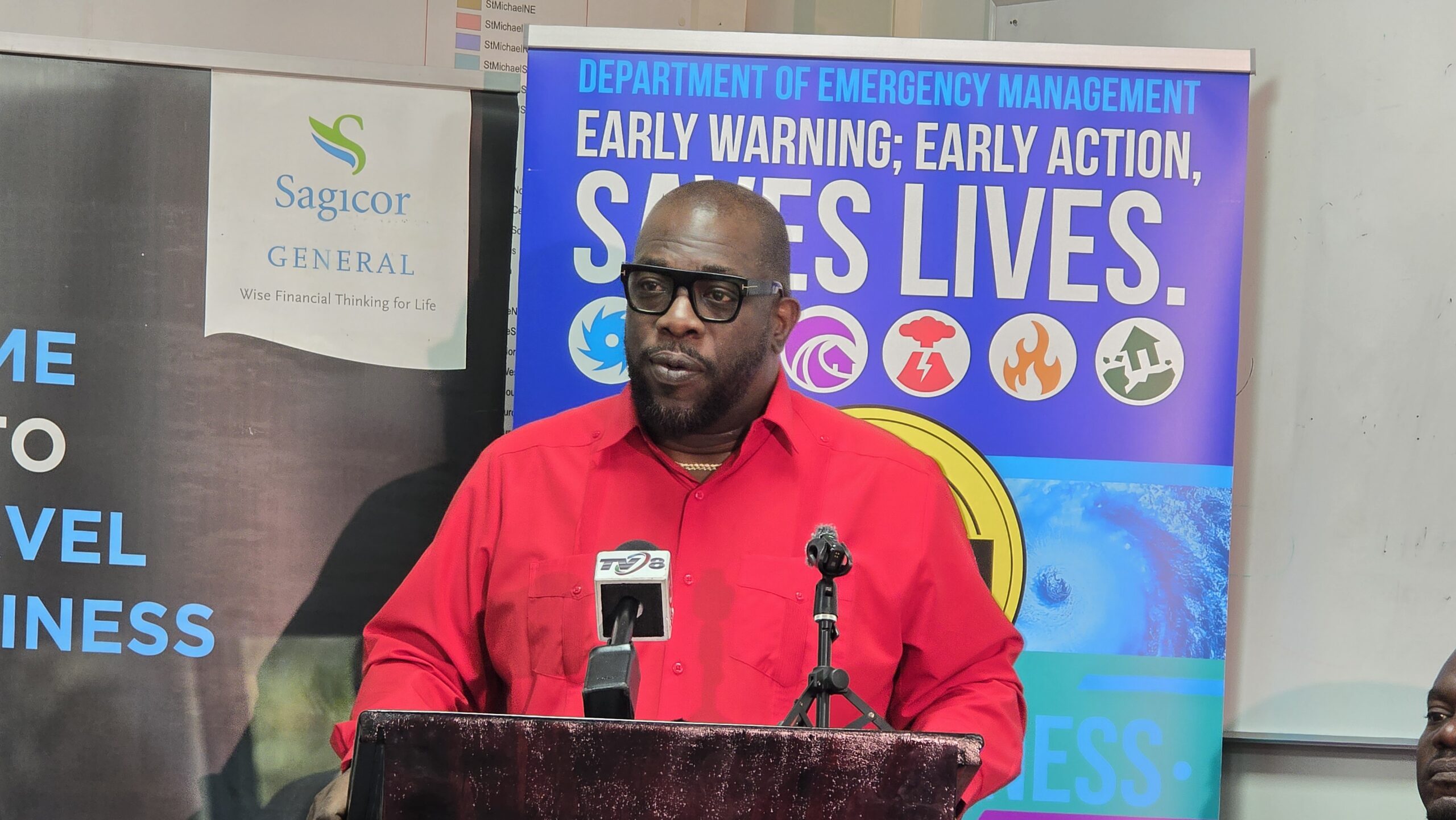
    Speaking at the official launch of the 2026 season hosted by the Department of Emergency Management on Monday, Sabu Best, Director of the Barbados Meteorological Services, emphasized a critical, often overlooked truth of hurricane season: a single intense storm is enough to leave widespread destruction in its wake, regardless of how low overall seasonal activity forecasts are.

    Best noted that projections from most major international meteorological agencies point to 2026 seeing total Atlantic hurricane activity that falls between average and below average. In fact, this year’s projected number of tropical storms marks one of the lowest eight-year forecasts for the basin, signaling what is widely expected to be a far less active season than many recent years. But Best stressed that complacency remains one of the biggest threats to coastal communities, repeating that even one major storm can upend lives and destroy infrastructure.

    While forecasts do call for fewer intense hurricanes this season, Best warned that the overall risk from tropical weather systems continues to climb, driven in large part by the growing frequency of rapid storm intensification – a phenomenon that can turn a mild tropical storm into a major hurricane in less than 24 hours.

    “It doesn’t matter if we only see one or two named storms all season,” Best explained. “The ocean has enough energy to fuel rapid development, and rapid intensification is becoming a more common occurrence every single year. That fact is what matters most.” He went on to note that many residents wrongly assume a newly formed tropical storm developing off the eastern coast of Barbados doesn’t have time to strengthen into a dangerous system before making landfall. But that’s no longer the case: a storm can be a weak tropical storm overnight, and surge to a Category 2 or 3 hurricane by the next morning, leaving communities with little time to prepare. That’s why pre-season planning and constant vigilance remain non-negotiable, he added.

    Beyond hurricane risks, Best addressed forecasts for the upcoming rainy season, which call for total precipitation between below average and near average. Even with lower overall rainfall, however, isolated extreme downpours can still trigger devastating flash flooding and infrastructure damage, he warned. Best explained that large swathes of the country could still see extended dry spells through the wet season, and small, localized extreme rain events are extremely hard to predict days in advance. When they do hit, particularly during the peak heat months of August and September when light wind patterns prevail, they can dump enough rain to overwhelm drainage systems and damage properties, especially in parishes including St. James and St. Thomas.

    To underscore the risk of unforeseen extreme weather, Best pointed to a recent major rain event in neighboring Dominica just one week prior, where roughly 400 millimeters of rain fell in just a few hours. That downpour triggered destructive landslides and damaged hundreds of homes across multiple Dominica communities.

    Best also cautioned Barbadians to prepare for potential heatwaves during the peak of the hot season in August and September. While forecasters do not expect 2026 will break the extreme heat records set in 2023, lower than average rainfall means fewer temporary breaks from high temperatures. With fewer rainy days to cool things down, the persistent heat can feel relentless for residents, increasing risk of heat-related illness, he added.

  • National readiness effort intensifies for hurricane season

    National readiness effort intensifies for hurricane season

    As the 2026 Atlantic Hurricane Season officially kicked off on Monday, Barbados has mobilized all levels of government, emergency response teams and key stakeholder groups to activate a comprehensive state of preparedness, positioning the small island nation to withstand and respond to any extreme weather event that may threaten its territory this year.

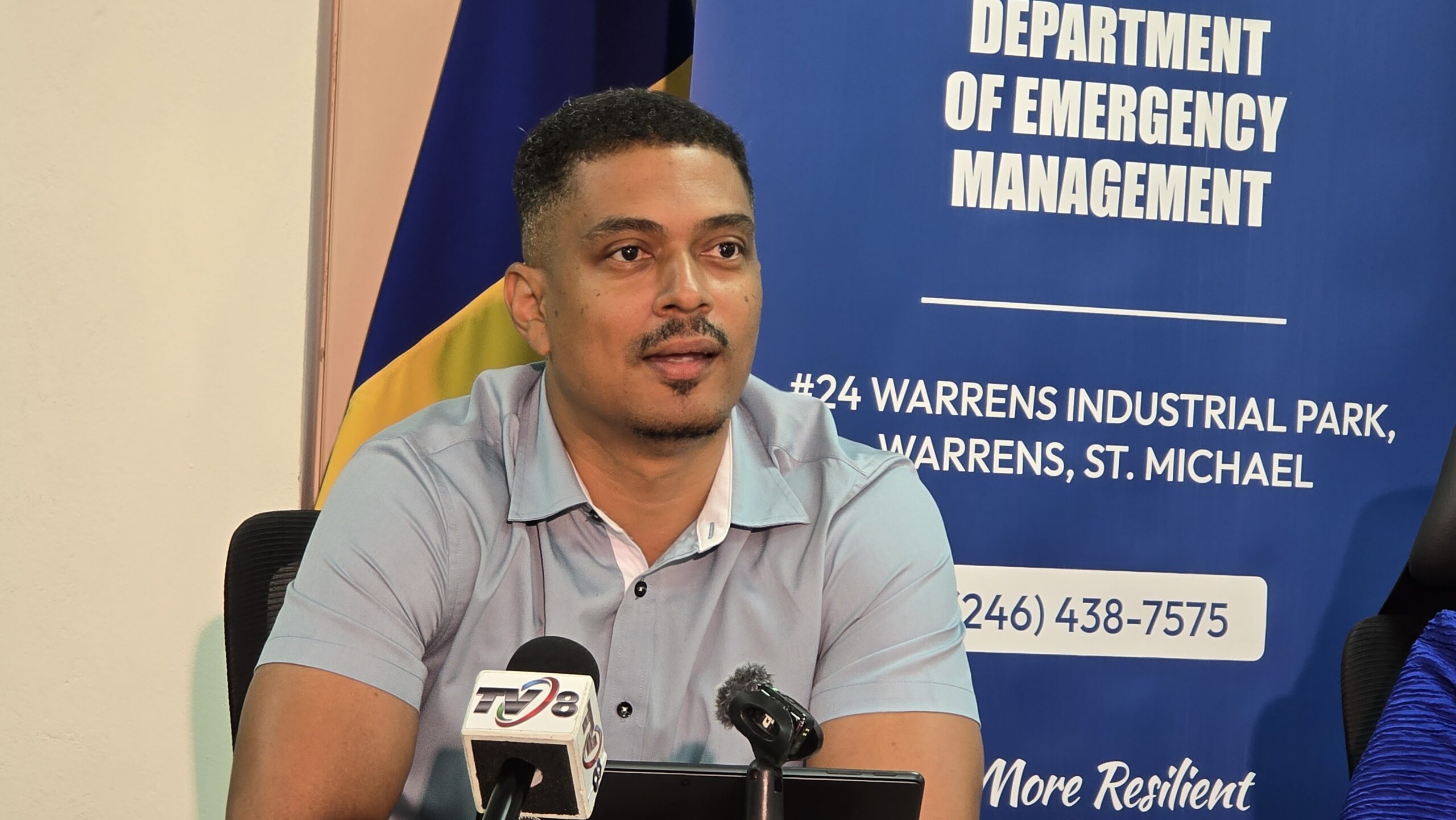
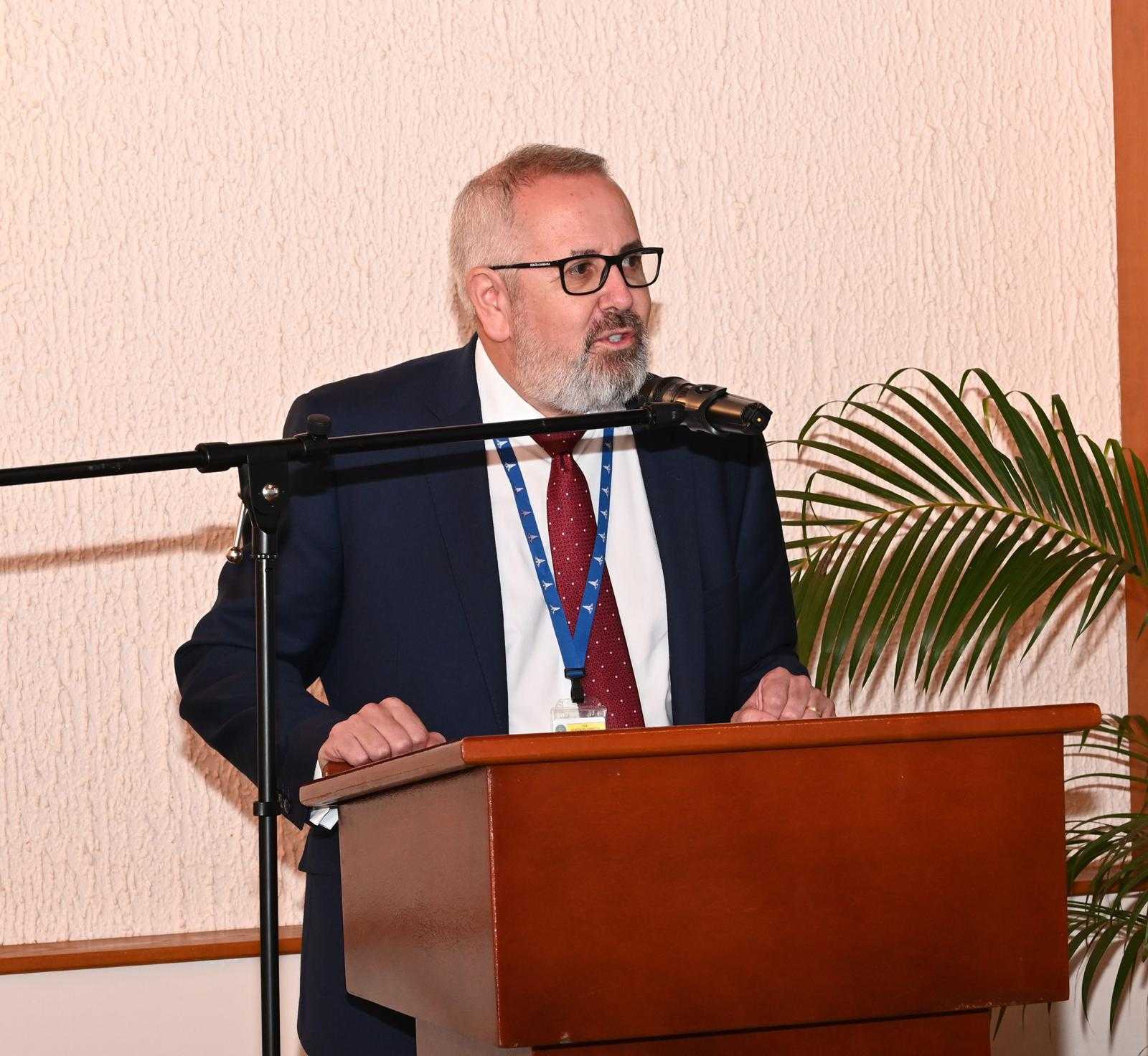
    Speaking at the official launch ceremony hosted at the headquarters of the country’s Department of Emergency Management (DEM), Home Affairs Minister Gregory Nicholls emphasized that hurricane readiness is no longer a discretionary precaution for climate-vulnerable Caribbean nations — it is a non-negotiable foundation for national survival and long-term sustainable development.

    Nicholls revealed that in the two weeks leading up to the season’s start, Prime Minister Mia Mottley personally chaired a series of national disaster risk management coordination meetings focused on aligning cross-agency systems and streamlining emergency response protocols. These high-level convenings set the tone for a whole-of-government approach to risk reduction that prioritizes proactive investment over reactive disaster response.

    “We are directing significant resources toward expanding and improving early warning systems, and we are hardening our emergency communication networks to guarantee that fast, accurate public outreach can be delivered both before and after severe weather strikes,” Nicholls said. “Building climate-resilient infrastructure also remains a top national priority for this administration.”

    He added that the government has continued advancing targeted infrastructure upgrades across high-risk areas, including expanded drainage improvements for flood-prone coastal and low-lying communities, reinforced sea walls and coastal defense systems, and retrofits of critical public infrastructure designed to withstand the stronger, more frequent storms driven by climate change.

    To broaden preparedness beyond government agencies, Nicholls noted that ongoing public awareness campaigns are working to empower individual households and local communities to build their own emergency plans and stockpiles. The government has also reaffirmed its longstanding commitment to ongoing collaboration with regional and international climate and disaster partners, a partnership Nicholls said is critical to boosting collective resilience across the Caribbean.

    “We will keep working hand-in-hand with our regional and global partners, investing in preparedness infrastructure and building more robust systems that protect both lives and livelihoods,” Nicholls said. “The annual arrival of hurricane season reminds us not only of the grave climate challenges we face, but also of the resilience, determination and unity that define Caribbean people. Through shared preparation, cross-border cooperation and constant vigilance, we can meet these challenges together.”

    The Barbados Defence Force (BDF), a key backbone of the country’s national emergency response framework, has already completed its annual pre-season readiness training and verification program, and is standing by to deploy support at a moment’s notice, according to BDF Chief of Staff Brigadier Carlos Lovell.

    “Over the past several months, our teams have reviewed and updated all contingency plans, conducted full inspections of all response equipment and operational facilities, and verified the readiness of all personnel and assets set aside for hurricane response,” Lovell said. “We have also completed a full cycle of targeted training and full-scale emergency response exercises, all designed to ensure we can deliver a rapid, comprehensive response if a storm hits.”

    Lovell noted that a decade of repeated hurricane experiences has cemented three non-negotiable lessons that have shaped the BDF’s current preparedness framework. “First, communities that invest in early preparation consistently see less damage and loss of life. Second, agencies and stakeholder groups that train together coordinate far more effectively during a crisis. Third, communities that prioritize readiness recover far faster after a storm passes,” he explained. “These lessons have strengthened our procedures, sharpened our national planning, and boosted our readiness for whatever this hurricane season brings.”

    The BDF stands ready to deploy a full suite of support services during any hurricane emergency, including engineering support for infrastructure damage, transport and logistics for evacuation and relief supplies, maritime search and rescue operations, inter-agency communication support, and on-site medical assistance, Lovell said. He echoed Nicholls’ emphasis on cross-partnership collaboration, noting that effective disaster response has never been the work of a single agency.

    For its part, the Department of Emergency Management has intensified pre-season readiness efforts over recent months, rolling out comprehensive reviews of the country’s legislative, policy and operational frameworks to close any gaps in response capacity, DEM Director Kerry Hinds told the launch.

    These updates include a full legislative review of the country’s core Emergency Management Act, comprehensive reviews of all existing response policies and operational procedures, and full inspections and upgrades to all DEM facilities and response equipment to ensure full functionality. The agency has also expanded training programs for frontline emergency responders, community-level disaster volunteers, and partner agency personnel, and updated all cross-agency memoranda of understanding to clarify roles and coordination protocols during a crisis.

    “We know as the lead national emergency management agency that we cannot tackle this challenge alone — partnerships at every level are non-negotiable,” Hinds said. She closed the ceremony by issuing a national call to action, urging every segment of Barbadian society to make preparedness a shared priority.

    “Let us make a commitment today to turn preparedness into a shared, contagious effort across every part of our nation — as households, as local businesses, as communities, and as government,” Hinds said. “When every group does its part to prepare, our whole nation becomes stronger, and we are ready to face whatever this season brings.”

  • Dust haze advisory lifted as air slowly clears

    Dust haze advisory lifted as air slowly clears

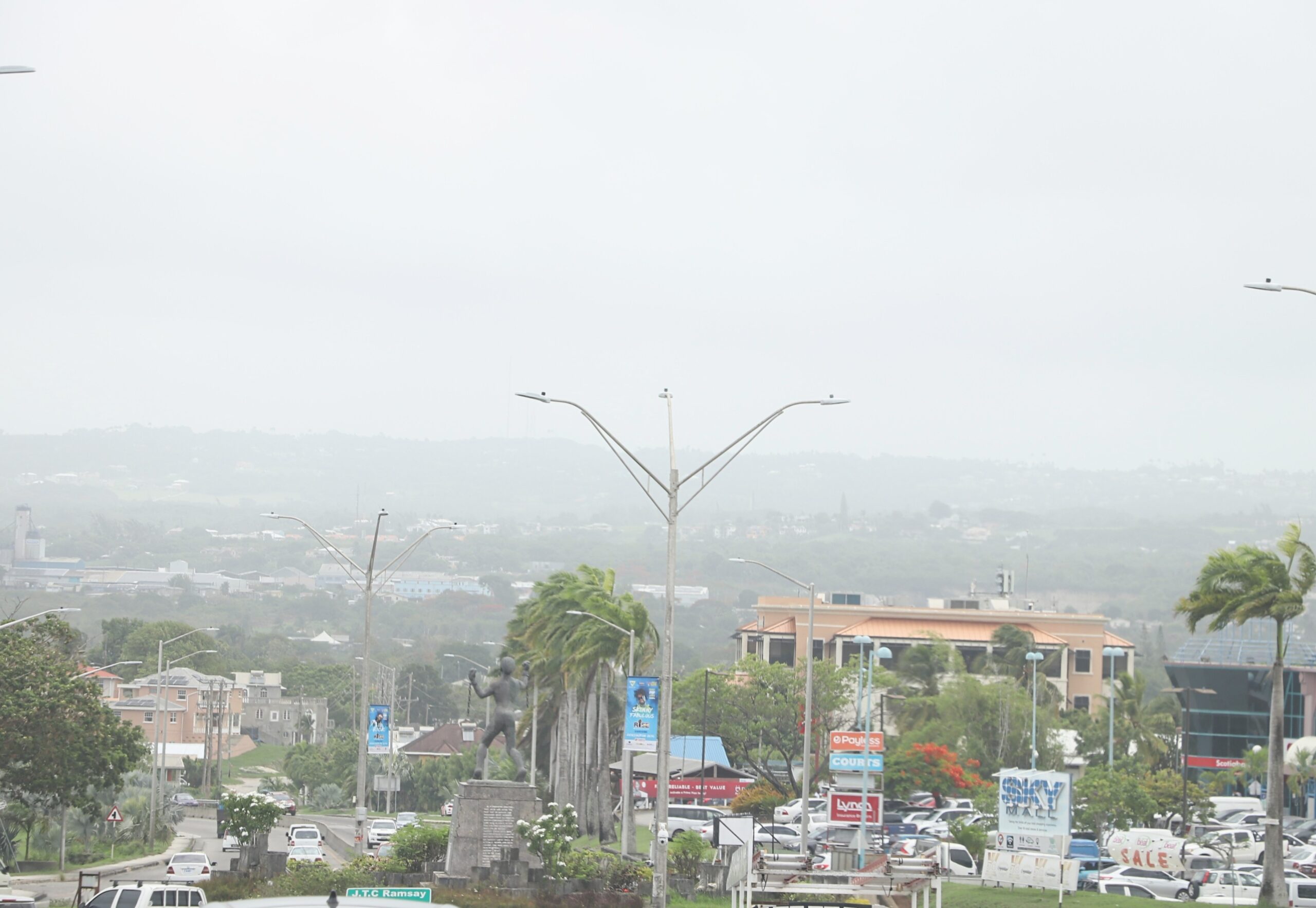
    After lingering over Barbados for several days, the dense blanket of Saharan dust that shrouded the Caribbean island is finally starting to disperse, allowing local weather officials to end their official dust haze advisory. However, strong gusty winds will continue to create hazardous conditions for maritime activity in surrounding waters, meteorologists confirmed.

    In an official update published Monday, Barbados Meteorological Services meteorologist David Harding reported that airborne dust concentrations across both the island and its adjacent territorial waters have dropped to levels that have significantly improved visibility across the region. With concentrations no longer meeting the threshold required to maintain a public dust advisory, the agency has moved to end the alert effective immediately.

    “Dust levels across Barbados and its marine areas have declined today, which has directly led to better visibility across the region,” Harding explained in the statement. “Since conditions no longer fit the criteria for an active advisory, we have discontinued the dust haze warning effective right away.”

    Even as air quality and visibility improve, Harding stressed that unusually brisk wind conditions will persist across the island and the surrounding Atlantic waters, meaning marine operators and recreational seafarers still need to exercise extra caution. “Fresh, strong breezes are still impacting the island and surrounding waters,” he said. “As a result, a small craft advisory remains in place for all of Barbados’ marine areas due to sustained high winds.”

    According to projections from the meteorological office, a thin to moderate layer of residual dust haze will likely hang over the island for the next 24 to 48 hours, but additional gradual clearing is forecast after that period. Low, non-hazardous levels of fine dust particles are expected to remain in the atmosphere through the end of the week.

    Harding detailed that the ongoing high wind conditions are being driven by a persistent Atlantic high-pressure system, which is generating sustained winds of 15 to 23 knots (approximately 28 to 43 kilometers per hour) across the tropical Atlantic basin. Wind speeds have shifted noticeably over the past day, but forecasters project that conditions will become calmer starting Tuesday, as a mid-level atmospheric trough moves into the region.

    For operators of small fishing vessels, recreational boats and other small watercraft, Harding reiterated that choppy sea conditions driven by elevated winds will continue to make navigation tricky in the coming days. “Operating smaller vessels can be challenging at times under these high wind conditions, so mariners should remain alert,” he added.

  • BDF soldiers warned on legal risks as arrest powers training expands

    BDF soldiers warned on legal risks as arrest powers training expands

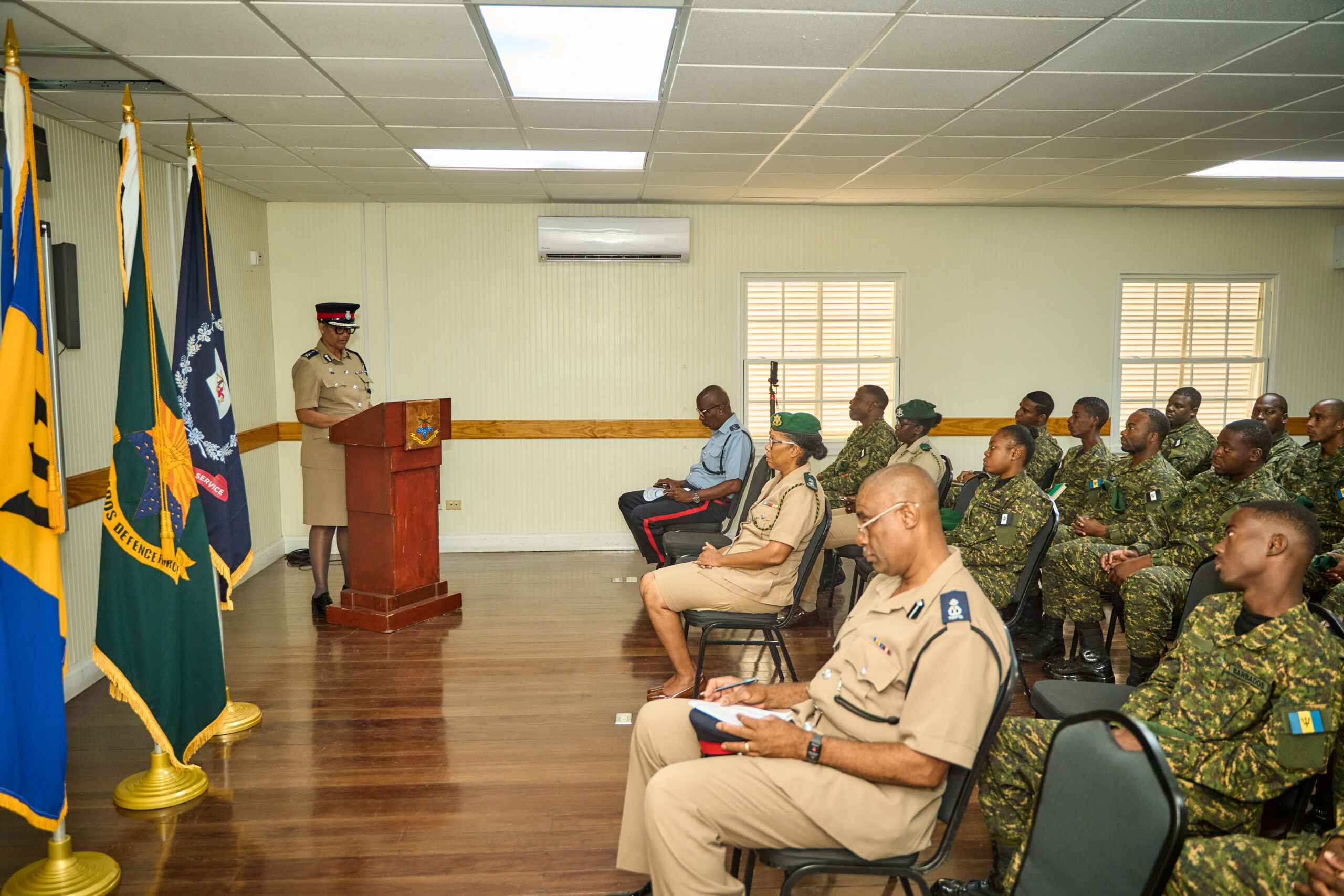
    A new phase of specialized training kicked off Monday for Barbados Defence Force (BDF) personnel, preparing soldiers and sailors to exercise formal police arrest powers under newly enacted national legislation. The 26-member second cohort joins an earlier group of 30 BDF members who have already completed the program and begun active joint field operations with local law enforcement.

    The expanded arrest authority for military personnel forms part of a broader legislative update approved by Barbados’ government last year. Codified in two amended pieces of legislation — Section 79A of the revised Police Act and Section 9(2) of the Defence Act — the new rules allow trained BDF personnel to assume full police arrest powers, privileges, and responsibilities in two specific scenarios: during coordinated land-based joint operations with the Barbados Police Service, and when officially deployed via a presidential directive.

    Addressing the opening session of the new training cohort, Deputy Commissioner of Police Sonia Boyce, a senior leader of the island’s police high command, emphasized that arrest authority is one of the most consequential powers granted to any law enforcement official. She stressed that all exercises of this power must stay strictly aligned with Barbados’ constitutional framework, which enshrines every citizen’s fundamental right to personal liberty, a right that can only be legally restricted under clearly defined, lawfully prescribed circumstances.

    The multi-module training curriculum covers a range of critical practical and legal topics, including constitutional law requirements for law enforcement, standard radio communication protocols, evidence-based conflict de-escalation strategies, modern electronic interviewing techniques, and other core operational skills. The program is specifically designed to bridge the gap between formal legal principles and real-world high-pressure operational contexts, giving trainees clear, actionable guidance for on-the-ground decision-making.

    Boyce issued a stark warning to trainees about the severe consequences of misusing the new arrest authority. Improper or unlawful arrests, she explained, do not only violate individual constitutional rights — they also erode public trust in the country’s national security institutions and undermine the legitimacy of joint law enforcement operations. By contrast, she noted that consistent, lawful use of arrest powers directly strengthens public confidence in both police and military security bodies.

    Trainees are instructed to master three core non-negotiable legal requirements for any lawful arrest: establishing reasonable grounds to justify the arrest, using only a proportional, reasonable level of force during the process, and clearly communicating the reason for arrest to the individual being taken into custody. Boyce emphasized these are not optional best practices, but binding legal obligations that form the foundation of professional law enforcement in Barbados.

    Beyond technical training, the program also emphasizes the critical role of discretionary judgment in law enforcement. Boyce told participants that professional competence relies on the ability to differentiate between situations that demand immediate arrest and those that can be resolved through less invasive alternative measures. These alternatives include official warnings, clear firm direction to change behavior, or referrals to relevant social or government support agencies that are better equipped to address underlying issues.

    Boyce added that modern Barbadian citizens are increasingly knowledgeable about their legal rights, and hold uniform expectations that all law enforcement agencies will exercise authority fairly, transparently, and in full compliance with the law. When the public observes arrest powers being used lawfully, proportionately, and with respect for individual dignity, she said, the entire community benefits from stronger, more trusted public institutions.

  • ‘Funding needed’ to restore Kings and Queens to Crop Over spectacle

    ‘Funding needed’ to restore Kings and Queens to Crop Over spectacle

    Barbados’ beloved annual Crop Over festival is one step closer to a full revival of its most spectacular traditions, but a key industry leader has warned that bringing back the iconic Kings and Queens of the Bands competition will only be possible with substantial new financial investment.

    Speaking at last week’s official launch of the Flow 5G Grand Kadooment, a flagship event of the festival powered by TV8, Anthony Layne, vice-president of the Barbados Association of Masqueraders (BAM), opened up about the sector’s biggest hurdles as it works to rebuild the historic tradition. While Layne expressed enthusiasm for the recently announced return of Cohobblopot, a central Crop Over event, he emphasized that the celebration cannot recapture its original magic without the towering, intricately crafted King and Queen costumes that once served as the festival’s centerpieces.

    According to Layne, the steep production costs associated with designing and building these elaborate large-scale costumes have created an unsustainable barrier for bandleaders and costume designers, especially emerging creators new to the masquerade industry. Beyond upfront production costs, outdated prize structures have long failed to align with the time, labor and money poured into creating these showstopping pieces.

    “For years, the total cost of producing a competition-level King or Queen costume exceeded the top prize money awarded to winners,” Layne explained. “That imbalance is what drove most veteran designers and bandleaders away from participating. We cannot bring this tradition back without the necessary financial backing in place.”

    Layne stressed that the return of Cohobblopot would feel incomplete without the elaborate costumes that once drew crowds of thousands and captivated audiences across the island. “If we want to bring Cohobblopot back the way it was in its prime, the Kings, Queens and their full band presentations have to be a core part of it. Without that component, it just won’t be the same event that people remember and love,” he said.

    Given the extensive work that goes into creating these large, complex costumes, Layne noted that a full revival will not happen overnight. Large-scale pieces require months of advance planning, handcrafting and design work, so he does not expect the full Kings and Queens of the Bands tradition to return for this year’s festival, instead targeting a comeback for 2025. “We need to give designers time to tap into their creativity and build these extraordinary pieces from scratch. These are not simple costumes – they are large-scale works of art, and that takes time,” he said.

    Despite the financial hurdles, Layne struck an optimistic note about long-term efforts to rebuild the sector, pointing to new initiatives aimed at training the next generation of masquerade artisans. The recently launched Wire Sculpting for Masquerade Workshop, a collaborative effort between Pinelands Creative Workshop, the National Cultural Foundation, Caribbean Yard Campus and the Maria Holder Trust, is already teaching foundational wire-binding skills to young people interested in costume making.

    Discussions to bring in expert wire-bending instructors have been in the works for years, but were put on hold by global COVID-19 pandemic disruptions. Layne said the long-awaited training program is a critical step forward for the industry. “We’re so glad this training is finally happening, but it has to be done right. We need to build something that captures the public imagination and draws the crowds back like it did in its heyday,” he said, recalling how Cohobblopot regularly sold out and packed venue grounds in its most popular years. “I remember when Cohobblopot was bursting at the seams, the way the young people say now.”

  • Hetmyer, Motie, Joseph included for ODI series against Sri Lanka

    Hetmyer, Motie, Joseph included for ODI series against Sri Lanka

    As the countdown begins to a make-or-break three-match One Day International series against Sri Lanka kicking off June 3 in Jamaica, the West Indies men’s cricket team has secured the return of three high-profile players to their roster, injecting fresh depth and form into their squad ahead of a critical phase of 2027 ICC Men’s ODI World Cup qualification.

    Powerful left-handed batter Shimron Hetmyer earns his recall off the back of a standout performance at the recent ICC Men’s T20 World Cup, where his aggressive batting caught the eye of selectors. Fast bowler Alzarri Joseph returns to competitive action after a near year-long layoff with a back injury that sidelined him in July 2024, while left-arm spinner Gudakesh Motie is back in the fold after being left out of the side’s November 2024 series against New Zealand. Hetmyer will join up with the squad ahead of the series’ third and final fixture, according to the team’s official announcement.

    Led by captain Shai Hope, the West Indies – nicknamed the Men in Maroon – enter the series with tangible momentum on home soil: the side has notched four consecutive unbeaten ODI series wins on home turf, with their most recent victory coming against Pakistan in August 2024. A win against Sri Lanka would extend that streak to five, lifting both confidence and ranking points ahead of the qualification campaign.

    This series marks the opening of a critical window for the West Indies, who are targeting automatic qualification for the 2027 ICC Men’s ODI World Cup, scheduled to take place across October and November 2025. Head coach Daren Sammy underscored the stakes of the upcoming fixtures in pre-series comments, noting that the team’s strong recent home form has already lifted the group’s confidence ahead of facing a tough opponent.

    “Sri Lanka are a disciplined and skillful ODI unit, especially in conditions that demand patience and smart cricket,” Sammy explained. “For us, this series is about setting the standard: intensity in the field, clarity with the bat, and consistency with the ball. We want to play fearless but intelligent cricket and continue building the identity we believe West Indies cricket should represent.”

    Sammy added that the coaching staff has emphasized collective consistency over individual match-winnning over the past 18 months, a strategy the side will lean on as they work to turn their home ground into an unbeatable fortress for ODI cricket. “In our desire to make home a fortress in ODI cricket, I want the team to win moments consistently rather than relying on individual brilliance which we have stressed for the last 18 months,” he said.

    The full 15-man squad landed in Jamaica on May 31, after wrapping up a 10-day pre-series training camp at the Coolidge Cricket Ground in Antigua to fine-tune preparations. The full West Indies ODI squad is: Shai Hope (captain), Ackeem Auguste, John Campbell, Keacy Carty, Roston Chase, Matthew Forde, Justin Greaves, Shimron Hetmyer, Amir Jangoo, Alzarri Joseph, Shamar Joseph, Gudakesh Motie, Sherfane Rutherford, Jayden Seales and Shamar Springer.

  • Davis, Jack win Three-Hand competition

    Davis, Jack win Three-Hand competition

    The Barbados National Dominoes Association’s annual Three-Hand Championship concluded with stunning upset victories and dominant performances, as two individual champions and one top-tier team claimed their crowns after competing against more than 150 registered participants across the island. In the women’s individual division, Camille Jack delivered a masterclass in domino strategy from her very first round, establishing an unassailable lead early in the competition. By the final table, she had built an insurmountable six-point gap over her closest competitor, with Sherry Ann Dawson securing the runner-up position and Shirlan Brathwaite rounding out the top three. The men’s division told a far more dramatic story: Kirk Davis got off to a rocky start, trailing early leader Mark Layne for most of the competition, with Derick Morris also holding a position ahead of Davis for much of the tournament. When Davis’ chances of claiming the title seemed all but gone, the competitor found his rhythm, putting together a string of high-scoring rounds that allowed him to surge past both of his leading opponents and take the men’s national crown. Layne ended the tournament as men’s runner-up, while Morris claimed third place. The standout team competition, the Super Royale Three-Hand final, saw the Peace and Love squad put on a cohesive, high-performance display that propelled them to the top spot over competing teams Eastbourne and De Law. Team member David Blenman turned in a standout individual performance for the champions, notching 16 points to contribute to Peace and Love’s overall final score of 85. Eastbourne, the second-place finishers, ended the contest with a cumulative total of 75 points. Meanwhile, De Law, which had shown strong promise in the early rounds of the team competition, failed to maintain its momentum in the final and finished third with a total score of 70. Looking ahead, the upcoming Emerson Mellows tournament is scheduled to kick off this Sunday, with matches set to be hosted at venues across Barbados.