标签: Barbados

巴巴多斯

  • Romelia’s goal is to cure Alzheimer’s

    Romelia’s goal is to cure Alzheimer’s

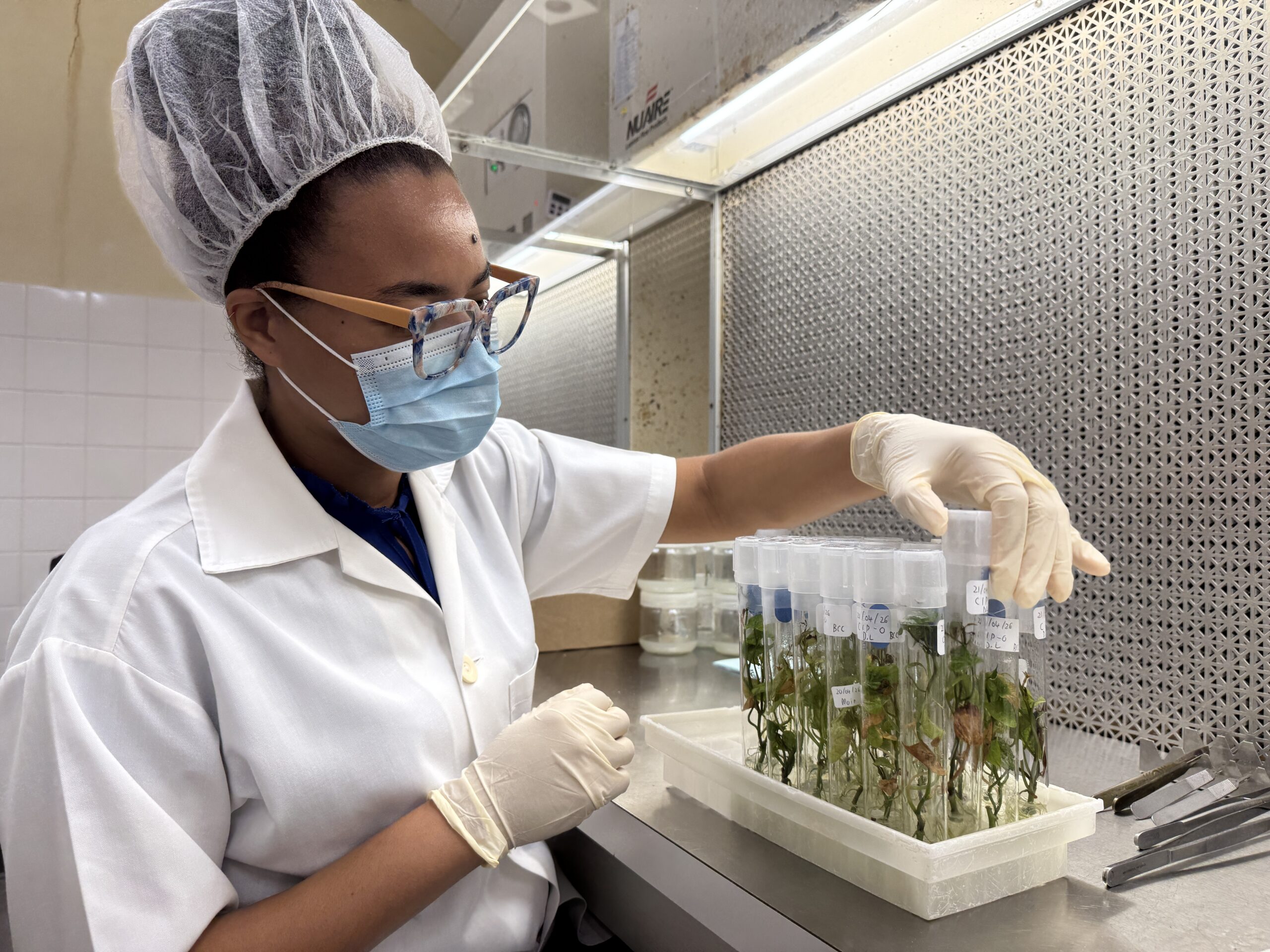
    In a sunlit plant tissue culture facility in St. Philip, Barbados, an unexpected all-women support network has ignited a young scientist’s bold mission to advance Alzheimer’s disease treatment. What began as a post-graduation internship for 24-year-old Romelia Dabreo has evolved into a purpose-driven career rooted in mentorship, empowerment, and a growing passion for plant-based scientific research.

    Dabreo, a recent biochemistry and microbiology graduate from the University of the West Indies, did not set out to work in plant science. Like many young students, she initially held aspirations of becoming a veterinarian, and walked into the St. Philip facility in June 2024 with just one goal: gaining practical lab experience after earning her degree. At the time, she had little knowledge of tissue culture techniques and no particular interest in crop research. What she found inside the lab walls, however, changed the trajectory of her career and her life’s ambition.

    Led by facility head Dr. Sophia Marshall, the lab’s tight-knit team of women—including senior laboratory assistants Althea Grace and Deslyn Newton, and laboratory worker Sandra Alleyne-Belgrave—embraced Dabreo, openly sharing their expertise and creating a welcoming environment that let her curiosity bloom. “They make me feel comfortable and at home,” Dabreo said of her colleagues. That supportive culture transformed a temporary internship into a full-time role as senior agricultural assistant just two months after her arrival, a welcome outcome that caught Dabreo by surprise at a time when many young graduates struggle to secure stable employment.

    “It was very exhilarating,” she recalled. “I didn’t really expect to get a position here. I just came into work focused on getting experience to build a science career down the line.”

    As she immersed herself in the work of plant tissue culture, Dabreo’s interest grew far beyond the lab. Back at home, she has joined her naturally curious and creative mother in small-scale agricultural experiments, testing growing methods for staple crops. Her mother has even found success growing sweet potatoes and cassava in grass cuttings instead of traditional soil, a project Dabreo says has deepened her connection to plant science outside of her formal work.

    Today, Dabreo is leveraging the tissue culture and phytochemical extraction skills she has mastered to pursue a groundbreaking goal: developing a potential Alzheimer’s treatment using compounds extracted from local staple crops including sweet potatoes and yams. She hopes her work will one day slow the progression of the neurodegenerative disease or even contribute to a long-sought cure.

    Beyond her own research, Dabreo is working to shift negative perceptions of agriculture among young people. Too often, she says, the younger generation writes off agriculture as nothing more than backbreaking field work under the hot sun, failing to recognize the wide range of innovative career paths the sector offers—from apiculture to high-tech tissue culture, and even opportunities to integrate cutting-edge tools like artificial intelligence.

    For Barbados, Dabreo notes, a career in agriculture also offers young people the chance to contribute to national progress beyond personal gain. “It’s contributing to something much greater than yourself,” she explained. “You’re helping Barbados become more food secure, as well as getting our local innovations out onto the international stage.”

    Her journey stands as a testament to the power of female mentorship in STEM, proving that supportive work environments can turn unexpected opportunities into life-changing scientific ambition.
  • Arthur Smith remain unbeaten in NSC Primary School Football

    Arthur Smith remain unbeaten in NSC Primary School Football

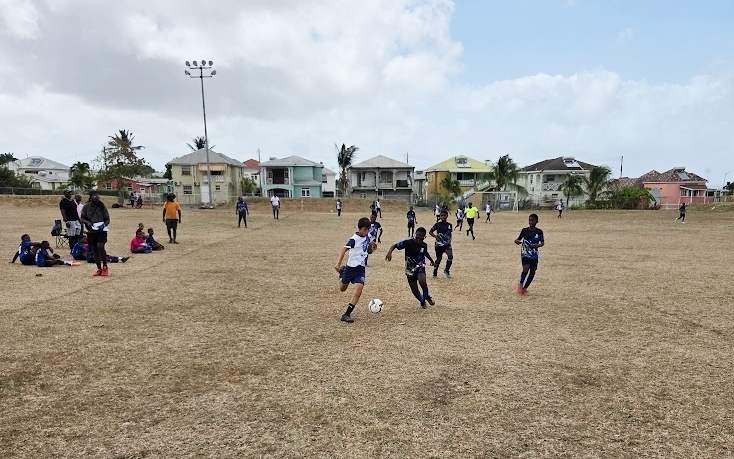
    The annual National Sports Council BICO Primary School Football Competition is well underway this year, and last year’s tournament runners-up, Arthur Smith Primary, have emerged as one of the early frontrunners to claim the 2024 title. The squad has maintained a flawless unbeaten streak through their early matches, extending their winning run with a tight 1-0 victory over Wills Primary this Wednesday. The match took place on the Briar Hall pitch, part of the competition’s Ricardo Mickey Gibson Zone.

    Results across other matches in the same zone mirrored the close margins seen in Arthur Smith’s win. St. Gabriel’s secured a narrow one-goal win against St Christopher, while Shirley Chisholm Primary also claimed a 1-0 victory over Milton Lynch Primary. The zone’s most lopsided result came from St Winifred’s Primary, which dominated St Lawrence Primary to secure a convincing 4-0 clean sheet win. Two teams, St Bartholomew’s Primary and People’s Cathedral School, ended their match locked in a goalless draw, with neither side able to find the back of the net.

    Across the tournament’s other zones, early round play continued to deliver exciting results for young football fans across the country. In the Edward Smith/Frank Holder Zone hosted at Speightstown, only one match was held this week, with Selah Primary edging out St Lucy Primary by a 1-0 scoreline to claim three points.

    The highest-scoring action of the week took place in the Kenville Kab Layne Zone at Greens, St. George, where goals were scored in every match and fans got to see dynamic attacking play from all participating squads. Bay Primary pulled off a thrilling 3-2 win over hosts St George Primary, while Cuthbert Moore Primary kept a clean sheet in their 2-0 defeat of St Luke’s Brighton. Ellerton Primary also earned a 2-0 shutout victory against St Jude’s Primary, and Eagles Academy pulled off a narrow 2-1 win in their rematch against St Luke’s Brighton. To close out the week’s matches in the Keith Grell Griffith Zone, Eagle Hall Primary claimed a high-scoring 4-2 win over Al Falah School.

  • Nine trophies for Adrenaline Rush at BCIC RB26

    Nine trophies for Adrenaline Rush at BCIC RB26

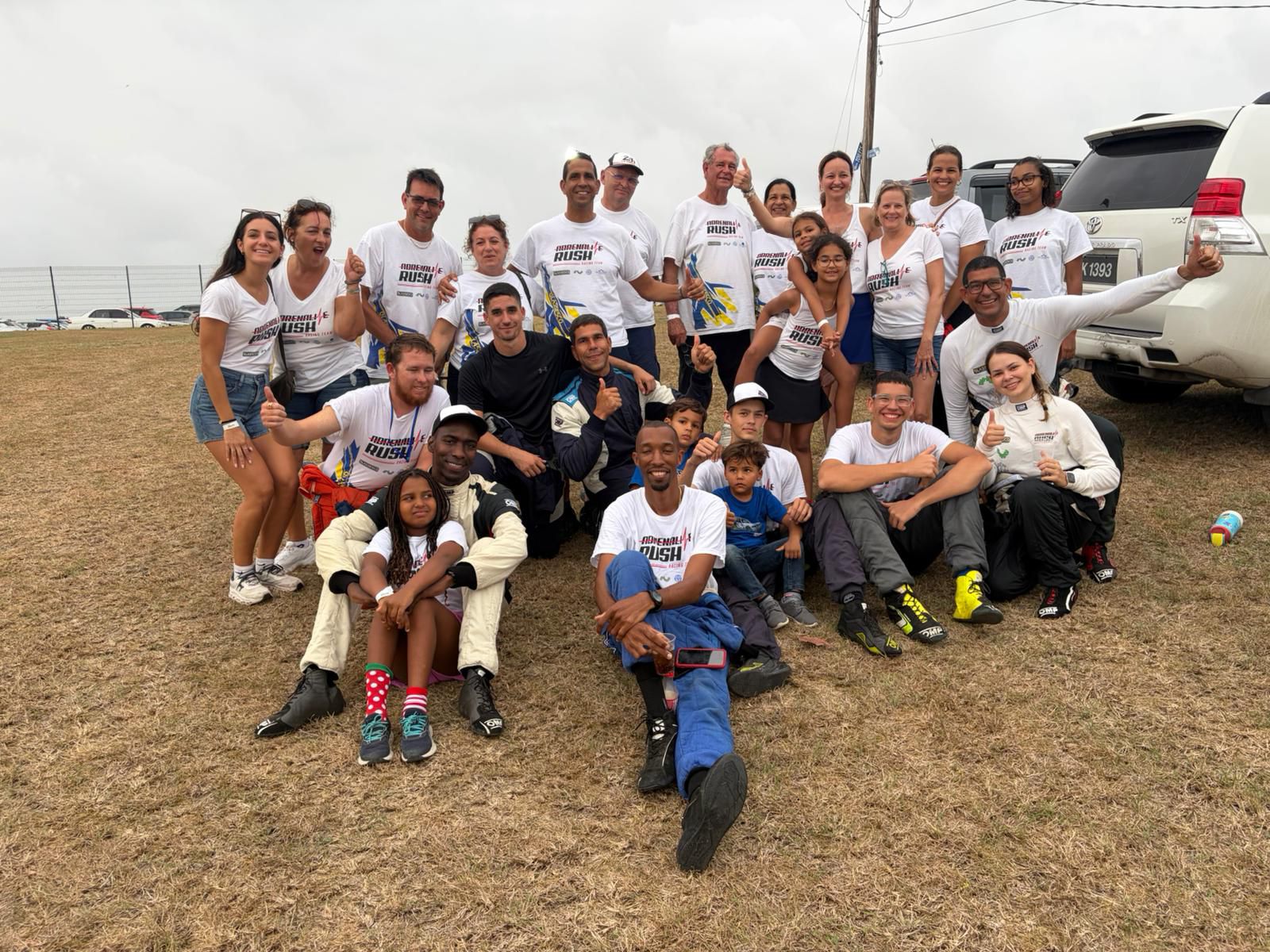
    For over three decades, Adrenaline Rush Racing has built its legacy as a family-owned motor sport institution, starting when founder Peter “DuctTape” Thompson launched the team back in 1993. Now, the squad is marking a historic milestone after turning in a series of standout displays at the recently wrapped BCIC Rally Barbados, bringing home an impressive haul of silverware from the event’s prize-giving ceremony held June 1 at Bridgetown’s iconic The Boatyard venue.

    Eight drivers and co-drivers representing the team walked away with class honors from the competition, headlined by a breakthrough win for rookie recruit Chloe Mustor, who claimed the title of highest-placed female co-driver across the entire event. Currently fielding six competing cars under the team banner, general manager Kurt Thompson — son of founder Peter — called the 2024 running of Rally Barbados one of the squad’s most successful outings in recent memory.

    “This year required months of grueling preparation, and the rally itself threw no shortage of challenges our way, but every single member of this team stepped up and pulled together to get across the finish line,” Thompson shared in comments following the award ceremony. “None of this would be possible without the constant, unwavering support of my entire family behind the scenes, and we will always be grateful to our sponsors for partnering with us for another year of racing.”

    The highest-finishing member of the Adrenaline Rush squad was Mark Thompson, Kurt’s younger brother, who notched a 10th-place overall finish in just his third start competing in the FIA R5 category. Mark made his debut behind the wheel of his new Citroen C3 Rally2 at this year’s Rally Barbados, making the jump up from the Modified 4 (M4) class where he competed in previous seasons. “Getting to push this new car to its limits, learn what it can do, and build confidence behind the wheel was an incredible experience,” Mark said. “I’m already hungry for the next event and can’t wait to keep competing at this level.”

    Kurt Thompson himself turned in a resilient performance despite early setbacks, finishing second in the RB26 class and 22nd overall. A spin during Saturday’s opening stages and persistent differential issues cost him valuable time early on, and even a strong comeback push on Sunday couldn’t close the gap to secure the class win. However, his recovery drive was enough to not only climb the overall rankings but also help co-driver Chloe Mustor secure her top female honors, passing the Scottish pairing of Peter Stewart and Rachel Matheson in the final day of racing in his Mitsubishi Lancer Evo IX — a car with which he won the M4 class in each of the past two seasons.

    The only Adrenaline Rush entry that failed to finish the event was that of eldest brother Neil Thompson and co-driver Neil Gilkes, who were forced to retire after a gearbox failure sidelined their Evo IX early in the competition. Their DNF was far from an isolated incident: drivetrain issues plagued a number of local and international entries across the event, and the 10-car M4 class ultimately saw only five drivers cross the finish line.

    Two more Adrenaline Rush drivers added to the team’s trophy haul in the M2 class, with Jermin Pope and Pierre Clarke taking home second-place class honors. Pope, a former circuit racing champion and three-time Rally Barbados class winner, turned in an impressive 31st-place overall finish this year after upgrading to a newer Honda Civic following a string of disappointing results in previous events.

    The team’s rising junior talent also turned in notable performances in the Clubman 2 category, where cousins Sebastian Thompson and Jayden Thompson — sons of Neil and Kurt Thompson, respectively — compete in BimmaCup machinery. Sebastian, who earned the Barbados Rally Club’s 2025 Rookie of the Year title, claimed third place in class alongside co-driver Noah White. For Jayden, who shared a car with co-driver Jacob Mustor, a fourth-place finish marked a welcome redemption after he was forced to retire on the very first stage of last year’s rally following a collision with the Bushy Park Rallycross bridge.

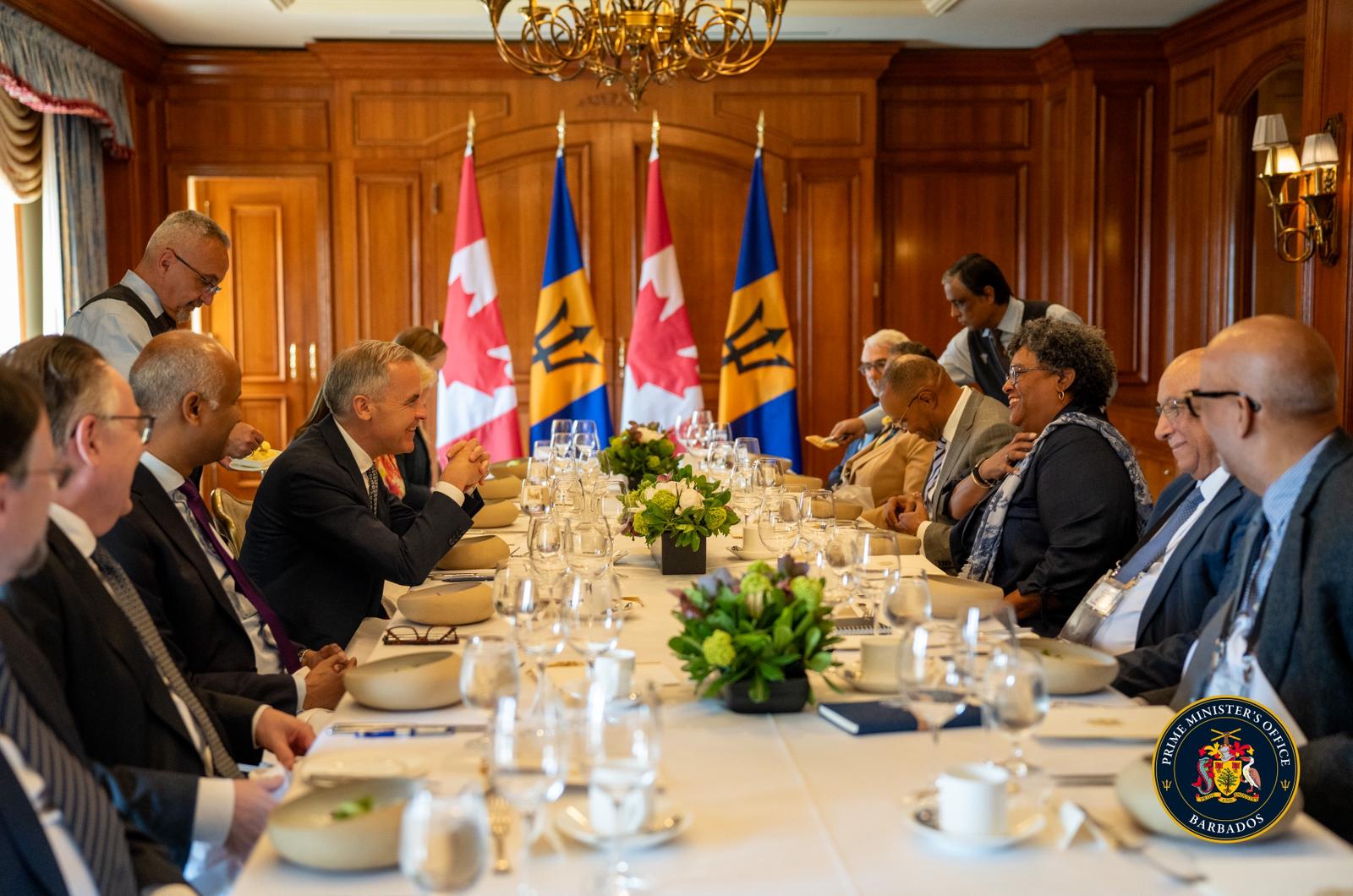
  • PMs agree new push on Barbados–Canada partnership in Toronto talks

    PMs agree new push on Barbados–Canada partnership in Toronto talks

    Leaders from Barbados and Canada have concluded a high-stakes round of bilateral negotiations in Toronto, cementing a shared pledge to strengthen decades-long diplomatic and economic connections through targeted collaboration across a diverse range of emerging and critical sectors. The talks, led by Barbadian Prime Minister Mia Mottley and Canadian Prime Minister Mark Carney, were structured to revitalize a partnership rooted in historical ties, aligning it with 21st-century global challenges from climate change to technological innovation.

    Discussions spanned policy areas from creative industries and workforce skills development to climate resilience, maritime scientific research, quantum technology, cross-border professional movement, and global energy security. Carney opened remarks by emphasizing the enduring value of the bilateral relationship, and offered high praise for Mottley’s growing influence on the global stage, calling her a transformative “leader for tomorrow”. He centered much of his input on the urgent need for coordinated global action to tackle the climate crisis, covering priorities including climate adaptation, infrastructure resilience, accessible climate finance, and emissions mitigation. Carney also highlighted Barbados’ ambitious national goal to reach a 100 percent clean energy energy system, commending the island nation for its progressive climate commitments.

    A release from the Office of the Barbadian Prime Minister clarified that Mottley’s official visit was designed to reframe the bilateral relationship, identifying actionable, practical adjustments to streamline and strengthen collaboration between individuals, businesses, and institutions across both countries. A central priority of the visit was deepening engagement with Canadian firms already operating in Barbados, with the logistics sector and international film production identified as high-potential emerging areas for new joint initiatives.

    On the topic of cross-border professional mobility, the two leaders reached a consensus to develop mutually agreeable regulatory frameworks that will allow skilled workers to move more freely between the two jurisdictions, while upholding the strict professional standards each nation requires. Mottley highlighted a recently signed memorandum of understanding with Canada’s University of Waterloo focused on quantum computing research, as well as Barbados’ use of a regulatory sandbox mechanism that allows new technologies to undergo rigorous testing before they are approved for commercial launch. She reaffirmed that Barbados will maintain strict ethical and safety guardrails as it opens its economy to new technological innovation.

    Maritime research emerged as another key focus of the negotiations, with the Barbadian delegation noting that the two nations are uniquely positioned to combine their complementary geographic strengths: Canada’s vast, research-rich Arctic and Atlantic coastlines, and Barbados’ status as a large island nation with extensive exclusive ocean territory. Mottley put forward a proposal to launch a joint maritime research hub that will bring together academic institutions from both countries to address shared ocean challenges, from rising sea levels to overfishing and marine ecosystem degradation.

    As small coastal nations, both Canada and Barbados face growing climate-driven risks, prompting leaders to devote significant discussion to the growing crisis of affordable climate insurance. Mottley stressed that reliable access to affordable insurance and climate finance is a non-negotiable prerequisite for long-term economic stability, especially for Barbados’ critical tourism sector, which requires large-scale investment to upgrade infrastructure, protect local jobs, and build resilience against extreme weather events.

    The talks came just days after Mottley’s government opened Barbados’ offshore territory to new oil and gas exploration, and during the summit the prime minister reaffirmed the nation’s unwavering commitment to its long-term target of full transition to 100 percent clean energy. Acknowledging the urgent timeline for global decarbonization, Mottley argued that all nations must be afforded a “safe and practical pathway” to transition, particularly as countries grapple with soaring energy costs and the deeply unequal global distribution of climate finance.

    The official engagements concluded with a shared commitment to turn the two nations’ historical diplomatic bonds into forward-looking cooperation that delivers tangible benefits for citizens on both sides. Mottley closed by expressing confidence that ongoing collaboration between public sector leaders and private industry stakeholders across both countries will generate new, meaningful economic opportunities for decades to come.

  • Basketball gathering turns deadly

    Basketball gathering turns deadly

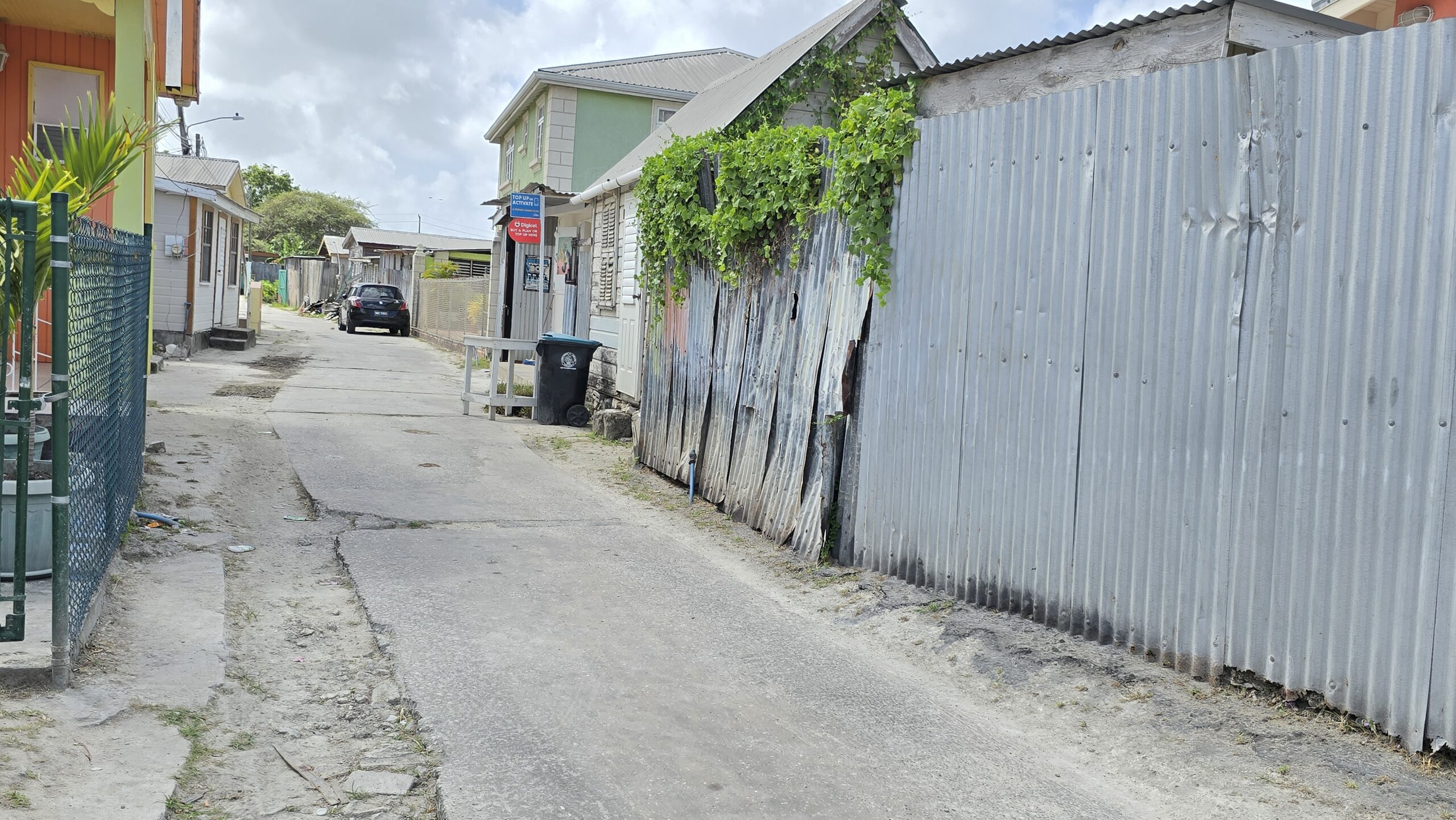
    A quiet evening of community gathering turned into a deadly tragedy on Wednesday night in Barbados’ Chapman Lane neighborhood, when an unidentified gunman opened fire on a group of men watching a basketball final, leaving one dead and three others wounded. The deadly incident has shaken a community that had only recently made significant progress in reducing violent crime, leaving local residents and community leaders calling for urgent collective action to curb rising gun violence across the country.

    Local resident Natasha Hewitt, who has lived her entire life in Chapman Lane, summed up the senseless attack with a simple, somber observation: “Wrong place, wrong time.” According to police records, authorities received an anonymous emergency call at 8:46 p.m. reporting a shooting and a man suffering from gunshot bleeding in the St. Michael neighborhood. Witness accounts confirm a group of men had assembled near a local shop on Third Avenue to watch the widely anticipated basketball championship game when the attacker walked up and fired multiple rounds into the crowd.

    The victim, 45-year-old Delon Covell Asgill from West Terrace, St. James, was pronounced dead at the scene. Three other men suffered non-fatal gunshot wounds: two were rushed to the Queen Elizabeth Hospital by ambulance, while the third was transported to the facility by private vehicle. Hewitt, who was inside her home talking to her son about gun violence when the attack unfolded, recalled the sudden burst of gunfire that shattered the calm of the evening. “I just hear pak-pak. I said, they cleaning, they testing and then I hear a string of shots, I tell my child no, that ain’t testing. That is death,” she described, adding that the shooting was the closest violent incident she has ever experienced, leaving her deeply shaken. She lives just a short distance from the attack site.

    Hewitt noted that one of the injured men is like an older brother to her, while a second victim rarely socializes in the area and only came out to enjoy the championship game. The tragedy drove home a terrifying reality for the long-time resident: innocent bystanders can become victims of gun violence at any moment. “My son does work, he could have been coming home and get what they get. I gotta watch myself and my children,” she said. While the area has a nearby police outpost, Hewitt acknowledged the attack unfolded so quickly that officers could not have intervened in time. “What much so them could do, the police is only human, they got them family too,” she added. By Thursday morning, the blood from the scene had been washed away, but the emotional impact of the killing remained palpable for residents. “Too much innocent people getting killed,” Hewitt said.

    Long before the shooting, Chapman Lane had a well-earned reputation as a crime hotspot in Barbados, but Hewitt emphasized that public safety in the area had improved dramatically in recent years. “Down here cool down a lot, you know, one time we had a reputation,” she explained. That progress makes this deadly shooting all the more devastating for community leaders like Apostle Dr. Lucille Baird, founder and CEO of Mount Zion’s Missions, who arrived in the neighborhood on Thursday morning to check on local youth involved in her organization’s outreach programs and offer condolences to the community.
    Baird launched her organization’s work in Chapman Lane back in 2019, when the area was grappling with a wave of deadly gang violence. “I work with these young men, we came down here in 2019 when they had all the killings, we came down here and started to work. Since then we haven’t had that sort of crime,” she said. Her ministry runs targeted programs to keep local young people engaged in positive activity: participants attend Sunday church services, and work on a community farm during the summer months, earning wages for their labor while staying connected to the community. Many of the young men involved in these programs still live in Chapman Lane, and Baird came to Thursday to confirm none of them were harmed in the attack.

    The fatal shooting has reinforced Baird’s growing concern that rising gun violence is pushing ordinary Barbados into a state of widespread fear. “It’s really getting to the point where Barbadians are becoming afraid now and when you living in fear, that’s not a healthy society,” she said. She also lamented what she sees as the steady erosion of the close-knit community spirit that once made Barbados a safe place for all residents. “We were a society that used to care and share and walk the streets and felt safe and so on but all of us have to work together, if you see something say something,” Baird urged.
    While faith and prayer remain core parts of her ministry’s work, Baird stressed that prayer alone is not enough to turn the tide of gun violence. “As a pastor, we keep praying, prayer is not enough, we gotta have action so we want to up and increase the programmes in this areas so we can try to avoid what’s happening in these communities,” she explained. Baird said her organization plans to expand existing community programs and make them more responsive to the needs of local young people, including asking the youth themselves for input on what programming would best serve their goals. “Whatever we can do to assist them,” she said.

    As of Thursday, law enforcement officials have not made any arrests in connection with the shooting, and detectives continue to pursue leads and interview witnesses to identify the attacker and motive.

  • BUT urges vigilance over health concerns at Hillaby Turner’s Hall Primary

    BUT urges vigilance over health concerns at Hillaby Turner’s Hall Primary

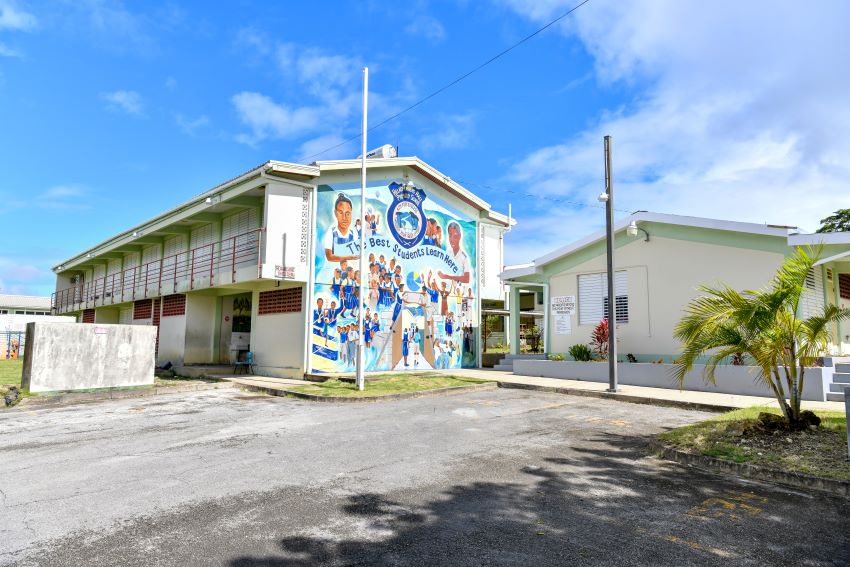
    Amid official reassurances that no scarlet fever outbreak is underway at a rural Barbados primary school, the island’s leading teachers’ union is pushing back against attempts to brush off persistent health concerns from parents, students and on-site staff.

    Julian Pierre, vice-president of the Barbados Union of Teachers (BUT) and chair of the union’s occupational safety and health committee, emphasized that firsthand accounts of unexplained illness among the school community cannot be discarded just because initial public health assessments have not found evidence of a large-scale outbreak. Speaking in an interview with local outlet Barbados TODAY, Pierre argued that the experiences of people directly impacted by the ongoing health events demand consistent, careful attention and continuous investigation, to rule out any overlooked environmental or public health hazards that could be contributing to illness.

    Officials from the Ministry of Health and Wellness have already released an official update via the Chief Medical Officer, which concluded there is no unusual scarlet fever outbreak at the St. Andrew-based Hillaby Turner’s Hall Primary School, and no recommendation has been made to close the campus. While BUT acknowledges the validity of the ministry’s current findings, the union remains deeply troubled about the well-being of every person on campus, from enrolled students to teaching faculty and support staff.

    Pierre pointed out that already confirmed cases of two serious health conditions – dengue exposure and Group A Streptococcus infection – paired with widespread unconfirmed reports of unexplained rashes and fever among dozens of children, make a strong case for maintaining active public health vigilance at the school. He noted that classroom teachers have borne the brunt of the uncertainty, forced to ease widespread anxiety among both students and their families while waiting for clear, definitive guidance from public health and education officials.

    Beyond addressing the immediate cluster of reported illnesses, Pierre stressed that BUT’s core priority is ensuring all recommended public health protocols are fully implemented, consistently monitored, and sufficiently supported at the campus. The union has identified four key areas that require ongoing oversight: routine deep sanitization of school facilities, comprehensive environmental health assessments, targeted mosquito control measures to prevent further dengue transmission, and transparent, timely communication with all staff and parents about any developments.

    “We continue to seek assurances that all recommended public health measures are being consistently implemented, monitored and adequately resourced,” Pierre stated. He added that the union is formally calling for both the Ministry of Health and Wellness and the Ministry of Education Transformation to maintain ongoing active surveillance of illness at the school, share regular updates with all stakeholders, and keep contingency plans in place to implement additional public health action if the situation worsens.

    In closing, Pierre reaffirmed BUT’s longstanding mandate to protect the health and safety of all education workers and students across Barbados. The union will continue holding formal discussions with government authorities and advocating for targeted interventions that guarantee all students and staff can access a safe, healthy learning environment at Hillaby Turner’s Hall Primary School, he said. “The Barbados Union of Teachers remains committed to protecting the health, safety and welfare of all education workers and students,” Pierre added. “We will continue to engage with the relevant authorities and advocate for measures that ensure a safe and healthy learning environment for all children and staff.”

  • CTUSAB: Frontline security workers being short-changed

    CTUSAB: Frontline security workers being short-changed

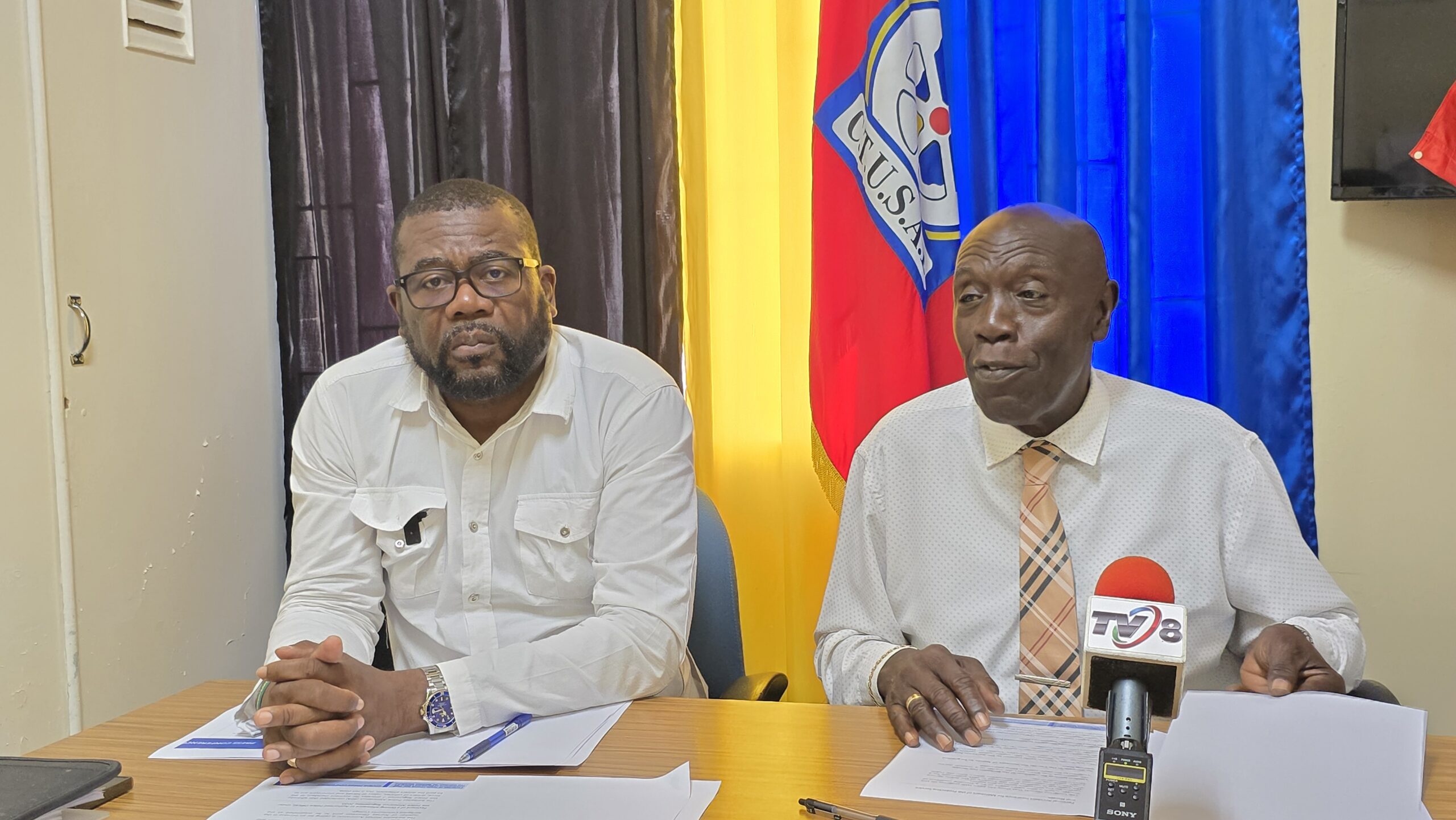
    As Barbados confronts a steep upward surge in violent crime, the island nation’s largest trade union body is sounding the alarm over a years-long backlog of unmet demands that are eroding the well-being and effectiveness of the country’s frontline public workers. In a press briefing held Thursday at the Congress of Trade Unions and Staff Associations of Barbados (CTUSAB) headquarters in St. Michael, General Secretary Dennis De Peiza outlined a litany of unresolved issues facing protective services officers and other public sector employees, warning that government inaction on longstanding pay and benefits grievances is triggering cascading harm across the country’s public services.

    De Peiza emphasized that repeated delays in addressing substandard working conditions have already created a measurable decline in staff morale and output, consequences that extend far beyond individual workplaces. He argued that this stagnation is not only undermining ongoing public sector reform initiatives but also making government roles far less appealing to young people entering the Barbadian workforce. Compounding this challenge, he warned, unresolved worker grievances risk deepening already acute recruitment shortages across the protective services and other government agencies, a gap that could grow into a full-fledged brain drain of talented young workers.

    “Many top graduates from the University of the West Indies and other regional tertiary institutions are already opting for overseas employment, where they are offered far more competitive working conditions and benefits,” De Peiza noted. “If public service conditions remain unaddressed, this outflow of skilled young workers will only accelerate, leaving critical government posts unfilled for months or even years.”

    The CTUSAB leader highlighted specific complaints from protective services members, starting with delayed salary increments and unpaid compensation for acting appointments. The Barbados Police Association has raised repeated objections over withheld increments for new recruits who completed Course 144 at the regional police training academy, while prison officers across the island report they have not received pay adjustments they are owed for taking on temporary senior roles. De Peiza stressed that these failures are unacceptable for workers who are tasked with keeping the public safe amid a worsening crime wave.

    “These are the men and women we put on the front line every single day, tasked with protecting our communities and upholding national security,” he said. “They should never have to wait for pay and benefits they have rightfully earned. The general public knows this is wrong, and it is past time the government acted.”

    Another critical unaddressed issue De Peiza spotlighted is the lack of basic personal accident insurance for frontline personnel, including police officers, prison staff, and nurses, all of whom face elevated safety risks as violent incidents rise across the country. He called this coverage a non-negotiable necessity, not an unnecessary perk, noting it provides critical peace of mind for workers who put their lives at risk to serve the public, supporting both their morale and their commitment to their roles.

    De Peiza also called out the government for failing to honor legally mandated allowances for public workers, pointing to the Police Allowance Regulations, which require driver allowances for officers who operate official vehicles, motorcycles, and oversee horses — a benefit that has not been distributed to eligible officers. For prison officers, who face extreme physical and psychological risk managing inmate populations and responding to violent incidents, similar unpaid allowances remain outstanding. De Peiza urged the government to fully enforce existing regulations, put clear monitoring systems in place, and follow through on commitments it has already made to public workers.

    “If these provisions are already written into our regulations, there is no excuse for failing to honor them,” he said. “We need to approach public sector worker issues with far more seriousness, put the right systems in place, and make sure what needs to be done gets done.”

    Beyond protective services, De Peiza also called for urgent changes to expand training opportunities for nurses across Barbados, noting that restrictions on professional development are holding back efforts to improve the country’s healthcare system. He renewed the union’s call for expanded nurse education programs, particularly at the Barbados Community College, which is the primary training hub for the country’s nursing workforce. On a more positive note, De Peiza confirmed that longstanding concerns over inadequate medical services for members of the Barbados Fire Service are currently being resolved, and the union expects the issue to be fully addressed in the near future.

    Meanwhile, CTUSAB President Ryan Phillips offered measured support for two new government public safety initiatives announced amid the rising crime wave. Phillips said the government’s proposal to establish a dedicated gun court is a potentially effective step to crack down on firearm-related crime, which has been a key driver of the recent increase in violence. “We see this as a viable option to push back against the trafficking, possession, assembly, importation, and use of illegal firearms,” Phillips said. “Any step that helps eliminate this threat to public safety deserves serious consideration.”

    Phillips also welcomed government plans to train Justices of the Peace in advanced arbitration, mediation, and conciliation techniques, which are designed to reduce community tensions and ease backlogs in the court system. But he called for the training program to be expanded beyond judicial officials to include trade union leaders and human resources professionals, who already have extensive experience in conflict resolution, grievance handling, and disciplinary proceedings. “With advanced training in alternative dispute resolution, these professionals would be well positioned to help defuse community tensions and deliver accessible conflict resolution services across the island,” Phillips added.

  • Fisheries officials test hurricane readiness with boat relocation drill

    Fisheries officials test hurricane readiness with boat relocation drill

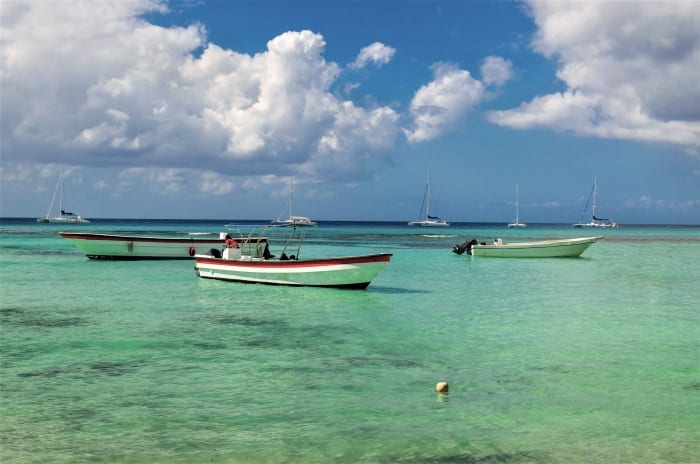
    In the wake of catastrophic damage inflicted by 2024’s Hurricane Beryl, Barbados has carried out a landmark nationwide emergency drill designed to move the island’s entire fishing fleet out of danger, bringing the critical urgency of hurricane preparedness in the vital fishing sector into sharp focus. The proactive full-scale simulation comes as the local fisheries industry continues its gradual recovery from the storm, which crippled key maritime infrastructure and destroyed a large share of Barbados’ working fishing vessels.

    Dr. Shelly Cox, the island’s Chief Fisheries Officer, highlighted that the sector has adopted an aggressive, collaborative approach to disaster readiness after Beryl’s devastating impact. She emphasized that effective emergency response depends on coordinated, synchronized action across all stakeholders, rather than isolated effort from government agencies alone.

    “The fishery sector has been quite proactive,” Dr. Cox noted. “We wanted to put our vessel relocation protocols and full operational emergency plans to the test, to identify gaps before a real storm hits.”

    Early last month, the Barbados Fisheries Division led a cross-sector initiative that brought together fishing cooperatives, government agencies, and private partners to test every step of the emergency response process. The Blackfin Fleet fishing cooperative and other organized fisherfolk groups provided on-the-ground input and critical logistical support for the simulation, which centered on measuring the time and resources required to safely relocate large, heavy fishing vessels away from vulnerable open coastlines.

    A long-term solution to the fleet’s safety needs involves constructing purpose-built haul-up infrastructure within the Bridgetown port complex, but the division has been forced to adapt to existing resources while that project moves forward. Currently, authorities rely on available state assets, including the marine travel lifts at the Barbados Coast Guard facility and the shallow draft zone near the capital, to accommodate vessels during storm events.

    “We are still progressing with the construction of the dedicated haul-up facility in Bridgetown, but this exercise allowed us to test timelines for relocating vessels using the existing infrastructure we have access to right now,” Dr. Cox explained.

    Emergency preparations extend well beyond the capital, too. Rural coastal landing sites at Conset Bay and Thunder Bay on Barbados’ west coast are particularly vulnerable, so the division has coordinated with multiple government departments to secure access to resources like tractors from the soil conservation department, and partnered with private marine operators to supplement public capacity for emergency vessel movement.

    Lessons learned from Hurricane Beryl drove major updates to the island’s fisheries disaster management plan: during the 2024 storm, dozens of vessels were destroyed or irreparably damaged because of overcrowding at safe havens and improper mooring that left boats tied too closely together. Today, one of the core pillars of the revised plan is expanded public education and clearer, more consistent communication with small boat owners.

    “We have a fully updated disaster management plan now, and we are rolling out new communication materials to all vessel owners,” Dr. Cox said. “In the coming weeks, we will share videos and public notices that reinforce best practices, from using adequate fendering to investing in high-quality mooring ropes to keep vessels secured when a storm approaches.”

    Robust backup communication during severe weather events is another key priority for the updated strategy. While modern digital tools including cellular networks, Starlink satellite internet, and GPS vessel monitoring systems are widely used across the fleet, authorities are reinforcing legacy radio communication systems to ensure no fishing captain loses contact during a storm that knocks out digital infrastructure.

    The division has already procured new handheld VHF radios for the fleet, and will install a new radio base station at Pile Bay later this month. Officials are also partnering with the Barbados Amateur Radio Association to provide training for fishers on emergency radio use, ensuring redundant communication options are available when primary systems fail.

    “We have cell phones, Starlink, and vessel monitoring systems in place, but radio remains one of the most reliable backup communication protocols we can rely on when all other systems go down,” Dr. Cox added.

    To address persistent overcrowding at the main Bridgetown safe haven, which the growing fishing industry has long outgrown, the new plan diverts vessels to alternative safe havens including the Shallow Draught and the Careenage, based on the projected track of an approaching storm. Moving the largest vessels, which can weigh more than 35 tonnes, is a logistically complex process that requires precise timing. The current operational target is to secure all at-risk vessels within 38 hours, provided meteorologists issue a 72-hour advance warning of an approaching hurricane.

    “We tested multiple contingency plans — Plan B, C, and D — so we know how to respond no matter what a storm system throws at us,” Dr. Cox said. “We’re working to hit that 38-hour target when we get a 72-hour warning, but we know this can’t be done by government alone. It takes the private sector, the fishers themselves, all working together like a well-oiled machine to get preparations done on time.”

    As the island prepares for future hurricane seasons, the fishing fleet continues its steady recovery from Beryl. Before the 2024 storm, Barbados counted 312 active commercial fishing vessels. Today, that number stands at 233, with many damaged boats still undergoing repairs. A national vessel replacement program is currently being launched to construct new boats to replace those that were completely lost, bringing the industry closer to its pre-storm capacity.

  • Unseasonal erosion linked to South American freshwater surges

    Unseasonal erosion linked to South American freshwater surges

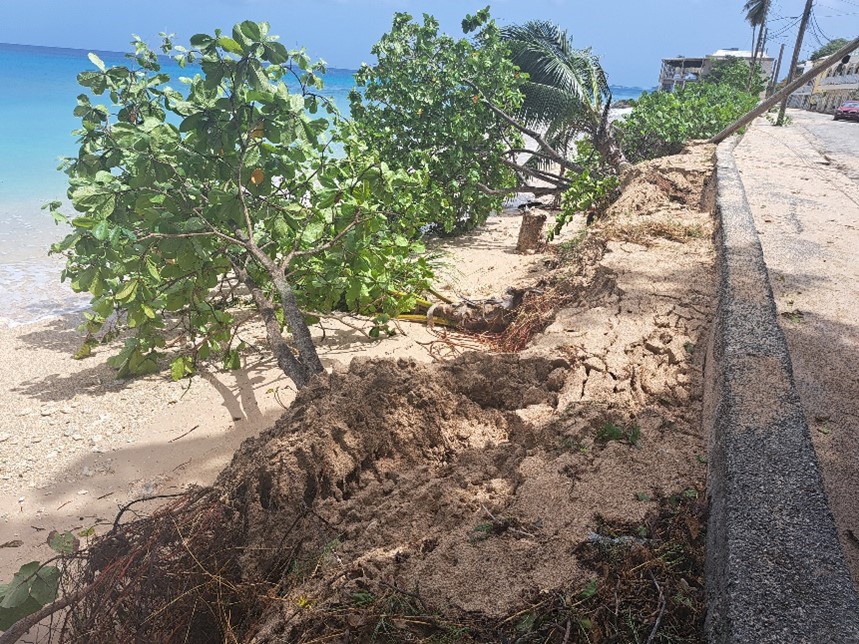
    Barbados’ iconic Caribbean beaches are facing an unprecedented environmental crisis, with unseasonal coastal erosion accelerating across the entire island at a time when shorelines should be naturally rebuilding ahead of hurricane season, the country’s leading coastal management official has warned.

    Dr. Leo Brewster, director of Barbados’ Coastal Zone Management Unit (CZMU), told local media the unusual erosion is being driven by a massive, off-schedule pulse of low-density freshwater from South America’s two largest river systems — the Amazon and the Orinoco. This so-called “green water” forms a buoyant layer on top of denser saltwater, artificially raising overall sea levels around the island far beyond what would be expected at this time of year.

    “The whole island is being impacted by what people will be seeing as out-of-season erosion,” Brewster explained. “This is happening at a time when the beaches should actually be building now, after the Easter swell period and going into the hurricane season. Because of this excessive water, we’re getting more wave activity on the beach face and therefore greater penetration inland, and some areas have been hit very hard.”

    The timing of the green water event has caught coastal scientists off guard. While discharges of Amazon and Orinoco freshwater into the Caribbean are a natural recurring regional phenomenon, they typically follow a predictable seasonal pattern, occurring either in the early year rainy season or between August and September. The arrival of this large pulse in the pre-hurricane rebuilding window is highly irregular, Brewster emphasized, marking a sharp break from historical environmental patterns that has compounded longstanding concerns over climate change and unregulated coastal development.

    Local residents and tourists have already reported alarming shoreline retreat at popular recreational sites including Worthing Beach, where significant stretches of sand have disappeared in recent weeks. The crisis comes on the heels of recent public uproar over “brown water” discoloration at Carlisle Bay, a popular tourist beach that many have linked to sediment runoff from the construction of the luxury Fort Carlisle condominium development. That incident has reignited fierce public debate over whether high-end coastal development is being allowed to encroach too close to Barbados’ already fragile shorelines, putting both ecosystems and infrastructure at long-term risk.

    When asked about the island’s regulatory framework for coastal construction, Brewster clarified that while the CZMU maintains strict mandatory setback requirements to protect shoreline ecosystems, final planning decisions rest with higher government authorities, and developers regularly seek exceptions to reduce the required distance between new builds and the water. “Some properties, as part of their application process, ask for reduced setbacks,” he said. “Of course, the coastal zone management unit has a policy for setback requirements and we try to adhere to those as best we can. Whatever happens after we have sent forward our recommendations is at a planning level.”

    Coastal management challenges have been further intensified in the wake of Hurricane Beryl, which tore through the region earlier this year leaving widespread destruction to coastal infrastructure. In the storm’s aftermath, hundreds of shoreline property owners in high-end areas including Payne’s Bay and Gibbs have rushed to erect makeshift boulder barricades to protect their land from further erosion. While the public has raised complaints about the unregulated structures blocking public beach access, Brewster noted that property owners are legally permitted to install emergency protective measures when existing sea walls fail under the island’s current legislation. Authorities require that rebuilt structures remain within the original footprint of existing sea defenses to avoid expanding coastal encroachment.

    However, Brewster warned that enforcement of these rules remains a persistent challenge due to the dynamic nature of the island’s shorelines. “What you may find is that some persons do try to come forward, or through the use of the boulders that they’re building, the actual base of the structure comes further seaward than it ought to,” he said. “We try to correct that after it’s discovered, but sometimes they may be buried with sand through the natural recovery of the beach. It would only be then exposed again during rough seas, or they can become permanently exposed because the beach has not been able to recover due to the placement of the boulders.”

    For a small island nation whose economy is heavily dependent on pristine coastal tourism, the accelerating off-season erosion has raised urgent new questions about how Barbados will adapt to shifting climate patterns and balance development interests with long-term environmental protection.

  • Drive on to put scientific research at heart of national policy

    Drive on to put scientific research at heart of national policy

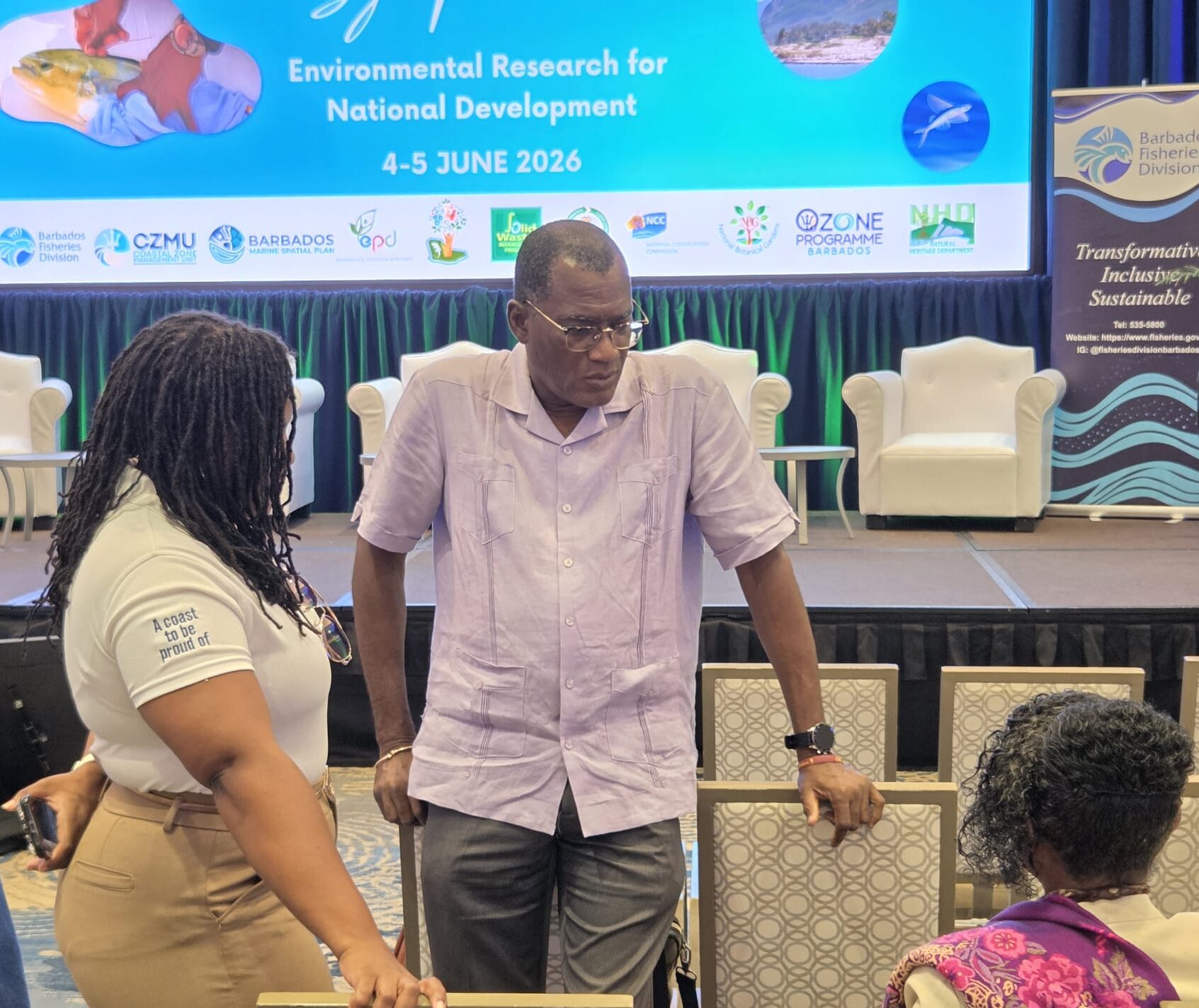
    On Wednesday, the government of Barbados unveiled a landmark new strategy designed to anchor national and regional scientific research at the heart of public policymaking. The ambitious project seeks to break down long-standing academic silos, bridge gaps between scientific inquiry, public policy design and community-led action, and position evidence-based research as a foundational driver of national development. The initiative was formally launched during the opening ceremony of the second annual Research Frontier Symposium, a two-day convening hosted jointly by the Barbados Fisheries Division and the Coastal Zone Management Unit (CZMU). Held as a centerpiece event for the island’s national Environment Month programming, the symposium functions as a collaborative cross-sector platform to highlight cutting-edge advances in both sustainable blue and green economy development across the Caribbean region.

    The gathering brings together a diverse coalition of stakeholders, including multiple agencies under Barbados’ Ministry of Environment and National Beautification, Green Economy and Resilience — among them the CZMU, the National Conservation Commission, the Marine Spatial Plan unit, and the Barbados Fisheries Division — alongside academic partners from the region and leading international collaborators. Dr. Leo Brewster, director of the CZMU, noted that the high level of participation from both local stakeholders and international virtual attendees signals a clear and growing momentum for expanded scientific investment across Barbados.

    “Based on the response we have seen this year, it is evident that not only is the Ministry of Environment fostering a wave of new activity and innovation, but through our partnerships with external associate entities like the University of the West Indies, research is steadily growing in importance for Barbados’ long-term success,” Dr. Brewster explained. He emphasized that establishing the symposium as a permanent annual fixture will help reshape public perceptions of the work carried out by government agencies, moving beyond the common view that these bodies only focus on policy drafting and inter-agency administration. “This is a trend we need to cement as an annual event,” Dr. Brewster said. “It is critical for us to show that active research is happening right within our own government departments, not just policy preparation and work on internal or cross-ministerial issues.”

    Chief Fisheries Officer Dr. Shelly Cox outlined two additional core goals for the symposium: making scientific career paths more attractive to young Barbadians and dismantling traditional institutional barriers that have historically isolated research from policy action. “Too often, research is seen as something only done by senior, established academics,” Dr. Cox noted. “Over the course of these two days, attendees will get to see outstanding work from talented early-career researchers, which is exactly the kind of visibility we wanted to cultivate to make research feel accessible and appealing to the next generation. We also aim to break down academic silos and translate raw scientific data into actionable national policy.”

    Dr. Cox also highlighted that regional research from Barbados already holds its own in the global scientific community, with Barbadian researchers regularly publishing their work in top-tier international peer-reviewed journals. Discussions and presentations at the symposium are tailored to the unique scale of Barbados’ marine jurisdiction: the island’s exclusive economic zone spans more than 400 times the area of its landmass, making marine research a national priority. Topics on the agenda cover a wide range of environmental and economic priorities, including marine spatial planning, deep-sea floor mapping, pelagic species migration patterns, science-based sustainable catch limits for popular commercial species like dolphin fish, as well as green economy topics such as terrestrial biodiversity conservation at Long Pond, municipal waste characterization, circular economy development strategies, and the application of artificial intelligence to advance environmental research.

    The symposium is scheduled to conclude on World Environment Day, which coincides this year with the International Day for the Fight Against Illegal, Unreported and Unregulated Fishing. Organizers have structured the closing of the event to raise public awareness of the harms caused by unsustainable fishing practices and build support for coordinated regional action to address the threat. Delegates in attendance include senior representatives from the United Nations Development Programme, the Food and Agriculture Organization, private sector leaders, and local fishing industry associations. Moving forward, event organizers hope the cross-sector gathering will strengthen existing collaborative partnerships, unlock new financial and institutional resources, and create a clear pathway to expand and support future scientific research initiatives across Barbados.