标签: Barbados

巴巴多斯

  • $30K up for grabs as Marcus Garvey entrepreneurship competition opens

    $30K up for grabs as Marcus Garvey entrepreneurship competition opens

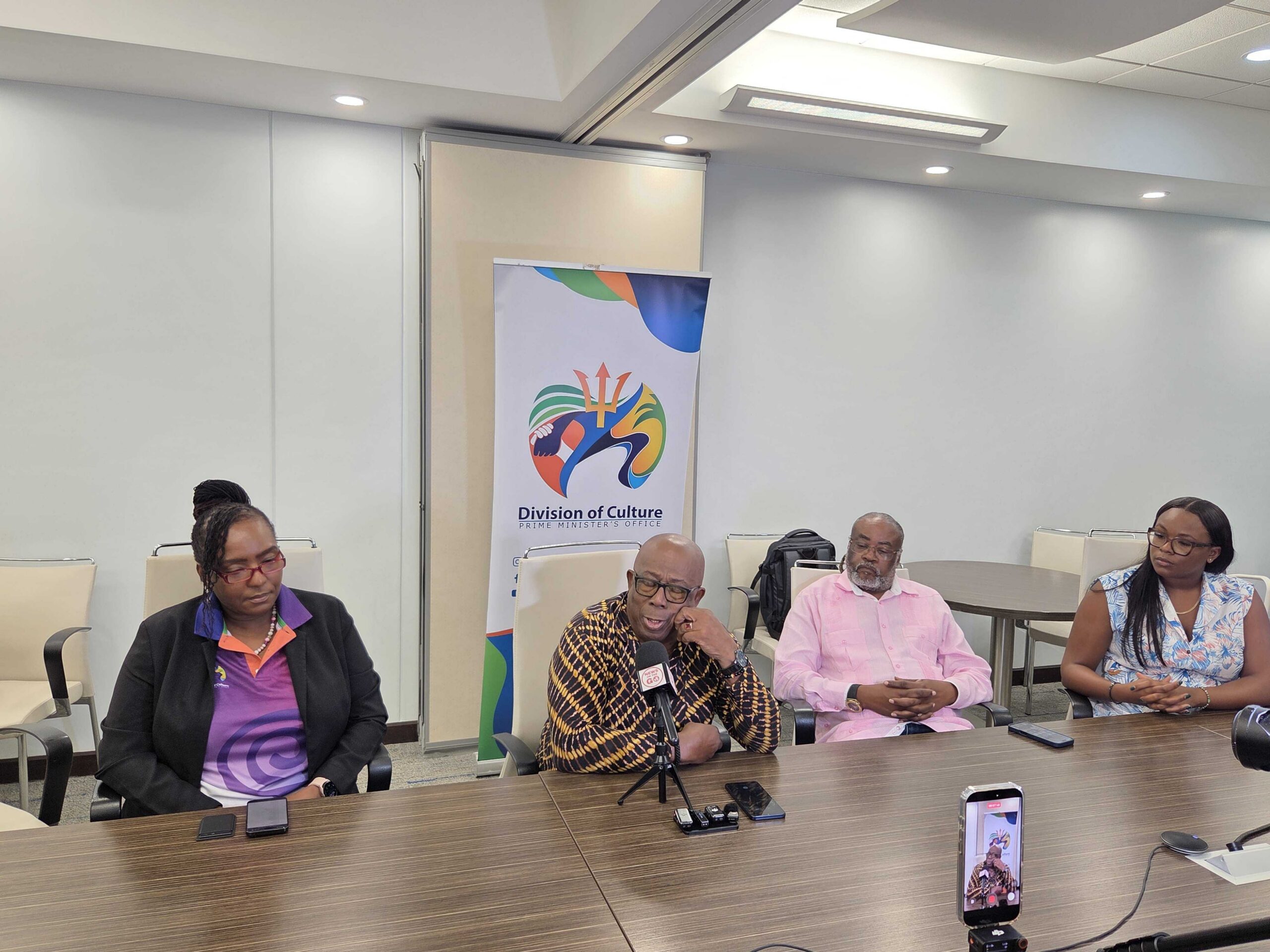
    Barbados’ creative and entrepreneurial communities have been called to step forward as the fourth annual Marcus Garvey Entrepreneurship Pitch Competition officially opened its application window on Friday, offering a total of $30 000 in cash prizes to emerging innovators looking to turn cultural talent into scalable commercial ventures. Jointly organized by the island’s Division of Culture and the Office of Pan-African Affairs and Heritage, the competition aims to boost business development across Barbados’ cultural industries while growing its participant base for the fourth consecutive year. Applications from eligible creators will remain open until midnight on July 31.

    Organizers have set an ambitious target to double entry numbers this year, building on the rapid growth the competition has seen since its launch. Entries jumped from just 15 in 2023 to more than 60 in 2024, a trajectory event leaders hope to continue as they raise awareness of the opportunity across the island’s creative community. The core mission of the event remains bridging the long-standing gap between raw creative talent and sustainable, revenue-generating commercial enterprise, a gap that has limited growth for many cultural workers across the Caribbean.

    Program advisor Rodney Grant from the Division of Culture framed the current moment of global economic uncertainty as a unique catalyst for innovation, drawing on decades of observation of creative activity across the Caribbean region. “When societies face particular challenges is when you see innovation at its best,” Grant explained. “I spent a lot of time in Trinidad in the 1980s, and I saw firsthand that when Trinidad and other Caribbean societies went through their most difficult economic periods, that was exactly when we saw the most creativity from ordinary people. This contemporary global economic climate creates the right opportunity for innovation and creativity to flourish.”

    Grant made a specific appeal to young Barbadians to take ownership of the future of the island’s cultural sector, noting that young creators are already leading shifting trends in global cultural industries. “We’re specifically encouraging young people to take part. This is your time. This is the moment for the cultural and creative sectors to thrive, and young people are the ones who have their fingers on the pulse of what audiences want right now,” he said.

    The competition’s prize structure rewards top performers with substantial seed funding to grow their ideas: first place takes home $20 000, second place receives $7 000, and third place is awarded $3 000, making the total available cash pool $30 000. In a change to the 2025 format, the event will move away from its previous public final round. Instead, applicants will go through a private preliminary elimination round, after which five shortlisted finalists will deliver closed pitch sessions to a panel of industry specialists.

    A key theme emphasized at the competition’s launch was the need for Barbadian creative founders to scale their concepts beyond the island’s small domestic market to reach global audiences. Minister of Pan-African Affairs and Heritage Trevor Prescod highlighted the untapped global demand for Barbadian cultural products, ranging from fine art to traditional culinary goods. He pointed to the example of a Barbadian expatriate who was able to pay for property in New York entirely through revenue from sales of her traditional Barbadian sweet bread, proving the global market potential of even the most traditional cultural offerings.

    To ease anxiety among prospective applicants who may worry their business ideas are not fully developed, Grant sought to reassure potential participants that incomplete business plans are no barrier to entering. “We don’t expect that you’re gonna have every T crossed, every I dotted,” he said. “If you wait for perfection, we will never start or we will never do anything. Nothing in this world requires perfection, but it requires you to start and to have a clear vision of what you want to achieve. Our panel meets every entrant where they are, and we will work to understand what you are trying to pitch and accomplish.”

    Prescod positioned the competition within the wider framework of Barbados’ annual Season of Emancipation, challenging long-held harmful stereotypes about entrepreneurship in Caribbean society. “We have internalized the myth that an entrepreneur is someone born with special, almost divine endowments, that only a tiny handful of us have what it takes to build a business,” Prescod said. “If you look back at our history before slavery, you would know that is not true. We successfully built many empires, many businesses, and there is endless creativity within our people.”

    Drawing on the legacy of the competition’s namesake, Marcus Garvey, Prescod recalled that the iconic Jamaican Pan-African leader built international shipping lines, printing houses, and global publications in the 1920s without any formal advanced academic training. “He didn’t say you had to be an economist, he didn’t say you had to study law,” Prescod noted. “What Garvey taught us is that the most important things are discipline and a commitment to seeking knowledge. A person with those qualities can achieve anything they set out to do by exploring the world of knowledge.”

    The minister also tied the competition to a broader national goal of economic transformation and Black economic enfranchisement, arguing that widespread business ownership is a core tool for addressing systemic inequality. “I don’t want to hide the core of what this is about: Black economic empowerment,” he said. “We live in a country where over 96 percent of the population is of African descent, and yet we are still struggling just to gain control of our own Black businesses — and worst of all, we only have small Black businesses. I want to see all of our creators excel to the greatest heights, competing on the global stage.”

    To support potential applicants in understanding what kinds of projects qualify, the Division of Culture is publishing a detailed outline of the cultural and creative sectors, encouraging entrants to think beyond traditional definitions of creative work and submit a wide range of concepts. Applications can be submitted either individually or as a team via the official Google Sheet link posted to the social media channels of the Division of Culture and the Barbados Government Information Service. Applicants facing digital access barriers can request alternative submission arrangements by emailing culture.coe@barbados.gov.bb before the July 31 deadline.
  • Senator Rogers: Nation under siege

    Senator Rogers: Nation under siege

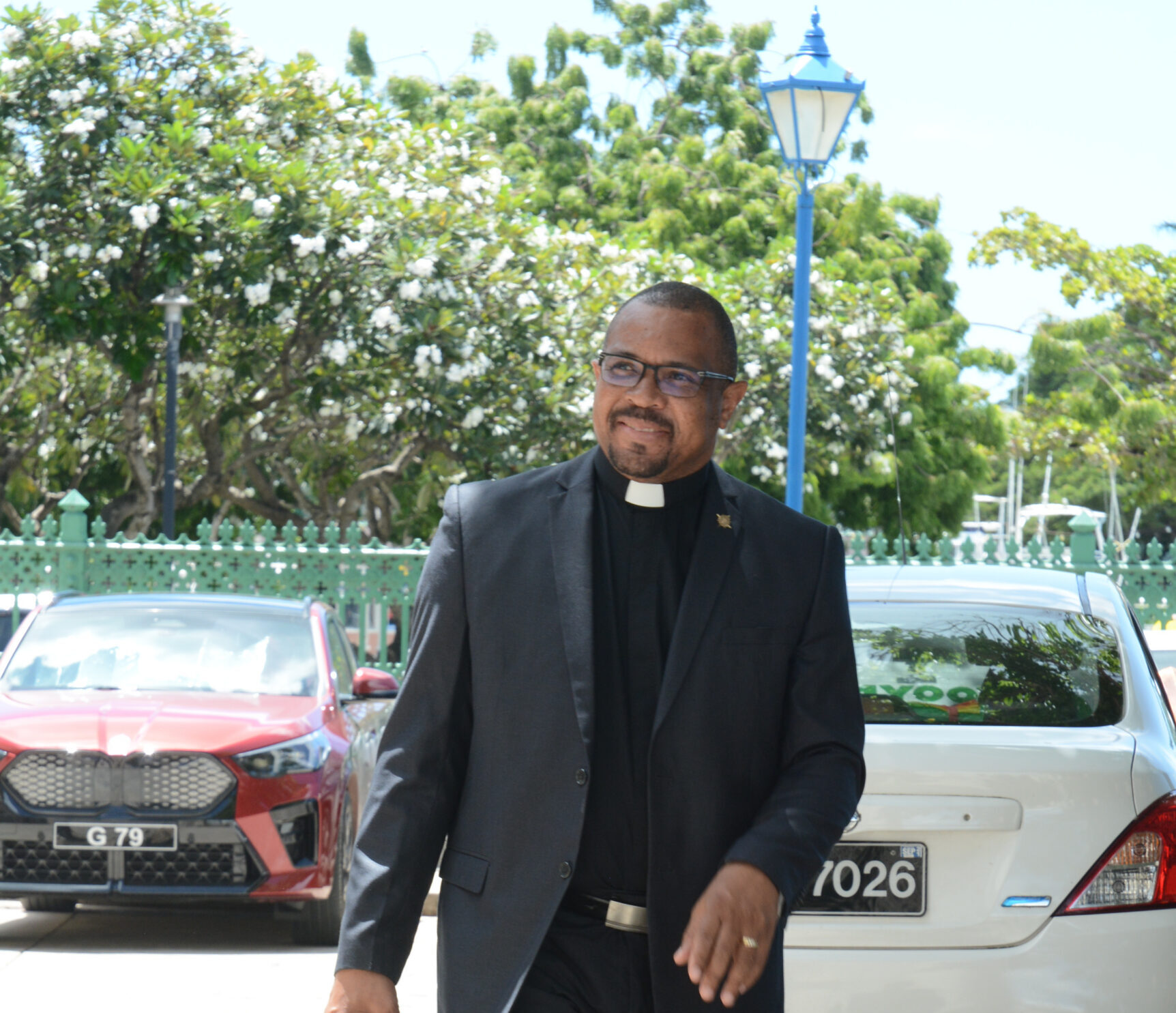
    As the Barbadian Senate took up debate on the groundbreaking Criminal Gangs (Prevention and Control) Bill Friday aimed at curbing the island nation’s surging violent crime and gang activity, independent senator and Anglican cleric Canon Dr. John Rogers delivered a somber, impassioned address that framed the current crisis as a defining failure of the country’s social and moral fabric. Opening his remarks with a heavy heart, Rogers drew parallels between the proposed new legislation and oppressive control laws enacted during the colonial slavery era, noting that centuries ago, Barbadian parliament passed harsh laws to dehumanize and control enslaved Africans, classified then as dehumanizing terms like “bucks” and “wenches” as chattel property. Today, he lamented, the country once again finds itself forced to pass sweeping control laws to rein in widespread criminal violence — a marker of how far Barbados has drifted from its foundational values, ahead of a series of landmark national milestones. “Barbados has become a foreign place,” Rogers stated, explaining the shift extends beyond changing demographics to alien, harmful ideologies that have taken root across society, coinciding with upcoming milestones including the 400th anniversary of the island’s settlement, the 60th anniversary of national independence, and the fifth anniversary of Barbados’ transition to a republic. Next year will also mark 400 years since the Anglican Church was established on the island, a history Rogers acknowledged is tied to the transatlantic slave trade, but he emphasized that faith institutions across denominations have been a cornerstone of Barbados’ moral and social development. From Anglicans and Methodists to Roman Catholics, Moravians, Adventists and Pentecostal congregations, religious groups have shaped generations of young Barbadians through youth programmes like the Church Lads’ Brigade, Church Girls’ Brigade, Pathfinders and Cub Scouts, building the social fabric that holds communities together, he argued. Turning to the substance of the anti-gang legislation, Rogers warned the bill cannot be considered separately from the interception of communications law passed last year, noting that modern Barbadian gang activity is no longer limited to local neighborhood factions. Today’s gangs are deeply connected to regional and international transnational criminal syndicates, creating a systemic challenge that extends far beyond the island’s borders, he explained. While Rogers expressed clear support for the proposed bill and its provisions to close legal loopholes and strengthen penalties for gang affiliation and activity, he stressed that legislation alone cannot reverse the tide of rising violent crime. To meaningfully address the crisis, the country must confront the root causes embedded in the core of society, working to transform the harmful mindsets that fuel criminal behavior, he argued. Echoing earlier calls in the debate to reclaim local communities from gang influence, Rogers said lasting societal change will require open, difficult conversations about core values, personal accountability and social discipline. He welcomed the Ministry of Education Transformation’s ongoing review of school grooming policies, arguing that educational institutions have a responsibility to prepare young people for entry into the workforce. Allowing young male students to attend school with unkempt, unkempt hair and little regard for personal presentation sets them up for long-term failure, he argued, as employers will be far less likely to give these young people opportunities to build stable careers. Rogers also doubled down on long-held concerns about drug decriminalization, first raised during the 2019 debate on cannabis legislation, warning that the widespread proliferation of cannabis on Barbadian streets has directly contributed to the current crime surge, with visible fallout across communities. Beyond drugs, Rogers linked rising crime to broader shifts in cultural norms, calling out what he described as increasingly vulgar and degrading messaging in popular music and entertainment showcased during the annual Crop Over festival. The content of modern cultural output shapes how Barbadians value one another, particularly how women are viewed and valued by society and themselves, he said, urging cultural creators and practitioners to prioritize uplifting, values-driven content that strengthens rather than erodes community standards. A pervasive reluctance to hold young people accountable for their actions has also weakened social guardrails, Rogers argued, noting that decades of shifting attitudes toward discipline have left many children without clear boundaries. Today, society fears even constructive discipline to the point that children are raised without expectations of accountability, he argued, likening the overprotective approach to raising fragile eggs rather than resilient, responsible young people. Compounding this issue is a growing culture of entitlement, Rogers said, where too many young people expect wealth and success without investing the effort of attending school, building skills or working their way up. “Only the grave digger starts from the top,” he noted, urging young people to take entry-level and available work while pursuing better long-term opportunities, even when formal employment options are limited. Early intervention is critical to steer at-risk children away from a path toward violent crime, Rogers stressed, explaining that young children who do not learn impulse control and basic accountability grow into adults who are willing to use lethal violence without considering the harm to innocent bystanders. He also called for a renewed emphasis on civics education to help all citizens understand how criminal behavior damages families, destroys communities and tarnishes Barbados’ international reputation, which is critical to the island’s economic and social standing. Becoming visibly emotional during his speech, Rogers mourned the recent fatal shooting of a former student and cricketer he had coached, offering condolences to the young man’s family and holding the killing up as a painful example of the human cost of the current crime crisis. He also recalled the killing of a local small business vendor, who was killed by a stray bullet while working to build a better life for his family — an incident that has continued to weigh on him in the months since the shooting. Closing his address, Rogers made a direct appeal to parents, particularly single mothers raising children alone, to take greater responsibility for guiding and monitoring their children. He reiterated his earlier historical parallel: when a community allows behavior that violates basic social standards to become normalized, society is ultimately forced to enact restrictive laws to control that behavior. “If we’re going to behave like bucks and wenches, laws will have to be passed to control us,” Rogers said. “Tie your children.”

  • Scientist warns of possible climate link to hantavirus outbreaks

    Scientist warns of possible climate link to hantavirus outbreaks

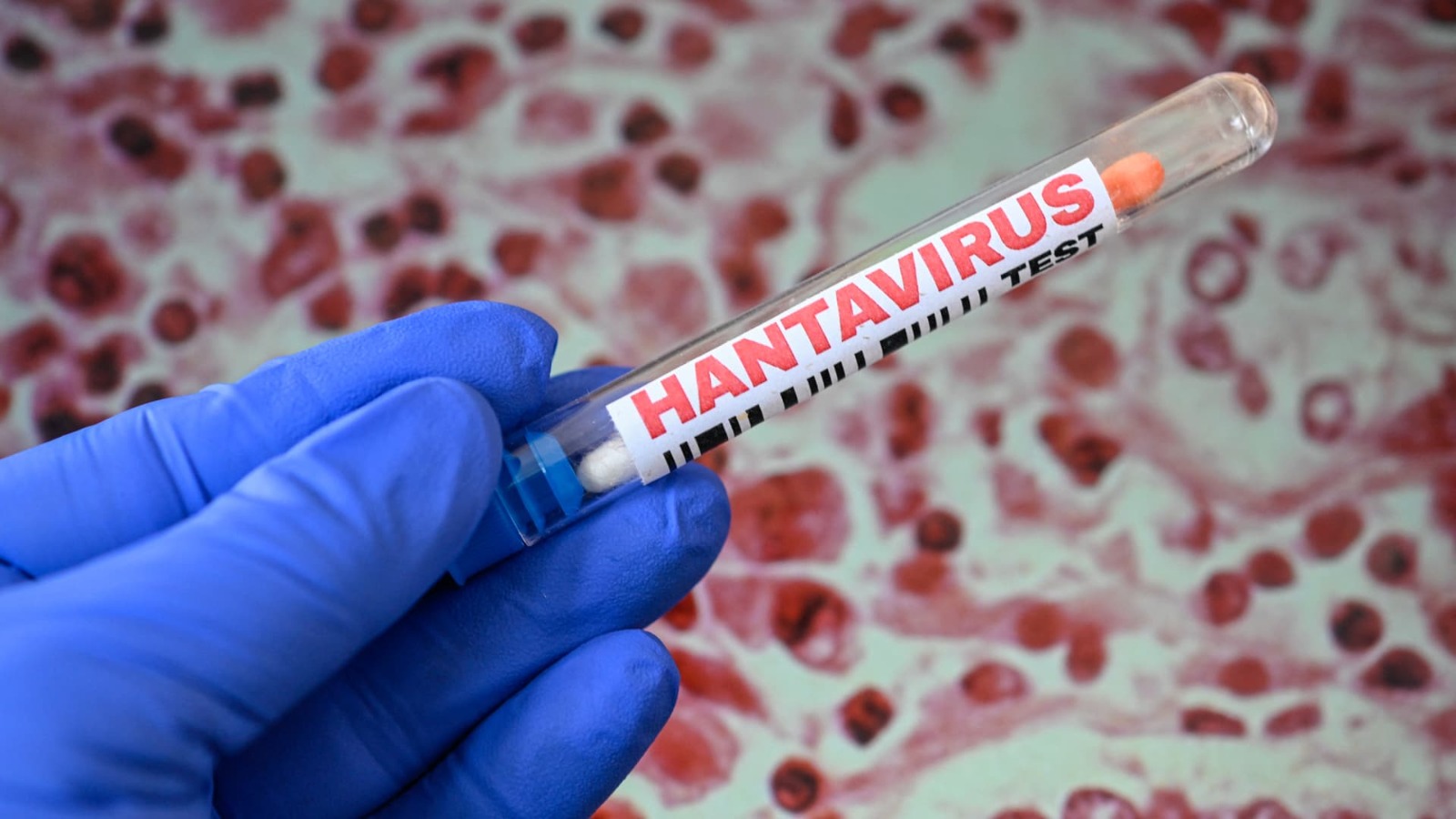
    As a growing body of scientific research investigates whether shifting climate patterns are accelerating the geographic spread of hantavirus – a life-threatening pathogen transmitted primarily through rodents – a leading Caribbean-based biosecurity expert is urging regional communities to boost surveillance, preparedness, and diagnostic capacity to mitigate emerging risks.

    Dr. Kirk Douglas, director of the Centre for Biosecurity Studies at The University of the West Indies’ Cave Hill campus in Barbados, says that while the approaching El Niño event, a climate pattern linked to elevated global temperatures, does not guarantee an imminent hantavirus outbreak in the region, it serves as a critical early warning signal. This signal, he argues, should prompt governments and public health authorities to roll out proactive measures including expanded rodent population monitoring and functional early warning systems where resources allow.

    Global public health data already reflects worrying shifts in hantavirus transmission. Globally, the virus has caused three confirmed fatalities among 13 documented cases to date, and in Argentina – where a high-profile outbreak linked to the MV Hondius cruise ship drew international attention in recent weeks – annual confirmed cases have more than doubled over the last 12 months. Scientists are currently working to unpack the specific climate and ecological drivers that are allowing the pathogen to take hold in regions where it was previously rare or undetected.

    Douglas emphasized that the spread of hantavirus and other emerging pathogens into new geographic ranges is not an act of nature, but a consequence of unregulated human activity that disrupts natural ecosystems. “Outbreaks like this remind us that human health is not separate from ecological or environmental health,” he explained. When humans clear forests for resource extraction, reduce biodiversity by oversimplifying natural ecosystems, mismanage solid waste, expand urban development into untouched animal habitats, intensify agricultural production without proper environmental safeguards, and ignore clear climate warning signs, they create far more opportunities for dangerous pathogens to jump across species barriers to humans, he argued.

    Crucially, Douglas stressed that this does not mean nature itself is the enemy. “The problem is unmanaged contact, ecological disruption, and weak preparedness, which all boils down to human behaviour. We need a more respectful, intelligent relationship with the natural world, one that recognises public health, climate resilience, biodiversity, agriculture, tourism, waste management and urban planning, as all part of the same interconnected system.”

    Hantavirus itself is an ancient pathogen, Douglas noted, but the risk it poses to communities today is a distinctly modern challenge tied to human disruption of natural systems. “The health of people, animals and ecosystems…we can no longer govern them separately,” he said. “We have to have transdisciplinary approaches to the way we tackle diseases; and I believe that human behaviour is by far the most critical factor that we need to target.”

    Beyond ecosystem disruption and climate-driven spread, Douglas also warned that widespread misdiagnosis poses a major underaddressed risk to Barbados and the broader Caribbean. Many common regional viral diseases present nearly identical early symptoms: hantavirus, dengue, Zika, chikungunya, and Oropouche virus all cause acute febrile illness that can be hard to distinguish without targeted testing. In many cases, he explained, clinicians default to a diagnosis of dengue – the most common of these pathogens – without conducting confirmatory laboratory testing, simply because it is faster and more convenient. This practice not only hides the true scope of circulating pathogens in the region, but can also delay life-saving treatment for less common diseases like hantavirus.

    To address this gap, Douglas called on clinicians to systematically ask patients about potential exposure risks, including recent travel, contact with rodent populations, activities like cleaning enclosed rarely used spaces, farming, or camping that can increase the chance of encountering the virus. For clinical laboratories, he recommended updating testing protocols to account for exposure history, geographic location, seasonal patterns, and clinical severity, rather than automatically testing only for the most common endemic disease. Drawing on his own doctoral research, which documented cases of co-infection between dengue and hantavirus, Douglas noted that the landscape of circulating pathogens in the Caribbean is shifting rapidly. New pathogens are emerging or being detected every few years, he explained, and many of these may have been present in the region for decades without detection due to lack of targeted testing.

    “Having multiple diagnostics and referral pathways will be very, very important” to address the changing threat landscape, Douglas concluded.

  • Bajan youth trail regional peers in green economy awareness

    Bajan youth trail regional peers in green economy awareness

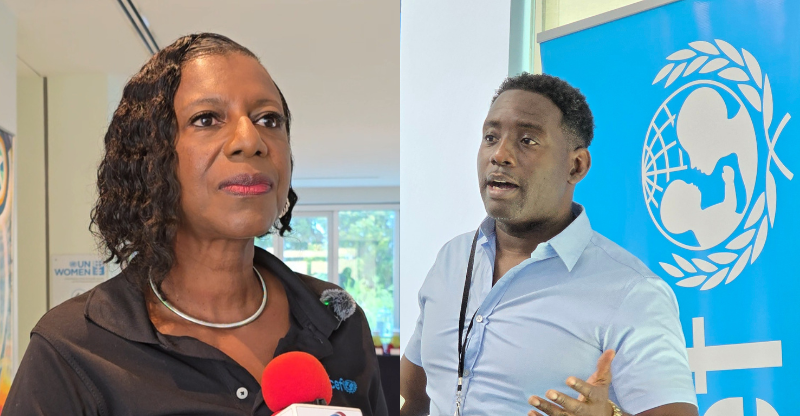
    Barbados has emerged as a regional leader in prioritizing climate resilience and advancing climate-friendly investments across government and community levels, but a new UNICEF-commissioned study has uncovered a critical gap: the island’s young people trail their peers across the Eastern Caribbean in awareness of green and circular economy opportunities. The research, which examined youth engagement across four island nations — Antigua and Barbuda, Barbados, Dominica, and St. Lucia — was officially released on World Environment Day during a public presentation focused on youth perspectives on climate action. Titled “Young People’s Knowledge, Attitudes and Practices on Climate Change and Green and Circular Economies in the Eastern Caribbean”, the project was designed to create an evidence base for building more inclusive climate programs that center young people’s needs and input.

    Lead researcher Professor Dwayne Devonish explained that while Barbados’ significant investments in climate resilience have gained international recognition, there is a clear disconnect between these top-level efforts and youth understanding of how young people can participate in related sectors. Contrary to common assumptions, this gap is not rooted in a lack of interest among Barbadian youth, but rather in how information about green and circular economy opportunities is communicated. “Many young people we spoke to acknowledged that the government is moving forward with climate-ready investments, but they consistently reported that the information provided is not framed in accessible language for their age group,” Devonish noted in remarks to reporters following the findings’ presentation at UN House in Bridgetown.

    Focus group discussions conducted as part of the study revealed clear demands from Barbadian youth: they want more accessible information about green career pathways, paid internships, and skills training programs in sustainable sectors. Within the national education system, many respondents called for updated curricula that explicitly break down what green and circular economy activities entail, and map out clear routes for young people to enter these fields through education, work experience, and professional development. “What young people are asking for is for these investments to be made tangible for them,” Devonish said. “They want opportunities they can actually access, explained in terms they can actually understand.”

    The study also offered a useful point of comparison: Dominica, which outperformed Barbados on metrics of youth awareness and engagement, owes its stronger results to two key factors. Beyond the fact that Dominica has faced more frequent and severe climate-fueled natural disasters that put climate issues at the forefront of public life, the Dominica government has also pursued more consistent, aggressive outreach and programming to embed climate action across all levels of society. “Frequent exposure to disasters naturally makes climate issues more personal for young people, but it is also the government’s consistent response that has driven higher engagement,” Devonish explained. Too often in Barbados, he noted, large-scale climate investments and technical projects are led exclusively by senior experts and specialists, with no structured plan to pass knowledge and opportunities down to younger generations. That missing link between national investment and youth participation has resulted in lower buy-in, even among young people who care deeply about climate action.

    UNICEF’s social and behaviour change specialist Dr. Lisa McClean-Trotman said the organization will now support Eastern Caribbean governments to develop new social and behaviour change strategies in response to the study’s findings. These strategies will need to go beyond simple awareness-raising, she emphasized, to address the structural barriers that prevent young people from participating in climate action and green economy sectors. “The findings for Barbados were somewhat unexpected, but they do not mean that Barbadian youth are disengaged or uninterested in climate issues,” McClean-Trotman stressed. She pointed out that much of the gap may stem from terminology: young people may understand concepts like recycling or sustainable job creation, but do not recognize the academic jargon of “green economy” or “circular economy” that officials and experts often use.

    “Barbados has done strong work to build public awareness of climate change overall, but we need to adjust how we frame these messages for younger audiences,” she said. “We have to pivot to use language that resonates with young people, terms and examples that they can relate to and connect with their own lives.”

  • West Indies must improve approach against Sri Lanka spin

    West Indies must improve approach against Sri Lanka spin

    As cricket fans prepare for a make-or-break second One-Day International between West Indies and Sri Lanka at Kingston’s iconic Sabina Park this Saturday, head coach Daren Sammy has pinpointed a critical area of improvement his side must deliver: a more assured, aggressive approach against Sri Lanka’s spin attack.

    The series currently hangs in Sri Lanka’s favor, with the visitors holding a 1-0 advantage after a commanding 41-run win in the opening fixture on Wednesday. That result marked a historic milestone for Sri Lanka, as it was their first ever ODI victory over West Indies on the Sabina Park ground.

    For the home side, the run-up to this weekend’s match carries added pressure. While West Indies have posted strong ODI results on home soil over the past 18 months, the team has now dropped five consecutive matches in the 50-over format. With the qualification cutoff for the 2025 ICC Men’s Cricket World Cup rapidly approaching, this prolonged slump has emerged as a key point of concern for Sammy and the team’s coaching staff.

    In pre-match comments to reporters, Sammy emphasized that adapting to Sri Lanka’s spin bowlers is non-negotiable for a win on Saturday. “I think we definitely have to play their spin much better; you know, their spinners went probably for 68 runs off 20 overs. It’s something that we have to be better at in the next game. We’ve spoken about it and it’s about getting the confidence to have all the skills they’ve been working on to implement it in the game,” Sammy explained.

    Despite the recent string of losses and the series deficit, Sammy remains optimistic that his side can turn the tide over the remaining two fixtures. He urged his players to lean on past home series comebacks to find momentum, pointing to positive takeaways from the opening match despite the final result.

    “I think we’ve been in positions like this before over some of the series we’ve won at home and come back stronger,” he said. “We had two new openers in John [Campbell] and Justin [Greaves] and the way they approached the game, that controlled aggression, was good. Captain Shai Hope continues to lead the batting. I thought the new ball spell was really good, Matthew [Forde] and Jayden [Seales] continue to ask questions. But like I said earlier, tomorrow is a new day.”

    With the pitch conditions set to play a key role in the match outcome, Sammy confirmed the coaching staff is considering potential squad changes to optimize the team’s balance for the surface. He noted that the second match pitch appears to be in better condition than the opening game’s wicket, which featured several bare patches that increased spin variation.

    “The first game there were some bare patches where the ball spun, but looking at the surface today, it looks much better and harder and I expect it to be firmer, so then I don’t expect it to spin that much. We have our 12 and will make a final call when we see the pitch tomorrow,” Sammy added.

    Saturday’s match will also carry personal significance for West Indies captain Shai Hope, who is set to cap off a stellar ODI career by playing his 150th match in the format. Sammy heaped praise on Hope’s leadership and consistent performance over the past four years, calling him one of the greatest ODI batsmen in West Indies history.

    “You know, I see him as one of our greatest ODI batsmen with his record and his consistency, but for me just having been here working with him and seeing him work, there’s no surprise to me the numbers he puts out there,” Sammy said. “He pays a lot of attention to details with his preparation and he works really hard to be consistent and averages 50 plus in ODI cricket. So congrats to you Shai on this milestone and hopefully you and the rest of the team could make it a victorious one.”

  • Barbadian Tourism Leader Petra Roach Inducted into Inaugural CTO Hall of Fame at Caribbean Week New York

    Barbadian Tourism Leader Petra Roach Inducted into Inaugural CTO Hall of Fame at Caribbean Week New York

    Amid the annual industry gathering of Caribbean Week New York, held at the InterContinental New York Times Square in June 2026, a landmark moment unfolded for Caribbean tourism: the first-ever induction ceremony for the Caribbean Tourism Organisation (CTO) Hall of Fame, launched this year to honor trailblazing women who have reshaped the region’s travel sector. Among the small, elite group of inaugural inductees is Petra Roach, a seasoned Barbadian tourism executive with more than two and a half decades of experience shaping regional travel growth.

    The new CTO Hall of Fame was created specifically to spotlight women whose visionary leadership, innovative approaches, and long-standing contributions have advanced Caribbean tourism and driven broader socioeconomic progress across the island nations. Roach shares the inaugural honor with five other industry standouts: Karolin Troubetzkoy, executive director of Anse Chastanet and Jade Mountain; Rosa Harris, Director of Tourism for the Cayman Islands; Valérie Damaseau, Commissioner of Tourism & Culture for Saint-Martin; Marsha Henderson, Minister of Tourism for St. Kitts & Nevis; and Beverly Nicholson-Doty, CEO of Figment Design. Each inductee has left an indelible mark on the sector through consistent commitment to industry excellence.

    In her remarks following the induction, Roach emphasized that the recognition is not solely a personal achievement, but a reflection of the community that has supported her throughout her career. “This recognition is deeply meaningful because it reflects the many mentors, colleagues, partners, and teams who have been part of my journey,” Roach said. “Tourism has the power to transform economies and improve lives, and I am grateful to have contributed to the growth and success of our region.”

    Roach’s reputation as one of the Caribbean’s most respected tourism leaders has been built across a series of high-impact leadership roles. As former CEO of the Grenada Tourism Authority, she steered the destination to a period of unprecedented, record-breaking growth and elevated its global profile, drawing increased international visitor arrivals and industry acclaim. Before that, she held multiple senior leadership positions across Barbados’ domestic tourism sector, including Vice President for the United Kingdom market, Head of Global Markets, and Interim CEO of the Barbados Tourism Authority.

    This latest honor adds to a growing list of recognitions of Roach’s impact: in 2024, she made history as the first recipient of CTO’s Director of Tourism of the Year award, a milestone that further cemented her reputation as a leader defined by strategic vision, creative problem-solving, and tangible, measurable results for the regions she has served.

    Today, Roach holds the position of Director of Sales and Marketing at Wyndham Grand Barbados Sam Lord’s Castle Resort & Spa, where she continues to bring her expertise to one of the island’s flagship hospitality properties. Beyond her day-to-day role, she remains a vocal advocate for advancing industry standards, nurturing the next generation of tourism leaders, and strengthening cross-regional collaboration to elevate Caribbean tourism as a whole. The CTO Hall of Fame induction cements her legacy as a foundational figure in the modern development of the region’s most vital economic sector.

  • Zeemoney shuts shop after Central Bank suspension order

    Zeemoney shuts shop after Central Bank suspension order

    A Barbados-based fintech firm that facilitated cross-border money transfers for both local residents and international users has permanently closed its doors on the island, in the wake of regulatory enforcement action from the Central Bank of Barbados.

    Zeemoney (Barbados) Limited, which operated four retail locations across the country, first saw its activities halted in early May, when the central financial regulator suspended its operating license for a 30-day period running from May 5 to June 4. The regulator, which oversees all licensed financial service providers in Barbados, confirmed that its supervisory division had raised significant red flags across four key areas of the fintech’s operations: its overall financial health, corporate governance structures, adherence to local regulatory requirements, and long-term operational continuity.

    The enforcement order issued by the bank banned the company, which is led by Ghanaian fintech entrepreneur Andrew Takyi-Appiah, from offering any form of money or value transmission services. Takyi-Appiah, who previously held roles at global giants including PwC and Nestlé, founded Zeepay in 2015, which has grown into one of Africa’s largest cross-border mobile money and remittance platforms. The Barbadian Zeemoney venture marked part of Zeepay’s broader regional expansion push into the Caribbean market.

    Prior to its closure, Zeemoney Barbados offered a full suite of digital financial services, covering international remittances, mobile money transfers, digital wallet solutions, general payment processing, and final settlement of transfers into local bank accounts, debit cards, and personal mobile wallets.

    When the regulator first announced the license suspension, it noted that the action came after a comprehensive supervisory review that uncovered ongoing issues that had substantially worsened its concerns around the fintech’s financial standing, governance, ability to continue operating, and regulatory compliance. Under the terms of the suspension, Zeemoney was ordered to fix all confirmed deficiencies within the 30-day timeline, per Section 50 (1)(a) of Barbados’ financial regulatory legislation. The bank warned at the time that failure to address the issues would trigger additional supervisory action.

    Contrary to expectations that the firm would work to resolve its compliance issues, however, the company announced via its official website on Friday that it had formally requested approval from the Central Bank of Barbados to voluntarily wind down all of its operations in the jurisdiction. In its statement, the fintech pledged to collaborate fully with the regulator to ensure an orderly wind-down process, and confirmed that customers would receive formal guidance on accessing their remaining funds in the near future.

    At the time of closure, Zeemoney was headquartered at the Dome Mall in the Warrens business district, with additional branch locations in Speightstown (St Peter), Hastings (Christ Church), and the Sheraton Mall Annex, also located in Christ Church.

  • BFA chief hails competitive season across divisions

    BFA chief hails competitive season across divisions

    As the 2026 domestic football calendar in Barbados nears its final stretch, the head of the island’s governing body has delivered a largely positive assessment of the year’s campaign, pointing to strong competition, growing regional recognition, and expanding participation from international players as key highlights.

    Randy Harris, president of the Barbados Football Association (BFA), told local outlet Barbados TODAY that the season has mostly exceeded or met the organization’s expectations, even as one lopsided result sparked internal review. The top-flight Premier League campaign has already wrapped up, with Weymouth Wales securing an unprecedented fifth consecutive league title. The lower-tier Divisions One and Two and the knockout-style Champions Cup are still ongoing, with key matches scheduled to move to the BFA’s Wildey Technical Center in the coming weeks.

    Harris noted that the Premier League got off to a highly competitive start, with tight fights at both the top and bottom of the table for most of the campaign. The only notable blemish on the season, he said, was a 23-0 blowout that stemmed from one club fielding an incomplete roster. That outcome does nothing to advance the development of the sport in Barbados, Harris explained, adding that the BFA will launch an inquiry into the incident by sending an official letter to the club to clarify what led to the incomplete squad.

    Beyond that single incident, Harris voiced full confidence in the strength of the island’s domestic competitions, particularly calling out Division One, the country’s second-tier league, for its consistently high intensity. “It is a fight every week,” Harris said of the division. “They play on community open grounds, and you get really strong local support for the teams. Right now, it’s still anyone’s guess who will take the title – that’s how competitive it is.”

    The BFA will not pause ongoing domestic matches while the 2026 FIFA World Cup is being held in the region, Harris confirmed. Following the conclusion of the current competitions, the BFA will move straight into its annual calendar of flagship events, starting with the island’s popular Crop Over festival, then the Prime Minister’s Cup – widely considered the top domestic showcase for Barbadian football. “We’re pushing full steam ahead to wrap this season out properly,” Harris said.

    One of the biggest wins for the Premier League this year, Harris added, is its growing positive reputation across the Caribbean. That growing profile has come largely thanks to the league’s broadcast partnership with FIFA+, which makes matches available to stream internationally, bringing Barbadian football to a much wider regional audience. This season, the top flight has already featured a number of players from other Caribbean nations, including St Vincent and the Grenadines attacker Kirtney Franklyn, who claimed the league’s Golden Boot award. Coaches and club executives across the league expect the number of incoming international players to rise next season, and Harris shares that expectation.

    Harris recounted that one visiting player from St Vincent and the Grenadines he spoke with praised the competitive quality of the Barbadian league and said he enjoyed the experience of competing alongside local players. Harris noted that the Barbadian season’s schedule works in the league’s favor when attracting regional talent: it runs outside the traditional window of most other Caribbean leagues, giving out-of-contract or active players from neighboring countries an opportunity to compete while their home seasons are off.

    “Our schedule lets footballers from other countries come play here on this beautiful island, get competitive minutes, and experience a different league,” Harris said. “I expect that word will keep spreading, and more talent will come our way in the coming seasons.”

    Harris, who also serves as a FIFA Council member and Concacaf vice-president, is set to depart Barbados on Tuesday for the 2026 World Cup finals, with plans to return to the island on July 20. He said he is looking forward to the tournament, which is being hosted for the first time across multiple North American countries in the Concacaf region. “I’m excited to watch the best players in the world compete at the best tournament in the world,” he said. “It’s going to be a really special joyous occasion for everyone lucky enough to be there for it in the region.”

  • Alfred beats Jefferson-Wooden in Diamond League opener

    Alfred beats Jefferson-Wooden in Diamond League opener

    In an electrifying showdown at Rome’s iconic Stadio Olimpico on Thursday, June 4, Julien Alfred of Saint Lucia delivered a career-defining performance to secure top honors in the women’s 200m at the Golden Gala Pietro Mennea Wanda Diamond League meeting, outpacing the sport’s defending world champion to take the win.

    Just one week shy of her 25th birthday, Alfred crossed the finish line with an impressive time of 21.93 seconds, aided by a 1.3 meter-per-second tailwind that gave her a slight boost throughout the final stretch. Despite a wobbly start that left her trailing early in the race, Alfred found her rhythm in the back half of the course, pulling ahead of competitor Melissa Jefferson-Wooden to claim the victory that marked her first Diamond League outing of the 2025 season.

    Jefferson-Wooden, the American sprinter who swept both 100m and 200m gold medals at last year’s World Athletics Championships held in Tokyo, got off to a blistering start and led through the first 100 meters. But she could not maintain her early pace, finishing 0.24 seconds behind Alfred with a time of 22.17 seconds to take second place. Thursday’s race marked a long-awaited return to competitive action for Jefferson-Wooden, who had stepped away from the track for a nine-month hiatus. In a charming twist of fate, she spent part of her break on her honeymoon in Alfred’s home country of Saint Lucia.

    Alfred enters this season as one of the most dominant sprinters on the Diamond League circuit, boasting back-to-back 100m titles from previous seasons. She already holds the world’s fastest 200m time for the 2025 calendar year, having clocked a blistering 21.86 seconds at a meet back in April. Thursday’s winning result marks the sixth-fastest 200m time of Alfred’s professional career, a remarkable achievement given her unsteady opening to the race.

    Fans will not have to wait long for a rematch between the two top sprinters: the pair are already scheduled to face off again in the women’s 100m at the Prefontaine Classic, set to take place on July 4 in Eugene, Oregon. The upcoming race is already shaping up to be one of the most anticipated sprint events of the outdoor track and field season, as both athletes look to gain momentum ahead of future major championships.

  • Women benefit from Egi and JMMB International Masterclass

    Women benefit from Egi and JMMB International Masterclass

    A transformative initiative focused on closing the gender wealth gap in the Caribbean has marked another major milestone, as the third iteration of the Women & Wealth Masterclass, hosted by women’s empowerment network Egi Women in partnership with regional financial services leader JMMB International, wrapped up to enthusiastic acclaim in Barbados.

    The in-person event, which capped its registration at 50 spots to ensure personalized, high-quality engagement, drew a full house of participants from across the island, bringing together women of diverse professional and personal backgrounds for a deep dive into actionable strategies for financial wellness, intentional investing, and long-term intergenerational wealth building. This masterclass is a core component of Egi Women’s ongoing mission to dismantle systemic barriers to financial literacy for women, by equipping them with the accessible knowledge, practical tools, and confidence needed to make autonomous, informed financial choices that benefit both themselves and their households.

    Gina Cummins, founder and CEO of Egi Lifestyle Inc. — the parent organization of Egi Women — emphasized that the initiative could not be timelier. As women increasingly take on leadership roles across every sector of the Barbadian economy, from small business ownership to household management and corporate governance, closing the gap in financial empowerment has become an urgent priority. “Financial empowerment remains one of the most critical conversations we can have with women today,” Cummins explained. “This masterclass aligns directly with our mission to help women build on the assets and resources they already hold, so they can thrive and secure a higher quality of life for their families. Collaborations like our partnership with JMMB International let us deliver meaningful, hands-on experiences that translate knowledge into real action.”

    Michael Jordan, executive director of JMMB International, echoed that sentiment, noting that the masterclass aligned seamlessly with his organization’s longstanding vision of expanding financial literacy and inclusive market access across the Caribbean region. Jordan stressed that expanding investment education is central to JMMB International’s commitment to reducing economic inequality, making the collaboration with Egi Women an obvious priority. “This is just the first of many partnerships we plan to advance investment education across the region,” he said. “Our goal isn’t just to share knowledge — it’s to open doors to both regional and global investment markets for people who have historically been locked out of those spaces.”

    The day’s sessions were led by C. Natasha Small, group chief financial officer of Goddard Enterprises Limited, a respected veteran finance executive with decades of experience in the Caribbean market. Small guided attendees through a transformative curriculum that focused on shifting deep-seated, limiting mindsets around money, aligning personal financial strategies with core life goals, building sustainable and flexible budgeting habits, and reframing investing not as a luxury for the wealthy, but as an essential tool for building long-term wealth. She provided attendees with tangible, actionable tools that could be implemented immediately after the event, rather than leaving participants with abstract theory that is difficult to put into practice.

    Following Small’s session, Leigh-Ann Norville, an investment advisor at JMMB International, walked attendees through JMMB’s client-centered approach to financial partnership, emphasizing that investing is not an exclusive opportunity reserved for high-net-worth individuals. “At JMMB International, our commitment is to walk alongside our clients every step of their journey,” Norville said. “My goal is to make investing approachable, answer questions openly, and help people take that confident first step toward reaching their financial goals. When people have the right knowledge and support, sustainable financial growth becomes possible for anyone.”

    Feedback from attendees reflected the tangible impact of the event, with many describing the session as empowering and life-changing, and reporting that they left feeling prepared and confident to begin their wealth-building journeys. Multiple attendees shared that they left motivated to explore new investment opportunities, and several moved forward immediately to create accounts on JMMB International’s investment platform following the conclusion of the masterclass.

    Looking ahead, the Egi Women team has plans to extend the impact of the event through ongoing follow-up engagement with participants, and to roll out expanded learning opportunities to the wider network of women connected to the Egi community across the Caribbean. Organizers also signaled that future iterations of the Women & Wealth Masterclass are already in planning, as demand for this kind of women-centered financial education continues to grow across the region.