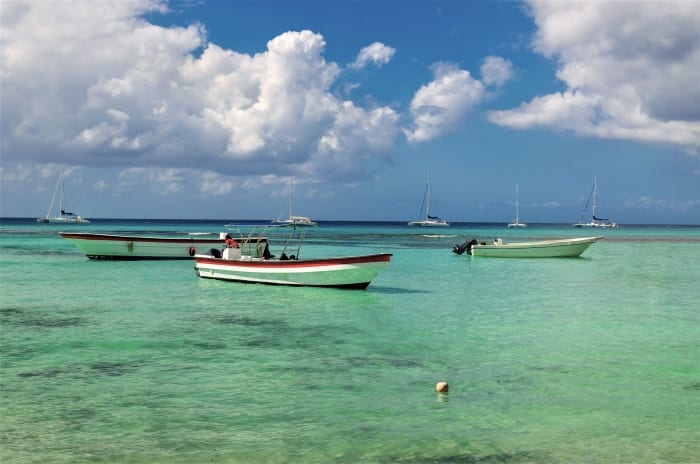
In the wake of catastrophic damage inflicted by 2024’s Hurricane Beryl, Barbados has carried out a landmark nationwide emergency drill designed to move the island’s entire fishing fleet out of danger, bringing the critical urgency of hurricane preparedness in the vital fishing sector into sharp focus. The proactive full-scale simulation comes as the local fisheries industry continues its gradual recovery from the storm, which crippled key maritime infrastructure and destroyed a large share of Barbados’ working fishing vessels.
Dr. Shelly Cox, the island’s Chief Fisheries Officer, highlighted that the sector has adopted an aggressive, collaborative approach to disaster readiness after Beryl’s devastating impact. She emphasized that effective emergency response depends on coordinated, synchronized action across all stakeholders, rather than isolated effort from government agencies alone.
“The fishery sector has been quite proactive,” Dr. Cox noted. “We wanted to put our vessel relocation protocols and full operational emergency plans to the test, to identify gaps before a real storm hits.”
Early last month, the Barbados Fisheries Division led a cross-sector initiative that brought together fishing cooperatives, government agencies, and private partners to test every step of the emergency response process. The Blackfin Fleet fishing cooperative and other organized fisherfolk groups provided on-the-ground input and critical logistical support for the simulation, which centered on measuring the time and resources required to safely relocate large, heavy fishing vessels away from vulnerable open coastlines.
A long-term solution to the fleet’s safety needs involves constructing purpose-built haul-up infrastructure within the Bridgetown port complex, but the division has been forced to adapt to existing resources while that project moves forward. Currently, authorities rely on available state assets, including the marine travel lifts at the Barbados Coast Guard facility and the shallow draft zone near the capital, to accommodate vessels during storm events.
“We are still progressing with the construction of the dedicated haul-up facility in Bridgetown, but this exercise allowed us to test timelines for relocating vessels using the existing infrastructure we have access to right now,” Dr. Cox explained.
Emergency preparations extend well beyond the capital, too. Rural coastal landing sites at Conset Bay and Thunder Bay on Barbados’ west coast are particularly vulnerable, so the division has coordinated with multiple government departments to secure access to resources like tractors from the soil conservation department, and partnered with private marine operators to supplement public capacity for emergency vessel movement.
Lessons learned from Hurricane Beryl drove major updates to the island’s fisheries disaster management plan: during the 2024 storm, dozens of vessels were destroyed or irreparably damaged because of overcrowding at safe havens and improper mooring that left boats tied too closely together. Today, one of the core pillars of the revised plan is expanded public education and clearer, more consistent communication with small boat owners.
“We have a fully updated disaster management plan now, and we are rolling out new communication materials to all vessel owners,” Dr. Cox said. “In the coming weeks, we will share videos and public notices that reinforce best practices, from using adequate fendering to investing in high-quality mooring ropes to keep vessels secured when a storm approaches.”
Robust backup communication during severe weather events is another key priority for the updated strategy. While modern digital tools including cellular networks, Starlink satellite internet, and GPS vessel monitoring systems are widely used across the fleet, authorities are reinforcing legacy radio communication systems to ensure no fishing captain loses contact during a storm that knocks out digital infrastructure.
The division has already procured new handheld VHF radios for the fleet, and will install a new radio base station at Pile Bay later this month. Officials are also partnering with the Barbados Amateur Radio Association to provide training for fishers on emergency radio use, ensuring redundant communication options are available when primary systems fail.
“We have cell phones, Starlink, and vessel monitoring systems in place, but radio remains one of the most reliable backup communication protocols we can rely on when all other systems go down,” Dr. Cox added.
To address persistent overcrowding at the main Bridgetown safe haven, which the growing fishing industry has long outgrown, the new plan diverts vessels to alternative safe havens including the Shallow Draught and the Careenage, based on the projected track of an approaching storm. Moving the largest vessels, which can weigh more than 35 tonnes, is a logistically complex process that requires precise timing. The current operational target is to secure all at-risk vessels within 38 hours, provided meteorologists issue a 72-hour advance warning of an approaching hurricane.
“We tested multiple contingency plans — Plan B, C, and D — so we know how to respond no matter what a storm system throws at us,” Dr. Cox said. “We’re working to hit that 38-hour target when we get a 72-hour warning, but we know this can’t be done by government alone. It takes the private sector, the fishers themselves, all working together like a well-oiled machine to get preparations done on time.”
As the island prepares for future hurricane seasons, the fishing fleet continues its steady recovery from Beryl. Before the 2024 storm, Barbados counted 312 active commercial fishing vessels. Today, that number stands at 233, with many damaged boats still undergoing repairs. A national vessel replacement program is currently being launched to construct new boats to replace those that were completely lost, bringing the industry closer to its pre-storm capacity.