标签: Barbados

巴巴多斯

  • Shirley Chisholm Primary blank St Gabriel’s 7-0 NSC netball

    Shirley Chisholm Primary blank St Gabriel’s 7-0 NSC netball

    The National Sports Council and Pedialyte Sport-sponsored Primary School Netball Competition continued this week, with defending title holders Shirley Chisholm Primary extending their impressive winning streak with a dominant shutout victory on Thursday.

    Hosted at the Dover sporting facility, the reigning champions put on a masterclass of attacking netball from the first whistle, building an unassailable 4-0 lead by the half-time break against St Gabriel’s School. They maintained their clinical momentum through the second half, ultimately closing out the match with a crushing 7-0 blanking that cements their status as the team to beat in this year’s tournament.

    Leading the charge for Shirley Chisholm Primary was goal shooter Lashanae Passley, who delivered a perfect performance by converting every one of her four scoring attempts. Supporting her was teammate Kimaria Allen-Farrell, who notched three goals from five attempts to round out the defending champions’ scoring.

    Thursday’s matchday featured a packed schedule of other closely contested fixtures across the competition. Arthur Smith Primary secured one win and one loss across their two outings: they first pulled off a solid 6-1 victory over St Christopher, but fell to a 5-1 defeat at the hands of St Paul’s Primary later in the day. In other results, St Lawrence claimed a comfortable 6-1 win against Bay Primary, while St Christopher and St Gabriel’s played out an exciting 3-3 draw. St Paul’s continued their strong form with a narrow 2-1 edge over Bay Primary to close out the day’s play.

  • Data-sharing gaps hinder Caribbean climate science – CIMH

    Data-sharing gaps hinder Caribbean climate science – CIMH

    As climate change intensifies threats to small island nations across the Caribbean, a leading regional scientific leader has sounded an urgent alarm: fragmented data sharing across national and institutional borders is severely limiting climate research, undermining evidence-based policy, and putting the entire region at a critical turning point that could derail climate adaptation efforts. Dr. David Farrell, principal of the Barbados-based Caribbean Institute for Meteorology and Hydrology (CIMH), outlined these deep-rooted challenges in an exclusive interview with Barbados TODAY, stressing that immediate government policy intervention is required to unlock trapped critical climate and cross-sectoral datasets.

    Farrell explained that even CIMH, the region’s primary meteorological and hydrological training and research body, faces persistent barriers accessing key data within Barbados itself, a gap that directly restricts the institute’s ability to deliver actionable insights for decision-makers. He framed the current impasse as a defining moment for the region: if data holders continue to refuse collaboration with scientific researchers, Caribbean nations will fall far behind in global efforts to leverage technology for climate resilience.

    “Data sharing is non-negotiable for progress right now – I cannot overstate how central it is to every challenge we face,” Farrell said. He highlighted that interconnected “nexus problems” – overlapping issues that cut across multiple economic and social sectors – are growing increasingly complex, and solving them depends on cross-sector information flow. For example, public health outcomes directly shape agricultural productivity, meaning food system planners require access to public health data to make informed decisions. Similarly, long-term economic planning relies on detailed, up-to-date labor force data that is often locked away in siloed government or private databases.

    Farrell acknowledged concerns about sensitive data, noting that existing frameworks already address these risks: sensitive datasets can be clearly marked, and legally binding access agreements can be put in place to govern use. What serves no purpose, he argued, is hoarding data on private servers where it cannot contribute to better decision-making. “Data that is not shared has zero value,” he emphasized. “It cannot improve livelihoods, attract investment, or solve the problems we are all facing.”

    The push for open data is particularly urgent as the region looks to adopt cutting-edge technologies like artificial intelligence and machine learning to address climate and development challenges, Farrell noted. Both AI and machine learning are deeply data-dependent, and claims of investing in these technologies ring hollow without a commitment to open data sharing. “You can’t say you’re building AI systems if you’re not willing to provide the data that powers them,” he said. “Data is the fuel for these tools – without it, they cannot produce the actionable insights we need.”

    Farrell pointed out that data sharing challenges exist at both national and regional levels, but there has been incremental progress. As more regional institutions recognize the scientific and economic value of open data, collaboration has become easier. The biggest gap remains at the interface between national governments and regional bodies, he said, where data holders often hesitate to share information without formal policies in place to protect their interests. Suspicion around the purpose of data requests also slows progress.

    To illustrate the benefits of a robust open data policy, Farrell pointed to the United States, where most government-generated data is freely available to the public. This open data ecosystem is a core reason the U.S. leads in many fields of research and technological innovation, he argued, because it allows researchers to test models, validate concepts, and build new products and services that drive economic growth.

    Against this backdrop, Farrell is calling on Caribbean governments to lead the shift by enacting formal data sharing policies that encourage open access and streamlined cross-border data movement. In today’s fast-paced digital age, delayed data sharing renders information irrelevant by the time it is released, he warned. If the region moves too slowly to open up its datasets, outside entities will fill the gap with alternative data sources, and local stakeholders will lose out on the economic and scientific benefits of controlling their own information.

    “If we want to keep pace with global technological advances and use them to improve climate resilience and quality of life across the Caribbean, we have to revisit our outdated data models and policies,” Farrell insisted. “We are already at a crossroads. The choice to implement thoughtful open data policies will set the region up for progress; failing to act will leave us locked out of the benefits of modern science and technology.”

  • Police search for person of interest

    Police search for person of interest

    Law enforcement authorities in Barbados are turning to the public for critical support as they work to track down and identify an individual sought for questioning connected to a major criminal investigation. The Barbados Police Service (TBPS) has issued a public appeal urging residents and visitors alike to come forward with any details that could lead to the location of the unnamed person of interest.

    To make submitting information as accessible as possible, law enforcement has released multiple contact channels for tipsters. Those with relevant knowledge about the individual’s current whereabouts can reach out directly to the Hastings/Worthing Police Station via phone at either 430-7612 or 430-7614. For urgent reports, members of the public can also contact the national police emergency line at 211, reach the anonymous tip line run by Crime Stoppers at 1-800-8477, or visit any local police station in person to share information.

    In a clear formal notice accompanying the appeal, TBPS has reminded the general public that providing shelter, hiding space, or any other form of aid to individuals sought by police for questioning constitutes a severe criminal offense. Authorities emphasized that any person found to be knowingly assisting the wanted individual will face legal action and possible prosecution, underscoring the importance of full cooperation with the ongoing investigation.

  • Depeiza: Public transport failures hurting productivity

    Depeiza: Public transport failures hurting productivity

    Barbados’ largest labor umbrella organization, the Congress of Trade Unions and Staff Associations of Barbados (CTUSAB), is amplifying longstanding calls for a full systemic overhaul of the Caribbean island’s broken public transportation network, arguing that decades of unresolved deficiencies have dragged down national productivity, eroded quality of life for daily commuters, and slowed overall national development.

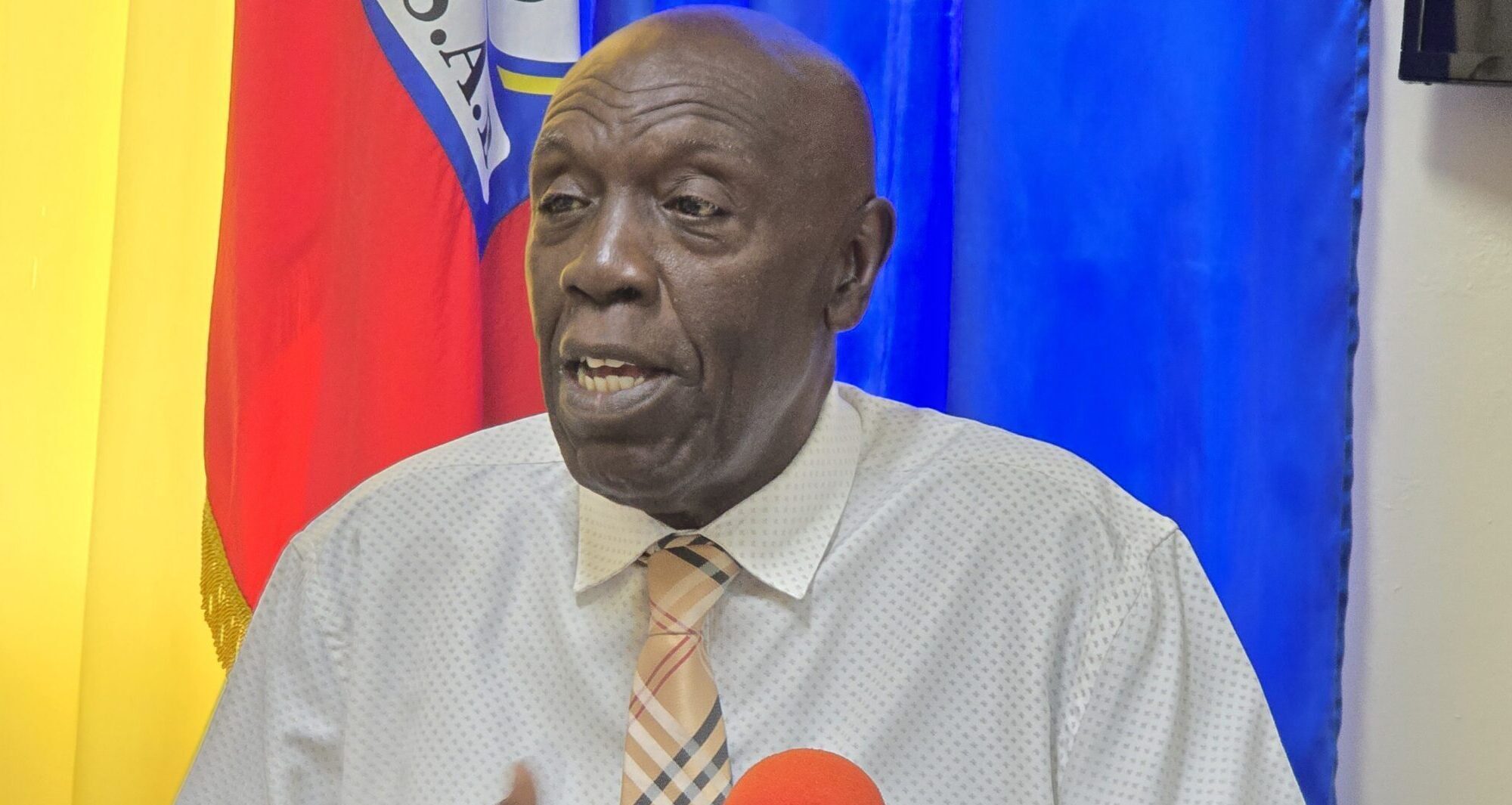
    Speaking at the union’s regular monthly press briefing held at its Garrison headquarters this week, CTUSAB General Secretary Dennis DePeiza laid out the scope of the crisis, emphasizing that unreliable and inconsistent service has become a persistent, disruptive force in the daily lives of working Barbadians and members of the general public alike. DePeiza pushed back firmly against ongoing speculation that full privatization of the state-owned Transport Board would resolve the sector’s deep-seated issues, calling the idea a mistaken solution that would not address the core of the problem.

    “Privatizing the Transport Board is not the fix for the inefficiencies plaguing the public transportation sector,” DePeiza stated. “As an initial step toward building a more reliable, efficient system, we must first confront long-neglected failures in both management and regulation. CTUSAB holds that the government must recognize public transportation as a critical national public good, not a disposable service.”

    DePeiza pointed to the 2019 Transport Augmentation Programme (TAP), a government initiative launched to fill service gaps across the island, noting that the patchwork measure has failed to fully resolve the challenges that commuters face daily. Without a consistent, functional public transit network, he argued, Barbados is seeing measurable declines in national output, largely driven by massive unproductive time lost as workers wait hours for unreliable connections to and from their workplaces.

    He stressed that the Caribbean government must prioritize transit reform as an urgent national priority and take decisive action to resolve problems that have gone unaddressed for generations. “It is fundamentally unfair that Barbadians living outside major urban centers are forced to continually endure the indignity of second-class access to public transportation,” DePeiza said. “It is completely unacceptable that commuters are forced to wait hours for a bus to any destination, or live with the constant uncertainty of not knowing when, or even if, a bus will arrive.”

    DePeiza called for an end to the government’s decades-long piecemeal approach to reform, urging officials to adopt a cohesive, comprehensive national strategy. “Since public transportation is a core national priority, the government must redirect funding to acquire the full fleet of buses the country actually needs. While there is a legitimate role for private sector vehicles within the public transit ecosystem, it would be a fundamental failure if the government and its agencies refused to reassess how these private operators can be properly integrated into a fully reformed system,” he added.

    The union leader also called out widespread unsafe and unprofessional conduct among some public service vehicle (PSV) operators, demanding a strict zero-tolerance policy for dangerous driving practices that put commuters and other road users at risk. He questioned why compliance failures have persisted for decades, noting that Barbados could learn valuable lessons from proven transit management models already in place across the Caribbean Community (CARICOM).

    “These unregulated practices put the lives of commuters and other road users in direct danger. Many operators refuse to complete their permitted routes, consistently violate road traffic rules, and engage in reckless habits like overloading, speeding, and route hogging — none of these can be ignored or tolerated any longer,” DePeiza said. “Barbados stands to gain a great deal from adopting the successful management systems and practices already used by CARICOM member states like Trinidad and Tobago and Saint Lucia.”

    DePeiza also addressed the persistent problem of unlicensed illegal PSV operations, widely known locally as “pirate” taxis and buses, arguing that the growth of this black market is directly fueled by licensed operators’ consistent failure to service their approved routes. “Licensed operators complain about pirate competition, but that competition only exists because they refuse to run the routes they are legally required to serve. When registered operators don’t go where they’re supposed to, unlicensed operators step in to fill the gap. If they want the competition gone, they need to fix their own conduct first,” DePeiza insisted.

    He also criticized the glaring lack of transit service during evenings, weekends, and public holidays, questioning how this gap can persist in an island that promotes itself as a 24-hour international business hub and a top-tier global tourism destination. “It is long past time we built an island-wide reliable transit system that does not only serve the tourist-heavy corridors of Highway 1 and Highway 7, or cater exclusively to the west and south coasts,” DePeiza noted.

    Alongside his criticisms, DePeiza offered praise for one recent government proposal: the planned introduction of a dedicated school bus service. He said the initiative would ease overcrowding and competition for space on the existing public transit network for working commuters, while also reducing schoolchildren’s exposure to the negative social influences commonly reported on private minibuses and ZR vans. “This is a genuinely positive step that reduces pressure on regular commuters. More importantly, it moves children away from the antisocial behavior that has become linked to ZR and minibus culture, so it is a step in exactly the right direction,” he said.

  • World Cup coverage boost

    World Cup coverage boost

    One of the most anticipated global sporting spectacles is just around the corner, and Caribbean football enthusiasts can now breathe easy: regional media firm Rush Sports has locked in exclusive broadcast rights for 13 markets across the region, guaranteeing extensive access to every moment of the upcoming FIFA World Cup.

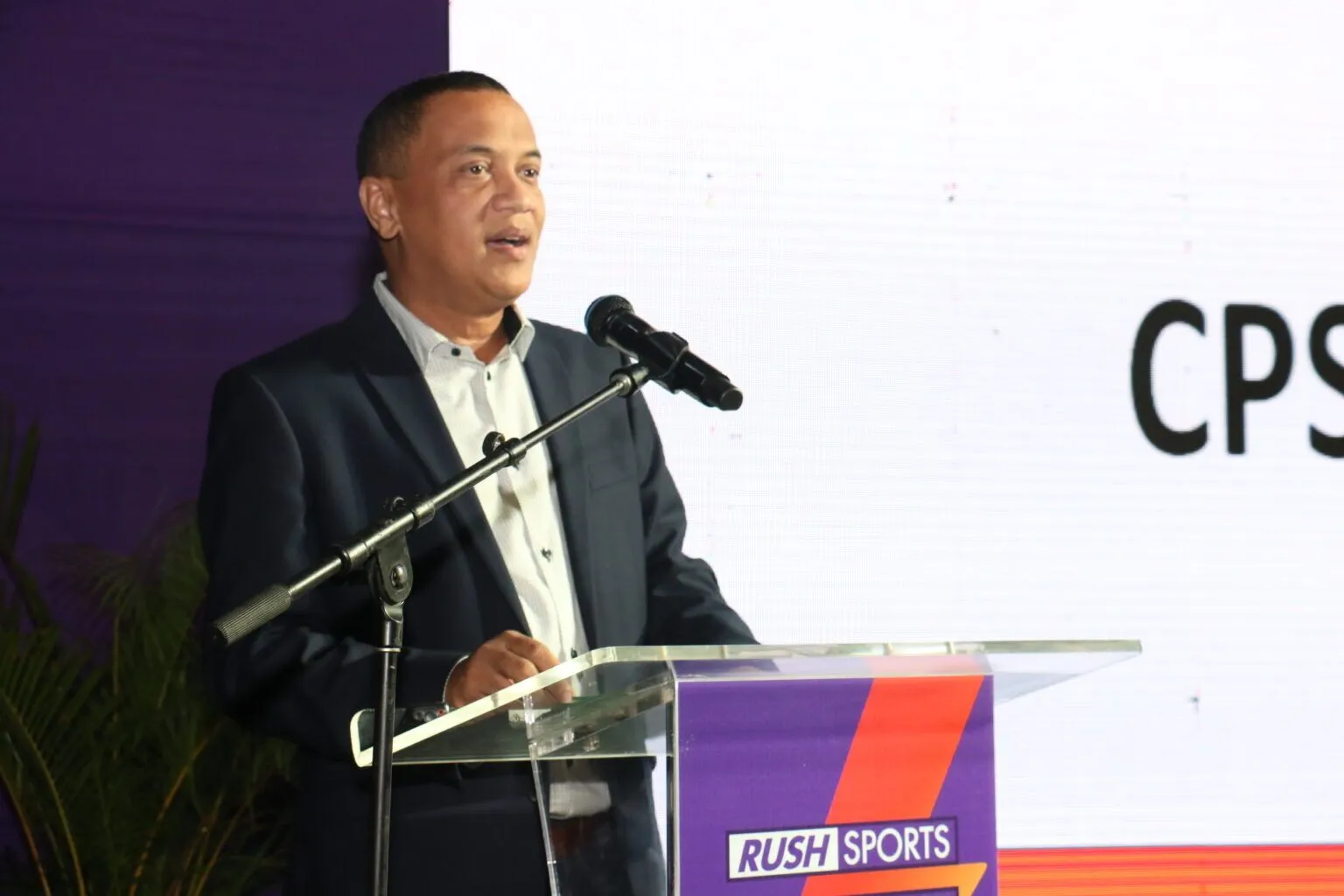
    In an exclusive conversation with Barbados TODAY, Michael Look Tong, Chief Executive Officer of Rush Sports, outlined the scope of the landmark rights deal. The company’s coverage portfolio spans a wide swath of the Caribbean, including major markets such as Jamaica, Trinidad and Tobago, and Barbados, alongside smaller island nations and territories: St. Vincent and the Grenadines, Bonaire, Anguilla, Saint Kitts and Nevis, Montserrat, Dominica, Belize, Turks and Caicos Islands, the British Virgin Islands, and the Cayman Islands.

    Look Tong emphasized that securing the broadcast rights to the FIFA World Cup marks a major milestone for the independent regional sports broadcaster. As the most-watched sporting event on the planet, bringing the World Cup to audiences across these 13 Caribbean territories fills a key gap for local fans, he noted. This is not the first high-profile sporting event Rush Sports has brought to the region in recent weeks; just days before the announcement, the network aired both the UEFA Champions League Final on Saturday and the Indian Premier League (IPL) cricket final the following day, demonstrating its track record of delivering top-tier global sports content.

    One of the biggest benefits for fans is the network’s ability to broadcast every single one of the tournament’s 104 matches live, including simultaneous fixtures during the early group stage. Unlike many regional broadcasters that are forced to choose between overlapping matches, Rush Sports’ multi-channel infrastructure allows viewers to switch between concurrent games seamlessly, never missing a goal or a upset from any group.

    Beyond traditional television and streaming broadcasts, Rush Sports is expanding access through a popular innovative partnership with local cinemas across the region, a program that will continue throughout the World Cup. The network is currently working with cinema operators in Jamaica, Barbados, and Trinidad to select which matches will screen on big screens, giving fans the option to enjoy the electric atmosphere of a public viewing in a premium cinema setting. Look Tong added that this model was already put to the test during the recent Champions League Final, where the big-screen screenings earned glowing feedback from fans across all three test markets.

  • Hope calls for improvement ahead of second ODI against Sri Lanka

    Hope calls for improvement ahead of second ODI against Sri Lanka

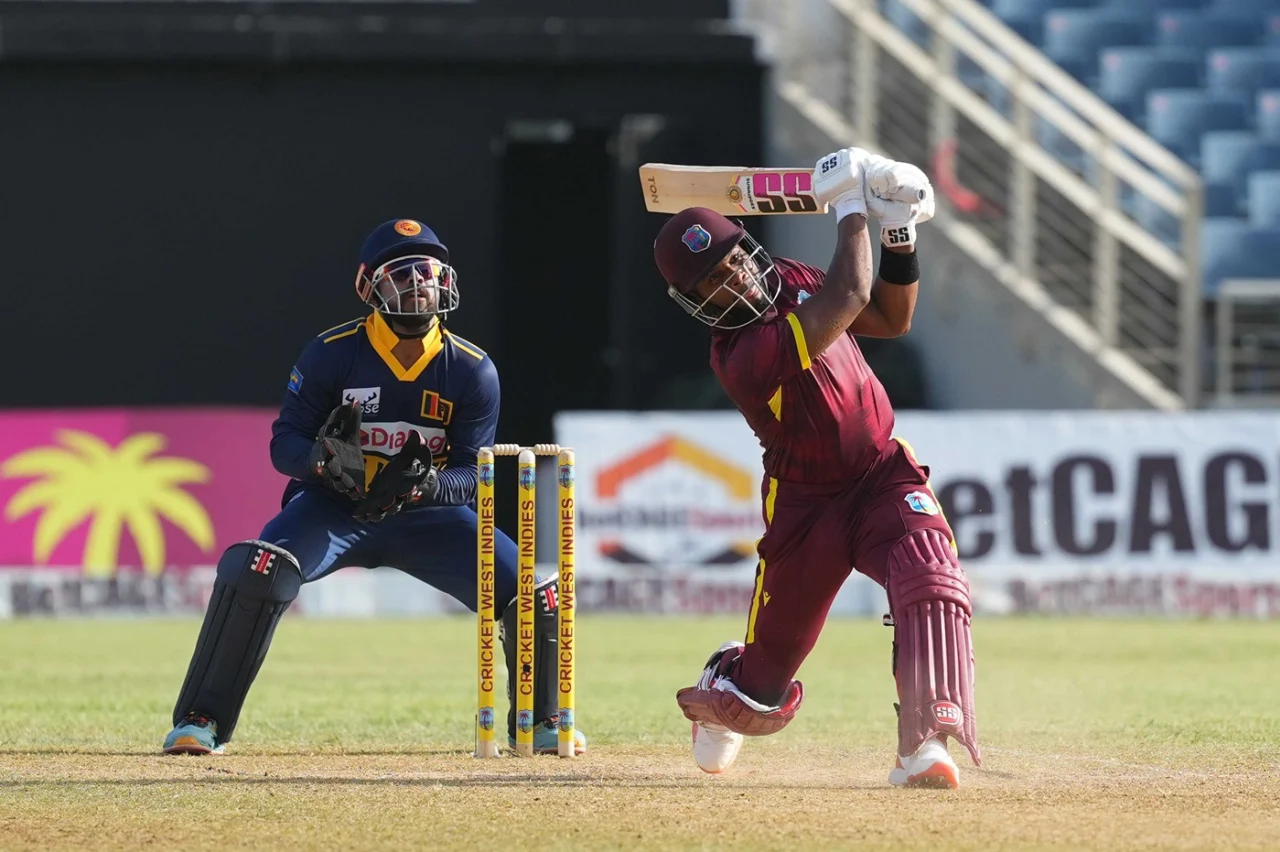
    Ahead of the second One Day International (ODI) between West Indies and Sri Lanka at Jamaica’s iconic Sabina Park this Saturday, West Indies skipper Shai Hope has issued a clear call for across-the-board improvement from his side. The demand comes just 24 hours after the Caribbean team fell to a 41-run defeat in the series opener at the same ground, a result that has left the side looking to bounce back quickly to stay in contention in the five-match series.

    In the opening fixture, Sri Lanka won a comfortable victory after posting a imposing first-innings total of 303 for seven from their 50 overs. Opener Pathum Nissanka led the visitors’ scoring with a polished 79 off 103 deliveries, while captain Kusal Mendis backed him up with a rapid 72 from just 62 balls to push the total past the 300 mark.

    West Indies’ response got off to a promising start, but the hosts lost wickets at critical intervals and never managed to build the sustained momentum required to chase down the target. A collapse from 125 for two to 262 all out handed Sri Lanka the win, with pace bowler Dushmantha Chameera claiming the standout bowling figures of four wickets for 67 runs. Hope himself top-scored for West Indies with a 66-ball 56, but his knock was not enough to turn the tide for the home side.

    In his post-match press briefing, Hope underlined that every department of the side needed to step up ahead of the second match, noting that fielding and early innings bowling were particular areas for improvement. “In all three areas of the game we could have been a lot stronger, especially in the fielding department. Our bowlers probably could have bowled a lot tighter lines, especially at the start of the innings,” Hope said. He added that the team was well aware of Sri Lanka’s strength capitalizing on loose wide deliveries: “We know the Sri Lankan batters tend to prey on that width that we tend to give them. So we’ve got to tighten up the lines in the next game and then obviously in the field, we gave a chance first ball of the game. So we know where you give great players the opportunity, it’s always going to be difficult.”

    Hope also pointed to a lack of clinical batting as a key factor in the defeat, saying: “The openers got off to a great start once again and then we just kept finding ways to get out. We just have to take more responsibility as batters and take the game as deep as we can, and find ways to win games from any position.”

    Despite the loss, Hope stood by his decision to put Sri Lanka into bat after winning the pre-match toss, arguing the conditions justified the call. “I just feel in Jamaica you usually get a bit more moisture in the morning time and so the last few years I’ve played here, every time you start at 9:30 a.m. it’s always in the bowler’s favor, so I wouldn’t change that decision,” he maintained.

    Looking ahead to Saturday’s game, Hope said the side would not dwell on the opening defeat, instead focusing on turning lessons learned into a improved performance. “You need to put it away. You can’t change anything that’s happened and what’s gone is gone. You just gotta look ahead and ensure that all the learnings we gathered from this particular encounter, we gotta turn things around as fast as we can. We need to make sure we have all the right remedies to come up victorious in the next game and then make it two-one at the end of the series,” he said.

  • Barbados, Guyana to clash in crucial rugby Test

    Barbados, Guyana to clash in crucial rugby Test

    Fresh off a dominant 68-0 blowout of St. Vincent and the Grenadines, Barbados’ national rugby union team is setting its sights on climbing the global World Rugby rankings as it prepares to host Guyana in a critical Rugby Americas North international test match. The showdown is scheduled to kick off at 7:00 p.m. on June 6 at Barbados’ iconic Garrison Savannah venue, and all signs point to a high-stakes, tightly contested battle between two hungry sides.

    Barbados enters the fixture riding a wave of momentum that stretches back beyond last weekend’s lopsided win. Twelve months ago, the side secured a historic 45-5 victory over Guyana on the same Garrison Savannah pitch — their first triumph over the Caribbean rival, nicknamed the Green Machine, in almost 20 years. That breakthrough result has injected new belief into the Barbados camp, with players and coaching staff eyeing a repeat performance to cement their upward trajectory in the regional and global rankings.

    Guyana, however, is far from a defeated side heading into the contest. Earlier this year, the Green Machine suffered a heartbreaking narrow 9-5 loss to Bermuda on their home turf in Georgetown, leaving the squad eager to bounce back and claim a statement win against Barbados to avenge last year’s defeat. The combination of Guyana’s hunger for redemption and Barbados’ confidence from recent form has set up what many rugby analysts in the region expect to be one of the most competitive Caribbean test matches of the year.

    Ahead of the June 6 clash, Barbados head coach Joe Whipple has officially confirmed his full match squad, which includes: Chris Blades, Malique Broomes, Jermaine Bynoe, Nicholas Daniel, Aiden Foley, Antonio Gibbons, Rajiv Grant, John Shane Howard, Louis Johnson, Cadeem Knight, Jamie Lashley, Taurean Marshall, Stephen Millar, Jeremy Nelson, Enrique Oxley, Noah Paskins, D’Andre Phillips, Daniel Ramsay, Josh Rudling, Albert Stoute, Solomon Whittaker, Shane Taylor and Sean Ward. Fans based in Barbados and regional rugby followers across the Americas are already gearing up for what promises to be an electric evening of Caribbean international rugby.

  • Police identify man killed in Chapman Lane shooting

    Police identify man killed in Chapman Lane shooting

    A deadly shooting that rocked the quiet community of Chapman Lane, St Michael on Wednesday night has claimed the life of 45-year-old Delon Covell Asgill, law enforcement officials have confirmed.

    Residents of the area reported sounds of gunfire rang out shortly before 9 p.m., when an unidentified gunman approached a group of men who had gathered near a local shop along 3rd Avenue, Chapman Lane, and opened fire without warning. Asgill, who resided at Lot 447, 16th Avenue, West Terrace, St James, was struck by gunfire and killed at the scene.

    Three other men who were in the group sustained non-fatal injuries in the unprovoked attack. Emergency responders quickly arrived at the scene and transported all three injured individuals to a nearby hospital for urgent medical attention. As of the latest update, no further details on their conditions have been released by authorities.

    The Royal Police Force has since launched a full criminal investigation into the circumstances surrounding the mass shooting, working to piece together what led to the attack and identify the perpetrator. To advance their probe, investigators are issuing a public appeal for any members of the public who may have witnessed the incident, or hold any information that could help solve the case, to come forward.

    Tipsters can reach out through multiple official channels: the anonymous Crime Stoppers Hotline at 1800-8477, the 24/7 Police Emergency line at 211, or the Criminal Investigations Department directly at either 430-7189 or 430-7190. Investigators have made a formal guarantee that any information shared with authorities will be kept strictly confidential, to encourage members of the public to speak up without fear of reprisal.

  • Caribbean urged to challenge ‘discriminatory’ global financial system

    Caribbean urged to challenge ‘discriminatory’ global financial system

    Against a backdrop of decades of uneven development and escalating climate risk, the leader of a leading Caribbean policy think tank has issued a forceful call for sweeping, immediate reform of the global financial system, arguing that long-standing structural inequalities and unaddressed historical harms remain the single greatest barrier to the region’s economic growth and climate resilience.

    Speaking at the regional launch of new initiatives from the Caribbean Policy Development Centre (CPDC), Executive Director Richard Jones delivered a clear call to major global economic powers: dismantle the discriminatory financial architectures that perpetuate colonial-era legacies holding small island states back.

    Jones’s remarks opened the premiere of *Tides of Debt*, a new CPDC documentary that unpacks the overlapping realities of sovereign debt burdens, climate vulnerability, and uneven economic resilience across 12 Caribbean nations. He pushed back against the common narrative that frames the region’s economic and environmental struggles as unavoidable consequences of geography, instead framing them as the direct, lasting outcome of centuries of systemic exploitation.

    For modern Caribbean nations, Jones stressed, remaining silent in the face of crises the region did nothing to create is no longer an option. “This launch comes at a moment when the Caribbean must speak with great clarity and confidence about the development future we deserve,” Jones told assembled delegates. “For too long our region has been asked to carry burdens we did not create. We did not create the climate vulnerability, but we are among those most exposed to its consequences. We did not create the global debt architecture, but we are constrained by it.”

    He pushed for a fundamental shift in how global actors approach climate action, arguing that international bodies cannot continue to treat climate change as purely an environmental challenge. Instead, Jones said, climate justice and historical reparations are two inseparable components of the same systemic failure. “Climate justice is not only about storms, sea level rise, droughts, floods, coral reefs, and rising temperatures—it’s about power,” Jones said. “It is about responsibility. It’s about who caused the crisis, who’s paying the price, and who has the resources to respond.” He added that demands for reparations are not merely a reckoning with the past: they are a necessary correction to current and future harms, addressing the deep, persistent damage inflicted by centuries of enslavement, colonial occupation, resource extraction, racial exploitation, and intentionally enforced economic dependency.

    A core focus of Jones’s address was the crippling, self-reinforcing cycle of climate-induced debt that traps many Caribbean nations. He delivered sharp criticism of international financial systems that systematically disregard the unique vulnerabilities of small island developing states, forcing governments to take on high-interest loans just to recover from climate-fueled natural disasters, locking them in perpetual debt cycles. “The Caribbean cannot accept a global climate model where those least responsible for the crisis are forced to borrow to survive it,” he argued. “Loans cannot be the main answer to climate loss and damage. Debt cannot be the price of resilience. And small island developing states cannot continue to be told to become more resilient while the international financial system denies us the resources to do so fairly.”

    Jones outlined the severe domestic damage caused by this systemic financial strain: when governments are forced to allocate more public funding to debt servicing than to core public priorities like healthcare, education, housing, and social protection, what begins as a fiscal issue expands into a profound crisis of development and justice. This inherent fragility, he noted, has been further exacerbated by recent external shocks, including spiking global oil prices and inflation driven by ongoing conflict in the Middle East.

    To shift the global conversation from the outdated model of “development charity” to a framework of “development justice,” Jones laid out three urgent priorities for CPDC, its network of regional non-governmental organizations, and global civil society more broadly: first, build stronger, data-backed evidence to document the full scale of climate and historical vulnerabilities across the region; second, expand public education to help ordinary Caribbean citizens understand how global financial systems directly shape their daily lives; and third, build organized, sustained policy advocacy to push for systemic change.

    Drawing on the Caribbean’s long history of grassroots resistance to oppression, Jones called on civil society to bridge the gap between high-level global diplomatic negotiations—including the Barbados-led Bridgetown Initiative and the work of the CARICOM Reparations Commission—and the on-the-ground lived experiences of everyday people, from small-scale farmers and artisanal fisherfolk to the region’s growing youth population.

    “Our history is one of survival, resistance, creativity, and transformation,” Jones said. “From slavery to emancipation, from colonialism to independence, from disaster to recovery, Caribbean people have always found ways to organise, rebuild, and imagine a better future for ourselves. Now, we must do so again. The struggle for climate justice and historical reparations is a struggle for the right of Caribbean people to develop with dignity.”

  • Caribbean urged to reject dependency and demand climate justice, says senator

    Caribbean urged to reject dependency and demand climate justice, says senator

    Against a backdrop of escalating climate disasters and a shifting global geopolitical landscape, veteran Caribbean lawmaker and seasoned diplomat Senator Liz Thompson has issued a stark warning: small island developing states (SIDS) across the Caribbean face growing vulnerability as the global rules-based order frays and traditional donor nations pull back on climate and development commitments. In a rousing address to regional delegates and civil society organizations, Thompson — who currently serves as vice-president of the Senate and previously held senior roles as United Nations Assistant Secretary-General and Special Adviser on Sustainable Development — urged Caribbean nations to set aside divisions, reject long-standing external dependencies, and aggressively advocate for systemic financial justice to confront the accelerating climate crisis.

    Thompson painted a sobering picture of the changing global order, arguing that long-standing commitments to multilateralism are eroding rapidly. In place of a rules-based system that once offered protections for vulnerable nations, the world is shifting toward a “power-driven order” that prioritizes the interests of major powers over the needs of small, low-emission island states on the frontlines of climate change. She pointed to a notable collapse in empathy from wealthy, traditional donor nations, whose declining support has left Caribbean nations to bear catastrophic climate-related economic costs entirely on their own.

    A core example of international failure, Thompson argued, is the UN-backed Global Loss and Damage Fund, created explicitly to help vulnerable developing countries recover from climate-driven disasters. After three years of pledges, the fund holds less than $800 million in total resources — a sum dwarfed by the $12 billion in damage Hurricane Beryl alone inflicted on Jamaica. This funding shortfall comes amid a broader retreat from climate and development commitments: Thompson noted that official development assistance from Organisation for Economic Co-operation and Development (OECD) nations dropped 7% in 2025, and many major global powers have announced plans to slash development spending further, with some moving to halt climate-related lending entirely.

    “Alliances have become far more fluid. Loyalty has no particular meaning,” Thompson told attendees. “Empathy for the weak and the vulnerable is not a priority. In fact, in many instances, it is not a consideration at all.”

    Unlike in many global policy discussions that frame climate change as a distant future threat, Thompson emphasized that the Caribbean is already living through an unignorable climate crisis, backed by hard data. Between 1960 and 2000, the region recorded just eight Category 5 hurricanes — four across 20 years, and another four across the next 20. But in just the seven-year period from 2018 to 2025, the Caribbean has already been hit by eight extreme Category 5 storms. These statistics are not abstract: the storms have left thousands of families displaced, created disproportionate mental health strain on women, and wiped out entire local livelihoods. In the most extreme cases, single hurricanes have destroyed infrastructure and assets equal to 225% of Dominica’s annual GDP and 65% of the Bahamas’ GDP in mere hours.

    Compounding the injustice of the climate crisis, Thompson argued, is structural bias built into the global financial system that punishes the nations least responsible for climate change. Major emitters — the countries that bear most of the historical blame for rising global temperatures — can access sovereign loans at interest rates as low as 3%. By contrast, Caribbean and Latin American nations face average rates of 7%, while African nations pay rates above 9.8% to borrow money for climate adaptation and recovery.

    “Those who are creating the climate crisis get the best rates from the marketplace,” Thompson said. “But those who are in the throes of the crisis, those who are being held in the tentacles of climate change, pay the highest costs for loans to address climate impacts.”

    To counter these deep systemic inequities, Thompson held up the Bridgetown Initiative as a transformative, homegrown model for the region. The framework, crafted by Caribbean leaders, reimagines climate finance and development governance without relying on traditional foreign charity, she argued, proving that the Caribbean can design its own solutions rather than accepting frameworks imposed from outside. “We don’t need aid, what we need is opportunity and equity and justice,” Thompson stated. “And if you give that to us, we can fight for the rest because we’ve done it all our lives.”

    Thompson stressed that regional unity is non-negotiable for advancing Caribbean interests on the global stage. She warned that historic external strategies of “divide and conquer” have long weakened the region’s negotiating power, urging leaders to set aside internal divisions and maintain a consistent, data-backed vocal presence in global climate and finance forums.

    Closing her address with a nod to Shakespeare’s reflection on timing and fortune, Thompson compared the region’s current moment to a critical high tide: if seized boldly, it can lead to prosperity and self-determination, but if missed, the region will be trapped in ongoing vulnerability and injustice. “We can let the tide carry us wherever it wants. We can let others push us wherever they want, or we can choose to be craftsmen of our fate,” Thompson said. “We can choose to be creators of our solutions. We can choose to be a Caribbean civilisation at its best. The choice really is ours.”