标签: Antigua and Barbuda

安提瓜和巴布达

  • Flow Antigua Team and Liberty Business at Run in Paradise 2026

    Flow Antigua Team and Liberty Business at Run in Paradise 2026

    A vibrant celebration of physical wellness, cross-sector collaboration, and community connection kicked off recently, as two distinct groups came together to take part in the highly anticipated Run in Paradise 2026 event. Runners and supporters from the Flow Antigua and Barbuda Team, alongside clients from Liberty Business Corporate, swapped office desks for running shoes, turning a routine community fitness gathering into a showcase of shared purpose.

    The event, designed to encourage active lifestyles while strengthening bonds between local organizations and the business community, brought together participants of all ages and fitness levels. What began as a competitive road race transformed into a collective display of sportsmanship, with both amateur and recreational runners pushing their limits alongside industry professionals. Organizers highlighted that the partnership between the athletic team and corporate clients underscores a growing movement of organizations prioritizing community engagement and employee wellness.

    Beyond the competition for first place, the gathering centered on nurturing community spirit, with participants noting that the shared experience of training and racing together built new connections that extend far beyond the finish line. Local organizers expressed hope that collaborations like this will inspire more joint initiatives between sports groups and corporate entities in the region, fostering a culture of health and collective action for years to come.

  • New Parliamentary Agenda Includes Electronic Crimes Laws, Health Reforms and Worker Protections

    New Parliamentary Agenda Includes Electronic Crimes Laws, Health Reforms and Worker Protections

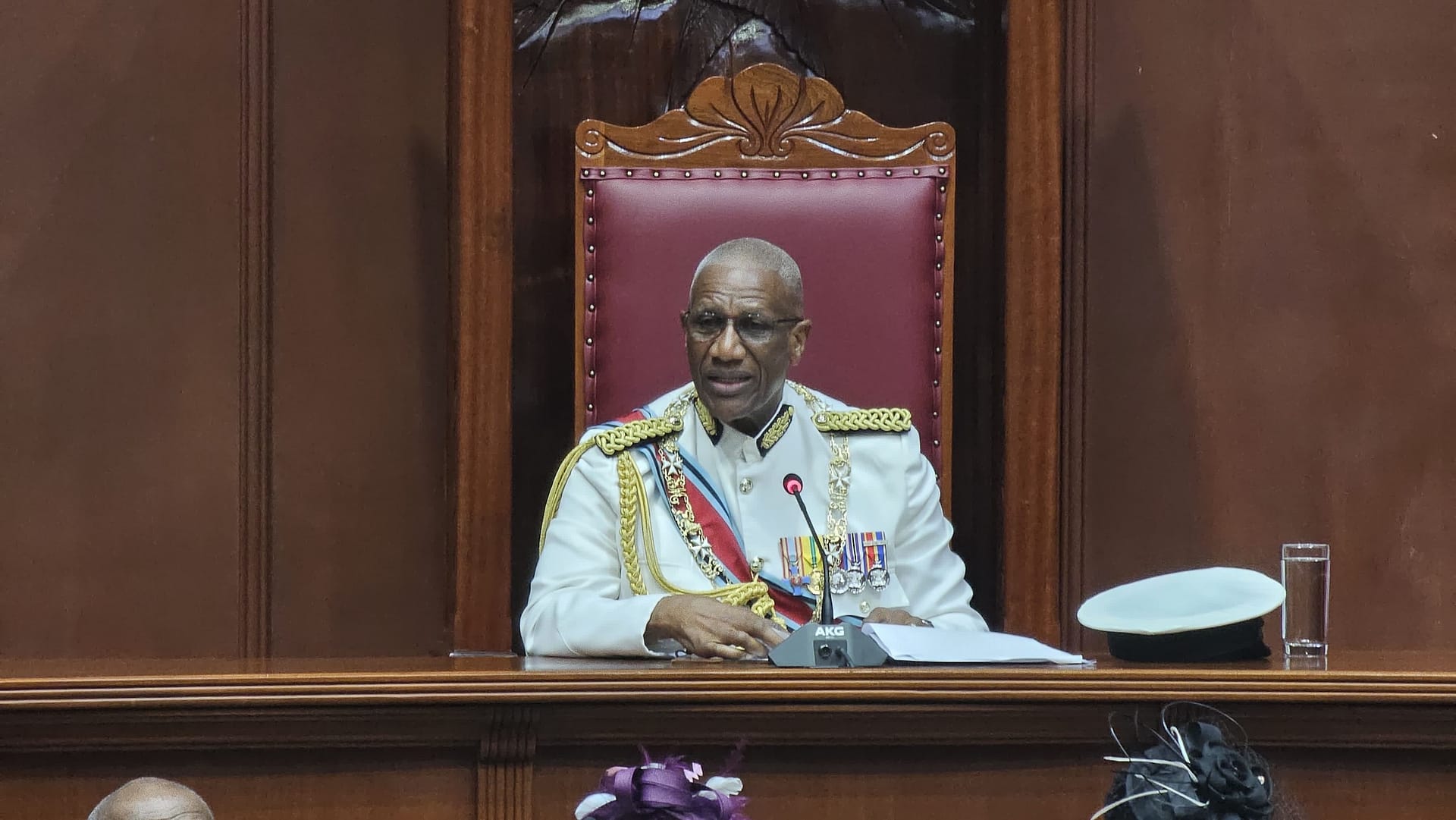
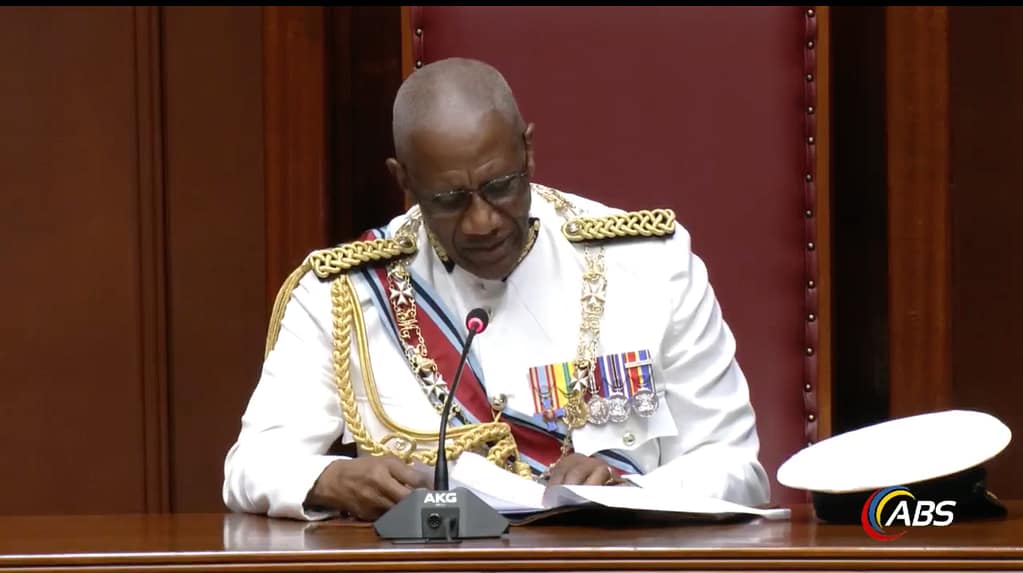
    At the official ceremonial opening of the new parliament this Tuesday, Governor-General Sir Rodney Williams delivered the 2026 Throne Speech, laying out a sweeping, multi-sector legislative roadmap for the Antigua and Barbuda government across the 2026–2031 parliamentary term. The wide-ranging policy package targets institutional upgrades across law enforcement, labor rights, public health, border management and economic governance, marking the first major policy outline from the re-elected Antigua and Barbuda Labour Party, which secured a fourth consecutive term in the April 30 general election.

    The core of the law enforcement reforms includes overhauls to the Police Service, Fire and Rescue Services, and national forensic services, alongside a long-awaited update to electronic crime legislation that addresses emerging digital threats. A key social reform addresses growing public concerns over workplace mistreatment: new protections will be introduced for vulnerable workers, responding to multiple formal complaints of harassment by supervisors. Sir Rodney emphasized that the new laws will enshrine protections for at-risk employees and establish fair processes to uncover the truth in harassment claims.

    Public health and safety regulation also feature heavily in the legislative pipeline. The government will introduce updates to rules governing food safety, mental health services, pharmaceutical practice, medical laboratory operations, and nursing home care. All these proposed changes are designed to raise clinical care standards and enhance public health protections across the country. “These laws will come before this parliament to ensure better treatment for patients and higher safety standards for all residents,” Sir Rodney told assembled lawmakers.

    Border security and immigration governance are another priority area. New legislation will strengthen the country’s advance passenger information systems, bringing Antigua and Barbuda into alignment with evolving international border security protocols. The government also plans to amend regulations governing the nation’s high-impact Citizenship by Investment Programme (CIP), a key economic driver that has generated more than EC$2 billion in revenue since its launch in 2013. Currently accounting for over 10% of Antigua and Barbuda’s gross domestic product, the CIP will undergo targeted changes to safeguard its long-term role in the national economy, with reforms coordinated alongside partner initiatives across the Organization of Eastern Caribbean States (OECS).

    Attorney General Sir Steadroy Benjamin was recognized in the speech for leading the development of this comprehensive package of new and amended laws, which is designed to position Antigua and Barbuda as a policy leader among regional Caribbean nations. Opening his address, Sir Rodney framed the start of the new parliamentary term as the beginning of “a new era in development and prosperity” for the twin-island nation.

  • Ministry of Health Advises Public of Contained Chickenpox Cluster at Clarevue Psychiatric Hospital

    Ministry of Health Advises Public of Contained Chickenpox Cluster at Clarevue Psychiatric Hospital

    Antigua and Barbuda’s Ministry of Health, Wellness, Environment and Civil Service Affairs has issued a public advisory confirming a small cluster of varicella, more widely known as chickenpox, cases within two male-only wards at the Clarevue Psychiatric Hospital. As of the latest update, the outbreak has not spread beyond the two affected wards, and targeted public health interventions have already been rolled out to contain transmission and safeguard the health of both patients and hospital staff. The ministry emphasized that its standardized infection prevention and control protocols were activated immediately after the initial cases were detected.

    The full suite of response measures includes expanded active surveillance across the hospital facility, mandatory quarantine and isolation for exposed and confirmed cases, intensified cleaning and disinfection protocols for all high-touch environmental surfaces, limitations on non-essential movement through the affected wards, regular health monitoring for all individuals who have had close contact with infected patients, and ongoing clinical check-ins for all potentially affected staff and patients. Public health officials are working hand-in-hand with the hospital’s administration and on-site clinical teams to track the development of the outbreak closely, and to date, there is no evidence that the virus has spread to other parts of the facility or the broader community.

    To help the public understand the risks, the ministry has also shared key educational information about varicella. The illness is a highly contagious viral infection caused by the varicella-zoster virus, and common presenting symptoms include elevated body temperature, general fatigue, and an itchy blister-shaped rash across the skin. The virus spreads most often through respiratory droplets that enter the air when an infected person coughs or sneezes, or through direct physical contact with fluid from an infected person’s skin blisters. In rare cases, susceptible people can also contract varicella after exposure to someone with herpes zoster (commonly called shingles), which develops when the latent varicella-zoster virus reactivates in a person who previously had chickenpox.

    Small, localized clusters of varicella are not unusual, especially in closed congregate settings like psychiatric hospitals, where consistent close contact between people creates ideal conditions for the virus to spread. For most people, particularly healthy children, the illness runs a mild course and rarely causes serious long-term complications. Even so, public health officials stress that proactive prevention remains critical to protecting vulnerable populations.

    The ministry reminded the public that varicella vaccination continues to be one of the most effective tools available to prevent infection and reduce the severity of symptoms if infection does occur. The vaccine is accessible to both children and adults at all public health clinics across Antigua and Barbuda. Officials are urging parents and guardians to confirm that their children have received all required doses of the vaccine in line with the country’s national immunization schedule. Any person who is unsure about their own vaccination history is advised to reach out to their primary healthcare provider or the closest public health center for guidance.

    In addition to vaccination, the ministry is encouraging all residents to maintain routine infection prevention habits that reduce the spread of all contagious respiratory and viral illnesses. These core habits include washing hands frequently with soap and clean running water, covering the mouth and nose when coughing or sneezing to contain respiratory droplets, keeping infected people separated from public spaces and group settings until all skin blisters have crusted over completely, and contacting a healthcare provider promptly if a person develops symptoms that match a varicella infection.

    People who develop fever and a rash are specifically advised to avoid unnecessary close contact with groups that face a higher risk of severe complications, including older adults, pregnant people, newborn infants, and individuals with compromised immune systems. The ministry says it will continue maintaining active, round-the-clock surveillance of the outbreak, and will release additional public updates if any new developments that impact public health emerge.

  • Opposition Senators Condemn Expulsion of MP Pringle as ‘partisan and meant to embarrass’

    Opposition Senators Condemn Expulsion of MP Pringle as ‘partisan and meant to embarrass’

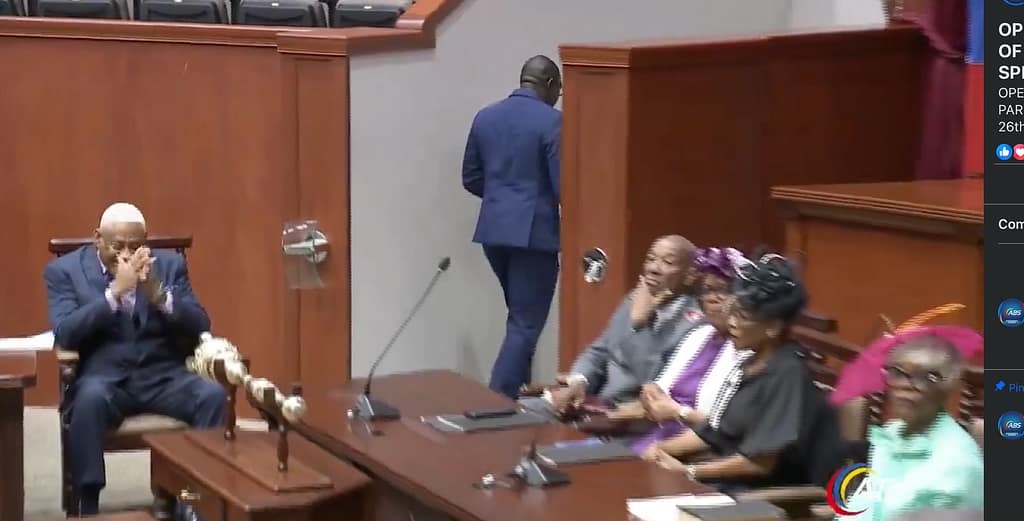
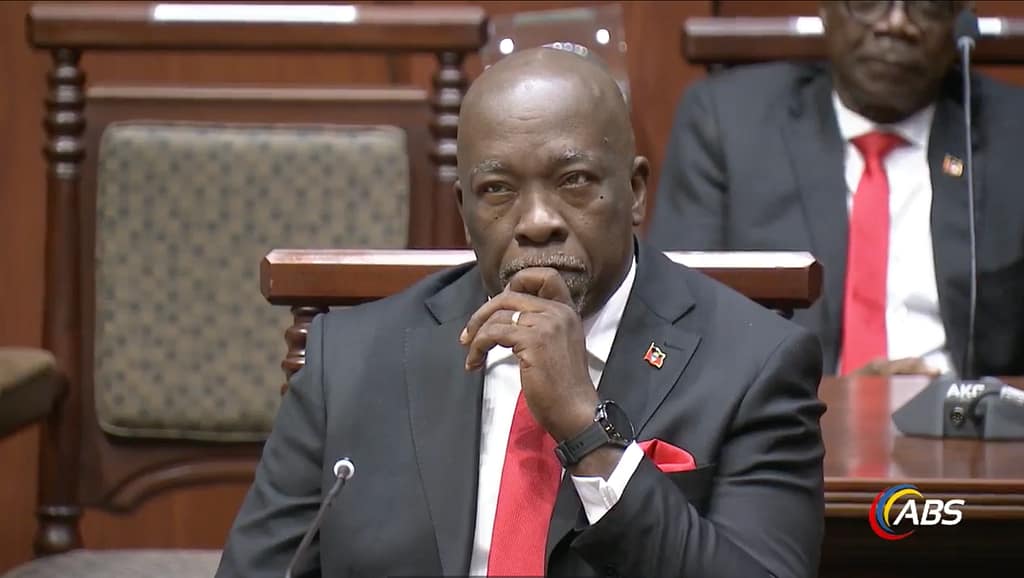
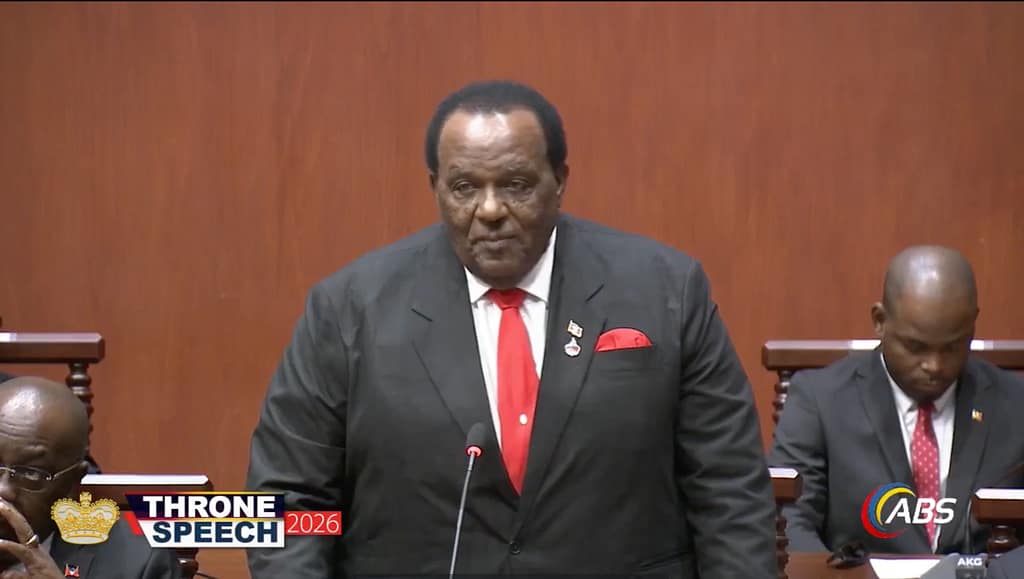
    A major political confrontation has erupted in Antigua and Barbuda’s legislature after the Senate President barred Opposition Leader Jamale Pringle from taking his seat for the annual Throne Speech on the morning of May 26, 2026, triggering a walkout by all opposition lawmakers and sharp accusations of partisan manipulation of parliamentary procedure.

    The United Progressive Party (UPP), the country’s main opposition bloc, has issued a fierce condemnation of Senate President Alincia Williams-Grant’s controversial decision, which it says violates long-standing parliamentary norms and undermines democratic representation. Pringle, a newly elected Member of Parliament, had been formally invited to the sitting in an official May 14 correspondence from the Clerk to Parliament, which addressed him as “Honourable Member.” The invitation explicitly called him to attend for necessary parliamentary business, which includes completing the oath of office administered by the Clerk, and he arrived at the chamber well ahead of the scheduled event.

    Williams-Grant’s official justification for barring Pringle from the chamber was that he had not yet completed his oath of office. But the UPP and its senators reject this reasoning as baseless and politically motivated. Following the expulsion, when Senate Minority Leader Chester Hughes attempted to raise an objection to the ruling on the floor, Williams-Grant also refused to allow him to speak. In response, all four sitting opposition senators staged a coordinated walkout of the upper chamber in protest.

    Hughes has laid out detailed arguments challenging the Senate President’s decision, framing it as clear partisan favoritism toward the ruling government. He emphasized that if a governing party MP had faced the same situation, they would have been permitted to complete the oath immediately before the Throne Speech and take their seat. Hughes also called out a double standard in procedural treatment: the Attorney-General, who holds no formal voting or priority position in the Senate, was allowed to address the chamber, while the minority leader, as an elected Senate representative, was denied his basic right to speak on a critical procedural matter.

    Beyond accusations of favoritism, Hughes dismissed the secondary justification cited for the ruling — that the decision aligned with procedural norms in nearby Trinidad and Tobago — as entirely irrelevant. He stressed that Antigua and Barbuda’s parliament holds the independent authority to set its own procedural rules, meaning appeals to another country’s practices hold no weight in this context.

    The UPP has gone further, alleging that the entire incident was the result of prearranged collusion between the Senate President and government members of the lower house of parliament. The party says the deliberate snub was designed specifically to embarrass Pringle personally and humiliate the opposition as a whole. In closing its condemnation, the opposition bench warned that the arbitrary use of parliamentary procedure to sideline elected opposition representatives poses a direct threat to the foundations of democratic governance in the country.

  • UWI FIC Now Boasts Of Over 2000 Students, $300M expansion set to begin

    UWI FIC Now Boasts Of Over 2000 Students, $300M expansion set to begin

    Four years ago, when the government of Antigua and Barbuda first announced its plan to establish a local campus of the University of the West Indies (UWI), critics across the region and at home lined up to dismiss the ambitious project as a foolhardy gamble for a small island nation.

    Skeptics raised a litany of objections to derail the initiative: some argued a tiny country like Antigua and Barbuda had no business pursuing a full-fledged UWI campus, writing off the plan as overly presumptuous. Others claimed the decades-old unpaid arrears the government was expected to settle would be too heavy a financial burden to overcome, forcing the administration to abandon the project. Detractors also spread claims that the UWI risked compromising its institutional reputation by bowing to political pressure to approve the campus, warning that any approval would irreparably damage the century-old university’s global brand. Even the repurposing of existing buildings originally designed for a secondary school was called out as inadequate for the standards of a tertiary education institution.

    Today, that once-mocked initiative stands as a resounding success, silencing every one of the project’s critics. The UWI Five Islands Campus welcomed its first cohort of fewer than 350 students when it opened its doors. Four years on, total enrollment across its academic programs has surged to nearly 2,000. The campus has already expanded its offerings beyond undergraduate degrees to launch master’s programs, with long-term plans to roll out doctoral programs in the coming years.

    To support this rapid growth and meet rising student demand, the Antigua and Barbuda government is moving forward with an EC$300 million expansion project for the campus. As part of the development, the Five Islands local community will also receive new standalone primary and secondary school facilities, benefiting residents of all age groups beyond university students.

    The Five Islands Campus sits at the center of the government’s broader education renaissance, which includes a landmark policy of tuition-free tertiary education for all Antigua and Barbuda citizens. This investment in public education is designed to unlock the potential of the nation’s human resource base, laying the foundation for a renewed, more prosperous future for the entire country.

    Government officials credit Education Minister Daryll Matthew for delivering the successful project to the nation’s young people, noting his consistent leadership, unwavering determination, and commitment to shared principles that aligned the government’s goals with the UWI’s institutional benchmarks. “He deserves our continuing applause,” said a government statement.

    Beyond university education, the government is also expanding vocational skills training to create more economic opportunity for youth. Antigua Barbuda Institute of Continuing Education (ABICE), now integrated into the new Antigua and Barbuda College of Advanced Studies (ABCAS), will provide accredited trade training for young people, equipping them with industry-recognized certification that will help them secure higher-wage employment across the country.

  • Sir Rodney Says Road and Housing Projects Continued Despite Cement Shortages

    Sir Rodney Says Road and Housing Projects Continued Despite Cement Shortages

    Antigua’s governing administration has announced significant advancements in national public infrastructure, marking steady progress across two core portfolios: road network upgrades and affordable housing expansion. Officials confirmed that road quality across the country has seen measurable improvement in recent months, with several key high-traffic thoroughfares already completed and open to motorists. These finished projects include the Sir George Walter Highway, Friars Hill Roadway, Sir Sidney Walling Highway, the Valley Road connecting Golden Grove to Old Road, and the Parham to Wilikies Highway, all of which have been repaired to deliver a smoother, safer driving experience. Work is currently underway on a full renewal of All Saints Road, and the government notes that upgrades are not limited to primary arteries: secondary local roads running through villages and residential communities are also being repaved as part of the broader infrastructure initiative. To fund the multi-project program, a consortium of local financial institutions has approved a $150 million advancement, which will be repaid through a small annual user fee imposed on all registered motorized vehicles in Antigua. The governing administration has publicly extended its gratitude to the senior leadership of the Ministry of Works, particularly Minister of Works the Honourable Maria Browne, the first woman to hold the position. Since assuming office, Minister Browne has overseen a workforce that has consistently delivered strong results, with the Director of Works and other senior team members providing visible, effective leadership that has motivated frontline staff to meet the high expectations of road users across the country. The administration acknowledged that the project faced temporary supply chain disruptions, specifically a widespread cement shortage that slowed progress at multiple sites. However, officials confirmed that the ongoing dredging of the shipping channel leading to cement storage silos at Crabbes is nearing completion, which will resolve the supply issue and remove the barrier to ongoing construction work. Beyond her track record delivering on infrastructure projects, Minister Browne has been praised by the government for her personal leadership qualities: she brings consistent energy, proven competence, unwavering determination, and a solutions-focused mindset to every assigned responsibility, and holds high regard across the governing administration. Joining the Ministry of Works leadership team is newly re-assigned Minister of State the Honourable Shenella Govia. A youthful senator who also serves as Leader of Government Business in the Senate, Govia is described as bringing abundant energy and enthusiasm to her new role, and the government expects her contributions will strengthen the ministry’s capacity to deliver on the administration’s ambitious infrastructure targets. Beyond infrastructure upgrades, the statement also highlighted the government’s signature “housing revolution,” a cornerstone initiative that has defined the administration’s 12 years in office. To date, two government agencies—the National Housing and Urban Development Company and the Central Housing and Public Authority (CHAPA)—have completed construction of more than 2,000 new affordable homes across Antigua. Private sector contractors have also made significant additional contributions to expanding the national housing stock over the same period. While the government has made substantial progress in meeting existing demand for new housing, officials noted a unique side effect of that success: the high delivery rate has spurred even greater public demand for additional housing units. The administration commended the minister responsible for housing for the progress achieved to date, and confirmed that new construction projects are already planned to roll out in the coming months to meet rising demand.

  • PM Browne Blasts Opposition Senators for Walking Out With Pringle

    PM Browne Blasts Opposition Senators for Walking Out With Pringle

    A heated political clash has erupted in Antigua and Barbuda’s Parliament after a coordinated opposition walkout, drawing scathing condemnation from Prime Minister Gaston Browne who labeled the move a clear display of inadequate leadership from the opposition bloc. The confrontation unfolded during a ceremonial joint sitting of the Parliament on Tuesday, triggered when Senate President Alincia Williams-Grant issued a formal ruling barring Opposition Leader Jamale Pringle from taking part in proceedings. The ruling stemmed from a straightforward constitutional requirement: Pringle had not yet completed the mandatory oath of allegiance for all participating parliamentary members.

    Instead of complying with the ruling, Pringle exited the chamber, and the four other opposition senators followed him out in an organized protest. Speaking to the press immediately following the annual Speech from the Throne, Browne launched a sharp rebuke of the opposition’s actions, arguing that the group had intentionally ignored long-established constitutional rules, only to manufacture political controversy after being blocked from participating.

    “The Constitution is the ultimate authority in this nation,” Browne emphasized during the press briefing. “Any action that runs counter to its text is not permissible, and we cannot set aside its clear requirements for political convenience.” The Prime Minister stressed that the rule requiring an oath of allegiance for participating members was widely known, and even the opposition had previously acknowledged this mandate. “They have already accepted that the constitutional provisions require every member taking part in these formal proceedings to have completed the oath,” he noted.

    Browne explained that Pringle had simply missed the window to complete the oath ahead of the Tuesday sitting, making his participation unlawful under existing rules. He pointed to Barbuda MP Trevor Walker as a point of comparison: Walker chose to stay away from the sitting voluntarily, because he understood he could not join proceedings without first taking the required oath. “The opposition will have to wait until the next parliamentary sitting, when the oath of allegiance will be formally added to the agenda,” Browne said. “Once they complete the requirement, they will be able to participate fully, as is their right.”

    The Prime Minister also pushed back against claims that the opposition faced unfair treatment in the incident, revealing that parliamentary officials had tried to resolve the issue quietly ahead of the sitting to avoid public embarrassment for Pringle. “Officials spoke to him in private before Parliament convened because they did not want to put him in an awkward position publicly,” Browne said. “He refused to cooperate with the reasonable request.”

    Browne characterized the opposition’s decision to stage a walkout as reckless and politically immature, arguing that the bloc should have taken responsibility for its own procedural oversight rather than abandoning the sitting entirely. “This lack of cooperation is just ridiculous,” he said. He added that opposition leaders need to “learn to pick their fights,” noting that the walkout only served to highlight deep weaknesses in the opposition’s leadership. Closing his remarks, he doubled down on his criticism, directly tying the incident to Pringle’s leadership: “And that is just poor leadership.”

  • Speech From the Throne by His Excellency The Rt. Hon. Sir Rodney Williams

    Speech From the Throne by His Excellency The Rt. Hon. Sir Rodney Williams

    In a formal constitutional ceremony marking the opening of a new parliamentary session, His Excellency The Right Honourable Sir Rodney Williams, Governor-General, delivered his traditional Speech from the Throne, laying out the government’s legislative and policy agenda for the upcoming term.

    The address, rooted in the longstanding Westminster parliamentary tradition that the head of state outlines the executive branch’s planned priorities, covered a wide range of pressing domestic and international issues facing the nation. Sir Rodney opened the speech by acknowledging the resilience of the national population in the wake of recent economic and social challenges, including post-pandemic recovery efforts and the impacts of global inflation on household budgets.

    On domestic policy, the Governor-General highlighted the government’s core commitments: expanding access to affordable healthcare for all citizens, upgrading critical national infrastructure including road networks and rural broadband connectivity, and delivering targeted reforms to boost affordable housing construction to address growing housing insecurity across urban and rural communities. He also emphasized the administration’s plans to invest in early childhood education and skills training programs, designed to reduce youth unemployment and prepare the workforce for emerging green economy opportunities.

    Regarding climate action, a central priority for the small island nation, Sir Rodney outlined new policy initiatives to strengthen coastal defenses against rising sea levels, expand renewable energy generation capacity, and update national emissions reduction targets in line with international climate agreements. He noted that climate change poses an existential threat to the country’s coastal communities and economic mainstays such as tourism and agriculture, making urgent action non-negotiable.

    In the section on foreign affairs and international relations, Sir Rodney reaffirmed the nation’s commitment to multilateral cooperation, regional integration within CARICOM, and upholding international law. He noted the government will continue to strengthen diplomatic and trade ties with regional and global partners, while advocating for small island developing states in global forums addressing climate change and global development inequality.

    The speech concluded with a call for cross-parliamentary collaboration, noting that the government’s agenda is designed to advance shared national prosperity, security, and equity, and inviting all elected representatives to work together to deliver meaningful progress for citizens across the country.

  • Governor General Appeals for Patience as Government Replaces Ageing Pipes

    Governor General Appeals for Patience as Government Replaces Ageing Pipes

    As Antigua and Barbuda undertakes a sweeping nationwide upgrade of its critical water infrastructure, Governor General Sir Rodney Williams is calling for public understanding amid temporary disruptions to road access and utility service, noting that construction disruptions cannot be avoided during the replacement of decades-old corroded underground pipes. Speaking during Tuesday’s traditional Speech from the Throne, Sir Rodney outlined the multiple overlapping crises that have made this infrastructure modernization an urgent national priority: prolonged drought conditions amplified by human-caused climate change, and steadily rising demand for potable water from residential households, commercial enterprises, and the country’s key tourism sector. Acknowledging public frustration over construction-related inconveniences, Sir Rodney defended the ongoing replacement project led by the Antigua Public Utilities Authority (APUA), emphasizing that the long-term benefits of improved water security far outweigh short-term disruptions. “Government can only request your patience while the minister and his experts do their job,” he stated. For small island developing states like Antigua and Barbuda, delivering a reliable supply of safe drinking water stands as one of the most significant policy challenges, Sir Rodney explained, a challenge that has grown far more pressing amid repeated dry spells and the accelerating impacts of global climate change. He went on to express confidence in the leadership of Utilities Minister Melford Nicholas, highlighting Nicholas’ extensive experience and proven ability to manage this complex, high-stakes government portfolio. The Governor General also highlighted the substantial progress the current administration has made over the past 10 years to expand national water production capacity. From just 3.5 million gallons per day in 2013, APUA has more than tripled daily output to 11 million gallons, he confirmed, with additional expansion projects scheduled to come online before the end of the calendar year that will push production even higher. Even with this major increase in water output, however, reliable distribution across many communities remains a persistent problem. The root cause, Sir Rodney explained, is the condition of the country’s aging underground pipe network: when higher water pressure is applied to deliver increased volumes to end users, many older pipes crack, leak, or burst entirely. “Ageing pipes that easily split, leak and then break when pressure is increased in them must be replaced,” he said. Replacing these failing subterranean pipes requires excavating road surfaces in the capital city of St. John’s as well as smaller rural villages across the islands, a process that inevitably causes temporary traffic holdups and brief service interruptions for local residents and businesses. “To replace the old pipes translates into destroying the roadways above them,” Sir Rodney added. The massive overhaul project is part of the government’s long-term strategy to build climate resilience and meet the growing water needs of Antigua and Barbuda’s expanding economy and population.

  • Global Conflicts Threaten Antigua and Barbuda, Governor General Warns in Throne Speech

    Global Conflicts Threaten Antigua and Barbuda, Governor General Warns in Throne Speech

    During the formal ceremonial opening of Antigua and Barbuda’s new parliamentary session on Tuesday, Governor General Sir Rodney Williams delivered the annual Speech from the Throne, and centered a key portion of his foreign affairs address on the disproportionate economic harm that ongoing global conflicts are inflicting on vulnerable small island developing states. Sir Rodney framed foreign policy as one of the most daunting policy portfolios for the twin-island nation, warning that missteps in international engagement can leave small developing countries exposed to overwhelming geopolitical pressures that lie far outside their ability to influence or control. In his remarks to the full legislative body, he specifically called out the two major active conflicts roiling global order today: the ongoing Russia-Ukraine war and escalating tensions between Israel and Iran. Sir Rodney detailed how the cascading effects of these conflicts have rippled through global markets to raise costs for Antigua and Barbuda and similar small nations. Restrictive sanctions placed on Russia, he explained, combined with repeated instability at critical international chokepoints for commercial shipping, have driven sharp spikes in global fuel prices, elevated marine insurance premiums, and pushed up the cost of everyday consumer goods across every region of the world. He offered a concrete example of how regional escalation directly impacts global costs: if open conflict between the United States, Israel and Iran leads to the closure of the Strait of Hormuz, the vital maritime route that carries roughly 20 percent of the world’s daily oil supply, shipping, insurance and consumer product costs will surge across every global market. Most pointedly, Sir Rodney emphasized that small island states bear no responsibility for igniting these conflicts, yet are forced to absorb the full weight of their negative economic consequences. “Small states have played no role in starting these conflicts that have generated tough economic choices for the people of Antigua, the Caribbean and the people of these two large states,” he told legislators. Beyond his warning about global risks, Sir Rodney also offered strong praise for the country’s current diplomatic leadership, highlighting the government’s renewed confidence in Foreign Affairs Minister E.P. Chet Greene. His reappointment to the role, the Governor General noted, reflects the administration’s trust in Greene’s proven ability to steer the country’s foreign relations through this period of unprecedented global uncertainty. “The management of our state’s foreign affairs by a very skillful minister… demonstrates the same reasons why faith is placed by my government in the Honourable Paul Chet Greene,” Sir Rodney said. Finally, the Governor General reaffirmed Antigua and Barbuda’s longstanding commitment to deepening regional integration through the Caribbean Community (CARICOM), framing the regional bloc as an indispensable pillar of the country’s ongoing political stability and economic prosperity. He stressed that coordinated collective action among Caribbean nations is more critical than ever to address shared external challenges that no single small island state can tackle alone.