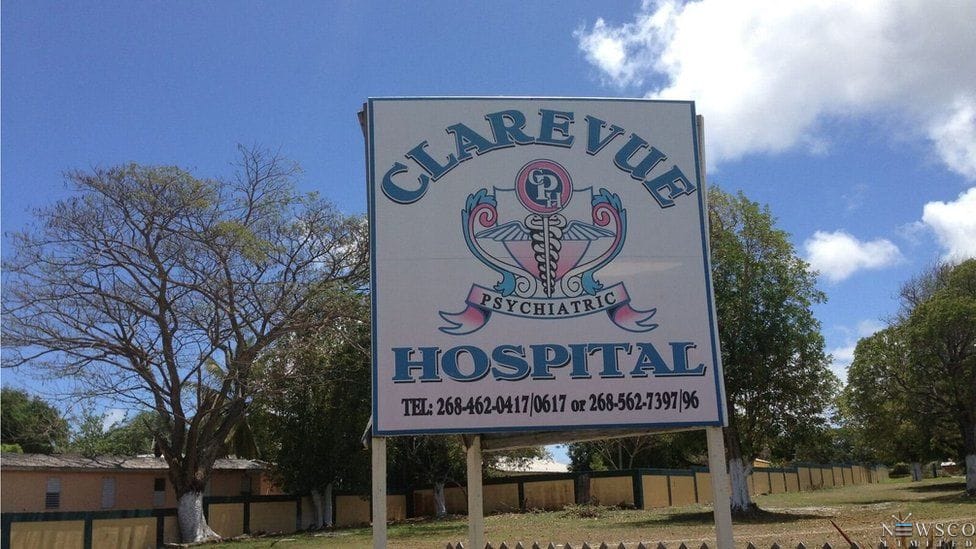
Antigua and Barbuda’s Ministry of Health, Wellness, Environment and Civil Service Affairs has issued a public advisory confirming a small cluster of varicella, more widely known as chickenpox, cases within two male-only wards at the Clarevue Psychiatric Hospital. As of the latest update, the outbreak has not spread beyond the two affected wards, and targeted public health interventions have already been rolled out to contain transmission and safeguard the health of both patients and hospital staff. The ministry emphasized that its standardized infection prevention and control protocols were activated immediately after the initial cases were detected.
The full suite of response measures includes expanded active surveillance across the hospital facility, mandatory quarantine and isolation for exposed and confirmed cases, intensified cleaning and disinfection protocols for all high-touch environmental surfaces, limitations on non-essential movement through the affected wards, regular health monitoring for all individuals who have had close contact with infected patients, and ongoing clinical check-ins for all potentially affected staff and patients. Public health officials are working hand-in-hand with the hospital’s administration and on-site clinical teams to track the development of the outbreak closely, and to date, there is no evidence that the virus has spread to other parts of the facility or the broader community.
To help the public understand the risks, the ministry has also shared key educational information about varicella. The illness is a highly contagious viral infection caused by the varicella-zoster virus, and common presenting symptoms include elevated body temperature, general fatigue, and an itchy blister-shaped rash across the skin. The virus spreads most often through respiratory droplets that enter the air when an infected person coughs or sneezes, or through direct physical contact with fluid from an infected person’s skin blisters. In rare cases, susceptible people can also contract varicella after exposure to someone with herpes zoster (commonly called shingles), which develops when the latent varicella-zoster virus reactivates in a person who previously had chickenpox.
Small, localized clusters of varicella are not unusual, especially in closed congregate settings like psychiatric hospitals, where consistent close contact between people creates ideal conditions for the virus to spread. For most people, particularly healthy children, the illness runs a mild course and rarely causes serious long-term complications. Even so, public health officials stress that proactive prevention remains critical to protecting vulnerable populations.
The ministry reminded the public that varicella vaccination continues to be one of the most effective tools available to prevent infection and reduce the severity of symptoms if infection does occur. The vaccine is accessible to both children and adults at all public health clinics across Antigua and Barbuda. Officials are urging parents and guardians to confirm that their children have received all required doses of the vaccine in line with the country’s national immunization schedule. Any person who is unsure about their own vaccination history is advised to reach out to their primary healthcare provider or the closest public health center for guidance.
In addition to vaccination, the ministry is encouraging all residents to maintain routine infection prevention habits that reduce the spread of all contagious respiratory and viral illnesses. These core habits include washing hands frequently with soap and clean running water, covering the mouth and nose when coughing or sneezing to contain respiratory droplets, keeping infected people separated from public spaces and group settings until all skin blisters have crusted over completely, and contacting a healthcare provider promptly if a person develops symptoms that match a varicella infection.
People who develop fever and a rash are specifically advised to avoid unnecessary close contact with groups that face a higher risk of severe complications, including older adults, pregnant people, newborn infants, and individuals with compromised immune systems. The ministry says it will continue maintaining active, round-the-clock surveillance of the outbreak, and will release additional public updates if any new developments that impact public health emerge.