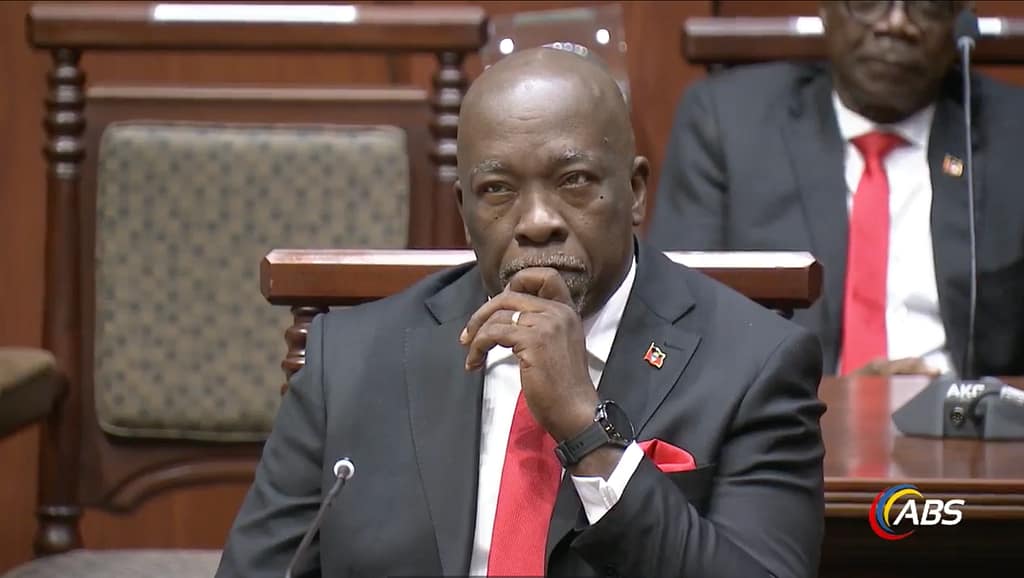
As Antigua and Barbuda undertakes a sweeping nationwide upgrade of its critical water infrastructure, Governor General Sir Rodney Williams is calling for public understanding amid temporary disruptions to road access and utility service, noting that construction disruptions cannot be avoided during the replacement of decades-old corroded underground pipes. Speaking during Tuesday’s traditional Speech from the Throne, Sir Rodney outlined the multiple overlapping crises that have made this infrastructure modernization an urgent national priority: prolonged drought conditions amplified by human-caused climate change, and steadily rising demand for potable water from residential households, commercial enterprises, and the country’s key tourism sector. Acknowledging public frustration over construction-related inconveniences, Sir Rodney defended the ongoing replacement project led by the Antigua Public Utilities Authority (APUA), emphasizing that the long-term benefits of improved water security far outweigh short-term disruptions. “Government can only request your patience while the minister and his experts do their job,” he stated. For small island developing states like Antigua and Barbuda, delivering a reliable supply of safe drinking water stands as one of the most significant policy challenges, Sir Rodney explained, a challenge that has grown far more pressing amid repeated dry spells and the accelerating impacts of global climate change. He went on to express confidence in the leadership of Utilities Minister Melford Nicholas, highlighting Nicholas’ extensive experience and proven ability to manage this complex, high-stakes government portfolio. The Governor General also highlighted the substantial progress the current administration has made over the past 10 years to expand national water production capacity. From just 3.5 million gallons per day in 2013, APUA has more than tripled daily output to 11 million gallons, he confirmed, with additional expansion projects scheduled to come online before the end of the calendar year that will push production even higher. Even with this major increase in water output, however, reliable distribution across many communities remains a persistent problem. The root cause, Sir Rodney explained, is the condition of the country’s aging underground pipe network: when higher water pressure is applied to deliver increased volumes to end users, many older pipes crack, leak, or burst entirely. “Ageing pipes that easily split, leak and then break when pressure is increased in them must be replaced,” he said. Replacing these failing subterranean pipes requires excavating road surfaces in the capital city of St. John’s as well as smaller rural villages across the islands, a process that inevitably causes temporary traffic holdups and brief service interruptions for local residents and businesses. “To replace the old pipes translates into destroying the roadways above them,” Sir Rodney added. The massive overhaul project is part of the government’s long-term strategy to build climate resilience and meet the growing water needs of Antigua and Barbuda’s expanding economy and population.
Governor General Appeals for Patience as Government Replaces Ageing Pipes