标签: Antigua and Barbuda

安提瓜和巴布达

  • Pringle says extension of time for non-nationals will move from 3  to 6 months when he becomes PM

    Pringle says extension of time for non-nationals will move from 3 to 6 months when he becomes PM

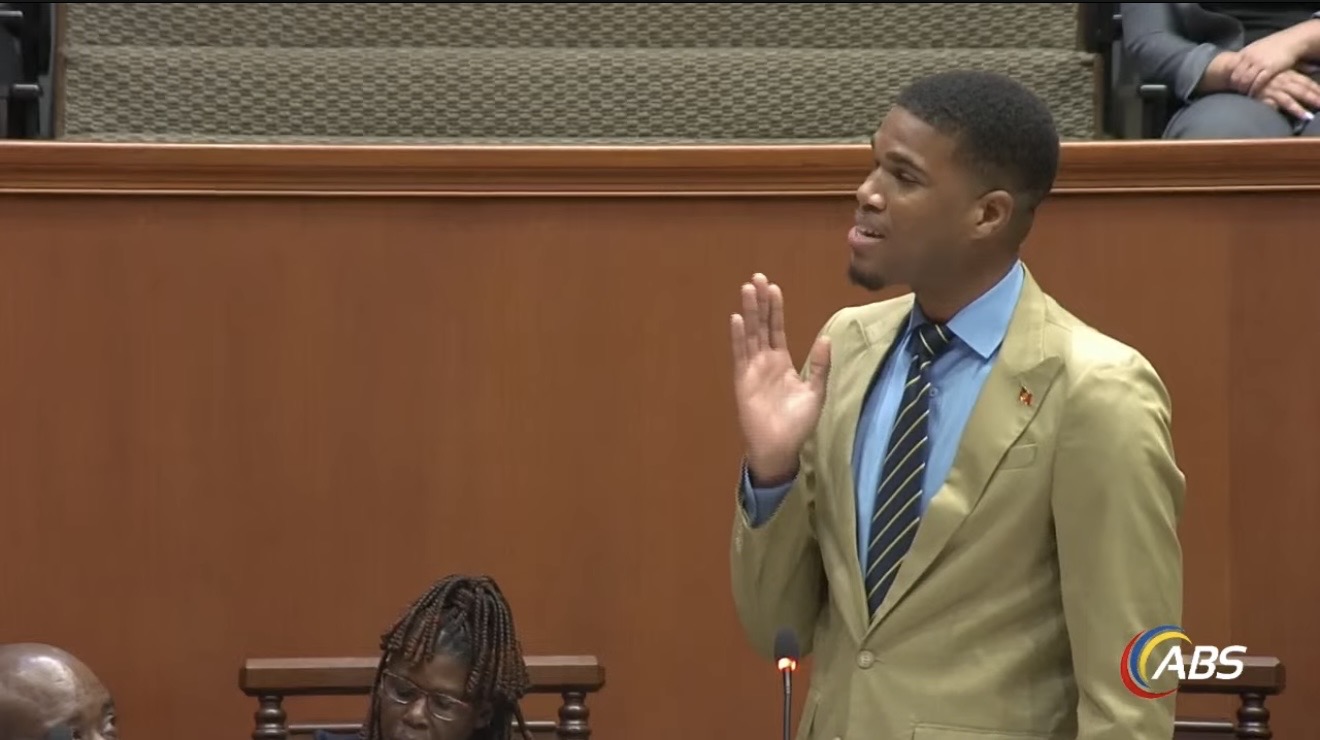
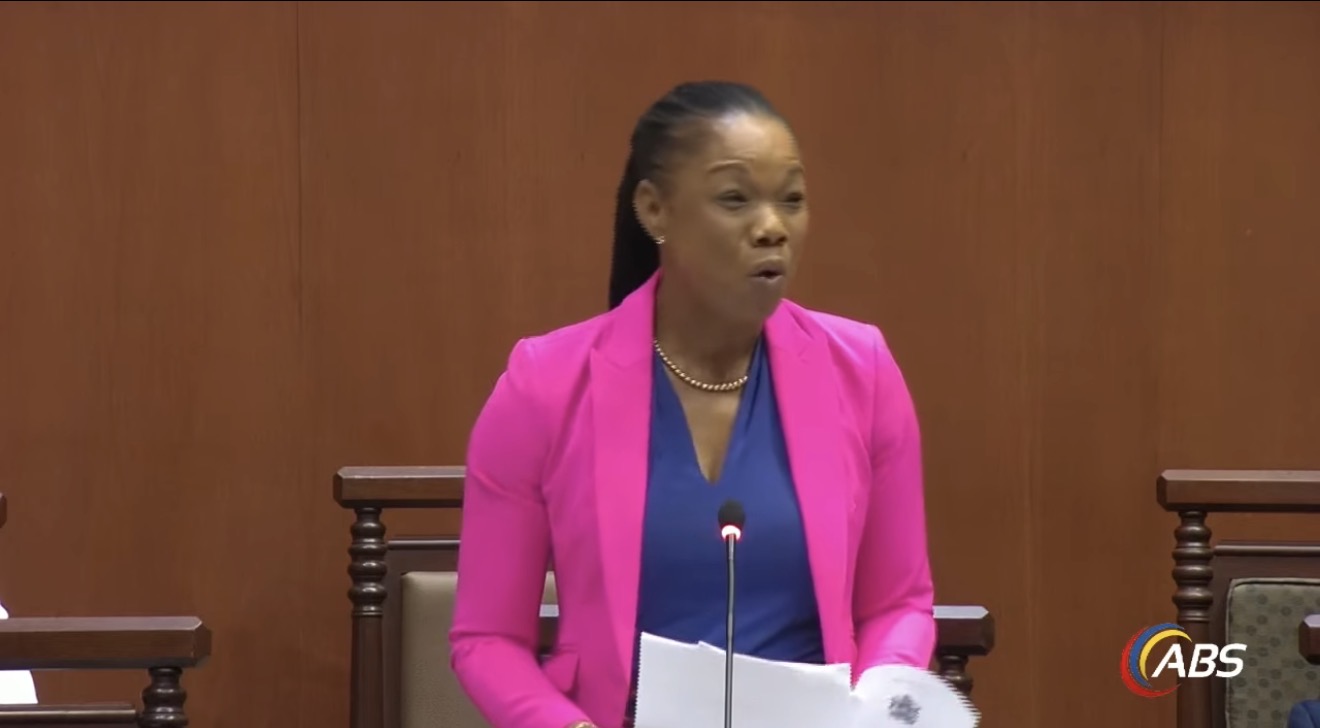
    Ahead of Antigua and Barbuda’s upcoming general election on April 30, United Progressive Party (UPP) political leader Jamale Pringle has laid out a slate of people-centric policy proposals designed to ease burdens on non-national residents, expand affordable housing access for young people, and position his party as a responsive alternative to the current sitting administration.

    Speaking to energized supporters at a campaign rally, Pringle first announced that a UPP-led government would immediately extend the maximum allowed legal stay for Caribbean nationals residing in Antigua and Barbuda from three months to six months. Currently, eligible non-nationals must complete routine extension applications at the national immigration department every quarter, a process that Pringle argues creates unnecessary financial costs and logistical inconvenience for people who have made the twin-island nation their home.

    “Instead of having to run to immigration every three months for an extension, we will extend the duration of your legal time to six months,” Pringle told the cheering crowd. “No longer will our Caribbean brothers and sisters have to make that repeated trip. This policy will save both their valuable time and hard-earned money.” Framing the change as a core part of the UPP’s “people-first” governing philosophy, Pringle emphasized that the policy adjustment demonstrates what a caring administration can deliver for all people who call Antigua and Barbuda home, regardless of nationality.

    The UPP leader also used the rally to address long-circulated misinformation about the party’s position on non-national workers, announcing that his administration would remove all existing restrictions on tourism-sector work permits. “Our government will work for every single person living here in Antigua and Barbuda,” he affirmed, pushing back against claims that the UPP would restrict opportunities for foreign-born residents.

    Beyond immigration reform, Pringle dedicated a large portion of his speech to youth-focused policy pledges, a key voting bloc the party is targeting ahead of the election. His signature youth proposal centers on expanding affordable land access for young citizens: Pringle announced that a UPP government would first complete a full audit of all remaining Crown land to map available parcels, then offer residential plots of roughly 8,000 square feet exclusively to citizens under the age of 35 at a capped price of no more than $5 per square foot. Over a five-year term, the party has committed to allocating a minimum of 2,000 such plots to eligible young buyers.

    Additional pro-youth housing measures include a pledge to eliminate the longstanding requirement that new homeowners cover the cost of utility infrastructure, such as Antigua Public Utilities Authority electricity poles and water connections, when moving into newly developed neighborhoods. For those seeking alternatives to traditional single-lot homeownership, Pringle said the UPP would leverage public-private partnerships to build affordable multi-level townhouse communities that include shared public amenities such as fitness centers and children’s playgrounds.

    Throughout his address, Pringle argued that the UPP’s core message of “government must work for the people” is resonating deeply with undecided voters across the islands. He claimed that growing numbers of residents are shifting their support away from the current administration and toward the UPP in the final weeks of the campaign. Closing with a rallying cry for supporters, Pringle urged attendees to mobilize their communities and turn out to vote on April 30. “Nothing will come to us. We have to go and fight for it,” he said, framing the election as an opportunity to remove the sitting government and return Antigua and Barbuda to what he described as the “glory days” of past UPP governance.

  • UPP Candidate Jonathan Joseph Says Cancer Patients Enduring ‘Hell,’ Pledges Urgent Reform

    UPP Candidate Jonathan Joseph Says Cancer Patients Enduring ‘Hell,’ Pledges Urgent Reform

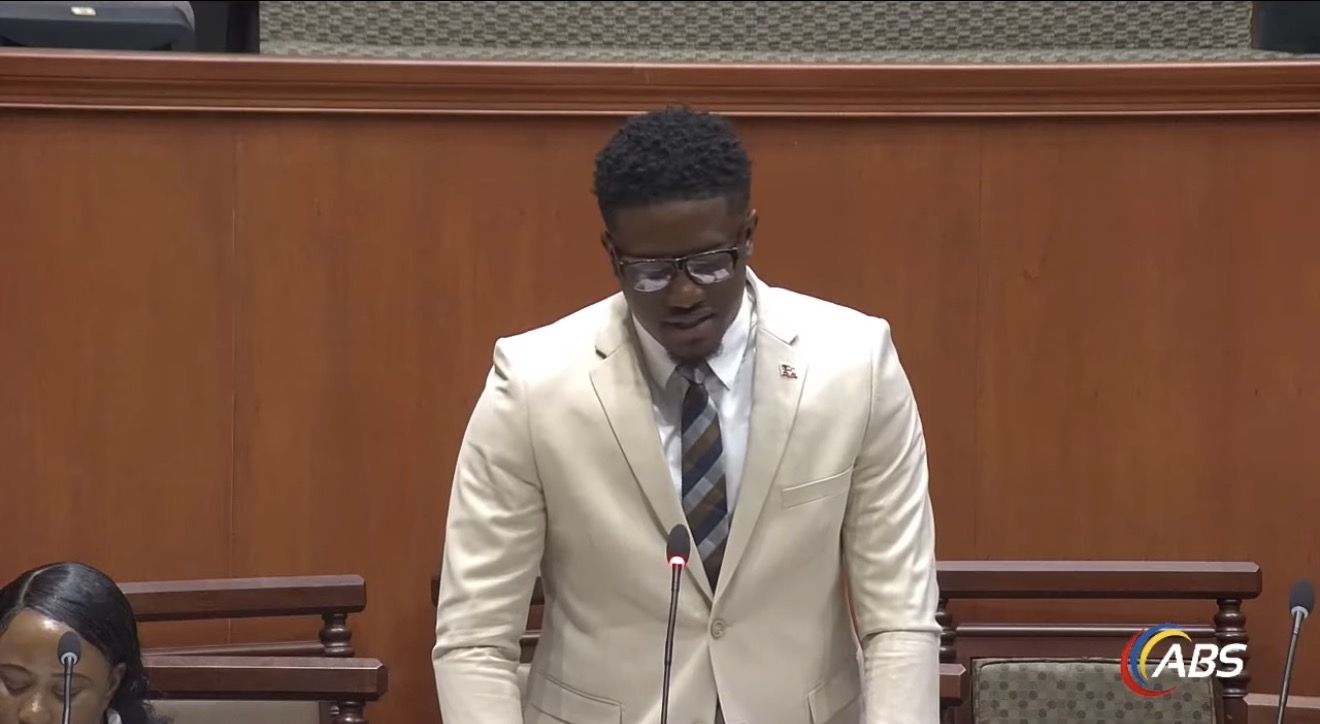
    Ahead of Antigua and Barbuda’s April 30 general election, opposition United Progressive Party (UPP) candidate for the St. Mary’s North constituency Jonathan Joseph has drawn a stark spotlight on the island nation’s broken cancer care system, delivering a searing indictment of the current administration’s failures and promising sweeping emergency reforms if his party secures power.

    Speaking to a packed rally of supporters, Joseph opened with raw emotion, describing the daily suffering of local cancer patients as an unacknowledged “hell” that ruling officials have chosen to ignore. He emphasized that the crisis is expanding at an alarming rate, with growing numbers of women and even young adolescents now facing barriers to life-saving care that have pushed many into avoidable suffering.

    Rooting his critique in on-the-ground experience from his own constituency, Joseph shared the devastating story of a local mother with cancer who delayed her own treatment to prioritize care for her sick young daughter, ultimately passing away before her child recovered. This case, he argued, encapsulates the systemic failure that has turned healthcare into a political afterthought rather than a compassion-centered public service. He stressed that the fundamental mission of any public health system should be to help sick people heal, a mission the current government has abandoned entirely.

    The core of Joseph’s campaign pledge centers on reopening Antigua and Barbuda’s shuttered national cancer center as an urgent first priority. He told the crowd that a UPP administration would move quickly to restore full operations at the facility, arguing that every day of delay inflicts unnecessary harm on vulnerable patients. “Because people matter,” he emphasized, framing the commitment as a non-negotiable moral obligation rather than a political talking point.

    Beyond the cancer center, Joseph outlined broader plans to overhaul the nation’s public healthcare system, including extending operating hours at community health clinics to expand access for working families and low-income residents who cannot take time off work for routine and specialized care. He asserted that the UPP brings the necessary expertise, local talent, and political will to build a world-class healthcare system that would stand as a model for the entire hemisphere.

    Joseph did not mince words in his criticism of the incumbent government, arguing that the administration has turned the nation’s healthcare system into a mockery, leaving critical infrastructure and services in total disarray. He called the current state of public health an outright crisis, insisting that only the UPP has the commitment and capability to fix the systemic failures that have left cancer patients and other vulnerable groups without adequate care.

    Tying his own political legacy to the issue, Joseph stated that it would be a permanent stain on his record if he took office and allowed the current unacceptable state of healthcare to remain unchanged, urging voters to view the upcoming election as a turning point for public health. Closing his remarks, Joseph emphasized that this is not an abstract political debate: it is a matter of life and death for real local residents, and voters have the power to change the outcome for themselves and their vulnerable loved ones. He ended with a direct call for voters to back the UPP on election day, arguing that meaningful, lasting change for cancer patients and all residents depends on electing a new government that prioritizes people over politics.

  • Sherfield Bowen Says the United States Wants ‘a New Government’ in Antigua

    Sherfield Bowen Says the United States Wants ‘a New Government’ in Antigua

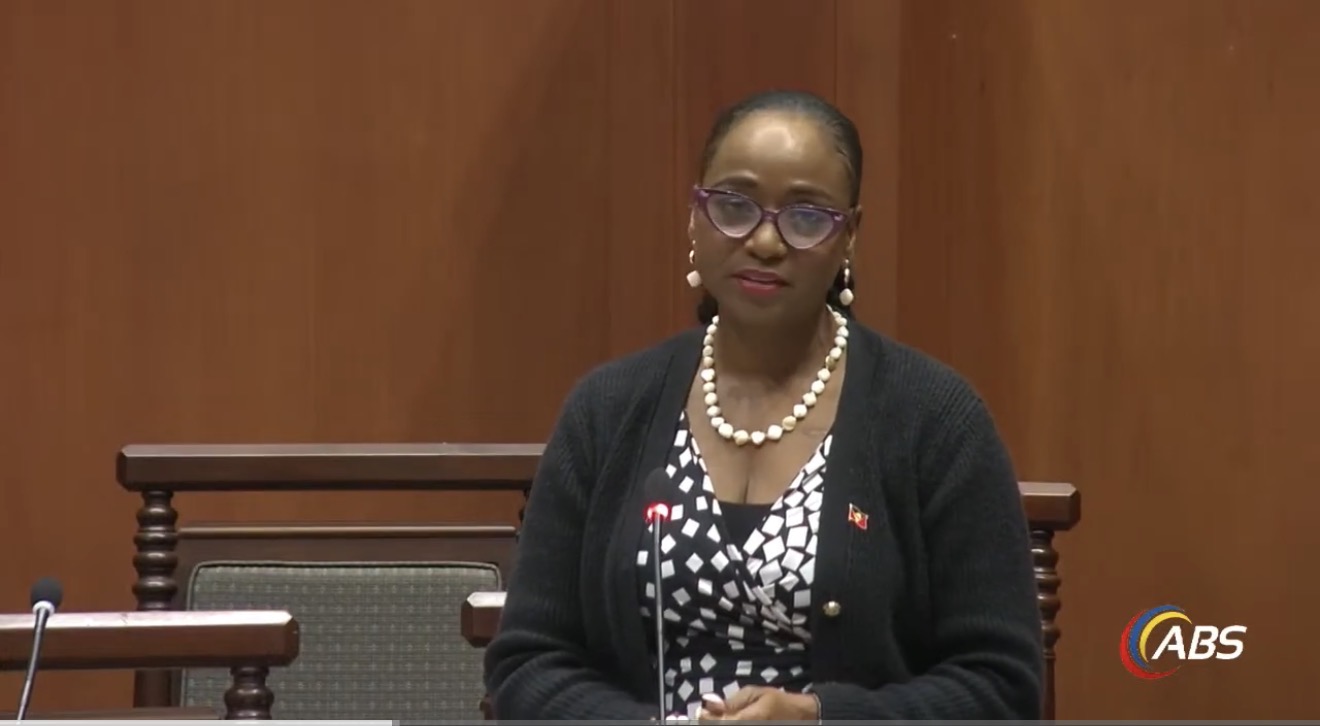
    As the April 30 general election in Antigua and Barbuda draws near, the main opposition United Progressive Party (UPP) has centered its campaign narrative around claims of strained international relations under the incumbent Gaston Browne administration. At a campaign rally for party supporters, Sherfield Bowen, UPP’s deputy political leader, made a bold assertion: that both the United States and the European Union are actively seeking a new, more cooperative governing body in the country, framing a leadership turnover as non-negotiable for Antigua and Barbuda’s standing on the global stage.

    Bowen’s core argument links a range of growing international headwinds directly to the policies of Browne’s ruling Labour Party. He told rally attendees that Antigua and Barbuda is already facing international repercussions for the current administration’s decisions, with more severe consequences looming if voters return the incumbent government to power. “The United States and Europe are now looking for a new government that they can work with. That is why a change of government is essential,” Bowen stated in his address to the crowd.

    Among the most serious allegations Bowen put forward was that existing U.S. visa sanctions imposed on Antigua and Barbuda citizens are a direct result of the Browne administration’s policy choices. He went further to warn of impending additional restrictions, claiming that the European Union is on track to roll out its own visa sanctions by the end of the current year. Bowen argued that the incumbent government lacks the capability to reverse these damaging measures, asserting that the Gaston Browne regime is unable to take the necessary steps to remove existing sanctions and prevent new restrictions from being added.

    In a strategic shift that prioritizes national and international standing over granular constituency-specific promises, the UPP has positioned the upcoming election as a critical turning point for the country. Bowen framed the poll as Antigua and Barbuda’s only opportunity to alter its current trajectory, arguing that the only solution to mounting international pressure is to remove Gaston Browne and the Labour Party from office, replacing them with a UPP-led government that Bowen says will prioritize the needs of everyday citizens.

    Bowen’s comments reinforce the UPP’s broader campaign strategy, which casts the April 30 vote as a referendum on the Browne administration’s overall governance of the country. By tying visa restrictions and the threat of future sanctions directly to government policy, the opposition has sought to reframe foreign policy fallout as a critical domestic political issue. This approach is designed to persuade undecided voters that the country’s global reputation is inextricably linked to its domestic prosperity and future prospects. Closing his remarks, Bowen issued a direct appeal to supporters, urging them to back the UPP at the polls to deliver the change he says Antigua and Barbuda urgently needs.

  • Emanuel Peters Pledges to Donate Entire Parliamentary Salary to Lift Rural South Out of Poverty

    Emanuel Peters Pledges to Donate Entire Parliamentary Salary to Lift Rural South Out of Poverty

    In a bold and unprecedented move that has drawn both praise and scrutiny across the national political landscape, newly elected Member of Parliament Emanuel Peters has made a historic pledge: he will donate 100 percent of his parliamentary salary over the course of his entire term to poverty alleviation projects in the underdeveloped rural South.

    The rural regions of the country’s southern belt have long grappled with systemic economic disparities, decades of underinvestment in critical infrastructure, limited access to quality healthcare and education, and persistently higher unemployment rates than the national average. For years, activists and local leaders have called on national political figures to address these gaps, but few have taken personal action to match their rhetorical commitments.

    Peters, who ran his election campaign on a platform centered on grassroots equity and government accountability, announced the pledge during a public community meeting in one of the region’s poorest counties last week. “The people of this region sent me to parliament to fight for their progress, not to build personal wealth at their expense,” Peters told assembled residents. “Every cent I earn from this role will go directly back to lifting up the communities that trusted me to represent them.”

    The pledge covers all base salary earned during his five-year term, and will be distributed to local nonprofits focused on small business grants for rural entrepreneurs, scholarship programs for low-income high school students, and community infrastructure projects including clean water access and road improvements. Peters’ office confirmed he will not retain any portion of the salary for personal expenses, relying instead on prior personal savings to cover his professional and living costs while in office.

    Political analysts note that the move is rare among sitting elected officials globally, and sets a new benchmark for personal sacrifice among the nation’s political leadership. While some opposition figures have questioned whether the pledge sets an unrealistic standard for future candidates, grassroots organizations across the rural South have welcomed the commitment, saying it signals a renewed focus on the systemic challenges that have long been sidelined by national policymakers.

    Local community leader Maria Gonzalez, who has spent 20 years advocating for rural development in the region, called the announcement “a game-changer.” “For too long, politicians have come down here, made promises, and gone back to the capital to forget about us,” Gonzalez said. “This isn’t just a donation—it’s a proof of commitment that we haven’t seen before.”

  • 840,000 Annual Deaths Linked to Workplace Stress Risks, International Labour Organization Report Finds

    840,000 Annual Deaths Linked to Workplace Stress Risks, International Labour Organization Report Finds

    In a groundbreaking new global analysis released ahead of the 2026 World Day for Safety and Health at Work, the International Labour Organization (ILO) has sounded a urgent alarm over the hidden public health crisis unfolding in workplaces across the world. The agency’s latest report, *The psychosocial working environment: Global developments and pathways for action*, reveals that over 840,000 premature deaths each year can be traced back to treatable psychosocial hazards at work, ranging from chronic overwork and persistent job insecurity to routine workplace bullying and harassment. Unlike many widely recognized occupational safety threats, these hidden risks primarily drive two categories of life-ending health conditions: cardiovascular disease and serious mental disorders, including suicide. Beyond the catastrophic human cost, the report quantifies the staggering global scale of healthy life lost to these work-related harms: nearly 45 million disability-adjusted life years (DALYs) are forfeited annually, a metric that captures years of healthy living stolen by premature death, chronic illness, or work-related disability. The economic burden of unaddressed psychosocial risks is equally profound, dragging down the global economy by an estimated 1.37 percent of total annual gross domestic product. The ILO report emphasizes a critical, underrecognized trend: the design, organization, and management of modern work are playing an increasingly large role in shaping worker well-being. It warns that common psychosocial risk factors – including long working hours, persistent job uncertainty, excessive work demands paired with little worker autonomy, and ongoing bullying or harassment – will continue to poison working environments worldwide without targeted intervention from governments, employers, and labor groups. The agency’s release comes as global stakeholders prepare to mark the World Day for Safety and Health at Work 2026, with the new report intended to spur coordinated global action to address this growing occupational health crisis.

  • Nicholas Eyes Stronger Margin in Bellwether City East After Six-Vote Win

    Nicholas Eyes Stronger Margin in Bellwether City East After Six-Vote Win

    One of Antigua and Barbuda’s most closely watched electoral districts is once again at the center of national political conversation, as the incumbent candidate prepares for a rematch that could signal the overall direction of the country’s next government. St. John’s City East, the constituency that incumbent Antigua Labour Party (ABLP) candidate Melford Nicholas held by a razor-thin six-vote margin in the 2023 general election, will head back to the polls on April 30, and Nicholas is already projecting a far clearer victory this cycle.

    In the 2023 contest, Nicholas secured 791 votes to defeat his challenger, finishing just six votes ahead. While he acknowledges the unprecedentedly tight outcome of that race, he frames the narrow win as a remarkable victory achieved against significant headwinds. During the last election cycle, the entire country saw a broad voter swing away from the ABLP, a political trend that Nicholas says made his narrow retention of the seat all the more notable.

    Speaking in an interview with ABS Television’s *Know Your Candidates* programme, Nicholas argued that the national political landscape has shifted dramatically over the intervening period, and that momentum has now swung back in his party’s favor. “I was able to prevail even against a 20% swing,” Nicholas noted. “This election is a different election… you may well find that the swing has come back to the Antigua Labour Party.”

    Though he stopped short of offering a specific projection for his final margin of victory, Nicholas expressed unwavering confidence that the 2024 result will leave no doubt about his hold on the seat. “I think I will do much better… I know that we’re going to do much better in St. John’s City East,” he added.

    What makes this particular constituency race draw so much national scrutiny is its decades-long track record as a reliable political bellwether for Antigua and Barbuda. Nicholas pointed out that since 1971, no national government has been formed in the country without winning the popular vote in St. John’s City East. That legacy means the contest carries outsize importance for both major parties, pitting Nicholas against United Progressive Party challenger Pearl Quinn Williams this time around.

    Nicholas pushed back against narratives that frame the 2023 six-vote result as a sign of weak support for his incumbency, noting that the narrow margin must be interpreted through the lens of the broader anti-ABLP swing that shaped the entire 2023 election. Even with that nationwide trend working against him, Nicholas said, his core support base held firm enough to let him keep the seat.

    As April 30 approaches, political analysts and party operatives across Antigua and Barbuda are expected to fixate on early vote totals from St. John’s City East. Its long history as an accurate indicator of the final national outcome means the constituency’s results will likely be the first metric many use to predict which party will control the next government.

  • Nicholas Cites Job Placements and Youth Programmes as Key Achievements

    Nicholas Cites Job Placements and Youth Programmes as Key Achievements

    As the April 30 general election draws near, incumbent Melford Nicholas, the Antigua and Barbuda Labour Party (ABLP) candidate vying for the St. John’s City East parliamentary seat, has laid out a people-centered policy platform focused squarely on driving employment growth and expanding economic opportunity for local residents. In a recent appearance on ABS Television’s *Know Your Candidates* public affairs program, Nicholas claimed that his work in office has already helped dozens of constituents secure steady, paying work — a track record he says he will build on if re-elected.

    At the top of Nicholas’s second-term agenda is targeted support for small and medium-sized enterprise development, a priority he plans to advance by cutting operational costs for local business owners. A key infrastructure project he has proposed is a new community commerce park, purpose-built to give local entrepreneurs a affordable space to launch and grow their ventures. The planned development is designed to accommodate up to 10 small businesses, with room for tourism-focused operations that can leverage St. John’s proximity to the island’s main tourism corridors to boost local economic activity.

    Beyond business development, Nicholas emphasized that continued investment in human capital through education remains a core commitment. His tenure in office has already delivered expanded scholarship opportunities and greater access to continuing education programs for working-age constituents, investments he says unlock long-term upward mobility for residents. “With the scholarship programme that we have, the continuing education programme… we continue to invest in those persons in their productive years,” Nicholas explained during the interview.

    He also highlighted ongoing targeted youth engagement efforts across the constituency, including accessible summer camps and community sports programs that are designed to build practical life and professional skills while offering young people constructive, positive opportunities to grow. To remove barriers for aspiring young entrepreneurs, Nicholas added that he has consistently connected constituents to the national entrepreneurial development fund, and hands-on technical assistance to help early-stage founders develop solid business plans that qualify them for funding support.

  • Antigua Sailing Week announces new bank partnership

    Antigua Sailing Week announces new bank partnership

    CIBC Caribbean has announced an exciting new collaborative partnership with the iconic Antigua Sailing Week, marking a strategic move to spotlight its exclusive Platinum Banking Service, a custom offering designed for discerning professionals, corporate executives, and international clients seeking financial solutions for regional investments and Caribbean property purchases.

    Priscilla Leonce, Country Head of CIBC Caribbean, emphasized the strong alignment between the sailing event and the brand’s vision for its premium banking division. “We are thrilled to enter into this partnership with Antigua Sailing Week, a leading lifestyle event that shares our core values for Platinum Banking,” Leonce stated in a press release announcing the collaboration. “Our Platinum Banking Service is built around a specialized, dedicated team that prioritizes understanding each client’s unique long-term financial goals, then works hand-in-hand with them to craft customized solutions that drive sustained growth and success. What sets our offering apart is the combination of personalized one-on-one support, innovative forward-thinking financial strategies, and an unwavering commitment to building enduring, trust-based relationships with every client.”

    Leonce also noted that the partnership extends beyond brand visibility, framing the iconic regatta as a valuable opportunity to connect with sailing enthusiasts, international visitors, and existing clients based on the island of Antigua, fostering organic networking in a relaxed, premium setting.

    Organizers of Antigua Sailing Week have welcomed the regional banking giant as a key sponsor for the 2026 event, praising CIBC Caribbean’s standing as a foundational financial institution across the Caribbean. Event representatives noted that the partnership does more than boost the regatta’s prestige: it also underscores the critical importance of forging strong, mutually beneficial ties between local businesses, global brands, and the regional community.

    The 2026 Antigua Sailing Week roster of sponsors already includes a diverse array of public and private partners, ranging from the Antigua & Barbuda Ministry of Tourism, Investment & Economic Development and the island’s Citizenship by Investment Unit to global brands such as Heineken Beer and Virgin Atlantic, luxury hospitality providers like The Residences at Nikki Beach Resort and Spa Antigua and Palmer Champagne, and local businesses including Seahawk Paints, English Harbour Rum, CalvinAir Helicopters, and APUA Inet.

  • Fernandez Defends Constituency Engagement Amid Criticism Over Visibility

    Fernandez Defends Constituency Engagement Amid Criticism Over Visibility

    With the April 30 general election rapidly approaching, incumbent St. John’s Rural North candidate and cabinet minister Charles Fernandez is pushing back against growing opposition criticism that he has failed to maintain a sufficient presence among the voters he represents. In a wide-ranging “Know Your Candidate” interview held in the lead-up to the vote, Fernandez addressed the core critique head-on, acknowledging the intense demands of his national government portfolio but rejecting claims that these duties have sidelined his work for local constituents. As the country’s tourism minister, Fernandez oversees a sprawling brief that includes not just hospitality sector strategy, but also regulatory oversight of aviation, public transportation systems, and several large-scale infrastructure developments across the nation. “Tourism is not an easy thing… there has been a lot, a lot of work,” he explained in the interview. Contrary to claims that his heavy national workload has kept him from engaging with local residents, Fernandez outlined a robust slate of community-focused initiatives that he says prove his consistent, ongoing commitment to the constituency. The incumbent highlighted that his constituency office remains open to all residents every single working day, emphasizing that no voter is turned away seeking assistance, even if occasional scheduling conflicts lead to short wait times for meetings. “No constituent is turned away from my office, no day,” he affirmed. Beyond open-door office access, Fernandez pointed to targeted collaborative programs with local community groups designed to address vulnerable resident needs, including skills-training sewing classes tailored for single mothers seeking new employment opportunities. He also pointed to a calendar of regular, recurring community events that his office organizes, ranging from annual holiday Christmas parties for local families to organized group tours for senior residents. Addressing a common critique of low engagement, Fernandez acknowledged that traditional large-format public gatherings such as in-person town hall meetings have struggled to draw significant crowds in recent cycles. He attributed this shift not to a lack of effort on his part, but to changing voter habits, noting that the vast majority of constituents now turn to digital media and social platforms to access information and connect with their elected representatives. The race for St. John’s Rural North is shaping up to be one of the most closely watched competitive contests in this election cycle. Fernandez first won the seat for his party in the 2023 snap election by a narrow margin of just over 200 votes, making it a top target for opposition parties seeking to gain ground in the overall race to form a new government. Both major political parties have identified the marginal seat as a key battleground that could swing the overall outcome of the general election. While Fernandez openly admitted that balancing high-stakes national ministerial responsibilities with the day-to-day demands of constituency work is an ongoing, persistent challenge, he maintained that his track record of initiatives and direct outreach speaks to his unbroken commitment to serving the people of St. John’s Rural North.

  • Antigua and Barbuda Targets Africa, Middle East and Latin America in Tourism Expansion Push

    Antigua and Barbuda Targets Africa, Middle East and Latin America in Tourism Expansion Push

    As the Caribbean nation of Antigua and Barbuda prepares for its upcoming general election on April 30, the country’s Tourism Minister Charles Fernandez has laid out an ambitious plan to reshape the nation’s core economic sector: tourism. In a public “Know Your Candidate” interview, Fernandez detailed a strategy that moves beyond the nation’s long-standing reliance on traditional source markets, with new outreach focused on high-growth regions across Africa, the Middle East and Latin America.

    For decades, Antigua and Barbuda’s tourism industry has drawn the vast majority of its visitors from established markets including the United States, the United Kingdom and Canada. While these core markets will remain important, Fernandez says expanding into new regions is no longer optional in an increasingly competitive global travel landscape. “I think what we need to do now, and we have started it, is to look at other source markets apart from the US, UK, Canada,” he noted, pointing to advanced ongoing negotiations with one of the world’s leading air carriers.

    The centerpiece of the new airlift strategy is a pending deal with Emirates Airline that would bring three weekly direct flights from Dubai to Antigua and Barbuda starting in 2027. Fernandez explained that this air link would unlock access to a large base of high-net-worth travelers across the Middle East, while also creating easier connections for visitors from African and South Asian markets. “There are a lot of very, very wealthy people in Africa, the Middle East, and so on, and Antigua has now positioned itself as a high-end destination,” he said.

    The diversification push extends beyond tourism alone, with parallel plans to boost bilateral trade and economic ties with the new target regions. To support this dual goal of growing travel and commerce, the government has outlined major infrastructure upgrades for the nation’s main airport, including expanded cargo storage space and new temperature-controlled refrigeration facilities. These upgrades are designed to complement ongoing expansion work at the country’s commercial seaport, with the end goal of transforming Antigua and Barbuda into a comprehensive logistics and transportation hub for the entire Caribbean region.

    “We’re now looking to build out a larger cargo area… all in making the airport, just as the port is being done, a hub for the Caribbean,” Fernandez explained. He emphasized that the broader diversification strategy is a critical step to insulate the national economy from sudden disruptions, noting that over-reliance on a small number of source markets leaves the tourism sector vulnerable to shocks such as economic downturns or public health emergencies in any single region.

    Even with the push for new markets, Fernandez reaffirmed that the existing tourism ecosystem remains the primary engine of Antigua and Barbuda’s national economy. Today, the sector supports widespread employment across the country, with growth coming not just from large international hotel brands but also a fast-expanding network of locally owned short-term vacation rentals that keep more tourism revenue in local communities. By expanding into new high-yield markets while strengthening core infrastructure, the government aims to deliver long-term, stable growth that benefits all segments of the national economy.