ST. JOHN’S, Antigua — In a decisive vote on Monday, government senators leveraged their numerical majority in the Antigua and Barbuda Senate to advance the long-awaited Fatal Accidents Bill 2026, turning back all opposition-proposed adjustments to legislation aimed at updating the nation’s framework for wrongful death compensation claims by grieving families.
The new law repeals Antigua and Barbuda’s century-old Fatal Accidents Act, which was first enacted in 1924, and replaces it with a modernized legal structure that expands access to damages for eligible dependents who have suffered financial hardship after a loved one’s wrongful death. Key provisions of the bill include a capped statutory bereavement award of up to $20,000, an expanded definition of qualifying dependents that aligns with contemporary family structures, the elimination of a mandate requiring equal splitting of bereavement awards among all beneficiaries, and a clear provision that compensation amounts will not be reduced if a family receives life insurance payouts or Social Security survivor benefits.
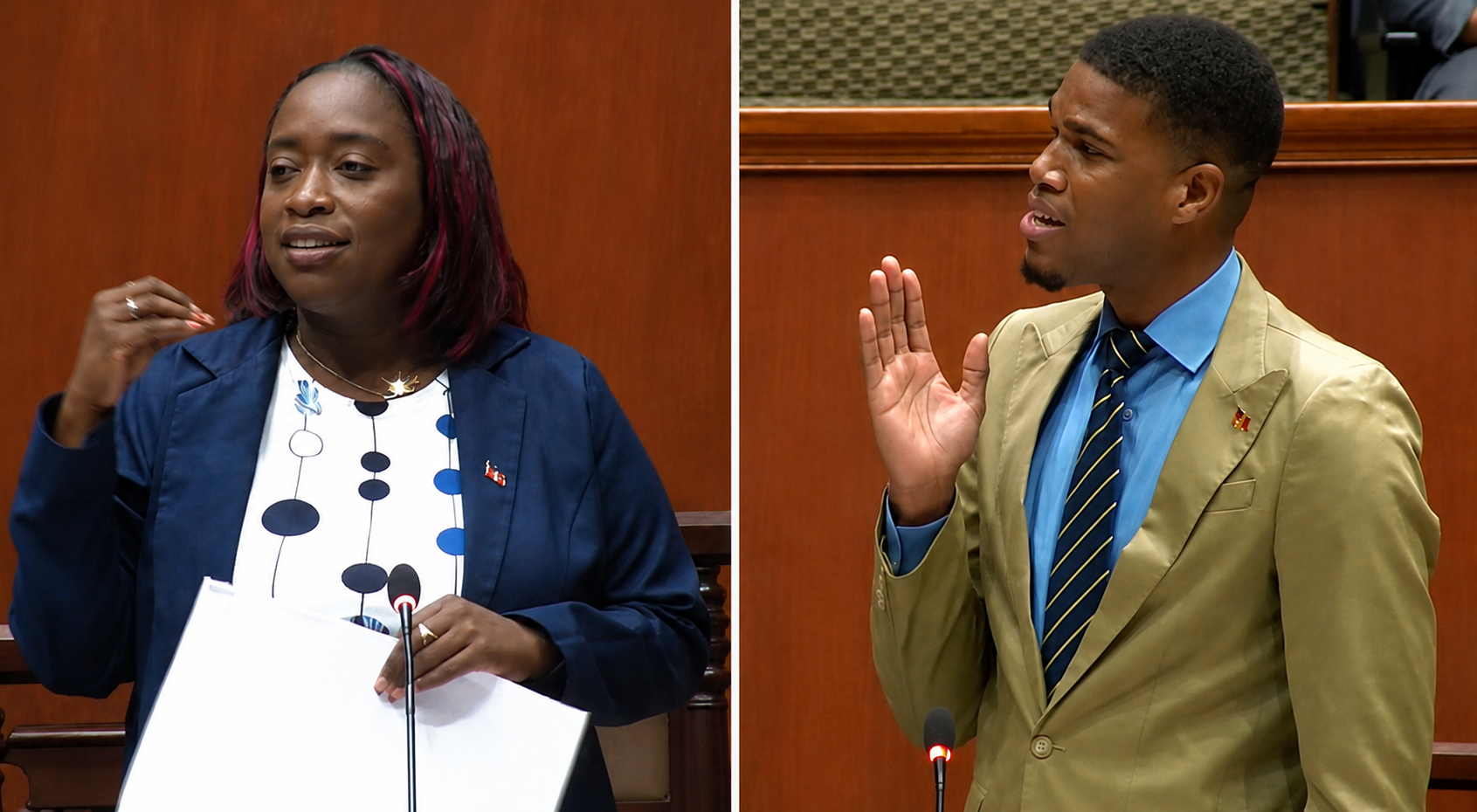
Opening the government’s debate on the legislation, Leader of Government Business Senator Shenella Govia framed the bill as a critical, long-overdue update to the nation’s civil justice system. She emphasized that the reform has been shaped to reflect modern family dynamics and centers fairness and empathy for families navigating the aftermath of an unexpected wrongful death. “This bill is really about families,” Govia told the upper chamber of parliament. “Families whose lives have been shattered by the wrongful loss of a loved one.”
Govia acknowledged that no financial award can ever undo the loss of a parent, spouse, or child, but stressed that the new legislation creates a far more equitable process for dependents seeking financial relief after a wrongful death. She also clarified that the law is not restricted to fatal motor vehicle collisions, and applies to all deaths resulting from another party’s negligent or intentional wrongful conduct.
While opposition senators agreed that the 102-year-old existing law needed to be repealed, they argued that the bill should be strengthened before being finalized into law. Opposition Senator Jonathan Wehner acknowledged that the proposal represented a clear improvement over the outdated 1924 legislation, but urged lawmakers to address identified gaps prior to passage rather than leaving corrections for a later legislative session.
Three core amendments were put forward by the opposition bloc. The first sought to adjust Clause 4 of the bill to extend eligibility for bereavement damages to surviving common-law partners. Opposition lawmakers noted that while Clause 2 already recognizes cohabiting partners as dependents for certain claim purposes, Clause 4 explicitly excludes them from bereavement award eligibility, creating an unnecessary inconsistency in the text of the law.
The second proposed amendment would have cut the waiting period from 12 months to six months before dependents can initiate legal action on their own if the deceased person’s personal representative fails to file a claim. The third amendment called for the $20,000 maximum bereavement award to be subject to periodic parliamentary review, rather than remaining a fixed amount permanently written into law. Opposition lawmakers warned that ongoing inflation would gradually erode the purchasing power and value of the fixed award over time, suggesting that either indexing the payment to inflation or allowing routine adjustments via parliamentary regulation would resolve this issue.
Opposition Senator Ashworth Azille backed all three proposed changes, noting that while the bill was a step in the right direction for civil justice reform, parliament had a responsibility to pass the strongest possible version of the legislation immediately, rather than delaying improvements to a future date.
During the committee stage of debate, government senators rejected all of the opposition’s proposed amendments. Responding to the criticisms on behalf of the governing bloc, Govia argued that legislation evolves incrementally over time, and parliament can revisit the act in the future if practical experience demonstrates that additional changes are needed. “There is not ever going to be one perfect bill that covers everything because time evolves,” she said. “As we see situations arise, we come back to this honourable House and amend and adjust accordingly.”
After all opposition amendments were defeated by majority vote, the full Senate approved the Fatal Accidents Bill 2026, clearing the final legislative hurdle for the legislation to replace the 102-year-old law that currently governs civil claims for wrongful death across Antigua and Barbuda.