标签: Antigua and Barbuda

安提瓜和巴布达

  • $20,000 Bereavement Award Should Be Indexed to Inflation, Opposition Senator Says

    $20,000 Bereavement Award Should Be Indexed to Inflation, Opposition Senator Says

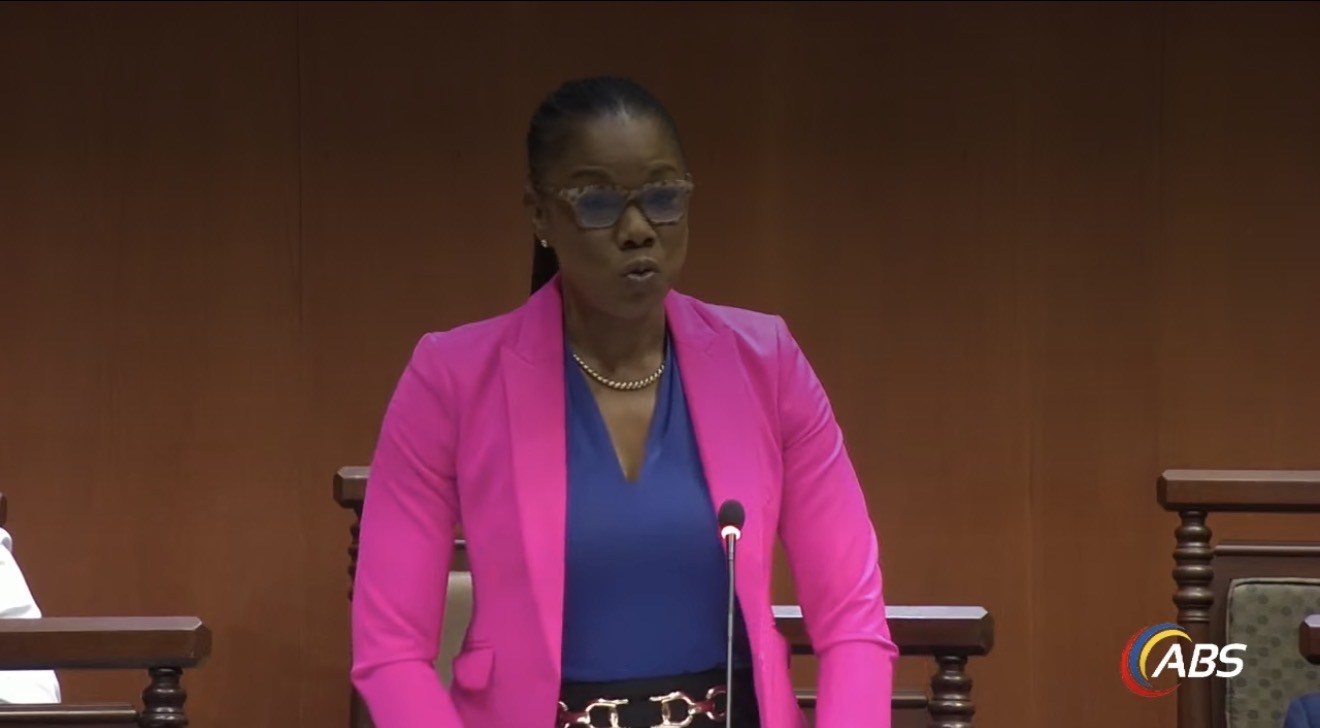
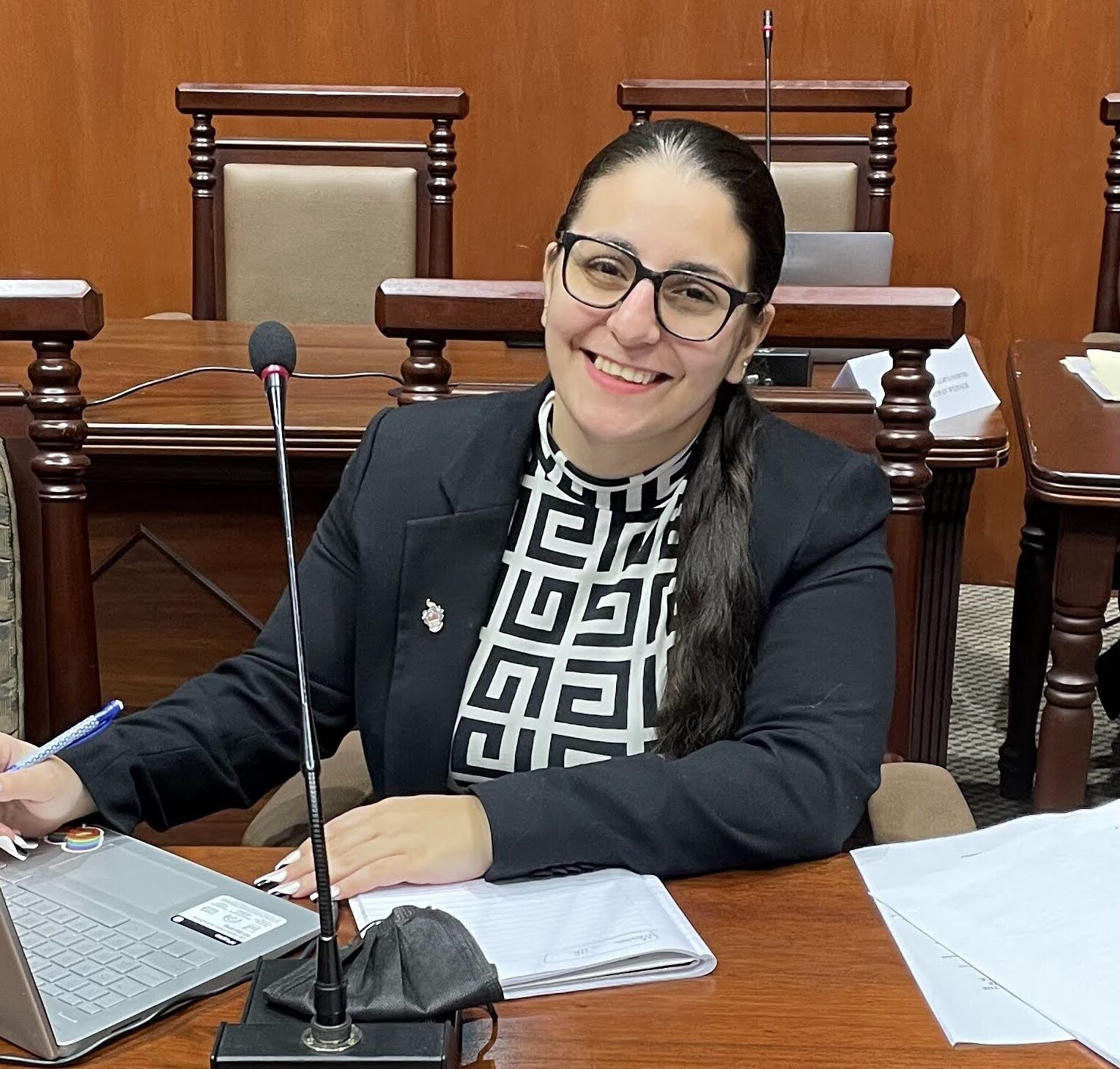
    As debate over the 2026 Fatal Accidents Bill unfolds in the national Senate, opposition Senator Malaka Parker is calling on ruling lawmakers to build long-term flexibility into the proposed legislation by ensuring fixed bereavement compensation awards retain their real value over time.

    Parker has made clear that she broadly backs the new legislation and does not challenge the $20,000 maximum payout proposed in the draft bill. Her core concern centers on the current plan to lock this fixed amount permanently into law, with no built-in mechanism for future adjustment to match changing economic conditions.

    “I have no difficulty with that,” Parker stated publicly during the Senate debate, referring to the $20,000 cap. She went on to warn that if policymakers leave the figure unchanged, inflation will gradually eat away at its purchasing power, leaving grieving families with inadequate support decades from now.

    To address this risk, Parker has put forward two potential solutions. First, she argues that Parliament should index the maximum bereavement award directly to inflation, allowing the amount to automatically adjust in line with shifts in the cost of living. This approach, she notes, would eliminate the need for future governments to go through the full legislative process just to update the compensation amount. If automatic indexing is not adopted, Parker proposes granting the Cabinet authority to revise the maximum award on a regular basis through affirmative regulations, a process that would still require formal parliamentary approval to maintain democratic accountability.

    Parker points out that even with the current proposed cap, the bill already marks progress from earlier iterations that considered even lower payouts. Still, she stresses that without an adjustment mechanism, the $20,000 award will shrink to a fraction of its current value within a generation. She predicts that without the change she is calling for, Parliament will be forced to revisit the same debate 30 years from now to correct the eroding value of the award.

    The opposition senator also acknowledged that the bereavement payment is just one component of the broader compensation framework laid out in the bill, noting that families affected by fatal accidents will still be able to pursue additional damages through other provisions of the legislation. Despite her concerns about the fixed payout, Parker reaffirmed her support for updating the country’s outdated fatal accidents legislation, framing the full repeal of the old law as a welcome step. She closed by urging all lawmakers to strengthen the reforms to ensure they serve the needs of affected families for decades to come.

  • Security Forces to Stage Islandwide CHOGM Exercise July 8-10

    Security Forces to Stage Islandwide CHOGM Exercise July 8-10

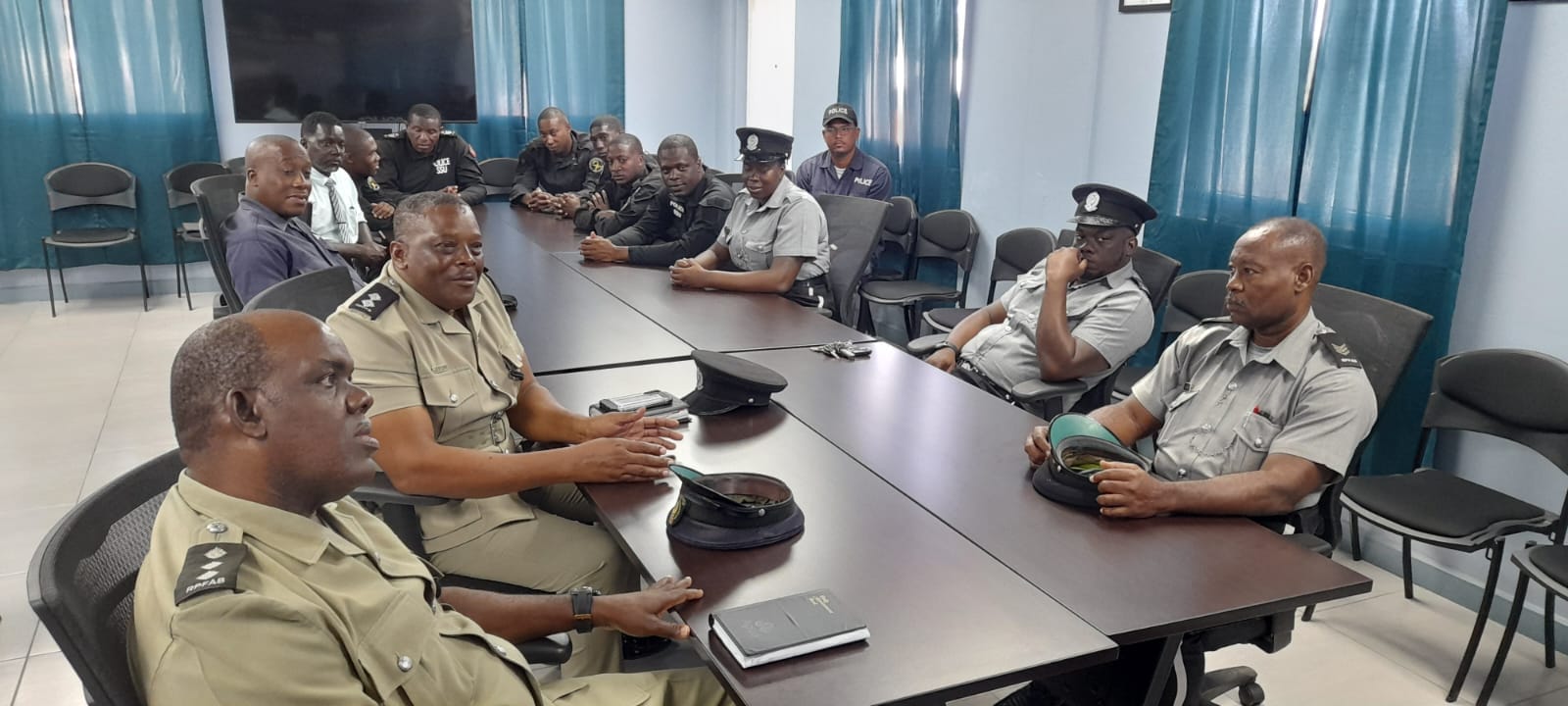
    As the Caribbean nation of Antigua and Barbuda gears up to welcome global leaders for the upcoming Commonwealth Heads of Government Meeting (CHOGM) this November, local security authorities have announced a critical three-day national security drill to finalize preparations. Scheduled to run from July 8 to July 10, 2026, Exercise STRONGHOLD is being organized by the CHOGM National Security Planning Committee in partnership with multiple leading security and emergency response agencies across the country.

    The drill is not a response to any specific threat, but rather a core component of routine pre-event preparedness efforts. Its primary goals are to put the nation’s existing security frameworks to the test, refine emergency response protocols, strengthen coordinated action between different public agencies, and boost overall operational effectiveness ahead of the high-profile international gathering.

    Over the course of the three-day exercise, security force members and emergency service personnel will carry out controlled convoy movements and full-scale operational drills across multiple major thoroughfares and key strategic locations across Antigua. To support these activities, temporary traffic disruptions including road closures, traffic diversions, and limited public access will be implemented in designated zones.

    Affected areas cover a broad swathe of the island: routes leading to the American University of Antigua (AUA) and northern coastal hotels, two of the nation’s busiest arterial roads – Sir George Walter Highway and Sir Sydney Walling Highway, as well as Old Parham Road and Friars Hill Road. Disruptions are also planned for the district surrounding the Antigua and Barbuda National Performing Arts Centre, the former Deluxe Cinema, where local businesses and adjacent streets will fall within the restricted area.

    In the capital city of St. John’s, a central security zone has been mapped out with clearly defined boundaries: stretching from Newgate Street in the north to New Street in the south, and from Parliament Drive in the east to Corn Alley in the west. Vehicle access will be fully restricted within this central zone for the duration of the exercise, while pedestrian movement will also be strictly regulated across all exercise areas.

    To minimize disruption to daily life, trained police officers and additional security personnel will be deployed at key positions along all drill routes. Their core responsibilities will include assisting motorists, directing traffic flow, and upholding safe, orderly movement for both vehicles and pedestrians throughout the exercise period.

    Security officials have issued a formal advisory urging all residents and visitors to plan their travel itineraries well in advance of the drill, and to set aside extra time for daily commutes between July 8 and 10. Motorists are requested to comply fully with all diversion signage, posted road rules, and direct instructions from on-duty police and authorized security personnel. The public is also encouraged to follow official government social media channels and local media outlets for real-time updates and additional advisories in the lead-up to and during the exercise.

    In a statement released through the Royal Police Force of Antigua and Barbuda’s Office of Strategic Communications, the CHOGM National Security Planning Committee offered advance apologies for any temporary inconvenience brought on by the security measures. The committee emphasized that public cooperation is critical to the success of both the exercise and the November CHOGM itself, and thanked residents in advance for their patience, understanding, and full collaboration as the country finalizes preparations to host this landmark international event.

  • ABNAB Marks 20 Years of Strengthening Quality Assurance in Higher Education

    ABNAB Marks 20 Years of Strengthening Quality Assurance in Higher Education

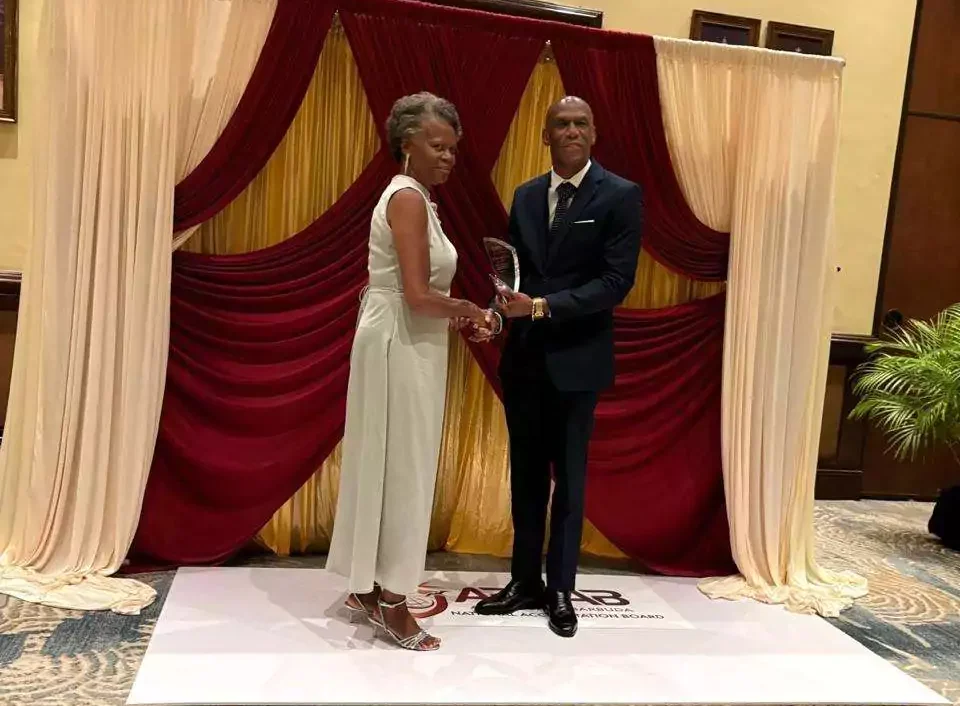
    On Saturday, the Antigua and Barbuda National Accreditation Board (ABNAB) marked a major milestone, wrapping up two decades of work dedicated to elevating quality assurance and defending rigorous academic standards across the nation’s higher education sector.

    The 20th anniversary was honored with a formal gala held at Admiral Lord Nelson’s Ballroom, located within the Sandals Grande Antigua Resort. The event brought together a cross-section of key stakeholders, including senior government officials, sitting and former board members, leading educators, and partners from across the education ecosystem. Attendees gathered to reflect on the board’s far-reaching impact on strengthening Antigua and Barbuda’s national education framework since it first launched 20 years prior.

    In opening remarks to the gathered guests, ABNAB Chairman Clare Browne framed the anniversary as more than a celebratory occasion—it was a chance to formally recognize the dedication and persistent effort of every current and former board member and staff member. Their collective work, Browne emphasized, has been instrumental in building broad public and institutional confidence in Antigua and Barbuda’s domestic higher education system.

    “Quality assurance is not a one-time check box; it is the ongoing cultivation of a culture of excellence across our academic institutions,” Browne told attendees. He went on to clarify that the board’s mandate stretches far beyond basic regulatory oversight and bureaucratic compliance.

    “Quality assurance rises above routine bureaucracy and rule-checking. It is about intentionally nurturing academic excellence, strengthening the foundational capacity of our tertiary institutions, protecting the interests of enrolled students, and ensuring that higher education remains a powerful, transformative driver of national progress,” Browne explained.

    Education Minister Daryll Matthew also offered formal commendation for ABNAB’s 20 years of work, praising the board for consistently upholding rigorous standards across all of Antigua and Barbuda’s tertiary institutions and their academic programs. Matthew noted that accreditation has grown steadily in importance as more residents of the dual-island nation pursue higher learning opportunities both at home and at international institutions.

    The minister stressed that independent accreditation offers critical, third-party confirmation that academic qualifications earned in Antigua and Barbuda align with widely accepted global standards. This alignment, he explained, gives employers across all sectors greater confidence in the skills and preparation of local graduates, while simultaneously protecting the inherent value and academic integrity of credentials issued by domestic institutions.

    Matthew also issued a call to action, urging students, families, and post-secondary educational institutions across the country to leverage the full suite of services ABNAB offers. A robust, well-utilized accreditation system, he argued, delivers tangible benefits to the entire nation by ensuring that every graduate leaves school with a qualification that commands respect both within Antigua and Barbuda and across the globe.

    By the close of the gala, attendees had celebrated ABNAB’s diverse achievements over the past two decades, and collectively reaffirmed the board’s ongoing commitment to advancing quality assurance, supporting a culture of educational excellence, and upholding the best interests of students across Antigua and Barbuda for years to come.

  • PHOTOS: Venezuela Earthquake Death Toll Climbs to 1,450

    PHOTOS: Venezuela Earthquake Death Toll Climbs to 1,450

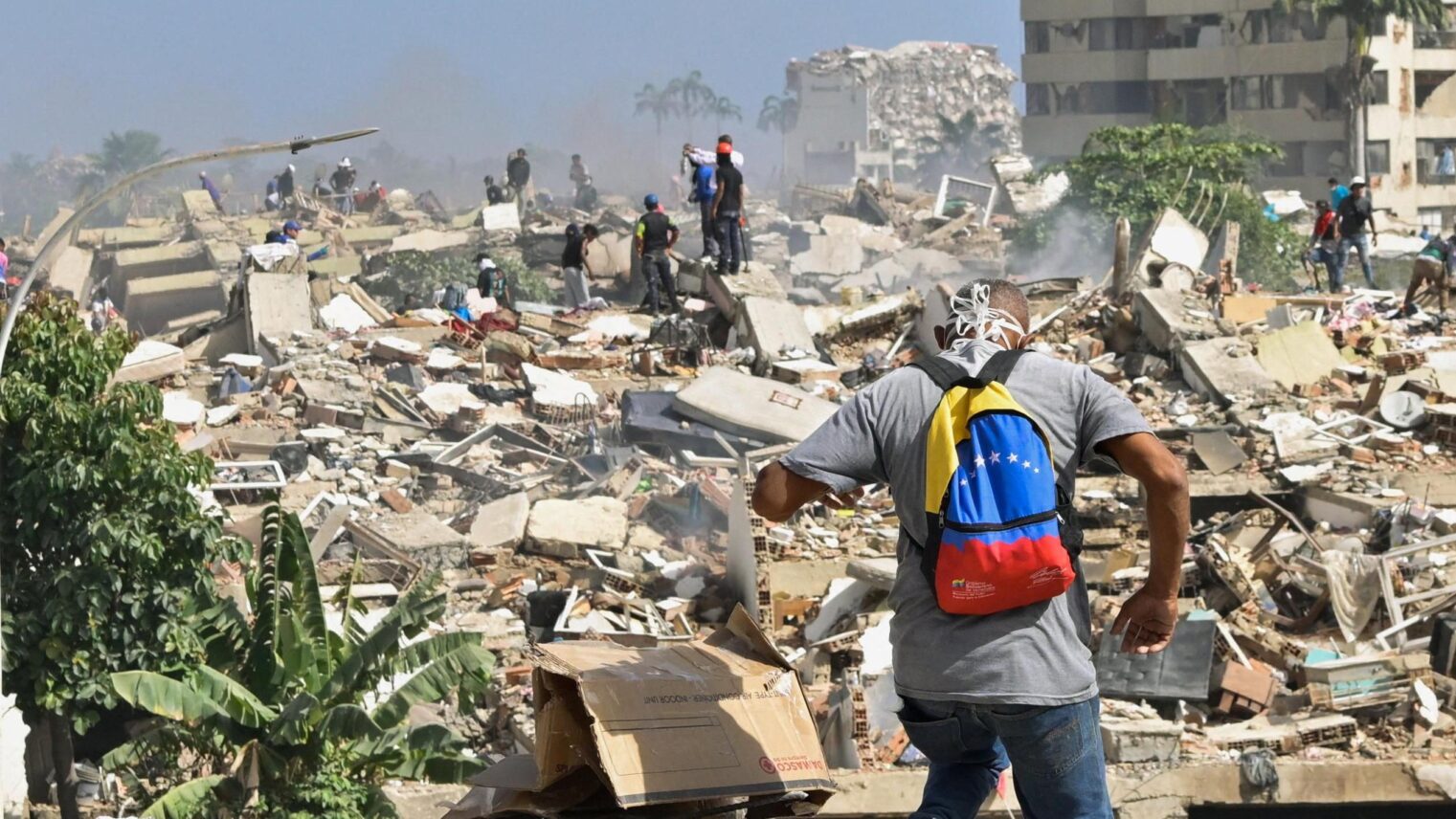
    Four days after two major earthquakes shook Venezuela, the official death toll from the disaster has reached 1,450, the country’s National Assembly President Jorge Rodriguez confirmed in an update released Sunday. The seismic events struck the South American nation last Wednesday, triggering widespread destruction across multiple coastal states, with La Guaira emerging as one of the hardest-hit regions.

    Images captured by photojournalists on the ground just five days after the quakes show the full scale of the devastation. Heavy construction excavators are seen clearing mounds of rubble from flattened multi-story structures in Chacao, a municipality located in the heart of Venezuela’s more densely populated central region. Rescue teams have been working around the clock to comb through collapsed buildings, pulling surviving victims trapped under debris and recovering the remains of those who did not survive.

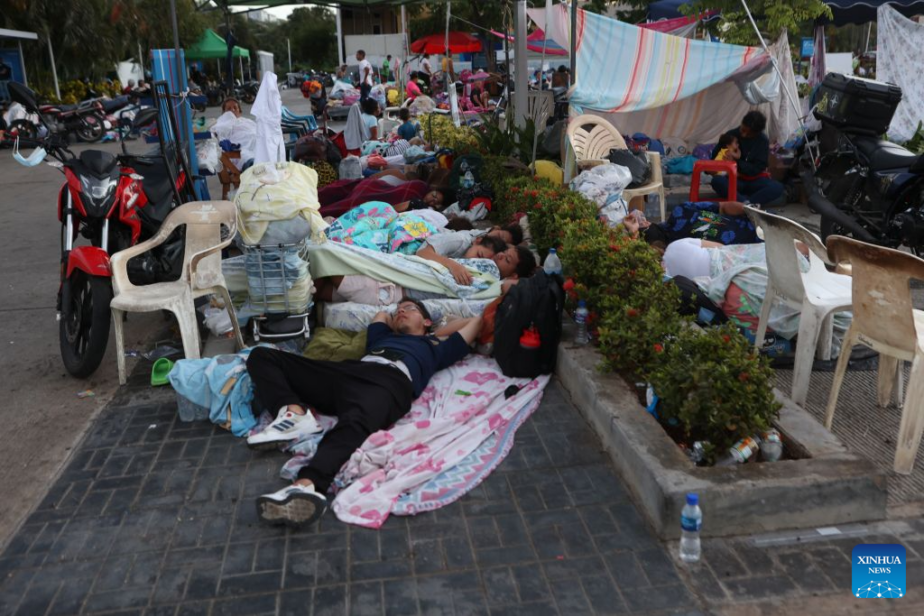
    In Caraballeda, a coastal community in La Guaira state, rescue personnel have continued their search operations across leveled city blocks. Displaced residents who lost their homes in the disaster have gathered in public open spaces, including a local baseball field in Catia La Mar that has been converted into a temporary tent camp for those left homeless. Members of the Bolivarian National Armed Forces have been deployed to affected regions to support rescue efforts, coordinate humanitarian aid distribution, and maintain order amid the crisis.

    Local residents have been sifting through the wreckage of their former homes to salvage any personal belongings that survived the shaking, while many survivors now face an uncertain future of displacement as emergency response teams work to meet their immediate needs for food, shelter, and medical care. As of Sunday’s update, search and rescue operations are still ongoing across the impacted regions, with authorities warning that the death toll could still shift as more bodies are recovered from collapsed infrastructure.

  • Antigua and Barbuda U-20 Captain Reportedly Dropped from CONCACAF Squad for Disciplinary Reasons

    Antigua and Barbuda U-20 Captain Reportedly Dropped from CONCACAF Squad for Disciplinary Reasons

    The upcoming CONCACAF Under-20 Championship in Mexico is already facing a major shakeup for Antigua and Barbuda, with their star captain Keyonte George expected to miss the tournament following a disciplinary ruling that has cut him from the national squad.

    Unnamed sources with direct knowledge of the situation confirmed to local outlet NewsCo that the Germany-based striker, who was a key leader for the side during qualifying, will not be included in the 21-man roster set to be officially unveiled by the Antigua and Barbuda Football Association (ABFA) this week. The team is scheduled to depart for Mexico on Thursday, ahead of the tournament’s kickoff on July 24.

    The root of George’s exclusion traces back to a heated conflict that unfolded during a recent preparatory friendly match, sources explain. The disagreement broke out between George and U-20 head coach Schyan Jeffers, and the situation escalated dramatically when the captain walked off the playing field before the final whistle, pulling off his team jersey in a public show of frustration. The coaching staff subsequently pursued formal disciplinary action against the 20-year-old, resulting in his removal from the championship squad.

    George was the linchpin of Antigua and Barbuda’s successful qualifying run earlier this year. As skipper of the Young Benna Boys, he led the team to an undefeated stretch in Group C qualifying held in Costa Rica, topping the group to secure a hard-earned spot in the 20-nation CONCACAF championship tournament. His leadership and attacking prowess were seen as critical to the side’s prospects heading into the group stage draw, which placed Antigua and Barbuda in Group B for the month-long competition running through August 9.

    As of this report, neither the ABFA leadership nor George himself has released an official public statement addressing the reported altercation or his exclusion from the squad. Antigua and Barbuda football fans are now waiting for the official squad announcement to confirm the 21 players that will represent the nation in Mexico, with George’s absence creating a notable gap that the federation will need to fill ahead of their opening match.

  • India Launches Major Humanitarian Mission to Earthquake-Hit Venezuela

    India Launches Major Humanitarian Mission to Earthquake-Hit Venezuela

    In the wake of one of the deadliest natural disasters to strike Venezuela in modern history, India has launched a large-scale humanitarian relief operation to support the South American country’s recovery, deploying military aircraft loaded with life-saving emergency supplies, critical medical infrastructure and specialized rescue teams.

    The disaster that prompted this global response came last Wednesday, when a pair of powerful back-to-back earthquakes ripped through Venezuela, leaving widespread destruction, collapsed infrastructure, and a rapidly worsening humanitarian emergency in their wake. In direct response to this crisis, the Government of India activated its coordinated relief effort, officially dubbed Operation Amistad, according to Vijay Tewani, Indian Honorary Consul to Antigua and Barbuda.

    Two Indian Air Force military transport aircraft have been deployed to carry out the mission, loaded with tons of urgently needed provisions. The shipment includes staple food supplies, life-saving pharmaceuticals, and essential infrastructure gear, alongside a fully outfitted mobile field hospital and trained search-and-rescue teams specialized in disaster response. Tewani emphasized that New Delhi moved with speed to extend support to the Venezuelan people at their moment of need, noting that Operation Amistad is a reflection of India’s long-standing pledge to stand with disaster-affected nations across the globe.

    Once operational, the mobile field hospital will provide urgent emergency care to thousands of earthquake survivors, while Indian rescue personnel will work alongside local Venezuelan authorities to continue searching for trapped victims, clear debris, and support early recovery operations. India is the latest country to join a growing international coalition of nations that have mobilized aid to Venezuela in the aftermath of the quakes, which have already killed hundreds of people, injured thousands more, and displaced tens of thousands from their homes.

    Right now, international relief efforts are ramping up across affected regions. Rescue crews are working around the clock to pull survivors from the rubble of collapsed buildings, while global and local humanitarian organizations are racing to provide temporary shelter, hot meals, clean drinking water and urgent medical attention to impacted communities. Officials from both India and international aid groups have stressed that New Delhi’s relief mission reinforces how critical cross-border solidarity and global cooperation is when responding to large-scale humanitarian crises, as Venezuela begins what will be a long, difficult process of recovery and rebuilding.

  • All 47 Rescued After Ferry Begins Sinking Between St. Kitts and Nevis

    All 47 Rescued After Ferry Begins Sinking Between St. Kitts and Nevis

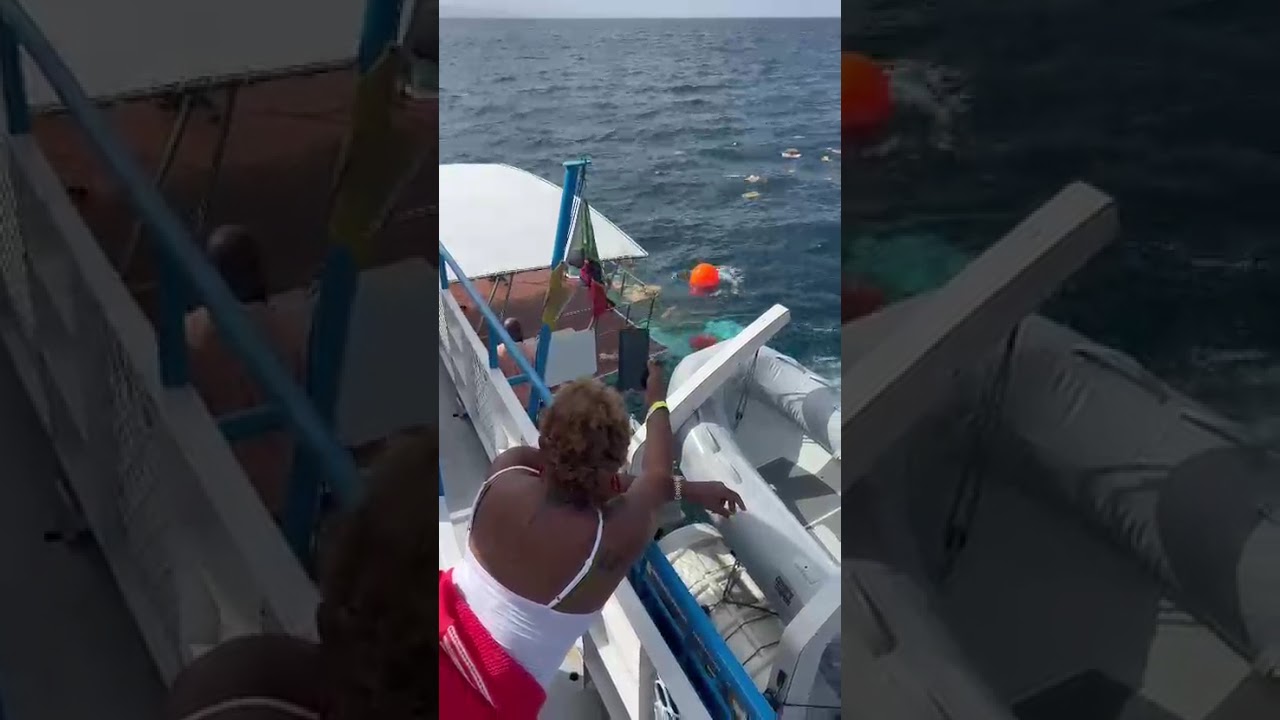
    What was supposed to be a routine inter-island commute between the Caribbean neighbors of St. Kitts and Nevis took an unexpected turn for disaster on Monday, when a passenger ferry started taking on water and partially submerged just minutes after pulling out of the Basseterre port.

    The emergency unfolded shortly after the *Apple Syder* departed its scheduled voyage for Nevis, with the vessel developing unexplained structural issues that let seawater flood into its hull. Alerts were immediately sent out to regional emergency services, prompting a rapid multi-agency response led by the St. Kitts and Nevis Coast Guard alongside other local emergency response teams.

    According to local newspaper the *St. Kitts & Nevis Observer*, the coordinated, fast-acting rescue effort successfully pulled every person on the ferry to safety. In total, 47 people including passengers and crew members were evacuated with no life-threatening harm. Local authorities confirmed in the immediate aftermath of the incident that there were no reports of fatalities or serious injuries among those on board.

    Senior political leaders confirmed they were updated on the unfolding situation within hours of the emergency. St. Kitts and Nevis Prime Minister Dr. Terrance Drew confirmed he had received an official briefing on the incident, while Nevis Premier Mark Brantley stated he was actively monitoring developments and receiving regular updates from response teams.

    As of Monday’s initial reports, officials have not released any details on what caused the ferry to begin taking on water. A formal investigation into the incident has been announced to determine the root cause of the near-sinking, and to review whether any safety protocol gaps contributed to the emergency.

  • LETTER: APUA and PWD- What a mess

    LETTER: APUA and PWD- What a mess

    A frustrated local resident named Denzil has penned an open letter to the editor calling out widespread mismanagement and a total lack of accountability for botched infrastructure works in Newfield, slamming a series of uncoordinated, wasteful construction projects that have upended daily life for local homeowners for months.

    In his scathing critique, Denzil argues that the entire initiative has been marked by chaotic planning from start to finish, with no clear leadership, no cohesive master plan, no regulatory oversight, and ultimately no one willing to take responsibility for the mess left behind.

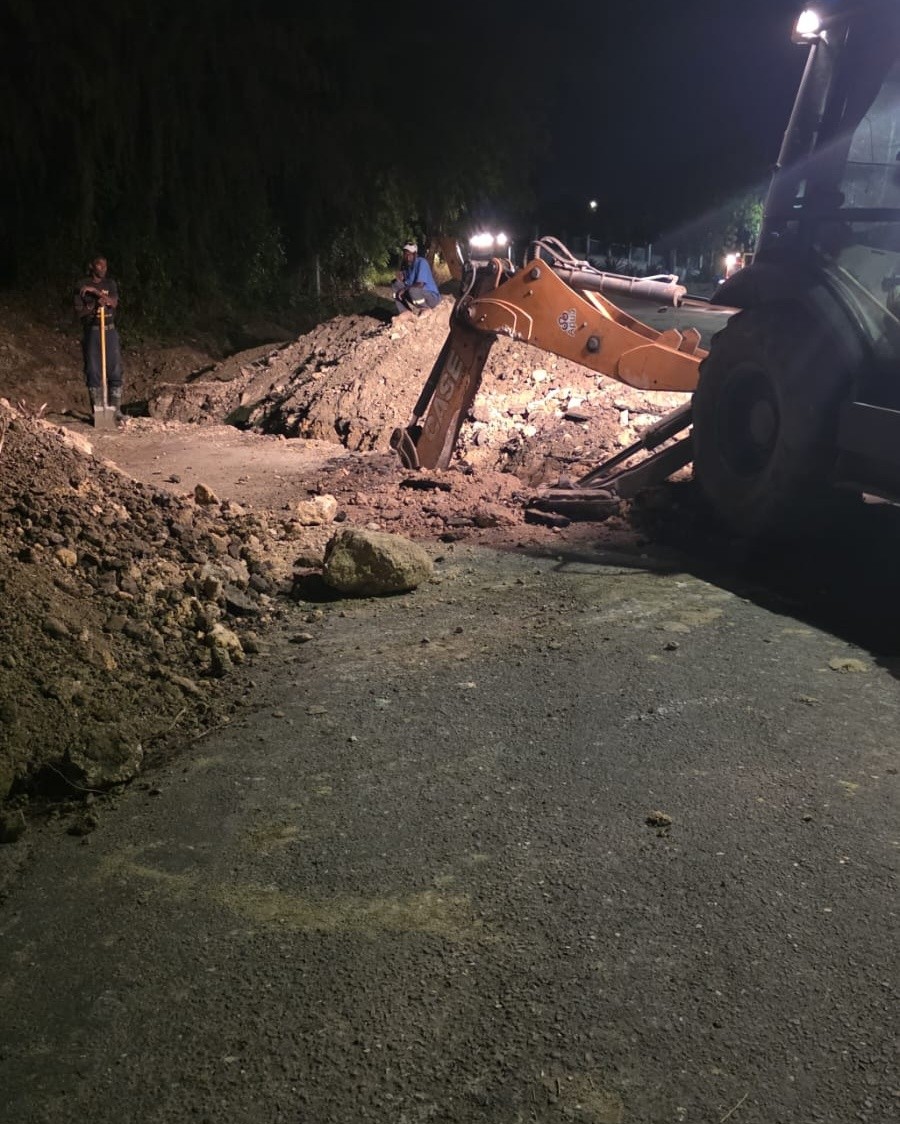
    The core of his anger centers on work carried out by the Antigua Public Utilities Authority (APUA), which tore up local roadways to install new utility pipes that have sat disconnected and abandoned for months. Today, local roads remain ripped up and littered with construction debris, while thick clouds of dust plague nearby residential properties — and residents still have no access to improved water service that the project was meant to deliver.

    One particularly egregious example, Denzil notes, is the stretch of road connecting Friars Hill Road and Marble Hill Road. Crews first excavated this roadway in the first week of January. Two months ago, they returned to spend six weeks constructing a new sidewalk along one side of the corridor, then pulled out of the site with no further work for a full month. Now, crews have returned once again to dig up the opposite side of the road to build a second unnecessary sidewalk.

    Denzil questions the logic behind this piecemeal approach, pointing out that the road sees very little pedestrian traffic, making the two new sidewalks a complete waste of public funds that only serve to narrow the roadway and disrupt vehicle access.

    Worse still, he explains, the entire project was launched to address persistent recurring damage to the road surface. A simple preliminary investigation would have revealed that the root cause of the damage is runoff water from a nearby entertainment complex that undermines the road’s foundation every weekend. Despite all the disruption, dust, and public money spent on the current pipe and sidewalk works, the root problem has not been addressed at all — meaning the newly rebuilt road will inevitably crack and crumble again once work is complete, whenever that may be.

    “For how much longer will we put up with this nonsense?” Denzil asks, closing his letter with a plea for action to fix the broken system that allowed this unplanned, wasteful project to move forward.

  • New Senators Urged to Put National Interest Above Partisan Politics

    New Senators Urged to Put National Interest Above Partisan Politics

    In a formal address to the Upper House of Antigua and Barbuda on Monday, Senate President Alincia Williams-Grant presented an open letter from Jessica Zouetr, the immediate former president of the country’s National Youth Parliament Association, that carried a clear, principled message for two newly appointed senators with youth parliament roots.

    The letter extended warm, targeted congratulations to Senators Jonathan Wehner and Shaquan O’Neal, both graduates of the National Youth Parliament program, framing their ascension to the Senate as a landmark achievement not just for the organization itself, but for all young people across the twin-island nation.

    “Your appointments are a source of immense pride, not only for your families and communities, but also for the countless young people who now see that dedication, preparation and service can lead to the highest institutions of our nation,” Williams-Grant read aloud to the chamber during the opening of the sitting.

    Zouetr, who once served as the presiding officer of the youth parliament, noted that Wehner and O’Neal’s appointments mark the latest milestone for the organization. Back in 2022, the association celebrated its first Senate appointment when alumnus Keleir Gardner took a seat in the Upper House. This latest pair of appointments, Zouetr argued, is tangible proof that the youth parliament consistently fulfills its core mission: equipping young people with the skills and experience to step into national leadership and public service roles.

    Drawing from her own experience leading the youth body, Zouetr shared that she had overseen parliamentary sittings in which both Wehner and O’Neal participated, making their new appointments a full-circle, full-heartening moment for everyone involved with the program.

    “As you take your seats in these hallowed halls, remember the principles that guided your training,” the letter read.

    While Zouetr acknowledged that both new senators hold formal affiliations with political parties, she emphasized that their primary duty within the Senate extends beyond partisan loyalty. Their core responsibility as legislators, she argued, requires rigorous scrutiny of proposed legislation, thoughtful and constructive debate, and unwavering commitment to serving all residents of Antigua and Barbuda.

    “Your foremost allegiance here must be to the Constitution and to the people of Antigua and Barbuda,” she wrote. “Let every contribution you make and every vote you cast be guided by the principles of fairness, sound judgment and the national interest rather than partisan considerations.”

    After reading the letter in full, Williams-Grant explained that she chose to present the entire correspondence to replace her own planned opening remarks, because the message aligned perfectly with the core reminder she wanted to deliver to the entire Senate at the start of the sitting.

    “I think it was fitting for it to replace what I would have said this morning,” she said, adding that Zouetr’s message serves as an important reminder for every sitting senator that their role exists to serve the people of Antigua and Barbuda, and that the public rightfully expects their full commitment and best work in the chamber.

  • Antigua Moves Toward a New Era of Flood Forecasting

    Antigua Moves Toward a New Era of Flood Forecasting

    As climate change amplifies the frequency and intensity of extreme rainfall events across the Caribbean, Antigua and Barbuda is undertaking a landmark transformation of its flood forecasting infrastructure, shifting from traditional rainfall prediction to actionable, impact-focused early warning systems designed to save lives and protect critical infrastructure.

    For years, local meteorologists have accurately predicted when heavy rain will arrive, how long it will persist and what total accumulation residents can expect. What has remained uncertain, however, are the tangible downstream effects of that precipitation: which roadways will succumb to pooling water first, which low-lying communities face the highest flood risk, whether clogged drainage networks will block access for emergency responders, and whether schools and businesses need to shut down proactively. Those unaddressed questions are now the driving force behind a national effort to modernize the country’s approach to flood forecasting.

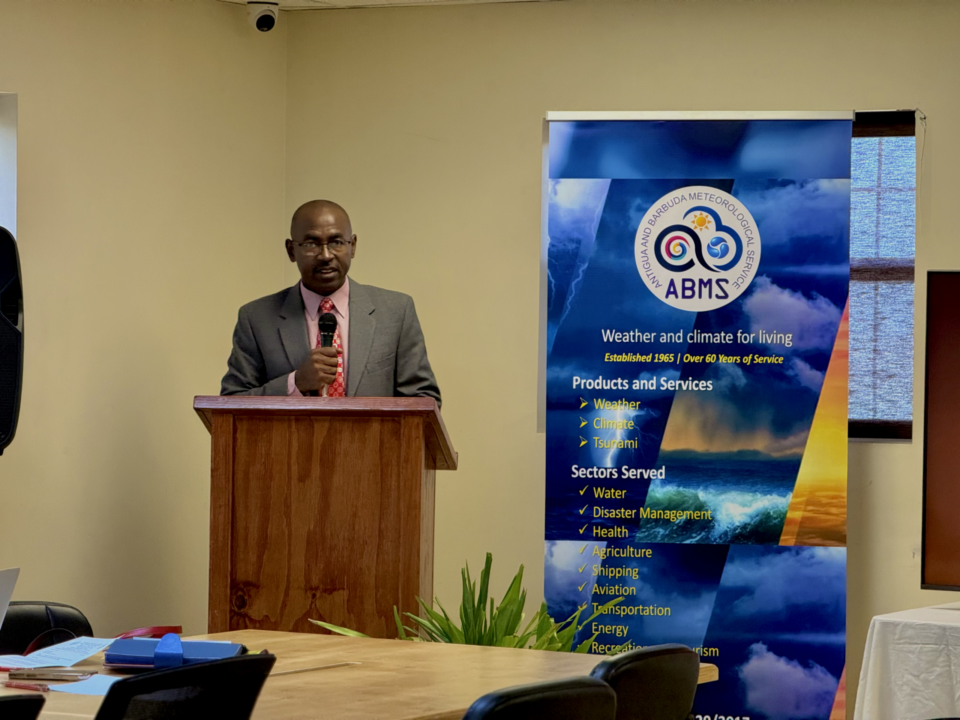
    In June, a two-day interdisciplinary workshop hosted at Antigua and Barbuda’s National Office of Disaster Services brought together more than a dozen stakeholders, including meteorologists, civil engineers, emergency management coordinators, utility providers and government agency representatives. Organized by the Antigua and Barbuda Meteorological Service (ABMS) in partnership with the World Meteorological Organization (WMO), the event marked the official launch of work to draft the nation’s first comprehensive Standard Operating Procedures (SOPs) for flood forecasting and warning, a core component of a broader initiative to strengthen national early warning capacity.

    The centerpiece of this overhaul is the development of the Urban Flash Flood Information System (UFFIS), an advanced AI-powered forecasting and decision-support platform that reimagines what flood warnings can deliver. Unlike conventional weather forecasts that only detail atmospheric conditions, UFFIS integrates multi-source data: official precipitation outlooks, real-time soil moisture readings, drainage network mapping, river basin topography, terrain elevation data and historical rainfall records to generate granular estimates of where flooding is most likely to occur and how severe its impacts will be.

    For average residents, the change may seem incremental, but for emergency management leaders, it represents a paradigm shift in how warnings are communicated and response decisions are made. Instead of releasing generic alerts that state “100 millimeters of rain is expected,” forecasters will be able to share specific, actionable information: which neighborhoods face imminent inundation, which key routes will likely become impassable, and when first responders should pre-position resources for potential water rescues.

    This outcomes-focused model, called impact-based forecasting, has emerged as a global gold standard for meteorological services in an era of accelerating climate change. By shifting focus from describing weather conditions to predicting their real-world consequences, the approach allows governments and communities to take proactive protective action far earlier than outdated systems permit.

    ABMS Director Dale Destin emphasized to workshop attendees that basic rainfall forecasting is no longer sufficient to meet the country’s growing climate resilience needs. “Flood warnings must be more than forecasts—they must be actionable guidance that leads to timely decisions and protective action,” Destin said, framing the workshop as a critical milestone toward building “a truly integrated, impact-based flood early warning system for Antigua and Barbuda.”

    Cross-agency coordination was a central focus of the workshop, as effective early warning systems depend not just on accurate forecasting data, but on clear alignment between institutions before, during and after flood emergencies. Participants mapped existing information sharing pathways between agencies, reviewed current operational protocols, and identified gaps in role clarity that could slow response times. They also examined end-to-end warning communication workflows, mapped decision-making authority across different stages of flood events, and explored how new UFFIS technology can be integrated into existing emergency response infrastructure. The end goal of the collaborative process is a finalized set of national SOPs that explicitly define roles, communication chains, escalation triggers and decision-making responsibilities long before severe rain threatens the islands.

    The drafting process builds on months of preliminary institutional consultations between ABMS, the Antigua Public Utilities Authority, the National Office of Disaster Services, the Ministry of Works and the Department of Environment, which covered everything from rain gauge monitoring and groundwater data collection to public warning dissemination, post-flood impact verification and event review protocols.

    The new system also reflects a broader global shift in meteorological science: modern flood forecasting now relies on combining diverse data streams rather than depending solely on raw weather data. ABMS officials outlined at the workshop that forecast models, weather radar, satellite imagery, automated weather stations, community rain gauges and on-the-ground resident reports all contribute to a comprehensive picture of evolving flood risk. UFFIS will expand this capacity by adding high-resolution hydrological modeling and basin characteristic data to improve accuracy for urban and flash flood events, the most common and destructive flood types in the country.

    When fully operational, this approach will allow forecasters to tailor warnings to a community’s specific vulnerability, not just the expected rainfall amount. A complementary key feature of the new system is customized risk matrices that combine the probability of a flood event with its projected impacts, rather than only classifying events by total rainfall. This allows forecasters to assess potential harm to people, infrastructure and essential services, helping emergency managers decide whether to advise residents to prepare, evacuate, or take immediate protective action.

    The entire project is a core component of ABMS’ Meteorological Renaissance 2030 strategic initiative, and aligns with the United Nations’ global Early Warnings for All programme, which aims to ensure every person on Earth is protected by early warning systems against extreme weather and climate hazards by 2027.

    “Every dollar invested in the Meteorological Service strengthens public safety, protects critical infrastructure, supports economic development, enhances climate resilience, and reduces disaster losses,” Destin noted.

    While UFFIS is still in active development, officials emphasize that the behind-the-scenes work now underway will significantly strengthen the country’s ability to respond to flooding, one of the most frequent and damaging natural hazards facing the twin-island nation. If the initiative delivers on its promise, future flood warnings will finally answer the question residents actually care about when storm clouds gather: not just how much rain is coming, but what that rain will mean for their homes, their neighborhoods and their personal safety.