博客

  • BREAKING: Cuban woman’s body found, policeman arrested for murder

    BREAKING: Cuban woman’s body found, policeman arrested for murder

    Authorities in Guyana have confirmed that the remains of 26-year-old Dailen Paneque Gómez, a Cuban national who vanished last week, have been discovered in a bushy thicket in a village along Guyana’s East Coast Demerara. A serving police officer, who was reportedly in a romantic relationship with the victim, has been taken into custody in connection with her death, law enforcement officials confirmed Wednesday.

    Deputy Police Commissioner Wendell Blanhum, who heads the Guyana Police Force’s Criminal Investigations Department, told reporters the arrested officer led investigators directly to the site where he allegedly disposed of Paneque Gómez’s body after killing her. Investigations have officially been reclassified as a murder probe following the recovery of the remains.

    “There were key developments in this case over the past 24 hours. The investigation is now being treated as a murder. A serving Police Constable has been arrested and placed in custody, and he is currently assisting detectives with their ongoing inquiries,” Blanhum stated in an interview with Demerara Waves Online News.

    Paneque Gómez, who worked at the Lusignan Health Centre, was last seen early on the morning of June 18, when she left her residence to head to her workplace. No contact with her has been recorded since that day, prompting an immediate missing person search after her disappearance was reported.

    Before the recovery of her body, members of Guyana’s local Cuban community had launched a public appeal for urgent action, reaching out to top national officials including President Irfaan Ali, Home Affairs Minister Oneidge Walrond, and Police Commissioner Clifton Hicken, urging all competent state agencies to deploy full resources to locate Paneque Gómez and investigate her unexplained disappearance.

    The case has drawn close public attention in Guyana, with investigators continuing to process evidence and interview witnesses as the probe moves forward.

  • Caribbean urged to deepen judicial cooperation with EU partners

    Caribbean urged to deepen judicial cooperation with EU partners

    On Wednesday, a top United Nations official delivering remarks at a judicial cooperation workshop in Barbados issued a clear call for Caribbean states to deepen cross-border judicial partnerships with European counterparts, framing this collaboration as an indispensable step to breaking up well-resourced, sophisticated transnational criminal networks that operate across regional borders.

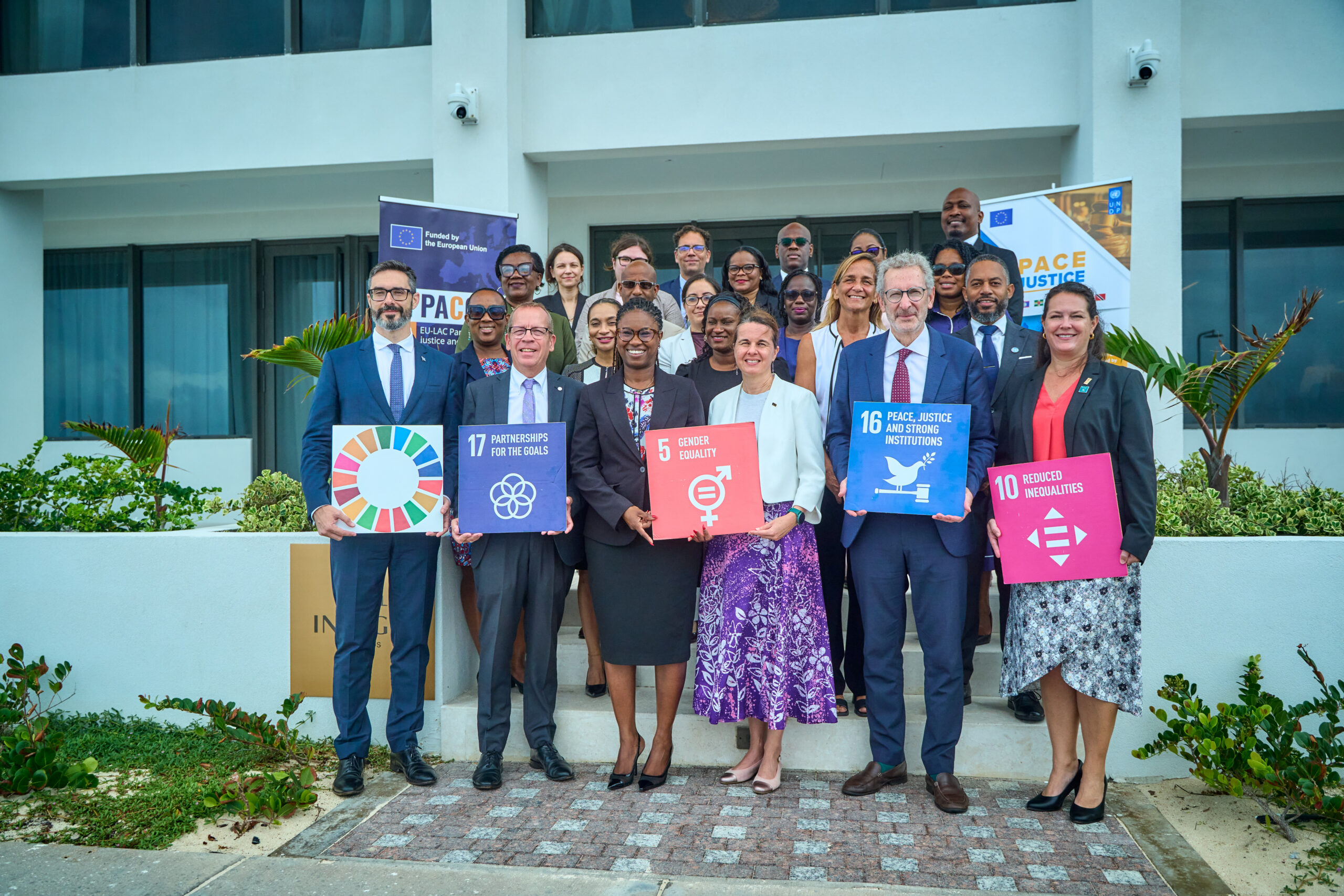
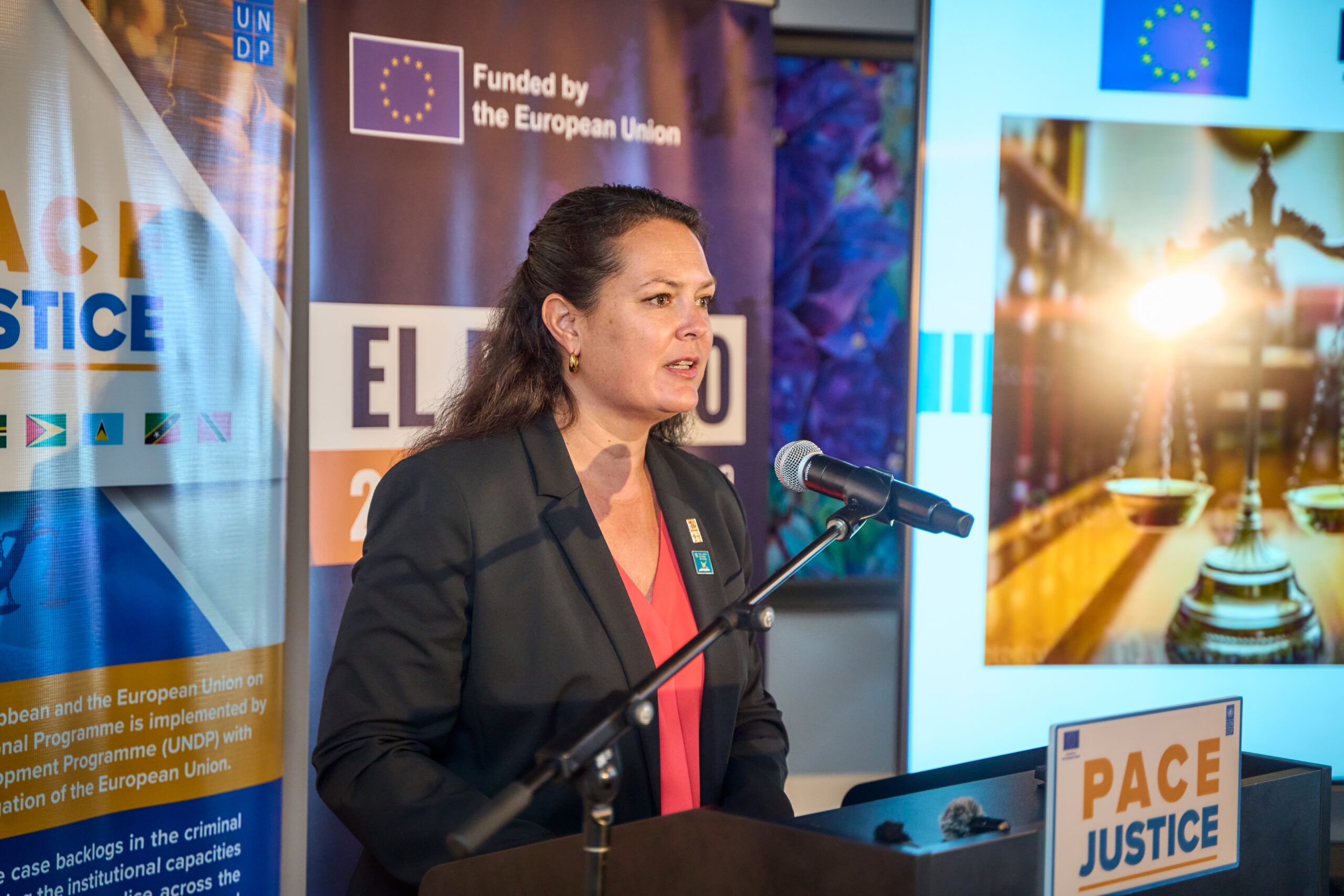
    Speaking at the Hotel Indigo in Hastings at the workshop focused on Caribbean-European Union judicial cooperation through EUROJUST Focal Points, Stephanie Ziebell, Deputy Resident Representative for the United Nations Development Programme (UNDP) covering Barbados and the Eastern Caribbean, emphasized that modern transnational criminal threats have completely outgrown national border barriers. Organized criminal operations, illicit financial activity, cyber-facilitated offenses, and other cross-border criminal ventures increasingly demand coordinated, collective action from nations across regions, she explained.

    “In this interconnected landscape, international judicial cooperation is no longer a niche, specialized function within national justice systems,” Ziebell noted. “It has evolved into a core, essential component of every effective modern criminal justice framework.” She added that seamless cross-jurisdictional communication, rapid information sharing, and aligned operational coordination are non-negotiable for disrupting criminal groups that deliberately leverage border divisions to avoid prosecution.

    Ziebell tied the push for stronger cooperation to broader governance and public safety initiatives the UNDP has been leading across the Caribbean region, referencing a recent joint diagnostic study completed by the Caribbean Community (CARICOM) and UNDP that evaluates regional strategies for addressing crime, violence, community resilience, and human security. Launched just last month by CARICOM Chairman and Prime Minister of St Kitts and Nevis Dr. Terrance Drew, the study reached a key conclusion: fragmented, country-only responses to transnational crime consistently fail to deliver results, and coordinated, integrated regional and international approaches are urgently needed.

    Ziebell went on to highlight the unique value of the European Union’s judicial cooperation body EUROJUST as a strategic tool for Caribbean jurisdictions seeking to counter transnational crime. While longstanding mechanisms including mutual legal assistance treaties, formal extradition arrangements, and direct police-to-police partnerships still hold important roles, she explained that EUROJUST offers a purpose-built platform focused specifically on streamlining judicial and prosecutorial collaboration across borders.

    “It gives national authorities direct access to specialized expertise, established coordination frameworks, and on-the-ground practical support that helps them navigate the increasingly complex legal and procedural hurdles that arise when criminal investigations and prosecutions span multiple countries,” Ziebell said. The advantages of this partnership become particularly clear when cases involve critical evidence, illicitly gained assets, suspects, or witnesses based within the European Union, she added: EUROJUST simplifies connections between relevant national authorities, facilitates formal cooperation processes, resolves conflicting jurisdictional claims, and helps stakeholders identify the most efficient legal pathways to advance investigations and secure prosecutions.

    “By strengthening these cross-border connections, nations put themselves in a far stronger position to take on complex transnational cases, recover criminal assets, secure critical evidence, and ensure that national borders do not become a barrier to delivering justice,” Ziebell stated. She also underscored the critical role of EUROJUST Focal Points, describing them as vital connectors that bridge gaps between national judicial authorities and international cooperation infrastructure.

    The three-day workshop itself was designed to help attendees from across the region build a stronger working knowledge of available international cooperation tools, expand professional networks across jurisdictions, and share hands-on practical experience related to cross-border judicial collaboration. Ziebell emphasized that in today’s deeply interconnected global landscape, effective judicial cooperation delivers far broader benefits than just improved public safety and stronger rule of law: it also lays the groundwork for the regional stability, regulatory predictability, and public trust that underpin long-term sustainable development, legitimate economic growth, and lasting shared prosperity.

    Krystal Delaney, Acting Deputy Director of Public Prosecutions for Barbados, echoed Ziebell’s assessment, stressing that for small island nations like her own, cross-border cooperation is not optional but a necessity. “Barbados is a very small country, but that does not mean we’re isolated from transnational threats,” Delaney explained. “Transnational organized crime including drug trafficking, small arms smuggling, money laundering, and cybercrime directly impact our country, and strain the capacity of our domestic institutions in ways that no single office or single jurisdiction can address alone.”

    She added: “The reality is that no jurisdiction, no matter how well-resourced it may be, can successfully investigate and prosecute transnational crime on its own. There is undeniable strength in collective action. Our coordinated, joint response allows us to share critical information, align investigation activities, deliver mutual legal assistance, and build trust as partners. That core goal is exactly what this workshop is all about.”

  • No tsunami threat to Barbados after 7.1 earthquake off Venezuela

    No tsunami threat to Barbados after 7.1 earthquake off Venezuela

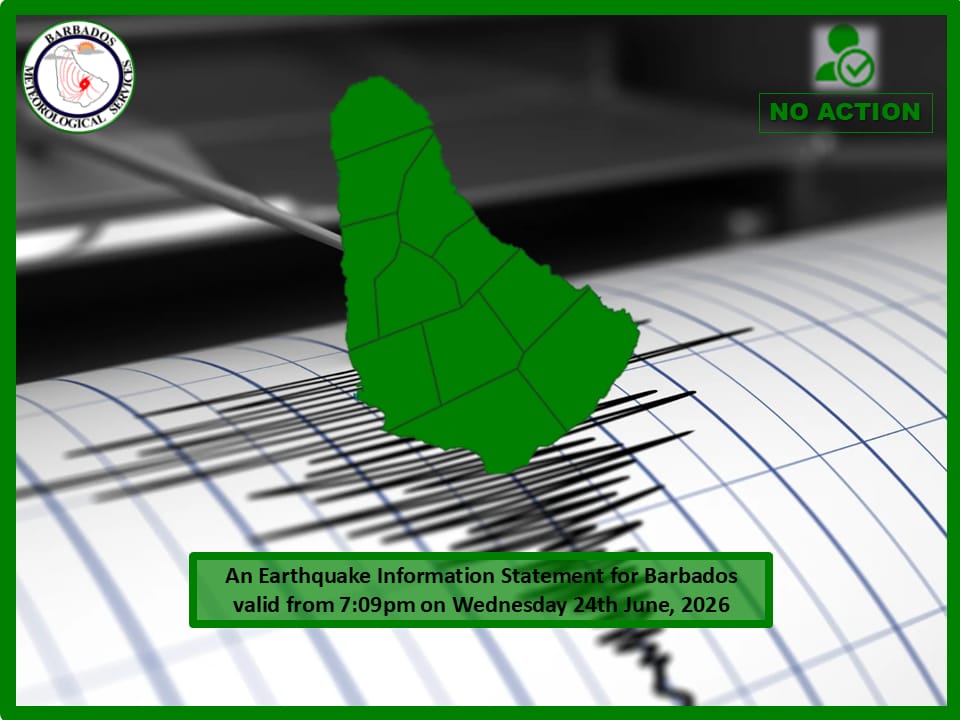
    A powerful 7.1-magnitude seismic event rattled the offshore region near Venezuela’s coastline Wednesday evening, triggering an official advisory from Caribbean meteorological authorities. According to the Barbados Meteorological Services (BMS), the strong tremor does not pose a tsunami hazard to Barbados, and no significant adverse impacts are expected for the island nation.

    Geological data places the earthquake’s timing at approximately 6:05 p.m. local time, with its epicenter sitting roughly 10 kilometers below the ocean floor. In its formal Green-level information statement released after the quake, BMS emphasized that the seismic event carries little to no potential to generate a destructive tsunami. The agency has explicitly ruled out the need for emergency evacuation orders across Barbados.

    As regional authorities continue to assess cross-border geological impacts, BMS is urging Barbadian residents and visitors to maintain awareness by following future official updates issued through its public communication channels. No immediate reports of damage or casualties have been linked to the quake in Barbados, as monitoring operations remain ongoing.

  • Govt to put studios, creative arts into schools

    Govt to put studios, creative arts into schools

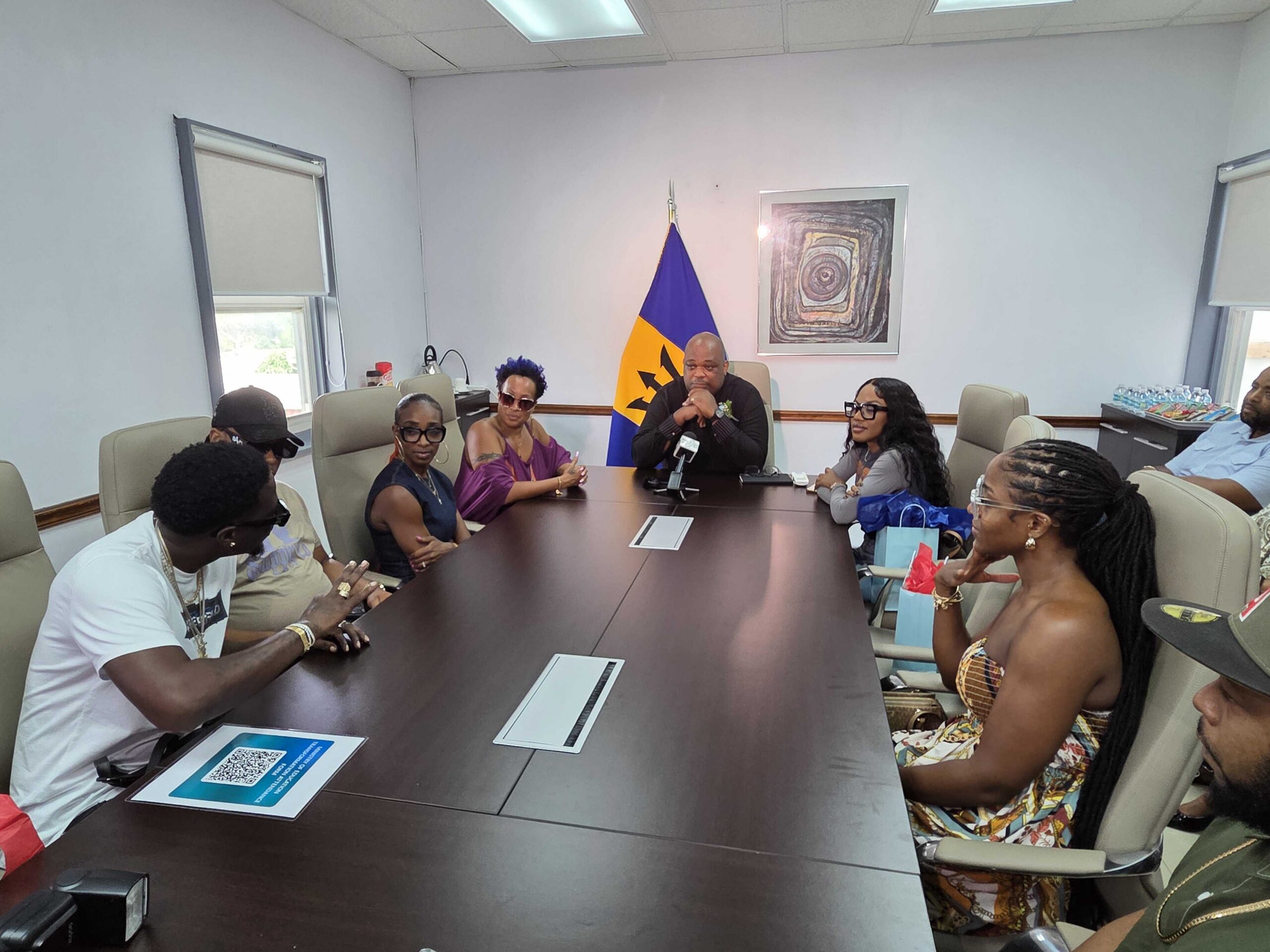
    Barbados is making a landmark push to integrate creative arts into its national secondary education framework, launching an ambitious new initiative that aims to carve out formal, globally connected career pathways for young people in the international entertainment industry. The programme was officially unveiled this week by Minister of Education Transformation Chad Blackman alongside beloved soca legend Alison Hinds, who brought together local creative communities to back the effort. The initiative marks a radical reimagining of the island nation’s education system, aligned with its bold goal to become a global leader in academic innovation within the next six years.

  • EU envoy: Caribbean key cocaine corridor into Europe

    EU envoy: Caribbean key cocaine corridor into Europe

    The Caribbean region has cemented its role as the primary transit route for cocaine and other contraband bound for European markets, pushing the European Union to urgently push for deeper cross-border judicial collaboration to break up transnational criminal networks that are exploiting the area’s unique geographic and logistical advantages. That warning came from Fiona Ramsey, the European Union’s ambassador to Barbados and the Eastern Caribbean States, who spoke Wednesday at the opening of a judicial cooperation workshop co-hosted by the Caribbean region and EU through the EUROJUST Focal Points initiative, held at Barbados’ Hotel Indigo.

    In her address to a gathering of regional and international legal specialists, Ramsey laid out how organised criminal syndicates have turned the Caribbean’s well-developed maritime and aviation infrastructure into a major asset for their expanding trafficking operations and other cross-border illegal activities. While these extensive transport links are a foundational driver of legitimate commerce and economic growth across the Caribbean, Ramsey emphasized that criminal groups have quickly co-opted these same advantages for illicit activity.

    “The Caribbean is now the key corridor for cocaine and other illicit goods entering into the European Union, and the consequences of inaction for both the Caribbean and Europe are severe,” Ramsey said. She detailed the far-reaching harms of unregulated illicit trafficking: it fuels endemic violence across the Caribbean, erodes the foundations of good governance, weakens public confidence in the rule of law, and creates space for a wider web of secondary criminal activity, including money laundering, public sector corruption, and environmental crime. Left unaddressed, the trade preys on marginalized vulnerable communities and locks regions into repeating cycles of insecurity that are hard to break.

    Ramsey stressed that no single nation has the capacity to dismantle these sprawling transnational networks on its own, making targeted judicial cooperation through EUROJUST’s regional contact points an essential tool to counter the threat. Successfully disrupting trafficking requires ongoing, coordinated collaboration between countries, including real-time intelligence sharing and joint, end-to-end investigations that target every layer of criminal operations—from the movement of contraband to the laundering of illegal proceeds.

    She noted that recent law enforcement crackdowns have already proven how adaptable criminal groups are, with traffickers quickly adjusting their routes and operations to evade new enforcement pressure. This flexibility underscores the need for a sustained, long-term, comprehensive response from judicial authorities on both sides of the Atlantic, rather than one-off interventions.

    Beyond counter-trafficking work, Ramsey highlighted that maritime connectivity and security have become increasingly central pillars of the broader EU-Caribbean partnership. While deeper transport links promise to unlock major new economic opportunities for the region, they also create new, unmonitored pathways that criminal groups can exploit. To address this gap, the EU has already allocated dedicated funding to boost port security and expand judicial cooperation as part of its broader regional security strategy, with the goal of ensuring that drug seizures do not end at interception, but lead to successful prosecutions and criminal convictions that take network leaders off the street.

    Ramsey also identified a fast-growing new challenge for cross-border law enforcement: the use of cryptocurrencies to launder criminal proceeds. “Cryptocurrencies have transformed illicit financial flows, creating new challenges for both regions,” she explained. Traffickers increasingly rely on pseudonymous transactions, privacy-enhancing technologies, and decentralized finance platforms to hide illegal profits and move funds across borders without detection, making asset recovery far more difficult for authorities.

    To tackle this emerging threat, Ramsey called for expanded targeted collaboration between Caribbean and European law enforcement and judicial bodies. By combining Caribbean partners’ on-the-ground intelligence about trafficking network operations with European expertise in digital investigations, blockchain analysis, and cross-border asset recovery, the two regions can more effectively disrupt the financial foundations that allow organised crime to operate.

  • Vakonderwijs krijgt impuls door samenwerking regering, Staatsolie en TotalEnergies

    Vakonderwijs krijgt impuls door samenwerking regering, Staatsolie en TotalEnergies

    On the sidelines of the 6th Suriname Energy, Oil & Gas Summit & Exhibition (SEOGS 2026) hosted at Paramaribo’s Roeli’s Event Venue, a landmark public-private partnership was formally launched Wednesday to address a growing skilled labor gap across Suriname’s expanding economic sectors. The Suriname government, state-owned energy firm Staatsolie, and global energy major TotalEnergies have signed a Memorandum of Understanding (MoU) to establish the Suriname Capacity Building Program (SURICAP), a comprehensive initiative designed to strengthen vocational education and technical training across the country.

    The signing ceremony was attended by Suriname President Jennifer Simons, senior leadership from both energy companies, and three cabinet ministers overseeing key portfolios: Patrick Brunings of the Ministry of Oil, Gas and Environment, André Misiekaba of the Ministry of Public Health, Welfare and Labor, and Dirk Currie of the Ministry of Education, Science and Culture.

    In her opening remarks at the Local Content Forum, where the agreement was signed, President Simons emphasized that the initiative extends far beyond Suriname’s fast-growing oil and gas industry. The program is framed as a core pillar of the country’s long-term sustainable development strategy, which aims to elevate the role of vocational training in national education policy. “We need academic researchers and we will continue to invest in their training, but our country has an equally critical need for well-trained skilled tradespeople,” Simons told attendees.

    The president also issued a public call to young people who have dropped out of secondary education to re-enroll in vocational training programs, noting that modern technical trades increasingly offer competitive, livable wages and strong career trajectories. Beyond economic benefits, she framed expanded vocational education as a key tool to expand economic opportunity for youth and reduce community crime rates, according to official statements from the Suriname Communication Service.

    For TotalEnergies, the partnership represents a strategic investment in Suriname’s future workforce, rather than a standard corporate social responsibility project. Artur Nunes da Silva, TotalEnergies’ country director for Suriname, explained that SURICAP was designed to directly align education curricula with the evolving needs of the national labor market. In addition to updating training programs, the initiative will fund continuous professional development for vocational instructors and upgrade outdated training facilities across the country, ensuring graduates leave with the technical skills that employers across all sectors are actively seeking. “This is an investment in the future of Suriname’s young people, who will form the backbone of the country’s energy transition and economic expansion,” Nunes da Silva noted.

    Staatsolie CEO Annand Jagesar echoed this outlook, pointing out that the boom in Suriname’s oil and gas sector already creates ripple effects that drive growth across other parts of the national economy. As a result, SURICAP’s training programs will not focus exclusively on energy sector roles, but will also expand technical training for fast-growing non-energy sectors, including hospitality and tourism, and mechanized commercial agriculture. Jagesar encouraged young Surinamese to embrace curiosity and proactivity in their training, noting: “Don’t be afraid to ask questions. That’s how people grow, and that’s how Suriname can continue to move forward.”

    Cabinet ministers outlined the practical next steps for rolling out the initiative during the forum. Minister Misiekaba announced planned investments in three existing public institutions: the Foundation for Labor Mobilization & Development, the Foundation for Productive Work Units, and the Suriname Hospitality and Tourism Training Centre. These upgrades will strengthen the infrastructure these organizations need to better prepare students for entry into the workforce.

    Minister Brunings framed the partnership as a model for effective collaboration between the public sector and private industry to address national development gaps. Meanwhile, Minister Currie emphasized that expanding the reach and quality of vocational education will require a broader cultural shift among parents, educators, and school administrators, who have often prioritized traditional academic pathways over skilled trades. Currie noted that the reimagined vocational education framework will center character building, craft mastery, and holistic personal development to set students up for long-term success.

  • Search Underway for Missing Swetes Man at Pigeon Point Beach

    Search Underway for Missing Swetes Man at Pigeon Point Beach

    On June 24, 2026, emergency response teams across Antigua and Barbuda launched a large-scale coordinated search operation at Pigeon Point Beach after a local man was reported missing while swimming. According to initial updates from the Royal Police Force of Antigua and Barbuda’s Office of Strategic Communications, the missing person is thought to be a resident of the Swetes community, who entered the ocean for a recreational swim early that same day. Witness accounts confirm that shortly after entering the water, the man began showing clear signs of distress and waved frantically to alert bystanders to his emergency before slipping beneath the water’s surface. He has not been located since that incident.

    To maximize the chances of locating the missing swimmer, multiple specialized teams have been deployed to the search zone. The collaborative effort includes trained divers from the Antigua and Barbuda Defence Force Coast Guard, professional rescue personnel from the Antigua and Barbuda Search and Rescue (ABSAR) unit, and additional diving support from a local private diving company. Search teams have been working continuously to comb through the nearshore waters and surrounding seabed around Pigeon Point Beach, covering every feasible area that the missing man could have drifted to.

    As the active search continues, law enforcement officials are maintaining constant oversight of the operation, with plans to release new public updates promptly as additional details emerge. Police have also issued a public request asking all non-essential visitors and beachgoers to stay clear of the immediate search perimeter. This restriction is designed to help emergency personnel carry out their search duties without unnecessary disruption, and authorities have appealed for local residents and tourists to respect the request as teams work to resolve the incident.

  • Chase targets series victory over Sri Lanka

    Chase targets series victory over Sri Lanka

    As the first Test of a highly anticipated two-nation series between West Indies and Sri Lanka approaches, kicking off Thursday at North Sound in Antigua, West Indies skipper Roston Chase has made no secret of his side’s ambitions: to notch a long-awaited breakthrough victory in the ongoing ICC Test Championship cycle.

    North Sound has long been a fortress for the regional side, with just two losses across 13 previous Test matches hosted at the venue. History is also on West Indies’ home advantage: Sri Lanka has never claimed a Test series win on Caribbean soil, a stat Chase has highlighted as he builds momentum ahead of the opening fixture.

    Chase’s top priority for the squad is clearing a fundamental collective hurdle that has eluded the team in recent outings. “We’ve put together a number of solid individual performances across our recent matches, but we haven’t quite crossed that finish line together as a unified unit to close out wins,” Chase told reporters ahead of the opener. “That’s our first immediate goal: get a win in this first Test, then push to take the full series.”

    Beyond the team’s core goals, the series also offers two of West Indies’ star fast bowlers a chance to etch their names into regional cricket history. Veteran pacer Kemar Roach enters the series sitting just six wickets shy of the 300 Test wicket milestone, a mark that would see him become only the fifth West Indian bowler in history to hit the iconic benchmark. Young speedster Jayden Seales is also on the cusp of a landmark: the 26-Test veteran has already claimed 95 career wickets, putting him just five wickets away from 100, a milestone he is on track to reach at one of the fastest paces of any elite fast bowler in West Indies history.

    Chase attributed much of his side’s confidence to the home field advantage that comes with intimate knowledge of Caribbean pitches. “Understanding our local conditions is our biggest edge, and we’ve proven we know how to leverage it,” he explained, pointing to the side’s recent series against Australia, where the fast bowling unit dominated on spinning, pace-friendly Caribbean decks. “Our bowlers were unplayable that series, and they made the most of exactly what these wickets give us. That’s where our strength lies, and we plan to lean into that as much as we can this week.”

    Both sides have had limited recent experience in the longest format of the game: Sri Lanka has not competed in any international red-ball cricket for a full year, while West Indies last took the Test field back in December 2025. Looking ahead beyond the opening match, Chase identified collective consistency from the batting order as the final piece of the puzzle for the side to become a consistent contender in Test cricket.

    “To our credit, we’ve already notched five centuries across our recent matches, which shows our batters are stepping up individually when called upon,” Chase said. “What we need to improve on is doing it together as a unit, to post big, match-winning totals consistently. If we can keep putting 280 to 300 runs on the board inning after inning, there’s no question we’ll be a formidable opponent that any Test nation has to take seriously.”

  • Dentist Opens First Academy in Belize, Hopes to Train 25 Students

    Dentist Opens First Academy in Belize, Hopes to Train 25 Students

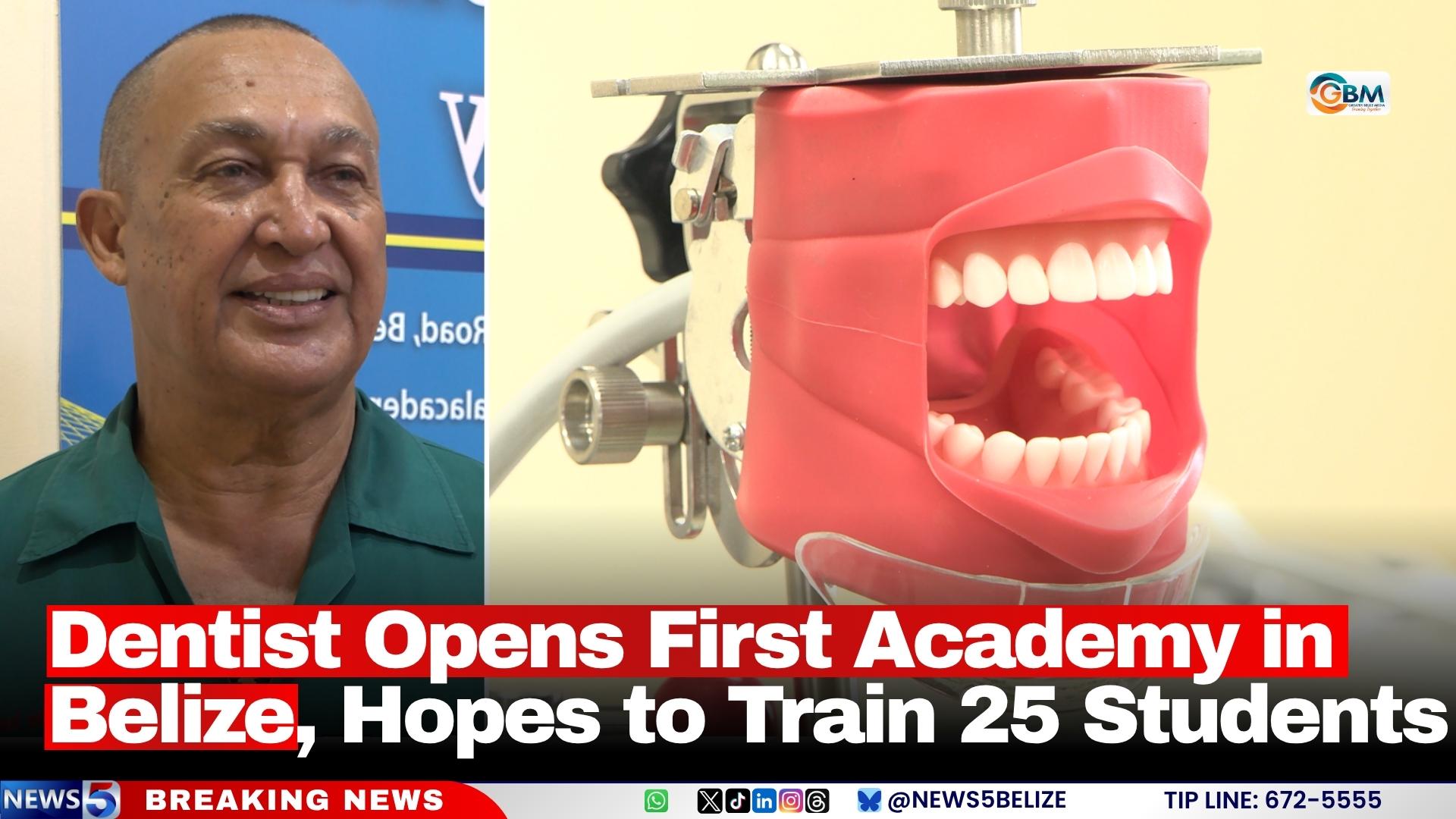
    Small Caribbean nations like Belize have long grappled with gaps in accessible public health care, and oral health has remained one of the most underaddressed segments of the country’s medical system. Now, a local dentist is stepping forward to change that, launching the nation’s first dedicated dental training institution to build a workforce of skilled oral health providers and tackle widespread preventable disease.

    Dr. Husberto Shaw, the founder of the new Magazine Dental Academy, explains that poor oral health is far more than a cosmetic issue for Belize’s population. Many of the chronic systemic diseases that disproportionately impact communities across the country trace their origins back to untreated oral conditions, a connection that has been overlooked due to a severe shortage of trained providers. Shaw’s idea for the academy grew from years of witnessing how unaddressed poor dental hygiene snowballs into larger, life-altering health complications for Belizeans that could have been easily prevented with early intervention and education.

    Unlike any existing training program in the country, Magazine Dental Academy is designed specifically to train new oral health workers who can bring care and education directly to underserved communities. The 12-month intensive program will welcome an incoming cohort of 25 students each year, with the first class set to begin classes on July 13. As of the latest update, 10 aspiring students have already secured their spots, and academy organizers are working to fill the remaining 15 openings before the program kicks off.

    Shaw’s data estimates that Belize currently needs roughly 100 additional trained oral health workers to meet the current public demand for care. While closing this gap will not happen overnight, the launch of the academy marks a foundational milestone in a field that has had no formal localized training infrastructure until now.

    Graduates of the program will earn a nationally recognized certification in oral hygiene and oral health education, qualifying them to take on a range of critical roles across the country’s health system. Credentialed graduates will be able to lead oral health education workshops in schools and community centers, conduct routine screenings for cavities and gum disease, administer preventive fluoride treatments, and manage mild, early-stage gum disease. More complex procedures and advanced cases will be referred to fully licensed dentists, creating a tiered care system that expands overall access rather than overextending new providers.

    To ensure students receive well-rounded, high-quality training, the academy’s faculty includes nine experienced practicing dentists, with additional support from specialized medical professionals including social workers, registered nurses, and a registered dietician. This interdisciplinary approach reflects the academy’s core mission: that oral health is inherently connected to overall physical and social well-being, requiring a holistic approach to education and care.

    For Belize’s public health landscape, the launch of Magazine Dental Academy represents more than just a new training school—it is a long-overdue step toward reducing health disparities and building a more resilient, accessible health system for all Belizeans.

  • Kentish Road Building Damaged by Fire

    Kentish Road Building Damaged by Fire

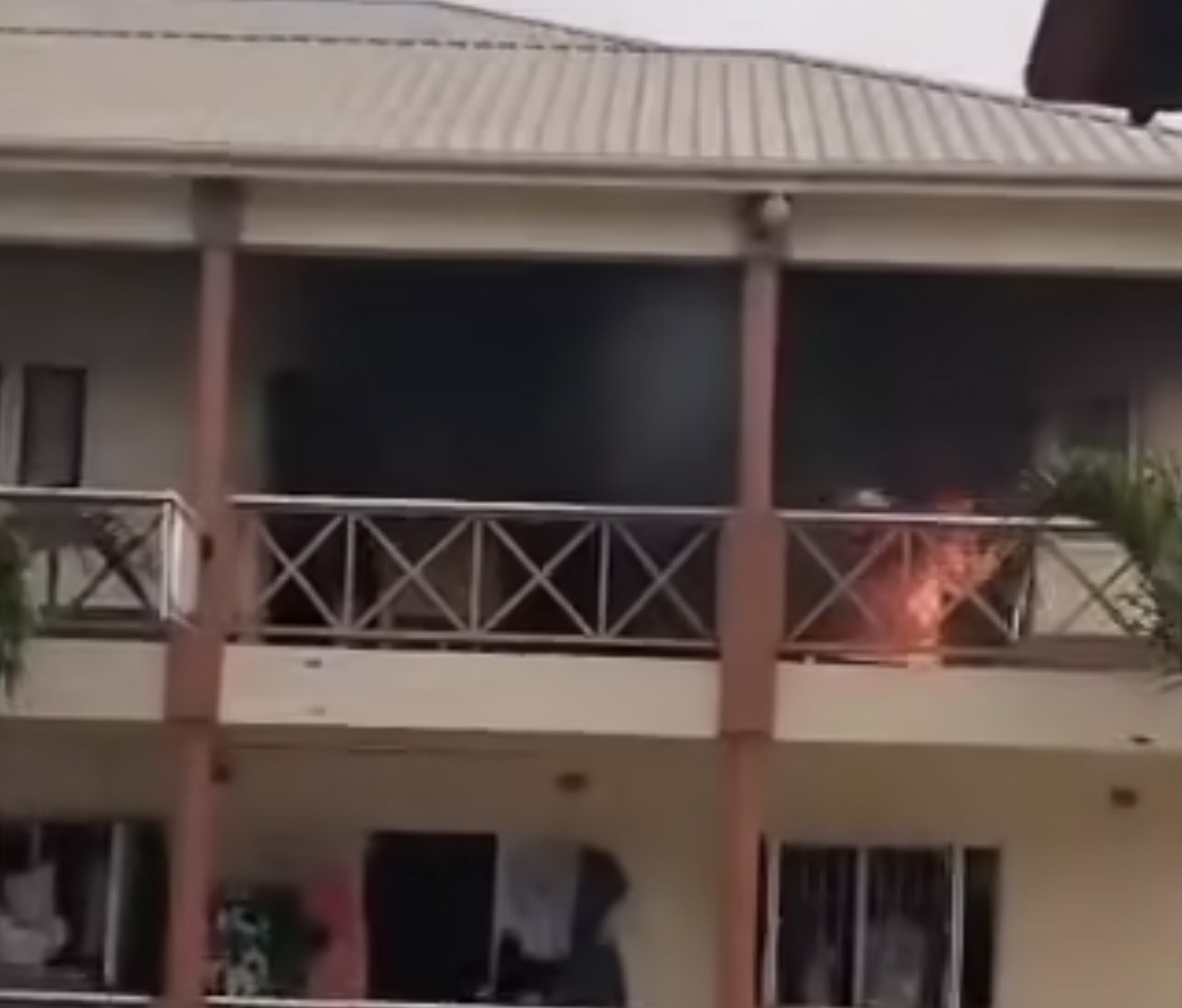
    A significant blaze has left a multi-story building on Kentish Road heavily damaged, leaving local authorities and property stakeholders assessing the full scope of destruction in the wake of the emergency. Emergency response teams were dispatched to the scene immediately after reports of smoke and flames emerged from the structure earlier this [relevant time frame]. Firefighters worked tirelessly for multiple hours to bring the blaze under control, coordinating closely with local law enforcement to secure the surrounding area and evacuate any individuals who had been in or near the affected building. Preliminary investigations indicate that the fire started in an unoccupied section of the structure, though the exact cause remains under active review by local fire inspection officials. No reports of serious injuries or fatalities have been confirmed by response agencies, a outcome that local fire department leaders have described as a welcome relief. Nearby residents reported seeing plumes of dark smoke rising from the building for several hours before the fire was fully contained, with many saying the incident prompted temporary road closures that disrupted local traffic flow through the neighborhood. Property owners have already begun arranging for structural inspections to determine whether the damaged building can be repaired or will require full demolition. Local community leaders have noted that the incident has raised minor questions about fire safety protocols for older buildings in the area, though they have emphasized that there is no early indication of negligence at this stage of the investigation.