博客

  • Sport ‘can help steer’ youth away from crime

    Sport ‘can help steer’ youth away from crime

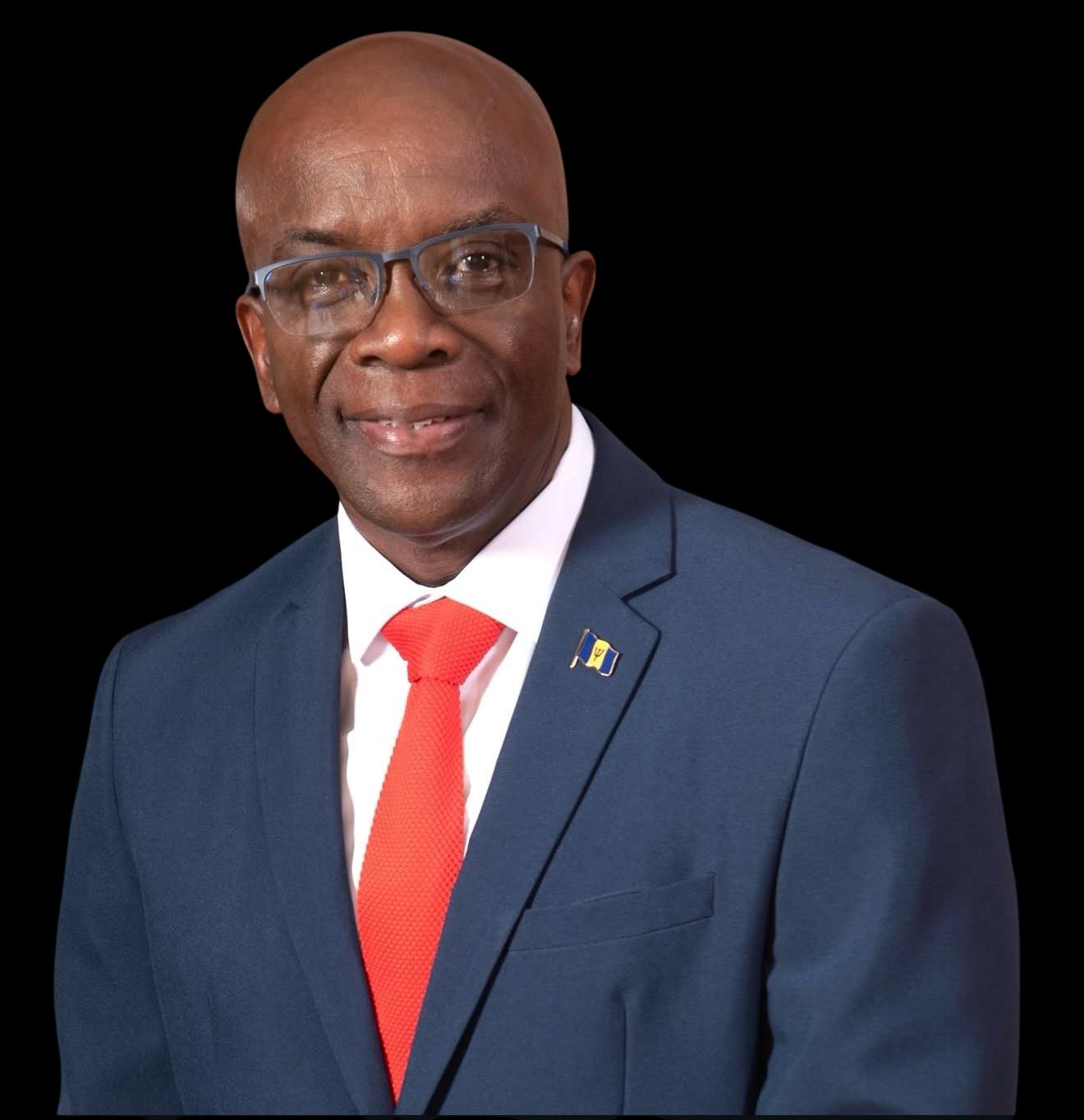
    Barbados is grappling with a sharp upward trend in violent crime, and the island nation’s top sports official is calling for sport to be positioned as a core strategy to steer at-risk young people away from violence and toward life-changing positive opportunities. Charles Griffith, Minister of Sports and Community Empowerment, laid out his vision in an official statement emphasizing that while law enforcement remains a critical pillar of public safety, meaningful crime prevention must start long before any offense is committed — by strengthening family and community structures and opening tangible, accessible pathways for youth.

    Griffith acknowledged the widespread anxiety that the recent crime wave has sparked across all segments of Barbadian society. As of the current year, the country has recorded 28 homicides, a toll that has left dozens of families grieving lost loved ones, communities shaken by pervasive fear and uncertainty, and the entire nation engaged in urgent reflection on how to reverse this troubling trajectory. Offering his sincere condolences to all households affected by the killings, Griffith stressed that the moment calls for solution-focused action rather than despair. “This is not a moment for despair. It is a moment for action, reflection and collective responsibility,” he said.

    The minister pushed back against the idea that increased policing alone can resolve Barbados’ ongoing crime crisis. “While we fully support the efforts of the Barbados Police Service and all agencies involved in maintaining law and order, we must recognise that building a safer society requires more than enforcement alone,” Griffith explained. “Crime prevention begins long before an offence is committed. It starts with strong families, supportive communities, positive role models and meaningful opportunities for our people, particularly our young people.”

    Against that backdrop, Griffith made the case that sport holds unique transformative power to shape the trajectories of young Barbadians and reinforce community cohesion. Beyond athletic achievement and competition, he argued, sport instills core life values that support positive development: discipline, collaborative teamwork, mutual respect, adaptive leadership and persistent perseverance. These foundational skills create space for intentional personal growth and cross-generational social connection, while offering consistent structure, a clear sense of purpose, and a feeling of belonging for young people who may otherwise lack access to supportive networks. Most importantly, Griffith noted, sport provides young people with a positive outlet to channel their energy, talent and ambition, rather than pushing them toward harmful, violent activity.

    Many Barbadians across generations have already attested to sport’s stabilizing impact, Griffith shared, with countless residents crediting athletic programs with helping them stay focused during personal and communal hardship, while opening doors to higher education, professional careers, and lifelong mentorship relationships.

    Building on that proven impact, the Ministry of Sports and Community Empowerment will continue expanding investments in community-centered programs, youth outreach initiatives, accessible sporting opportunities, and personal development workshops, all designed to build confidence and transferable life skills for the island’s young people. Griffith clarified that these investments are far more than investments in recreation: “These efforts are not simply about recreation. They are about building character, encouraging responsibility and providing positive alternatives to the influences that can sometimes lead young people down the wrong path.”

    In a direct appeal to Barbadian youth, Griffith urged young people to reject violence as a solution and actively leverage the public and community opportunities available to them. “Your future is worth protecting. Do not allow anyone to convince you that violence is a pathway to respect or success. Real strength is found in discipline, real confidence comes from achievement, real leadership comes from making positive choices, even when faced with challenges or adversity,” he said. He encouraged all young residents to join local sports clubs, participate in community programming, connect with trusted mentors, nurture their unique talents, and pursue their personal and professional goals with intentionality and determination.

    Griffith also extended a call to collective action across all sectors of Barbadian society, urging parents, teachers, sports coaches, faith-based organizations, community leaders and private sector businesses to collaborate to support the nation’s youth. He emphasized that sustained reduction in crime and violence requires a whole-of-society commitment that extends far beyond government action.

    Closing his statement, Griffith reaffirmed the ministry’s ongoing commitment to partnering with communities and cross-sector stakeholders across Barbados to expand youth-accessible opportunities that foster participation, personal empowerment and inclusive growth. The ministry’s core goal, he said, is to encourage young people to choose purpose over violence, achievement over criminal activity, and empowerment over hopelessness.
  • LVV en FAO ondertekenen projectcontracten ter waarde van bijna SRD 40 miljoen

    LVV en FAO ondertekenen projectcontracten ter waarde van bijna SRD 40 miljoen

    PARAMARIBO, SURINAME – July 1, 2026 – Suriname’s Ministry of Agriculture, Livestock and Fisheries (LVV) has solidified a landmark partnership with the Food and Agriculture Organization of the United Nations (FAO), signing three project contracts that will inject nearly 40 million Surinamese dollars into transforming the South American nation’s agri-food sectors. The agreement signing ceremony, held Tuesday, marks the official kickoff of new development initiatives and the expansion of ongoing work to boost local production, address critical pest threats, and advance sustainable fishing across the region.

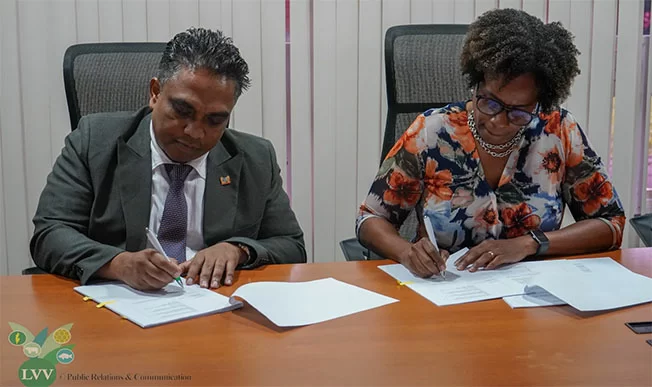
    Representatives from both sides formalized the partnership, with LVV Minister Mike Noersalim signing on behalf of the Surinamese government and Gillian Smith representing the FAO. In remarks following the signing, Noersalim emphasized that the three projects align perfectly with the ministry’s long-term strategic vision to overhaul Suriname’s national agri-food systems. “Agriculture is the foundation of everything we build as a nation,” Noersalim noted, stressing the importance of forward-thinking investment to prepare for shifting economic dynamics.

    The minister specifically highlighted the growing influence of Suriname’s emerging oil and gas sector, which is driving rapid economic expansion and pushing up domestic demand for safe, locally sourced food. This creates an urgent opportunity—and challenge—to strengthen the agricultural sector so it can keep pace with rising demand and support broader economic growth. To meet this goal, the LVV will actively support small and medium producers as they transition to professional, market-oriented operations, Noersalim added.

    The largest of the three new initiatives is the $300,000 Boosting the Livestock Sector project, labeled TCP/SUR/4002, which centers on reducing Suriname’s reliance on imported milk, beef, and mutton by modernizing domestic production. A core component of the project will upgrade the country’s national laboratory capacity, allowing Suriname to conduct its own sustainable soil and feed analysis domestically instead of relying on external testing facilities.

    The second project moves forward the second phase of a crop protection initiative, valued at $240,000, focused on controlling two devastating invasive pests: the carambola fruit fly and the tomato leafminer. The project will continue the work of Suriname’s entomology laboratory, which has already achieved key breakthroughs, including successfully rearing natural biological control agents for the carambola fruit fly and identifying a unique Surinamese biotype of the tomato leafminer that allows for more targeted management strategies.

    The third project extends Suriname’s participation in the regional REBYC-III & EAF4SG fisheries management program through 2027. Under the initiative, Suriname will continue working with regional partners to advance sustainable bycatch management and protect marine biodiversity across coastal and deep-sea fishing grounds, cementing the fisheries sector as a core priority for the country’s sustainable development agenda.

    The partnership comes as Suriname works to diversify its economy amid a growing extractives sector, ensuring that agricultural development keeps pace with national growth and delivers food security for local communities.

  • The Latest Upgrade for Toledo Farmers

    The Latest Upgrade for Toledo Farmers

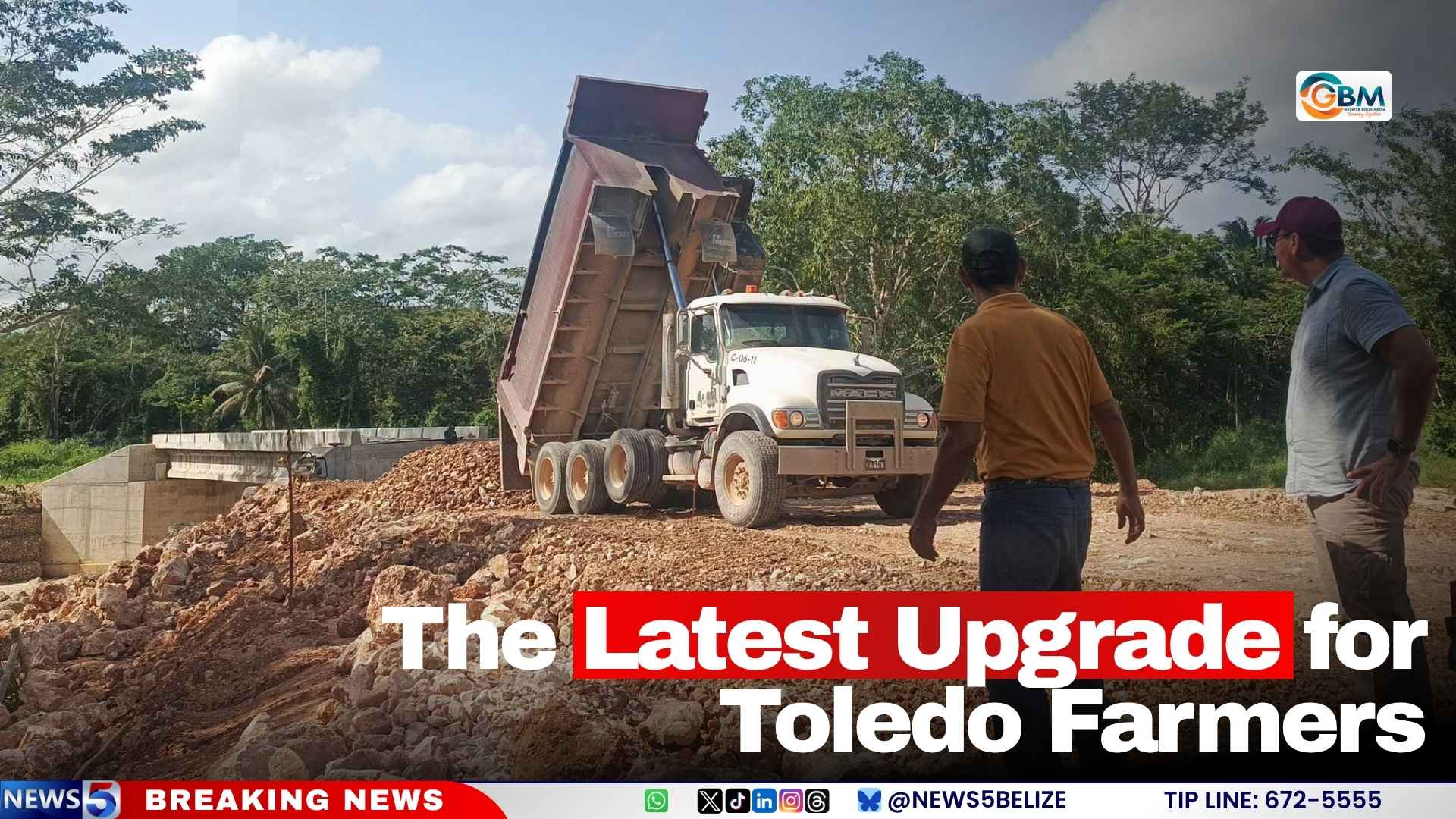
    For agricultural producers across Trio Village and its surrounding communities in southern Belize’s Toledo District, a long-awaited infrastructure upgrade has dramatically simplified daily work, cutting a grueling two-hour commute to their fields down to a mere 10 minutes.

    The transformation comes following the official completion of the new Trio Bridge, a development highlighted by Dr. Osmond Martinez, the area’s representative for Toledo East. Prior to the project’s completion, farmers faced a lengthy, arduous journey between their home village and agricultural plots, a barrier that ate into working hours and raised operational costs for small-scale producers.

    “In the past, the farmers used to take about two hours from the village to the farm. Now it’s only taking them about five to ten minutes to get there,” Martinez explained in a statement confirming the project’s handover to local communities.

    The infrastructure initiative was delivered as part of the Resilient Rural Belize Programme, a broader development scheme focused on improving livelihoods for agricultural communities across the country. Funding for the bridge project came from multiple partners: the Green Climate Fund provided core financing, matched by counterpart funding from the Government of Belize, with additional in-kind and financial contributions from local beneficiaries who stand to gain from the upgrade.

    Martinez emphasized that the impact of the project extends far beyond the new bridge itself. As part of the scheme, contractors have also paved nearly four miles of rural roadway connecting Trio Village directly to outlying farm plots, eliminating the muddy, uneven routes that slowed travel during rainy seasons for decades.

    Looking ahead, plans are already in motion to expand the connectivity gains. “Now we are in the process of getting the finance from CDB to do the upgrading of the road from the village to the southern highway, which will be paved as well,” Martinez added. The upcoming upgrade will connect the improved local road network to Belize’s main southern arterial highway, opening faster, more reliable routes for farmers to transport their harvests to regional markets and export hubs.

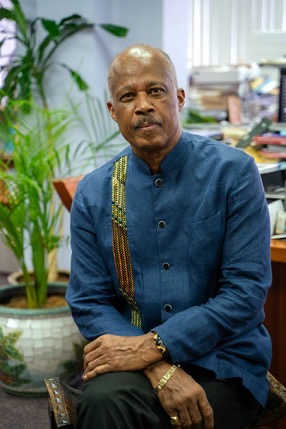
  • Emancipation Watchnight Gathering to Feature Professor Sir Hilary Beckles

    Emancipation Watchnight Gathering to Feature Professor Sir Hilary Beckles

    The Antigua and Barbuda Reparations Support Commission (ABRSC) has unveiled a full slate of 2026 Emancipation Observances, a curated multi-day series that honors the struggles, resilience, and legacy of formerly enslaved ancestors while lifting up the ongoing global fight for reparatory justice. At the top of the program’s most anticipated events is the annual Watchnight Gathering, scheduled for July 31, 2026 at Antigua’s iconic Botanical Gardens, with globally recognized reparations leader Professor Sir Hilary Beckles confirmed as the featured keynote speaker.

    This year’s commemorations kick off on July 24 with Africa Dress Day, a celebration of ancestral cultural ties that sets the tone for the week of reflection. The schedule builds on July 29 with the UHURU Television Program focused on the theme of Spiritual Awakening, before welcoming attendees to the core Watchnight Gathering on July 31. Titled “A Night of Reflection, Remembrance and Renewal,” the event will draw community members together for collective reflection, public education, and a reaffirmation of shared commitment to reparatory justice. The observances culminate on August 1, Emancipation Day, with a 6:00 a.m. Emancipation Breakfast Service at Greenbay Moravian Church, followed by the all-day Emancipation Village hosted at the V.C. Bird Bust from 10:00 a.m. to 5:00 p.m.

    Professor Beckles brings unmatched expertise and authority to the 2026 gathering. He currently serves as Vice-Chancellor of The University of the West Indies and Chairman of the CARICOM Reparations Commission, the regional umbrella body of which ABRSC is a member. Over decades of academic and advocacy work, his groundbreaking scholarship has fundamentally reshaped global understandings of Caribbean colonial and enslavement history, cementing his reputation as one of the region’s most influential voices on decolonization, regional integration, sustainable development, education, and reparatory justice.

    As the face of the CARICOM reparations movement, Beckles has emerged as the Caribbean’s leading international advocate for redress for the transatlantic slave trade and chattel slavery. He has represented regional interests before global bodies including the United Nations and African Union, as well as the UK Parliament, U.S. Congress, and hundreds of academic, religious, and civil society organizations across the world. His persistent advocacy has succeeded in moving reparations from a marginalized demand to a central item on the global policy agenda, framed as a core issue of human rights, historical accountability, and long-term equitable development.

    Beckles’ extensive research agenda covers a wide range of understudied topics tied to colonial harm, including the economic structure of plantation slavery, acts of resistance by enslaved people, gender dynamics in slave societies, Indigenous genocide, the intergenerational developmental impacts of colonial rule, and the legal and moral case for reparatory justice. He has published more than 20 academic and popular books, including landmark works such as 2013’s *Britain’s Black Debt: Reparations for Caribbean Slavery and Native Genocide*, 2016’s *The First Black Slave Society*, 2021’s *How Britain Underdeveloped the Caribbean*, and 2025’s *Cricket’s First Revolutionary: Frank Worrell’s Political War Against Colonialism in the West Indies*.

    Widely celebrated as a dynamic and compelling public speaker, Beckles will use his keynote address to update attendees on the most recent progress in the global reparatory justice movement. His talk will cover three key recent developments: the newly released 2026 CARICOM Ten Point Plan for Reparatory Justice: A Manifesto for the Coming Enlightenment, the United Nations’ landmark Declaration that classifies the transatlantic trafficking of enslaved Africans and racialized chattel slavery as the gravest crime against humanity in modern history, and key takeaways and next steps from the recent NEXT STEPS High-Level Consultative Conference focused on implementing the United Nations General Assembly resolution on reparations.

    ABRSC has issued an open invitation to all members of the public in Antigua and Barbuda and the wider Caribbean region to attend the Watchnight Gathering. The event offers a rare opportunity for collective reflection on the enduring legacy of emancipation, public recognition of the sacrifices of the generations that fought for freedom, and a collective reaffirmation of the region’s commitment to securing justice, dignity, and full reparatory redress for the harms of chattel slavery and colonialism.

  • Guyana, Karpowership agree to new two-year contract for Berbice vessel

    Guyana, Karpowership agree to new two-year contract for Berbice vessel

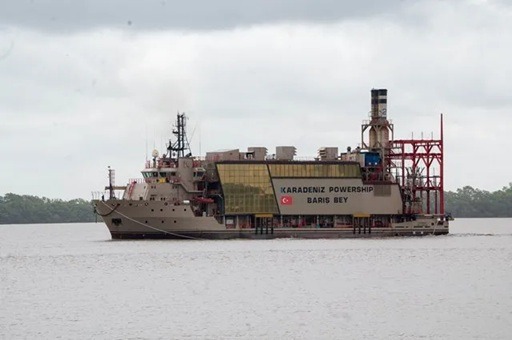
    On Wednesday, government officials from Guyana announced a finalized two-year contractual agreement with Turkey-based floating power provider Karpowership, updating the terms for the company’s electricity-generating vessel permanently stationed at the Everton East Bank Berbice terminal. The vessel first arrived at this site in May 2024 under an initial interim arrangement.

    Under the new terms, the 36-megawatt floating facility will supply power to the Guyana Power and Light (GPL) national grid at a rate of 9.5 US cents per kilowatt-hour. This marks an upward adjustment from the 7.2 US cents per kilowatt-hour rate set when the initial interim agreement was signed in 2024. The updated tariff brings the Berbice vessel in line with pricing for Karpowership’s second floating power plant located at Meadowbank, Greater Georgetown, which has operated at the 9.5 US cent rate since it was first connected to Guyana’s national grid.

    Public Utilities Minister Deodat Indar clarified that the published tariff does not include fuel costs, as the Guyanese government exempts power generation fuel from all taxation to keep overall energy costs stable. Indar emphasized that retaining the 36 MW of generation capacity from the Berbice vessel is a critical buffer for the national grid, as it offsets unavoidable transmission line losses that would otherwise strain power supply for residential and commercial users across the region.

    The new long-term arrangement comes as Guyana prepares to bring its large-scale 300 MW natural gas-fired Wales power station online, a project designed to meet rapidly growing energy demand driven by the country’s expanding oil and gas sector. The facility is on track to deliver an initial 222 MW of power to the national grid from four operational gas turbines by the end of 2026, with the remaining 72 MW of capacity coming online in early 2027.

    Speaking to reporters earlier the same day, Guyana President Irfaan Ali confirmed that negotiation teams reached a deal that aligned the Berbice vessel’s pricing with the existing terms for the second Karpowership facility. “The negotiations were completed at the same rate,” Ali said. “The rate of the second ship that is being used, nothing above that rate.”

  • Sixteen new certified tour guides graduate in Kalinago Territory under UNDP-supported programme

    Sixteen new certified tour guides graduate in Kalinago Territory under UNDP-supported programme

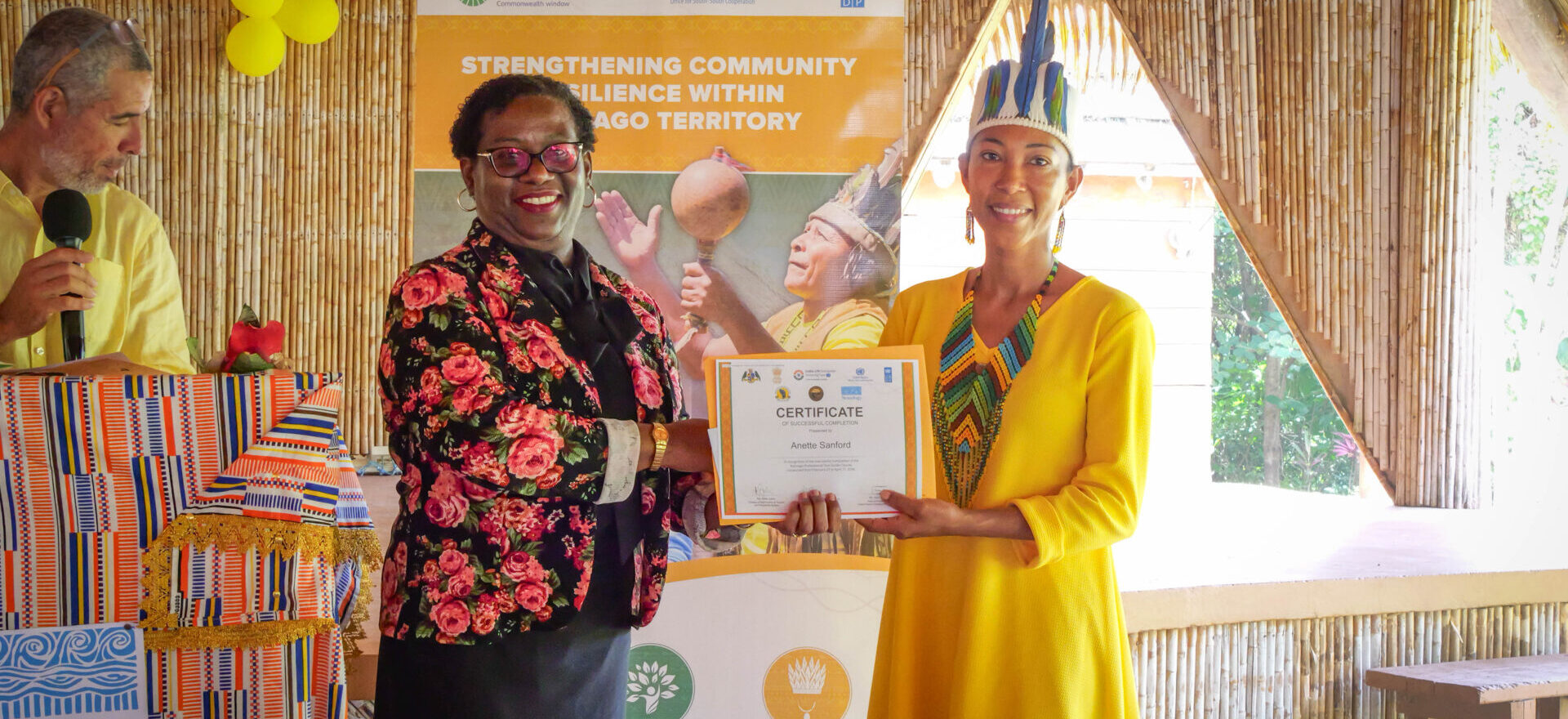
    Sixteen Kalinago Territory community members have officially become certified professional tour guides, marking a major milestone in efforts to grow inclusive, community-led indigenous tourism and expand local economic opportunity across the region.

    The graduating cohort, made up of 10 women and six men, completed a rigorous, months-long training initiative before receiving their certification during a formal ceremony hosted at Barana Autê. The event drew a cross-section of attendees, including senior Dominican government officials, Kalinago community leadership, representatives from international development partners, local institutional stakeholders, and family members of the graduates, who gathered to honor the participants’ hard work and reaffirm shared commitments to sustainable, community-centered tourism development in the territory.

    Among the distinguished guests in attendance were Cozier Frederick, Dominica’s Minister for Environment, Rural Modernisation, Kalinago Upliftment and Constituency Empowerment; Annette Sanford, Chief of the Kalinago people; Duane Silverstein, Executive Director of conservation non-profit SeaCology; delegates from Dominica State College; members of the Kalinago Council; UNDP representatives; and other invited stakeholders.

    The training programme was organized through a collaborative partnership between the Kalinago Council, Dominica State College, and the Dominica Hotel and Tourism Association. Joint funding for the initiative was provided by the Strengthening Community Resilience in the Kalinago Territory (SCR-K) Project and SeaCology. The SCR-K Project itself is financed by the Government of India and implemented by the United Nations Development Programme (UNDP) in coordination with the Government of Dominica through the Ministry of Environment, Rural Modernisation, Kalinago Upliftment and Constituency Empowerment. The broader initiative works alongside the Kalinago Council and other local and national partners to build resilient local livelihoods through a range of focus areas: climate-smart agriculture, sustainable forest management, eco-indigenous tourism, and community capacity building.

    UNDP officials note that the tour guide training perfectly embodies the collaborative, community-centered approach at the core of the SCR-K Project. The Kalinago Council had already prioritized tour guide capacity building as a key step to grow tourism within the territory, and the initiative aligns directly with one of the SCR-K Project’s core objectives: expanding access to training for micro, small, and medium-sized enterprises (MSMEs) and tourism stakeholders in the eco-indigenous tourism sector. By aligning with the council’s existing priorities and partnering with local and organizational stakeholders, the project avoided redundant efforts and maximized long-term development impact for the community.

    Run from February 21 to April 4, 2026, the curriculum blended structured classroom instruction with hands-on fieldwork and practical exercises to equip participants with the full range of knowledge and skills needed to deliver authentic, high-quality visitor experiences. Instruction was led by faculty from Dominica State College, with additional technical support provided by the Dominica Hotel and Tourism Association. The curriculum covered a diverse set of core competencies: tourism industry fundamentals, Kalinago Territory history, cultural and heritage interpretation for Kalinago traditions, local flora and fauna identification, birdwatching and natural heritage interpretation, customer service, professional ethics, emergency first aid, and practical on-the-ground tour management techniques. To earn their certification, graduates were required to pass both comprehensive written examinations and hands-on practical assessments.

    Addressing the gathering of graduates and guests, Minister Cozier Frederick emphasized that the training represents far more than just learning tour leadership skills. “Guide training is far more than learning how to lead a tour. It is about becoming ambassadors of our people, our culture, and our environment. Through proper training, we preserve and share our history with accuracy and pride. We provide visitors with meaningful and memorable experiences that reflect the true identity of our community. We also develop the knowledge and skills to ensure the safety and well-being of those in our care. Guide training creates valuable employment opportunities and strengthens our tourism industry by promoting professionalism and excellence. Most importantly, it inspires us to protect our natural environment and cultural heritage so that future generations can continue to benefit from them,” Frederick said.

    Kalinago Chief Annette Sanford also commended the graduates for their dedication throughout the programme, and reminded them of their unique responsibility to share the authentic history and identity of the Kalinago people with the world. “As tour guides, you now hold a very special responsibility. You have the privilege of telling the Kalinago story the way it deserves to be told. For many years, textbooks and outside narratives have misrepresented who we are. We have often said that these stories need correcting. Well, we are part of that correction. Every visitor we guide gives you an opportunity to tell the truth. Tell them our story with confidence. Tell it with pride. Tell it with authenticity,” Sanford stated.

    Speaking on behalf of UNDP, Project Analyst Sawana Fabien noted that the graduation ceremony marks far more than the successful completion of a single training course. “Today is a celebration of commitment, perseverance, and your willingness to invest in yourselves, your families, and your community. When the Kalinago Council identified this training as one of its priorities, the SCR-K Project responded because we believe development should be driven by the aspirations of communities themselves – not by what a project thinks a community needs. That is the essence of partnership, and I believe the relationship between UNDP, the Government of Dominica, the Kalinago Council, and our implementing partners is one that should be celebrated. Our commitment does not end today. We remain committed to working alongside the Kalinago people, listening to your priorities, strengthening local capacity, and building partnerships that create opportunities for today and for future generations,” Fabien said. She added that the SCR-K Project centers its work on building community resilience by investing in people, local institutions, and collaborative partnerships, so communities have the skills, confidence, and access to opportunity needed to lead their own sustainable development trajectories.

    SeaCology Executive Director Duane Silverstein also reaffirmed his organization’s longstanding commitment to supporting conservation and community-led development initiatives that protect the Kalinago Territory’s one-of-a-kind natural and cultural heritage.

    Looking ahead, the newly certified guides are expected to play a transformative role in advancing the Kalinago Territory’s long-term vision for indigenous tourism, while opening new pathways for local employment, community entrepreneurship, and grassroots leadership. As Dominica prepares for a projected increase in international visitor arrivals, driven in part by the expansion of the country’s tourism infrastructure including the opening of a new international airport, the training programme ensures the Kalinago Territory is well-positioned to welcome guests with authentic, high-quality cultural and nature-based tourism experiences.

    Beyond equipping individual participants with marketable professional skills, the initiative is also expected to strengthen the Kalinago community’s ability to manage tourism growth sustainably, safeguard irreplaceable cultural heritage, and ensure that the full economic benefits of tourism development remain within the local territory. UNDP confirms that the SCR-K Project will continue its work alongside the Kalinago Council and its partner organizations to support additional initiatives that build resilient local livelihoods, empower indigenous communities, and preserve the Kalinago Territory’s distinctive cultural and environmental heritage for future generations.

  • First-of-Its-Kind Kitchen Experience Debuts in Belize

    First-of-Its-Kind Kitchen Experience Debuts in Belize

    On July 1, 2026, Central American nation Belize welcomed a one-of-a-kind culinary innovation when 3 Senses Lounge, a restaurant located in the scenic Vanilla Hills region of Cayo District, launched its inaugural interactive kitchen party experience. This new concept marks an unprecedented shift in Belize’s dining landscape, inviting diners to step beyond the traditional dining room and directly into the heart of the restaurant’s kitchen space.

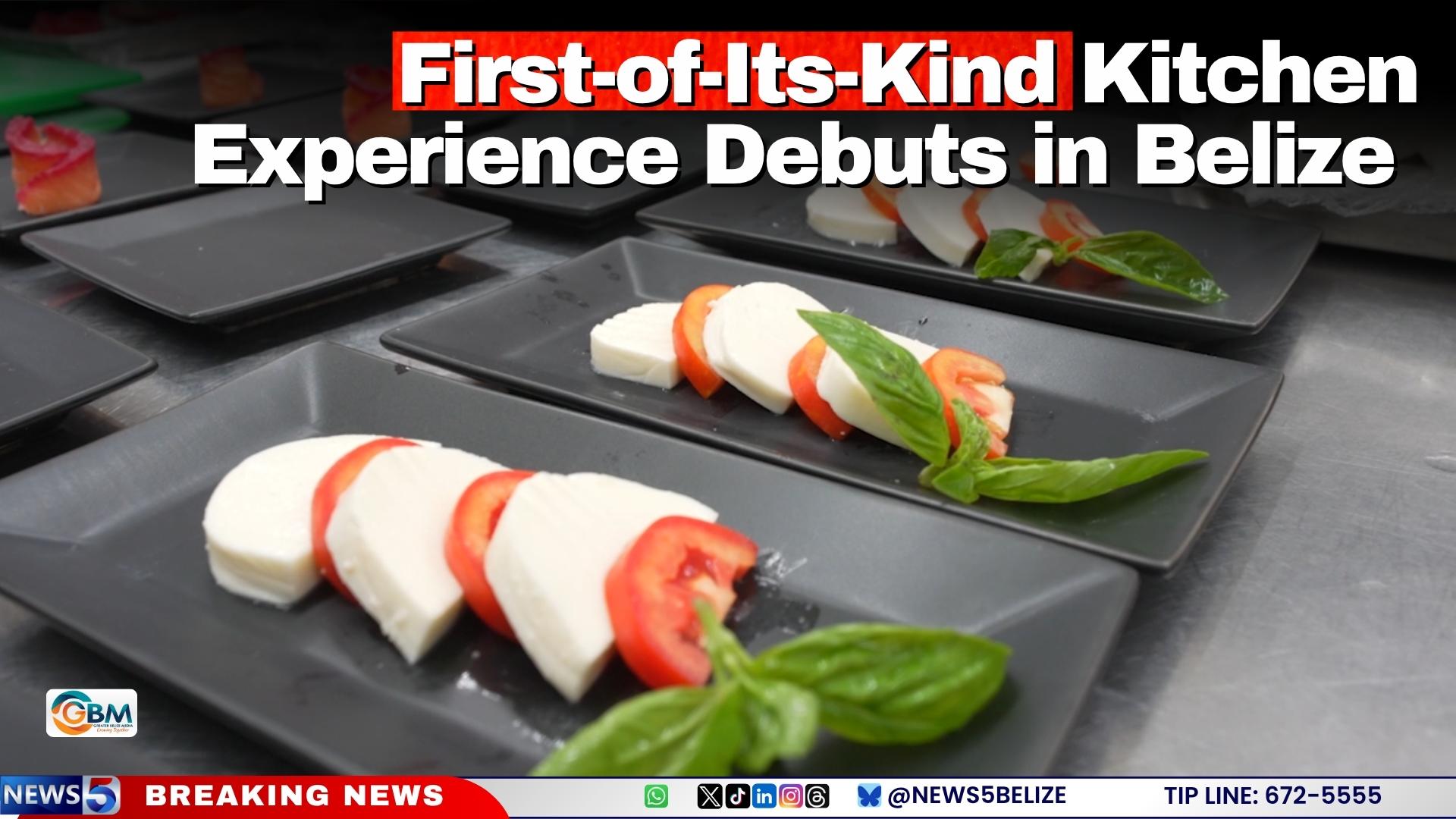
    The brainchild of co-owners Claudia Konig and Franklin Syrowatka, the experience revolves around a core, straightforward mission: to connect diners to the full story behind every dish they enjoy. Under this new model, the kitchen is reimagined not as a closed-off back-of-house workspace, but as a performance stage open to guests at any point during their visit. Diners can watch their meals take shape firsthand as skilled chefs work right in front of them, before sampling dishes from a curated 17-item tasting menu that can be customized to each guest’s preferences, including portion sizes and visit frequency.

    For the restaurant’s leadership, transparency is at the heart of the new offering. Syrowatka emphasized that the kitchen itself is a key part of the experience the team wants to share with visitors. “We are extremely proud of every part of our operation, from the purpose-built kitchen space and state-of-the-art appliances to the meticulous process we follow to craft elevated cuisine,” he explained. “High-level cooking is far more than the finished plate that hits the table — it involves hours of careful preparation and intentional technique, and we want to give the public a chance to see that process unfold directly.”

    Sous-chef Luis Maroquin, who leads much of the in-kitchen preparation for the experience, noted that the open-kitchen format fundamentally reshapes the relationship between diners and their food. For most restaurant goers, the entire cooking process happens out of sight: guests receive a finished plate, but never get to see how it was assembled, how plating decisions were made, or how a chef’s creative idea transforms from a concept onto the plate. “This experience changes that,” Maroquin said. “Now, diners can walk away saying they saw the entire creative process come to life right in front of their eyes.”

    While interactive open-kitchen dining concepts have grown in popularity across major global food scenes, Konig confirmed that this is the first permanent offering of its kind in Belize. “I have never encountered any similar dining experience anywhere in the country, so this is truly a first for Belize’s culinary community,” she said. The launch paves the way for a new style of immersive dining in the country, blending culinary craft with interactive entertainment for food locals and tourists alike.

  • Edline Harris unveiled as Roseau South candidate, promises community-centred leadership

    Edline Harris unveiled as Roseau South candidate, promises community-centred leadership

    Dominica’s United Progressive Party (UPP) has formally unveiled Edline Harris as its electoral candidate for the Roseau South constituency, framing her as a deeply connected local leader dedicated to advancing community interests ahead of the upcoming vote. At her official launch event, Harris accepted the party’s nomination, framing her candidacy as a natural extension of lifelong ties to the area and a deeply rooted ambition to lift the quality of life for all district residents.

    Calling the nomination one of the most transformative milestones of her life, Harris emphasized that she is not stepping into the race as just another political hopeful, but as a proud “daughter of the soil” who has shared in the daily joys and struggles of Roseau South residents. Opening her address, she framed her campaign as entirely people-focused, rejecting personal ambition in favor of amplifying the voices of ordinary constituents who have long been sidelined by political leadership.

    Harris argued that countless residents of the constituency have felt ignored and unrepresented for far too long, and pledged to be a visible, accessible public servant that remains engaged with community needs long after election day. “I will keep listening, learning, advocating, and working every single day to build a better Roseau South,” she told assembled supporters, outlining a broad, actionable policy agenda tailored to local economic and social needs.

    At the core of Harris’ vision is a constituency where young people can build meaningful careers and access high-quality education without relocating away from their home country. To support local economic vitality, she has proposed targeted policy frameworks to boost small business growth by attracting new investment and fostering local innovation. One of her flagship infrastructure proposals is the development of a commercial juicing factory in Roseau South, a project she says will create hundreds of local jobs, strengthen Dominica’s agricultural sector, and deliver broad economic benefits to both the constituency and the entire island nation.

    Harris also laid out plans to revitalize Roseau South’s bayside waterfront, proposing environmental upgrades and public space improvements that would position the area as a top tourist destination. The project would encourage longer visitor stays, driving more revenue for local restaurants, retailers, and cultural attractions while advancing sustainable, environmentally conscious economic growth.

    To address longstanding local transportation challenges, Harris has proposed constructing a new bypass road connecting the communities of Newtown and Loubière, a project designed to cut chronic congestion on routes entering and exiting Roseau, reducing commute times for workers, students and businesses. For the island’s floriculture sector, she proposed positioning the communities of Eggleston and Giraudel as Dominica’s official “flower basket”, and upgrading the existing Flower Show Site into a year-round tourist attraction that generates consistent income for local farmers, vendors, and transportation providers.

    Upgrading core community infrastructure is another central policy priority for Harris. She emphasized that every neighborhood deserves access to properly paved, well-maintained roads to improve public safety, reduce vehicle costs, and expand access to essential services including schools, healthcare facilities, and local businesses. Beyond infrastructure, Harris has pledged to advance greater governmental transparency and accountability, promising a constituency where leaders collaborate with residents rather than speak at them, and transparency replaces bureaucratic secrecy.
    “Restoring hope to the community will be the foundation of my leadership,” Harris said, framing hope as the core driver of stronger families, empowered young people, and meaningful national progress. She called on Roseau South residents to join her in building a grassroots movement rooted in compassion, integrity, and the core belief that every resident deserves to be seen and heard. She urged voters to reject political division, embrace mutual respect and open dialogue, and prioritize national and community interests over partisan gain.

    In closing, Harris encouraged all eligible residents to confirm their voter registration and participate in the upcoming election, describing voting as a fundamental democratic duty. In her full keynote address, she expanded on her people-first approach, noting that her campaign centers the needs of struggling single mothers, unemployed young graduates, dignity-seeking senior citizens, and persevering small business owners – all groups that have felt unheard by past leadership. “Leadership is not measured by titles, it is measured by the lives you improve and the trust you earn through consistent service,” she said, promising to remain present in communities year-round, rather than only appearing during campaign season.
    “We have a shared opportunity to write a new chapter for Roseau South, one built on hard work, honesty, unity, and hope instead of empty promises,” she added, ending her address with a blessing for the constituency and the Commonwealth of Dominica.

  • Digicel Guyana offers free unlimited calls to Venezuela following earthquakes

    Digicel Guyana offers free unlimited calls to Venezuela following earthquakes

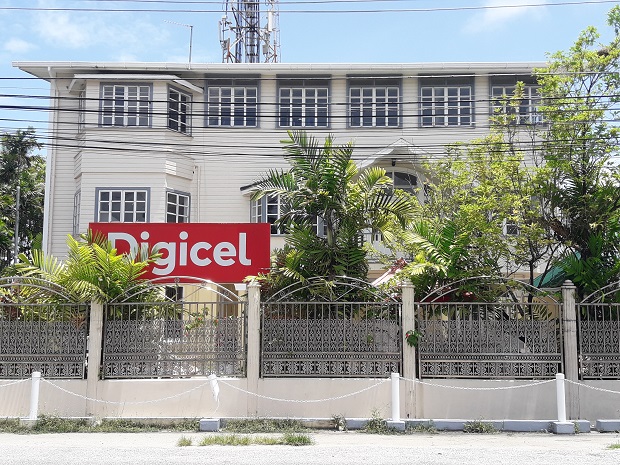
    In the wake of catastrophic twin earthquakes that hit northern Venezuela in late June 2026, a major regional telecommunications provider has stepped forward to support cross-border connection for families and communities grappling with the disaster. Digicel Guyana announced Tuesday that it is immediately rolling out a complimentary unlimited calling offer for its customers to reach contacts in Venezuela, as rescue efforts continue amid rising casualty numbers.

    The disaster, which struck on June 24, began with a 7.2-magnitude foreshock that was followed within seconds by a stronger 7.5-magnitude mainshock. The powerful back-to-back quakes have left a trail of widespread destruction across northern regions of the country, with the capital Caracas and the coastal city of La Guaira reporting the most severe damage. As search and rescue teams work around the clock to locate survivors trapped in collapsed structures, official death toll has climbed into the thousands, with thousands more injured and hundreds of people still reported missing.

    For Guyana, a neighboring Caribbean nation with extensive cross-border personal, social and economic ties to Venezuela, the disaster has left many residents anxious to check on the safety of loved ones and business partners. In a statement announcing the new initiative, Digicel Guyana emphasized that as a neighbor, the company and the country stand in full solidarity with Venezuela through this ongoing crisis. Company leadership noted that access to affordable, reliable communication has become the most urgent need for many Guyanese with connections to earthquake-impacted areas.

    “In moments like these, connection is everything,” said Deonarine Gopaul, Chief Executive Officer of Digicel Guyana and Suriname, in a press statement. “We want our customers to be able to check on their loved ones, offer support, and stay close to the people who matter most without worrying about the cost of a phone call.”

    The free unlimited calling service went into effect immediately following the announcement, and Digicel has urged its customers to take advantage of the offer to reach out to affected contacts, share updates, and provide much-needed emotional comfort to those navigating the aftermath of the disaster. As rescue operations extend into their second week, the initiative is expected to remove a major financial barrier for families desperate for information about their loved ones across the border.

  • Bushy Park Circuit set to host Fast Parts Caribbean GT Challenge

    Bushy Park Circuit set to host Fast Parts Caribbean GT Challenge

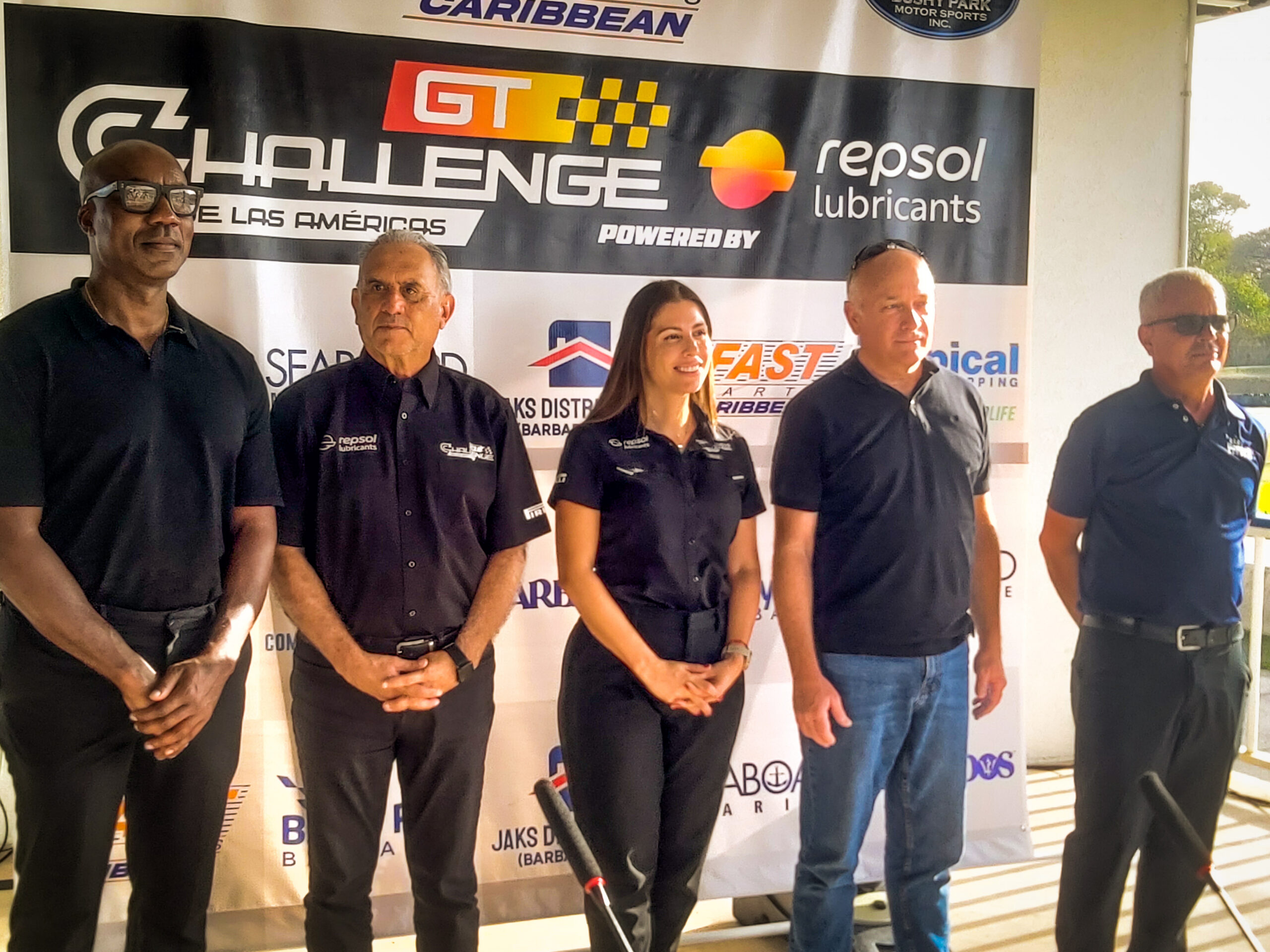
    After years of limited regional motorsport activity, international circuit racing is gearing up for a landmark return to Barbados’ Bushy Park Circuit next month, marking the Caribbean island’s first ever hosting of a round of the GT Challenge de las Américas. The two-day competition, which will run from August 29 to 30 under the local title Fast Parts Caribbean GT Challenge, is set to assemble a dynamic field of drivers spanning North America, Latin America and the Caribbean, including competitors from Canada, the United States, Trinidad and Tobago and local entrants. Racing fans and spectators in attendance will get a front-row look at high-performance vehicles from some of the most iconic luxury and performance automotive brands in the world, including Lamborghini, McLaren and Porsche. The announcement was made during an official media briefing held at the Bushy Park Circuit on Tuesday, where Caribbean franchise holder Franklyn Boodram — who also serves as a team principal and competing driver — outlined the growing momentum for elite motorsport across the region. Boodram explained that after a multi-year lull in organized regional racing, he began competing in events across Latin and Central America, earning consistent success before working to expand the series into the Caribbean with stops first in Guyana, and now Barbados. “Bushy Park already has the infrastructure we need to host this level of racing; only a few small adjustments were required to get it ready,” Boodram noted in the briefing. He also shared the logistical timeline for the event, revealing that the competing vehicles are currently being held at the port of Guyana ahead of that country’s series round scheduled for July 11 to 12. Immediately after the Guyana race concludes, all the machinery will be transported directly to Barbados, arriving at Bushy Park just one week later. Kurt Seabra, facility manager at Bushy Park Circuit, emphasized that the event extends far beyond just on-track competition, framing it as a unique opportunity to showcase Barbados’ natural beauty, vibrant culture and renowned hospitality to the global motorsport community. “We are incredibly grateful to Eduardo Aguilar, Silvia Bermudez and Franklyn Boodram from the GT Challenge for trusting us with the chance to host this prestigious series,” Seabra said. “Their confidence in Bushy Park, Barbados and the entire Caricom region means more than we can say.” Founded in 2019 by Eduardo Aguilar, the GT Challenge de las Américas was created with a clear mission: to unify the top performance racing cars and drivers from across Latin America into a single cohesive, competitive championship. Anderson King, marketing director at Barbados Tourism Marketing Inc. (BTMI), noted that after observing the championship firsthand, his organization quickly recognized its dual potential: as a world-class motorsport event, and as a strategic platform that aligns perfectly with Barbados’ long-term tourism growth goals. “As we work to expand our footprint across Latin America, partnerships like this one allow us to connect with entirely new audiences, strengthen longstanding regional ties, and cement Barbados’ reputation as a top-tier destination that delivers unbeatable leisure experiences and elite international sporting events,” King explained. For Barbados, the event marks not just a return to international racing, but a major step forward in positioning the island as a leading hub for sports tourism in the Caribbean.