The Grenada Football Association (GFA) has unveiled an ambitious new nationwide initiative, the Grassroots Primary School Campaign, designed to embed football directly into primary education across the country, hook young students on the sport, and build a connected development pipeline that moves young players from casual introductory play all the way to club and national team ranks.
Rolled out across September, the campaign sees GFA delegations travel to primary schools spanning both Grenada and the smaller island of Carriacou to hold direct discussions with students, teachers, and entire school communities. The outreach highlights two core programs: the relaunched weekly Grassroots Football Programme, and the existing Primary School Football Programme, spelling out clear opportunities for young people to get involved.
This on-the-ground campaign marks the latest milestone in the GFA’s broader strategic push to deliver consistent, year-round playing opportunities for children of all genders, shifting away from the association’s previous model of relying almost exclusively on isolated seasonal programs. The new approach links each stage of youth development to create a seamless progression path, starting with first exposure to the sport and moving into structured, regular play.
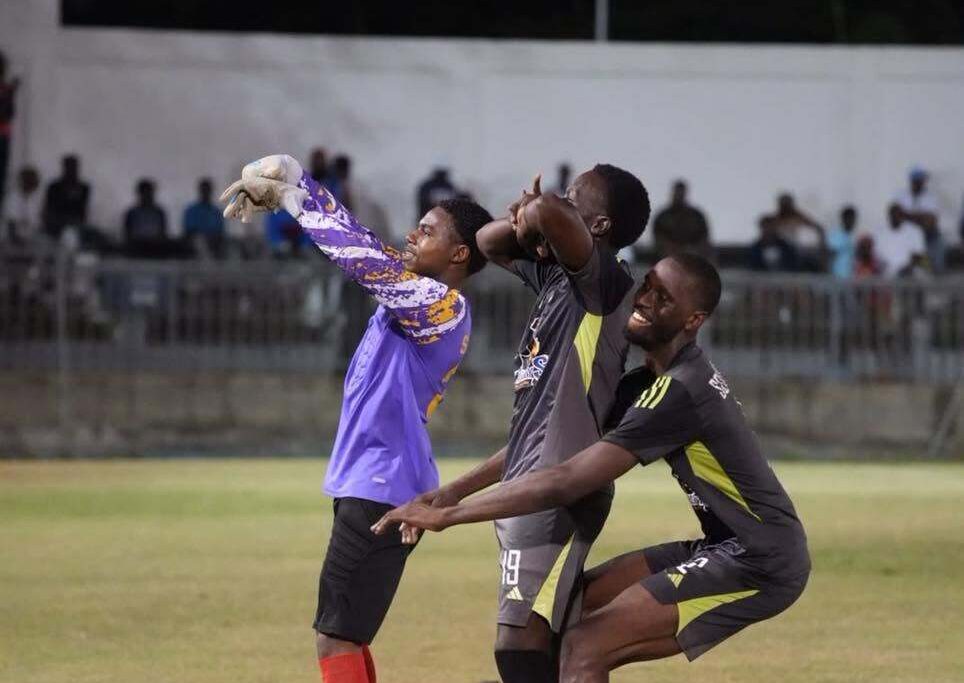
A critical foundation for this new connected model was laid by the recently completed Summer of Soccer Programme, which drew roughly 1,000 participating boys and girls across the country. Now, GFA leaders are actively encouraging those summer participants to continue their skill and personal development by joining the relaunched weekly Saturday grassroots sessions.
For the GFA leadership, the end goal is to build a fully integrated development continuum that connects Summer of Soccer, weekly grassroots activities, school-based football, club competition, and national youth programming. This connected system is designed to expand the overall pool of children entering the sport and strengthen the long-term backbone of Grenadian football at every level.
“If we want to build a stronger future for Grenadian football, we have to begin by creating opportunities for children to play and by meeting them where they are. Our schools and communities are where that journey starts. This campaign allows us to speak directly to young people, introduce them to the opportunities available through the GFA and encourage them to become part of football from an early age,” said GFA President Marlon Glean in a statement on the campaign launch.
Glean emphasized that the GFA’s work extends far beyond simply scouting future national team talent. Grassroots football, he noted, plays a key role in helping children build critical life skills including confidence, self-discipline, teamwork, and a lasting sense of community belonging, while also encouraging lifelong healthy habits. A core priority of the initiative is also keeping the sport accessible and affordable for all boys and girls across every region of Grenada.
The campaign kicked off with an inaugural visit to St George’s Anglican Primary School, and will run through the rest of September with scheduled stops at a dozen schools across multiple parishes, including St Patrick’s RC, St Patrick’s Anglican, Mt Rose Primary, River Salle Government, Corinth Government, St John’s Anglican, Springs Government and Samaritan Primary, plus dedicated outreach across Carriacou. Additional school visits are still being finalized to expand the campaign’s reach.
During each school visit, GFA representatives introduce students to the range of development opportunities available and encourage them to stay involved in football beyond one-off summer camps or occasional school competitions. The Primary School Football Programme offers a structured in-school pathway for regular play, while the relaunched weekly grassroots program delivers ongoing weekly development sessions every Saturday outside of school hours.
“Introducing children to football early is only the first step. The real value comes when we create consistent opportunities for them to keep playing, learning and developing. Summer of Soccer provides that initial experience for many children, but the weekly Grassroots Programme, school football and ultimately our clubs allow that development to continue,” explained GFA Technical Director Alister Fleming.
Fleming added that expanding grassroots participation will have a direct impact on the quality of Grenada’s national player development pipeline. By drawing more children into the sport at the entry level, the GFA can grow the pool of talented players who can progress through club ranks, into national youth programs, and eventually onto the country’s senior national teams for both men and women.
The school-focused campaign also underscores the GFA’s commitment to breaking down geographic barriers to football development, ensuring opportunities are not limited to a small handful of more privileged communities. By including stops in nearly every parish and across Carriacou in the September schedule, the association is following through on its longstanding goal to expand access and tie more remote schools and communities into the national football development structure.
The relaunch of the weekly Saturday Grassroots Football Programme will build directly on the momentum generated by this summer’s popular Summer of Soccer, giving young players who enjoyed the introductory program a clear next step to continue their football journey. The weekly sessions focus on building core technical football skills while also delivering the well-documented social and personal development benefits that come with regular team sport participation.
Across every part of the Grassroots Primary School Campaign, the GFA is reinforcing its core philosophy: sustainable long-term success at the club, youth international, and senior national level can only be built on a strong, accessible, inclusive grassroots foundation. The initiative aims to build that foundation one school, one community, and one young player at a time.
Parents and guardians who wish to enroll their child in the weekly Grassroots Football Programme, or who want more information on any of the GFA’s grassroots opportunities, can contact the GFA main office at (473) 440-9903 for more details.
This report is a contributed piece from the Grenada Football Association. NOW Grenada does not take responsibility for the opinions or content shared by contributing organizations. To report any inappropriate content, visit the platform’s official reporting portal.