博客

  • Nevis dominates Leeward Islands U-15 squad with seven players, including captain

    Nevis dominates Leeward Islands U-15 squad with seven players, including captain

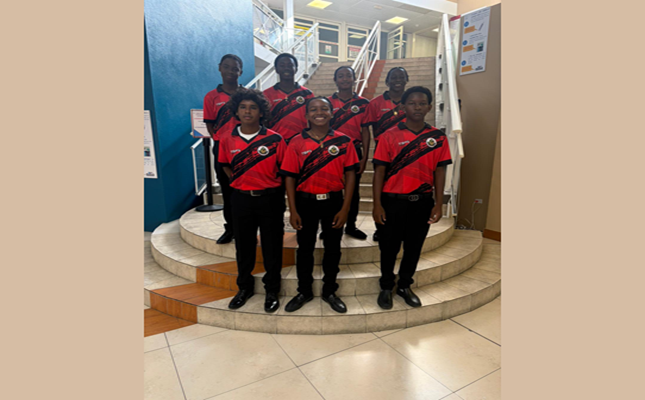
    Nevis’ standing as a hotbed for young cricket talent in the Caribbean has been reinforced once again, after selectors named seven Nevisian players to the 14-member Leeward Islands Under-15 squad for the 2026 Cricket West Indies (CWI) Rising Stars Tournament, with a local athlete tapped to lead the side as captain.

    Leading the Leeward Islands team into the regional 50-over competition is Karese “Bolo” Farrell. He will be joined by six fellow Nevisian prospects: Nicklos Hero, Aedan Williams, De’morae Prentice, Deshawn James, Kamarie France, and Ryan Merchant. The lopsided representation — Nevis holds more than half of the total squad spots — highlights the small island’s extraordinary depth of emerging youth cricket talent, defying its size to outproduce larger neighboring jurisdictions in development of young players.

    Nevis Premier Mark Brantley publicly celebrated the young athletes’ achievement during his monthly press conference held Monday, March 30, the same date the squad announcement was released to the public. “I want to congratulate all these youngsters. I also want to congratulate their local coach Stuart Williams for his continued dedication to the development of the sport and of course extend congratulations to our Department of Sports,” Brantley told reporters.

    The 2026 iteration of CWI’s annual youth competition kicked off one day earlier on March 29, with a restructured format that splits competing teams across three host nations: Guyana, Antigua, and Jamaica, each hosting a five-match bilateral series running through early April. The Leeward Islands kicked off their schedule with an opening match against the Windward Islands in Antigua, with subsequent fixtures set for March 31, April 2, April 4, and April 6.

    In a break from traditional tournament structures, CWI has confirmed that this year’s U-15 competition will not name an overall champion. The tournament is framed first and foremost as a regional talent identification platform, designed to expand scouting reach and give as many young prospects as possible meaningful high-level match experience to support their development. Organizers have centered the event’s goals around nurturing and assessing emerging talent, rather than prioritizing competition results or final rankings.
  • Burst main forces BCC closure

    Burst main forces BCC closure

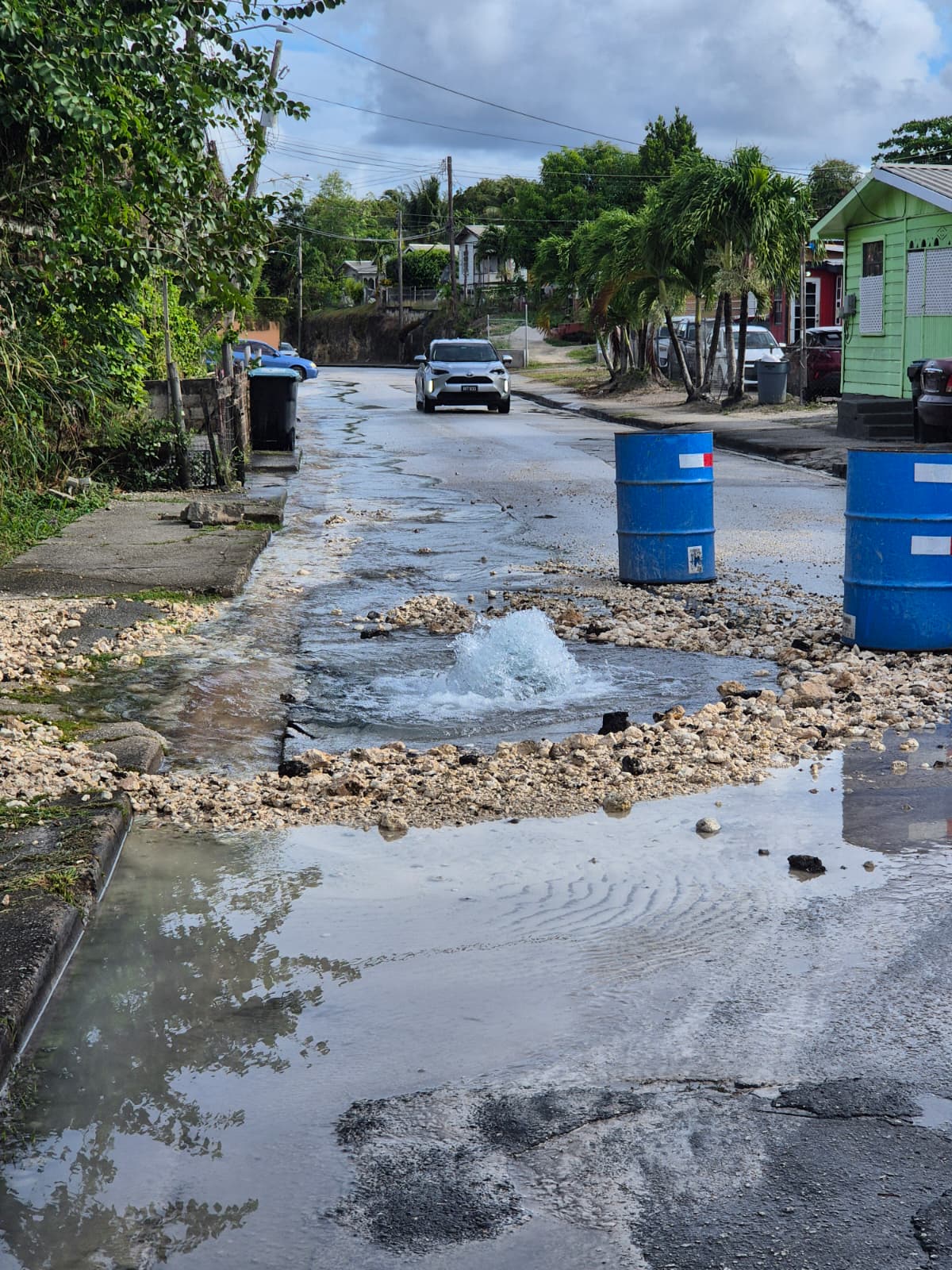
    A significant water infrastructure failure forced the abrupt closure of the Barbados Community College’s Eyrie Campus on Monday morning. The incident originated from a ruptured water main operated by the Barbados Water Authority (BWA) along Howell’s Road in St. Michael, which critically disrupted water supply to the campus and surrounding residential districts.

    Citing paramount concerns for the health and safety of its students and faculty, college administration made the decisive call to suspend all on-site operations effective 10:15 a.m. The institution swiftly enacted its contingency plan, transitioning all academic activities—including both daytime and evening classes—to remote learning platforms. Instruction continued uninterrupted through the college’s Trident Learning portal and Microsoft Teams, ensuring educational continuity.

    Emergency repair crews from the BWA were immediately dispatched to the site to conduct urgent repairs on the compromised pipeline. The water authority is working to restore service and address the damage. College officials have announced an anticipated return to standard campus operations and in-person classes beginning Tuesday, pending the full restoration of water services.

  • Major Step Forward for Nevis Geothermal Project as NIA Moves to Finalize Drilling Contract

    Major Step Forward for Nevis Geothermal Project as NIA Moves to Finalize Drilling Contract

    Nestled in the Eastern Caribbean, the small island of Nevis is on the cusp of a clean energy transformation that could reshape its economic and energy future. As of late March 2026, the Nevis Island Administration (NIA) has confirmed it is in the final stages of contracting with Iceland Drilling Company Limited to launch exploratory drilling for the island’s ambitious geothermal energy development project, marking the most significant milestone for the initiative to date.

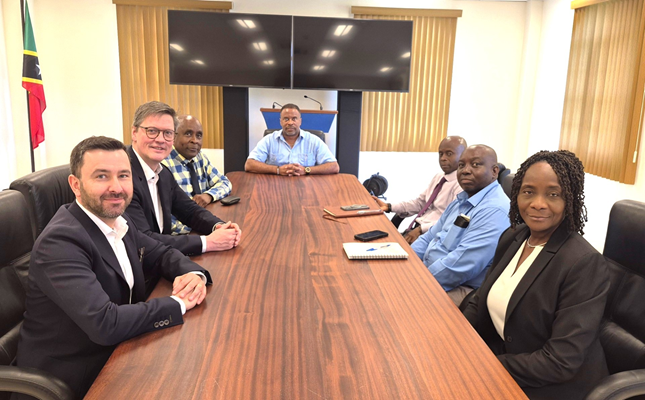
    High-level stakeholder talks held on March 26 brought together key leaders from both sides to resolve remaining technical and contractual details. Leading the NIA delegation were Nevis Premier and Minister of Energy Mark Brantley, alongside NIA Cabinet Secretary Stedmon Tross, Permanent Secretary for the Premier’s Ministry Wakely Daniel, Nevis Electricity Company (NEVLEC) Acting General Manager and Chief Financial Officer Roma Merchant, and project coordinator Naftalie Errar. Representing the drilling firm were CEO Sveinn Hannesson and Legal Counsel Lyes Kennouche, who also held separate working sessions with NEVLEC, the local agency tasked with implementing the project.

    In a monthly press briefing held March 30, Brantley shared a promising update on the project’s timeline. According to Brantley, Iceland Drilling has laid out an aggressive schedule that would see mobilization completed and drilling operations get underway as early as August 2026. The firm’s drilling rig is currently enroute to Iceland for mandatory repairs and retrofitting, after which it will sail directly to Nevis to begin work.

    “I’m optimistic that we can make it, bearing in mind that we’re now in April,” Brantley told reporters. “But they feel that the drill rig … can then sail to Nevis to commence the drilling operations here, which will be a significant forward step in terms of our geothermal ambitions.”

    Geothermal energy has long been framed as a game-changing opportunity for Nevis. Geological surveys confirm the island holds one of the Caribbean’s largest untapped geothermal resources, with estimates suggesting total potential output could reach as high as 900 megawatts—far more than the small island’s domestic energy needs.

    The first phase of development is more modest in scope: the exploratory drilling phase will core multiple test wells to confirm resource viability, laying the groundwork for an initial 10 to 30 megawatt geothermal power plant. Once operational, this facility will be able to meet 100% of Nevis’ domestic electricity demand, while also delivering surplus power to neighboring St. Kitts, part of the broader Federation of Saint Christopher and Nevis.

    Looking further ahead, the NIA’s long-term vision would turn Nevis into a regional renewable energy hub, capable of exporting low-cost, zero-emission geothermal power to other island nations across the Eastern Caribbean, many of which rely almost entirely on expensive imported fossil fuels for electricity generation.

    Brantley emphasized the urgency of accelerating the project amid ongoing global energy market volatility, driven by simmering geopolitical tensions in major oil-producing regions. As both Premier and Minister of Finance, he warned that persistent spikes in global oil prices would inevitably translate to higher costs for nearly every sector of Nevis’ economy, from electricity rates to the price of imported food, local agricultural and seafood goods, and public transportation.

    “That is why I keep saying to our people, we must remain engaged. We must watch the news. We must pay attention… because the reality is that once the price of oil goes up, everything goes up with it. The world is fuelled by energy,” Brantley said. “And I said that at this point because it simply reinforces why we must proceed with our geothermal potential in as aggressive a manner as we can.”

    With contract finalization imminent and drilling on track to start as early as the third quarter of 2026, the Nevis geothermal project is entering its most critical implementation phase to date. If successful, the initiative will deliver long-term lower energy costs for local residents, reduce the federation’s dependence on volatile imported fossil fuels, and cement Nevis’ position as a leader in renewable energy transition across the Caribbean region.

  • Youth Nature Rangers Receive Birdwatching Training to Support Conservation Actions

    Youth Nature Rangers Receive Birdwatching Training to Support Conservation Actions

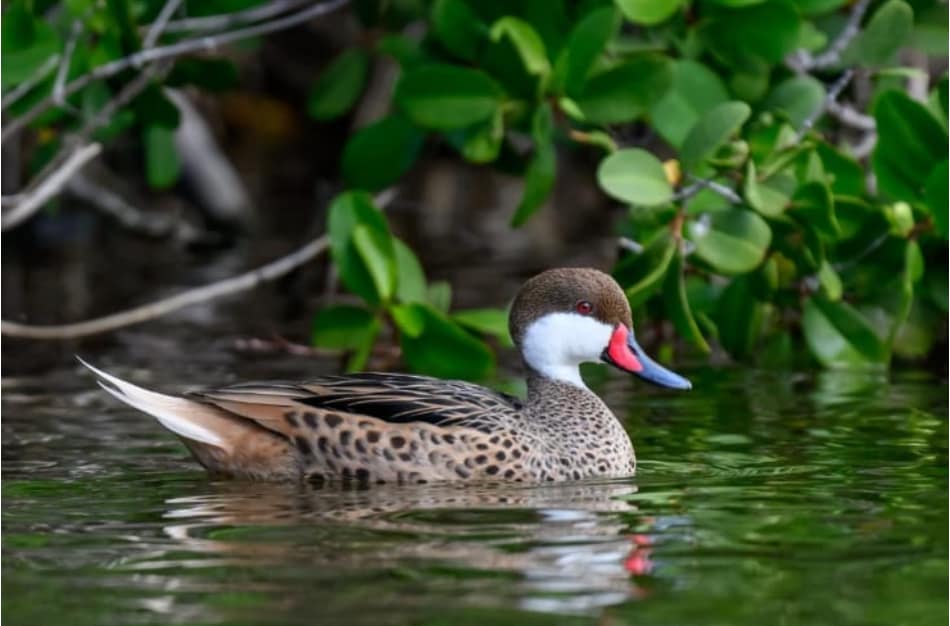
    A cohort of young environmental enthusiasts recently engaged in an immersive field study at the McKinnons Wetlands ecosystem, gaining firsthand experience in avian observation and ecological conservation. The educational program enabled participants to identify diverse bird species indigenous to the region, including herons, egrets (locally termed “garlins”), West Indian whistling ducks, mangrove cuckoos, and pelicans (known regionally as “booby”).

    Under the guidance of acclaimed photographer Christine Andrews, attendees mastered practical birdwatching methodologies while analyzing how avian populations contribute to broader biodiversity and sustainable tourism development. The wetlands served as an accessible comparative environment to the North East Marine Management Area (NEMMA), a designated key biodiversity zone.

    Beyond ornithological studies, the session confronted pressing environmental threats. While traversing the narrow land bridge connecting Old Runaway and Yorks communities, participants documented instances of illegal dumping and marine debris accumulation. The discovery of waste materials within this fragile ecosystem sparked serious concerns among both youth and facilitators, prompting immediate dialogue regarding community awareness campaigns and improved waste management solutions.

    Project Manager Britney McDonald delivered an educational briefing on mangrove species, elucidating their critical functions in coastline stabilization, marine life support, and pollutant filtration. McDonald further demonstrated the wetland’s dynamic tidal variations, illustrating how water levels and ecological conditions transition between Antigua and Barbuda’s distinct rainy and dry seasons.

    This initiative forms part of the broader “Strengthening Conservation Actions in the North East Management Area, Antigua and Barbuda” project, spearheaded by IHO-Nature Rangers with financial backing from the Critical Ecosystem Partnership Fund and the World Bank. The program receives implementing support from the Caribbean Natural Resources Institute and partner organization Integrated Health Outreach.

  • Olieprijs stijgt boven $116 per vat te midden van spanningen tussen VS en Iran

    Olieprijs stijgt boven $116 per vat te midden van spanningen tussen VS en Iran

    Global oil markets witnessed a significant surge on Monday, with Brent crude prices climbing over 3% to exceed $116 per barrel—marking the highest level in nearly two weeks. This price escalation stems from escalating geopolitical tensions between the United States and Iran, exacerbating what analysts describe as the most severe global energy crisis in decades.

    The price increase follows provocative statements from Iranian parliamentary leadership, including warnings that Tehran stands prepared to confront any American ground invasion with forceful retaliation. The situation deteriorated further over the weekend when Iranian-backed Houthi rebels launched missiles toward Israel for the first time, coinciding with Israel’s expanded military operations in southern Lebanon.

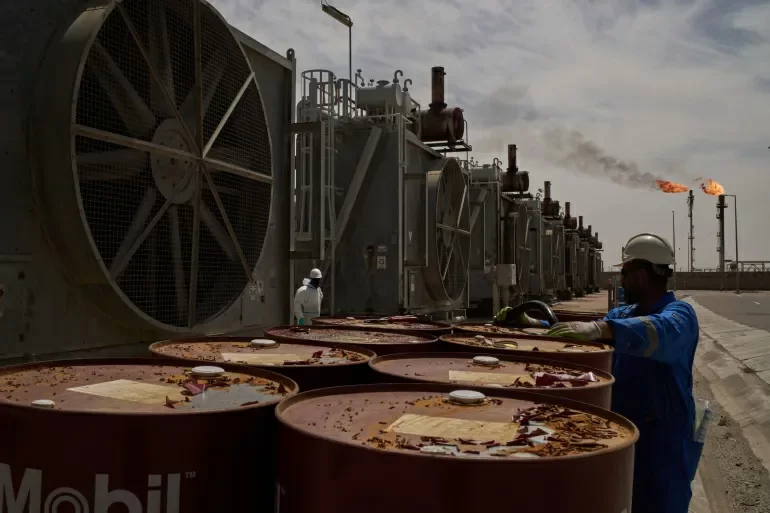
    At the heart of the crisis lies Iran’s effective closure of the Strait of Hormuz, a critical maritime passage responsible for approximately one-fifth of global oil and liquefied natural gas (LNG) shipments. This strategic blockade has triggered worldwide energy supply disruptions and driven fuel prices to unprecedented levels.

    Since the initial outbreak of hostilities, oil prices have skyrocketed by nearly 60%, compelling nations worldwide to implement emergency energy conservation measures. Market analysts caution that prices will likely continue their upward trajectory until normal shipping traffic resumes through the vital waterway.

    U.S. President Donald Trump has threatened to “devastate” Iran’s energy infrastructure unless the blockade is lifted by April 6th, though he recently extended this deadline by ten days while proposing a 15-point peace plan. Iran has rejected these overtures, demanding war reparations and formal recognition of its authority over the strategic strait.

    Greg Newman, CEO of Onyx Capital Group, emphasized that the full impact of supply disruptions is gradually materializing in global markets. “Physical oil trading operates in cycles, and Europe is only beginning to experience the genuine consequences of the shortage. Brent crude already reflects this reality and will likely continue climbing toward $120 and beyond,” Newman stated.

    Despite the ongoing conflict, Iran has permitted limited passage for vessels from nations not aligned with the U.S. or Israel. Pakistan’s Foreign Minister announced Iran’s agreement to allow twenty Pakistani ships through the strait, characterizing the decision as a “meaningful step toward peace.” Malaysian vessels have also received similar transit permissions.

    Prior to the conflict, an average of 120 ships navigated the Strait of Hormuz daily. Current transit numbers remain at a fraction of this pre-crisis volume, maintaining pressure on global energy supplies.

  • Chastanet: UWP review to finish in six months, leadership decision at convention

    Chastanet: UWP review to finish in six months, leadership decision at convention

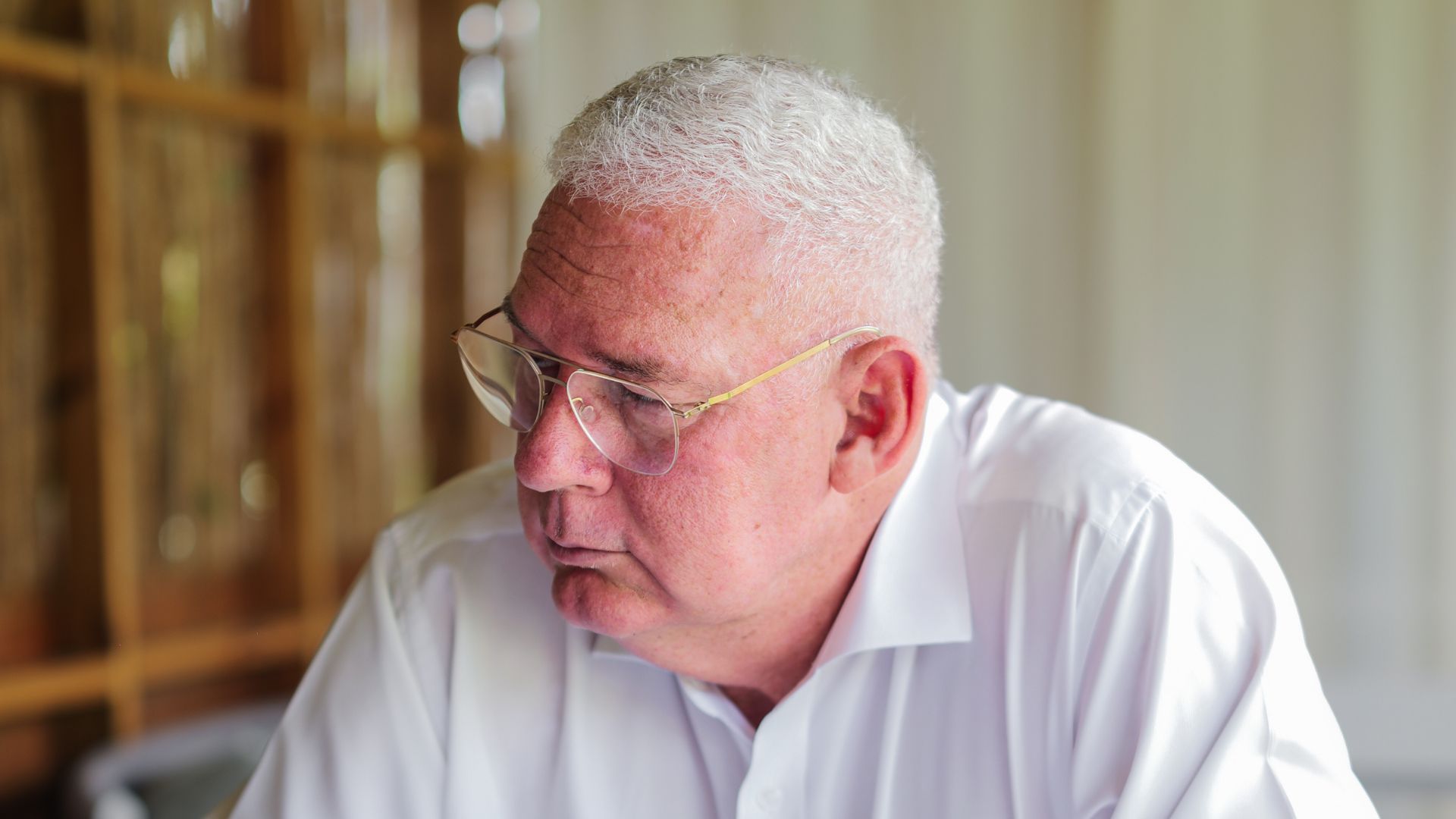
    Following a significant electoral setback in 2026, St. Lucia’s primary opposition force, the United Workers Party (UWP), has initiated a comprehensive internal assessment expected to span six months. Former Prime Minister Allen Chastanet, who retained his seat as the party’s sole parliamentary representative, disclosed that this exhaustive evaluation will scrutinize multiple dimensions of the party’s performance and electoral integrity concerns.

    The review will delve into three primary areas: internal party dynamics that preceded the election, voter participation patterns, and potential irregularities within the electoral process. Chastanet, while accepting overall responsibility for the defeat as party leader, emphasized the necessity of examining claims of possible electoral list manipulation and substantial financial influences during the campaign period.

    The political landscape shifted dramatically in the 2026 general election, with the Saint Lucia Labour Party securing 14 parliamentary seats while independent candidates claimed the remaining two. This outcome marked one of the most substantial defeats in UWP’s history, with Chastanet preserving the party’s only seat—a constituency historically aligned with former Prime Minister John Compton.

    Chastanet’s initial post-election resignation as party leader was swiftly followed by his reappointment, creating uncertainty about the party’s leadership direction. He now confirms that permanent leadership decisions will be determined during the forthcoming convention, guided by the review’s findings and conducted through democratic processes without his interference.

    The assessment will additionally address concerning trends in voter engagement, citing Barbados’ recent election with merely 30% voter turnout as indicative of broader regional democratic participation challenges. Chastanet emphasized the party’s obligation to examine whether citizens are becoming disillusioned with democratic systems and how the party might restructure to better serve public interests.

    The internal evaluation will also confront the party’s structural vulnerabilities, including high-profile departures of longstanding members such as Stephenson King, Andy Daniel, and Estephan. These defections, according to Chastanet, revealed internal fractures that require thorough examination and resolution.

    The ultimate objective, Chastanet concluded, is to rebuild a party capable of effectively representing national interests while restoring public confidence in both the political institution and democratic processes overall.

  • Anthony Smith Jr. Backs Buckleys 3JS Cricket Team with Jerseys, $2,500 Donation

    Anthony Smith Jr. Backs Buckleys 3JS Cricket Team with Jerseys, $2,500 Donation

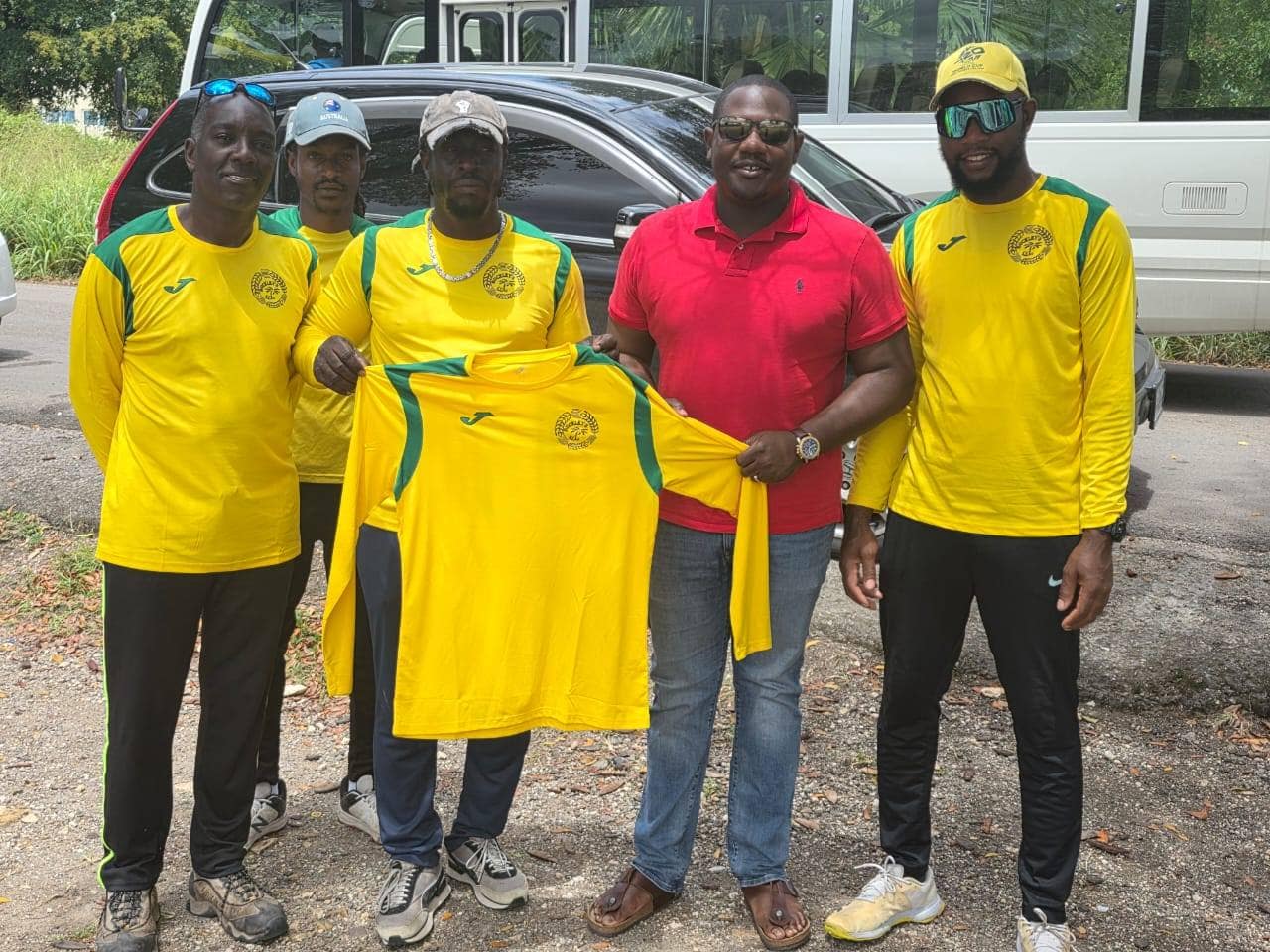
    In a significant boost for grassroots sports, Anthony Smith Jr. has stepped forward to support the Buckleys 3JS Cricket Team with both financial backing and essential equipment. The generous contribution includes a complete set of team jerseys accompanied by a monetary donation of EC$2,500, providing crucial support as the team prepares for the upcoming competitive season.

    The assistance comes at a pivotal time when local sports teams face increasing challenges in securing funding and resources. Smith Jr.’s donation will directly enhance the team’s competitive readiness for participation in regional cricket tournaments, covering essential expenses from equipment maintenance to travel costs.

    Beyond the material support, Smith Jr. personally conveyed his encouragement to team members, urging them to demonstrate excellence on the field while proudly representing the Buckleys community. This gesture underscores the importance of community representation in local sports.

    This initiative represents part of a broader constituency-wide effort to strengthen sports development at the community level. Such support systems are vital for nurturing athletic talent and maintaining the vibrancy of local sports culture, particularly in cricket which holds significant cultural importance in the region.

  • Court of Appeal Overturns Industrial Court Contempt Ruling Against Employee Representative

    Court of Appeal Overturns Industrial Court Contempt Ruling Against Employee Representative

    In a landmark judicial decision on March 27, 2026, the Court of Appeal delivered a significant victory for free speech and judicial accountability by completely overturning a controversial contempt ruling against Industrial Relations Consultant Mr. Anderson E. Carty. The original November 2023 conviction by the Industrial Court had found Carty guilty of ‘indirect contempt’ for critical remarks made during a live radio broadcast on Observer Radio’s ‘Connecting with Dave Lester Payne’ programme.

    The contentious case centered on Carty’s assertions that the legal system was ‘compromised,’ operated against the ‘little man,’ and was in ‘chaos at almost every level.’ The Industrial Court had determined these comments scandalized the court, attacked its integrity, and created perceptions of bias toward employers. As punishment, Carty was ordered to retract his statements and broadcast a court-approved apology on the same programme—a demand he refused based on jurisdictional grounds.

    In a remarkable turn during appellate proceedings, the Attorney General’s Chambers, representing the Industrial Court, conceded the lower court lacked proper jurisdiction to issue the contempt order. However, they maintained the controversial position that the order remained legally binding until formally overturned. This argument visibly troubled the appellate panel, who questioned how an order made without jurisdictional authority could carry any legal weight.

    Though the appellate judges appeared prepared to deliver strong criticism of the Industrial Court’s handling of the case, they ultimately exercised judicial restraint by reserving commentary. The Court of Appeal’s final judgment not only nullified the contempt ruling in its entirety but also awarded $2,000 in costs against the Respondent, establishing an important precedent regarding jurisdictional boundaries and judicial authority.

  • Russia Delivers 100,000 tonnes of oil to help Cuban crisis

    Russia Delivers 100,000 tonnes of oil to help Cuban crisis

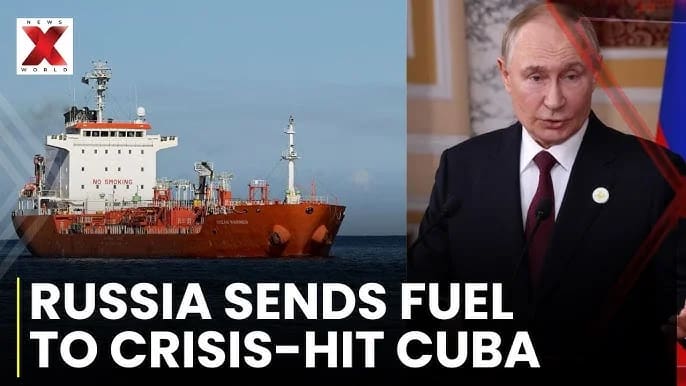
    A Russian oil tanker has arrived in Cuban waters, delivering the first major crude shipment to the island nation since January. The vessel Anatoly Kolodkin is transporting approximately 100,000 tonnes of oil classified by Russian authorities as humanitarian aid. This development follows contradictory statements from the Trump administration regarding its de facto oil embargo against Cuba.

    The shipment arrives as Cuba experiences severe nationwide blackouts and critical fuel shortages that have compromised hospital emergency services and intensive care units. The World Health Organization had previously warned about the deteriorating healthcare situation resulting from the energy crisis.

    President Donald Trump unexpectedly stated aboard Air Force One that he had “no problem” with Russia delivering oil to Cuba, remarking that “they need to survive.” This comment appeared to signal a potential softening of the administration’s position, which had previously threatened tariffs on any nation sending oil to Cuba and had added Cuba to a list of countries barred from receiving Russian oil deliveries.

    Cuba’s current energy crisis intensified dramatically after January 3rd, when U.S. forces seized Venezuelan leader Nicolás Maduro, who had been providing Cuba with oil under highly preferential terms. Russian Energy Minister Sergei Tsivilev acknowledged that Cuba “had found itself in a difficult situation as a result of sanctions pressure,” justifying the humanitarian shipment.

    The Communist government under President Miguel Díaz Canel has been engaged in talks with the Trump administration to resolve the crisis, though both sides have established political and economic conditions that complicate finding common ground. The Russian oil is expected to provide short-term relief when offloaded at Matanzas terminal, but Cuba’s underlying economic troubles—exacerbated by pandemic-related tourism declines and government mismanagement—remain unresolved.

  • WATCH: PM says Social Security pension increase is also on the cards

    WATCH: PM says Social Security pension increase is also on the cards

    The administration of Prime Minister Gaston Browne has unveiled a comprehensive two-phase approach to pension reform, combining immediate relief with methodical long-term planning. During his weekly ‘Browne and Browne’ radio address, the Prime Minister confirmed the immediate implementation of a 5 percent increase in state pension payments while outlining a more substantial future enhancement to Social Security pensions contingent upon rigorous financial evaluation.

    Browne characterized the approved 5 percent increment as an immediate measure to alleviate economic pressure on retirees, describing it as part of a broader initiative to strengthen income support systems. This initial adjustment represents the government’s responsive action to current economic challenges facing pensioners.

    The more significant Social Security pension augmentation remains pending comprehensive actuarial assessment. Browne emphasized that any modifications to the Social Security system must undergo thorough financial scrutiny to ensure systemic sustainability. ‘That will come after the actuarial review,’ the Prime Minister stated, indicating that both the timing and magnitude of potential increases would be determined by the evaluation’s findings.

    This dual-strategy approach reflects the administration’s attempt to balance urgent socioeconomic needs with responsible fiscal management. The government is concurrently examining multiple avenues to address cost-of-living concerns, including potential salary revisions, back pay resolutions, and additional pension modifications. Browne’s announcement positions the government as both responsive to immediate citizen needs and committed to evidence-based policy development for the national retirement security system.