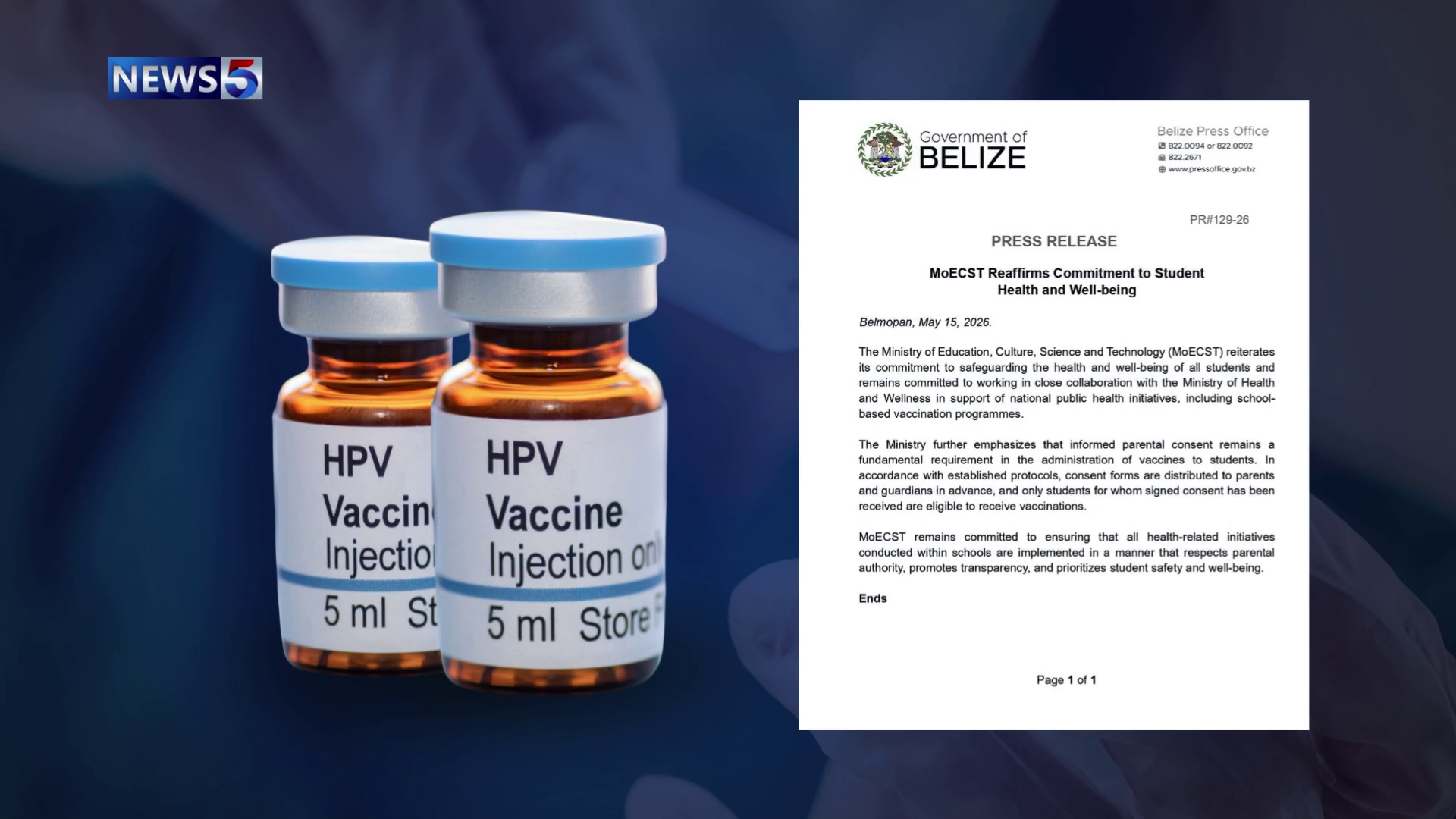
Dated May 15, 2026 – After several days of growing public contention over the implementation of school-based human papillomavirus (HPV) vaccination initiatives, the nation’s Ministry of Education has ended its period of public silence, releasing an official statement that reaffirms the institution’s unwavering commitment to protecting the health and well-being of secondary and primary school students across the country.
In its formal press release, the Ministry of Education emphasized that all school-run vaccination programs are developed and executed in full partnership with the Ministry of Health and Wellness, operating under rigorous, evidence-based protocols that mandate written informed consent from a parent or legal guardian before any student can receive a dose of the vaccine. The statement further highlighted that the entire initiative is structured to uphold parental decision-making authority, maintain full transparency around processes and vaccine safety, and place student safety as the non-negotiable top priority of all involved parties.
Notably, the Ministry of Education’s official comment did not address specific concerns raised by religious church groups, which have emerged as the primary driving force behind the ongoing public debate surrounding the program.
Days prior, on Thursday, Dr. Natalia Beer, a technical advisor at the Ministry of Health and Wellness, offered a detailed breakdown of the step-by-step protocol that public health teams follow when rolling out the vaccination program in schools. Beer explained that the process begins with three separate informational outreach sessions before any vaccinations are administered: an initial meeting with school principals, a second briefing for teaching staff, and a third community information session for parents and guardians.
Beer acknowledged that parent turnout for general Parent-Teacher Association (PTA) hosted informational meetings is often lower than public health teams would prefer. To address this gap, she noted that school nurses and community health care workers go above and beyond scheduled group meetings to conduct one-on-one outreach with parents, ensuring every guardian has access to clear, accurate information about the vaccine’s purpose, safety profile, and potential benefits before they are asked to sign a consent form. In addition to in-person outreach, public health teams also conduct follow-up phone calls to answer outstanding questions and share information with parents who could not attend in-person sessions. Only after all outreach and consent requirements are completed does the fourth and final step – the on-site vaccination clinic at the school – take place. Beer stressed that the three pre-vaccination outreach sessions and consistent two-way communication with parents are non-negotiable requirements of the protocol.
The Ministry of Health and Wellness has confirmed that it will continue to collaborate closely with school administrators, parent groups, and local health care providers to ensure accurate, evidence-based information about the HPV vaccine is widely accessible, and that all vaccination efforts remain fully voluntary and transparent for all participating families.