博客

  • DLP unveils new shadow ministry as part of revival strategy

    DLP unveils new shadow ministry as part of revival strategy

    Following three successive electoral defeats, Barbados’ Democratic Labour Party (DLP) has initiated a comprehensive organizational overhaul aimed at restoring public confidence and political relevance. Interim President Stephen Lashley, addressing media representatives at the party’s headquarters, outlined a strategic roadmap centered on internal restructuring and enhanced public engagement.

    Lashley emphasized the party’s commitment to fundamental reassessment, stating, ‘The Democratic Labour Party has been intensely focused on re-examining its foundational principles, core purpose, and contemporary relevance. We recognize the necessity of attentively listening to Barbadian citizens to understand their expectations for the party’s transformation.’

    The acting president acknowledged the electorate’s clear message, noting, ‘Barbadians have unequivocally expressed their desire for a focused, united, and purpose-driven opposition. We intend to respond to this mandate by undertaking extensive grassroots reconnection and organizational strengthening across all constituency branches.’

    Concurrent with this renewal initiative, the party announced its newly constituted shadow ministry following executive council deliberations on March 24. Senator Ryan Walters, appointed as chairman of spokespersons, revealed the portfolio allocations: Corey Greenidge (Legal Affairs and Criminal Justice), Pedro Greaves (Sports and Culture), Rasheed Belgrave (Tourism and International Transport), Ian Griffith (Housing and Works), Amoy Gilding-Bourne (Agriculture and Fisheries), Quincy Jones (Education and Trade), Jason Phillips (Small Business and Entrepreneurship), Felicia Dujon (Health and Elder Affairs), Janine Butcher (Youth and Community Empowerment), with Walters assuming responsibility for Finance and Economic Affairs.

    Walters characterized the appointments as preliminary, indicating plans for expanded representation: ‘Additional voices will be incorporated to enhance our communicative effectiveness. Our fundamental responsibility involves rigorous scrutiny, policy solution development, and maintaining governance accountability while ensuring continuous public representation.’

    The party’s reconfigured leadership structure features Stephen Lashley as Acting President, supported by four vice presidents—Donville Inniss, Quincy Jones, Felicia Dujon, and Paul Gibson—with Pedro Shepherd as General Secretary and Gary Graham as Deputy General Secretary-Treasurer.

    Lashley concluded by emphasizing the opposition’s renewed dedication to transparent stewardship: ‘Our commitment involves demonstrating not only operational capability but also unwavering unity in internal management. We will prioritize Barbadian voices in policy reformulation while maintaining honest self-assessment essential for effective governance oversight.’

  • LVV werkt aan regulering zaaizaad voor rijstproductie

    LVV werkt aan regulering zaaizaad voor rijstproductie

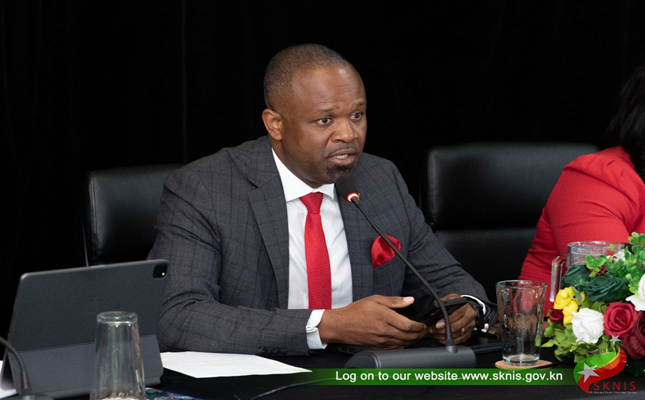
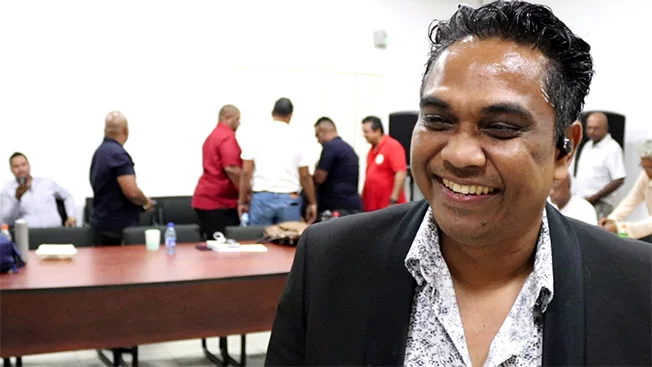
    The Surinamese Ministry of Agriculture, Animal Husbandry and Fisheries (LVV) has initiated a comprehensive program to regulate rice seed production and combat illegal seed imports that have plagued the country’s agricultural sector. Minister Mike Noersalim announced the government’s plan to strengthen the Anne van Dijk Rice Research Center Nickerie (Adron) and potentially amend existing seed legislation this year.

    The developments emerged during high-level consultations between LVV officials and the Association of Interest Groups of Nickerie Rice Growers (VBPN). Minister Noersalim recalled that rice mill operators had previously indicated they would offer premium prices for paddy rice of Adron quality. “If the market pays more for paddy derived from Adron seeds, shouldn’t farmers prioritize planting Adron-certified seeds? While yields might be slightly lower compared to non-Adron seeds, we must evaluate whether the higher market price compensates for this difference,” the minister stated.

    Farmers raised significant concerns during the meeting, revealing that Adron currently lacks adequate seed supplies and suitable rice varieties for cultivation. The research institute has suffered from chronic underinvestment in recent years, severely hampering its capacity to develop new seed varieties. Rice expert Nicholaas Pinas proposed sending specialists abroad for advanced training if domestic expertise remains insufficient.

    VBPN President Hansraj Jagmohansingh requested that Adron organize informational sessions to keep rice farmers updated on current developments. He further recommended that the research center conduct more extensive studies and provide growers with essential information about optimal rice varieties for cultivation. Notably, it was revealed that during the previous administration, Adron received government funding to produce seeds for only three rice mill operators.

    The seed regulation initiative and Adron revitalization form part of a broader package of measures designed to create structural solutions for the rice sector’s challenges. “We need a fundamental approach. While short-term solutions are necessary, we must also consider medium and long-term strategies. This represents one of the fundamental long-term solutions,” emphasized Minister Noersalim.

  • Saint Lucia coach takes heart after FIFA Series loss to Azerbaijan

    Saint Lucia coach takes heart after FIFA Series loss to Azerbaijan

    Despite suffering a 6-1 defeat against Azerbaijan in Friday’s FIFA Series 2026 match, Saint Lucia’s national football team head coach Stern John maintains an optimistic perspective on his young squad’s developmental journey. The encounter at Mehdi Huseynzade Stadium in Sumqayit marked Azerbaijan’s largest-ever victory while providing crucial international exposure for Saint Lucia’s emerging talents.

    The Piton Boyz fielded an exceptionally youthful starting lineup featuring six players under 23 years old, including three making their senior international debuts. Colorado Rapids forward Donavan ‘Gusto’ Phillip capitalized on a second-half penalty opportunity, preventing a complete shutout against the more experienced European side that typically competes against nations like France and Ukraine.

    Coach John emphasized the educational value of competing against superior opposition: ‘Azerbaijan demonstrated their quality across the full 90 minutes, but these challenging matches are essential for our growth as a team and program.’ He particularly highlighted Phillip’s composure in converting the penalty under pressure as indicative of the player’s developing character.

    The squad composition underscored Saint Lucia’s commitment to youth development, with eight starters originating from domestic leagues in Saint Lucia or Jamaica. The team further integrated five additional semi-professional league players as substitutes, including 17-year-old Shevon Byron and 21-year-old Shaquan ‘Ants’ Nelson, who both received their first international caps.

    John praised the newcomers’ mentality: ‘The desire shown by Byron and Ants, who embraced the challenge against this level of opposition, exemplifies the attitude we want to see as we build for the future.’ The coach confirmed the team would analyze the performance, extract valuable lessons, and continue their developmental process ahead of future competitions.

  • CDB welcomes GCF approval of  major climate resilience investment for  the Bahamas’ water sector

    CDB welcomes GCF approval of  major climate resilience investment for  the Bahamas’ water sector

    BRIDGETOWN, Barbados – The Bahamas has received landmark approval for a comprehensive water security initiative that will transform the nation’s climate resilience capabilities. The Green Climate Fund (GCF) has sanctioned the Climate Resilience of the Water Sector in The Bahamas project, representing a strategic partnership between the Caribbean Development Bank (CDB), the Bahamian government, and the Water and Sewerage Corporation (WSC).

    With total funding of $65.2 million, the project combines a GCF grant of $37.506 million, a GCF concessional loan of $12.546 million, a CDB loan of $12.546 million, and a $2.602 million in-kind contribution from WSC. This financial package will address the archipelago’s escalating vulnerability to climate-related water challenges through infrastructure modernization and governance strengthening.

    As one of the world’s most climate-sensitive Small Island Developing States, The Bahamas faces existential threats to its freshwater resources. With 83% of its landmass lying less than five meters above sea level, the nation contends with hurricane damage, seven-meter storm surges, prolonged droughts, and saltwater intrusion into its limited groundwater reserves. The country’s heavy reliance on expensive desalination has further strained utility operations amid frequent service disruptions.

    The initiative will deploy comprehensive interventions across six islands: New Providence, South Andros, Mangrove Cay, North and Central Andros, Abaco, and Acklins. Key components include climate-resilient wellfields, storm-proof pumping stations, expanded water storage capacity, enhanced system connectivity, and targeted water loss reduction measures.

    L. O’Reilly Lewis, CDB’s Director of Projects, described the investment as “a transformational opportunity for The Bahamas that combines robust climate-resilient infrastructure with strengthened governance and data-driven management to safeguard water security for generations to come.”

    Kristin Lang, Director of GCF’s Latin America and Caribbean Department, emphasized that this marks GCF’s first single-country project in The Bahamas, demonstrating commitment to “strengthening country-owned solutions where climate risks are highest.” The project aligns directly with CDB’s Strategic Plan 2026-2035, prioritizing climate action and resilient infrastructure as central to regional transformation.

    Upon completion, the initiative will directly benefit over 215,000 residents while bolstering national climate resilience for an additional 199,000 people, creating a more sustainable water future for the vulnerable island nation.

  • Subsidised Irrigation Programme to Cut Farmers’ Costs

    Subsidised Irrigation Programme to Cut Farmers’ Costs

    The government of Antigua and Barbuda has announced a major agricultural initiative designed to enhance water efficiency and alleviate financial pressures on local farmers. Agriculture Minister Anthony Smith Jr. revealed plans for a subsidized drip irrigation program developed in collaboration with the Ministry of Environment.

    This program will facilitate the importation of advanced irrigation systems at significantly reduced costs. These systems will then be distributed to farmers through the CMC (Central Marketing Corporation) at heavily subsidized prices. Minister Smith emphasized the affordability, stating the equipment would be available to farmers ‘for a very, very, very reduced cost.’

    The initiative is a direct response to persistent challenges facing the nation’s agricultural sector, particularly prolonged dry conditions and the exorbitant expense associated with traditional water management. Minister Smith articulated that this intervention is crucial for ‘reducing the cost of the irrigation system going forward’ and helping farmers adapt to environmental pressures.

    Operational rollout is imminent, with the first supplies anticipated to arrive within the coming weeks. Minister Smith projected that the program should commence ‘within the next month or so.’

    This irrigation push is a key component of a broader governmental strategy to bolster national food security. The overarching goals are to increase agricultural productivity, reduce operational input costs for farmers, and build resilience against increasingly unpredictable and harsh weather patterns.

  • Gov’t Launches Tissue Culture Lab to Revive Black Pineapple Industry

    Gov’t Launches Tissue Culture Lab to Revive Black Pineapple Industry

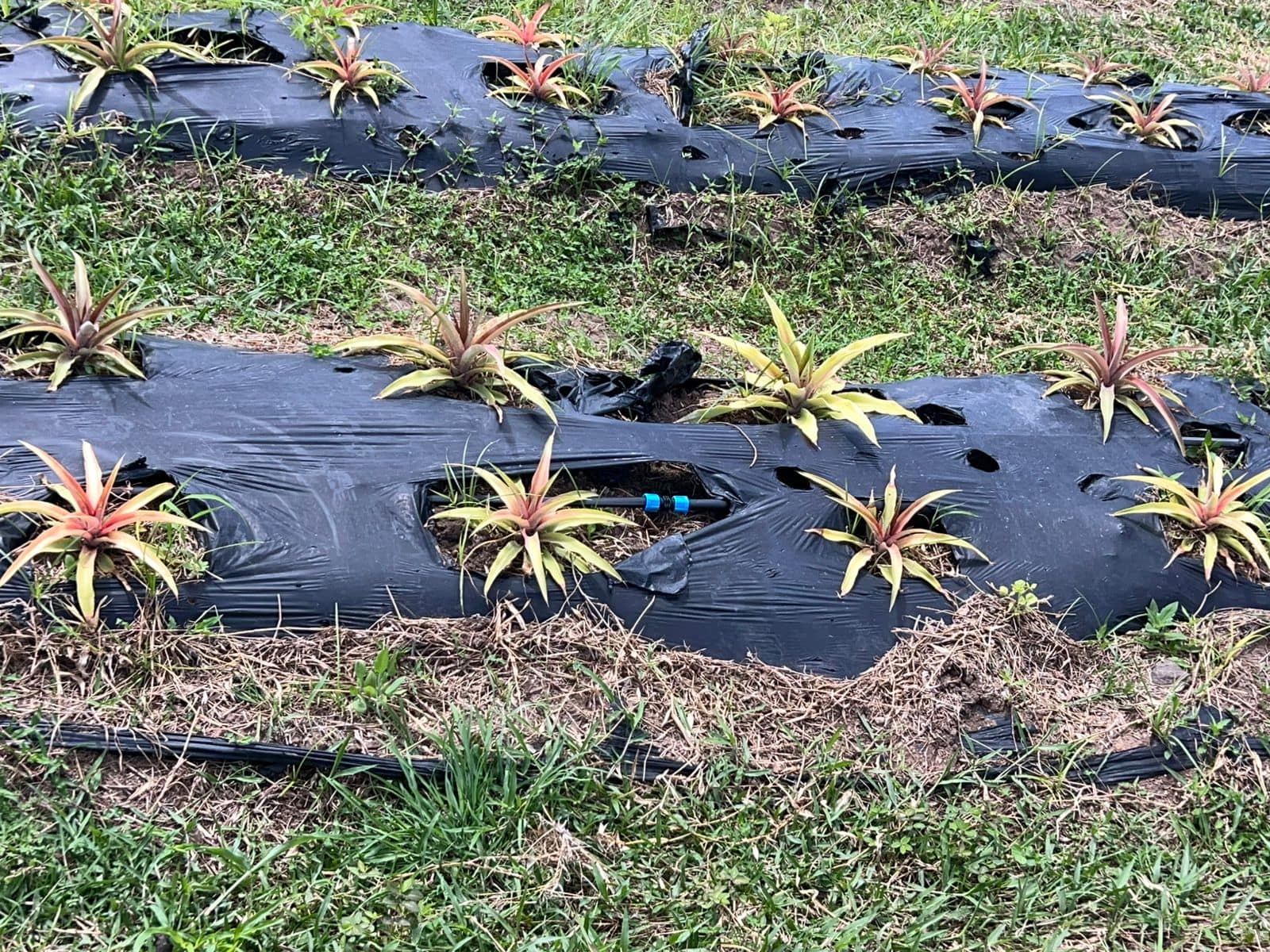
    Antigua and Barbuda’s agricultural sector is poised for a transformative leap with the imminent launch of a state-of-the-art tissue culture laboratory. Spearheaded by Agriculture Minister Anthony Smith Jr., this facility represents a strategic investment in revitalizing the nation’s iconic black pineapple industry and bolstering overall food security.

    The core innovation lies in achieving domestic self-sufficiency for disease-free planting materials. Minister Smith highlighted a critical historical challenge: “One of our obstacles was the absence of a local tissue culture lab,” necessitating the costly and time-consuming process of sending plant samples abroad for propagation. This new infrastructure eliminates that dependency, drastically accelerating crop expansion timelines.

    Production scaling is already underway with an ambitious roadmap. The initial batch of 15,000 plants is actively circulating, with an immediate goal of reaching 100,000 specimens from the lab. Minister Smith confirmed subsequent shipments are en route, outlining a long-term vision to cultivate nearly 200,000 plants, signaling a massive ramp-up in domestic pineapple output.

    Although the project’s inauguration experienced a minor delay from its original schedule, it is now in the final stages of completion. “The launch, initially set for this month, has been rescheduled for next month,” Smith stated, indicating the project is nearing operational status.

    This initiative is hailed as a paradigm shift where advanced biotechnology converges with traditional farming. “It’s where science meets agriculture… a crucial integration for progress,” Smith emphasized, underscoring the lab’s role in enhancing both crop quality and yield.

    While the renowned Antigua black pineapple holds significant export potential, the government’s primary focus remains on fulfilling domestic demand. This strategy is integral to a broader national agenda of curbing food imports and fortifying local food sovereignty, making the laboratory a cornerstone of the country’s agricultural and economic resilience.

  • SVG signs WTO fisheries subsidies agreement

    SVG signs WTO fisheries subsidies agreement

    In a significant move for marine conservation and economic development, St. Vincent and the Grenadines has formally ratified the World Trade Organization’s Fisheries Subsidies Agreement. The signing ceremony occurred during the 14th WTO Ministerial Conference in Yaoundé, Cameroon, where Foreign Minister Dwight Fitzgerald Bramble executed the instrument of acceptance on behalf of the Caribbean nation.

    This multilateral agreement represents a critical advancement in global efforts to combat detrimental fishing subsidies that fuel overfishing, fleet overcapacity, and illegal, unreported, and unregulated (IUU) fishing operations. By joining this accord, St. Vincent and the Grenadines reinforces its dedication to responsible ocean governance and the sustainable exploitation of marine resources.

    The ministry’s official release emphasized the accord’s alignment with the country’s blue economy objectives, highlighting the indispensable function of marine assets in driving economic expansion, ensuring food security, and practicing environmental conservation. The fisheries industry serves as a vital economic pillar, supporting numerous livelihoods throughout the island chain.

    Notably, the pact incorporates special provisions for developing nations and small island developing states (SIDS), acknowledging their unique challenges and allowing implementation schedules that correspond with national development agendas. Additionally, it facilitates access to technical expertise and capacity-building initiatives designed to fortify fisheries management and surveillance infrastructures.

    Minister Bramble characterized this development as a crucial opportunity to improve the fishing sector’s durability, ecological sustainability, and long-term prosperity, all while safeguarding the marine ecosystems essential to Vincentian society. The government reaffirmed its commitment to multilateral cooperation, vowing to continue collaborating with international allies to foster sustainable development and conscientious ocean resource management.

  • Minister Maynard hails launch of historic renewable energy RFP for Basseterre Valley Solar and Battery Project

    Minister Maynard hails launch of historic renewable energy RFP for Basseterre Valley Solar and Battery Project

    On March 30, 2026, the Federation of Saint Kitts and Nevis marked a defining turning point in its clean energy transition with the official launch of a Request for Proposals (RFP) for the landmark Basseterre Valley Solar Photovoltaic and Battery Energy Storage System (BESS) Project. The initiative, which includes a 50-megawatt solar facility paired with a 30.5-megawatt/30.5-megawatt-hour storage system, is being hailed by senior government officials as a transformative step toward the nation’s sustainable development goals.

    Honourable Konris Maynard, Minister of Public Infrastructure, Energy and Utilities, described the RFP launch as a historic milestone for the twin-island federation during that day’s Prime Minister’s Press Conference with Cabinet Ministers. He emphasized that the project reached this stage only after formal Cabinet approval and a rigorous 12-month due diligence process, designed to ensure full transparency and rigorous planning from the outset.

    “This is historic, it is transformative, and importantly, it is very transparent,” Maynard told reporters. “This project will provide approximately 30 percent of our national energy needs, and we have gone about it the right way. We have engaged top-tier professionals to deliver every phase of pre-development work, from grid impact assessments to techno-economic analysis and global market sounding, to incorporate best practices and develop an optimal design for our national context.”

    Led by the St. Kitts Electricity Company Ltd (SKELEC), the project benefits from technical and legal guidance from a team of leading international advisors, including Castalia, ILF Consulting Engineers, GIDE, and Merchant Law. Once operational, it is projected to deliver three core long-term benefits for the nation: dramatically strengthened domestic energy security, reduced dependence on costly and carbon-intensive imported fossil fuels, and accelerated progress toward the country’s 2030 renewable energy commitments outlined in its United Nations Nationally Determined Contributions (NDCs).

    Minister Maynard also laid out the clear procurement timeline for interested bidders: the RFP window is now officially open for a 90-day bidding period. After submissions close, the process will move to independent evaluation, final contract negotiations, and a projected construction start in the coming months.

    Beyond national benefits, Maynard highlighted the project’s potential to set a regional benchmark for responsible, transparent renewable energy development. “This is going to be talked about across the region as a best practice approach to our energy transition,” he noted.

    A core priority of the government’s approach to the project is ensuring broad local participation across all stages of development and operation. Maynard issued a direct call for domestic businesses, local entrepreneurs, and national residents to leverage the economic opportunities created by the large-scale infrastructure initiative, stressing that no local stakeholder would be locked out of the process.

    “I do not want this to be open to everyone, and then when it’s closed [people say] ‘well we do not know’,” Maynard said. “Whether you provide food services during construction, whether you operate a local contracting company, whether you can offer consulting expertise, whether you have existing solar sector capabilities, whatever your expertise, we have made sure that this project is open and available to the residents of Saint Kitts and Nevis.”

    Interested stakeholders, both international and domestic, can access full RFP documentation and register to participate through the official bidder portal. Local contractors and independent domestic investors seeking to participate have dedicated registration pathways to signal their interest, designed to lower barriers to local engagement.

    When completed, the Basseterre Valley Solar and Battery Project will not only deliver a critical chunk of the nation’s electricity demand to support a cleaner, more resilient and self-sufficient energy system, it will also create widespread economic opportunities that benefit communities across Saint Kitts and Nevis.

  • Andre Cadogan named Senior Regulator for Nevis Financial Services Regulatory Commission

    Andre Cadogan named Senior Regulator for Nevis Financial Services Regulatory Commission

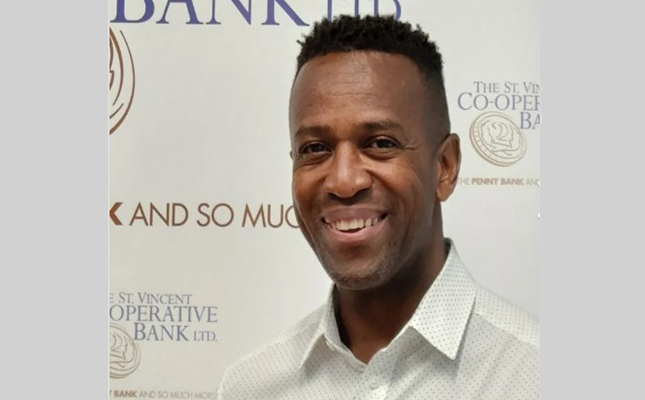
    CHARLESTOWN, Nevis – March 30, 2026 – The Nevis Branch of the Financial Services Regulatory Commission (FSRC) has formally announced the appointment of Andre Cadogan as its new Senior Regigator, with the appointment taking effect on March 1, 2026.

    Cadogan succeeds Heidi-Lynn Sutton, who completed her tenure in the role after a period of committed public service to the Nevis FSRC branch. With more than 30 years of multifaceted experience across the global banking and financial services sectors, Cadogan brings deep expertise spanning senior executive leadership, enterprise risk management, regulatory compliance, and large-scale project management to the senior leadership post.

    In his new role, Cadogan will support the FSRC in advancing its core mandate: licensing, ongoing supervision, and comprehensive oversight of all financial entities that operate within Nevis or from the jurisdiction. His broad portfolio covers strategic organizational leadership, end-to-end regulatory oversight and compliance monitoring, development and administrative implementation of regulatory legislation, stakeholder engagement with industry and government partners, and advisory guidance for the commission’s strategic initiatives.

    Before taking up this appointment, Cadogan held a series of senior leadership roles across the Caribbean financial industry, most recently serving as Vice President of Compliance at Deriv. He previously held the position of Chief Executive Officer at The St. Vincent Cooperative Bank Limited, and served as Country Head for St. Kitts, Grenada, and St. Vincent at CIBC FirstCaribbean International Bank.

    Academically and professionally, Cadogan holds a Master of Business Administration from the University of the West Indies’ Sagicor Cave Hill School of Business and Management. He is also a Certified Associate in Project Management through the Project Management Institute, and holds an Accredited Director designation from the Governance Training Institute of Canada.

    In comments following his appointment, Cadogan shared that he aims to bring a new, forward-looking perspective to regulatory risk management for Nevis’ financial sector. He noted that while regulatory risk presents substantial challenges for both Nevis and the broader Caribbean region, the landscape is also increasingly complex, requiring regulators to strike a careful balance between mitigating emerging threats and unlocking new growth opportunities for the jurisdiction. He added that he is eager to contribute to meaningful, lasting transformation across Nevis’ financial services ecosystem.

    Honourable Mark Brantley, Premier of Nevis and Minister of Finance in the Nevis Island Administration (NIA), publicly welcomed Cadogan’s appointment, expressing strong confidence that the new Senior Regulator’s extensive industry and regulatory experience will advance ongoing government and commission efforts to strengthen and modernize Nevis’ financial services regulatory framework.

    This announcement was distributed via press release from the NIA.

  • NY-based ‘Carib queen’ thrilled by visit to Fancy

    NY-based ‘Carib queen’ thrilled by visit to Fancy

    In a significant cultural exchange, Nona Aquan, a Trinidad-born spiritual leader residing in New York, made a profound visit to the northeastern community of Fancy on Thursday, March 26, 2025. Despite being recognized as a “Carib queen,” Aquan prefers the maternal titles of “Mama” or “Aunty,” emphasizing her role as a community elder and spiritual guide rather than a monarch.

    During her exclusive interview with iWitness News, Aquan articulated her philosophy of community support, stating: “I am here for the community as an elder who provides guidance in health, social matters, mental and physical wellbeing. My mission is to remind people to embrace sustainability by consuming what we cultivate in our gardens rather than manufactured foods.” She passionately advocated for a return to traditional practices, noting that “everything needed for healing, nourishment of body, mind, and soul can be found in the garden.”

    The spiritual leader expressed particular concern for women and children, whom she identified as the foundation of community future. “Children offer unconditional love and honesty that adults often withhold,” Aquan observed, highlighting the special connection she shares with younger generations.

    Her visit to Fancy left Aquan visibly moved, describing the experience as “wonderful” and “a blessing.” She recounted being brought to tears by the community’s singing and feeling a deep connection to her ancestors during the visit. The cultural exchange included Aquan sampling local delicacies such as boiled peanuts for the first time and noting similarities between Vincentian doucana and Trinidadian pastels.

    Accompanied by a seven-member delegation including North Windward MP Shevern John (who also serves as Minister of Social Welfare, Community Empowerment, Disaster Management, and National Heritage), Aquan witnessed exhibitions of traditional crafts and foods at Fancy Government School. The display featured woven baskets, coconut oil, root crops, and indigenous foods including doucouna, sweet potato pudding, and farine, with meals served traditionally in calabashes.

    Despite celebrating the thriving Garifuna culture in Fancy, Aquan raised concerns about the community’s declining population, evidenced by small classroom sizes. She humorously yet earnestly encouraged procreation, stating: “The classes should be like 20-30, not six or seven. The land provides for us.”

    Fancy Government School holds distinction as the only educational institution in St. Vincent and the Grenadines where Garifuna language, heritage, and culture are formally taught, despite not being part of the official national curriculum. The school regularly performs the national anthem in Garifuna at national events, serving as a vital repository of indigenous cultural practices.