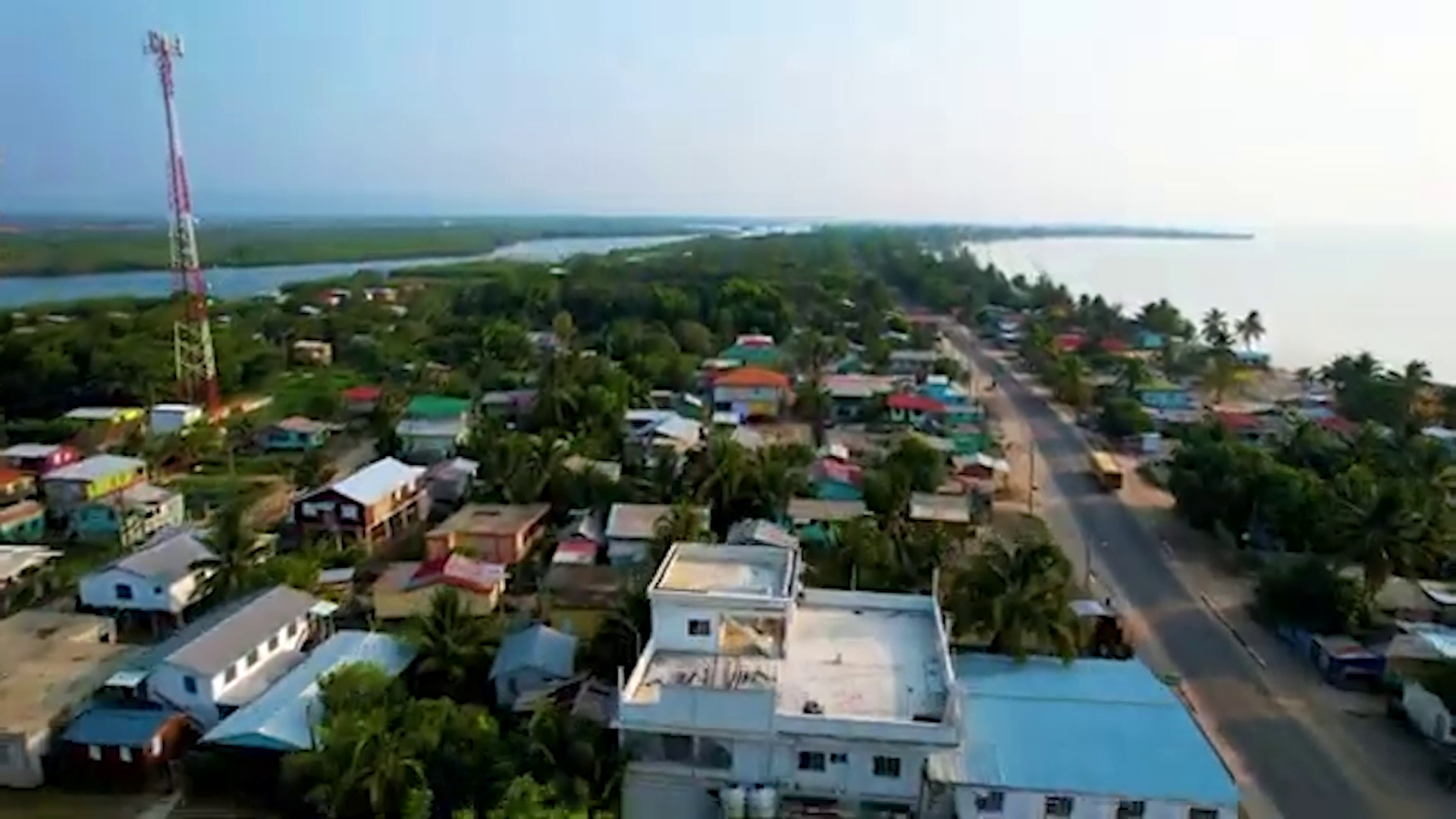
For generations, residents of four southern Belizean villages have navigated ambiguous territorial lines, with basic questions like where Placencia ends and Seine Bight begins remaining officially unanswered. That decades-long uncertainty is finally on track for resolution, as the Belizean government has launched a formal process to settle these long-simmering boundary disagreements.
At the heart of the intervention is a newly appointed six-member independent commission, led by Chief Magistrate Deborah Rogers. The panel draws cross-sector expertise, bringing together representatives from government agencies, the private sector, and the National Association of Village Councils to deliver a balanced, evidence-based resolution. Starting in mid-May 2026, the commission will kick off a country-wide first-of-its-kind public consultation tour centered on the four affected southern communities, designed to center resident voices in the boundary-setting process.
Clifford King, Director of Local Government, explained the systemic scope of the problem that prompted this action. Currently, only a tiny handful of villages across Belize hold formally declared, gazetted boundaries. Two of the few exceptions are San Jose Palmar in the Orange Walk District and Western Paradise in the Belize District, King noted. For the vast majority of other communities, territorial lines have been governed only by unwritten “traditional boundaries” — informal understandings passed down through generations that mark where one village’s territory ends and another’s begins.
Over time, as Belize’s communities have grown, developed, and expanded, these informal lines have become increasingly blurred, leading to frequent disagreements over land access, tax revenues, and governance authority. The Roaring Creek community exemplifies this ambiguity: for years, residents have informally marked the village’s start at the Guanacaste bridge and end before the curve approaching Camalote, but no official documentation confirms this line.
“The independent commission is appointed by the minister to mediate the situation and to hear the views of the village council and key community stakeholders,” King explained. “These public consultation sessions that we’re going to be having are part of the methodology that we’re using to gather information.” The first public hearing is scheduled for 6 p.m. on the launch date at the Placencia Basketball Court, followed by a second session the next day at the Seine Bight community center. Additional hearings will be held across all four affected communities in the coming weeks, and all residents are invited to attend, raise questions, and share their on-the-ground perspectives on the disputed boundaries.
Seine Bight, one of the communities at the center of the dispute, has already completed the initial stages of the process. Seine Bight Village Council Chairperson Jose Aleman confirmed in an interview that both Seine Bight and its neighboring disputing communities have already submitted formal written arguments and responded to each other’s submissions. Aleman noted that under the Village Council Act, the minister holds full authority to appoint an independent commission to formalize village boundaries, a power that is being applied to the four southern communities including Seine Bight, Placencia, and St. Mike that are locked in disagreement.
Boundary disputes can stem from a range of competing interests, Aleman explained, from competing claims over expanding residential and commercial development to disagreements over how to split public revenue from land-based activities. “However, we have a mandate as a council that our people has given us,” he said. “And as such, after the independent commission had created their terms of reference, they consulted with both councils. And both councils received the opportunity to have made submissions and thereafter responded to each other’s submission. And this weekend, we’ll be giving an opportunity for the independent commission to come into both communities as well, where they will be doing public hearings.”
Government officials are framing this initiative as a test case for addressing boundary disputes that are expected to become more common across Belize as population growth and economic development accelerate. To prevent long-running disagreements from escalating, officials are encouraging all village councils to proactively collaborate with neighboring communities, signing early memorandums of understanding to create a clear foundation for future official boundary mapping.
This report is adapted from a transcript of a televised evening news broadcast.