博客

  • Aanklacht tegen Raul Castro markeert escalatie in VS-Cuba relatie

    Aanklacht tegen Raul Castro markeert escalatie in VS-Cuba relatie

    Tensions between the United States and Cuba are on the brink of a sharp new escalation, as U.S. authorities are moving forward with plans to file formal criminal charges against former Cuban president Raúl Castro, multiple sources familiar with the matter confirm. The proposed charges stem from a 1996 incident in which the Cuban government shot down two civilian aircraft operated by Brothers to the Rescue, a U.S.-based anti-Castro dissident organization. Now 94 years old, Raúl Castro stepped down from the presidency in 2018 but remains widely recognized as the most powerful political figure in Cuba, leading the country’s long-ruling communist regime. Any formal charges will require approval from a U.S. grand jury before they can be officially filed, according to people briefed on the process.

    The news of the planned charges comes just days after a high-level U.S. delegation led by CIA director John Ratcliffe traveled to Havana for rare direct talks with Cuban officials. During that visit, the U.S. side offered up to $100 million in new humanitarian aid to the island, but tied the assistance to a requirement that Cuba implement what Washington calls “meaningful political and economic reforms.” The proposal was rejected by Cuban authorities, who view the conditional aid as unacceptable interference in the country’s internal affairs.

    This latest move against Raúl Castro comes amid a steady deterioration of U.S.-Cuba relations that began shortly after Donald Trump’s second inauguration as U.S. president in 2025. Trump has repeatedly made clear his goal of forcing the communist government out of power, openly identifying Cuba as the “next target” after Venezuelan leader Nicolás Maduro was removed from office in a military-led transition earlier this year. Since January 2025, the Trump administration has already implemented sweeping measures to increase economic pressure on Havana, including rolling back all remaining fuel shipments from U.S.-controlled Venezuela to Cuba and imposing harsh secondary sanctions on any third country that continues to supply crude oil and petroleum products to the island.

    Those sanctions have already created a catastrophic fuel crisis across Cuba, a country of 11 million people. The nearly complete fuel blockade has triggered widespread acute shortages of gasoline, diesel, and heating oil, as well as persistent, nationwide power outages that have crippled daily economic activity and public services. Earlier this month, Cuban Energy Minister Vicente de la O Levy issued a public warning confirming that the country has already exhausted its stockpiles of diesel and fuel oil, leaving critical sectors including transportation, agriculture, and public utilities on the brink of collapse. The fuel shortage has only deepened the already severe economic and social crisis that has gripped the island for years, driving widespread hardship for ordinary Cuban citizens.

    Beyond the charges against Raúl Castro, the U.S. Department of Justice’s Southern District of Florida, which has long overseen prosecutions related to the Cuban government, is also pursuing potential criminal charges against multiple senior Cuban officials believed to have been involved in the 1996 downing of the Brothers to the Rescue aircraft. U.S. officials frame the ongoing legal actions and planned charges as part of a broader, coordinated strategy to ramp up pressure on the Cuban government and force it to make the political and economic concessions Washington has demanded.


  • Rondré Daniel is the new Nevis Junior Youth Tourism Minister

    Rondré Daniel is the new Nevis Junior Youth Tourism Minister

    CHARLESTOWN, Nevis – May 15, 2026 – A 17-year-old Charlestown Secondary School student has stepped into the spotlight as the new face of youth-led tourism innovation on the Caribbean island of Nevis, after claiming top honors at the 2026 Bank of Nevis Tourism Youth Congress.

    Rondré Daniel outperformed five fellow student competitors to secure the coveted title of Nevis Junior Youth Tourism Minister, capping off a tightly contested national competition held May 12 at the Nevis Performing Arts Centre. Modeled after the Caribbean Tourism Organization (CTO) Board of Directors meetings, the annual event challenges young participants to tackle pressing industry challenges facing regional tourism, testing both their preparation and critical thinking skills.

    Competitors were required to deliver a tightly timed three-minute prepared presentation focused on one of four core issues impacting Caribbean tourism, followed by an unscripted one-minute response to an unexpected surprise question. Daniel, who presented on the topic *Cultural Industries Innovation*, earned a winning total score of 189.01 points, edging out second-place finisher Alison Gishard of Gingerland Secondary School by less than half a point. Gishard scored 188.6 points for her analysis of “The New Age of Tourism Professionals”, while Ajeernee Hodge, also from Gingerland Secondary, took third place with 182.7 points for her work on multigenerational travel product development.

    In his winning policy platform, Daniel laid out a bold vision to reposition Nevis as a global leader in culturally rooted sustainable tourism. “As Junior Minister of Tourism, I boldly assert that Nevis can be a leading tourism destination if we adhere to the mantra that we are stronger with culture,” Daniel shared in his presentation. “My strategies will support sustainability by preserving Nevisian heritage, empowering local creatives and generating inclusive economic opportunities within the tourism sector.”

    His proposals center on transforming the island’s tourism offering through immersive, community-led cultural experiences. A key priority is reimagining the historic Bath Hotel as a dynamic central hub for festivals, wellness programming and interactive Culturama events run by local artists and creators. Daniel also called for targeted investment in young creative entrepreneurs through the establishment of a new Creatives Academy and Innovation Incubator, which would provide emerging talent with funding, professional skills training, and apprenticeship opportunities to turn their ideas into marketable tourism products.

    To deepen visitor engagement with Nevis’ unique history, Daniel also outlined plans to leverage cutting-edge digital technology for innovative storytelling. His ideas include 4D cinematic experiences, a live original musical centered on Nevis-born founding father Alexander Hamilton, and interactive virtual reality exhibits that let visitors actively explore and connect with the island’s heritage rather than just observing it.

    The competition, sponsored by Bank of Nevis Ltd., drew praise from government and industry leaders for its role in cultivating young leadership for Nevis’ core tourism sector. Prizes and the official title were presented to Daniel by Denrick Liburd, CEO of Bank of Nevis Ltd., alongside Acting Premier the Honourable Eric Evelyn, who delivered remarks on behalf of Nevis Island Administration Premier and Minister of Tourism Mark Brantley.

    Evelyn commended all participating students for their thoughtful, high-quality presentations, and highlighted the long-term value of the youth congress initiative. “It is very important that we expose our young people to these types of activities. This initiative gives them an opportunity to develop their confidence and their public speaking skills, and also the opportunity to learn more about our destination,” he said. “As young persons they should be aware of what is happening on beautiful Nevis, how nice Nevis is, and they must be armed with that knowledge wherever they go, whether they here in Nevis or whether they travel overseas. They must be ambassadors for Nevis.”

    Vanessa Webbe, Product Development Manager in Nevis’ Ministry of Tourism, also extended congratulations to Daniel and all competitors, emphasizing that young people play a critical role in shaping the future growth of the island’s tourism industry. Evelyn also praised the Ministry of Tourism for its consistent commitment to youth engagement through the annual congress.

    Next up for Daniel is a new milestone: he will go on to represent Nevis at the 2026 CTO Regional Tourism Youth Congress, set to be hosted in Guyana this coming October, where he will share his youth-centered vision for Caribbean tourism with delegates from across the region.

  • Jet free to leave after security scare

    Jet free to leave after security scare

    A tense 24-hour standoff at Trinidad’s Piarco International Airport concluded Sunday with authorities granting departure clearance to an Ukrainian-crewed cargo jet that landed for a refuelling stop carrying undeclared industrial explosives, officials have confirmed. The aircraft, a Soviet-era Antonov An-12BP registered as flight CVK-7078, touched down at the airport just after 6 p.m. local time Thursday, arriving from the Bahamas en route to Cape Verde, with its final destination of Libya.

    As is standard for technical stopovers — brief landings for operational needs such as refuelling, crew changes or maintenance rather than passenger or cargo handling — the eight-person crew submitted general declarations to local ground handling agents. On their cargo documentation, the crew marked the cargo load as “nil”, meaning no cargo was being carried for the duration of the flight segment. This inaccurate reporting raised immediate red flags for on-site immigration officers, who quickly alerted Trinidad and Tobago Customs and Excise Division officials to launch an inspection.

    A detailed search of the aircraft’s cargo hold uncovered 7,656 kilograms of industrial explosives marked as “Oilwell explosives”, classified under the UN dangerous goods code UN0440. Further review of the plane’s documentation confirmed the shipment originated in Houston, Texas, and was bound for Libyan end-users. In line with international aviation security regulations, all hazardous goods must be formally declared to destination and transit authorities to ensure proper handling and mitigate public safety risks.

    Following the discovery, the aircraft was immediately secured and impounded, with the full crew taken into custody for questioning by a multi-agency task force including local and international security partners. The joint investigation team included Trinidad’s Customs and Excise Division, the Airports Authority Police Force, the national Special Branch intelligence unit, the Caribbean-based aviation security coalition AIRCOP, and United States border investigators, among other national security stakeholders.

    During a sitting of Trinidad and Tobago’s Parliament Friday, Homeland Security Minister Roger Alexander addressed growing public concerns over the incident, responding to an urgent question from Opposition Member of Parliament Marvin Gonzales. Gonzales asked what immediate security measures had been put in place to protect airport staff and the general public after reports of the explosives-laden plane circulated. Alexander confirmed that the plane carrying several tonnes of undeclared dangerous goods had been impounded shortly after arrival, and that investigations were being carried out in coordination with the national Police Service, intelligence agencies and the Ministry of Defence.

    When asked by Gonzales whether there was any active threat to Trinidad and Tobago citizens, Alexander stressed that the situation remained fully under control and posed no danger to the public. Earlier Friday, the Trinidad and Tobago Police Service (TTPS) released a public statement echoing that assurance, noting that ongoing enhanced security protocols under the country’s current State of Emergency allowed routine checks to catch the documentation irregularities before any risk emerged.

    “In keeping with the heightened security posture under the ongoing State of Emergency, routine checks identified irregularities requiring immediate precautionary action. The aircraft was secured, the crew accounted for, and all relevant national security units activated in accordance with established protocols,” the TTPS statement read. The agency added that at no point did the aircraft or its cargo pose a threat to the travelling public, airport operations, or the broader Trinidadian public, noting “the situation remained calm, controlled, and professionally managed.”

    After completing extensive inquiries and threat assessments, the joint investigative team determined that no criminal liability could be assigned to the pilot or the eight-member crew. In an official announcement released shortly before 7 p.m. Friday, the Airports Authority of Trinidad and Tobago confirmed that formal departure clearance had been granted, allowing the plane and crew to continue their planned journey. Officials declined to share further details on the investigation, citing intelligence confidentiality requirements and international security information-sharing agreements.

  • MORE COPS COMING

    MORE COPS COMING

    The government of Trinidad and Tobago has unveiled a landmark plan to expand the Trinidad and Tobago Police Service (TTPS), raising the force’s authorized manpower ceiling from 7,884 officers to 10,200 in a bid to bolster on-the-ground law enforcement capacity across the twin-island nation.

    Homeland Security Minister Roger Alexander announced the Cabinet-endorsed initiative during a parliamentary address Tuesday, outlining that the expansion will roll out as a phased five-year recruitment drive. Under the approved timeline, 600 new recruits will join the force in both the first and second years of the program, followed by 372 new hires annually for the final three years. Parallel to recruitment efforts, the TTPS will also upgrade its police academy infrastructure and expand training capacity to ensure that existing recruitment quality standards and operational professionalism are not compromised by the growth, Alexander confirmed.

    The core objective of the manpower increase is to allow the TTPS to maintain a consistent nationwide operational presence of roughly 7,800 active officers – the minimum threshold security analysts identified as necessary to meet the demands of 21st-century policing and evolving national security threats. Currently, even with the full authorized strength of 7,884 officers, the force only has approximately 5,500 officers available for frontline deployment on any given day. This gap stems from officers being tied up in mandatory leave, training sessions, administrative tasks, court appearances, and specialized off-patrol assignments, meaning the TTPS has long been operating with a frontline force well below its official authorized size.

    Alexander explained that decades of incremental expansion of specialized policing units to address new threats – including cybercrime, transnational organized crime, gang activity, financial crime, and corruption – have created structural staffing imbalances. Every time a new specialized unit was launched to respond to an emerging risk, no corresponding increase in overall authorized manpower was approved, forcing leadership to reassign officers from community patrol and frontline policing roles to fill these technical positions. This shift has left communities with fewer visible patrols, stretched thin the remaining frontline force, and created a crippling reliance on excessive overtime that leads to officer fatigue.

    The new expansion initiative is designed to reverse this imbalance. It will allow the TTPS to fully staff specialized investigative and intelligence units while simultaneously rebuilding visible community policing across all regions of Trinidad and Tobago. Additional officers will deliver a range of operational improvements: increasing uniformed presence on neighborhood streets to deter criminal activity, speeding up response times to emergencies, violent incidents, and public safety threats, and boosting capacity across key priority areas including intelligence operations, cybercrime probes, gang suppression, financial investigations, anti-corruption enforcement, and community engagement.

    More officers will also improve outreach to schools, local businesses, community organizations, and vulnerable populations, strengthening public trust in law enforcement and improving intelligence gathering efforts. For the force itself, the additional manpower will reduce the crippling overtime burden that has contributed to widespread operational fatigue, improving long-term workforce sustainability, officer effectiveness, and professional performance.

    The expanded force will also enhance security at critical national infrastructure sites including ports and airports, and better position the TTPS to respond to large-scale national events, sudden spikes in criminal activity, natural disasters, states of emergency, and other national crises.

    Calling the strengthening of the TTPS a matter of critical national importance, Alexander framed the plan as a core part of the government’s effort to modernize law enforcement’s operational structure to match evolving criminal threats. “Criminals have modernised, organised and expanded their operations. The State must therefore ensure that law enforcement is equally equipped, equally organised and sufficiently resourced to respond decisively,” he told parliament.

    Responding to a question from Opposition Member of Parliament Marvin Gonzales, Alexander confirmed that the Cabinet’s decision followed a comprehensive manpower audit conducted in partnership with the International Association of Chiefs of Police.

  • Psychiatrist: Don’t  shame porn lovers

    Psychiatrist: Don’t shame porn lovers

    New global spending data has sparked intense public debate across Trinidad and Tobago after revealing that domestic users spent a total of US$1.57 million on subscription-based adult content platform OnlyFans in 2025. This figure marks a 15.9% increase from 2024’s total of US$1.35 million, placing the twin-island nation in a notable position in regional and global rankings.

    Across the 188 countries included in the global revenue dataset, Trinidad and Tobago ranks 67th when adjusted for spending per 10,000 users, with an average per-capita-aligned spend of US$11,884.46. Within the Americas, covering both North and South America, the country places 14th among the highest-spending nations on a per-capita basis, signaling that consumption of adult digital content is far more prevalent in the local market than many public narratives have previously acknowledged.

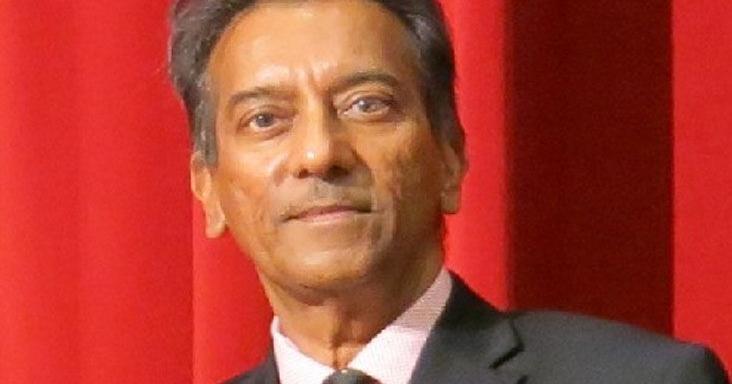
    Leading psychiatrist Dr Varma Deyalsingh was among the first experts to respond to the newly released data, pushing back against widespread social stigma attached to adult content consumption. He emphasized that consenting adult citizens hold the right to manage their personal spending according to their own preferences, arguing that consumption of pornography has evolved from a fringe activity to a widely accepted mainstream practice in modern digital society.

    Contrary to common popular myths, Deyalsingh noted that existing research does not support the claim that all people who watch adult content develop violent tendencies, become dysfunctional in daily life, or develop problematic addictions. “Many adults consume pornography occasionally without major disruption to their lives or relationships,” he explained in a statement to local media outlet Trinidad Express.

    Addressing concerns about the economic impact of the spending, which draws heavily on foreign exchange reserves, Deyalsingh pointed out that outflow of US currency to foreign digital platforms is not a new phenomenon unique to OnlyFans. Trinidad and Tobago consumers already spend billions annually on other global digital services, including Netflix subscriptions, Amazon retail purchases, Spotify streaming, and online gaming, framing the OnlyFans spending as part of a broader shift to digital global consumption.

    Deyalsingh stressed that the growing popularity of adult content reflects broader shifts in modern culture, where sexuality has become increasingly commercialized and digitized. Easy accessibility of online content and the normalization of sexual content through mainstream social media have helped erase the stigma once attached to porn consumption, he said, adding that “no one should be shamed for their sexual behaviours once they are not harming themselves or others.”

    Outlining the spectrum of adult content use, Deyalsingh cited global statistics showing that approximately 70% of men and 30% of women consume porn regularly. He also noted that consumption rose by 11% globally during the Covid-19 pandemic, a surge driven by factors including widespread boredom, a need to release accumulated emotional stress, natural curiosity, interest in sexual education, and basic sexual release needs.

    Dr Victoria Siewnarine-Geelalsingh, president of the Trinidad and Tobago Association of Psychologists, offered a complementary perspective that avoids moral judgment while highlighting the underlying emotional roots of consistent adult content consumption. “Through a clinical lens, it is a sign of an emotional need,” she explained. “Many are navigating feelings of isolation. Feeling overwhelmed. Feeling unseen. What may look like a simple pastime can sometimes be a way of coping with untreated anxiety. Depression. Profound loneliness.”

    Siewnarine-Geelalsingh added that the human brain is inherently wired to seek connection, and when in-person nurturing bonds become difficult to form or maintain, digital sexual experiences often fill that gap temporarily. These experiences offer quick relief and a moment of escape from daily stress, but that comfort is almost always short-lived. Over time, reliance on digital content can form a repeating cycle that eases distress in the moment without addressing the underlying emotional loneliness or unmet needs driving the behavior.

    “This is not a personal failing. It is a very human response to pain. And it quietly places strain on the foundations of our society,” she noted, adding that while the impact of increased adult content consumption is often framed as a purely personal issue, it also carries broader ripple effects across public systems including education, family structure, and community well-being, and can even be linked to increased rates of harmful criminal behavior in some contexts.

    Not all community leaders have taken a neutral or non-judgmental stance, however. Dr Burris Ellis, president of the Inter-Religious Organisation (IRO) of Trinidad and Tobago, made clear in a phone interview that his organization does not support the growing normalization of pornography consumption. “IRO is not supporting pornography because it affects the mind of children and adults. Anything that will bring immorality in the society will not be supported. I’m not a fan. It encourages lewd behaviour,” Ellis said.

  • MTEST welcomes tuition fee freeze

    MTEST welcomes tuition fee freeze

    In a major win for students and families across Trinidad and Tobago, the University of the West Indies (The UWI) has voted against implementing a planned tuition hike at its St Augustine campus, a decision that has been publicly praised by the country’s Ministry of Tertiary Education and Skills Training (MTEST).

    The final ruling to maintain current tuition rates was formalized during a University Council sitting held on May 8, according to an official statement released by MTEST this week. The outcome came after months of sustained, targeted negotiation and direct lobbying led by the Trinidad and Tobago government through the ministry, which had openly opposed the proposed fee adjustment from the start.
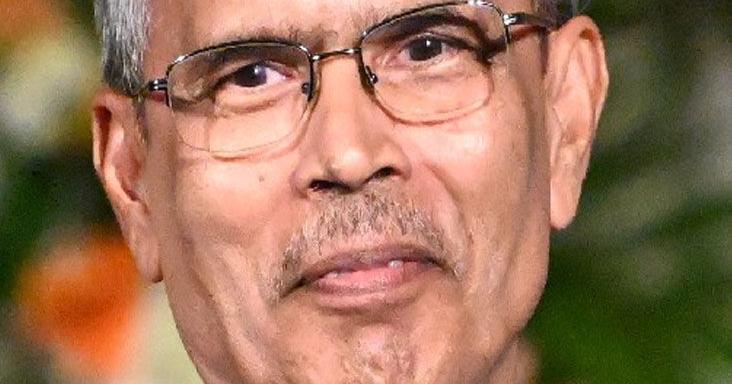
    Dr. Prakash Persad, Minister of Tertiary Education and Skills Training, formally communicated to the St Augustine campus leadership that the government would not back any tuition increase, advising that no changes to fee structures should go forward without explicit government approval. Persad, who also holds the title of Senator Professor Emeritus, emphasized that the government’s core priority is protecting access to post-secondary education for all residents.
    In welcoming the council’s decision, Persad reaffirmed the administration’s long-standing commitment to keeping tertiary education accessible and economically viable for both students and their households. The ministry noted that the government remains acutely conscious of the widespread financial strain that many working and middle-class citizens currently face, and it will continue rolling out targeted measures to safeguard access to both higher education and vocational skills training opportunities.
    “Students, parents and stakeholders are therefore advised that tuition fees at the St Augustine campus will remain unchanged at this time,” the release clarified. Looking ahead, MTEST says it will maintain open, ongoing dialogue with The UWI administration and other key industry and community stakeholders to ensure all policy decisions related to tertiary education stay aligned with the country’s national development goals and the broader public interest.
    “MTEST remains committed to continued engagement with The UWI and all relevant stakeholders to ensure that decisions concerning tertiary education remain aligned with national development priorities and the best interest of the people of Trinidad and Tobago,” the ministry added.

  • Cops quiz mom, stepdad

    Cops quiz mom, stepdad

    The investigation into the disappearance of 2-year-old Angelo Tobias Plaza from his Tobago residence has taken new steps, with law enforcement officials questioning both the toddler’s mother Kalifah Tobias and stepfather Shannon Miller as probes into the case intensified. After the hours-long questioning, the pair was escorted back to their Goodwood Bay home, located just a short distance from where search teams continued their work to locate the missing child.

    Local news outlet The Express witnessed the couple being transported in an unmarked police vehicle, while Angelo’s biological father, Antonio Plaza, and his grandmother Meena Balliram watched on from a distance. The two had traveled to Tobago from the neighboring island of Trinidad earlier that same day, desperate for updates on the boy’s fate.

    In an interview with The Express, Antonio Plaza described the agony of losing his only son, saying the uncertainty has left him psychologically shattered. “I feel like I am losing my mind. I am not feeling human again. I just want closure right now. I just want to know. I want a thorough investigation. Make sure you do it properly. I have faith in the (police) officers,” Plaza shared. He added that he had previously been granted limited access to see his son, and urged other parents to take the case as a warning: “I find this should be an example to be more vigilant of your children,” he said.

    Angelo was first reported missing from his Goodwood Bay home on Monday night. Since his disappearance, multi-disciplinary search teams have carried out extensive land, sea, and aerial operations to locate the toddler across the surrounding area.

    On the day of the questioning, Allan Stewart, director of the Tobago Emergency Management Agency (TEMA), announced that the operation was being shifted from active search and rescue to a recovery mission. “We think we are dealing with a recovery, we think this…is not a search and rescue of a person; there is a strong feeling, based on the information that is coming up, that they did confirm they saw a child in the water,” Stewart explained.

    Stewart noted that while the mission has changed scope, emergency teams remain committed to bringing answers to the grieving family. “We continue to be optimistic that a level of closure can be had, and we want to give the public the assurance that we at TEMA are doing all in our power to support the TTPS and the other agencies that are involved in the search. We would continue to do so with the hope and the plans that we have to bring closure to this incident,” he added.

  • Sapoen: Pg desavoueert De Nationale Assemblée

    Sapoen: Pg desavoueert De Nationale Assemblée

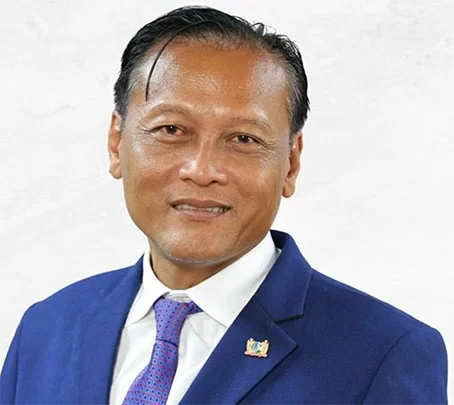
    In a sharp rebuke issued on May 16, ruling National Democratic Party (NDP) assembly member Raymond Sapoen has publicly condemned Prosecutor General Garcia Paragsingh for her refusal to engage in a verbal briefing with a parliamentary investigative committee. The panel has been tasked with reviewing impeachment motions against three former cabinet ministers, and Paragsingh’s recent letter to the National Assembly explicitly stated she has no intention of meeting the committee in person.

    Sapoen argues that the prosecutor general’s dismissive response amounts to an outright repudiation of the country’s highest state institution. The investigative committee, formally appointed by full parliamentary vote, holds every legal right to question Paragsingh and request clarification on the impeachment motions she brought forward, he stressed. Under existing governing rules, the committee’s interaction with the prosecutor general would not involve prejudging the merits of the allegations against the former ministers, a point Sapoen highlighted to counter any potential pushback on the committee’s mandate.

    “The committee, appointed by the entire parliament, has every right to call on the prosecutor general to explain the impeachment motions she submitted as part of its inquiry, and this process is structured to avoid prejudging the validity of the case, as clearly outlined in existing law,” Sapoen emphasized.

    While Sapoen acknowledged that Paragsingh may have legitimate reasons for preferring to communicate exclusively in writing, he maintained that her approach failed to meet basic standards of respect and protocol toward the legislative branch. The standoff highlights growing institutional friction between the office of the prosecutor general and the National Assembly as it moves forward with the high-stakes impeachment process. Paragsingh has yet to issue a public response to Sapoen’s criticism as of the time of reporting.

  • OWRO waarschuwt voor wateroverlast door springtij en aanhoudende regenval

    OWRO waarschuwt voor wateroverlast door springtij en aanhoudende regenval

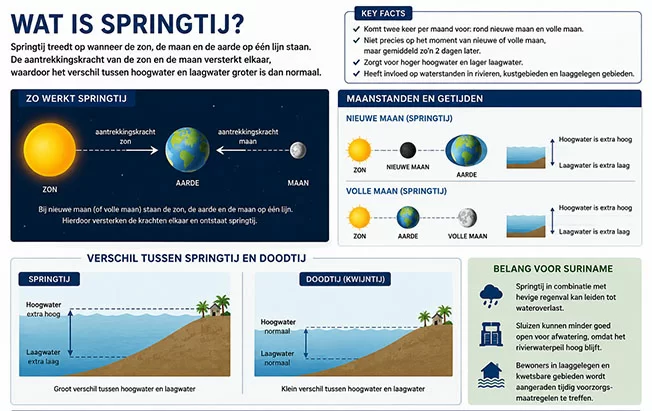
    Residents across multiple regions of Suriname are on high alert for severe flooding after the nation’s Ministry of Public Works and Spatial Planning (OWRO) issued an urgent warning, pointing to a dangerous combination of spring tides and sustained rainfall that is expected to push water levels well above normal thresholds. The alert was issued May 16, which coincides with a new moon — the astronomical event that triggers the formation of spring tides, a natural tidal phenomenon characterized by far stronger gravitational pull on ocean waters.

    During a spring tide event, the sun, moon, and Earth align almost perfectly along a single axis. This alignment combines the gravitational forces of the sun and moon, creating a much stronger pull on the world’s oceans than during non-spring tide periods. In Suriname, this amplified gravitational effect is driving higher than average high tide levels, and drastically slowing the rate at which inland water can drain out to the ocean.

    OWRO officials project that peak water levels could reach roughly 2.60 meters above standard benchmarks. Even at low tide, water levels will remain unusually high, leaving only very narrow windows when drainage sluices can be safely opened. If operators open the sluices when ocean levels remain elevated, there is a major risk that seawater will flow backward into inland low-lying areas rather than letting inland water drain out to sea.

    The outlook has grown even more concerning, as forecasters project substantial rainfall across Suriname this coming weekend, on Saturday and Sunday. With only extremely limited windows for safe sluice operation, the incoming rainwater will struggle to drain away from affected areas, raising the likelihood of prolonged, widespread inland flooding.

    Spring tides occur roughly twice every month, aligned with the new moon and full moon phases. During these events, the difference between high tide and low tide levels is far larger than during other parts of the tidal cycle. Coastal experts note that the most severe impacts of spring tides typically become most noticeable one to two days after the actual new moon, due to the modifying effects of ocean currents and wave patterns across the Atlantic basin.

    In line with the alert, the ministry has issued an urgent call to residents of low-lying and flood-prone regions across the country to put precautionary measures in place as soon as possible to protect their homes, vehicles, and other personal property from potential flood damage.

  • Somohardjo zal verschijnen voor DNA-commissie: Ik heb niets te verbergen

    Somohardjo zal verschijnen voor DNA-commissie: Ik heb niets te verbergen

    A senior former Surinamese political figure has announced he will comply fully with a parliamentary inquiry, breaking with the top law enforcement official who has declined to give in-person testimony to the panel.

    Bronto Somohardjo, who previously served as Minister of Internal Affairs and currently holds a seat in the National Assembly, confirmed in an interview with local outlet Starnieuws that he will appear before the special parliamentary commission tasked with questioning current and former political officeholders on May 22. The veteran politician emphasized his full commitment to cooperating with the ongoing inquiry, noting that upholding careful, objective, and transparent adherence to constitutional procedures is a core priority for the process.

    “Out of respect for the National Assembly and our democratic rule of law, I will appear before the commission and offer my full cooperation to the process,” Somohardjo stated.

    The former minister also drew attention to a notable decision from Prosecutor General Garcia Paragsingh, who has opted against appearing in person before the commission to answer clarifying questions. Instead, Paragsingh has indicated she will only respond to any inquiries in written form.

    Somohardjo argued that when the inquiry involves requests for extreme measures including the potential detention of a political officeholder, direct in-person explanation to the National Assembly’s commission is not just appropriate, but expected. “When such severe measures are requested against a political officeholder, the public and the legislature are owed open, direct accountability before the National Assembly’s commission,” he asserted.

    Closing his statement, Somohardjo made clear he has full confidence that the commission will conduct a thorough, careful assessment of all relevant facts, documents, and procedural steps. “I have nothing to hide,” he stressed.