博客

  • Community Activist Raises Concerns Over Missing Teen’s Repeated Escapes and Whereabouts

    Community Activist Raises Concerns Over Missing Teen’s Repeated Escapes and Whereabouts

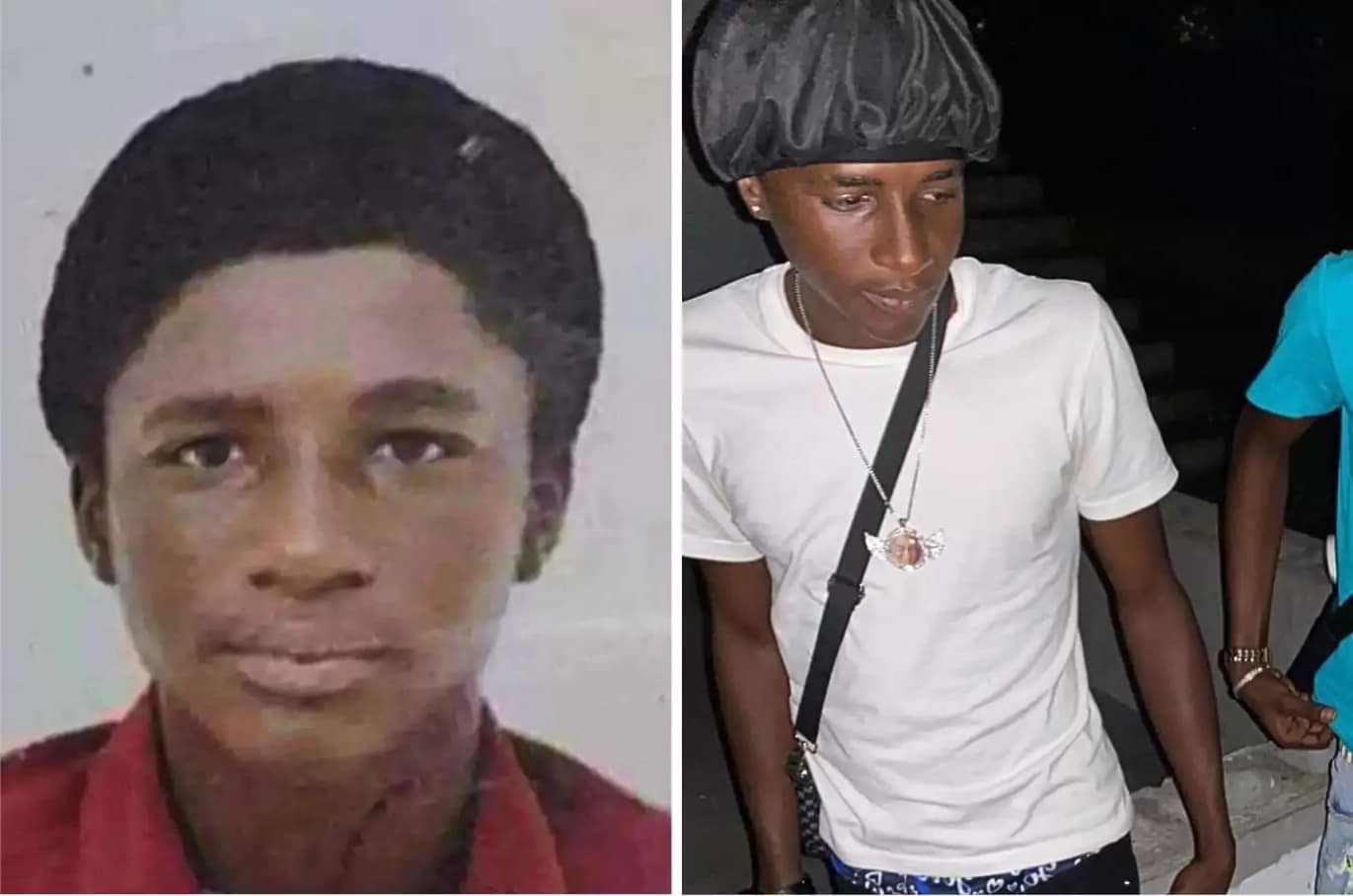
    The search for a missing teenager Tejornie has entered a new phase following a string of unconfirmed sightings across the island, with a prominent local community activist pressing public officials and medical institutions to step up coordinated intervention efforts to locate and secure the vulnerable youth.

    In a public statement released over the weekend, community organizer Mary John outlined multiple separate sightings of the teen recorded on Sunday alone. According to John’s account, witnesses spotted Tejornie in five distinct locations: near the salt pond adjacent to the desalination plant off Fort James Beach, across the residential neighborhood of Villa, in the Yorks district, along the busy thoroughfare of Central Street, and even moving around his parents’ own property during the quiet early hours of the morning for brief, unobserved visits.

    John emphasized that one of the most pressing unaddressed questions in the ongoing search is where Tejornie has been staying overnight. Pinpointing the teen’s resting location, she argued, is the single most critical piece of information needed to guarantee his personal safety and facilitate a safe, successful recovery before any harm can come to him.

    Beyond coordinating the public search effort, John also called for immediate procedural changes at the Sir Lester Bird Medical Centre. The activist explained that Tejornie remains in need of a full psychiatric evaluation before a planned potential transfer to the specialized Clarevue Psychiatric Hospital, and she urged hospital leadership to tighten security protocols to stop the teen from leaving the facility without authorization again.

    In John’s view, Tejornie’s specific mental health needs mean he must be placed in a structured, controlled clinical environment to allow his condition to stabilize. To accelerate the search, she has appealed to residents of high-traffic areas including Bay Street, Dredge Bay, Yorks, and Fort Road to proactively share the teen’s photograph across local social networks and community groups, and to report any information about his recent movements to search teams or local authorities immediately.

    As of press time, official law enforcement and government agencies have not issued any public comment confirming or denying the accuracy of the reported sightings shared by John.

  • King’s Autobody Honours Two Old Road Women for Community Service

    King’s Autobody Honours Two Old Road Women for Community Service

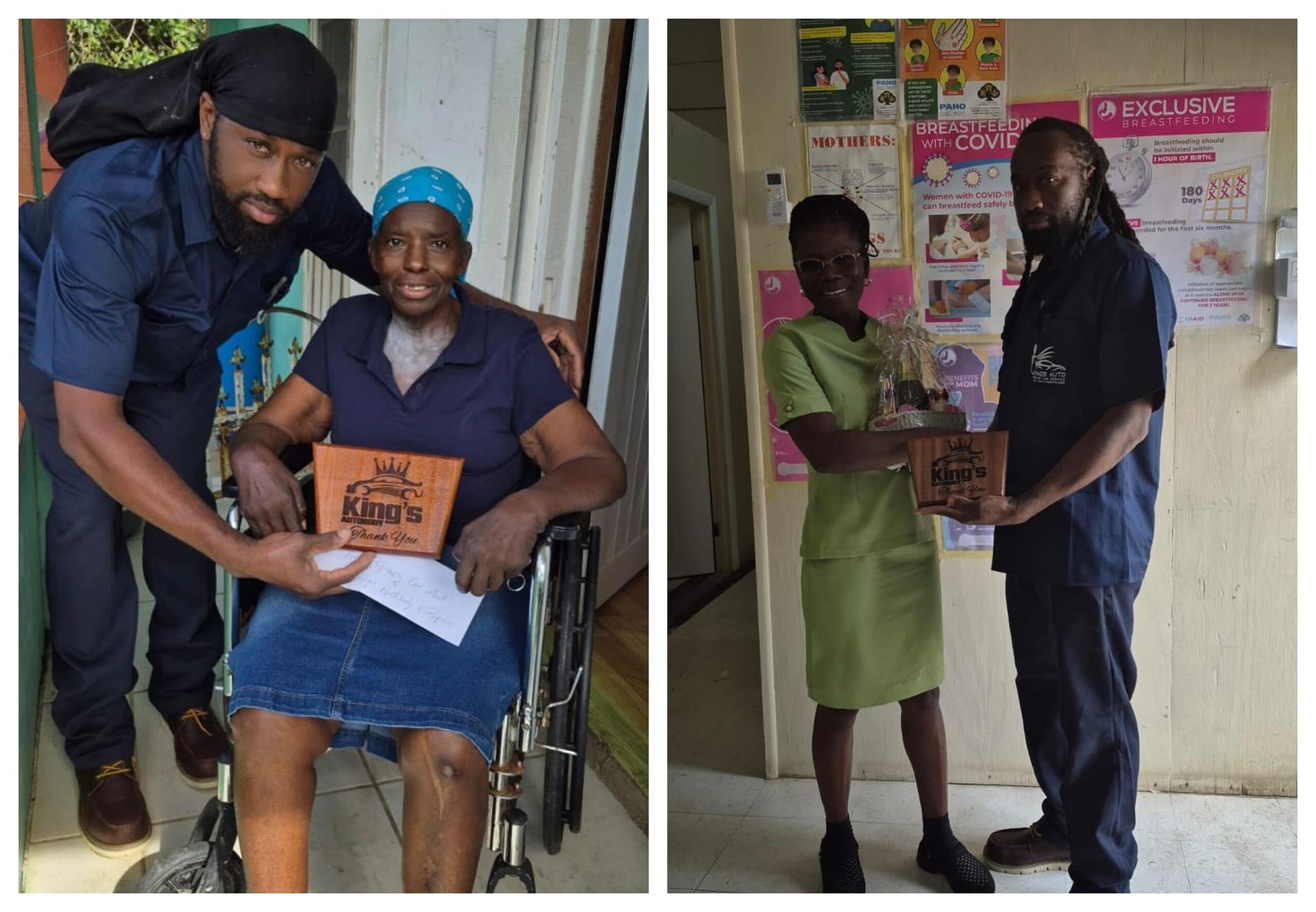
    Small local businesses often weave themselves into the fabric of the neighborhoods they serve, going beyond their core offerings to lift up the people who make their communities strong. This week, King’s Autobody Repairs carried on that tradition by shining a well-deserved spotlight on two extraordinary women from Old Road Village, celebrating their decades of selfless service and unwavering commitment to improving the lives of their neighbors.

    The first woman, whose years of quiet hard work and consistent kindness have left a lasting mark on the community, was recognized for her ongoing contributions to local life. The auto repair shop framed the honor as more than just an award—it was a heartfelt token of respect, meant to acknowledge the countless small acts of effort and care that often go unrecognized in daily community life.

    In a separate announcement, King’s Autobody Repairs highlighted the second woman’s decades of work in the local healthcare sector. The business offered high praise for her gentle care, deep compassion, and steady dedication to every resident of Old Road Village who has relied on her services over the years.

    For the local auto shop, these dual recognitions are far from a one-off publicity gesture. They are part of a sustained, intentional strategy of corporate giving back to the community that has supported the business for years. In posts shared about the initiative, King’s Autobody Repairs emphasized that its mission extends far beyond fixing damaged vehicles. At its core, the business is rooted in the well-being of Old Road Village, and it remains fully committed to lifting up local residents and honoring the unsung heroes who make the community what it is.

  • Anglican clergyman calls for hope and new possibilities this Easter

    Anglican clergyman calls for hope and new possibilities this Easter

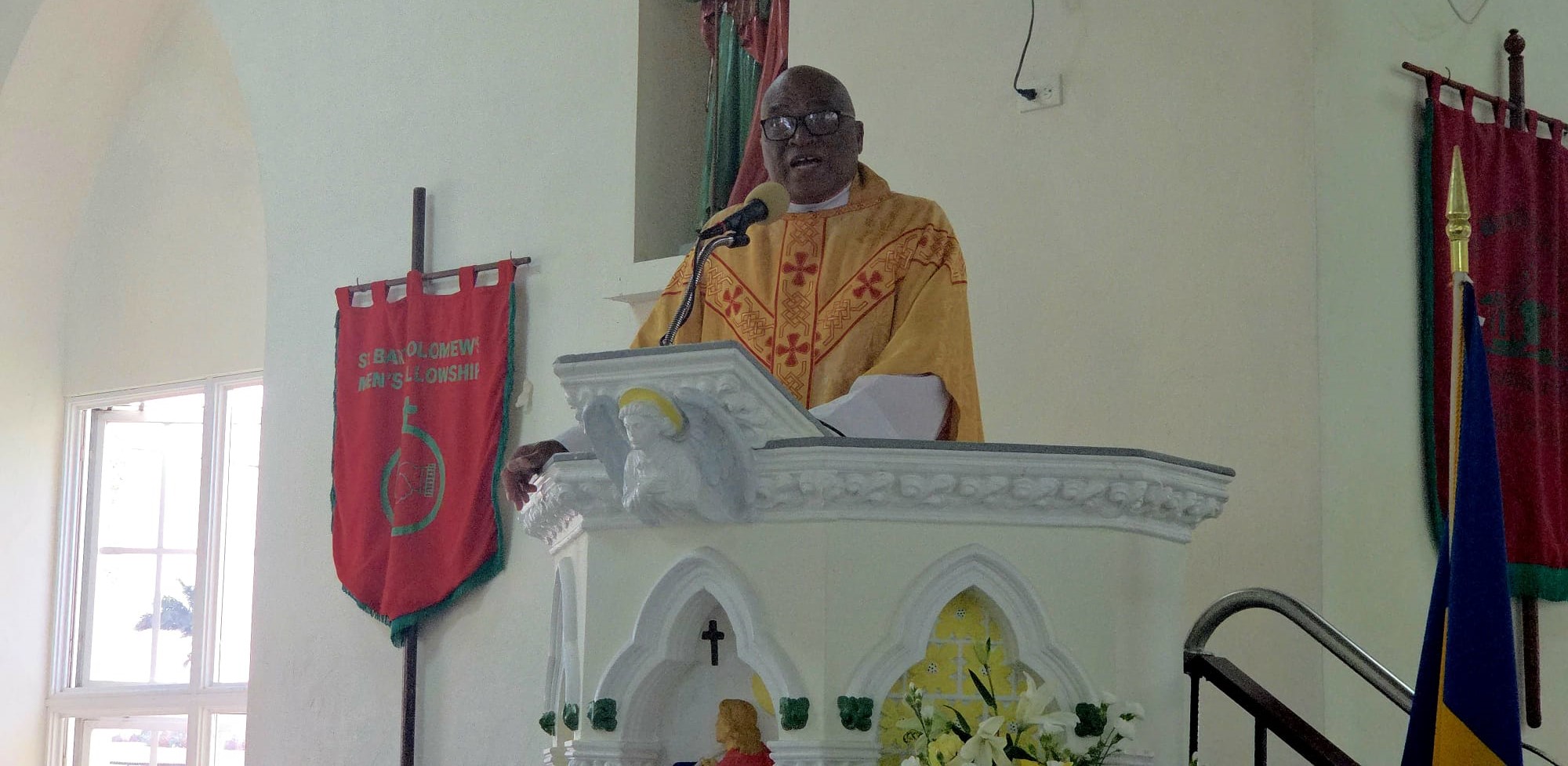
    Against a backdrop of escalating global conflict and widespread personal hardship, a senior Anglican church leader in Barbados has centered his 2024 Easter Sunday address on a message of persistent hope, calling on local residents to push past despair and open themselves to unanticipated new opportunities.

    Speaking to a gathered congregation at St Bartholomew’s Anglican Church, Canon Wayne Isaacs framed the core Easter message of renewal as particularly urgent at this moment, pointing to the ongoing crises roiling multiple regions across the globe. He highlighted active conflicts in Ukraine, Iran, Nigeria, and Somalia as key examples of the turmoil that has left many people feeling drained and pessimistic about the future.

    In his address, Isaacs pushed back against growing cultural narratives of pessimism and what he termed pervasive “doom and gloom,” urging Christian attendees to reject defeatist mindsets and intentionally center positive aspects of daily life. He observed that too many people today fall into patterns of complaint, lose sight of hopeful outcomes, and let pride cloud their perspective, instead leaning into the timeless Easter theme of living hope.

    “Easter reminds us that heaviness may linger through the night, but joy arrives with the morning,” Isaacs told the congregation. “This holiday speaks directly to the new possibilities that can unfold in every life, and that promise is what sustains our hope. That means we do not have to stay trapped in our current state of unhappiness, despair, worry, or burden.”

    The church leader advised attendees to intentionally set aside negative thought patterns, choosing to truly live rather than simply exist from day to day. He warned against letting external forces or other people strip away the God-given peace, joy, and daily happiness that he said Christianity is meant to cultivate for believers.

    Isaacs closed his message by encouraging all Barbadians to build meaningful, purpose-driven lives: to wake each morning with clear intention, and to actively pursue the dreams that give life direction. He reminded parishioners that even in seasons when people feel empty, broken, or stuck, spiritual strength is available to help them overcome obstacles and step into the renewed life at the center of Easter faith.

  • COMMENTARY: The life & times of Pearle Christian – A cultural Jewel of Dominica’s musical heritage

    COMMENTARY: The life & times of Pearle Christian – A cultural Jewel of Dominica’s musical heritage

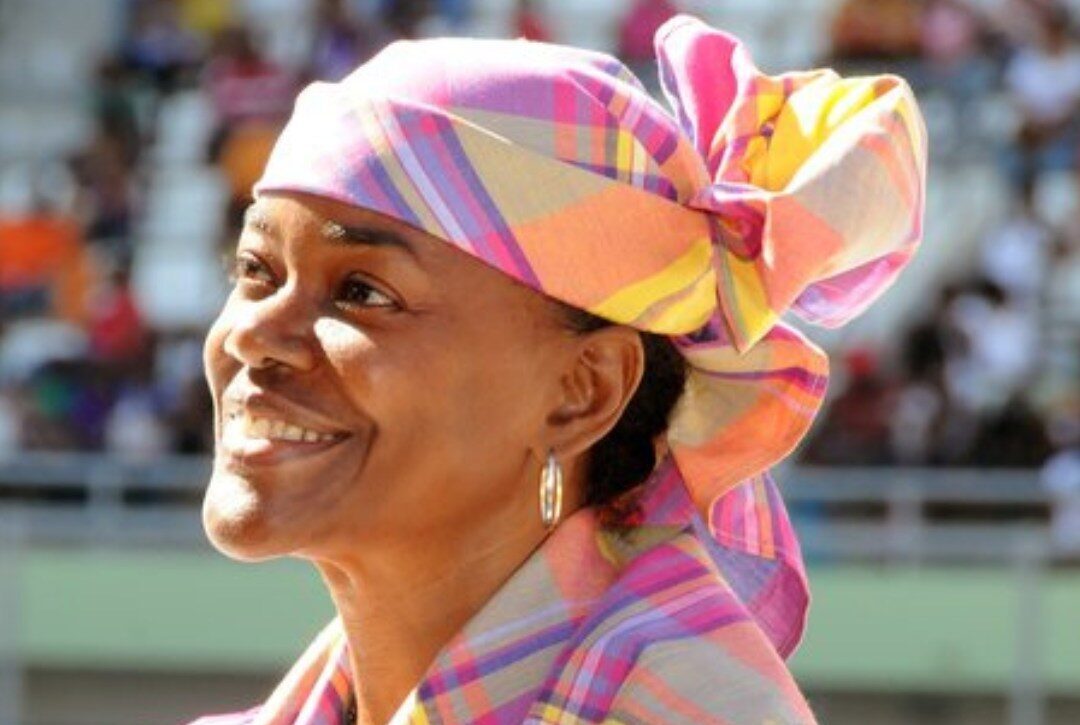
    Nestled in the heart of the Caribbean, the Commonwealth of Dominica has produced countless extraordinary cultural figures, but few have left as indelible a mark on national identity as Pearle Christian. Born March 20, 1955, in the coastal village of La Plaine, Christian—affectionately known to all Dominicans as “Aunty Pearle”—is far more than a celebrated music educator and choral director. Over a career spanning six decades, she has emerged as one of the island nation’s most dedicated nation-builders, proving that cultural education is a powerful tool for shaping personal character, collective identity, and enduring national pride.

    Christian was born into a family deeply woven into Dominica’s educational, political, and cultural fabric. Her mother Muriel Christian was a respected educator and cultural practitioner, while her father Henckell Lochinvar Christian served as Dominica’s Minister of Education and Health. Her artistic lineage grew even stronger through her uncle, Lemuel McPherson Christian MBE, the legendary composer who penned Dominica’s beloved national anthem *Isle of Beauty, Isle of Splendour*. With this rich heritage surrounding her from childhood, a life dedicated to music was not just a choice—it was a calling. She began formal piano lessons at age seven, first training through the Christian Musical Class founded by her uncle, then studying under renowned music educator Rosemary Cools-Lartigue. She completed her academic foundation at three leading institutions in Dominica’s capital Roseau: Convent Preparatory School, Convent High School, and Sixth Form College, laying the groundwork for her decades-long career.

    As a young educator at her former alma maters Convent Preparatory and Convent High Schools, Christian quickly demonstrated her dual commitment to academic excellence and artistic growth. While teaching full-time, she pursued professional certification through the Associated Board of the Royal Schools of Music, and recognized her own exceptional potential, she went on to pursue advanced musical training at the Jamaica School of Music (now the Edna Manley College of the Visual and Performing Arts) from 1976 to 1980. During her time there, she rose to the top of her cohort, earning a Diploma in Music Education, winning awards for her original compositions, and being named Student of the Year. Her talent was so widely respected that she was invited to join the school’s faculty, serving as a teacher and Junior Choir Director before returning to her home country of Dominica in 1981 to begin her iconic public service career.

    After returning home, Christian embarked on a 34-year historic tenure as a Cultural Officer within Dominica’s Division of Culture, where she became one of the chief architects of the island’s modern choral development movement. She collaborated with the National Chorale, performed as a member of the Dominica Folk Singers, and contributed to sacred music through the St. Alphonsus Folk Choir. Her most transformative contribution during this period came in 1994, when she co-founded and directed the Sixth Form Sisserou Singers, a joint initiative between the Cultural Division and Sixth Form College. Through this acclaimed ensemble, Christian proved that traditional Dominican folk music could be reimagined as sophisticated, world-class choral work that holds its own on any international stage.

    Christian’s dedication to expanding access to music education extended far beyond her work with performance groups. For 17 years, she served as a lead principal tutor at the Kairi School of Music, training generation after generation of Dominican musicians in flute, recorder, and choral technique. In 2000, she founded the Dominica Association of Music Educators, an organization with a core mission of ensuring that every child in Dominica—regardless of socioeconomic background—has access to high-quality, meaningful music education. This initiative embodied her core belief that music is a democratic art form, equally capable of nurturing discipline, collaborative spirit, and creative expression in all young people.

    In 2001, Christian further bolstered her academic expertise by earning a Master’s degree in Music Education from Texas State University in San Marcos, Texas. This advanced training reinforced her long-held philosophy that Caribbean folk culture must remain at the center of Dominican artistic and educational development. Throughout her career, she composed and produced dozens of children’s musicals and educational works that wove traditional Dominican storytelling, rhythms, and Creole language into formal music instruction, ensuring that the nation’s cultural heritage remained a living, evolving part of its education system rather than a static historical artifact.

    When Christian retired from government service in 2015, she showed no signs of slowing down her work with young people. One of her most enduring legacies, the Henckell & Muriel Christian Musical Workshop, was founded after her retirement, named in honor of her parents to carry forward the family’s legacy of service. From this community institution, which she runs with characteristic discipline and heartfelt care, she continues to teach students far more than music: core values of punctuality, presentation, mutual respect, and strong character development. As many who have studied with her note, Christian has always insisted that personal discipline and moral character are inseparable from musical excellence.

    Christian’s work with the Sisserou Singers choral movement also remains one of her most defining achievements, helping set a standard for Dominican choral excellence that shaped an entire generation of performers. Through this initiative, she showcased her unique gift for blending rigorous technical musical training with unshakable cultural pride, producing performances that celebrate the unique folklore, language, and rhythms of the Caribbean while building lasting confidence in every young performer who joins the ensemble. Her career is rooted in a clear philosophy: culture is not a static relic of the past, but a living tradition that must be actively nurtured through education and public performance to remain relevant.

    Christian’s lifetime of dedicated service has not gone unrecognized by her nation. In 2016, just one year after her retirement from public service, she received the Golden Drum Award, Dominica’s highest honor for exceptional contributions to the cultural sector. Yet for Christian herself, the greatest reward has never been awards or official recognition. As she has shared in reflections on her career, her proudest achievement is the countless young people from all walks of life whose lives and trajectories she has helped shape. For her, the greatest satisfaction comes from providing a platform for the holistic growth of young Dominicans, helping them grow into confident, capable stewards of their nation’s culture.

    To understand Dominica’s modern cultural landscape is to understand the quiet, transformative impact of Pearle Christian. Like the distinguished relatives who came before her, she understands that the true value of cultural work is measured not in standing ovations or public acclaim, but in the legacy left for future generations. Through her choirs, her compositions, her hundreds of students, and the enduring institutions she founded, she has ensured that Dominica’s rich musical traditions remain vibrant, accessible, and relevant for decades to come. In the end, Pearle Christian embodies the very best of Dominica’s cultural heritage: disciplined yet endlessly creative, deeply rooted in national heritage yet unafraid to look forward, and unwaveringly committed to lifting up the next generation. Her life’s work proves that the role of a cultural leader is far more than administrative—it is a work of building civilization itself. As a cultural guardian of the “Nature Isle” of Dominica, “Aunty Pearle” has secured her place as a true daughter of the nation, whose influence will resonate through generations of Dominican musicians and leaders.
  • Of seats, swings and voter turnout

    Of seats, swings and voter turnout

    Prime Minister Mia Mottley has cemented her place as one of the most consequential leaders in Caribbean political history following the official 2026 Barbados general election results released last week by the country’s Electoral and Boundaries Commission (EBC). The election, the second called by Mottley during her tenure, marks her third straight electoral victory, opening the Barbados Labour Party (BLP)’s unprecedented second consecutive three-term term of office since the country gained independence. This historic milestone has only been achieved once before by the opposing Democratic Labour Party (DLP), across the pre- and post-independence era.

    What makes Mottley’s win even more remarkable is its standing as a first for the entire Caribbean region. While a handful of regional leaders have managed to secure all available parliamentary seats in an election, and Dr Keith Mitchell of Grenada led his party to three full clean sweeps, none have claimed three successive full seat sweeps. This alone puts Mottley’s victory in uncharted territory for Caribbean politics.

    The win also defies a widespread regional trend that has plagued incumbent administrations for decades. Across Caribbean democracies, parties that win a first term almost always lose both seats and popular support in subsequent second and third terms. Very few prime ministers have managed to grow their electoral support while holding office, putting Mottley in an extremely exclusive club alongside former PM Owen Arthur of Barbados, Roosevelt Skerrit of Dominica, and Gaston Browne of Antigua. This rare feat is more than just a statistical curiosity: it represents an extraordinary public endorsement of Mottley’s leadership and policy agenda, confirming her status as one of the most popular leaders in modern Caribbean history.

    Beyond the historic election results, the contest has sparked renewed discussion of voter participation and the EBC’s methods for calculating turnout. Official EBC data puts 2026 turnout at a historic low of 42%, a 1.8 percentage point drop from the 2022 election that is technically statistically insignificant, but still signals a downward trend. Digging into the raw numbers reveals a more nuanced picture: 1,146 more voters cast ballots in 2026 than in 2022, but the voter registration roll grew by 7,608 names over the same period, which accounts for the lower calculated turnout.

    Critics have long argued that the EBC’s approach to calculating turnout produces misleading results, a concern echoed across many Caribbean jurisdictions. The national voter roll remains bloated with the names of thousands of people who are ineligible or unable to vote for a range of reasons, from migration to death, creating an artificial illusion of lower turnout than actual participation. A 2025 by-election in St James North illustrated this problem clearly: 2,068 listed voters were unavailable to cast ballots, accounting for 20% of the total roll. At the national level, official population estimates for eligible voters over 18 put the true number of eligible voters at roughly 223,312, compared to the EBC’s listed 273,947 – a gap of more than 50,000 names. If the true eligible population were used to calculate turnout, the 2026 figure would rise to 51%, around half of all eligible voters.

    Even accounting for measurement issues, comparison of turnout across constituencies reveals key insights into what drives Barbadian voters to participate. The three constituencies with the highest turnout were all highly competitive races, where candidates on both sides worked aggressively to mobilize their bases. By contrast, constituencies with the lowest turnout tended to be seen as lopsided contests with predictable outcomes, breeding voter indifference. This aligns with findings from a 2025 CADRES post-by-election survey, which found that voter motivation drops sharply when most voters assume the election outcome is a foregone conclusion.

    Analysis of party support and vote share further illuminates the shifting political landscape in Barbados. In 2026, the BLP won three times as many votes as the DLP, with all minor parties and independent candidates combined capturing just 3% of the national vote. Tracing growth in average vote share back to 1971, the first year of single-member constituency contests, the BLP has grown its average support by 9% over decades, while the DLP has seen a 1% contraction. This translates to an average election vote haul of 68,670 for the BLP, compared to 53,879 for the DLP. In 2026, the BLP outperformed its average with 79,321 votes, while the DLP underperformed with just 32,059. This gap makes clear that low turnout is not a generalised trend across the electorate: the problem is rooted largely in the DLP’s failure to mobilize its own base of supporters.

    While the BLP’s third straight full seat sweep dominates headlines, analysis of electoral swing between the 2022 and 2026 elections reveals unexpected details. Nationally, the BLP saw a tiny 0.4% drop in its support share, while the DLP gained a 1.4% swing. In raw numbers, the BLP added 522 votes, while the DLP added 1,786 – both changes that are statistically insignificant. While the DLP may frame this small gain as progress, political observers note that the trajectory is underwhelming: for a major opposition party holding less than 30% of the national vote, a gain barely above the margin of error is far weaker than what would be expected for an opposition seeking to unseat a long-ruling incumbent.

    At the constituency level, however, some candidates recorded statistically significant improvements that stand out, regardless of whether they won their seats. The analysis identified top-performing candidates from both parties who outperformed their party’s national swing. Most notably, independent or opposition candidate Ryan Walters recorded a 10% swing, the largest improvement of any candidate in the 2026 contest, even though he did not win his seat. For the BLP, first-time candidate Ryan Brathwaite recorded an 8% improvement in the constituency’s vote share compared to 2022, against a national 0.4% drop for the party.

    One final key takeaway from the 2026 election addresses a common debate over minor candidates and spoiler effects. Unlike many contests across the region, every BLP winning candidate secured a majority of valid votes, rather than a plurality. This confirms that no minor party or independent candidate split the opposition vote to cost the DLP any seats. At both the national and constituency levels, minor candidates and independents had no significant impact on the final outcome of the election.

    This analysis was contributed by Peter W Wickham, political consultant and director of Caribbean Development Research Services (CADRES).

  • Parks adds three more at CARIFTA Aquatics

    Parks adds three more at CARIFTA Aquatics

    Young swimming prodigy Sapphire Parks has turned in another dominant performance at the 39th edition of the CARIFTA Aquatics Championships, held at Martinique’s Pierre Samot Community Aquatic Centre in Le Lamentin, adding three more podium finishes to her tally on Sunday, April 5. The St Joseph’s Convent student-athlete, competing in the 11–12 girls’ division, now holds a total of six medals through two days of competition, three of which are gold medals.

    Parks delivered an impressive schedule on the second Sunday of the tournament, qualifying for four event finals on the day. She claimed the top spot on the podium in the 400m individual medley, clocking a finishing time of 5:34.39 to secure her third gold of the competition. She went on to add two silver medals to her haul: one in the 50m butterfly with a time of 30.49 seconds, and a second in the 100m backstroke after touching the wall in 1:11.97. Her only non-podium finish of the day came in the 200m freestyle final, where she missed out on a bronze medal by just a fraction of a second to land in fourth place.

    Parks’ standout performance leads a strong showing from the 12-member Saint Lucia delegation at the regional aquatics meet. Four other Saint Lucian swimmers advanced to event finals on Sunday night. Tyler Dantes, who already claimed the 11–12 boys’ 50m backstroke title earlier in the championships, placed fifth in the 100m backstroke and seventh in the 50m butterfly. In the older 15–17 boys’ division, Antoine Destang — who already holds a silver medal from the 100m butterfly — earned a fifth-place finish in the 100m backstroke and sixth place in the 50m butterfly.

    After two full days of competition across all age divisions, Saint Lucia’s national team currently sits in 11th place in the overall team rankings, with several more days of racing still remaining on the championships schedule.

  • Thousands join Michael Joseph for traditional Jouvert Celebrations

    Thousands join Michael Joseph for traditional Jouvert Celebrations

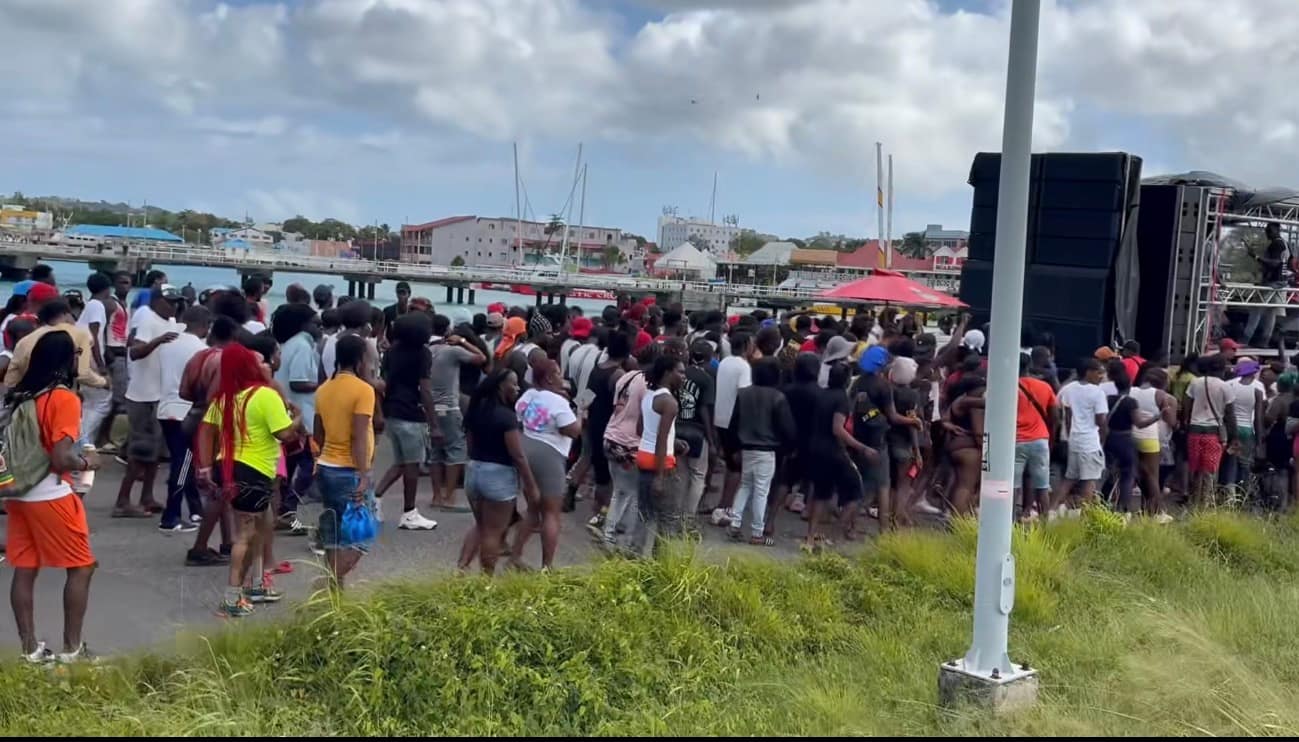
    Across the vibrant streets of the host community, a sea of smiling faces and colorful bodies converged over the weekend to join politician and cultural advocate Michael Joseph for the annual celebration of Jouvert, one of Caribbean culture’s most beloved and enduring pre-Carnival traditions.

    Jouvert, which traces its roots back to 18th century Trinidad and Tobago, is a dawn-started celebration that honors working-class cultural heritage, blending music, body painting, mud and powder throwing, and dynamic folk dancing into a single immersive communal experience. Unlike more polished Carnival parades that follow in the weeks after, Jouvert maintains a raw, grassroots energy that centers connection to ancestral traditions and collective joy.

    Local organizers estimated that more than 5,000 attendees turned out for this year’s event, exceeding pre-event turnout projections by nearly 20 percent. Participants arrived before sunrise, many carrying homemade paint, cocoa butter, and colored powder, ready to join the processional led by Michael Joseph, a long-standing supporter of preserving Caribbean cultural traditions for younger generations.

    In a short opening address to the crowd, Joseph emphasized the importance of Jouvert as more than just a party, framing it as a living link to the history and resilience of Caribbean people. “This celebration is a testament to how our culture has survived, evolved, and brought people together across generations and backgrounds,” Joseph told the assembled crowd. “To see thousands of people here today, young and old, from near and far, reminds me why we fight to keep these traditions alive.”

    As the sun rose over the procession, steelpan bands struck up traditional folk rhythms, and revelers danced through the streets, covering one another in bright paint and powder. Many attendees shared that they have made the celebration an annual family tradition, bringing children along to pass down the cultural knowledge and joy that defines Jouvert. Local small businesses, from food vendors to craft sellers, also reported a significant boost in revenue over the course of the event, highlighting the economic as well as cultural impact of the large gathering.

    No major incidents were reported throughout the day, with event organizers and local law enforcement praising the crowd for its festive but respectful energy. Organizers have already announced plans to expand the event for next year, with additional programming focused on educating younger attendees about the history of Jouvert and its role in Caribbean cultural identity.

  • Bangladesh start noodvaccinatiecampagne na snelle verspreiding mazelen

    Bangladesh start noodvaccinatiecampagne na snelle verspreiding mazelen

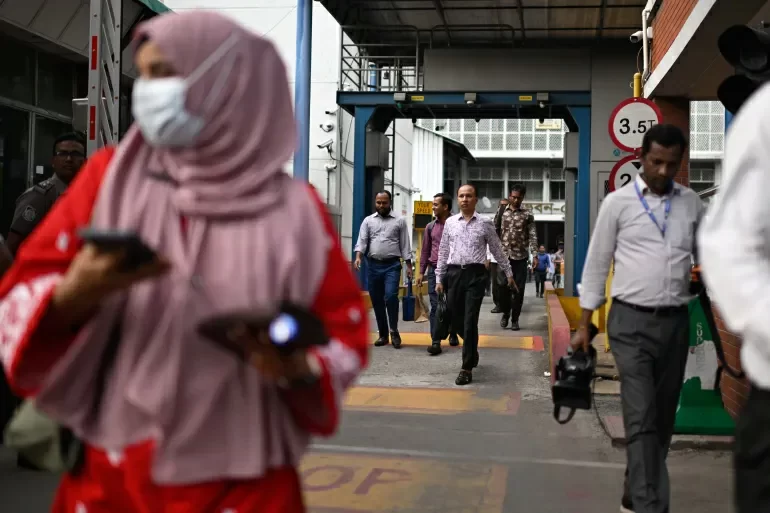
    One of the world’s most contagious viral diseases, measles spreads easily through respiratory droplets from coughing or sneezing, leaving unvaccinated young children particularly vulnerable to severe complications and death. On Sunday, Bangladesh kicked off a large-scale emergency vaccination campaign aimed at protecting more than one million children against the rapidly accelerating measles outbreak that has swept across the South Asian nation.

    As of the latest update from Bangladesh’s Ministry of Health and Family Welfare, the outbreak has already been linked to 17 confirmed measles-related deaths, alongside another 111 suspected fatalities and more than 7,500 probable infection cases recorded across the country. The campaign, led by the national health ministry and backed by technical and logistical support from UNICEF, the World Health Organization (WHO), and Gavi the Vaccine Alliance, targets 18 high-risk districts that have borne the brunt of the spread.

    Top priority is being given to children between the ages of six months and five years, with a specific focus on youngsters who missed out on routine childhood immunization doses – the group that faces the highest risk of life-threatening complications from the virus. Rana Flowers, UNICEF’s representative to Bangladesh, has voiced deep alarm over the sharp surge in new infections in recent weeks. “Thousands of children, especially the youngest and most vulnerable among the population, are in grave danger,” Flowers stated. “This ongoing outbreak lays bare the critical gaps in population immunity that remain across Bangladesh.”

    In the hardest-hit regions, local hospitals are already struggling to accommodate the influx of new patients, facing widespread overcrowding and stretched care capacity – a crisis that has only exacerbated concerns about further unchecked spread of the virus. WHO officials confirmed that the outbreak has now reached 56 out of Bangladesh’s 64 administrative districts, and projections indicate case numbers will continue to climb in the coming days. Despite this grim outlook, global health partners emphasize the emergency vaccination campaign is expected to rapidly slow transmission and bring the outbreak under control.

    Ahmed Jamsheed Mohamed, the WHO representative in Bangladesh, underscored the urgent importance of the targeted immunization effort. “This campaign will help us prevent additional tragic losses of young children,” Mohamed said. The emergency drive is being run in parallel with Bangladesh’s existing routine vaccination programs, as national public health authorities work around the clock to contain the outbreak and protect at-risk communities.

  • OPINION: How Did We Get Here? Let the Children Play

    OPINION: How Did We Get Here? Let the Children Play

    For decades, childhood across much of the developed world has undergone a quiet but profound transformation. Where previous generations spent large swathes of their free time roaming neighborhoods, building forts, inventing backyard games and solving disputes on their own, today’s children are far more likely to have their days structured by adult-organized activities, screen time, and academic demands that bleed into after-school hours. This shift has not happened by accident, but it has left many experts and observers asking a critical question: how did we arrive at a point where unstructured, child-led play has become an afterthought in modern childhood?

    The roots of this change stretch across multiple areas of modern life. Changing parental attitudes, driven in part by widespread misperceptions about safety and a growing emphasis on academic achievement from an early age, have led many caregivers to limit unsupervised outdoor play. Parents today are far more likely to worry about stranger danger, even as data shows that rates of child abduction and harm have dropped dramatically over the past 30 years. At the same time, the pressure to build a competitive college application has pushed families to pack children’s schedules with sports teams, music lessons, tutoring and other “enrichment” activities that leave little room for free, self-directed play.

    Urban and suburban design has also played a major role. Many communities built over the past 50 years prioritize car travel over walking and biking, creating barriers to children moving independently between homes and parks. Cut off from easy access to safe public spaces, children have fewer opportunities to gather and play without adult transportation and supervision. The rise of digital entertainment has compounded this issue, with high-quality, engaging screen content keeping children indoors for hours on end, replacing the physical and social interaction that comes with outdoor play.

    The consequences of this decline in unstructured play are impossible to ignore. Research from child development experts across the globe has consistently linked free play to critical gains in executive function, emotional regulation, creativity, and social skills. When children direct their own play, they learn to negotiate, solve problems, manage conflicts, and think creatively – skills that no structured lesson or adult-led activity can teach as effectively. Studies have also linked reduced outdoor play to rising rates of childhood anxiety, depression, obesity, and attention deficit disorders, creating a public health crisis that affects children across all socioeconomic groups.

    This is not an argument that all structured activities are harmful, or that digital technology has no place in modern childhood. Many children thrive in organized sports and arts programs, and digital tools can offer valuable learning opportunities when used thoughtfully. The problem lies in the imbalance: we have squeezed almost all unstructured, child-led time out of childhood, leaving children constantly overstimulated or constantly directed, with no space to explore their own interests and develop on their own terms.

    It is time to reverse this trend. Communities need to invest in safe, accessible public spaces that are designed for children to play independently, from neighborhood parks to walking paths that connect residential areas. Schools need to push back against over-testing and excessive homework, restoring recess and unstructured break time that allows children to recharge and socialize. Parents need to challenge the cultural narrative that every moment of childhood needs to be productive or optimized for future success, and give children the space to just be children.

    At its core, play is not a waste of time. It is how children learn to navigate the world, build relationships, and develop the skills they need to become healthy, capable adults. If we want the next generation to thrive, we need to step back, and let the children play.

  • Armstrong strikes gold as Barbadian medal tally moves up to nine in Grenada

    Armstrong strikes gold as Barbadian medal tally moves up to nine in Grenada

    On the penultimate night of the 2024 CARIFTA Athletics Championships hosted at Grenada’s Kirani James Stadium, Team Barbados turned in its most dominant performance of the competition, collecting five additional medals to push its total haul to nine heading into the final day of action. The standout moment of the session came from Under-17 shot putter Kamaal Armstrong, who claimed Barbados’ second gold medal of the games despite challenging wet and windy conditions that disrupted competitors throughout the evening. Armstrong delivered a winning best throw of 15.96 meters, outperforming home crowd favorite Kazim Telesford of Grenada, who took silver with a 15.67m mark, and Jaafari Shaw of Trinidad and Tobago, who secured bronze at 15.19m.