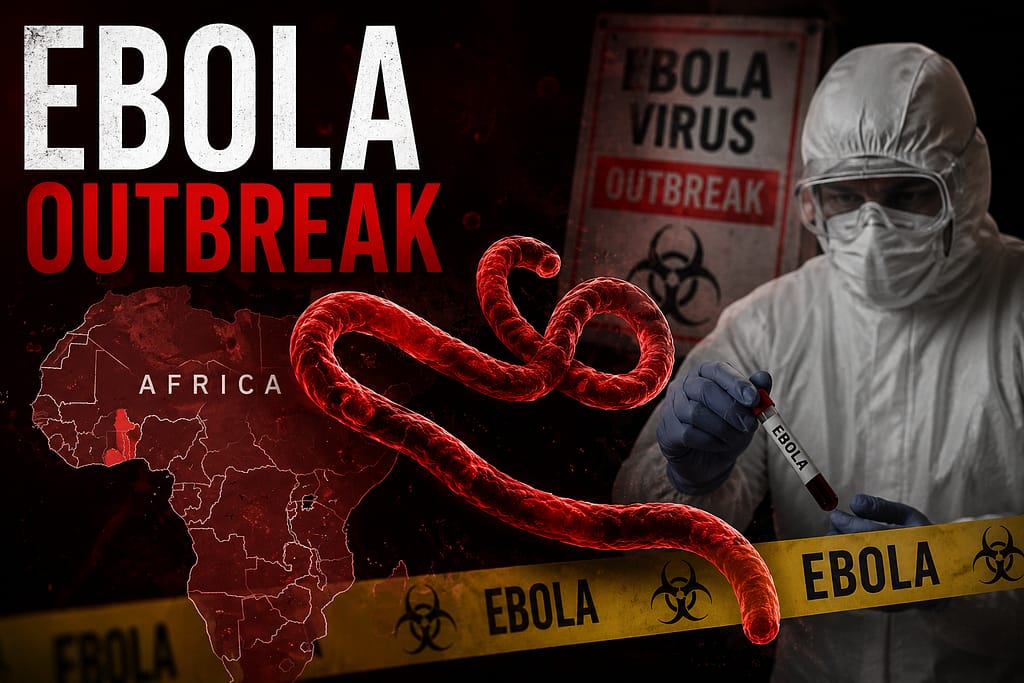
A public correspondent has submitted a formal letter to senior leadership in Antigua and Barbuda, calling for government attention to emerging Ebola outbreak risks linked to ongoing spread of the virus in several African regions. The letter, which addresses Prime Minister of Antigua and Barbuda, the national Aviation Minister and Health Minister, seeks clear public explanation of the protective protocols the country is developing to shield its population from imported infection risks.
At the core of the correspondent’s inquiry are questions regarding screening and entry rules for commercial flights originating from African areas currently impacted by the Ebola outbreak. The writer specifically asks whether the government has drafted new operational policies for incoming air travel from these affected zones, alongside details on what preventive health measures and entry screening protocols are already active at the country’s border checkpoints.
The urgent concern raised in the correspondence stems from a widely held public observation that Antigua and Barbuda currently faces constraints in specialized healthcare infrastructure and limited resources for rapid diagnostic testing and clinical management of high-risk viral pathogens like Ebola. Without clear, coordinated protocols in place, the country could face heightened vulnerability to an imported outbreak that would overwhelm local health systems.
Beyond border policy questions, the correspondent notes that ordinary residents and citizens across Antigua and Barbuda are actively seeking official reassurance and evidence-based guidance on national preparedness plans and personal safety practices. To date, there has been no broad, accessible public communication from government authorities addressing the Ebola situation and related risks, which has left the public without clear information to inform their own choices.
Given Antigua and Barbuda’s status as a travel-reliant nation that welcomes a steady stream of international flights into its main airports, the correspondent emphasizes that thousands of people both citizens and long-term residents want transparent clarification on potential infection risks, and the concrete steps the administration has implemented to protect national public health. The correspondence closes with a formal request for an official public response or statement to address these outstanding questions, with the writer noting they await a timely reply from relevant authorities.