博客

  • Barbuda Caribana 2026 Set for May 21-25

    Barbuda Caribana 2026 Set for May 21-25

    One of Antigua and Barbuda’s most anticipated cultural celebrations, Barbuda Caribana, is officially making its comeback in 2026, with a full five-day schedule of immersive cultural experiences set to run from May 21 to 25 across the scenic sister island of Barbuda.

    The festivities will kick off on the afternoon of Thursday, May 21, starting with a vibrant opening parade stepping off at 2 p.m. Shortly after the parade wraps up, the event shifts focus to younger attendees with Kids Fest kicking off at 3 p.m., giving local and visiting children a chance to join in the celebratory fun. The first day’s headline event will be the Junior Calypso Monarch competition, which is scheduled to begin at 8 p.m., showcasing the island’s emerging young calypso talent.

    Activities pick up again on Friday, May 22, with the casual community gathering Wheels United – Park & Lime opening at 11 a.m., offering attendees a laid-back space to socialize ahead of the evening’s main event. That night, the highly competitive Calypso/Soca Monarch competition will get underway at 8:30 p.m., drawing top performers from across the region to compete for the coveted title.

    Saturday, May 23, brings a diverse lineup of activities for foodies, outdoor enthusiasts, and party-goers alike. From 10 a.m. to 5 p.m., two popular events will run in tandem: the Spritz & Sun Seafood Fest, which highlights the island’s world-class fresh coastal cuisine, and the annual Johnny DeSouza Fishing Tournament, a longstanding fan favorite that attracts anglers of all skill levels. When the sun goes down, the high-energy Caribana Colors Fete takes over, running from 10 p.m. through 4 a.m. the next morning.

    Horse racing enthusiasts will get their turn on Sunday, May 24, when the Caribana Classic Horse Racing event starts at 1 p.m., bringing together local jockeys, owners, and crowds of spectators for a day of thrilling competition.

    The 2026 celebration will wrap up on Monday, May 25, with the iconic early-morning J’Ouvert celebration, a beloved Caribbean festival tradition that runs from 4 a.m. to 10 a.m. The final closing event of the festival will be the Last Lap festivities, scheduled to take place from 6 p.m. to 10 p.m., giving attendees one last chance to celebrate before the festival draws to a close.

    As one of the largest and most prominent cultural festivals on the island, the 2026 Caribana is projected to draw a diverse crowd of attendees, including local residents, international tourists, and Barbudan nationals returning home to take part in the multi-day celebration of Caribbean heritage.

  • Bank warns of rise in phone-based fraud targeting customers

    Bank warns of rise in phone-based fraud targeting customers

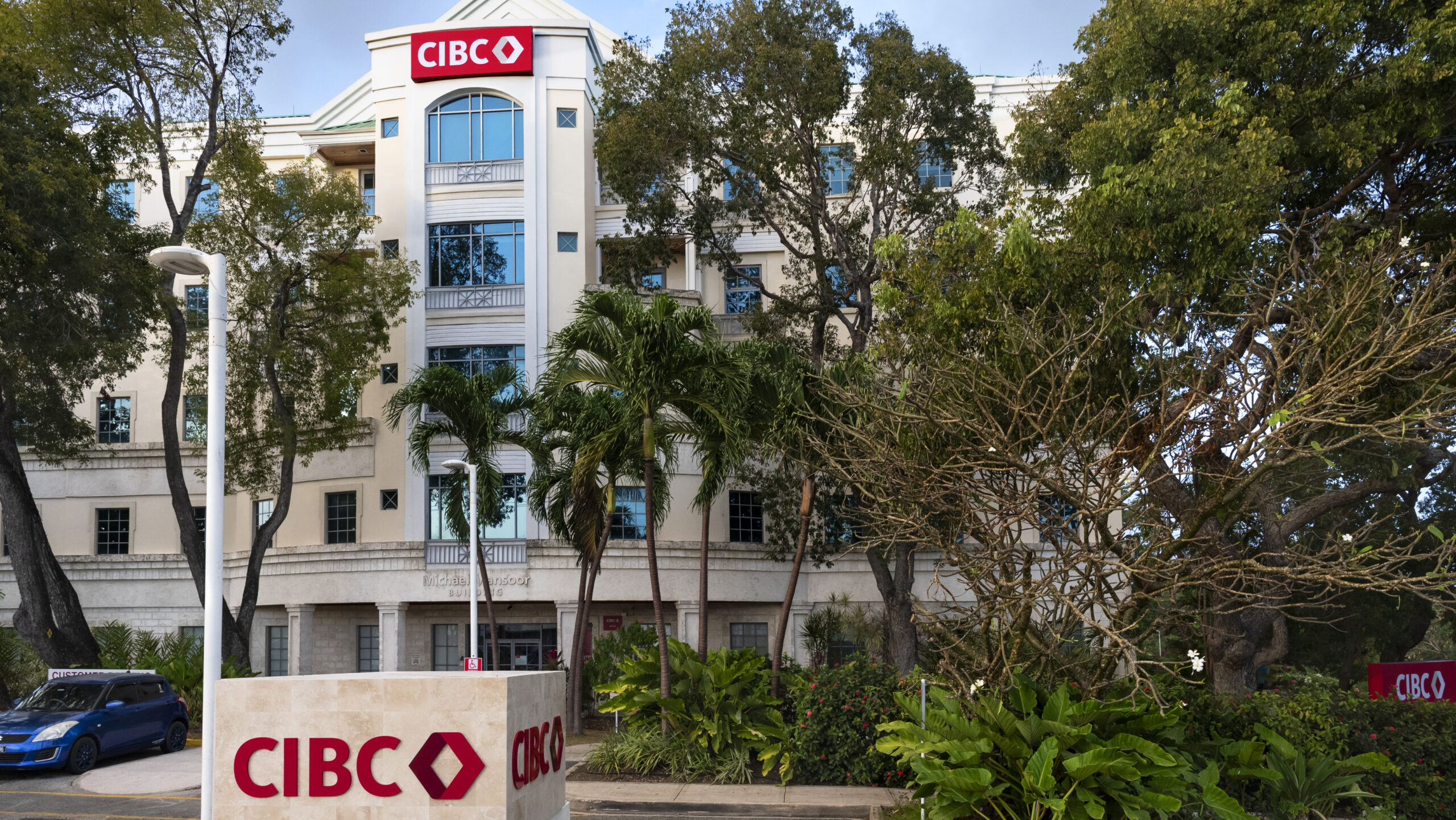
    Amid a sharp rise in elaborate, multi-platform fraud schemes targeting banking customers, CIBC Caribbean has issued an urgent public warning, urging clients to heighten their vigilance against scammers impersonating bank staff to steal sensitive personal and financial data. The bank confirmed in an official statement released Tuesday that fraudulent actors are ramping up their operations across a wide range of digital and communication channels, using increasingly convincing tactics to trick consumers into disclosing private account information.

    What makes the latest wave of scams particularly alarming is the scammers’ willingness to leverage mainstream digital collaboration tools to build false credibility. Fraudsters are now hosting fake meetings on platforms like Google Meet, where they display CIBC Caribbean’s official logo to convince targets that their communication is legitimate. Beyond video platforms, scammers also rely on common tactics including unsolicited phone calls, deceptive social media outreach, and fake email addresses crafted to closely mimic official bank domains. One common example cited by the bank is the address “cibccustomer@gmail.com” — a Gmail account designed to look like an official customer service channel to lower recipients’ guard.

    In a clear clarification for its customer base, CIBC Caribbean emphasized that it will never initiate contact about sensitive account matters through these unorthodox channels. The institution stressed that none of its authorized representatives will reach out to customers via social media, text message, or unsolicited phone calls to request confidential information. This ban covers all high-risk sensitive data, including one-time verification codes (OTVC), personal identification numbers (PIN), full debit or credit card numbers, CVV security codes, and online banking login credentials. Additionally, bank officials will never instruct customers to download third-party remote desktop software or click on unvetted, suspicious links shared through informal channels.

    For customers who encounter suspicious outreach, the bank has outlined clear step-by-step security protocols. The first action anyone should take upon receiving an unexpected request for personal banking details is to immediately cut off contact with the potential imposter, then document the attempt to share with the bank’s security team. CIBC Caribbean urges all targets of suspected scams to avoid engaging with the fraudsters, and to report all suspicious activity directly to the bank’s dedicated Fraud Team at fraud@cibccaribbean.com, including a screenshot of the suspicious call or message whenever possible.

    For customers who realize they have already shared sensitive information with an impersonator, the bank advises an immediate response: contact the official customer service line printed on the back of your debit or credit card without delay to lock down your account and prevent unauthorized access. While CIBC Caribbean noted that it maintains industry-standard robust protective systems to safeguard customer data, the institution reminded the public that digital account security is a shared responsibility. The bank reaffirmed its ongoing commitment to protecting customer personal and financial information, but emphasized that consistent vigilance from customers remains a critical line of defense against evolving fraud tactics, working in tandem with the bank’s security infrastructure to keep accounts safe.

  • Guyana houdt voet bij stuk bij afwijzen Chinese vissersschepen

    Guyana houdt voet bij stuk bij afwijzen Chinese vissersschepen

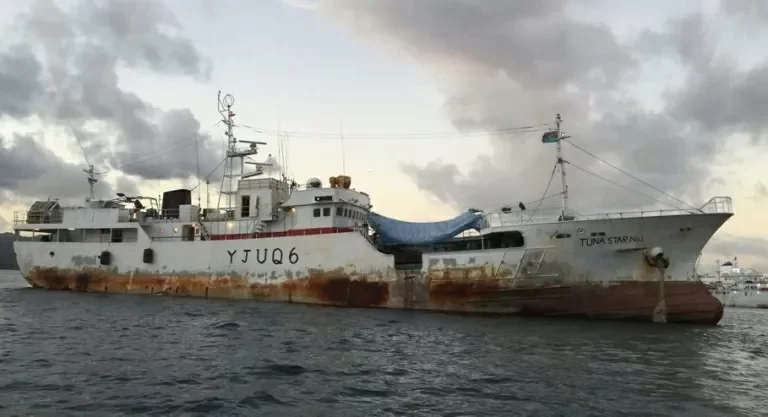
    GEORGETOWN, GUYANA – In a move that underscores growing regional sensitivity around foreign commercial fishing activity, Guyana’s agricultural authorities have formally denied a permit request from Chinese seafood firm Grandeast Seafood Inc. to operate six of its own fishing vessels in local waters. Guyana’s Minister of Agriculture Zulfikar Mustapha confirmed the rejection publicly on Monday, adding that no ongoing negotiations are underway to reverse the decision and grant approval at a later date.

    Grandeast Seafood, a subsidiary of China-based Hong Dong Fisheries Co., Ltd., has operated a fish and shrimp processing facility in Guyana since July 2018. The company poured roughly $20 million into building the modern plant, which boasts a total annual processing capacity of 5,000 to 6,000 metric tons of finfish and 10,000 to 12,000 metric tons of shrimp. However, the facility has consistently operated far below full capacity due to inconsistent local supply of raw seafood. Since opening, the plant has only processed an average of 2,500 metric tons of finfish and 700 metric tons of shrimp annually, creating lost production and revenue for the firm. To fix this persistent supply gap, Grandeast Seafood submitted its permit application to operate six company-owned fishing vessels last year, which has now been turned down.

    In its application, the Chinese firm emphasized that all six vessels would operate strictly in compliance with Guyana’s existing fisheries laws, and would not disrupt the livelihoods of local small-scale fishermen. The company also argued that operating its own vessels would create new skilled job opportunities and training programs for local crew members, delivering tangible economic benefits to Guyana’s coastal communities.

    The permit rejection has drawn close attention from neighboring Suriname, a country with its own sizable fishing industry that has struggled for years with unregulated foreign fishing in its territorial waters. Suriname’s authorities have repeatedly intercepted Chinese fishing vessels conducting illegal, unreported, and unregulated (IUU) fishing in Suriname’s claimed maritime territory over the past decade. These repeated incidents have already prompted the country to ramp up maritime patrols, strengthen enforcement measures, and hold high-level diplomatic talks with Chinese officials to address the issue of overexploitation of shared regional fish stocks.

    Suriname has repeatedly stated that it remains fully committed to upholding the integrity of its maritime borders, protecting domestic fishing grounds for local operators, and ensuring long-term sustainable fishing practices across the region. The outcome of Grandeast Seafood’s permit application in Guyana is widely viewed as a key indicator of how Caribbean South American nations will approach foreign investment in their fishing sectors moving forward, balancing potential economic gains against concerns over resource sovereignty and local livelihood protection.

  • Browne Says Antigua and Barbuda Can Become ‘Lifestyle Superpower’

    Browne Says Antigua and Barbuda Can Become ‘Lifestyle Superpower’

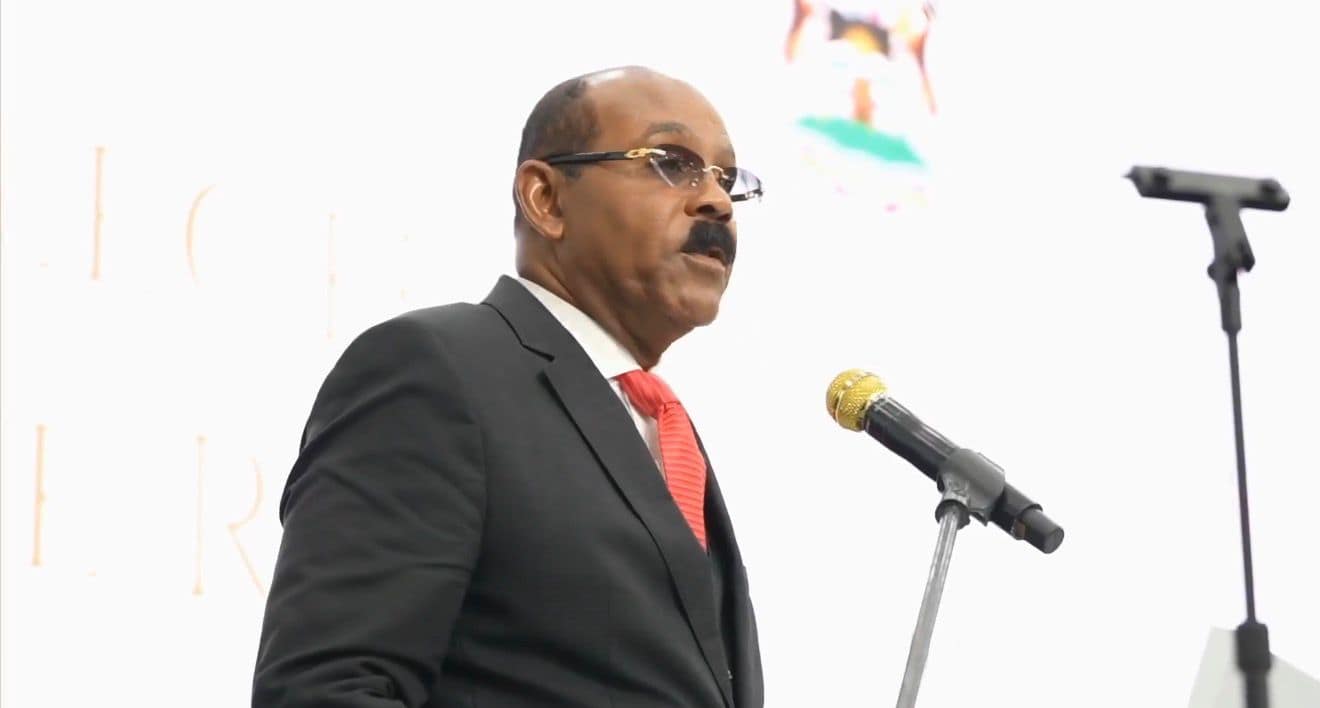
    Fresh off a historic landslide win in the April 30 general election, Prime Minister Gaston Browne has laid out an ambitious new national vision for Antigua and Barbuda, positioning the country to evolve from a growing economy to what he calls a global “lifestyle superpower” that delivers widespread, tangible benefits to all citizens.

    Browne laid out this policy framework during his official swearing-in ceremony on Tuesday, where he emphasized that the new administration’s development strategy rejects the narrow focus on gross economic expansion that has guided many small island nations. Instead, his government will center national progress on simultaneous growth of the national economy and improvement of everyday quality of life for Antigua and Barbuda’s residents.

    “We have to continue the transformational build of this country,” Browne told attendees gathered for the inauguration. He went on to explain that the administration’s holistic vision encompasses far more than GDP gains, covering eight core pillars of development: modern infrastructure, investment in people, enhanced national competitiveness, renewed national pride, environmental stewardship, and comprehensive public safety and security.

    Browne argued that Antigua and Barbuda has already built a strong foundation of steady economic progress and political stability, and now it is time to leverage those advantages to build a nation that appeals equally to international visitors and domestic residents. “We have to position Antigua and Barbuda as a lifestyle superpower,” he declared to the audience.

    The Prime Minister tied this bold ambition to a series of ongoing and planned public investments across key sectors, including transportation and utility infrastructure, affordable housing, public education, and core public services. Alongside these infrastructure and social spending commitments, he stressed that national pride and inclusive social development are just as critical to achieving the “lifestyle superpower” goal.

    His administration’s core mission, he said, is to continue building a cohesive society that guarantees widespread access to opportunity, personal security, and a steadily improving quality of life for all citizens. “We must work boldly,” Browne stated, urging both public officials and private citizens to join in sustained efforts to boost the country’s global competitiveness and long-term resilience to economic and climate challenges.

    Browne also placed a particular focus on youth investment, noting that empowering young Antiguans and Barbudans is critical to creating the stable, enabling conditions needed for long-term economic and social advancement. He reiterated that for his administration, economic expansion is not an end in itself: the ultimate goal is to ensure that every community across both islands sees tangible, measurable improvements from national development.

    Browne’s Antigua and Barbuda Labour Party secured a dominating mandate in last week’s general election, winning 15 out of the 17 available parliamentary seats, clearing the way for the administration to advance its full policy agenda over the coming term.

  • U.S. Coast Guard Intercepts Drug Vessel Near Haiti, Seizes $3.8M in Marijuana

    U.S. Coast Guard Intercepts Drug Vessel Near Haiti, Seizes $3.8M in Marijuana

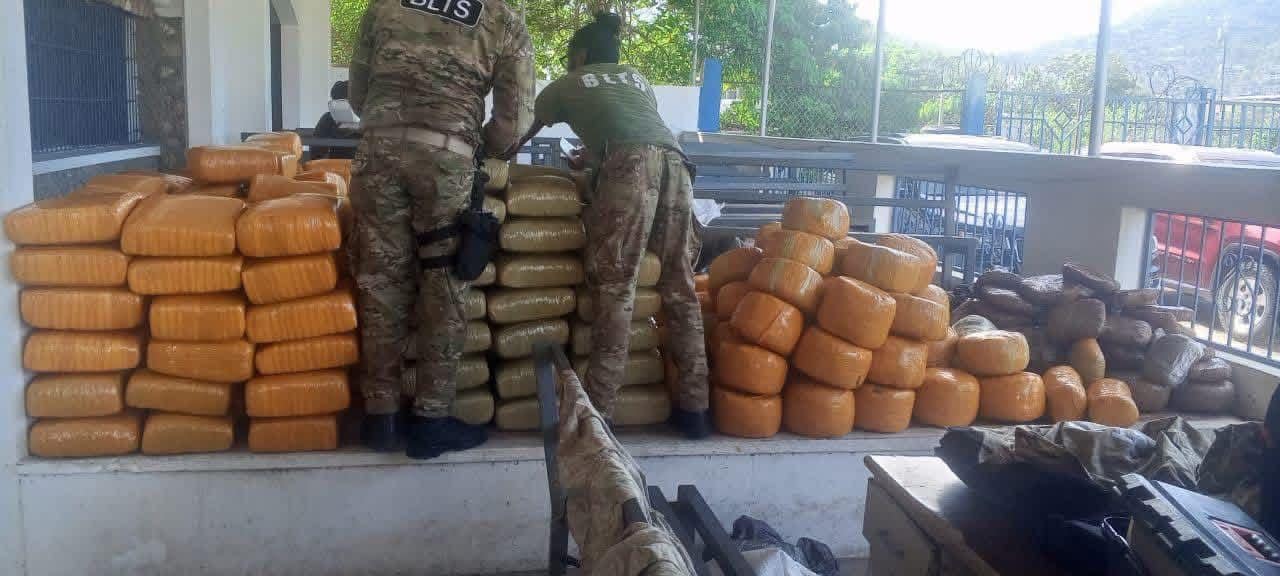
    A coordinated anti-narcotics operation carried out by a U.S. Coast Guard law enforcement detachment deployed on a U.S. Navy vessel has successfully intercepted a vessel suspected of smuggling illegal drugs in waters off Haiti’s northern coast. The operation resulted in the seizure of approximately 3,200 pounds of marijuana, with an estimated street value of $3.8 million, U.S. officials confirmed.

    Based on an official statement released by U.S. Coast Guard Southeast, the interception occurred Thursday approximately eight nautical miles off the coast of Mole Saint-Nicolas, a coastal town in Haiti’s northwestern department. During the boarding and inspection of the suspect vessel, the enforcement team took one individual into custody. Three days after the interception, on Sunday, both the seized contraband and the detained suspect were handed over to Haitian law enforcement officials for further processing and prosecution.

    Lt. Cmdr. Cory Arsenault, the U.S. Coast Guard’s liaison officer to Haiti, emphasized the ongoing commitment of U.S. forces to collaborative regional security. “In close coordination with the Haitian government, the U.S. Coast Guard remains steadfast in our shared mission to safeguard the maritime approaches of the Caribbean,” Arsenault said. “Together, we are strengthening joint operations to disrupt the illegal flow of narcotics, protect vulnerable communities, and uphold the security and stability of the region.”

    The successful interdiction was not a solo effort: it drew on coordination and intelligence support from a network of multiple U.S. and regional security agencies, including Joint Interagency Task Force South, the multi-national body tasked with countering illicit trafficking in the Caribbean and Eastern Pacific, and U.S. Southern Command, which oversees U.S. military operations in the region. Transnational drug trafficking has long been a persistent security challenge for Caribbean nations, with unpatrolled maritime routes often used by smuggling networks to move contraband between North, Central, and South America, fueling domestic instability and organized crime in the process.

  • BUT reports orderly BSSEE administration

    BUT reports orderly BSSEE administration

    The Barbados Secondary Schools’ Entrance Examination (BSSEE), widely known as the Common Entrance or 11-Plus exam, was successfully carried out across the island nation on Tuesday, with zero major logistical failures or security breaches recorded at any testing site, according to the Barbados Union of Teachers (BUT).

    In an interview with Barbados TODAY, conducted hours after thousands of eligible students sat the high-stakes assessment that determines secondary school placement, BUT General Secretary Gilbert Carmichael confirmed the union had not received a single negative report from testing centers around the country. Carmichael highlighted that despite the pressure surrounding this make-or-break academic milestone for young students, local educators handled the transition from pre-exam preparation to active testing with remarkable professionalism.

    Addressing widespread public concerns around student anxiety that typically dominates pre-exam discourse, Carmichael credited the decades of experience and steady temperament of the nation’s invigilating teaching staff for keeping testing environments calm and focused. He explained that veteran educators have honed specific strategies to ease nervous students the moment they enter examination halls, resulting in a low-anxiety atmosphere by the time papers are distributed. “Teachers, given the experience of doing this over a long period of are equipped with the skills to calm students and make sure that they are aware that this is a day where their best interests are at heart. They do everything to make sure that the students feel comfortable,” Carmichael stated.

    Carmichael added that the dominant mood among students after completing the exam was not stress or overwhelm, but a sense of accomplishment and relief. “What I’ll say is that there is a great sense of relief, I’m sure, among students who, following the guidance of their parents and the tutelage of their teachers, certainly gave their best during the examination this morning,” he said.

    The BUT head also addressed questions around accommodations for students with special learning needs, a critical component of inclusive testing policy. While he did not share an exact count of students requiring modified arrangements, Carmichael emphasized that established protocols for supporting these students functioned without a single glitch. The process for identifying, approving, and placing students requiring special accommodations is a well-structured system with clear deadlines that are strictly followed by both parents and educators, he explained, and no challenges were reported in providing an equitable testing environment that allowed these students to sit the exam alongside their peers.

    When asked about an unconfirmed report of a delayed start at The St Michael School testing center, Carmichael urged the public to take a balanced view of the incident, framing it as a minor hiccup in a massive nationwide logistical undertaking. He noted that the union planned to follow up with local union stewards at the site to identify the root cause of the delay, but stressed that even small hold-ups never put candidates at a disadvantage. Under standard exam protocols, any lost exam time due to late starts is fully compensated by extending the finish time for affected students, guaranteeing all participants get the full allotted time to complete their work. “The exam is a very fluid day,” Carmichael explained. “There are things that arise that sometimes are unforeseen, but students are not disadvantaged in any way. Any time that the exam starts late, that time is obviously given back to the students. The teachers from the secondary schools understand that, and they don’t have any challenges with making sure that these students are comfortable.”

    Closing out his formal assessment of the 2024 BSSEE, Carmichael extended the Barbados Union of Teachers’ formal commendation to all participating students, noting that the exam day marks the culmination of years of consistent hard work and academic discipline for young learners. “At this juncture, I would say that the Barbados Union of Teachers salutes all students today and encourages them to continue striving for excellence as they continue on their academic journey,” he said.

  • The boxer on the ropes – an analysis of the Antigua and Barbuda 2026 General Elections | Part II

    The boxer on the ropes – an analysis of the Antigua and Barbuda 2026 General Elections | Part II

    When the final votes were tallied in Antigua and Barbuda’s 2026 general election, the Antigua and Barbuda Labour Party (ABLP) secured a historic fourth term in office. But to understand the true weight of this victory, one must look beyond raw seat counts and vote totals to the deeper shifts in party identity, national vision, and democratic practice that it reveals. This election win is more than a political triumph—it is a case study in intentional institutional renewal, reconnection to core roots, and the resilience of democratic governance in an era of global democratic backsliding.

    One of the most striking markers of ABLP’s success is its deliberate commitment to generational rebuilding rather than superficial cosmetic change. Ahead of the poll, the party fielded 10 new candidates, a large share of whom are under 40 years old, bringing fresh perspective and energy to the political landscape. This blend of seasoned veteran leadership and emerging young talent sends a clear message: the ABLP is no static relic of the nation’s independence era, but a dynamic, evolving institution adapting to the demands of a new age.

    The party has redefined leadership as a relay race rather than a permanent throne—prioritizing the smooth passing of the baton to the next generation over clinging to power. This marks a tangible shift away from the individualistic politics and personality cults that have eroded democratic institutions in many parts of the world, refocusing instead on collective responsibility and long-term institutional continuity. It is a reminder that robust democracies are built on robust, self-renewing parties that survive not by centering individual personas, but by refreshing their values, updating their leadership, and staying rooted to the communities they exist to serve.

    Beyond internal renewal, the 2026 election also revealed a stark shift in national vision between Antigua and Barbuda’s two major parties. Where the ABLP’s historic opposition, the United Progressive Party (UPP), once built its brand on a “broad tent” philosophy of inclusive politics, the party has gradually drifted from that founding ethos in recent years: its outreach has shrunk, its policy focus has narrowed, and its appeal has become far more limited. The ABLP, by contrast, has returned to its foundational roots as a working-class movement, expanding the modern “House of Labour” to reflect the diverse reality of work in the 21st century.

    Today’s working class encompasses far more than the traditional labor movements of the past: the ABLP recognizes that teachers, hotel workers, young coders, fishermen, nurses, technicians, and small business owners are all workers contributing to Antigua and Barbuda’s national progress. The party’s flagship policy push for a living wage is not just a campaign slogan—it is a reflection of its core belief that democracy must deliver more than just the right to vote; it must deliver tangible, improved quality of life for all citizens.

    Any analysis of ABLP’s present must acknowledge the weight of its storied past. The legacy of Sir Vere Cornwall Bird, the father of Antigua and Barbuda’s independence, remains a cornerstone of the nation’s identity. Bird’s lifelong sacrifice, unwavering commitment to working people, and steady leadership through the transition from colonial rule to self-governance are etched permanently into the country’s history. But national progress does not end with political independence: today’s unfinished work lies in securing economic independence—narrowing systemic inequality, expanding access to opportunity, and ensuring that free education, quality healthcare, and dignified employment are universal guarantees, not privileges reserved for a select few.

    That legacy of working-class empathy lives on in the leadership of current Prime Minister Gaston Browne, who carries forward Bird’s vision into the complex landscape of 21st-century global competition and technological change. Like U.S. President Franklin D. Roosevelt’s iconic fireside chats, Browne prioritizes open, direct communication with the public, explaining policy and direction in plain, honest language. His regular “Browne and Browne” public affairs program, a frequent, unscripted space for national conversation, represents a modern iteration of this accessible leadership tradition, embodying the democratic principle that leadership requires visible, accountable connection, not distant authority.

    This election was not only a test for the ABLP—it was a test for Antigua and Barbuda’s democracy as a whole, and the nation passed with flying colors. At a time when democratic norms are under growing strain across the globe, Antigua and Barbuda delivered a calm, peaceful, transparent election that fully honored the will of the people. Voters turned out in force, cast their ballots freely, and accepted the outcome unified, reaffirming the core democratic truth that sovereign power belongs to the people.

    Citizens evaluated the competing visions on offer, and chose the path they believed best aligned with their hopes, needs, and national ambitions. They made clear that while they do not expect perfection—no government is without flaw—they approve of the country’s current direction, the leadership’s willingness to adapt and adjust, and its commitment to inclusive national development.

    To frame this moment in sporting terms: the ABLP once found itself backed against the ropes, weathering heavy criticism and electoral setbacks. Instead of collapsing, it absorbed the blows, learned from its mistakes, and rebuilt itself from the inside out: it restructured internal party institutions, elevated new generational talent, returned to its working-class roots, and put forward an inclusive national vision big enough to unify all corners of the country. What we see today is a party that has stepped off the ropes and back to the center of the ring, ready for a new term of leadership.

    Now the question turns to what the ABLP will do with this historic mandate. The party won the right to lead for a fourth term, and it must approach this responsibility with humility, responsiveness, and courage. The core questions that will define this term are straightforward: Will the ABLP deepen democratic participation? Will it expand economic opportunity for all? Will it transform national institutions to ensure that future generations never have to choose between dignity and economic survival?

    Early signs point to a positive path forward—if the party retains the lessons that brought it to this moment: why it was once written off by political observers, and why the people of Antigua and Barbuda chose to give it a renewed mandate. If this lesson is fully embraced, the 2026 election will stand as a defining turning point for the nation: a moment when a party, a people, and a democracy chose transformation over complacency, and forward-looking leadership over stagnation.

    As former U.S. President John F. Kennedy famously noted, the future is not inherited—it is built, and the challenges we face as people can be solved by people. The charge ahead for the ABLP and the people of Antigua and Barbuda is clear: now that the party has returned to the center of the political ring, it must use this mandate not just to hold power, but to continue the collective work of building a more just, more inclusive, and more prosperous nation. As iconic Antiguan calypso artist Short Shirt long urged, nation-building requires collective effort: “put your shoulder to the wheel,” he urged, and remember that work, not empty talk, is what builds a strong nation—progress demands relentless, shared toil.

  • Congratulatory Message from CARICOM Chair to the Prime Minister of Antigua and Barbuda

    Congratulatory Message from CARICOM Chair to the Prime Minister of Antigua and Barbuda

    Following the conclusion of Antigua and Barbuda’s general elections on April 30, the Chairman of the Caribbean Community (CARICOM) has issued a formal message of warm congratulations to Prime Minister Gaston Browne, who secured a historic fourth consecutive term in national office.

    Browne’s landslide win at the polls is widely interpreted as a clear demonstration that the electorate of Antigua and Barbuda retains unwavering confidence in his leadership style and long-term development blueprint for the twin-island nation. The outcome of the election has not only cemented Browne’s political legacy but also reaffirmed the public’s commitment to the regional democratic norms that the Caribbean has long prioritized.

    In the congratulatory statement, the CARICOM Chairman also extended praise to the people of Antigua and Barbuda for upholding the region’s longstanding, proud tradition of conducting free, fair, and peaceful democratic elections. This peaceful transition of power through the ballot box stands as a testament to the maturity of the country’s democratic institutions, the statement added.

    Looking ahead, the Chairman expressed sincere well wishes for a productive and impactful new term, highlighting hopes that Browne’s leadership will drive continued social and economic progress across Antigua and Barbuda. The statement also underscored CARICOM’s eagerness to maintain close collaborative work with Browne’s administration, as both sides work together to tackle the wide range of cross-border challenges that impact the entire Caribbean region.

  • Ministry Invites Public to Access Free HPV Screening on Select Weekends in May

    Ministry Invites Public to Access Free HPV Screening on Select Weekends in May

    A new public health initiative led by the Ministry of Health, Wellness, Environment, and Civil Service Affairs is calling on all local residents to access no-cost human papillomavirus (HPV) screening services, available exclusively on selected weekends throughout the month of May. This outreach effort is the latest addition to the Ministry’s long-running campaign to embed proactive health habits across communities, with a core focus on boosting early illness detection, expanding preventive care access, and lifting overall population wellness levels. HPV, one of the most prevalent sexually transmitted viruses globally, often presents no obvious symptoms in its early stages. If left undiagnosed and untreated, however, the infection can trigger a range of severe, life-altering health complications, most notably multiple forms of cancer that develop gradually over time. Senior public health officials have emphasized that consistent, routine screening remains the single most effective proactive step individuals can take to lower their personal risk of HPV-related complications and dramatically improve long-term health prognosis for those who do test positive. To help residents plan their visits, the Ministry has urged all community members to review official informational flyers distributed across local communities, which contain full details on exact screening dates, facility locations, and eligibility requirements for the free services. Repeating its call to action, the ministry reiterated that early detection through accessible screening plays an irreplaceable role in protecting lifelong health for people of all eligible age groups, making this no-cost opportunity a resource the public should not overlook.

  • A World Court ruling in favour of Guyana will “freeze” controversy- Venezuela

    A World Court ruling in favour of Guyana will “freeze” controversy- Venezuela

    On Wednesday, May 6, 2026, Venezuela’s legal delegation presented stark warnings to the International Court of Justice (ICJ) in The Hague, arguing that upholding the validity of the controversial 1899 Arbitral Tribunal Award over the Essequibo Region will leave the decades-long territorial dispute between Venezuela and neighboring Guyana permanently unresolved.

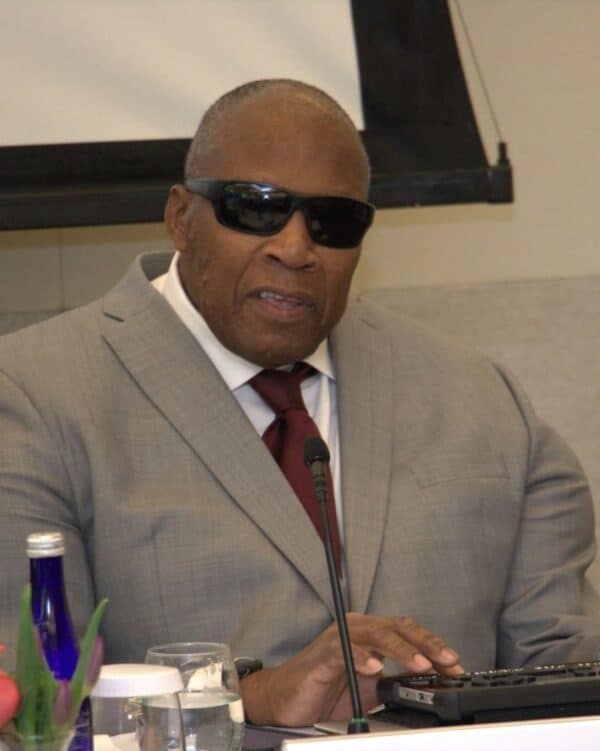
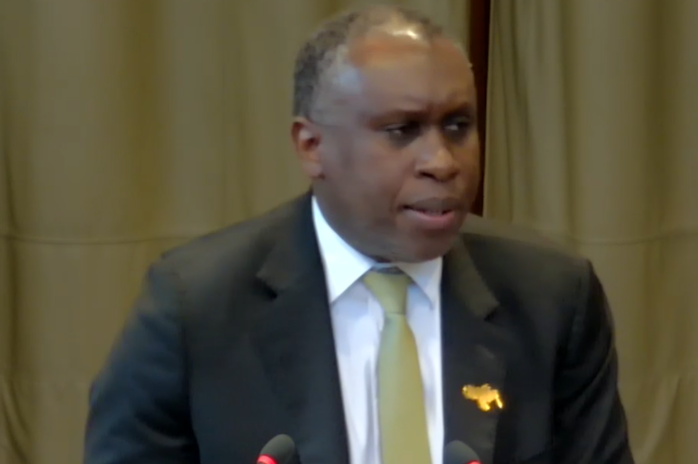
    Speaking on behalf of Venezuela, Senegalese-born international law professor Makane Moïse Mbengue, who wore a lapel pin printed with Venezuela’s claimed territorial map that includes the 160,000-square-kilometer Essequibo Region, told the ICJ panel that validating the 1899 award would achieve the exact opposite of a lasting resolution. Instead, it would lock the two South American nations into a permanent deadlock – an outcome the 1966 Geneva Agreement was explicitly crafted to overcome. Two other members of Venezuela’s legal team, professors Andreas Zimmermann and Antonio Remiro Brotóns, did not wear the symbolic pin during their presentations.

    Professor Brotóns echoed Mbengue’s position, stressing that if the ICJ dismisses Venezuela’s challenge by confirming the 1899 award’s legal standing, the 1966 Geneva Agreement would be reduced to an empty, meaningless document. He characterized such a ruling as the final step in what he called the “judicial whitewashing” of a territorial seizure imposed on Venezuela by the British Empire 127 years ago. Brotóns further warned that a ruling upholding the 1899 award would inflame tensions between the two neighboring states, rather than resolving the dispute. “This will not put an end to the controversy. On the contrary, it may exacerbate it by driving the parties further apart. It will merely be another step in a never ending saga that the parties alone can end through a common agreement. No one should have any interest in fueling the conflict,” he told the court.

    Brotóns also criticized Guyana’s approach to the dispute over the past decade, arguing that the country has abandoned its commitments under the Geneva Agreement through what he described as a combination of deliberate disregard and territorial ambition. He claimed Guyana has effectively taken the place of the United Kingdom as an “usurper” of the contested territory, and has even portrayed itself as a victim of Venezuelan aggression despite this history. “Decolonization cannot be exploited to reinforce or perpetuate colonial injustices. The colonial appropriation of the United Kingdom cannot, within the normative framework of decolonization, result in a legal title for Guyana against Venezuela. Venezuela supported Guyana’s independence,” he added.

    Mbengue centered his core argument on the legal principle of novation, asserting that the 1966 Geneva Agreement legally invalidated the 1899 award and replaced it with a new framework centered on bilateral negotiation, mutual agreement, and equal sovereign standing for both parties. He emphasized that Guyana explicitly agreed to this structure when it signed onto the accord, committing to find a new resolution to the dispute over the resource-rich Essequibo Region.

    Under the terms of the Geneva Agreement, both parties are required to pursue a mutually acceptable solution through direct bilateral talks, Mbengue explained. If the court upholds the 1899 award and rejects the mandate for negotiated settlement, the dispute will again be trapped in stalemate. Even if the court overturns the 1899 award and Guyana still refuses to return to negotiations, the controversy will be left to fester, falling short of the requirements set out in the 1966 accord, he added.

    Mbengue also highlighted key provisions of the agreement that bar either side from claiming sovereign rights or legal prescription through unilateral activities undertaken during the negotiation process. The accord, he said, clearly establishes that both parties agreed to operate within a new legal framework where all territorial claims remain open pending a mutually negotiated outcome. Notably, Venezuela’s legal team did not reference the clause in the Geneva Agreement that allows the United Nations Secretary-General to refer the dispute to the ICJ for a binding ruling if bilateral and good offices mediation processes fail to produce a resolution.

    Addressing the transition to Guyanese independence, Mbengue told judges that the United Kingdom did not dismiss Venezuela’s long-standing allegations of fraud in the 1899 proceedings, and that the original 1899 framework was not simply inherited by newly independent Guyana. Instead, he noted, Article 8 of the Geneva Agreement explicitly stipulates that Guyana becomes a party to the new negotiated framework upon gaining independence.

    Guyana’s legal team had already presented its case earlier this week, submitting documentary evidence that showed Venezuela accepted the 1899 award for more than 60 years through actions including participating in border demarcation, publishing maps that recognized the award, and making official statements affirming its validity. Guyana’s side noted that Venezuela only challenged the award after a 1960s letter from a former secretary to the 1899 arbitral tribunal, Mallet Prevost, claimed the proceedings included irregularities that favored Britain, which was Guyana’s colonial ruler at the time.

    Mbengue countered Guyana’s position by pointing to 50 years of practice consistent with the novation framework established by the Geneva Agreement. For half a century, he noted, Guyana never invoked the 1899 award in any international forum, and instead participated in negotiations through the Good Officer process and other mechanisms created by the 1966 accord. “That sustained practice from Guyana reflects precisely the understanding that the award had been superseded. The intention to novate emerges finally from the practice of the United Kingdom, which consistently maintained in its diplomatic practice that former colonies could not simply inherit all obligations of colonial era treaties by automatic succession,” Mbengue added.

    Venezuela has maintained its position that the ICJ’s 2020 ruling asserting jurisdiction over Guyana’s case was incorrect, and Mbengue confirmed that “Venezuela reserves its position on the matter.” Even setting the jurisdiction question aside, Mbengue argued that the legal novation completed by the Geneva Agreement bars the ICJ from adjudicating the territorial dispute. He claimed that Guyana’s case amounts to an attempt to revive the 1899 award through the backdoor of ICJ jurisdiction, after having abandoned it through the front door of the 1966 agreement’s substantive terms. “International law does not permit that,” he said.

    Professor Andreas Zimmermann, another member of Venezuela’s legal team, criticized Guyana’s inconsistent handling of the Geneva Agreement, noting that Guyana relied on the accord to bring the case to the ICJ, but has since refused to engage with the binding legal obligations the agreement imposes on it. “What is more, Guyana, by not engaging in the substantive interpretation of the Geneva agreement, implicitly acknowledged that it has nothing, nothing to say on the manifold arguments related to the impact of the Geneva agreement on how to solve the boundary dispute, arguments that Venezuela had already brought forward in its written pleadings,” Zimmermann said.

    Zimmermann stressed that the explicit purpose of the jointly negotiated Geneva Agreement is to resolve “any outstanding controversy” related to the border. If the parties had only intended to address the narrow question of the 1899 award’s validity, that limited scope would have been clearly stated in the agreement’s preamble, he argued. To support his position, Zimmermann presented excerpts from official diplomatic documents from both Guyana and Venezuela that he says prove the Geneva Agreement was intended to serve as the foundation for a mutually negotiated settlement between the two sovereign states.